








Start Here: What Our Coffee Journal Covers
If you are new to specialty coffee or just want better results from the beans you already buy, this is the place to begin. We write for people who want straight answers on taste, freshness, brewing and storage, without jargon that gets in the way. From Woodstock to Johannesburg boardrooms, the same basics apply: good water, the right grind, and beans used at the right time.
The journal covers a mix of practical guides and roastery thinking, so you can read the pieces that suit your setup. Some articles are for a home plunger on a Sunday morning, while others help offices plan coffee for 20 people before the 8 am rush. If you are choosing what to read first, start with the topics that match your equipment and how much coffee you make each day.
How To Choose The Right Article For Your Brew
Not every article is meant for every reader, so it helps to pick by need rather than title. If your coffee tastes flat, read about grind size and water. If you are buying for a team, look for planning notes, stock forecasting and serving sizes. If you want to compare flavour, focus on origin notes and roast style.
- New to coffee: begin with brewing basics and storage guidance.
- Home brewers: look for grind, water and equipment setup notes.
- Office managers: read pieces on subscription timing and stock use.
- Hospitality teams: choose menu planning and service workflow articles.
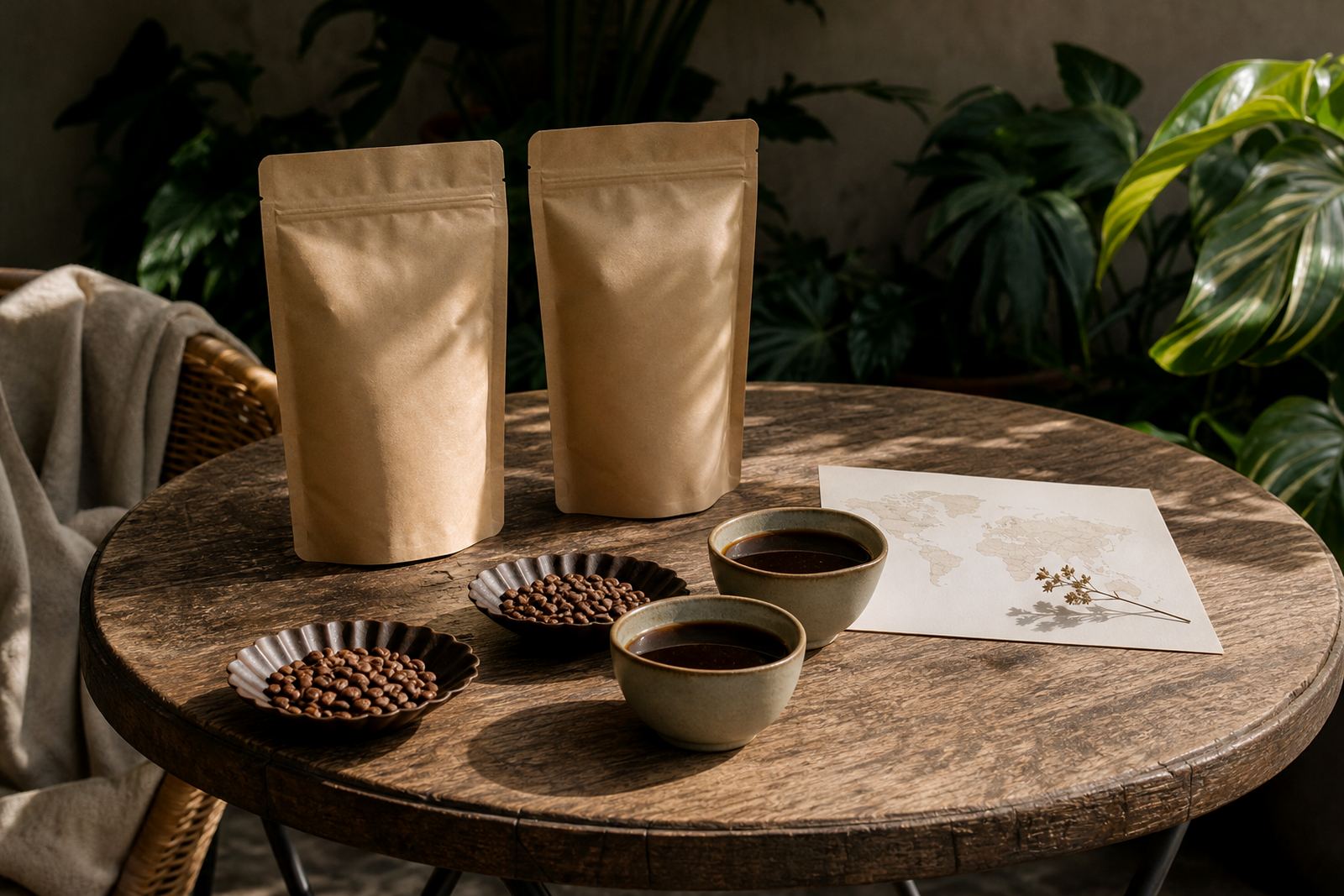
- Curious buyers: follow origin stories and seasonal rotation updates.
A quick read can save a lot of guesswork, and it often means fewer wasted grounds too. That matters when coffee prices move and deliveries need to line up with actual usage, not hope.
Roastery Notes From Woodstock
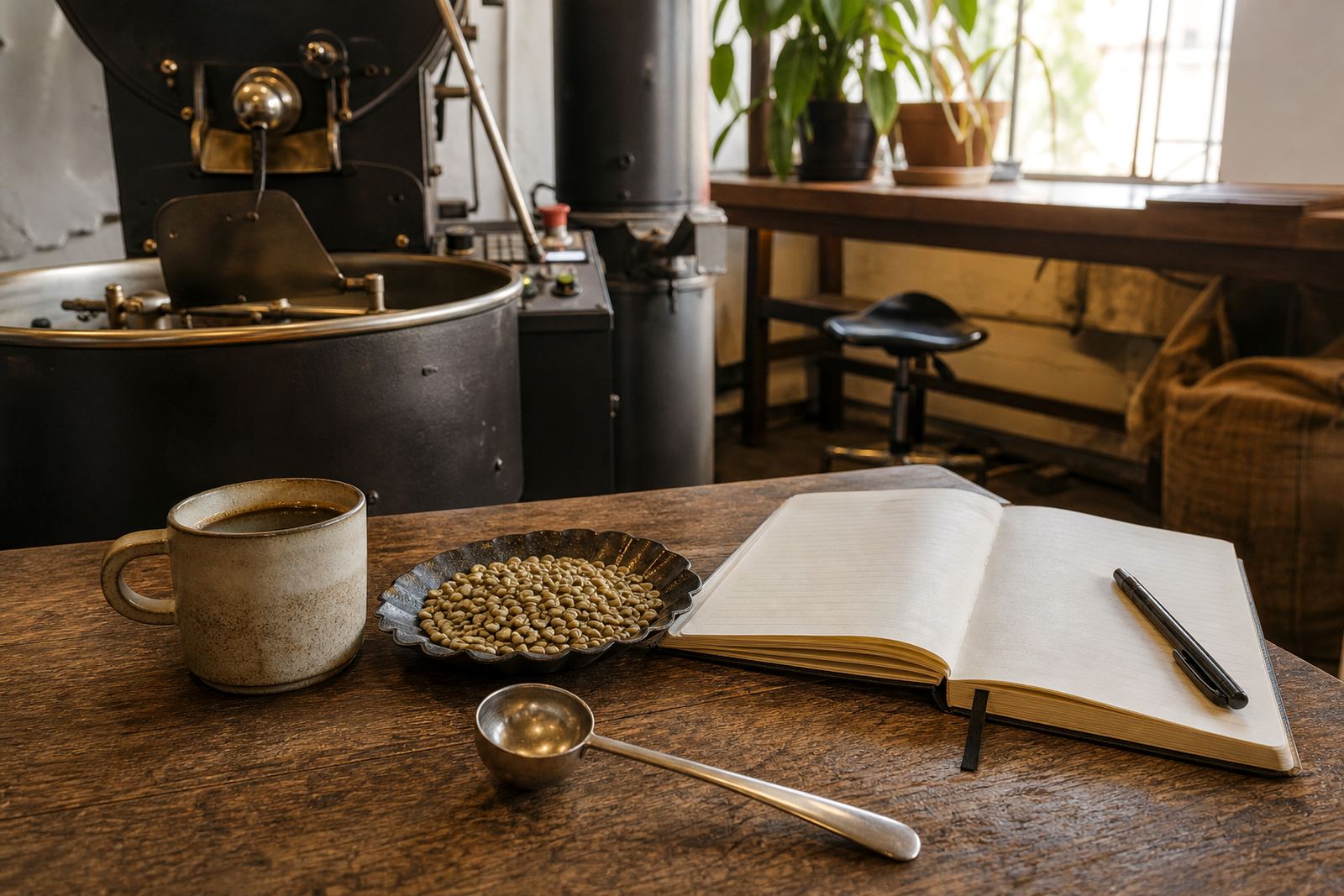
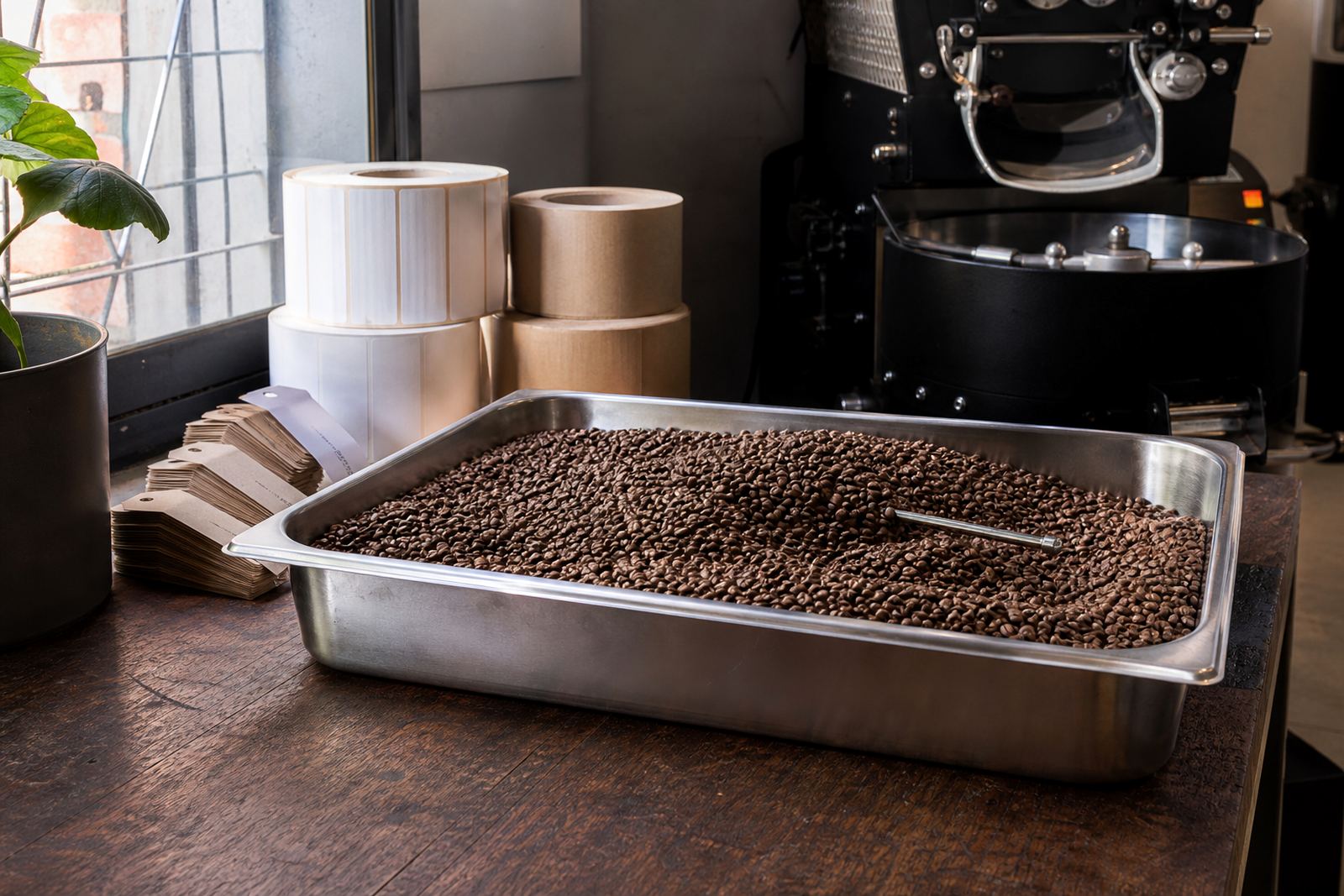
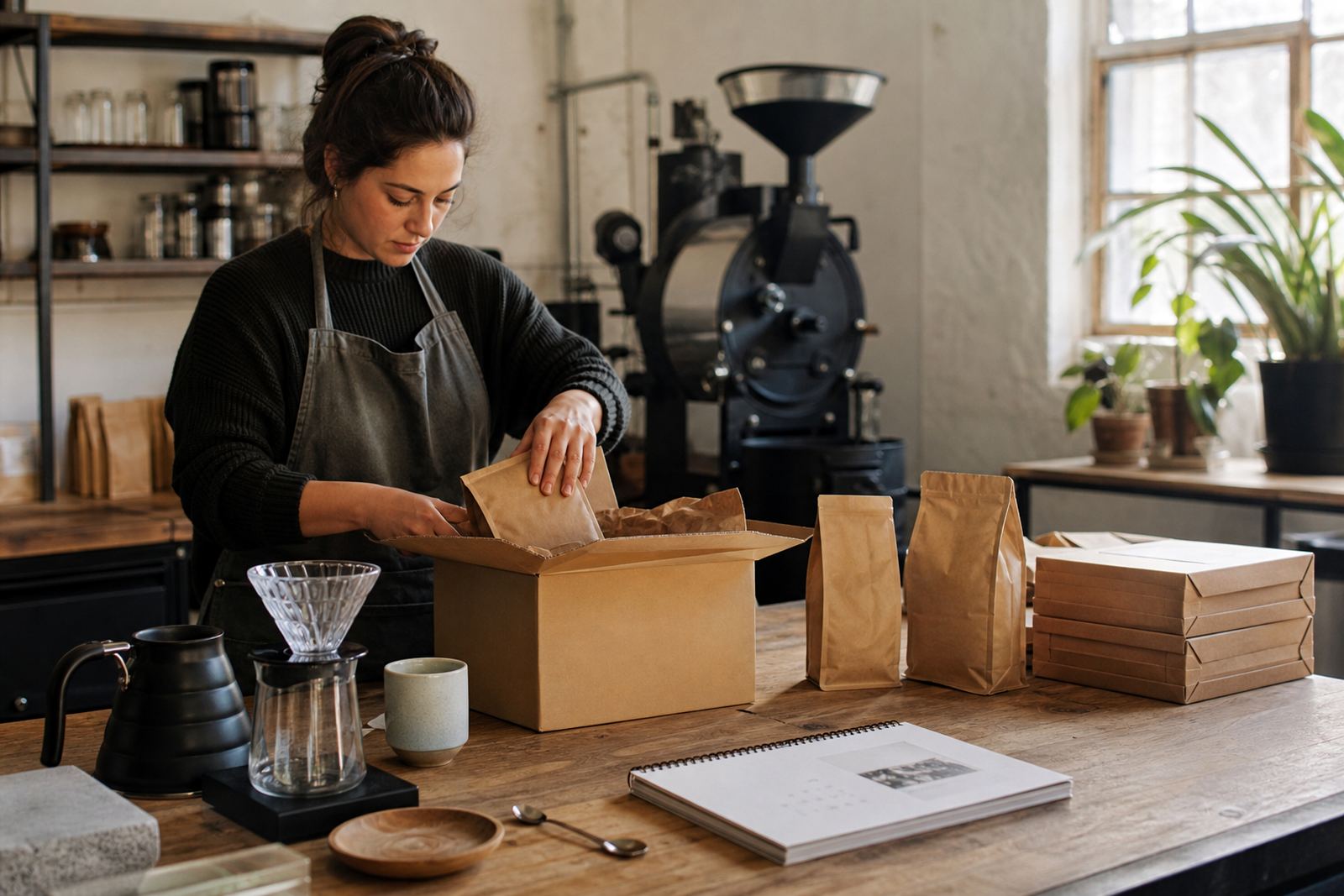
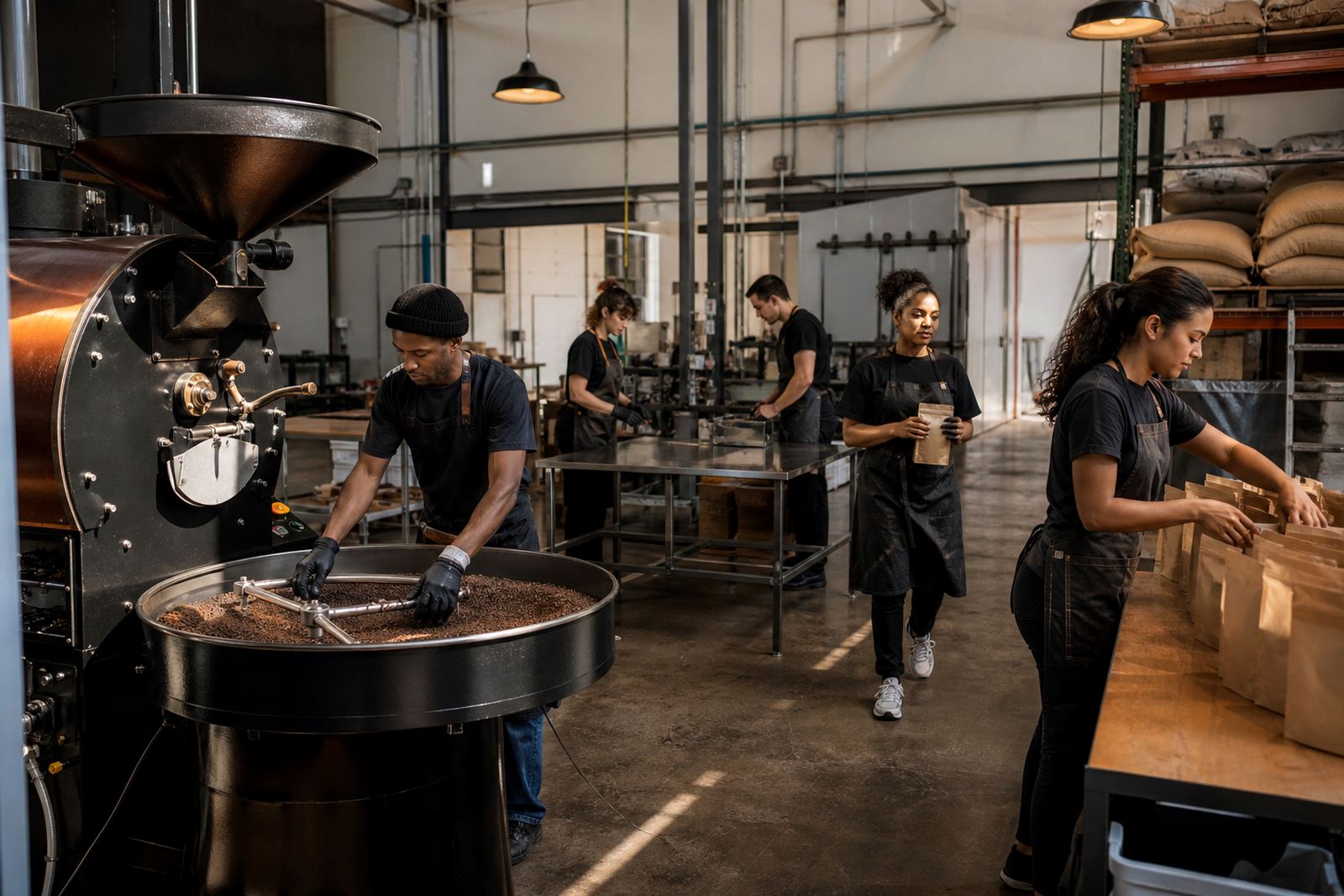
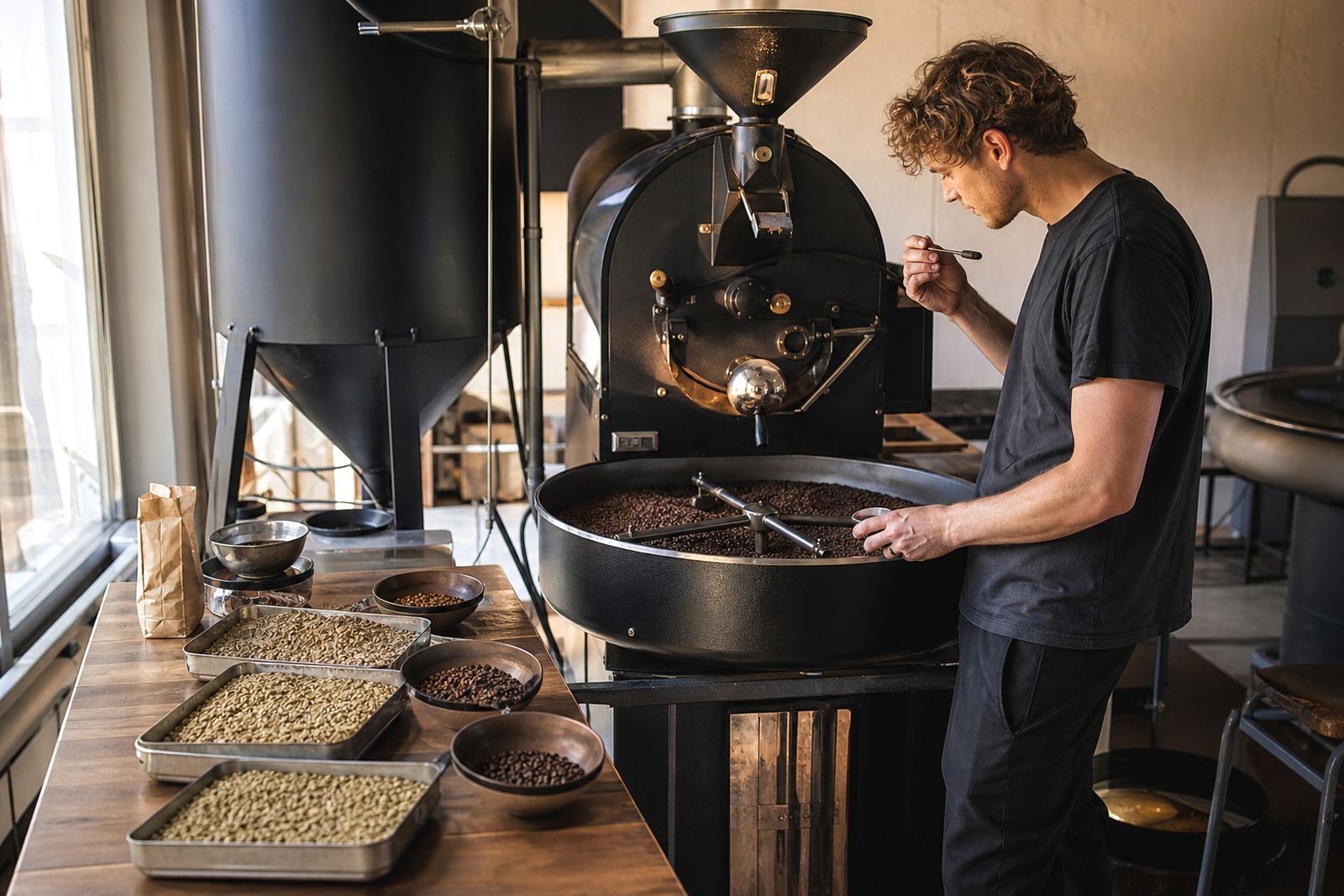
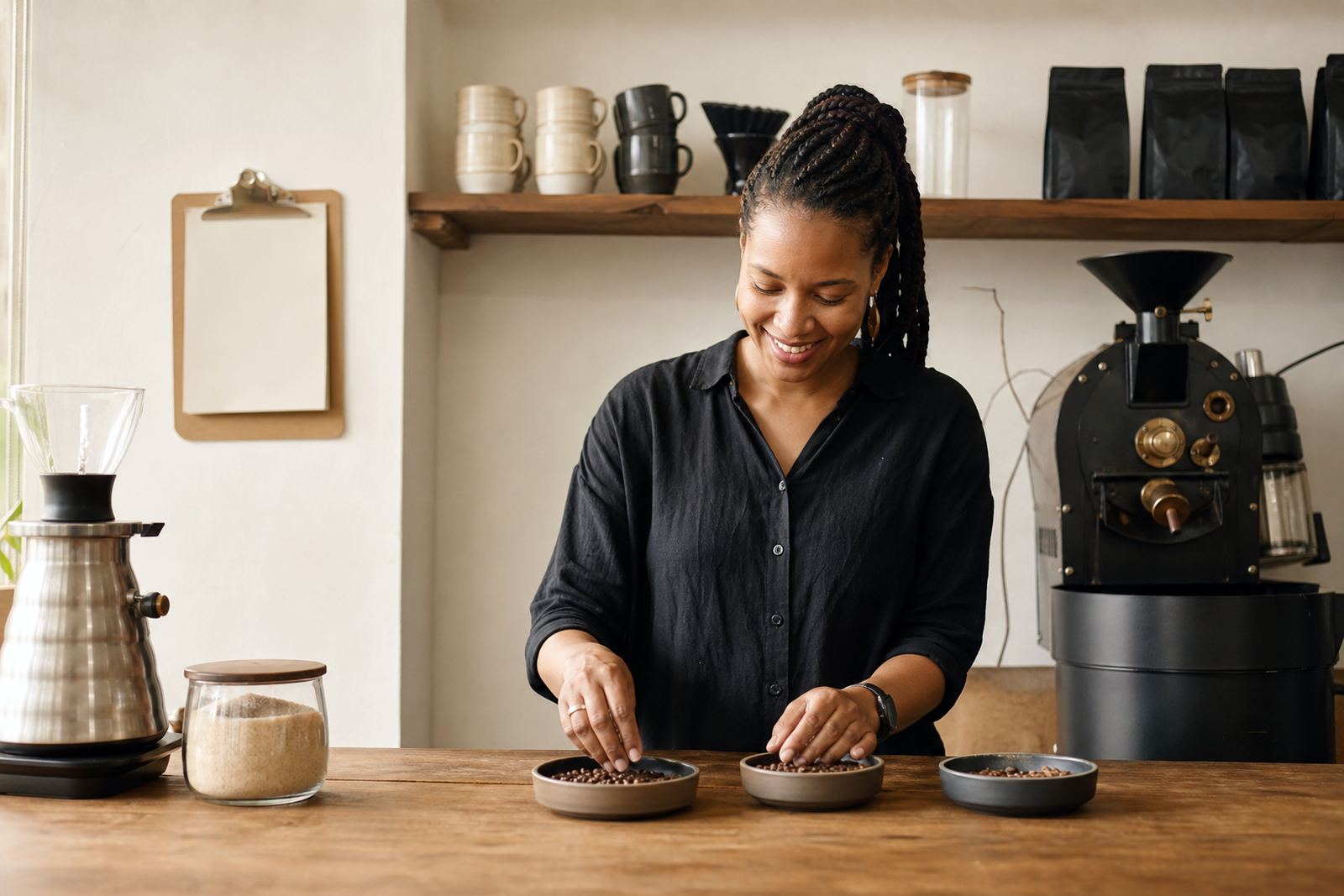
Some journal entries come straight from the roastery floor in Woodstock, where batch size, weather and green coffee condition all affect the final cup. Cape Town’s dry summer air, coastal humidity and load-shedding all shape how we plan production and packing. A good roast is not just about flavour, it is also about consistency from one week to the next.
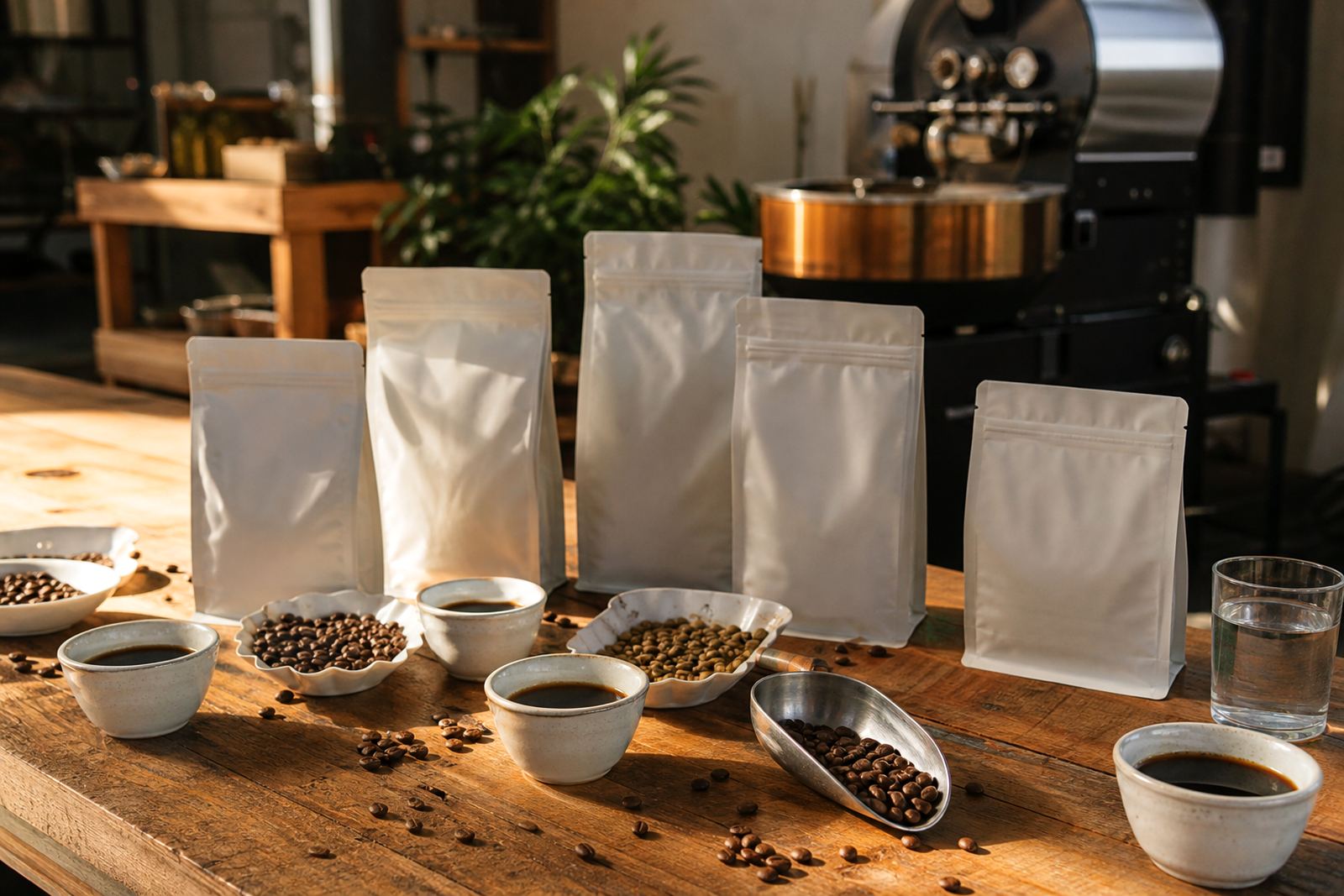
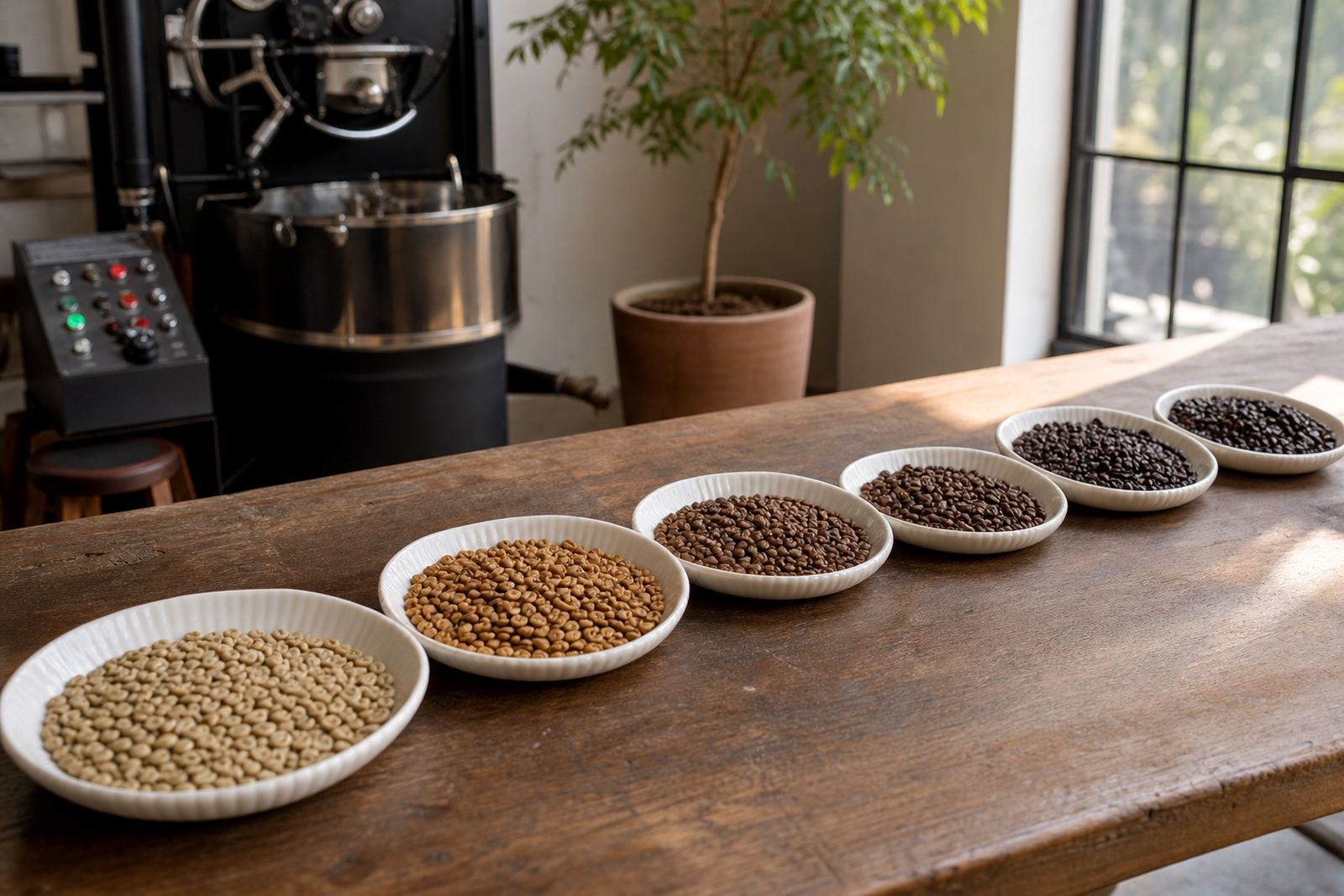
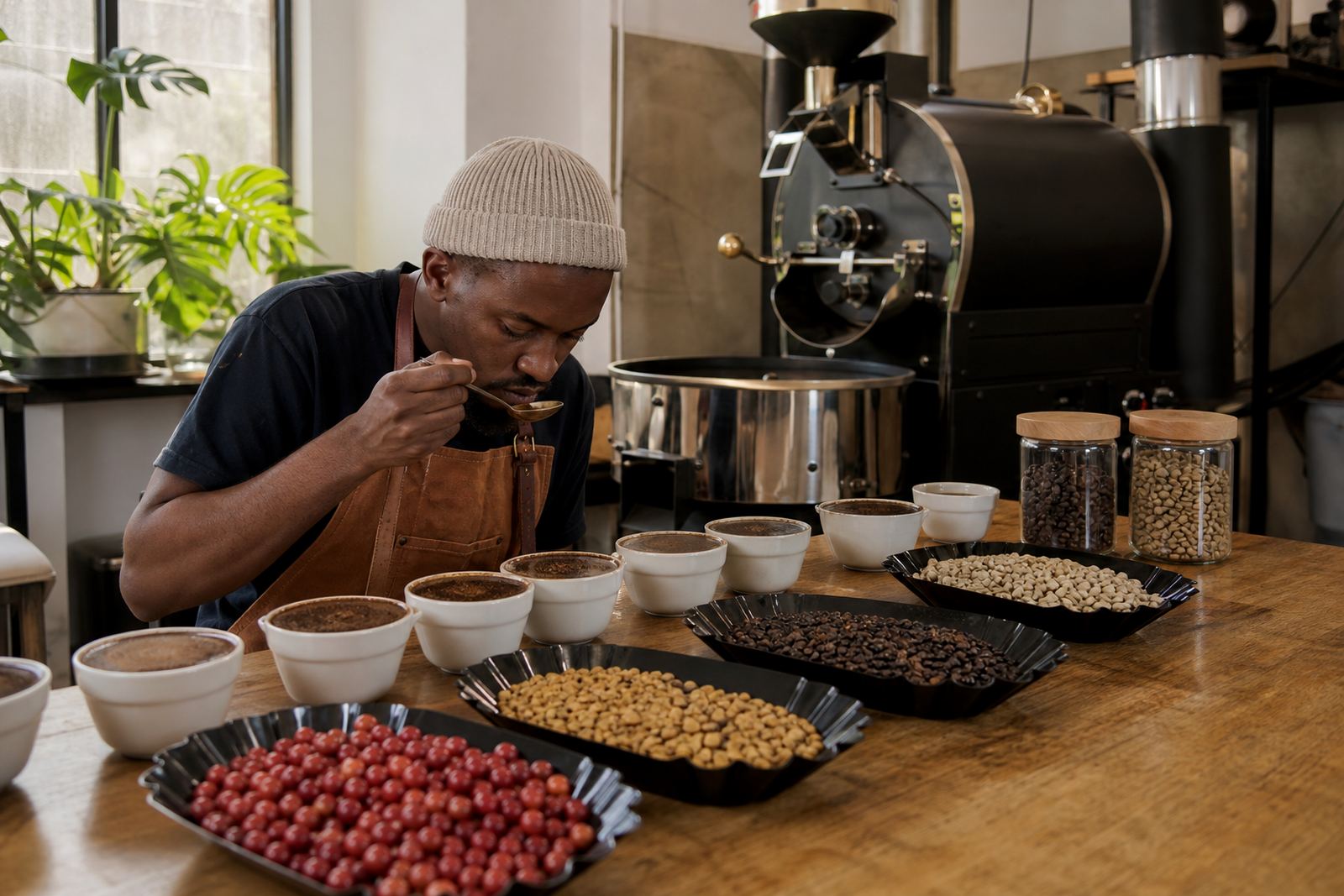
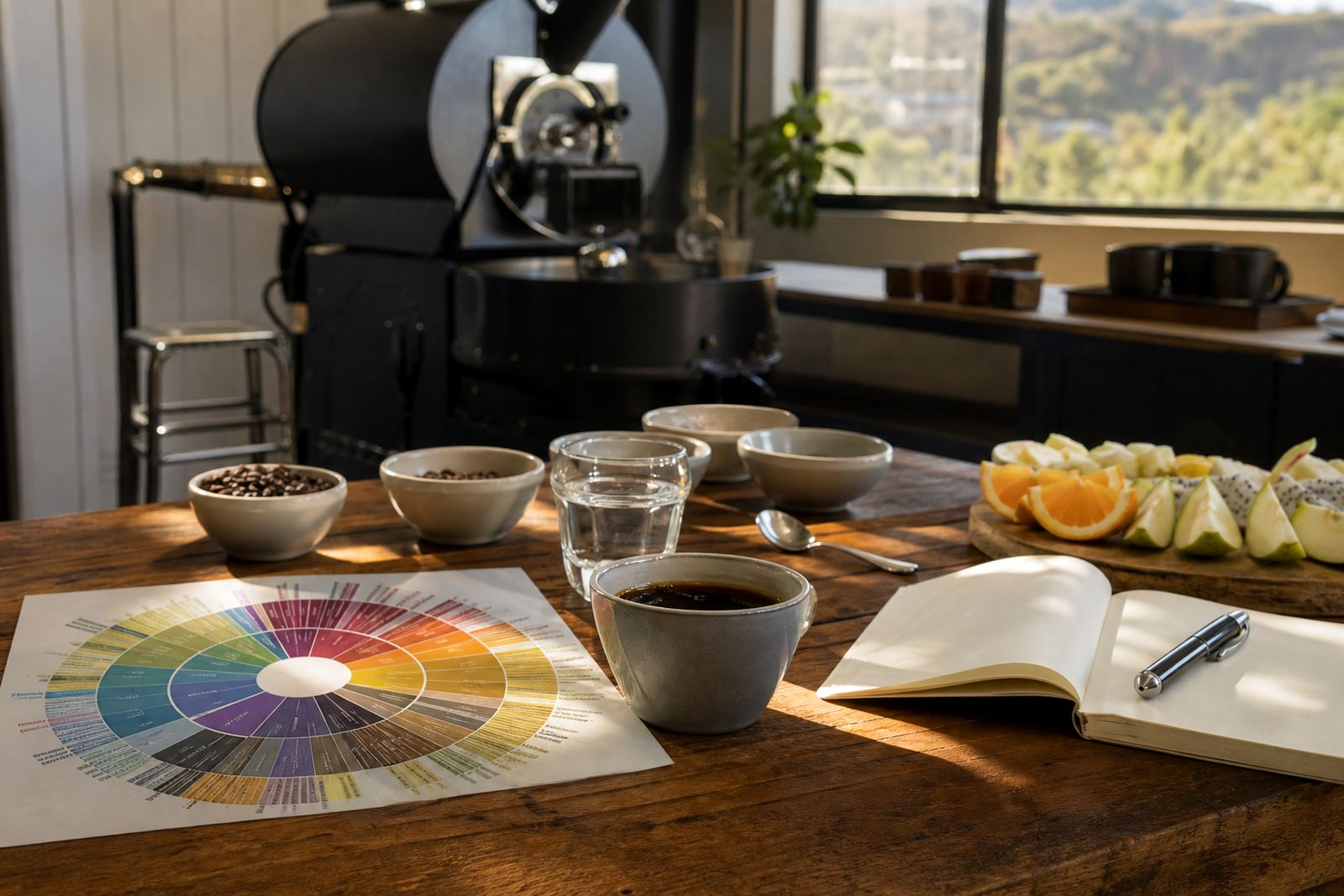
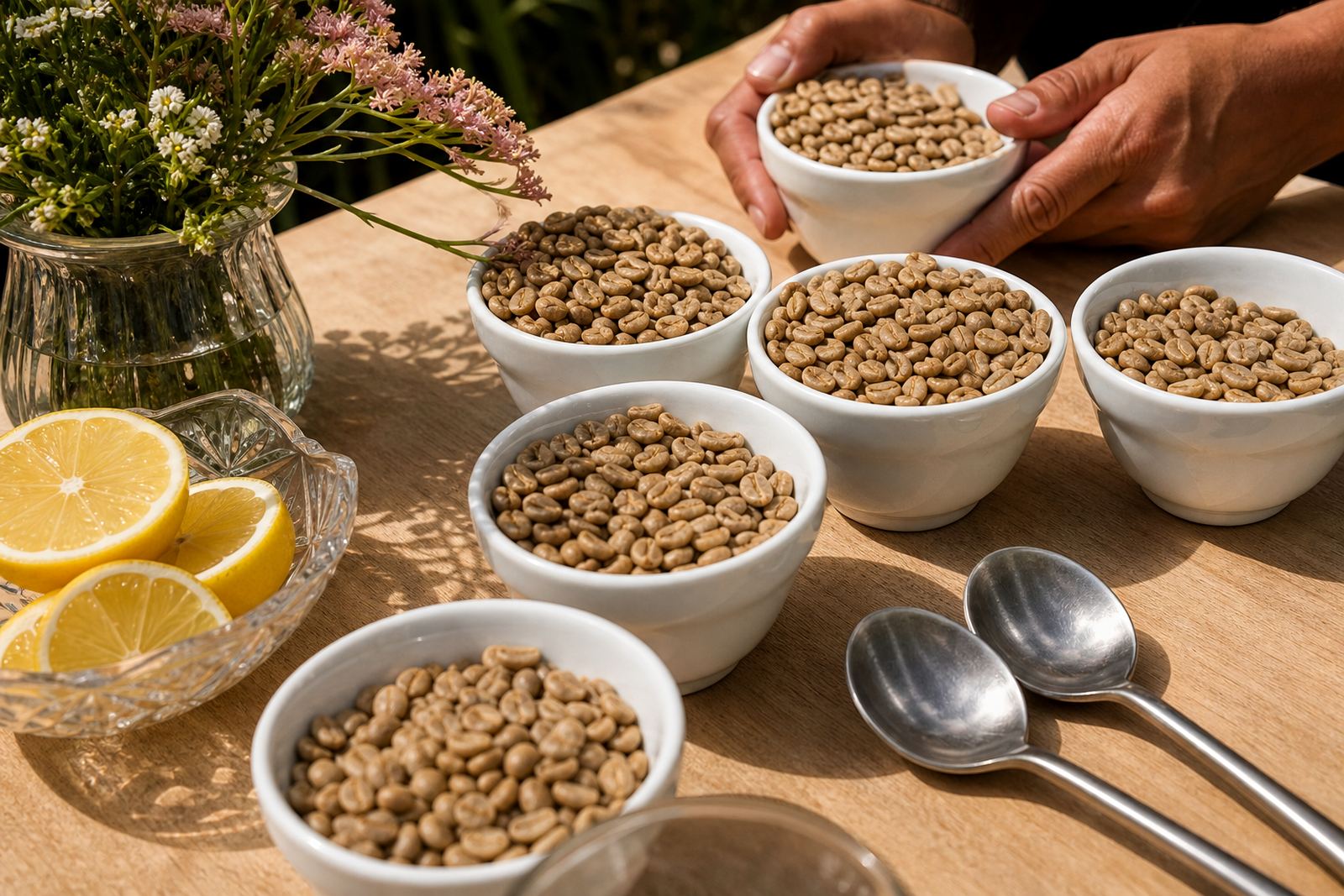
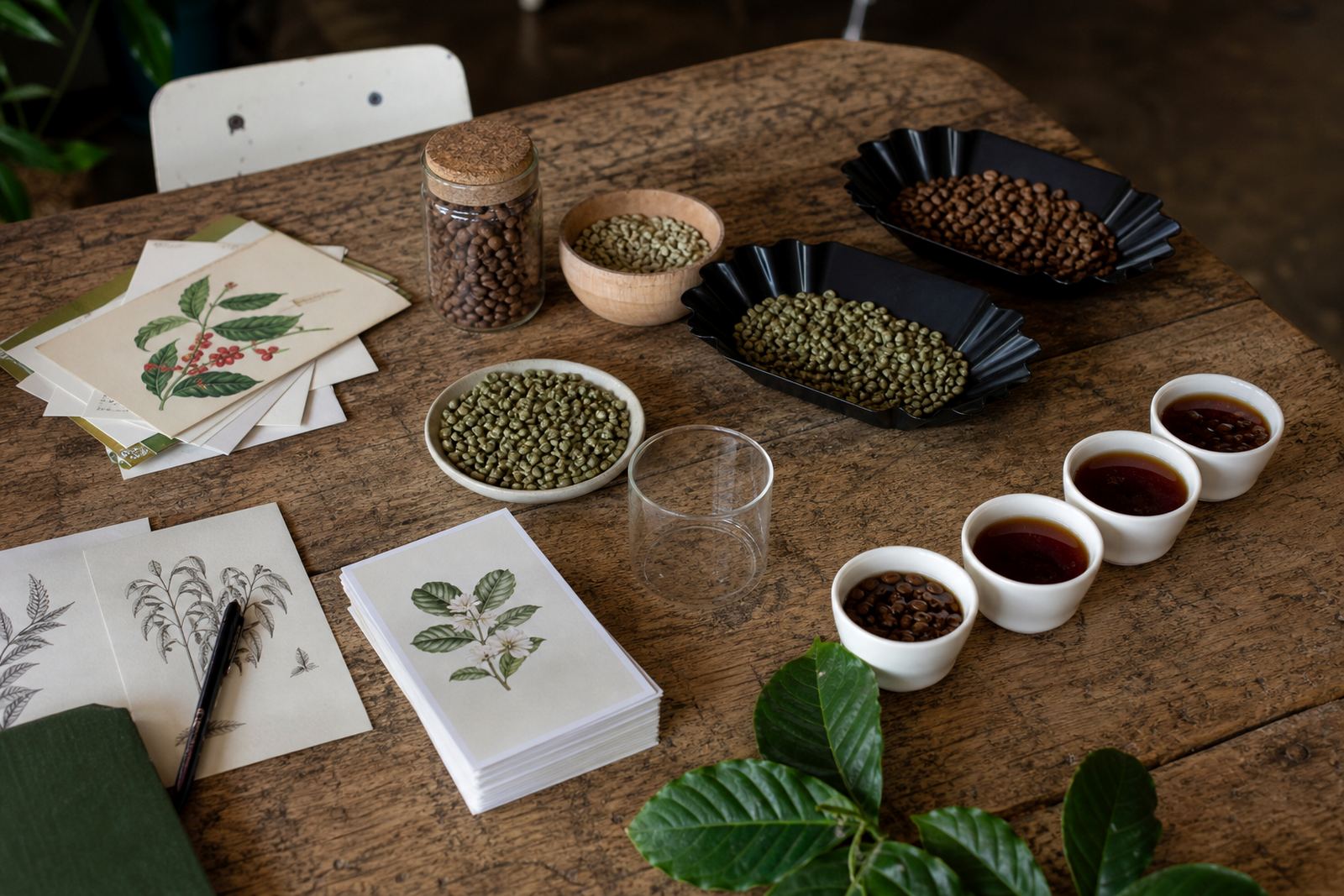
We use the journal to explain what changes in the cup when we adjust roast level, rest time or origin. You might see notes on sweetness, acidity, body and aftertaste, along with practical points such as when a coffee is better for filter, espresso or milk drinks. These are the small details that help you choose with confidence and brew with less waste.
Subscription Advice For Homes And Offices
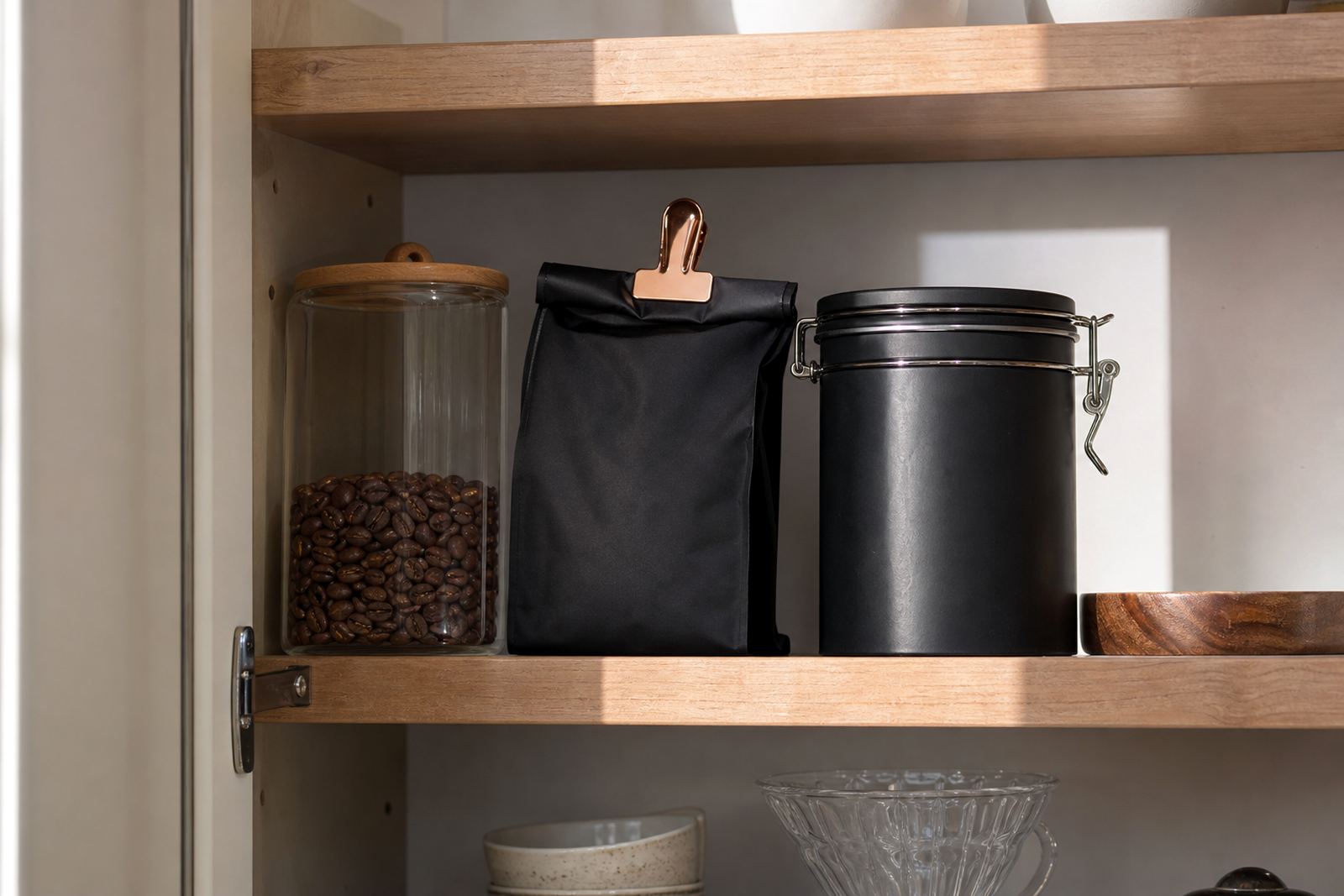
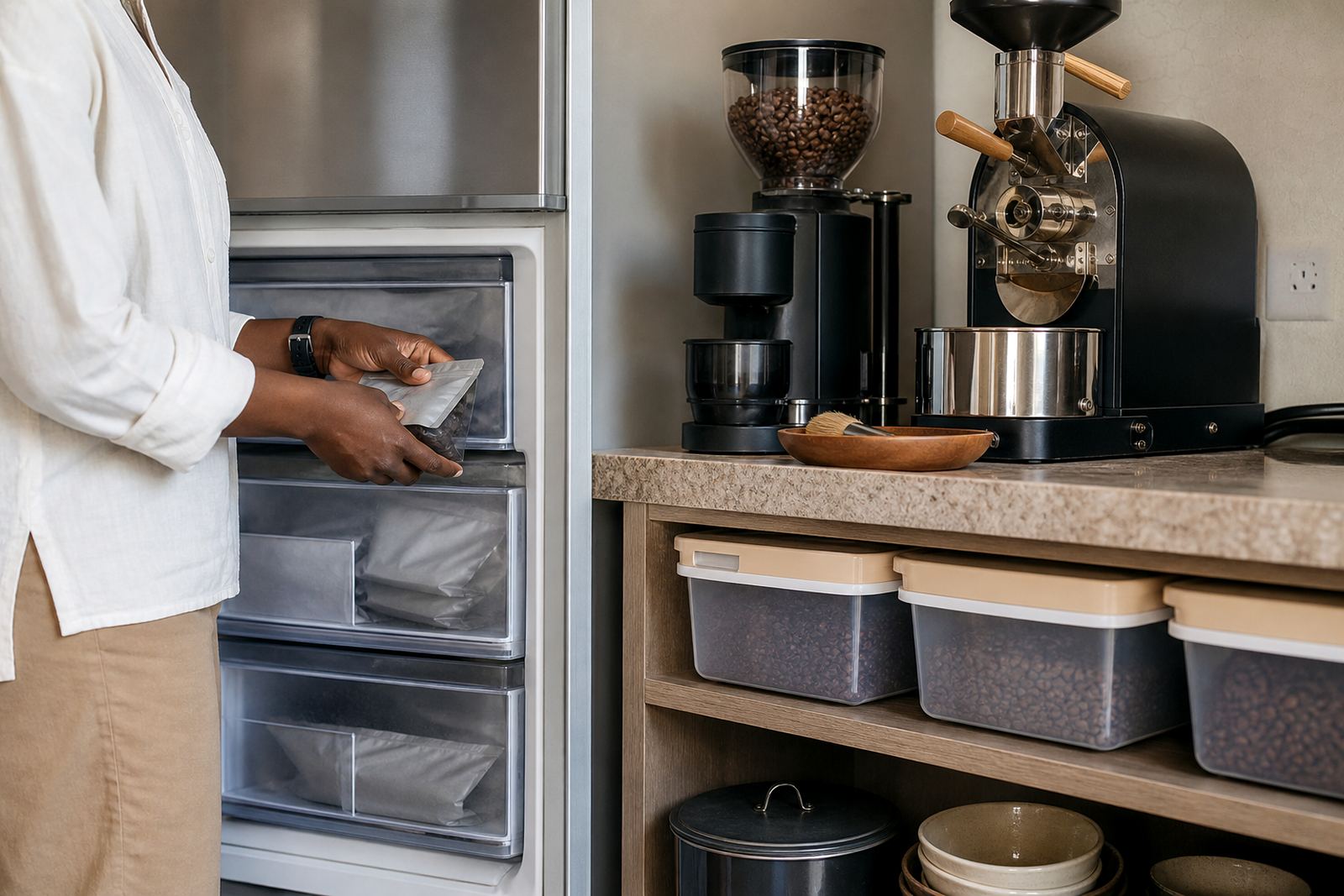
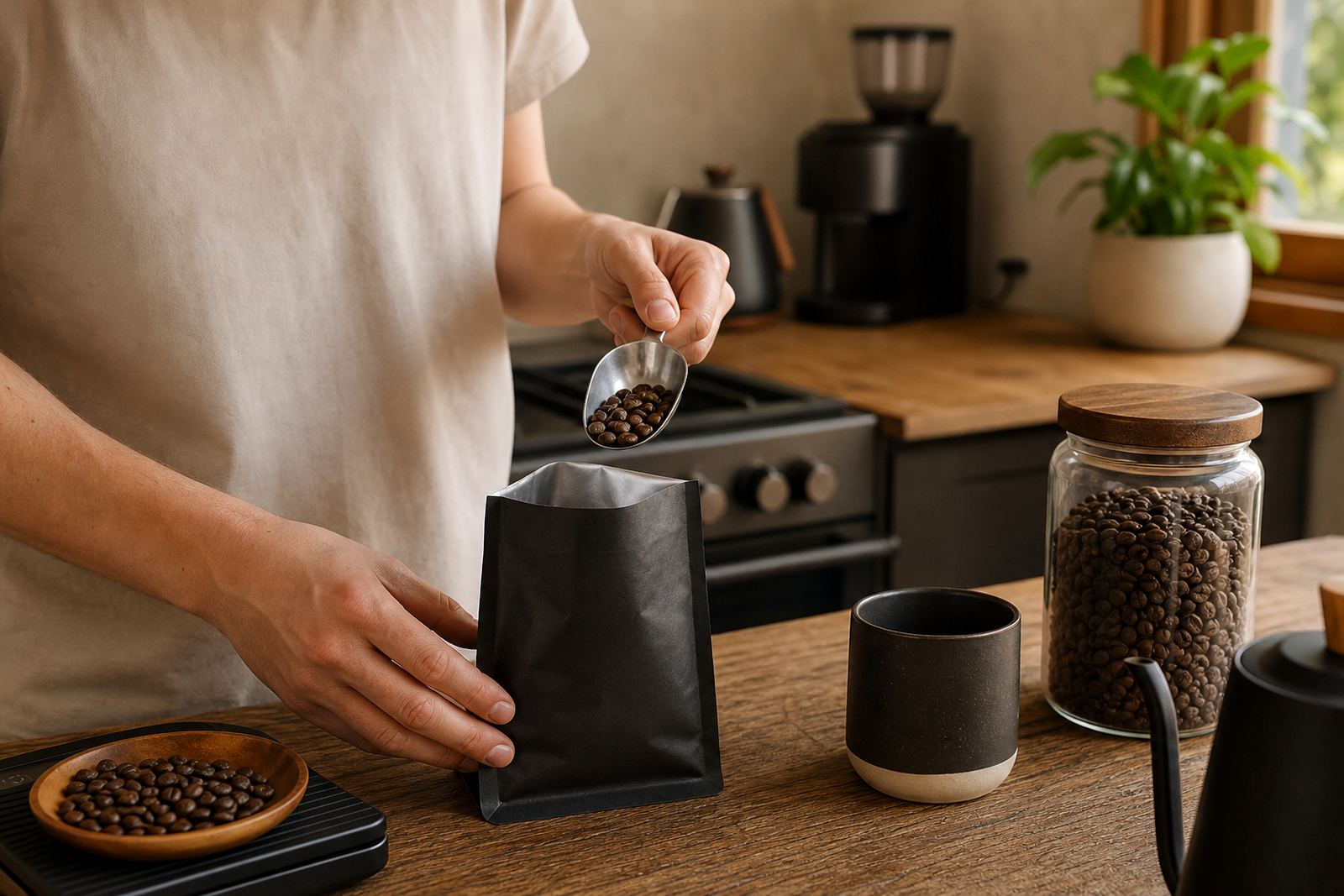
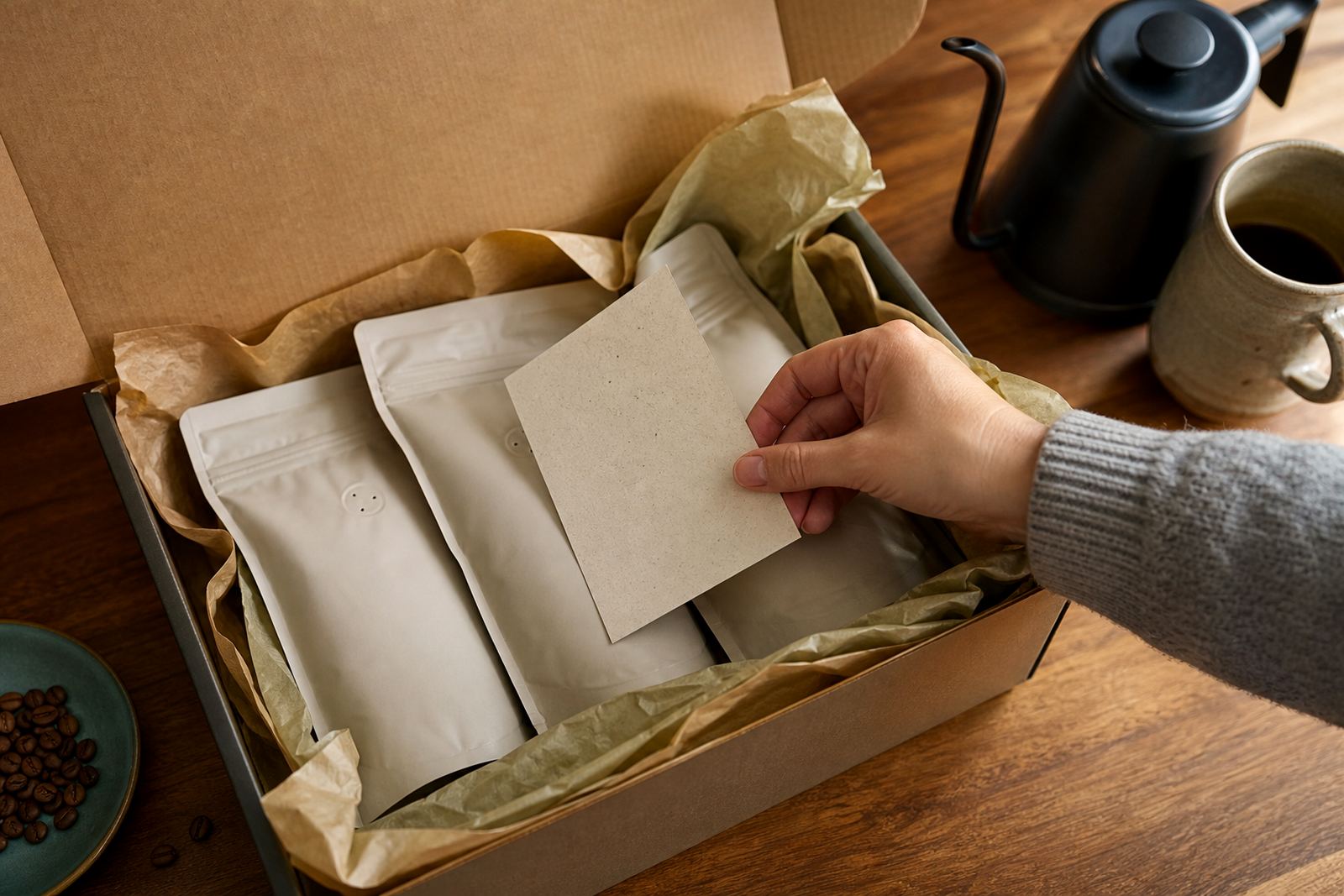
If you subscribe to coffee, the best journal articles are the ones that help you match delivery to demand. A one-person home setup and a 30-person office are very different, and the right article will reflect that. We write about weekly use, monthly consumption, storage in warm offices and how to keep coffee fresh in humid coastal areas.
- How much coffee to order for your team size and brew method
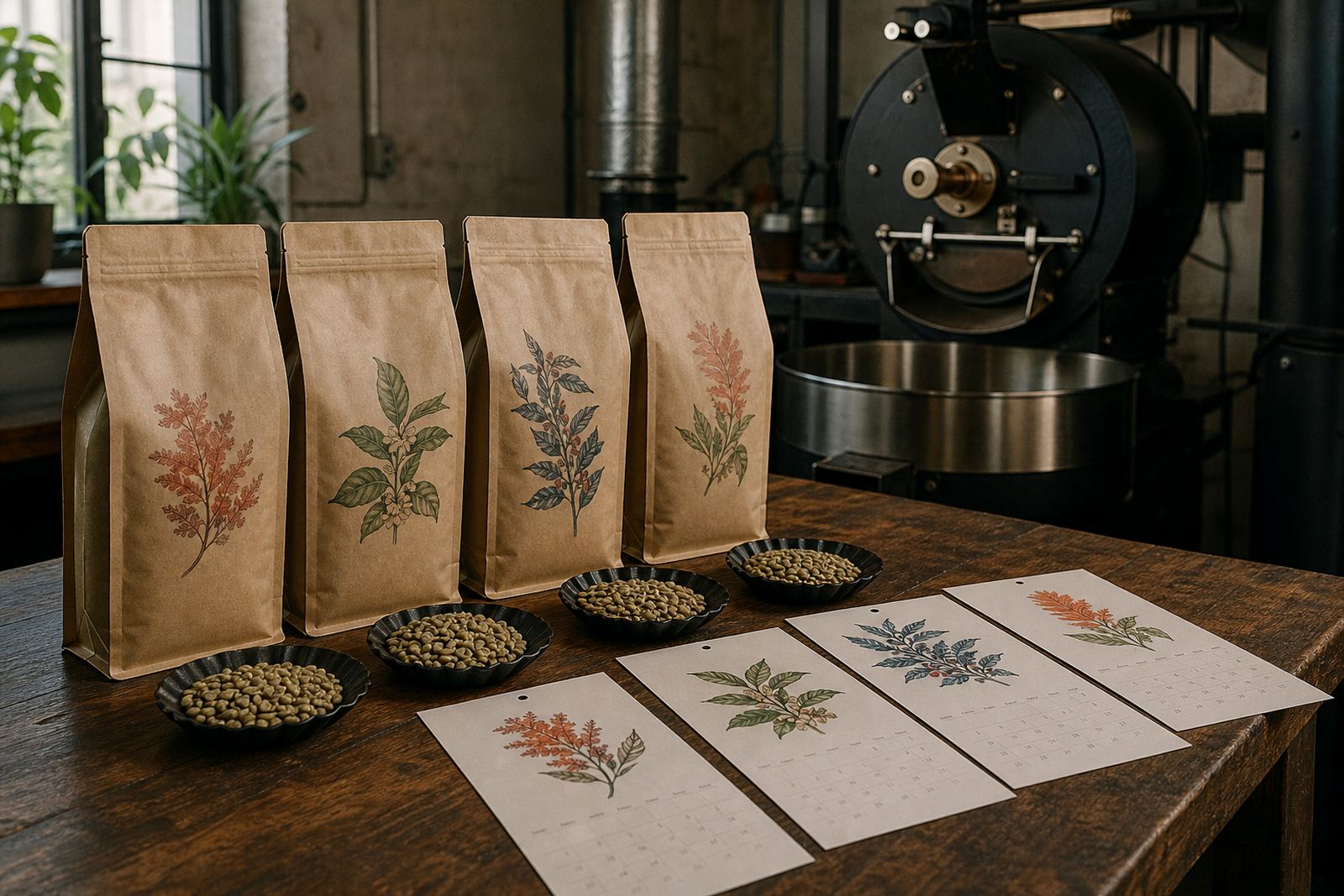
- When to rotate seasonal coffees so the flavour stays interesting
- How to avoid running out before month end or long weekends
- What to do if your office drinks more coffee in winter than summer
For buyers in Cape Town, Pretoria, Durban, Gqeberha and beyond, the aim is simple: fewer gaps, better planning and a cleaner brew routine. The journal gives you practical steps so your next order is based on usage, not guesswork.
Brew Training, Calibration And Better Everyday Coffee
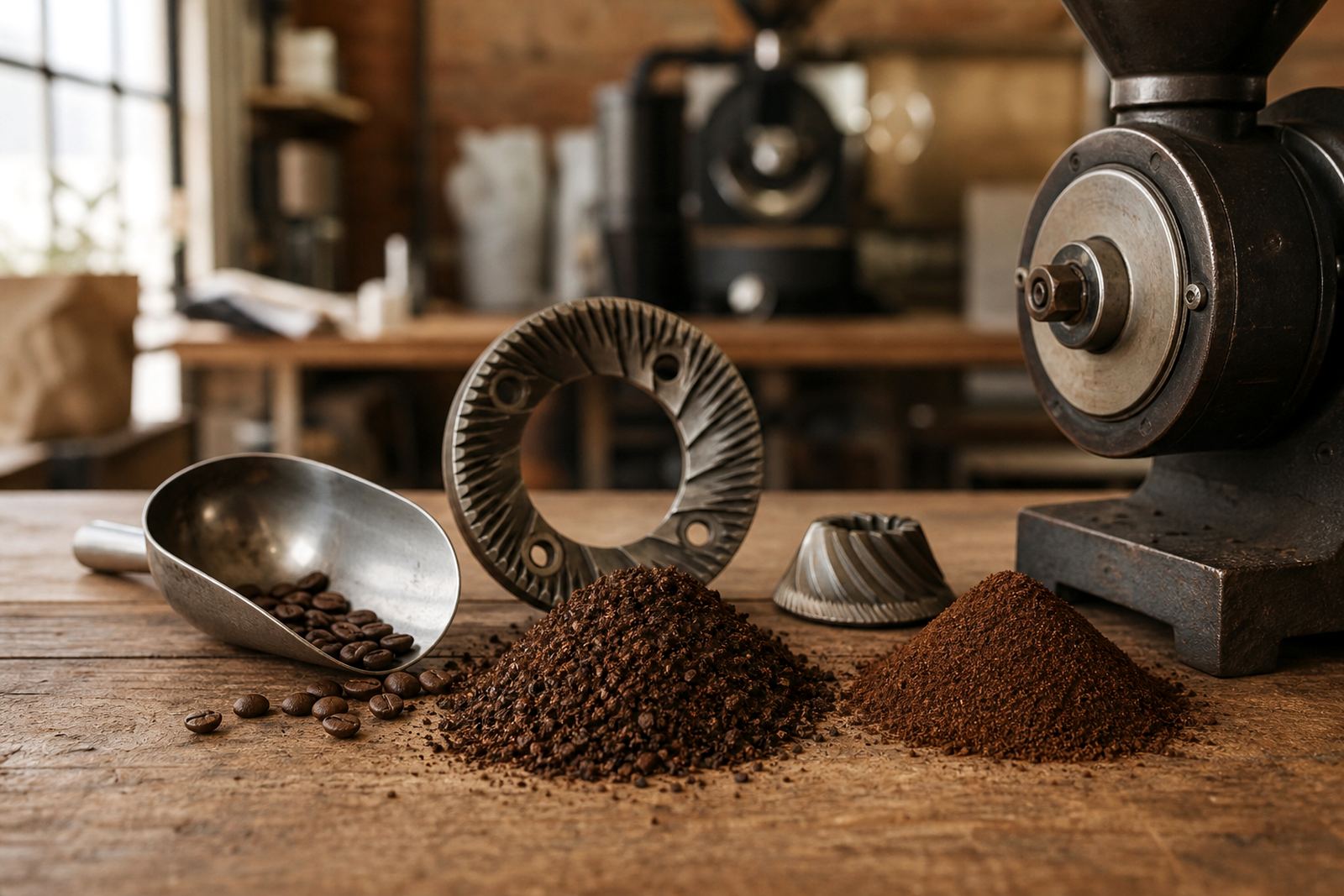
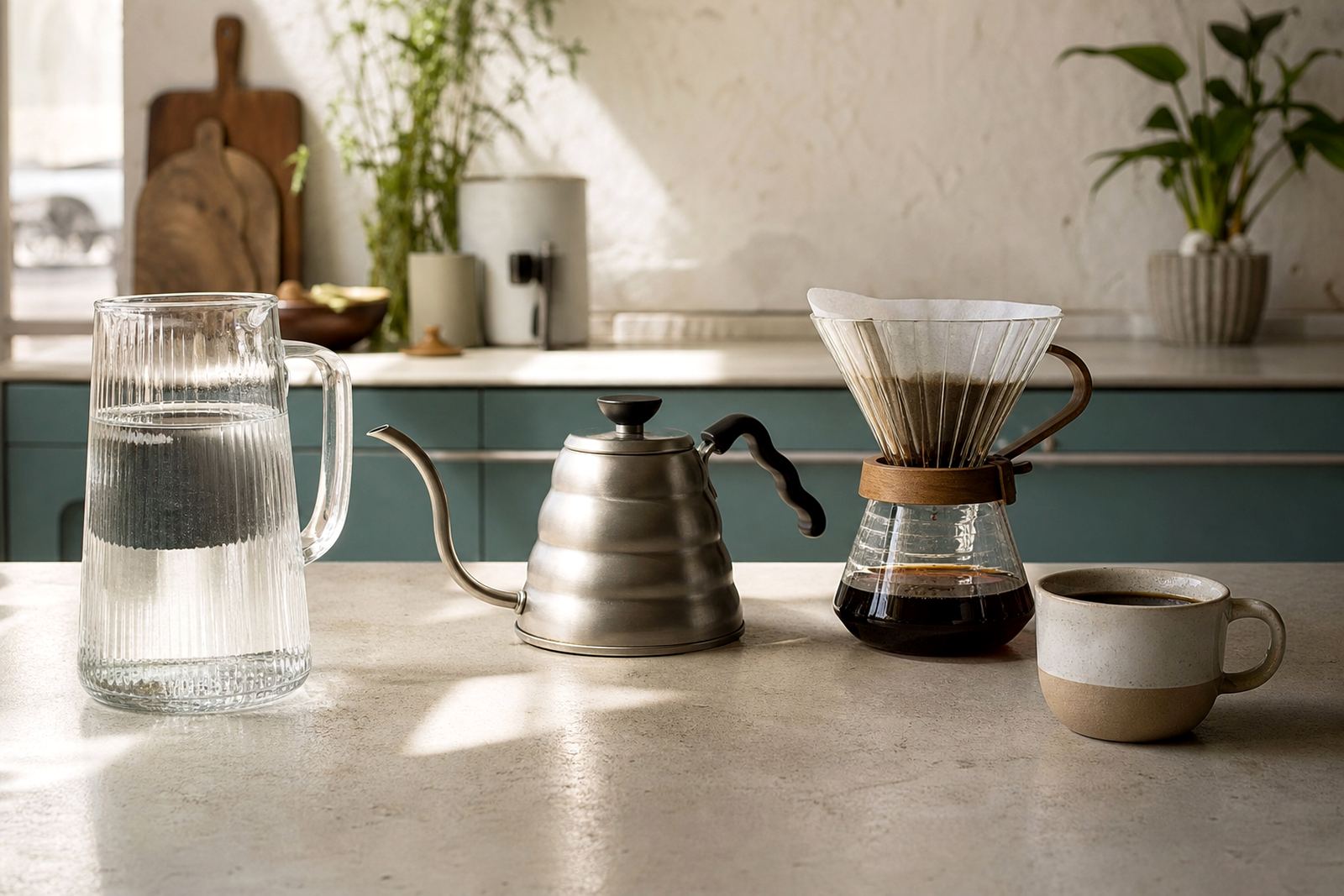
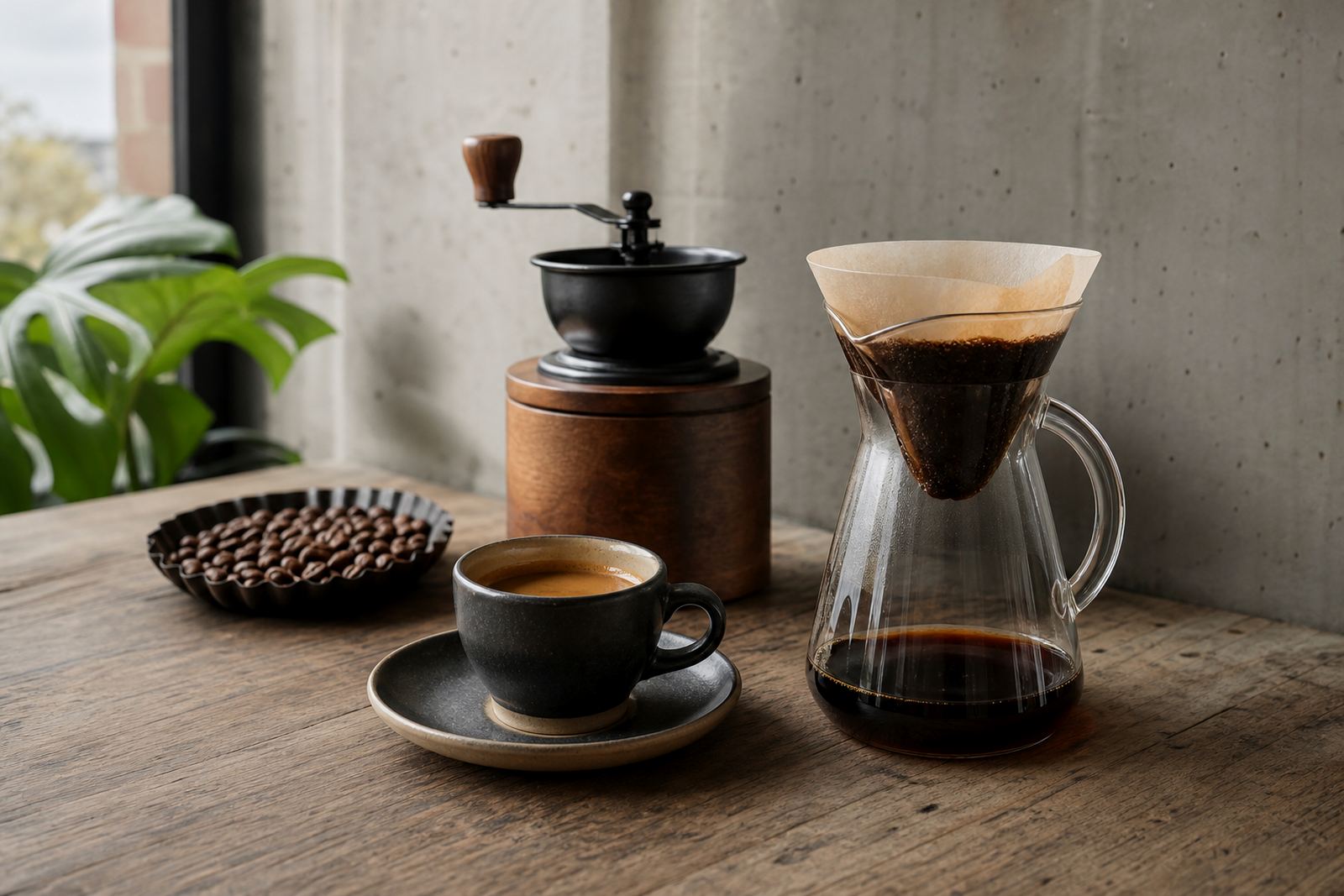
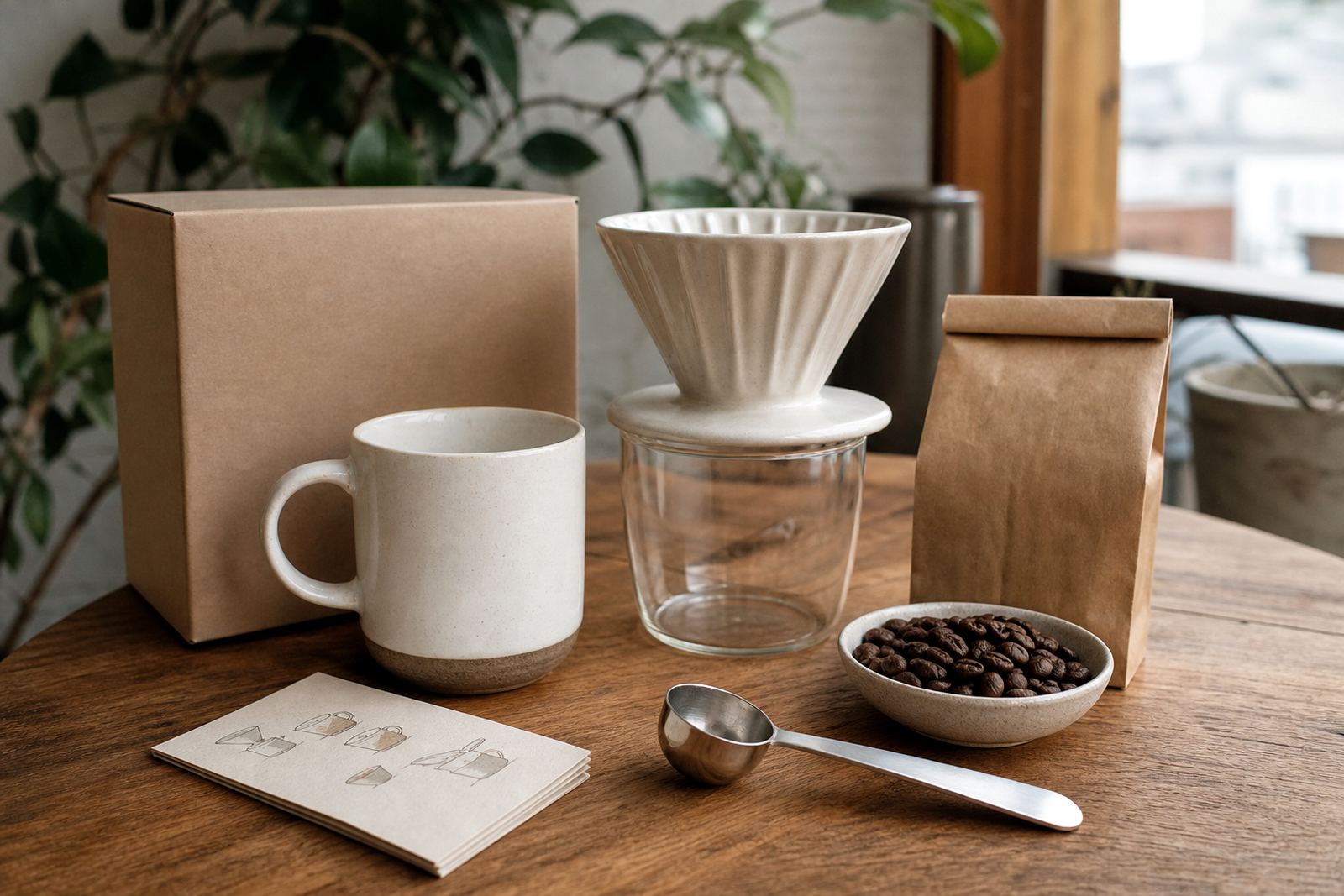
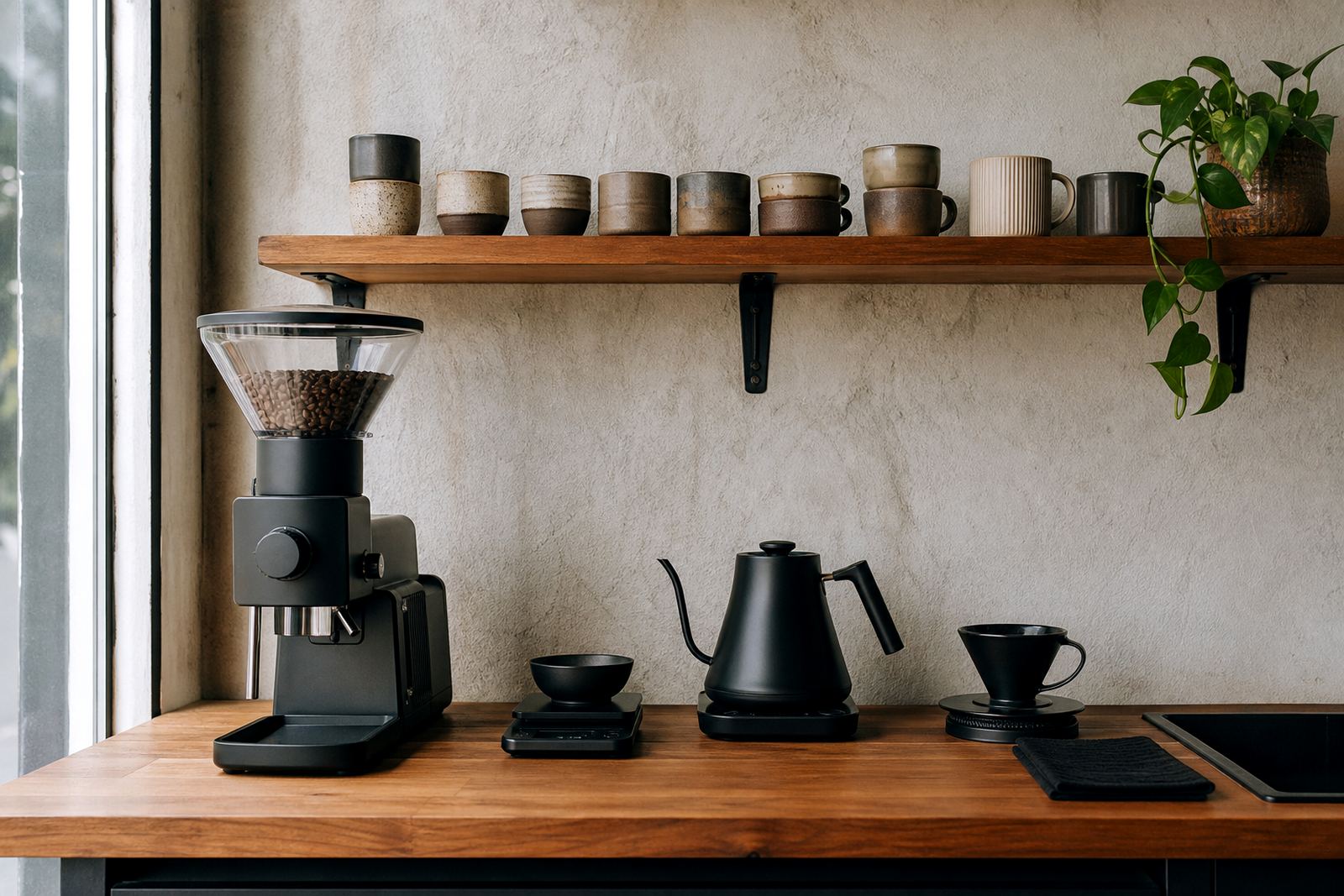
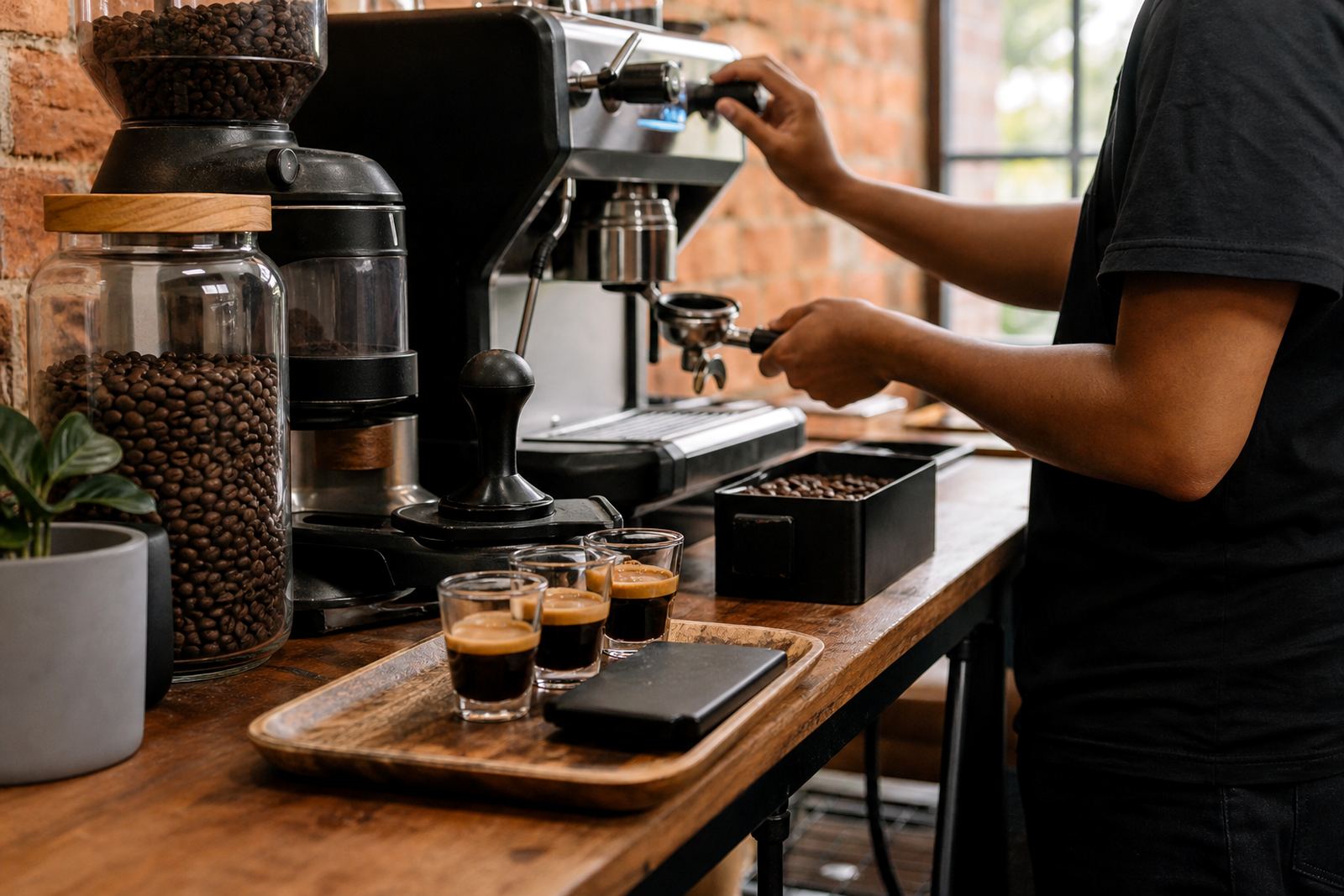
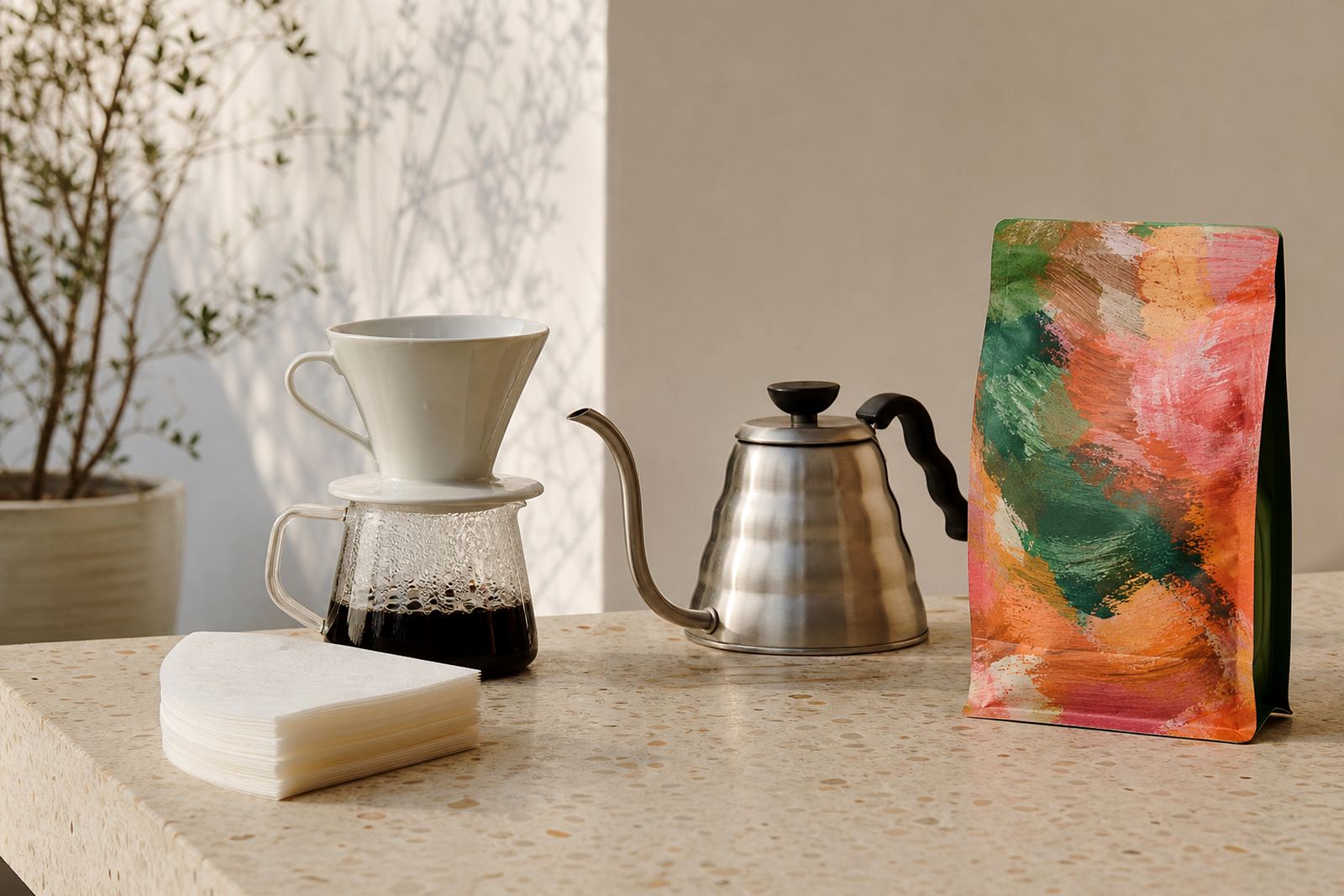
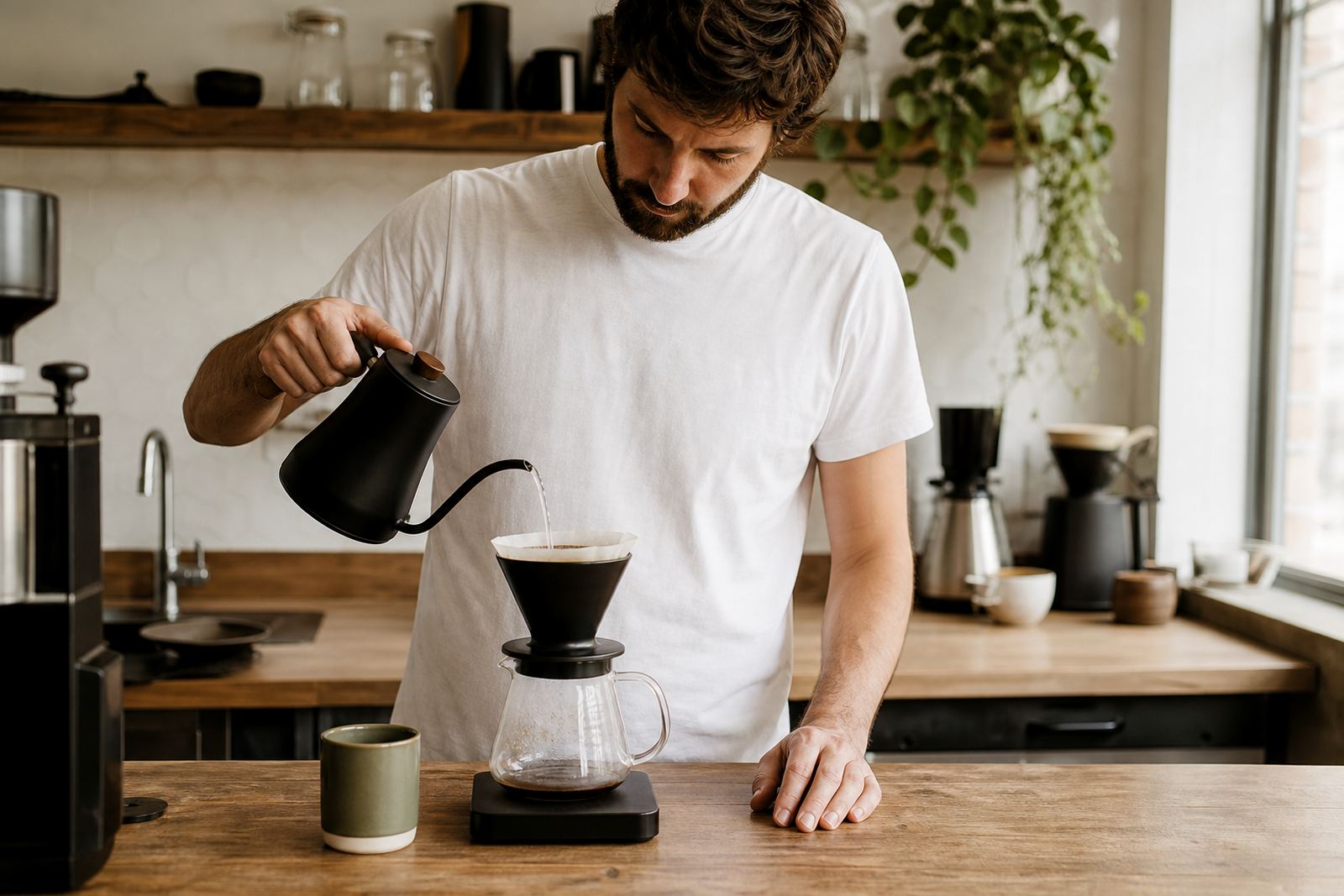
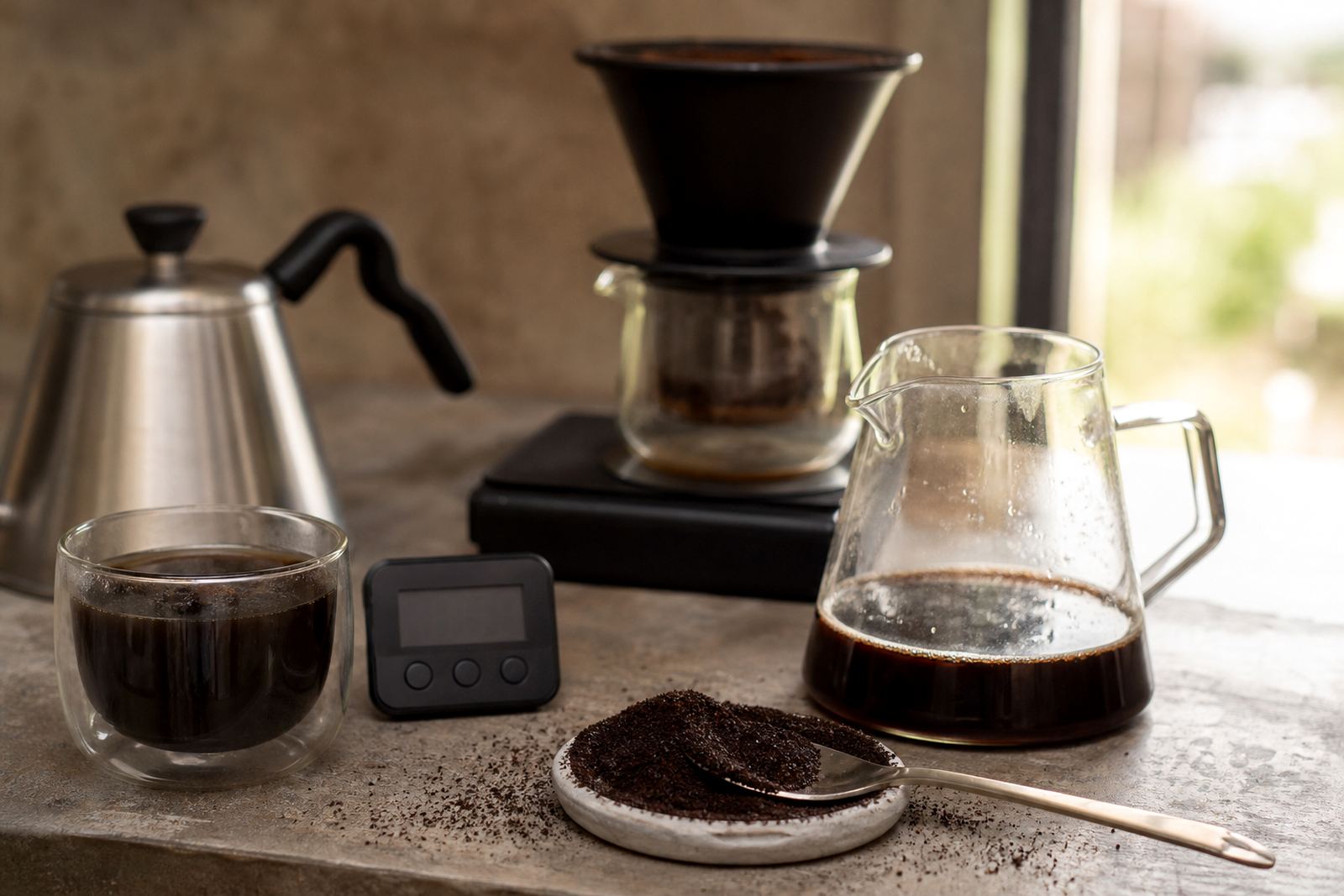
Brewing better coffee is usually about small changes done well. Our training-style journal entries cover grind calibration, brew ratios, water temperature and how to keep results steady from one bag to the next. Even a tiny change in grind can shift the cup from sharp to balanced, so these notes are useful for anyone pouring coffee daily.
We also explain how equipment, water quality and serving style affect the final taste. An office machine, a batch brewer and a hand pour all need different settings, and the journal helps you tell the difference. If your coffee tastes thin, bitter or uneven, there is usually a practical fix and it starts with the basics.
Coffee For Service Spaces And Busy Teams
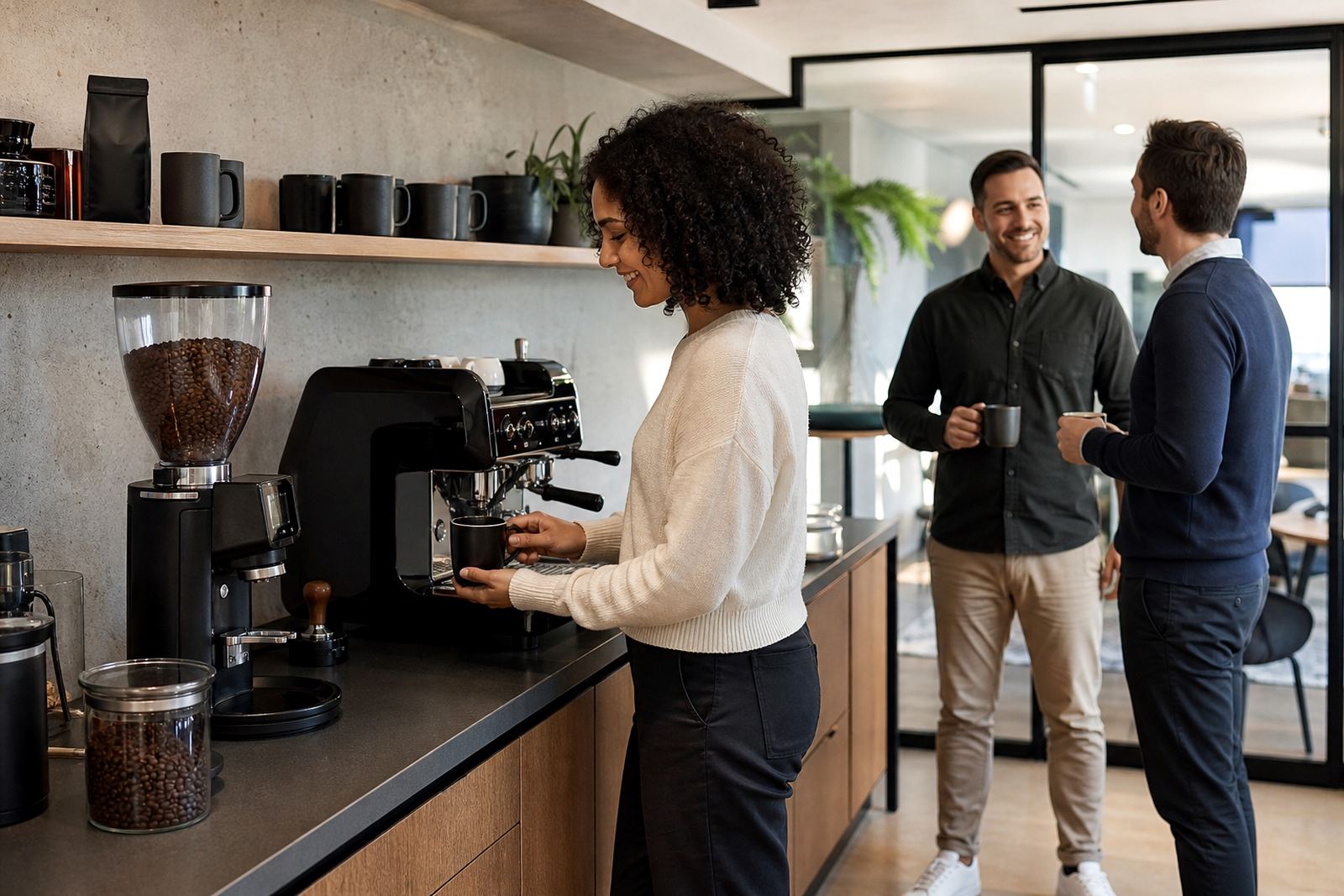
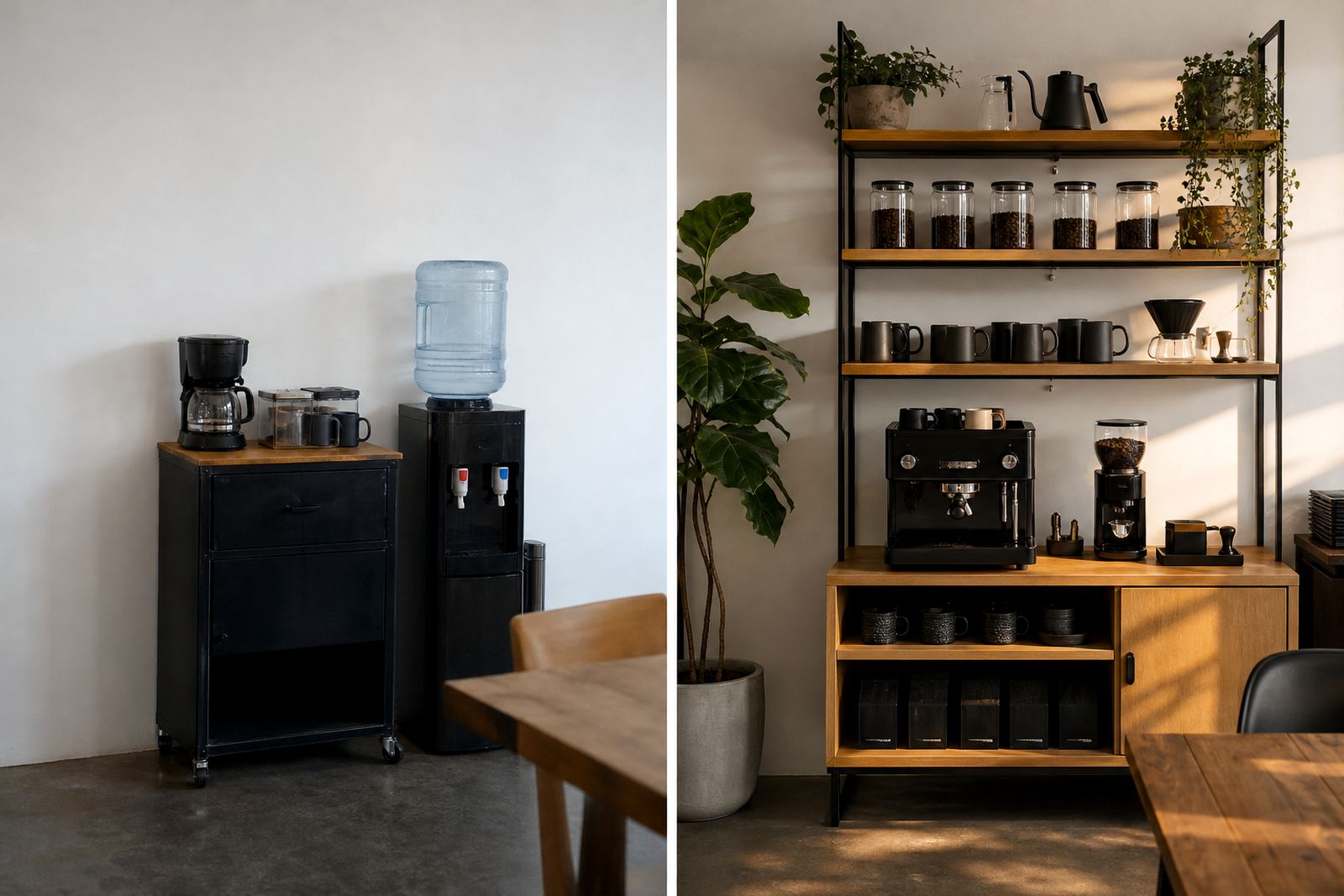
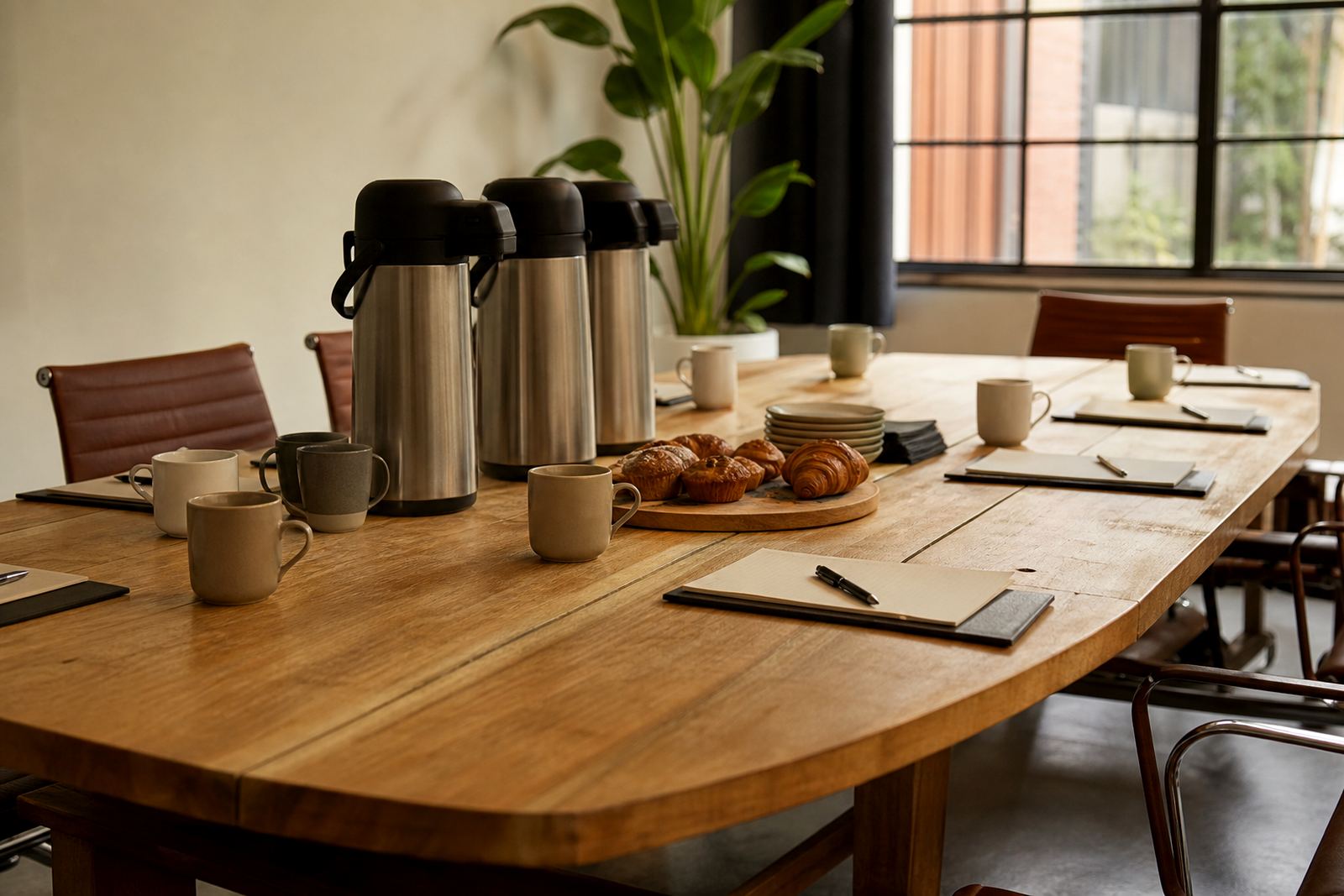
Not every cup is brewed at home. Many of our readers manage meeting rooms, wellness rooms, hospitality counters or event stations where coffee needs to be simple, fast and reliable. These articles focus on serving size, brew timing, refill planning and keeping standards steady during busy periods.
You will also find notes on seasonal menu changes and how to keep coffee service aligned with the mood of the space. For example, a lighter option can work well for daytime meetings, while a fuller cup may suit longer service windows. It is practical guidance for real spaces, with real people drinking the coffee.
Why We Keep The Journal Practical
We keep the Journal focused on useful knowledge because that is what helps people buy and brew better. Whether you are at home in Southern Suburbs, running an office on the Atlantic Seaboard, or managing service in Durban, the same questions keep coming up: what should I buy, how much do I need, and how do I make it taste better?
The answer is usually in the details. Freshness, grind, water, storage and timing matter more than most people expect. Our articles are written to make those details easier to use, so you can turn a good bag of coffee into a better cup, day after day.