
Why coffee tastes different as the year moves on
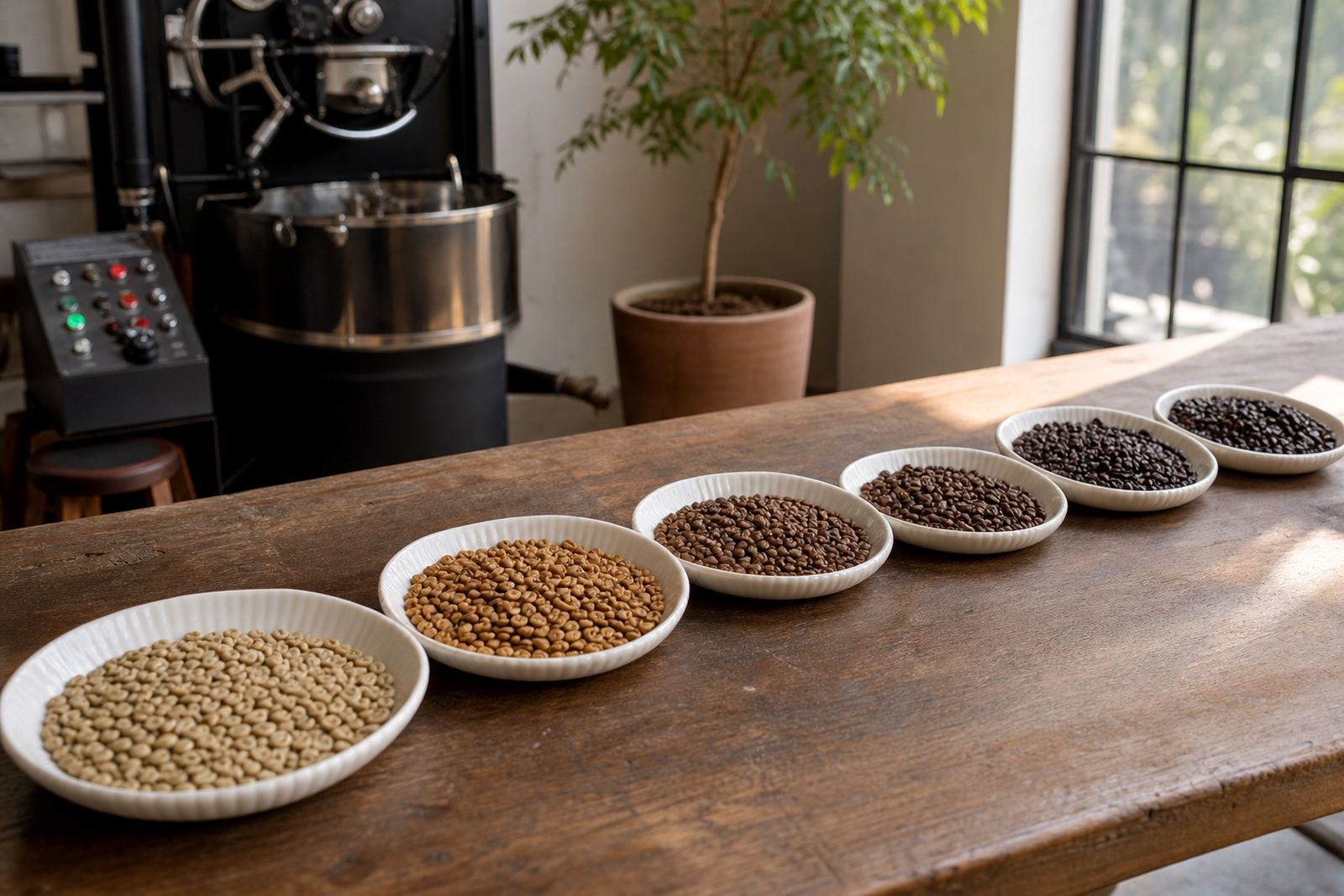
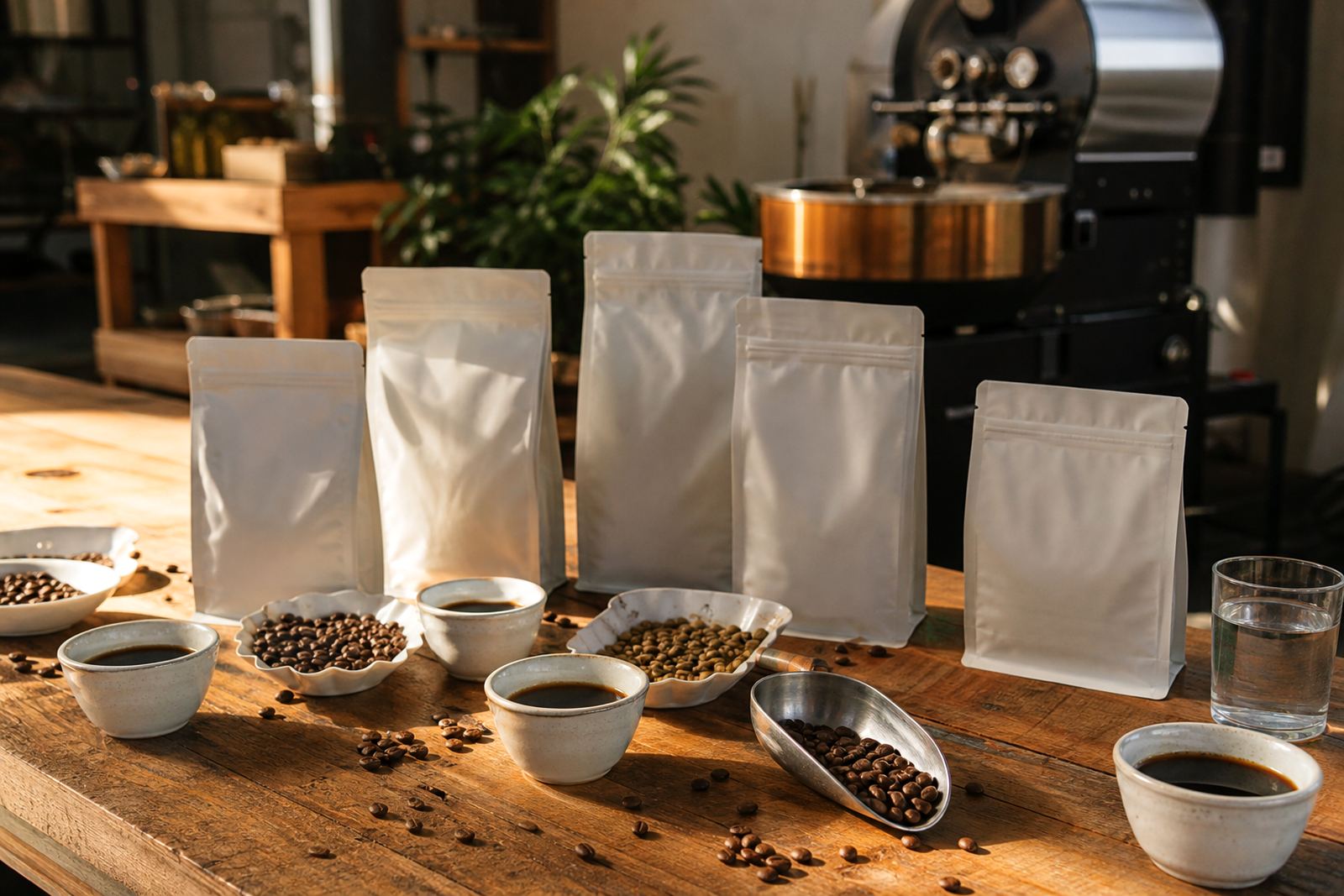
Coffee changes through the year because it is tied to harvests, drying time, transport and resting after roast. A bean that tastes bright and floral in one delivery may show more chocolate, spice or stone fruit in the next, even when it comes from the same farm or region. That is not inconsistency, it is the nature of coffee.
In South Africa, many customers first notice this shift when a subscription box arrives and the morning brew suddenly feels sweeter or more structured. The change is often linked to crop timing. New season coffee can be lively and aromatic, while later lots from the same origin may feel more settled, with less acidity and a rounder cup.
Humidity, storage and how quickly coffee is brewed after roast also matter. In coastal areas like Cape Town and Gqeberha, beans can absorb moisture faster if they are kept in warm kitchens or near steam. Inland offices in Johannesburg and Pretoria often face drier air and stronger temperature swings. Both can affect grind behaviour and extraction, so seasonal tasting is not only about origin, it is also about where the coffee is being made.
Fresh arrivals and what they do to flavour
When a new shipment lands, the flavour often feels brighter and more defined. That is because the coffee has had time to rest after roasting, but it has not yet faded from long storage. Fresh arrivals usually show clearer fruit notes, cleaner acidity and a more distinct finish. For some drinkers, especially filter coffee fans, that is exactly what they want.
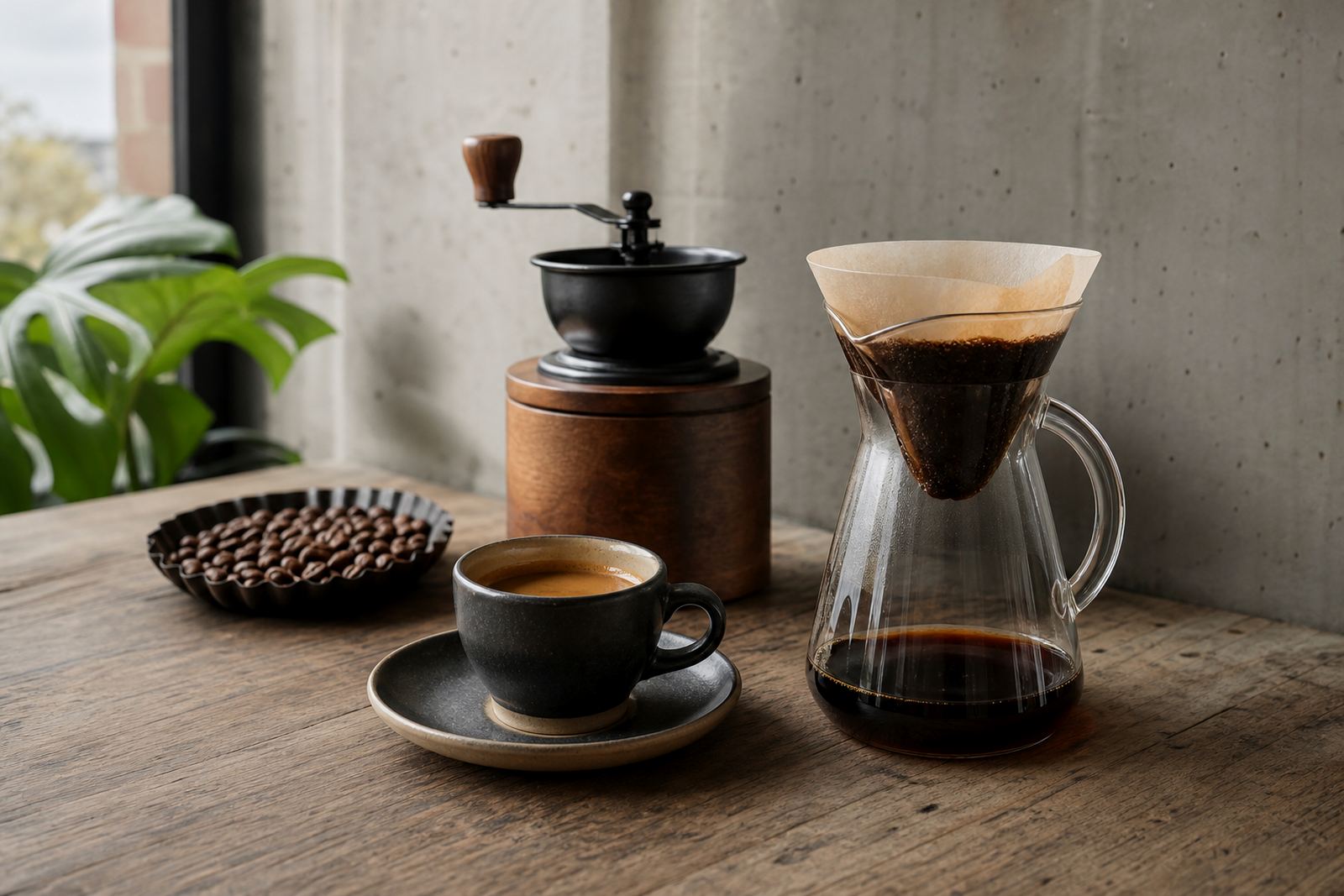
As coffee sits longer, those top notes soften. This can be welcome for espresso, where a slightly more developed profile may pull a more balanced shot. The important point is that freshness does not mean the newest roast is always best for every brew method. It means the coffee is at a stage where it can express itself properly.
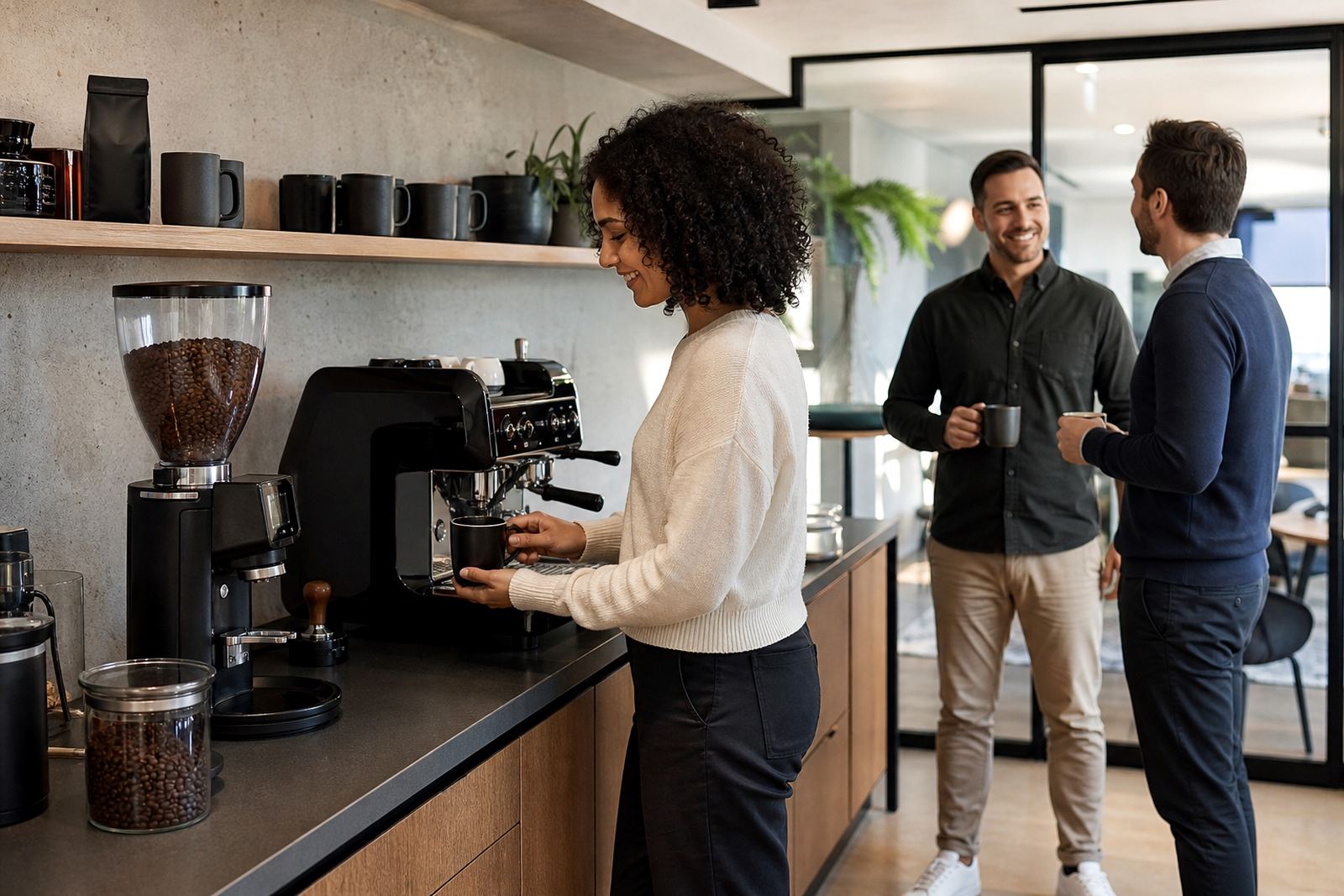
Our team often works with customers who run office coffee in Cape Town or Durban and want consistency for staff who drink two or three cups a day. In those cases, a seasonal rotation can keep the coffee interesting without making the brew station feel unpredictable.
- New season coffee often shows more acidity and aroma
- Middle of season lots may feel more balanced and forgiving
- Older stock can lose sweetness and smell flatter in the cup
- Storage conditions can change how fast those shifts happen
What to expect from single-origin subscriptions
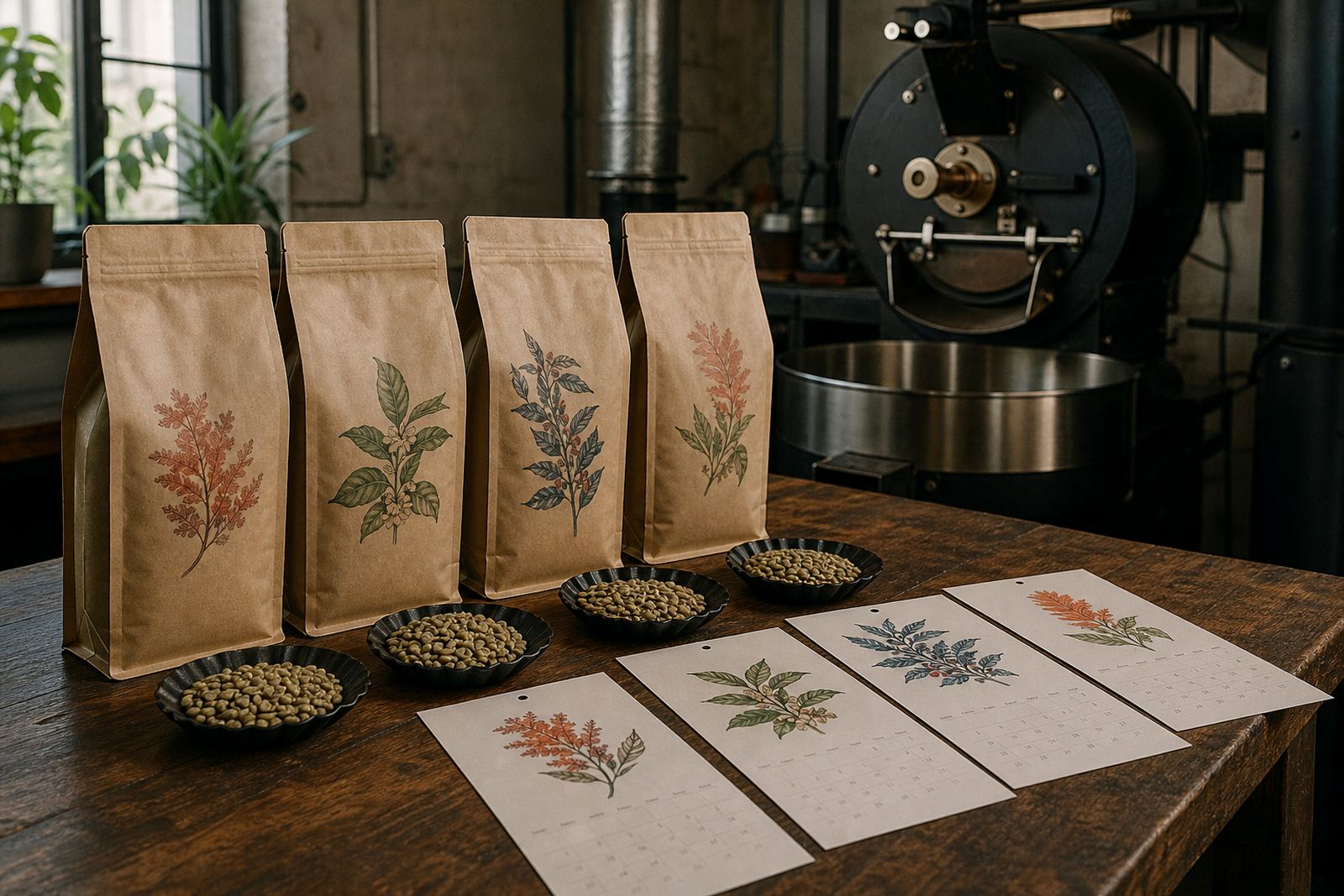
Single-origin subscriptions are useful if you want to experience seasonality in a clear, organised way. Instead of drinking the same profile all year, you get to see how origin, harvest and roasting decisions change the cup. One month may bring a washed coffee with citrus and tea-like clarity. The next may lean into berries, cocoa or dried fruit.
For homes, this can make your morning routine more engaging. For offices, it can support better coffee conversations and reduce the sense that every bag needs to taste identical. A good subscription should not just send coffee, it should help you understand why the coffee tastes the way it does.
At our Woodstock roastery, we often hear from people who want guidance on when to switch brewing ratios, grinder settings or water temperature. That matters because a seasonal coffee may need a finer grind, a slightly higher dose or a different brew time to show its best. If you keep one recipe all year, you may miss what the bean is offering. A small adjustment can make a real difference, especially in a busy kitchen or meeting room where the brew has to work first time.
How seasonality affects homes, offices and hospitality
Seasonality is not just a roastery topic. It affects how customers plan stock, training and service. A hospitality team in the Southern Suburbs may need one filter profile for summer breakfast service and a darker espresso for a winter menu. An office in Pretoria may want a predictable house coffee, but still benefit from quarterly rotation so staff do not get bored.
In practice, seasonal planning helps with ordering and waste control. If you know a coffee will taste best for a limited period, you can use it while it is at its peak and avoid sitting on bags too long. This is useful for businesses that serve coffee in reception areas, wellness rooms or client meeting spaces, where the cup reflects the standard of the whole operation.
- Match lighter, fruit-forward coffees with filter service
- Use fuller-bodied lots for espresso in high-volume settings
- Rotate stock before it loses freshness in warm rooms
- Train staff to adjust grind when a new lot arrives
- Keep airtight storage away from sunlight and heat
A Cape Town example: coastal humidity and changing brew results
A café in Woodstock or along the Atlantic Seaboard may notice that the same grinder setting behaves differently from one week to the next. On a damp morning, coffee can clump more, run slower and taste slightly heavier. On a dry afternoon, the same beans can move faster through the basket and taste sharper. That is why seasonality should be read together with local conditions.
We see the same thing with home brewers in Cape Town. A kitchen near the sea, with windows open and sea air coming in, may need slightly different grinder calibration from a dry apartment in Johannesburg. This is not about chasing perfection every day. It is about recognising that fresh coffee responds to its environment and that the environment changes. A good routine is to taste every new bag, then make one adjustment at a time, not three or four at once.
For larger operations, stock forecasting becomes part of the picture. If a Durban office uses more coffee in winter, or a Gqeberha hospitality client sees a spike in holiday traffic, seasonal demand should be planned in advance. That avoids emergency top-ups and gives the team better control over freshness.
Getting the best from each seasonal batch
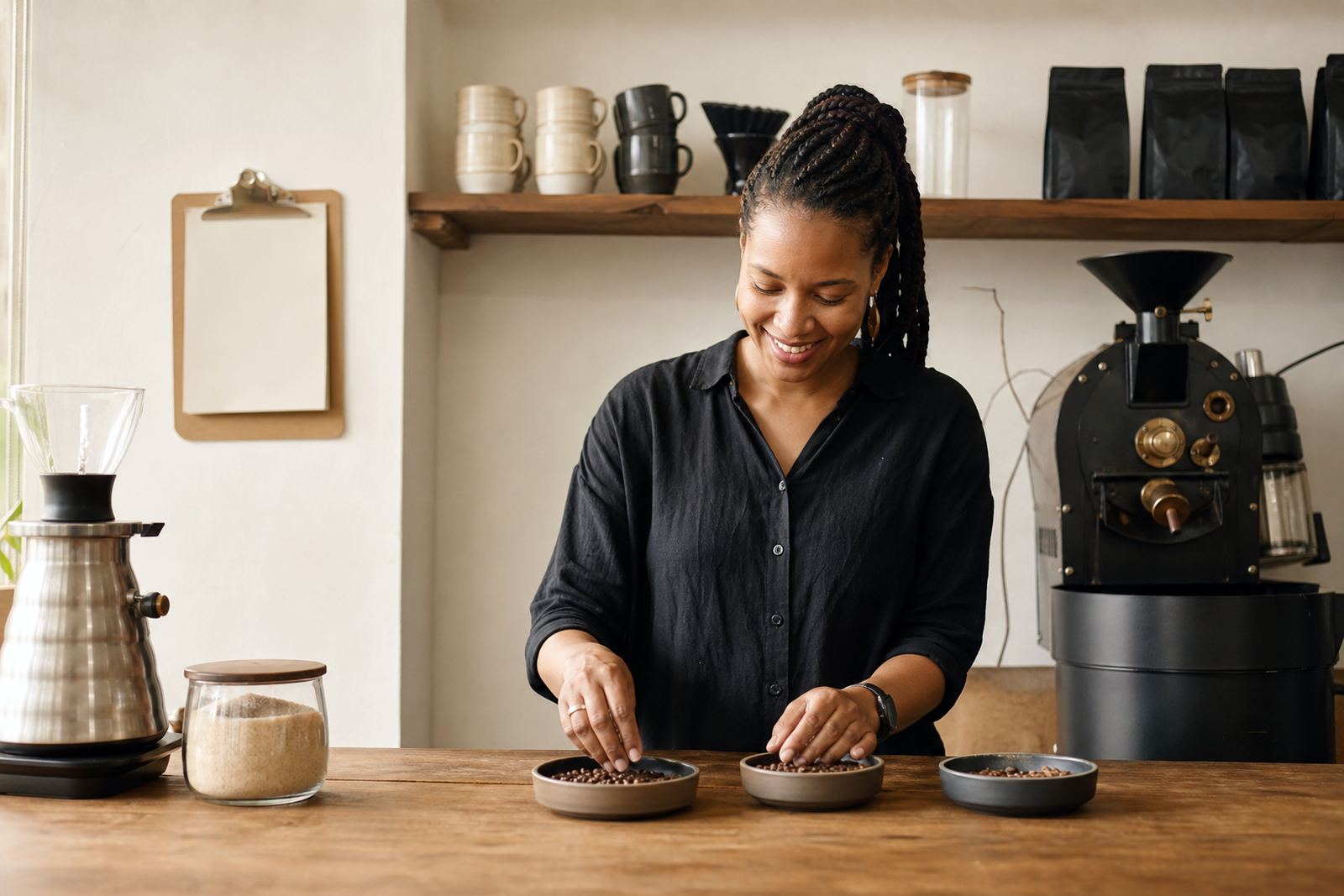
The best way to work with seasonal coffee is to treat every new arrival as a fresh recipe, not a fixed copy of the last one. Start by tasting the coffee black, then under your normal brew method. Look for changes in sweetness, acidity, body and finish. If the cup is too sharp, adjust grind or water temperature slightly. If it feels dull, check whether the coffee is too old, too coarse, or stored badly.
For home drinkers, the basics are simple. Store beans in an airtight container, keep them away from the stove and use them within a sensible period. For offices, set a routine for opening bags, checking dates and cleaning grinders. In South African conditions, especially when load-shedding interrupts normal kitchen use, it helps to keep storage stable and avoid moving coffee in and out of hot spaces too often.
Seasonality is one of the reasons coffee stays interesting. It gives each cup a reason to taste slightly different, and when handled well, those changes are the point. At A Cup Of, we use that rhythm to help customers in Cape Town, Johannesburg, Pretoria, Durban and Gqeberha enjoy coffee that feels current, clear and well looked after.