
Why roast level matters before you even grind the beans
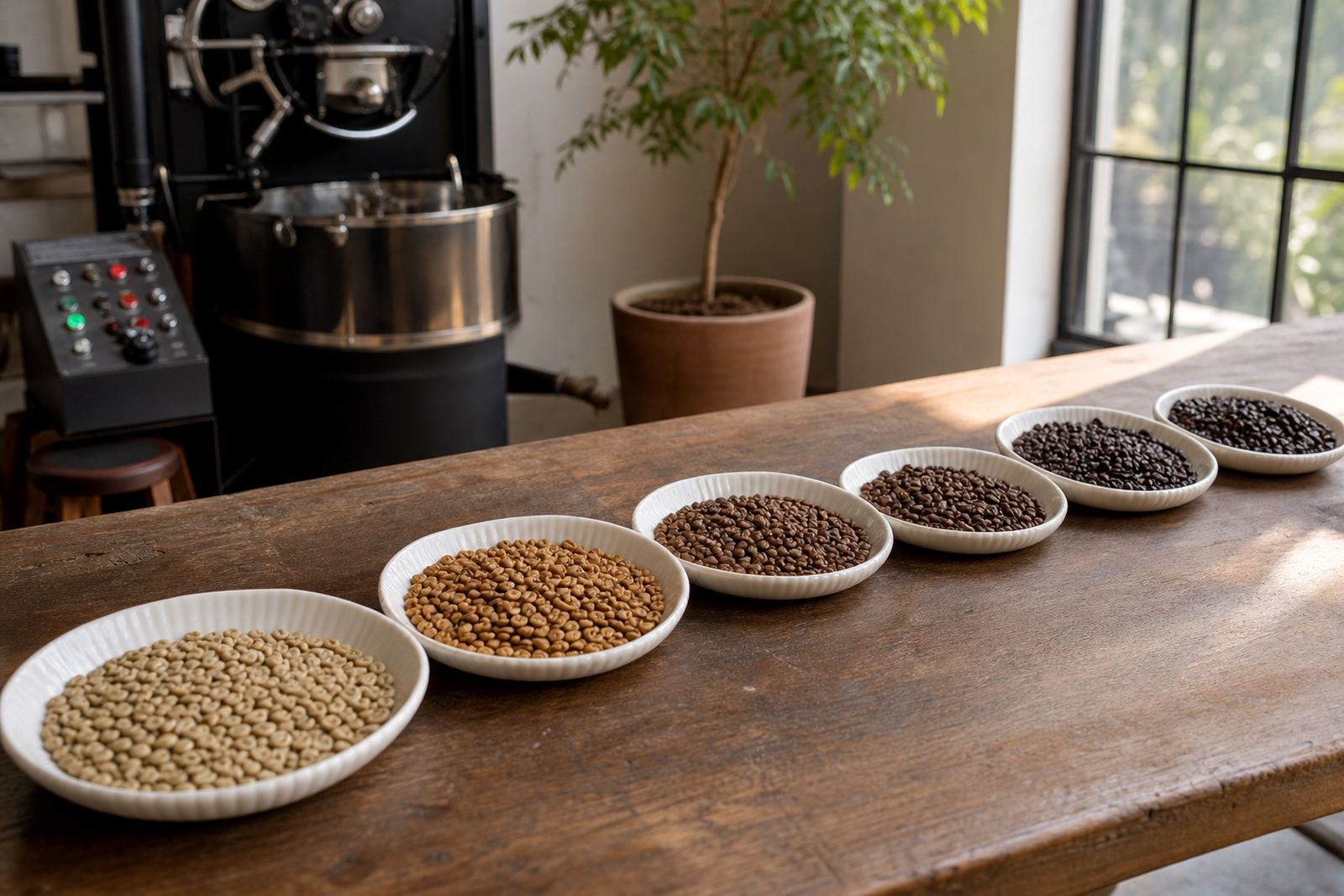
Roast level is one of the biggest reasons two coffees from the same origin can taste very different. During roasting, heat changes the bean structure, the natural sugars, the acids and the oils inside the bean. That means roast level affects sweetness, body, acidity and even how the coffee behaves in a plunger, filter cone or espresso machine.
For South African homes and offices, this matters because people often want different things from the same bag. One person wants a lively black cup for mornings in Cape Town, another wants a thicker espresso that still holds up after milk in Pretoria. Knowing the roast level helps you match the coffee to the way you actually drink it, not just the tasting notes on the label.
At a practical level, roast level also changes grind and brew timing. Lighter roasts often need a finer grind and a bit more brew time, while darker roasts can run faster and may taste harsh if over-extracted. That is why a good roast choice saves time and waste, especially in busy households and office kitchens.
- Light roasts usually show more origin character.
- Medium roasts often balance sweetness and body.
- Dark roasts lean towards lower acidity and stronger roast flavour.
Light roast: brighter cups with more acidity and detail
Light roast coffee is taken off the roaster earlier, so the bean keeps more of its original character. In the cup, that often shows as higher acidity, more florals, fruit notes and a cleaner finish. If you like tasting the difference between Ethiopian, Colombian or Rwandan coffees, light roast is usually where those differences shine through.
This style suits people who enjoy filter coffee, pour over and careful AeroPress brewing. It can also work beautifully as espresso, but only if the grinder is set well and the shot is dialled in properly. Light roast is not weak coffee, it is just more precise and less forgiving. If your water is too hot or the grind too coarse, you may get a sharp or thin cup.
In humid coastal areas like Gqeberha or Durban, storing lighter roasts well is important because fresh beans can pick up moisture faster than people expect. Keep the bag sealed, away from the stove and out of direct sun. If you are brewing at home during load-shedding, let the kettle reach temperature fully before you start, because under-heated water makes light roast taste underdeveloped and flat.
- Best for: black coffee drinkers and filter brewing.
- Watch for: sharp acidity if the grind is too coarse.
- Good with: floral, citrus and stone fruit flavour profiles.
Medium roast: the middle ground most people settle on
Medium roast sits between bright and bold, which is why it is a good all-round choice for many South African customers. It keeps enough origin flavour to stay interesting, but the roast brings more sweetness, roundness and a fuller body. For households with mixed tastes, this is often the safest starting point.
In a South African office, medium roast is a sensible subscription choice because it works across different brew methods. One team member may use a plunger, another may use a filter brewer and someone else may pull espresso for milk drinks. A well-roasted medium profile can handle that range without tasting too sour or too heavy.
Medium roasts also suit people who are moving from supermarket coffee to specialty coffee. They usually feel familiar, but with more clarity and less bitterness. If you want a cup that tastes balanced with or without milk, and you dont want to think too hard every morning, medium roast does the job well.
- Best for: mixed households and office kitchens.
- Watch for: over-roasting, which can flatten sweetness.
- Good with: chocolate, nut and caramel style notes.
Dark roast: fuller body, less acidity and a stronger roast flavour
Dark roast is taken further, so the bean loses more acidity and often develops a heavier body and stronger roast character. The result can be smoky, bittersweet or deeply chocolatey, depending on the starting coffee and how far the roast is pushed. For some drinkers that is exactly the point, especially if they want a punchier cup after breakfast or with milk.
Dark roast is often chosen for espresso-based drinks because it can cut through milk and sugar more assertively. That said, very dark beans can taste burnt, ashy or one-note if roasted too far. In a hospitality setting or meeting room coffee station, that can be risky because guests may interpret bitterness as poor quality rather than a roast style.
If you prefer dark roast, pay attention to brew ratio and water temperature. Too much coffee or water that is too hot can exaggerate bitterness. A slightly coarser grind and a cooler brew temperature often help keep the cup more drinkable. For people working through winter in Johannesburg or Pretoria, a darker roast can feel comforting, but it still needs care to avoid becoming harsh.
- Best for: milk drinks and those who want lower acidity.
- Watch for: burnt or oily cups if the roast is pushed too far.
- Good with: chocolate, toasted nut and cocoa notes.
How roast level changes sweetness, body and acidity in the cup
Sweetness, body and acidity move in different directions as roast level changes. Lighter roasts tend to keep more acidity and can taste sweeter in a bright, fruit-like way when brewed well. Medium roasts usually give the most obvious balance between sugar-like sweetness and a fuller mouthfeel. Dark roasts often seem less acidic and more bitter, with a heavier texture and a stronger finish.
That means no roast is automatically better. It depends on what you value in the cup. If you drink coffee black and enjoy clarity, light roast may make more sense. If you want a reliable everyday coffee for a home kitchen or a staff room, medium roast is usually the easiest place to start. If you are making cappuccinos, flat whites or strong long blacks, dark roast can be useful, but only when the beans are fresh and the brew is tuned properly.
Our local climate matters too. In Cape Town, especially near the coast, cooler mornings and damp air can change how beans store and how grinders perform. In hot inland conditions, beans can age faster once opened. Small changes like sealing the bag properly and avoiding heat sources make a difference to sweetness and aroma. It may seem small but it adds up over the week.
Choosing the right roast for your brew method and routine
The best roast level is the one that suits how you brew every day, not just the one that sounds impressive on paper. If you use a plunger, a medium or medium-dark roast often gives a forgiving cup. If you enjoy filter coffee, lighter roasts can bring more detail. For espresso at home or in an office, medium roast is the easiest place to start because it gives enough structure without becoming too sharp.
Think about how many people are drinking the coffee and what they prefer. A household with one black coffee drinker and one milk drinker may need a middle-roast subscription. A creative studio in Woodstock with visitors coming and going may prefer a seasonal rotation so the coffee stays interesting but not too intense. If you are setting up coffee for a small office, it is better to choose a roast that makes consistent cups than one that only shines in perfect conditions.
- Choose light if you want origin flavour and brightness.
- Choose medium if you want balance and flexibility.
- Choose dark if you want lower acidity and a fuller finish.
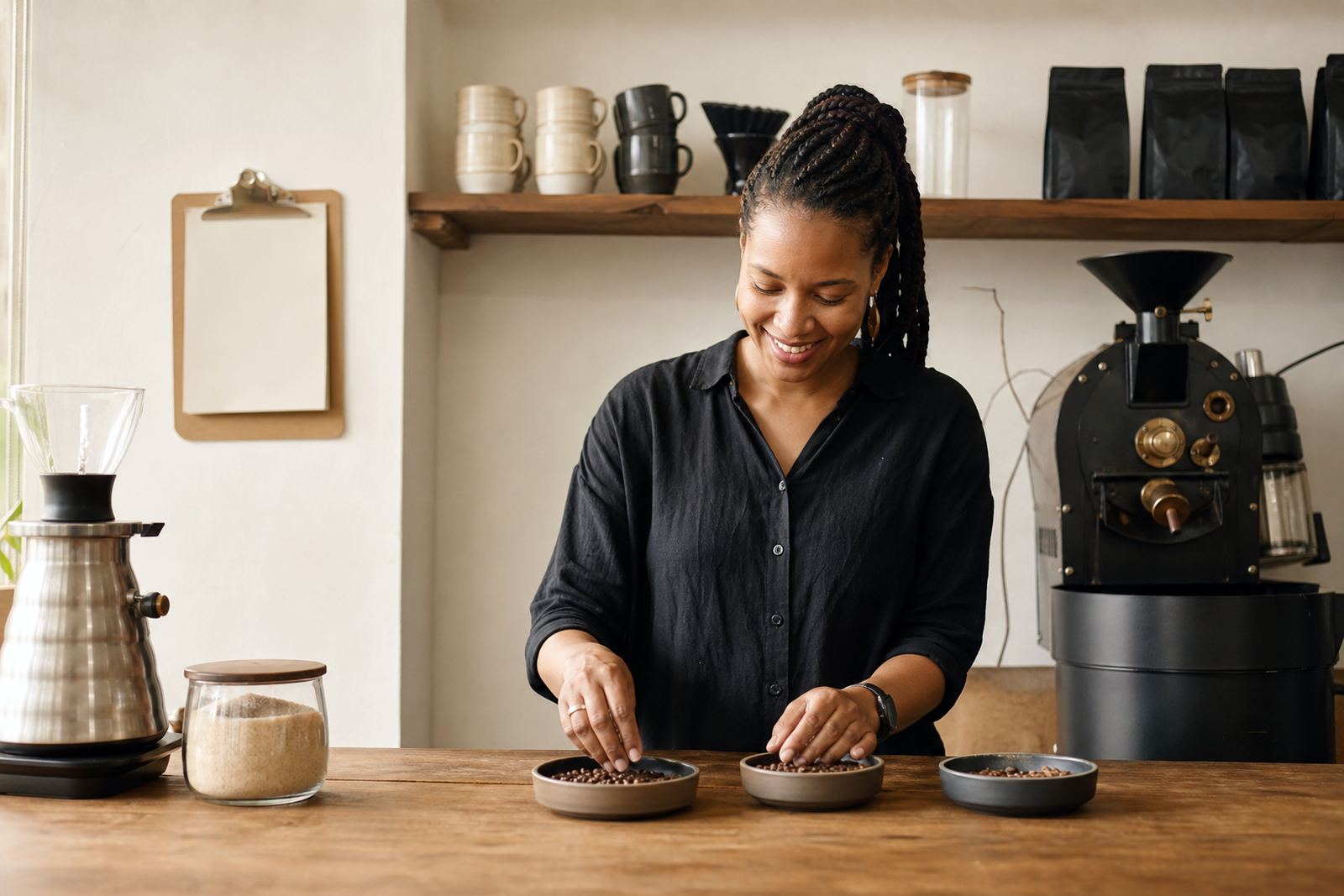
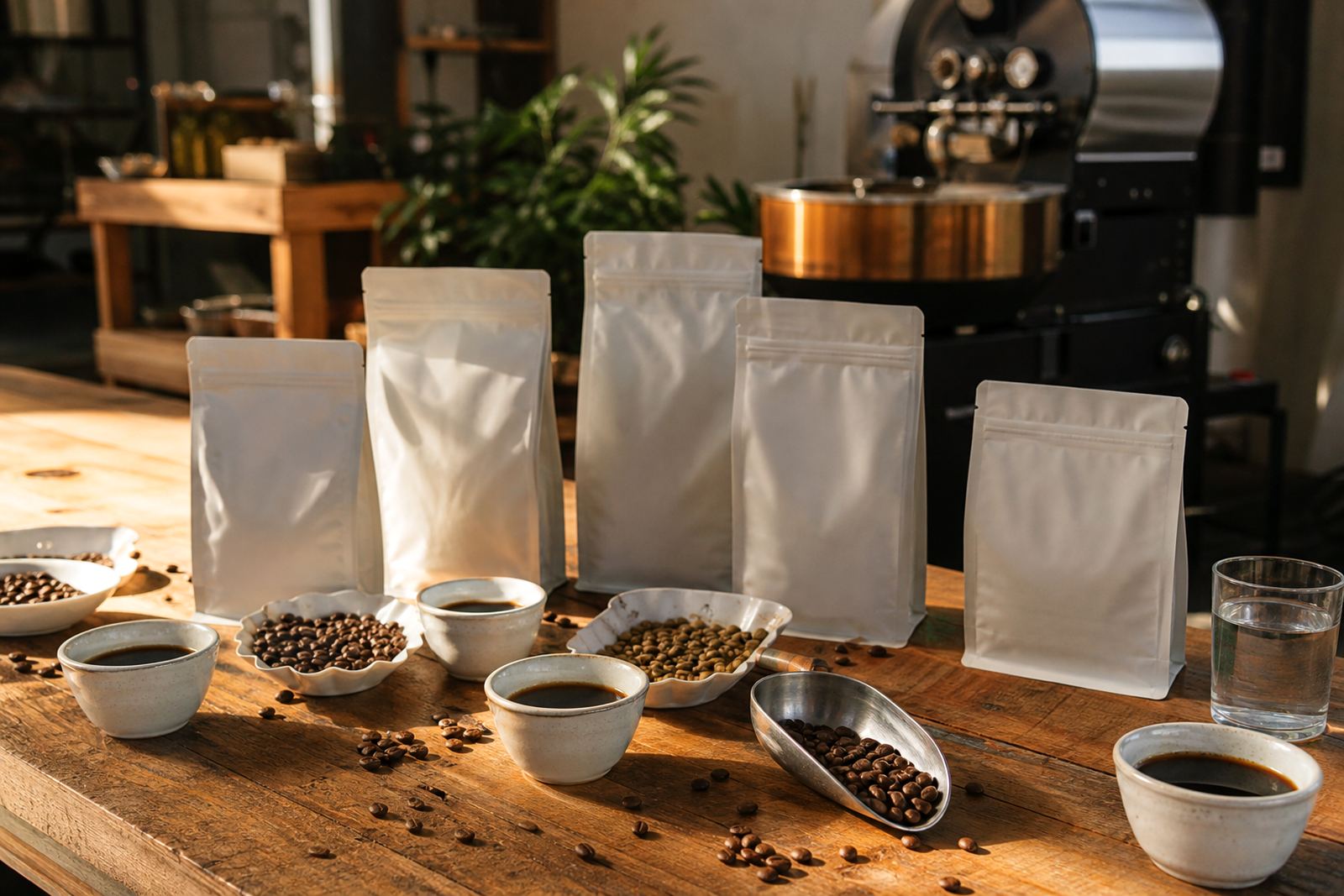
We often find the best answer comes from tasting side by side. A morning trial with the same brew method tells you more than a spec sheet ever will. Once you understand what you prefer, you can set your grind, dose and water temperature with much more confidence.
A practical Cape Town example: one office, three preferences
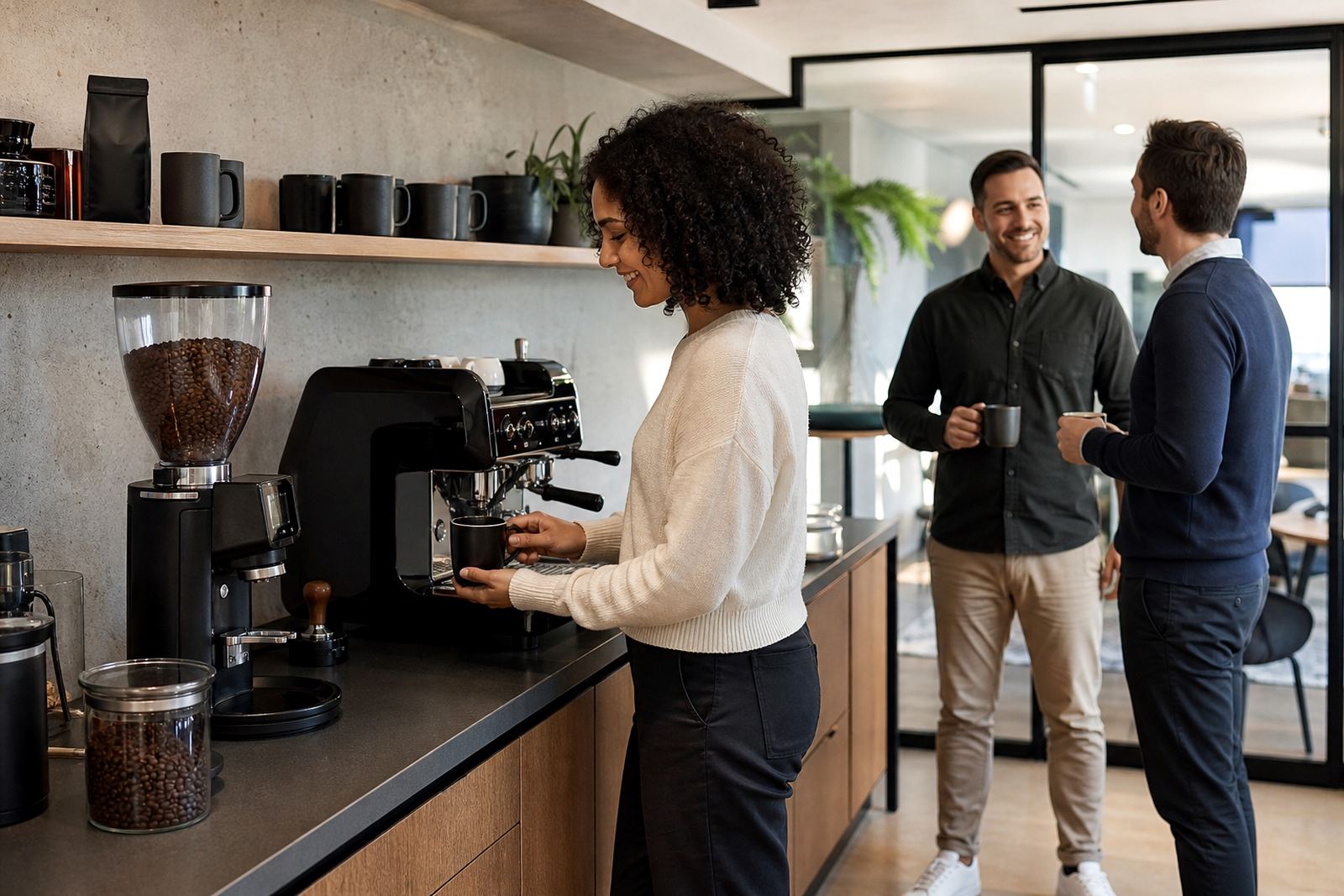
Consider a small office in the Southern Suburbs. The team wants coffee for early arrivals, mid-morning meetings and afternoon catch-ups. One person drinks filter black, two prefer milk drinks and another wants something easy from the plunger. A single roast can work, but a medium profile is usually the safest base because it gives enough sweetness for milk and enough clarity for black cups.
If the office then wants a second option, a lighter roast can be added for filter days or tasting sessions. That gives variety without creating waste. For businesses with a stock forecast to manage, this makes ordering simpler too, because you can keep one dependable roast on hand and rotate the second based on season or staff preference. It is a small change that keeps the coffee service practical and cost-conscious.
That same thinking applies at home. You do not need a different roast for every brewer. You need one that matches your routine, your taste and the way you want coffee to feel at 7 am on a weekday. Once you know that, roast level stops being jargon and starts being a useful tool.