


Start With the Coffee Volume Your Team Actually Drinks
The first mistake many offices make is buying pantry items for a theoretical team, not the one that turns up every weekday. Count how many people are on site, how many coffees are made before 10am, and whether visitors, clients or contractors also use the pantry. A 12 person office in Woodstock will have a very different pattern to a 60 person floor in Pretoria, and that changes everything from bean quantities to milk storage.
For planning, look at three simple questions: how many cups per day, who makes them, and where the coffee is served. If the pantry supports multiple meeting rooms or a wellness room, add a bit more stock because those cups disappear quickly. It is better to keep a small buffer than to run out on a Monday morning when the grinder is already going full tilt.
The Core Pantry Items That Keep Coffee Service Moving
Every office pantry needs a short list of essentials that are easy to monitor and simple to restock. Keep it practical and avoid clutter that expires before it is used.
- Fresh coffee beans or ground coffee for the brewing method in use
- Filtered water, or a reliable water point for brewing equipment
- Milk options, including long life milk for load-shedding days
- Sugar, sweetener and a small stock of sugar sticks
- Cups, lids, stirrers and napkins for meetings and visitor use
- Cleaning cloths, rinse tablets and a brush for grinders or brewers
- Bin liners and a clear waste station for used grounds and cups
In coastal areas such as the Atlantic Seaboard or Gqeberha, humidity can affect storage and the way coffee behaves in the grinder. Keep beans sealed and away from heat. In drier inland offices, the main challenge is usually dust and inconsistent water quality, so a simple filter can make a noticeable difference.
Storage Rules That Save Taste and Reduce Waste
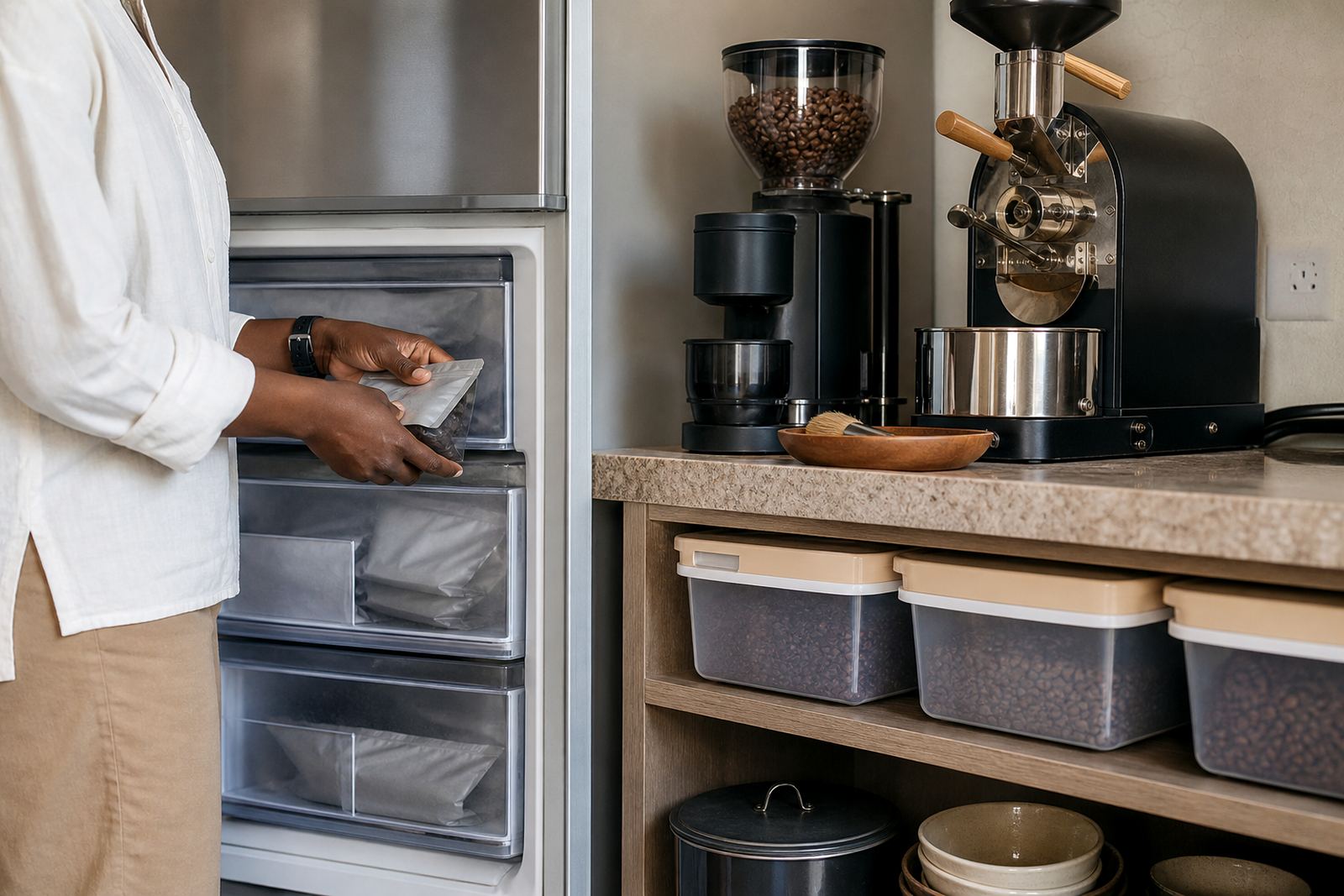
Coffee loses quality faster when it is left open, exposed to sunlight or stored next to cleaning chemicals. That is why pantry layout matters as much as the shopping list. Keep beans in airtight containers, not in their outer shipping box, and store them in a cool cupboard away from the kettle area. If the pantry is small, use labelled tubs so everyone knows what is fresh and what is backup stock.
Milk and alternative milk should be kept in a dedicated fridge section with clear date labels. Older stock gets forgotten behind lunch containers and then gets binned, which is money down the drain. A simple first in, first out rule works well for most offices and makes stock checks much easier. It also helps the person topping up the pantry spot gaps before they turn into complaints.
Where office rules allow it, keep a small dry store near the coffee point for cups, napkins and backup beans. That cuts down on trips through the building and keeps service smoother during busy hours.
Equipment Basics for a Clean, Consistent Cup
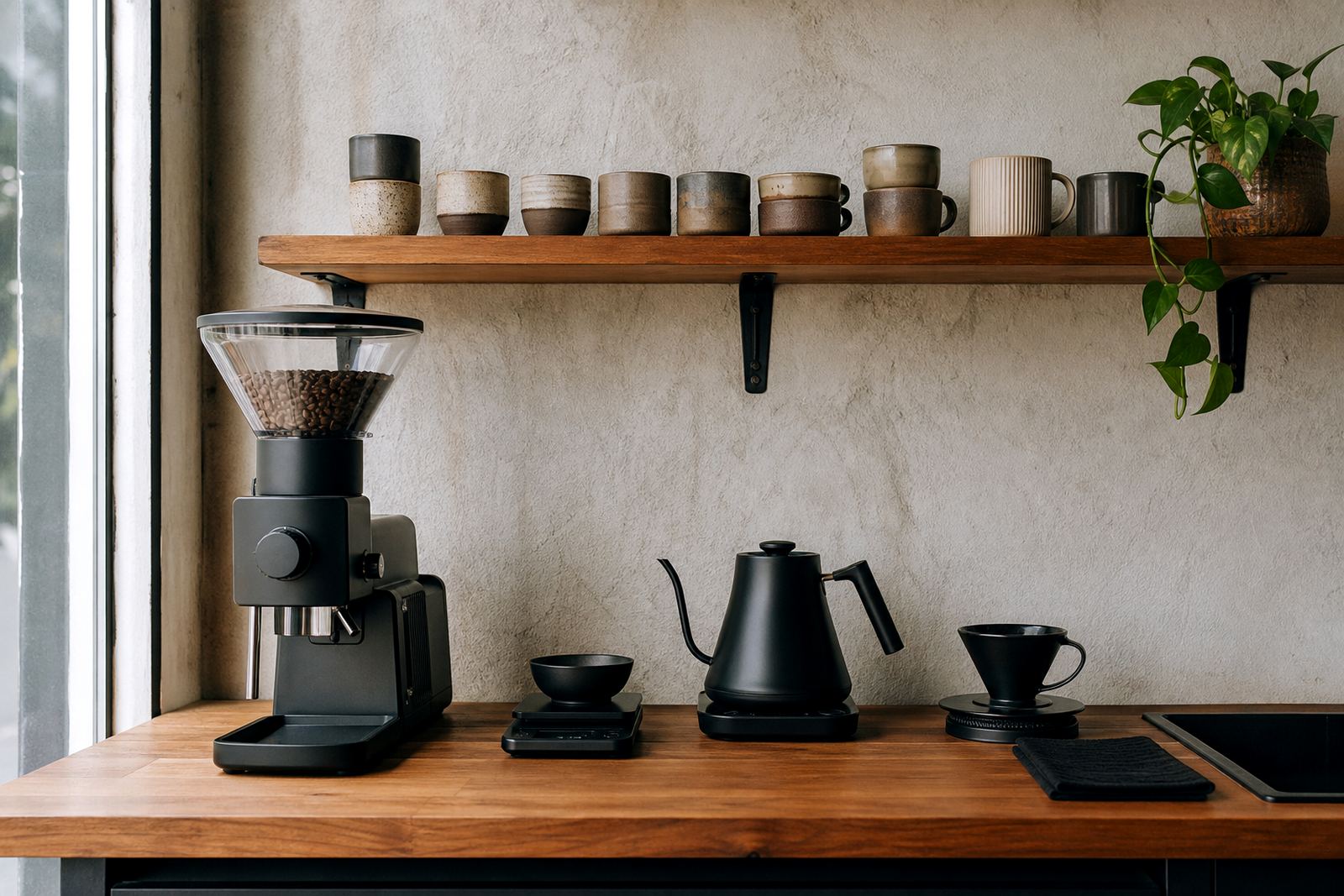
The right pantry setup does not need a lot of equipment, but it does need the right equipment. A grinder, brewer, kettle and basic cleaning tools are usually enough for a small to medium office. If the team prefers espresso based drinks, the setup needs more attention and regular servicing, especially in busy workplaces where machines run all morning.
Set a standard for grind size, brew dose and water volume so different staff members make the same cup. That consistency matters when the office is serving clients or staff from different floors. One person using too fine a grind and another using too coarse a grind can make the same coffee taste like two different products. That gets blamed on the beans when the real issue is the setup.
In offices affected by load-shedding, plan for the equipment that still works without mains power. Manual brew methods, insulated jugs and a kettle that can be used on backup power can keep service going when the lights go off. Keep the process simple, because complicated setups are usually the first thing to fail.
A Weekly Stock Check That Saves the Month
Office coffee works best when stock is checked on a fixed day, not only when something runs out. A weekly pantry check takes a few minutes and helps prevent surprise shortages. The person doing the check should look at beans, milk, cups, sugar, cleaning supplies and waste bags. If there are multiple meeting rooms, check those cupboards too because they empty faster than expected.
- Count remaining coffee packs and note the next delivery date
- Check milk expiry dates and move older stock forward
- Inspect cups, lids and stirrers for low levels
- Confirm grinder cleaning and brewer cleaning are up to date
- Review any sudden increase in use after events or client visits
It helps to keep a simple log sheet in the pantry. Even a handwritten note can show trends, like higher consumption on Mondays or at month end. That is useful for stock forecasting and avoids over-ordering, which ties up cash and fills cupboards with boxes nobody needs.
Matching the Pantry to Your Office Culture
Not every office needs the same coffee service. A creative studio in Woodstock may want a more casual self-serve setup, while a professional services firm in the Southern Suburbs might need a tidier pantry with labelled stock and meeting room support. The point is to make the pantry fit how the team actually works, not how a brochure says it should look.
If your office hosts regular clients, add extra cups, good quality napkins and a clear serving area so the coffee looks considered. If your team works across shifts, focus on simple replenishment and strong stock control. If wellness or breakout spaces are part of the workplace, keep a separate small supply there so the main pantry does not get stripped bare by midday. Small decisions like this make the service feel organised and help staff trust that the coffee will be there when needed.
At A Cup Of, we often see offices improve once the pantry stops trying to do too much. A clear supply plan, good storage and the right coffee rotation are usually enough to make daily service feel less rushed and more reliable, even during a busy week.