
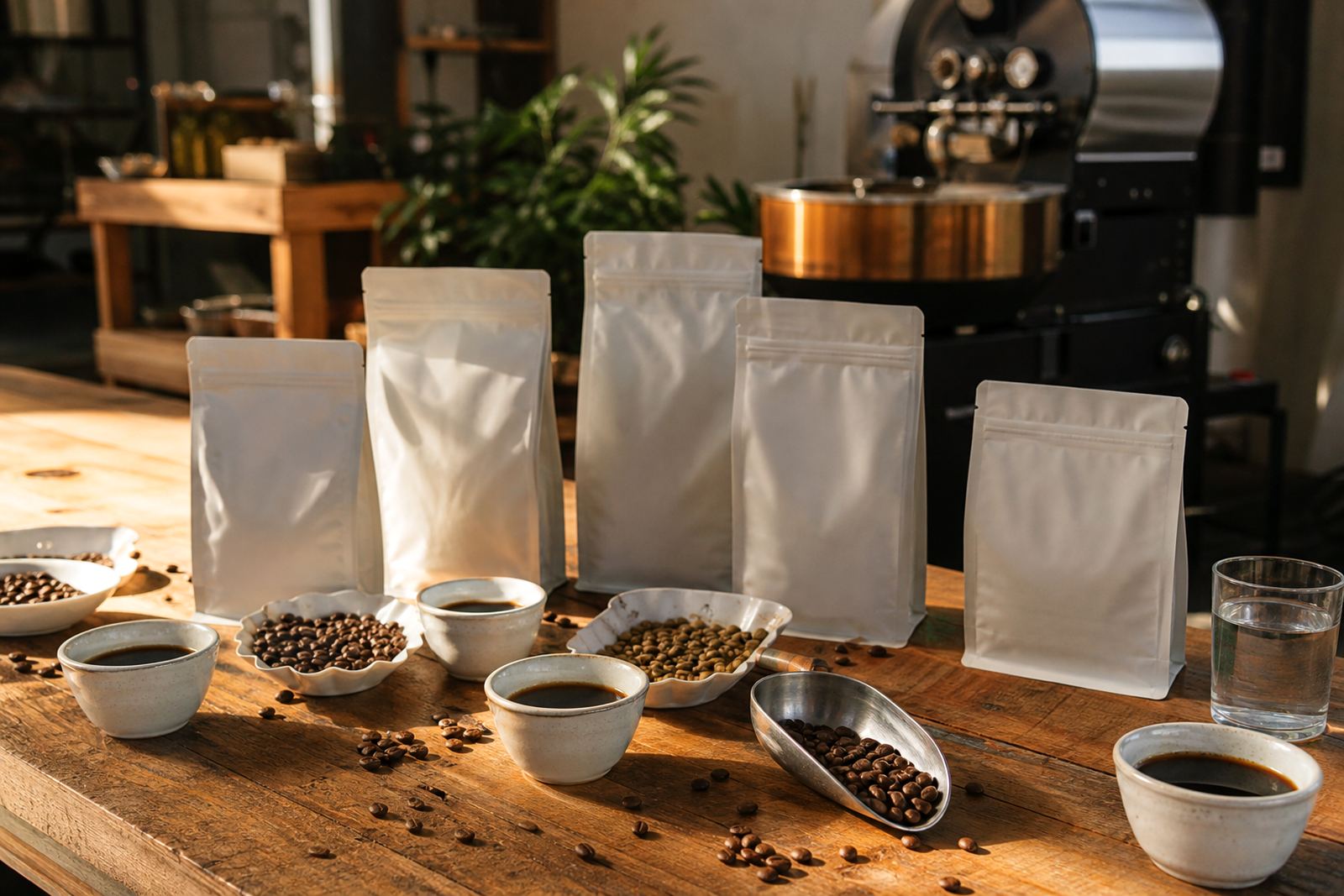
Single origin means one origin, not one flavour
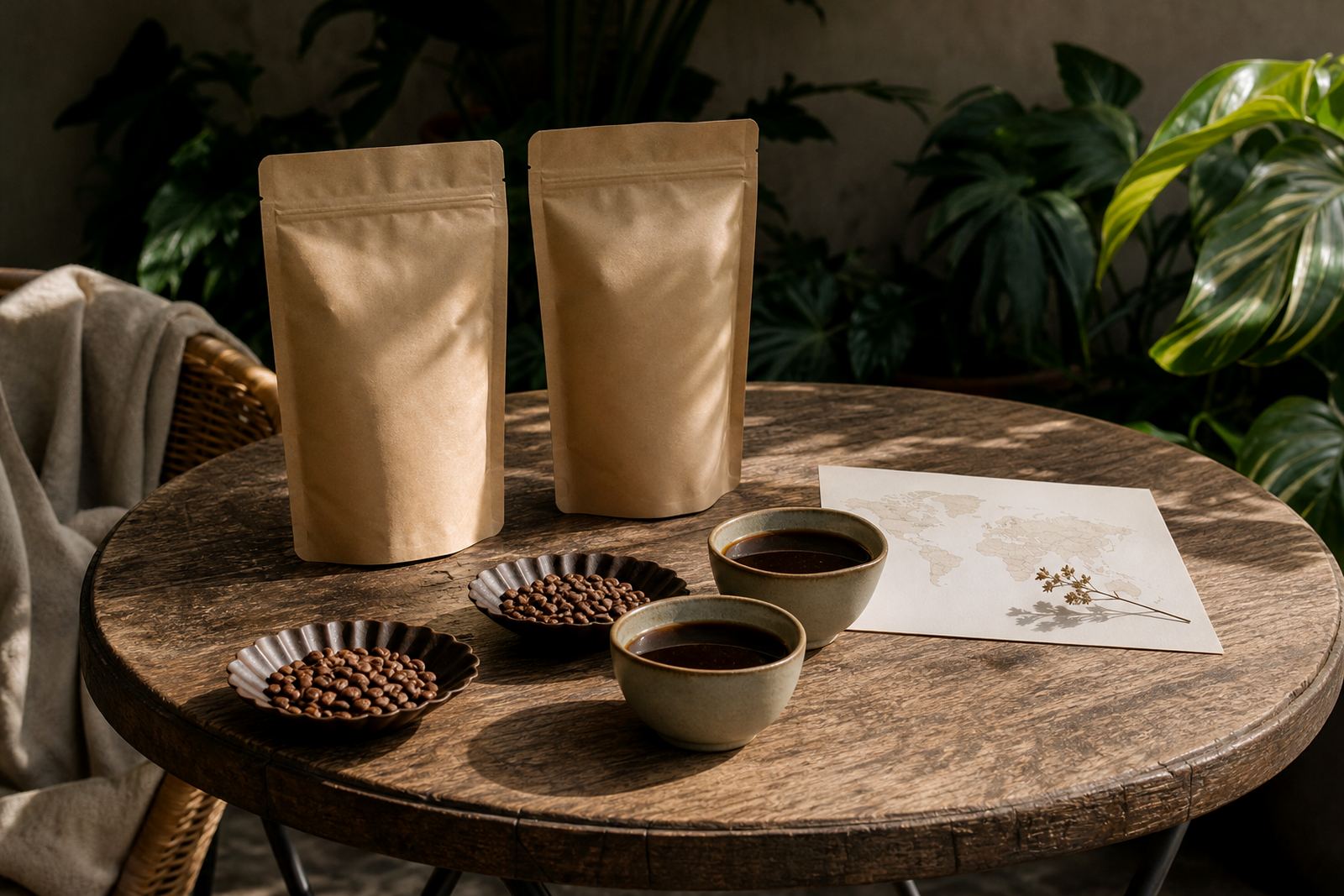
Single-origin coffee is coffee sourced from a single farm, a specific estate, or a defined producing region. That matters because each origin brings its own growing conditions, altitude, soil, rainfall and processing method, and those details shape the cup. A coffee from high altitude will often taste brighter and cleaner, while one grown lower down may feel fuller and more rounded.
People sometimes assume single origin means one exact taste profile, but that is not really the point. The value is in traceability and character. You are tasting something that has not been blended to smooth out its edges. That is why single-origin coffee can show fruit, florals, cocoa, spice or nutty notes depending on where it came from and how it was handled after picking.
For households in Cape Town, Johannesburg, Pretoria, Durban and Gqeberha, single origin also helps you choose coffee with more intention. If you prefer a sweet espresso with berry notes or a filter coffee with a lighter body, you can match the origin to the brewing method rather than guessing from a generic roast label.
Why origin matters when you brew at home or in the office
When a coffee is blended, the roaster is balancing different beans so the flavour stays steady from batch to batch. With single-origin coffee, the bean does more of the talking. That gives you a clearer sense of sweetness, acidity, body and aftertaste. It also means the brew method needs a bit more care, especially if you are using an espresso machine, pour-over or plunger.
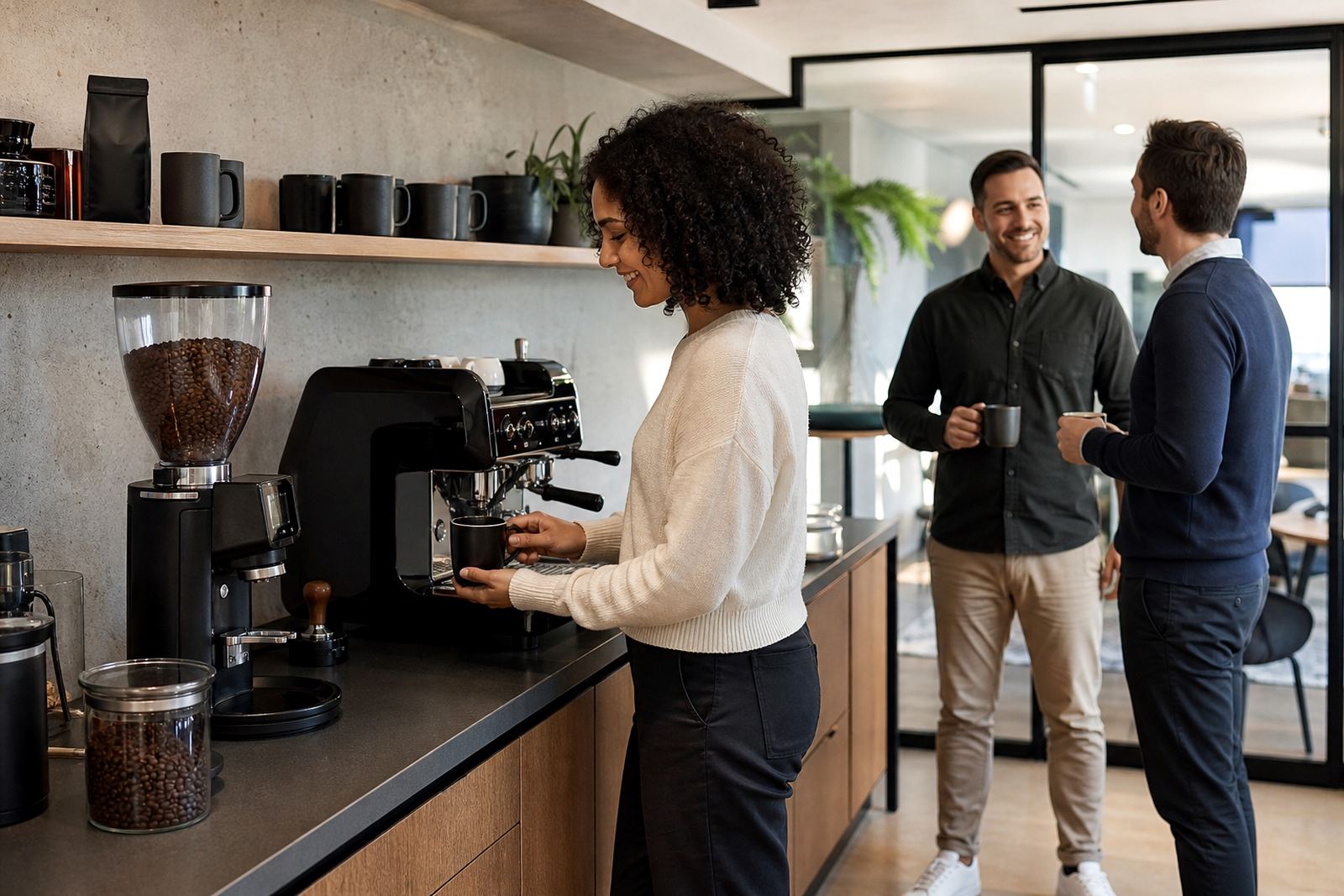
At home, single-origin coffee can make a simple brew feel more deliberate. In an office, it can help teams move away from a one-note, bitter pot of coffee and towards cups that people actually enjoy drinking. For hospitality clients, it can support a more premium menu without needing complicated equipment. If your grinder is off by even a small step, the flavour can shift quite a lot, so grind calibration matters a lot more than many people expect.
South African conditions matter too. In coastal areas like Woodstock and the Atlantic Seaboard, humidity can affect grinding and extraction. In inland offices around Pretoria and Johannesburg, dry air and load-shedding can change how long machines take to warm up. With single-origin coffee, these small variables become easier to notice, which is useful because you can then adjust the brew rather than blame the bean.
How to read a single-origin coffee label properly
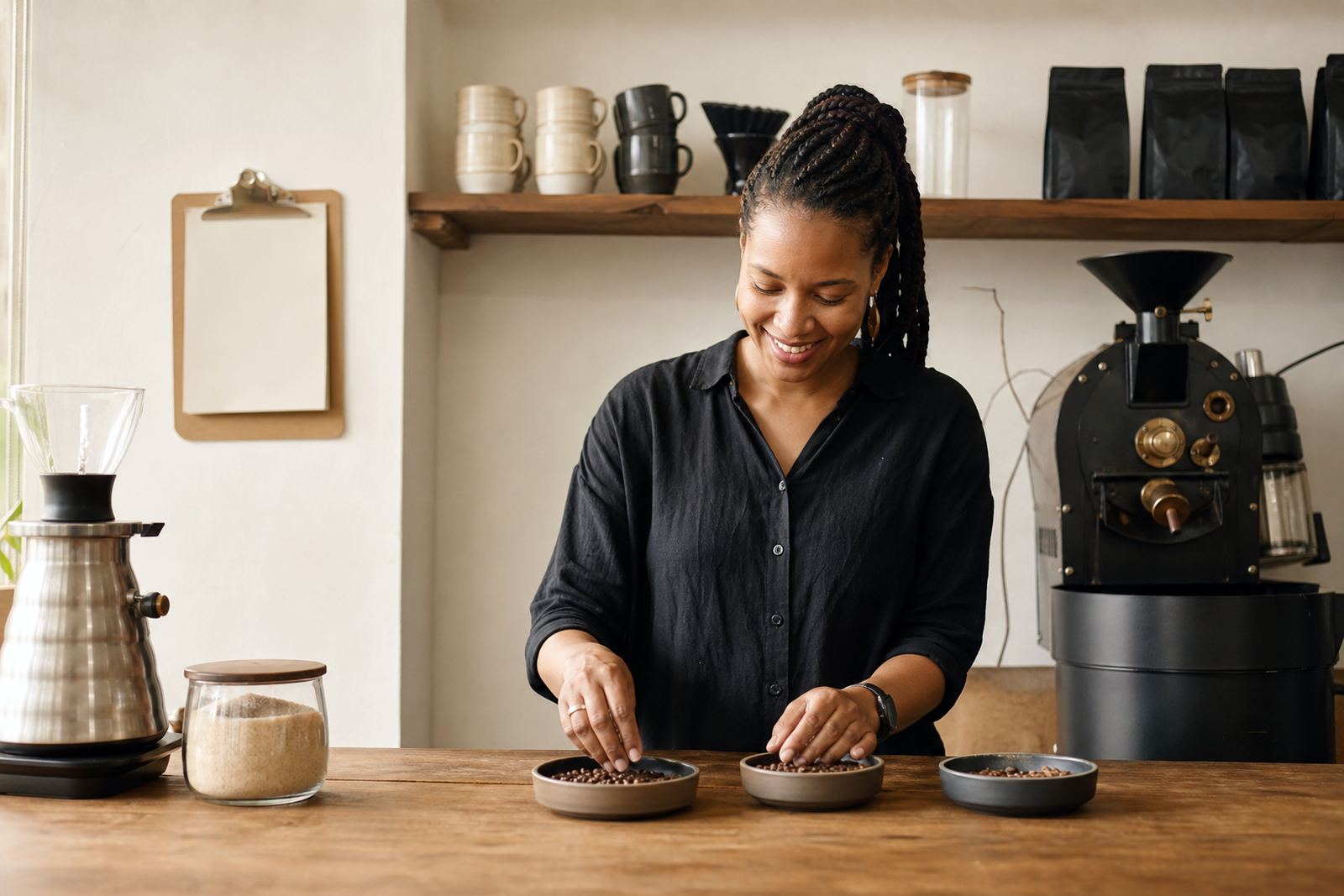
A good coffee label should tell you where the coffee came from, how it was processed, and when it was roasted. If that information is missing, you are being asked to buy blind. Start with the origin details first. A country name is useful, but a region or farm gives you a much clearer picture. Then look at the roast date, because coffee tastes best when it is still fresh enough to hold its aromatics and structure.
Processing method also matters. Washed coffees often taste cleaner and brighter. Natural processed coffees may be fruitier and heavier in body. Honey processed coffees sit somewhere between the two. These methods are not marketing fluff, they change the way sugars and acids present in the cup.
If you are buying for a business, keep notes on what your staff or guests actually enjoy. A coffee that works well for espresso in a busy meeting room might not be the best filter coffee for a quiet wellness room. The label helps you narrow the choice, but your use case decides the final fit.
Single origin versus blends, what is the practical difference
Single-origin coffee and blends both have a place. A blend is usually designed for balance and consistency, which can be helpful in high-volume service. Single origin is chosen when the goal is to highlight character and traceability. Neither is better in every situation, but they serve different needs.
If you run a cafe or office and need a dependable daily espresso, a blend may be the easier option. If you want to rotate coffees seasonally, train staff on flavour, or give clients a more specific tasting experience, single origin is often the better choice. It also works well for subscription customers who enjoy trying different origins without committing to a full kilo of the same coffee every time.
At A Cup Of, we often help customers use both. A practical setup might be a steady espresso coffee for weekdays and a changing single-origin filter for slower mornings or client tastings. That gives you consistency where you need it and variety where it adds value.
A Cape Town example: what single origin tastes like in real life
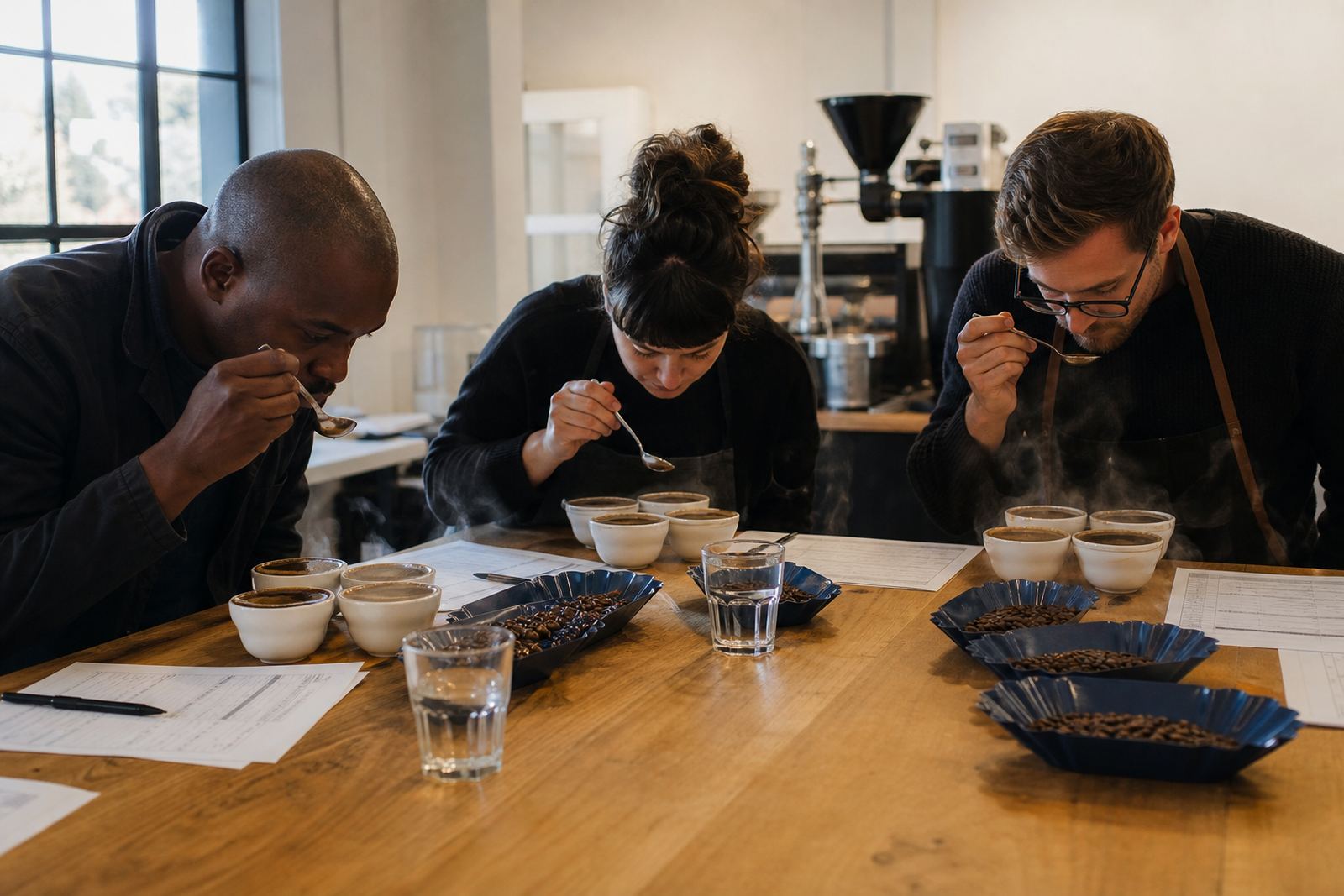
Take a small office in Woodstock serving coffee to staff and visiting clients. If the team uses a single-origin Ethiopian coffee for filter, they may notice citrus brightness, floral aromatics and a lighter body. For espresso, a single-origin Colombian coffee might bring brown sugar sweetness, gentle acidity and a cleaner finish. Those differences are easy to miss when coffee is over-roasted or ground too fine.
That office does not need a complicated setup to make the coffee work. It needs fresh beans, a grinder that is set correctly, and a brewing routine that stays the same from day to day. If the machine runs through load-shedding with a fluctuating warm-up time, or the milk texture changes because the staff is rushing, the flavour will shift. Good coffee service is partly about bean choice and partly about discipline.
For homes in Cape Town, this is just as true. A single-origin coffee can be the difference between a decent cup and a cup that feels lively and clean. It is also easier to notice when something is wrong. If the espresso suddenly tastes flat or sour, you can track the cause more quickly because the coffee is not hiding inside a blend.
How to choose the right single-origin coffee for your setup
Start with how you drink coffee. If you like espresso, choose an origin with enough sweetness and body to hold up under pressure. If you prefer filter coffee, look for clarity, balance and a flavour profile that suits slower brewing. If you are buying for a boardroom, reception area or hospitality venue, think about volume, speed and staff training as well as taste.
It also helps to think about seasonality. Single-origin coffees change through the year as harvests move from one region to another. That means your subscription or supply plan can rotate without losing quality. A seasonal approach keeps the menu interesting and can help your team talk about the coffee with confidence, which is useful when clients ask what they are drinking.
For businesses across South Africa, the best choice is often the one that fits your routine, your equipment and your customers. Single origin is not just for coffee specialists. It is a practical way to serve something with clear identity, and once you get used to it the difference is easy to taste.