
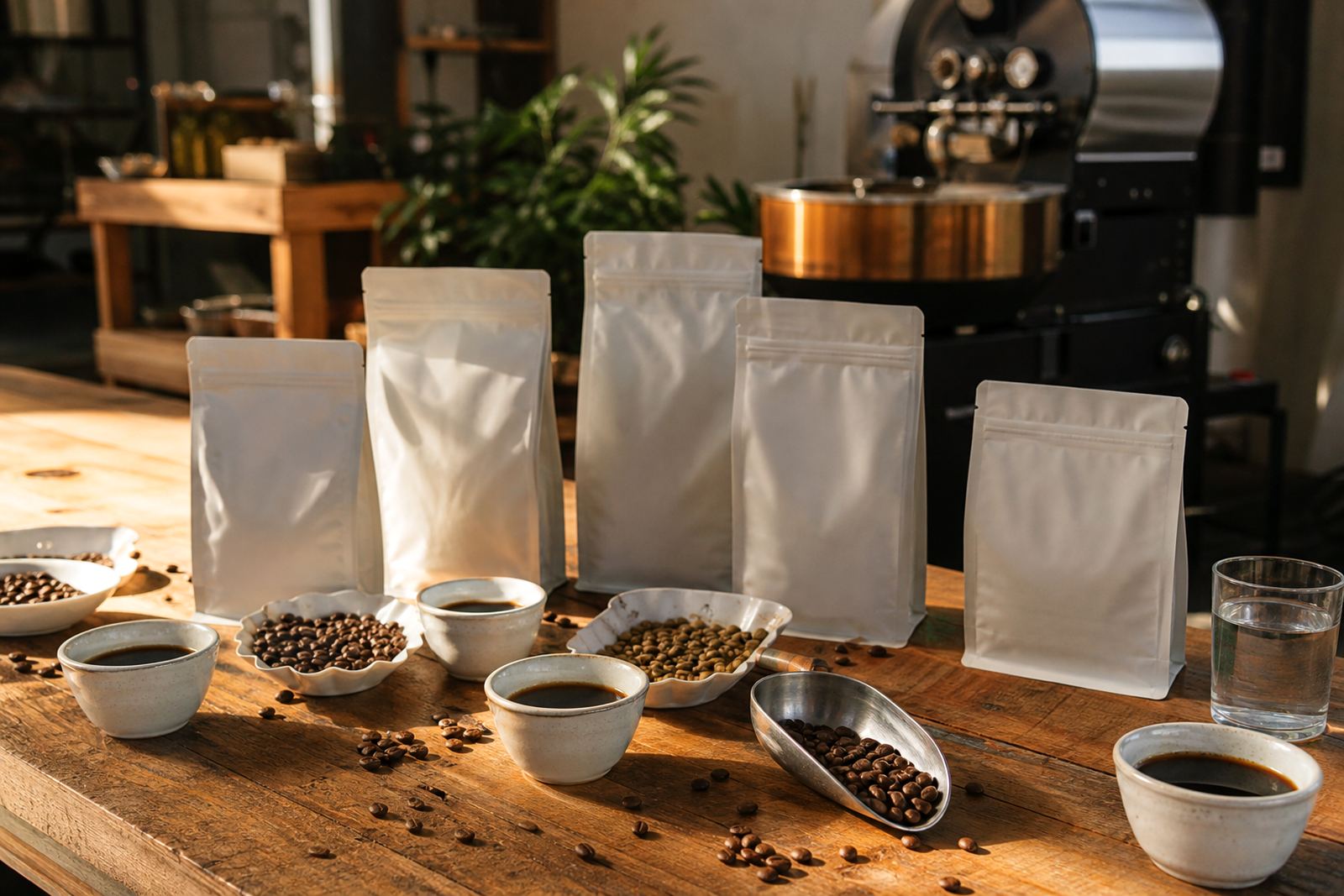

Start with fresher beans, then use them properly
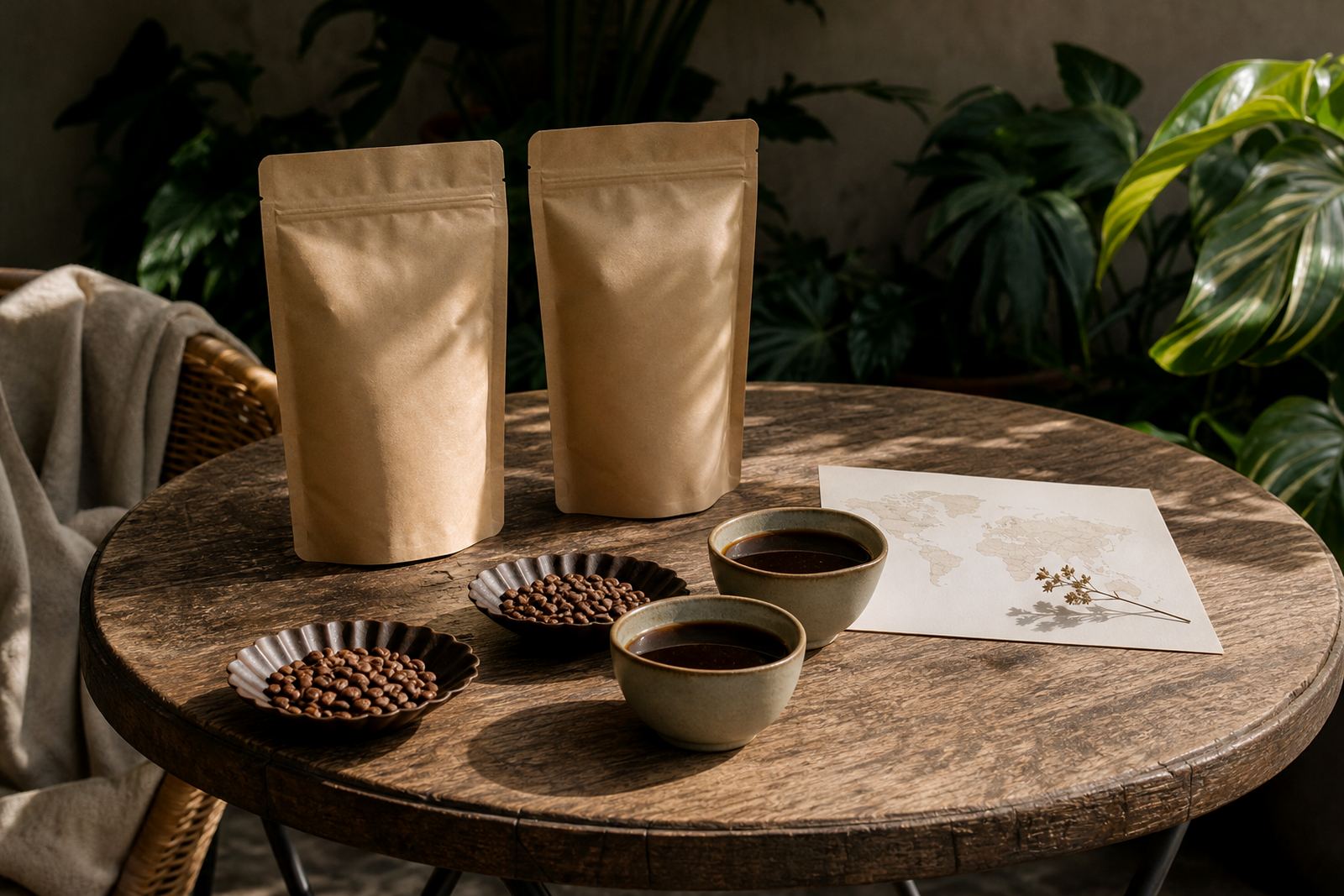
The quickest way to improve your coffee is to pay attention to the beans before you touch the kettle. Freshly roasted coffee gives you better aroma, cleaner flavour and more control over the cup. For most home brewers, whole beans are the better choice because they hold flavour longer than pre-ground coffee, especially in warm kitchens or coastal humidity where beans can pick up moisture.
Store beans in a cool cupboard away from sunlight and keep the bag sealed tightly after opening. A one-way valve bag helps, but once it is open you should treat the coffee with care. If you buy in larger amounts, portion some into smaller airtight containers so you are not opening the same bag every day. In Cape Town summer heat or a Durban flat near the coast, that small step makes a real difference.
- Buy what you can finish in 2 to 4 weeks.
- Keep beans whole until just before brewing.
- Do not leave the bag near the stove, toaster or window.
- If the coffee smells flat, it is often the storage, not the recipe.
Grind size is the habit that changes everything
If one rule matters most, it is this: grind size must match your brew method. Too fine and the coffee can taste bitter or take too long to draw through. Too coarse and the cup can be weak or sour. A grinder with consistent particles gives you a much steadier result than guessing with pre-ground coffee, and it is worth the investment if you brew every day.
For a French press, aim for a coarse grind that looks like rough breadcrumbs. For a pour-over, go medium-fine. For an espresso machine at home, you need a much finer grind, though every machine has its own sweet spot. If the coffee tastes thin, adjust a little finer. If it tastes harsh, adjust a little coarser. Make one change at a time so you can actually tell what helped.
- Change grind in small steps, not big jumps.
- Dial in a new bag of beans again, even if you used the same setting last week.
- Keep a note on your phone of what worked well.
- A clean grinder is easier to adjust and gives more even results.
Water, heat and timing: keep the recipe steady
Coffee is mostly water, so the water you use matters more than many people realise. Very hard water can flatten sweetness and leave a chalky taste, while heavily chlorinated tap water can make the cup taste dull. Filtered water is often the easiest answer for home brewing, especially in areas where municipal water quality changes after heavy rain or maintenance work.
Temperature matters too. Water that is too cool under-extracts the coffee and can leave it sharp. Water that is boiling hot can pull out harsh notes. For most manual brews, let the kettle sit for a short moment after boiling before you pour. Consistency helps more than chasing a perfect number every morning.
Timing also counts. A rushed brew usually means weak flavour, while over-steeping can bring bitterness. Set a simple routine and stick to it. Morning coffee should fit around your schedule, not become a project before work.
- Use filtered water if your tap water tastes strong or metallic.
- Keep brew time similar from day to day.
- Pre-wet paper filters to remove papery taste.
- If the cup changes every day, check water first before blaming the beans.
Measure, then taste, then adjust a little
Most home coffee goes wrong because the recipe changes without anyone noticing. A scoop one day, a heaped spoon the next, then a different mug size and suddenly the coffee is all over the place. Measuring coffee and water gives you a proper starting point, and it does not need to be fussy. A kitchen scale is useful, but even a basic ratio you follow each morning will improve consistency.
For a simple home brew, start with a fixed coffee-to-water ratio and then make small changes based on taste. If the cup is too sharp, use slightly more water or a finer grind. If it tastes watery, use more coffee or a slightly tighter grind. You do not need to chase perfection. You just need a repeatable habit that gets you close enough most mornings.
- Use the same mug when testing a new recipe.
- Make one change at a time so you know what caused the difference.
- Write down your best ratio for filter, plunger or espresso.
- Taste the coffee at the start and after it cools a little, because flavour changes as it sits.
Clean gear gives cleaner flavour without extra effort
It is easy to forget that coffee equipment holds onto oils and fine grounds. Over time, those oils can make a fresh brew taste stale or muddy. A quick rinse after each use goes a long way, and a proper clean once a week keeps the flavour bright. This is especially important in busy homes where the same brewer gets used for morning coffee, weekend guests and the odd afternoon cup.
Do not let milk residue sit in jugs or steam wands. Wash filters, baskets and plunger parts before they dry out. If you use a grinder, brush out the chute and burr area regularly. In areas with load-shedding, people sometimes leave equipment uncleaned because the routine gets interrupted. The trick is to build cleaning into the same habit as emptying the kettle or rinsing the mug, so it never becomes a big job.
- Rinse brew equipment immediately after use.
- Wash milk parts daily so smells do not build up.
- Dry everything properly before storing it.
- Descale kettles and machines on a sensible schedule if your water is hard.
Keep the routine simple enough for weekday mornings
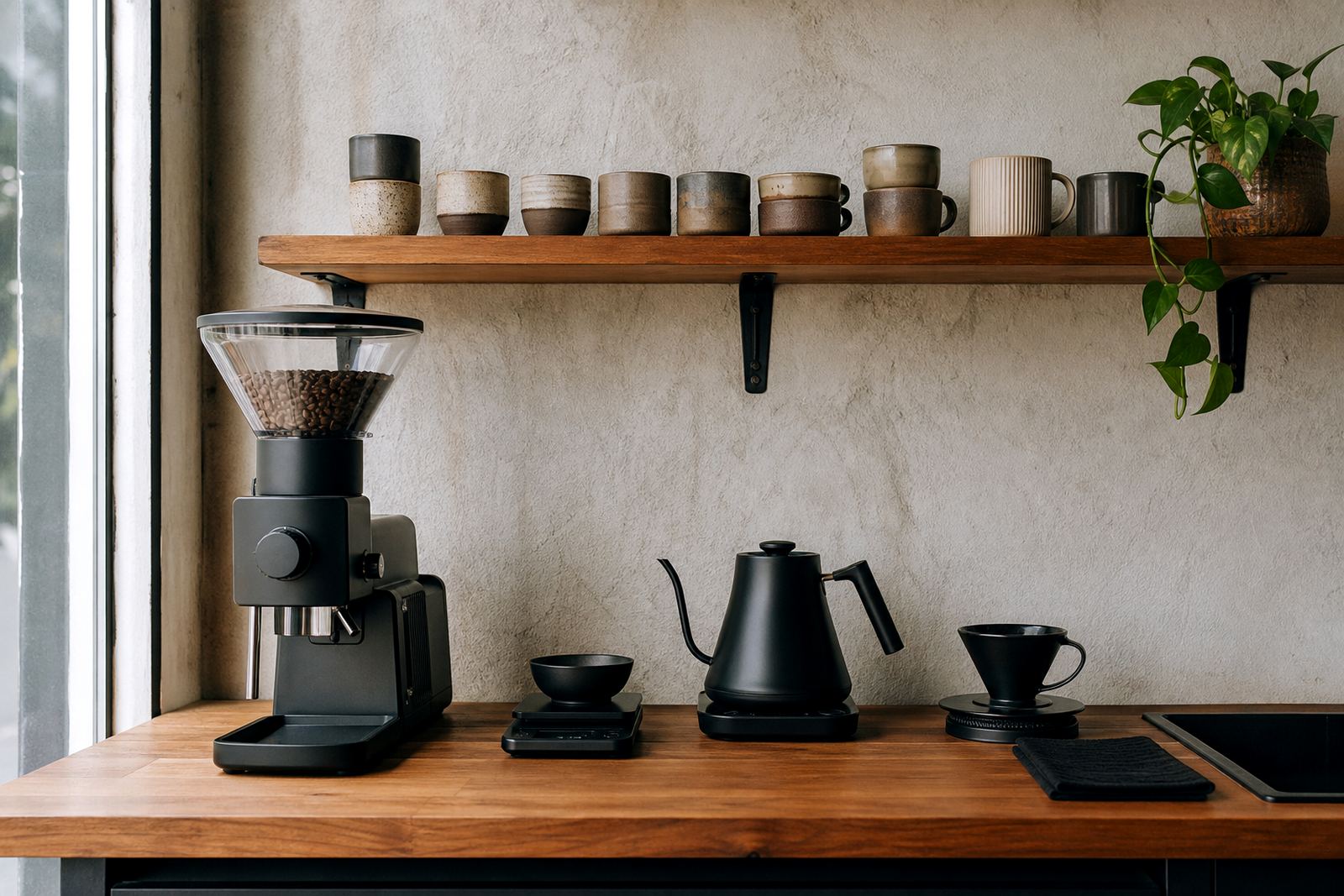
The best home barista setup is the one you will use before 7am on a school day or after a late power cut. You do not need a full café bench to make good coffee, just a clear routine and a few reliable habits. Set out your mug, beans and grinder the night before. If you use a manual brewer, rinse the filter holder in advance. If you use a machine, make sure it is ready and clean.
Think about where the coffee lives in the house. A small, dry corner in the kitchen works better than shifting everything from cupboard to counter every day. For a family in the Southern Suburbs or a shared flat in Johannesburg, the less searching you do in the morning the better the coffee seems to taste. Keep the process short enough that it becomes second nature, and your morning cup will stay enjoyable instead of becoming another task.
Once you have the basics in place, you can start experimenting with different origins, roast styles and brew methods. But the foundation stays the same: fresh beans, the right grind, good water, steady measure and clean equipment. That is what makes home coffee feel easy rather than complicated.