
Start with the cup profile you want in your espresso
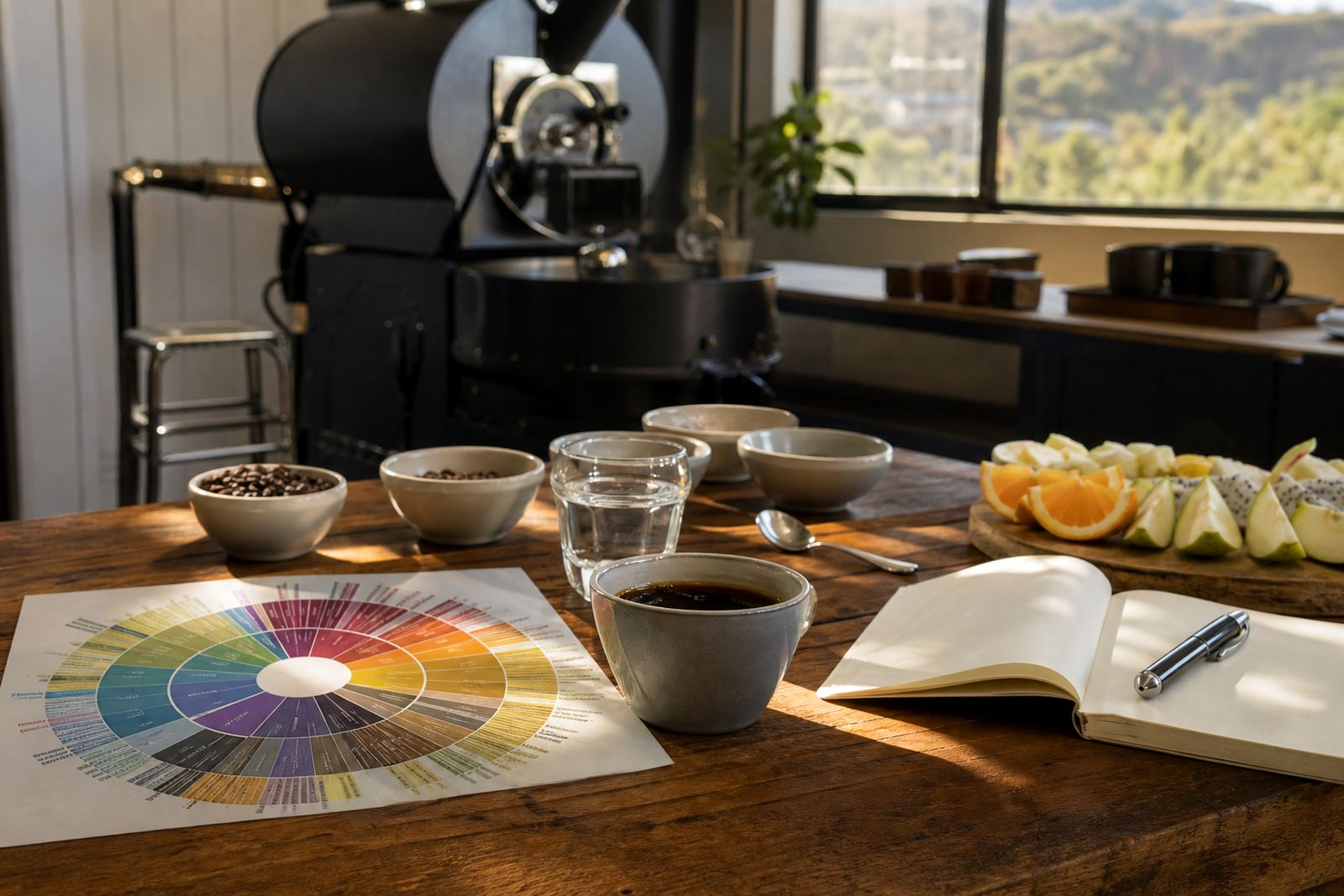
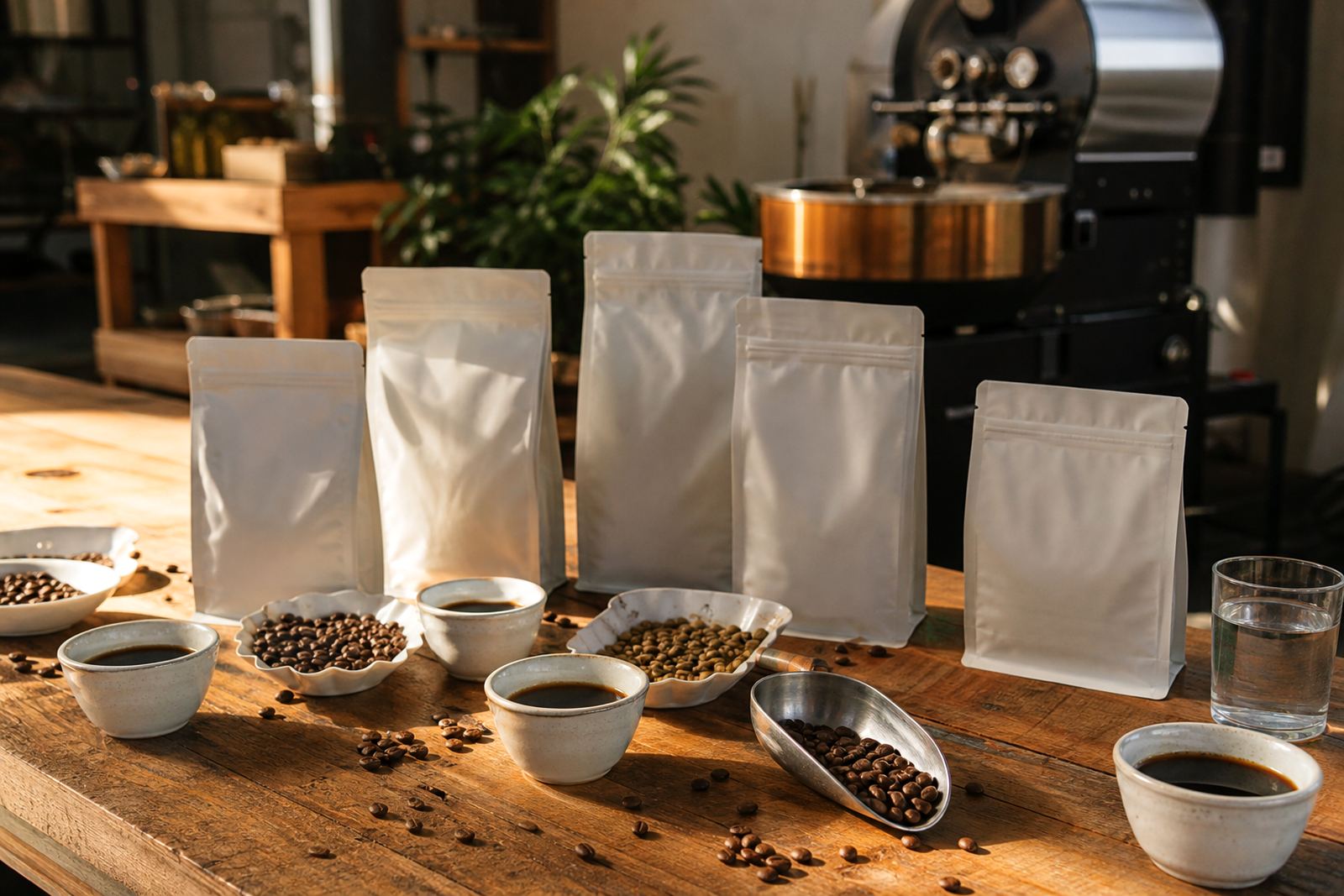
When people ask about espresso beans, the first question is not really which bean is best, but which flavour you want in the cup. Espresso concentrates sweetness, acidity and bitterness, so small differences in roast and origin show up fast. If you enjoy a heavier, chocolate-led shot with milk, choose beans that are built for that style. If you drink espresso straight, you may prefer a cleaner cup with brighter fruit notes and a longer finish.
In South African homes and offices, the most common mistake is buying beans that taste good as a filter coffee but turn sharp or hollow once pulled as espresso. That can happen with very light roasts, or beans that were roasted for a different brew method. A good espresso bean should give you enough sweetness and body to stand up on its own, while still keeping the cup balanced.
- For milk drinks, look for cocoa, nutty or caramel notes.
- For straight espresso, choose beans with a clear sweetness and a tidy finish.
- If you are unsure, ask for an espresso roast or a blend made for espresso machines.
Why roast level matters more than most buyers think
Roast level changes how a bean behaves under pressure. Lighter roasts can bring out delicate origin character, but they often need tighter grinder settings and more careful temperature control. Medium roasts are easier to work with and usually give a more forgiving shot. Dark roasts can produce a punchy cup, though too much roast can flatten sweetness and leave a smoky aftertaste.
For many South African setups, especially in offices where several people use the same machine, a medium roast is a sensible starting point. It is more forgiving when the grinder gets adjusted once or twice a day and it copes better with changing milk use and busy service periods. If your kitchen or staff room sees long power interruptions, a bean that is easier to dial in can save time when the machine comes back on line.
- Light roast: brighter, more acid, best for careful dialling in.
- Medium roast: balanced and easier to work with day to day.
- Dark roast: stronger roast taste, but less origin detail.
Freshness, resting time and the date on the bag
Freshness matters, but fresher is not always better. Beans need a short resting period after roasting so the flavours settle and the shot becomes more stable. If you use beans too soon, espresso can taste gassy, uneven or overly sharp. Leave them a few days after roast date, then start testing your grind and dose.
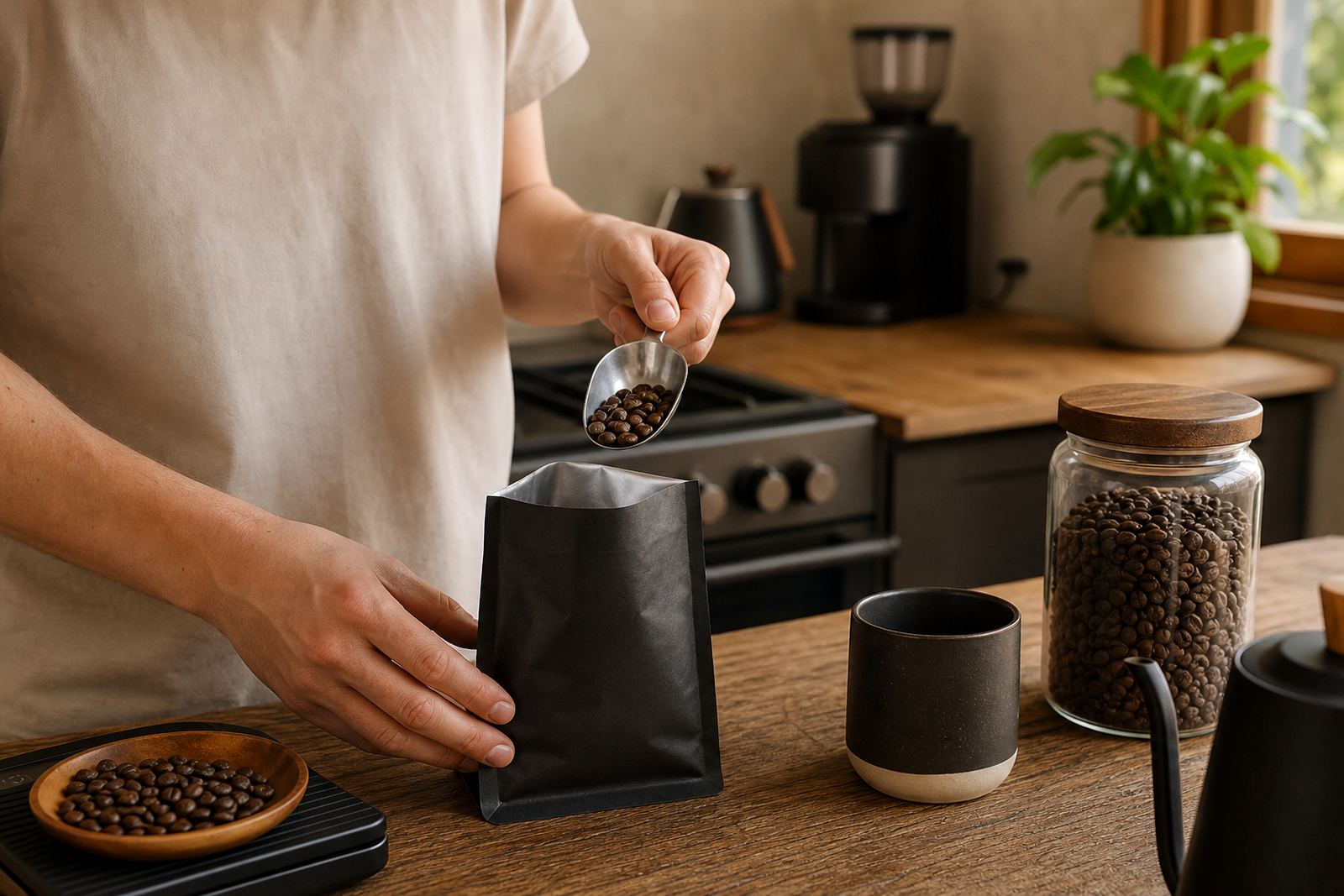
Look for a roast date, not just a best before date. A proper roast date gives you a real clue about where the coffee is in its life cycle. In a coastal area like Woodstock and the wider Atlantic Seaboard, humidity can also affect how beans age once the bag is opened. Keep them sealed tightly, away from heat and sunlight, and do not leave a hopper full for weeks if the coffee is moving slowly.
- Best starting window: a few days after roast.
- Use opened beans within a sensible rotation, ideally a few weeks.
- Store in an airtight container and keep them cool and dry.
Single-origin or blend: which works better for espresso
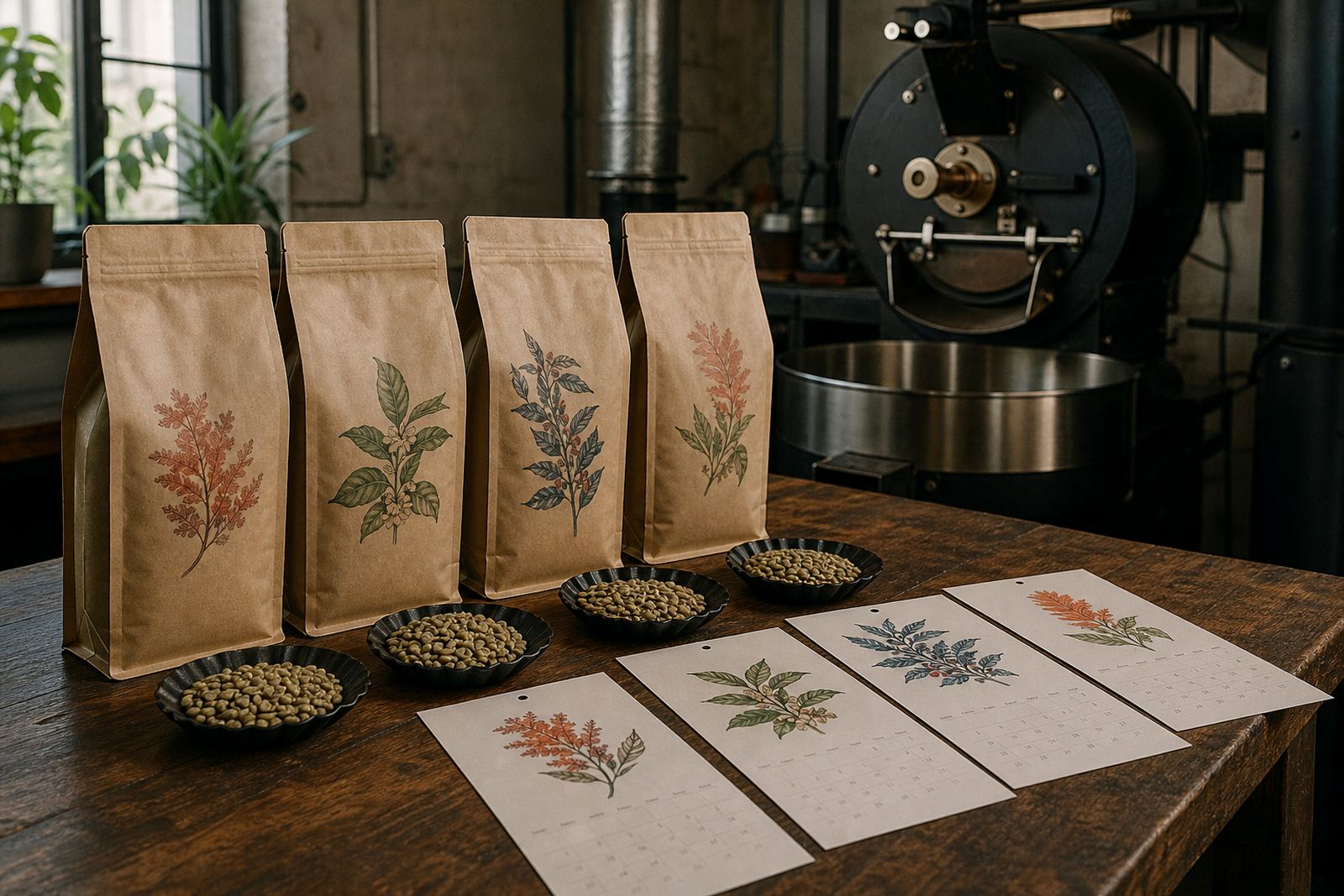
Single-origin coffee can be exciting because it shows one place’s character clearly. You may get stone fruit, citrus, florals or a clean cocoa finish. But espresso is less forgiving than pour-over, so a single-origin shot can change a lot with tiny shifts in grind, water or temperature. That is why some drinkers enjoy single-origin espresso at home while others prefer it in a controlled café setting.
Blends are often chosen for their balance. One component may add sweetness, another body, and another structure. That can make the espresso more stable across busy mornings and less likely to swing from sour to bitter. If your team or family like their coffee with milk, a blend can be the more practical option. If you want to explore distinct origins, a single-origin subscription is a good way to taste what different farms and regions bring to the cup.
- Single-origin: clearer flavour, more variation, more character.
- Blend: steadier espresso, often easier for milk drinks.
- Try both if you want to compare your own taste preferences.
How your machine, grinder and water affect bean choice
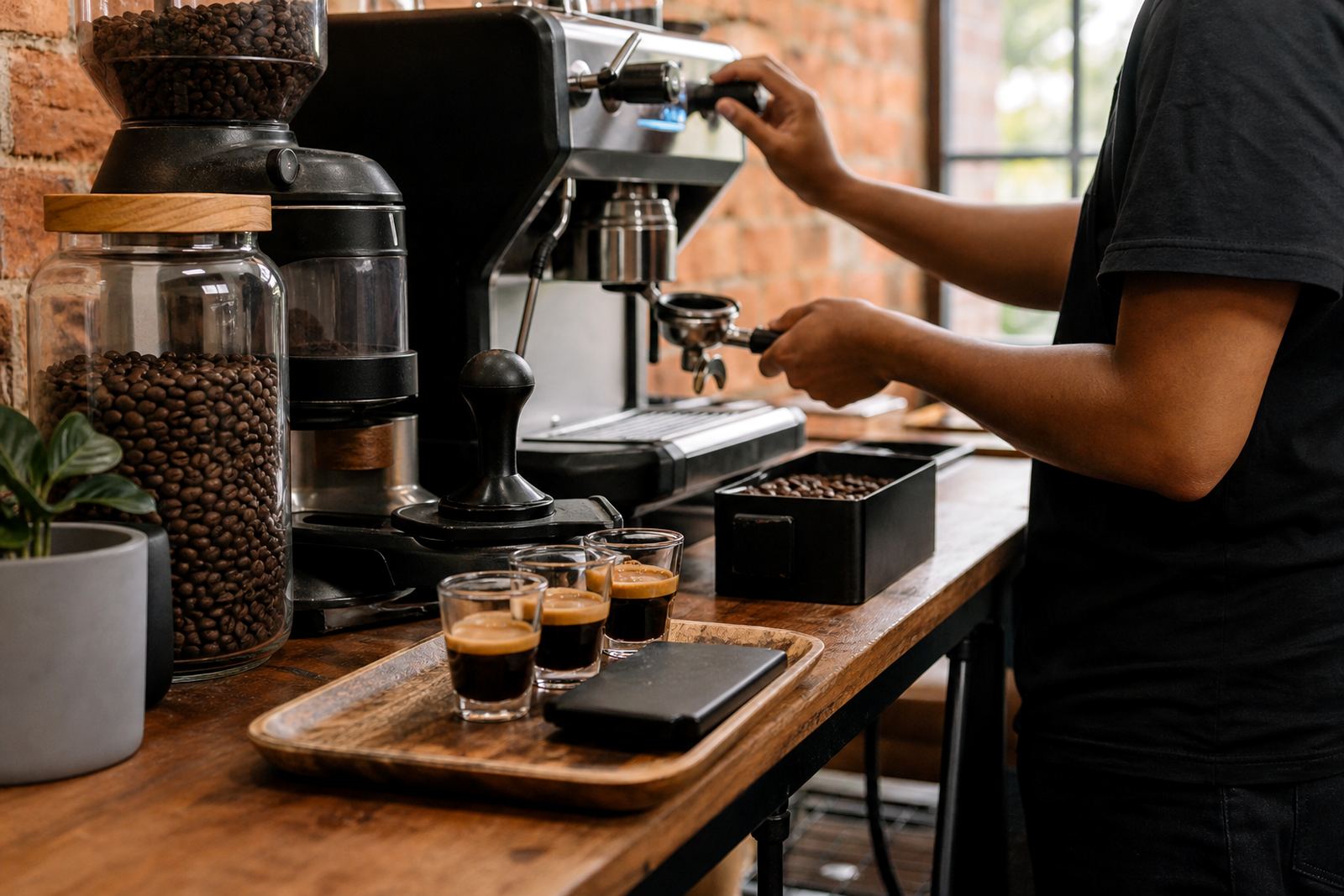
Espresso beans do not work alone. A decent grinder matters as much as the beans themselves because espresso needs a consistent, fine grind. If your grinder makes too many fines or produces uneven particles, even excellent beans can taste muddy or weak. Likewise, water quality changes extraction. Very hard water can mute sweetness, while very soft water can make the shot taste flat.
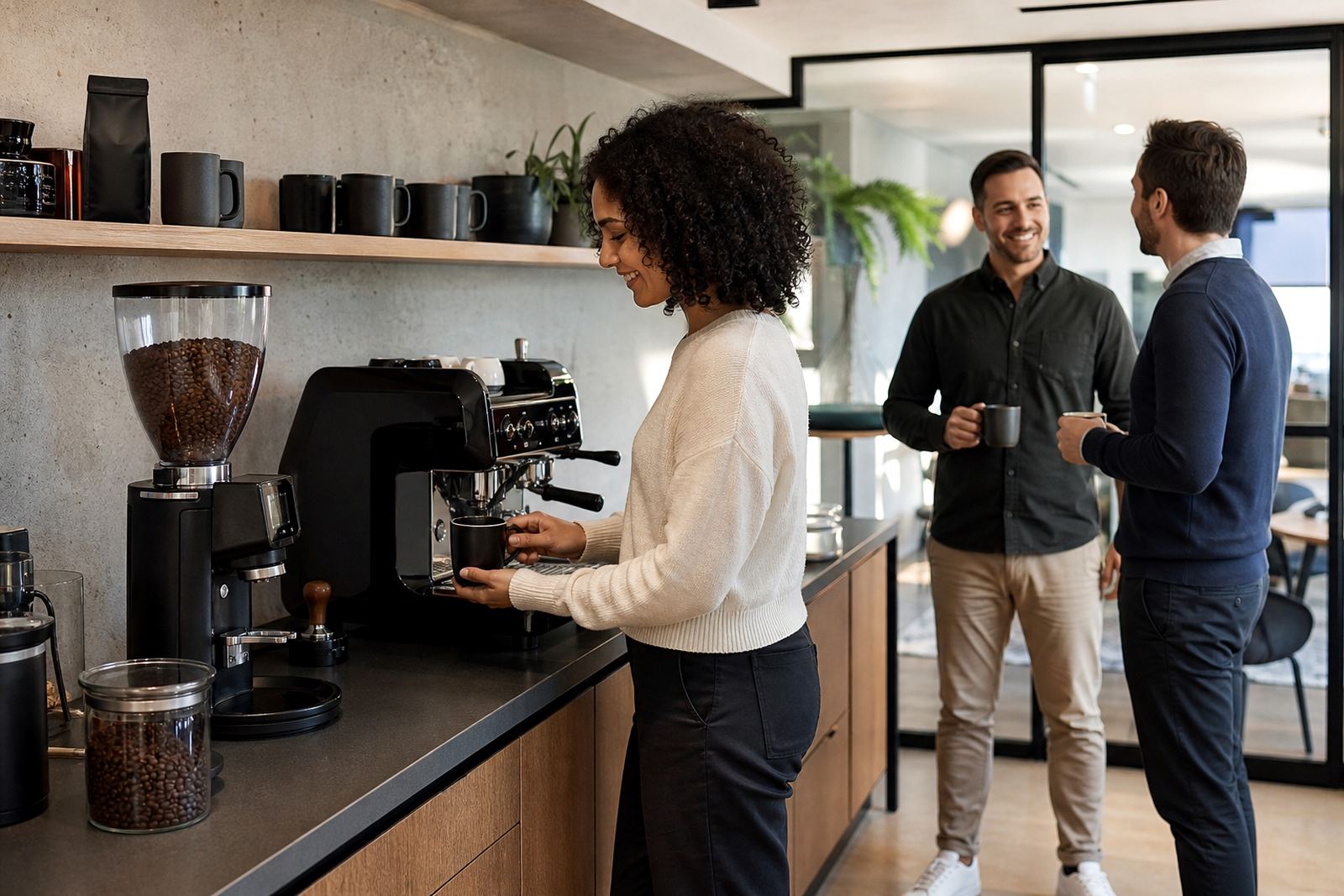
Think about your set up before you buy. A home machine with a small basket and limited temperature control may do better with a slightly more forgiving bean. A busy office machine with several users needs a coffee that is stable, repeats well and does not cause constant re-adjustments. If you are setting up a brew station in a meeting room or hospitality area, choose beans that can cope with different users and still taste consistent by 11h00 after the first round of calls and traffic.
- Match the bean to your grinder quality.
- Check water taste and mineral content if shots seem flat or harsh.
- Choose beans that suit your machine and your daily volume.
A practical buying example from Cape Town offices
Take a small office in Woodstock with ten staff, a compact espresso machine and a grinder used by different people through the day. If the team mostly drinks milk-based coffee, a medium roast blend with steady sweetness will probably give fewer complaints than a very light single-origin. It will be easier to pull, less likely to sour in the cup and more forgiving when someone has adjusted the grinder before you get there.
If that same office wants a second option for the boardroom, a seasonal single-origin can be rotated in for tastings or client meetings. That way the daily coffee stays dependable, while the special coffee adds interest when needed. In Cape Town, where many workplaces deal with changeable weather, coastal moisture and load-shedding, the simplest bean is often the one that keeps service moving. It saves time, reduces waste and keeps the coffee moving instead of the staff fiddling with the machine.
So when you are choosing espresso beans, think past the label. Look at roast level, roast date, flavour profile, freshness and how the beans will behave in your actual kitchen or office. That is what gets you a rich, balanced shot instead of a guess. Its the difference between coffee that merely works and coffee people ask for again tomorrow morning.