
Roast Date Beats “Best Before” Every Time
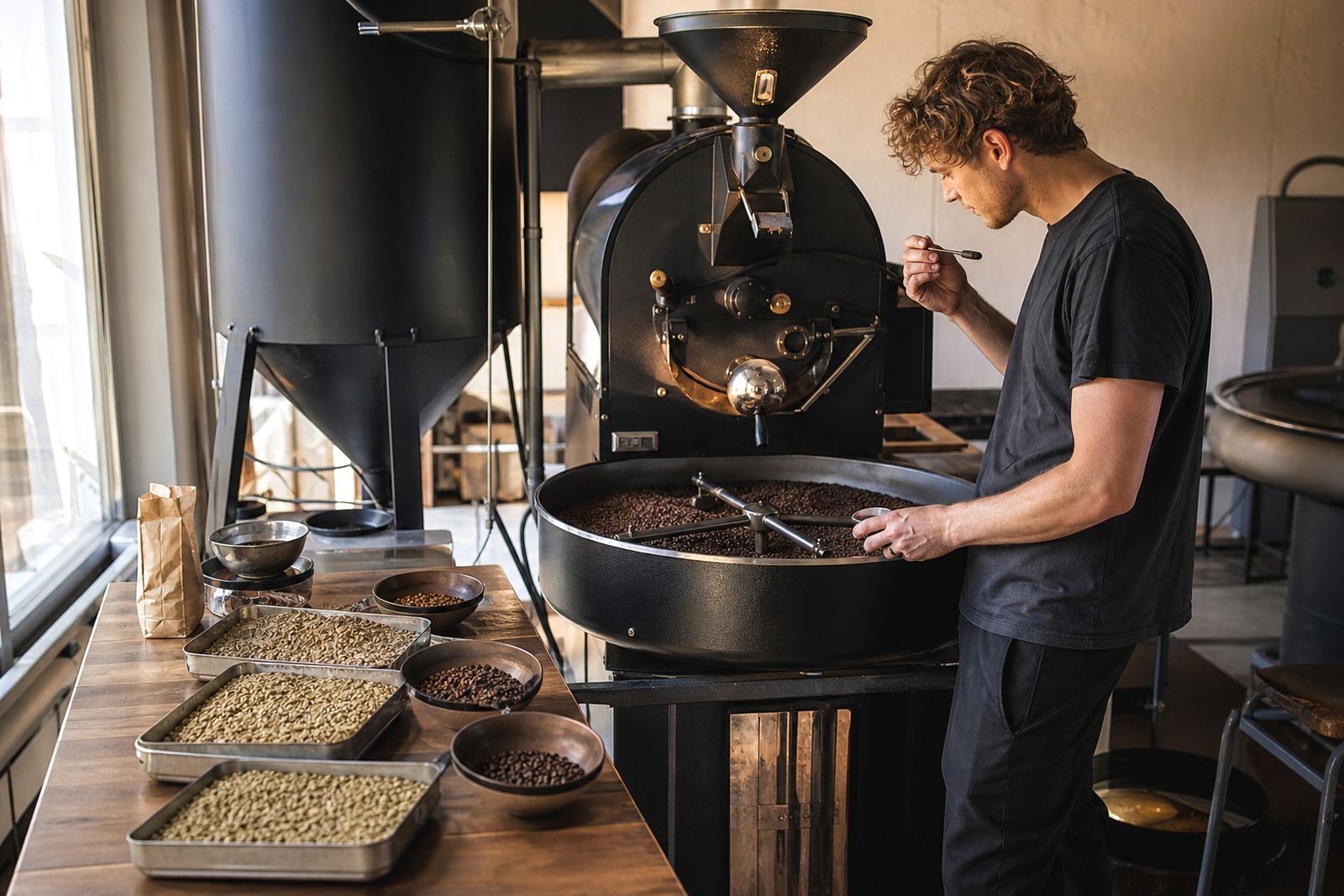
When people ask how fresh fresh coffee should be, the useful answer starts with the roast date. That is the day the beans left the roaster and began changing in flavour. Coffee is a living product after roasting, and the first few days are about letting gas escape and the cup settle. If you brew too soon, the taste can be sharp or uneven. Leave it too long and the bright notes fade, especially in lighter roasts.
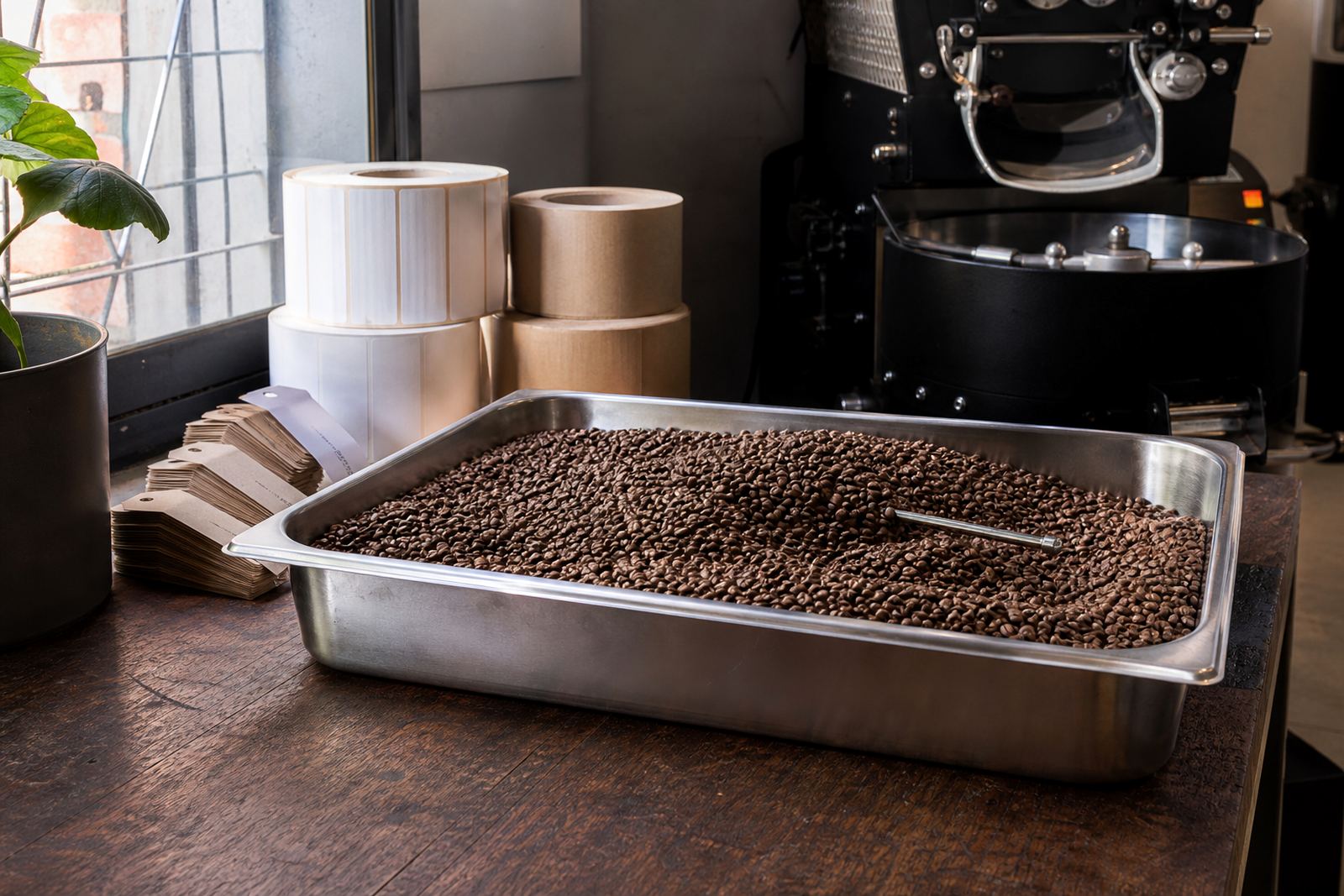
For most customers, a clear roast date matters more than a long shelf life claim. A bag can still be safe to use after months, but the cup will not taste the same. Freshness is about aroma, sweetness and balance, not just whether the beans are technically still fine. That is why we mark roast date clearly and rotate stock carefully, so the coffee reaching your kitchen or meeting room has time to rest properly.
The Sweet Spot: When Coffee Usually Tastes Best
There is no single perfect day for every coffee, because roast level and brew method change the answer. As a general guide, many coffees taste best once they have had a short rest and are used within a practical window. For espresso, that is often around 7 to 14 days after roasting. For filter coffee, many people prefer 3 to 14 days, though some single-origin lots open up more after that. Cold brew and plunger can be forgiving, but they still benefit from beans that are not too fresh.
- Espresso: usually best after 7 to 14 days, once the crema and extraction settle.
- Filter: often best from day 3 onwards, with brighter flavour in the first two weeks.
- Plunger: works well with beans that have rested a few days and are still aromatic.
- Cold brew: can use slightly older beans, but should still be fresh enough to taste lively.
If you are brewing at home and the shot keeps running fast one day then slow the next, it is not always the machine. The bean age, the grind and the weather can all play a part.
Why Single-Origin Coffee Changes So Much After Roasting
Single-origin coffee shows its origin clearly, which is why freshness makes such a difference. Beans from one farm or one region can taste fruity, floral, nutty or chocolatey, and those notes shift as the coffee rests. Right after roasting the flavours can feel tight or masked by gas. A few days later, the cup often becomes rounder and more defined. That is the point where the origin starts to speak for itself.
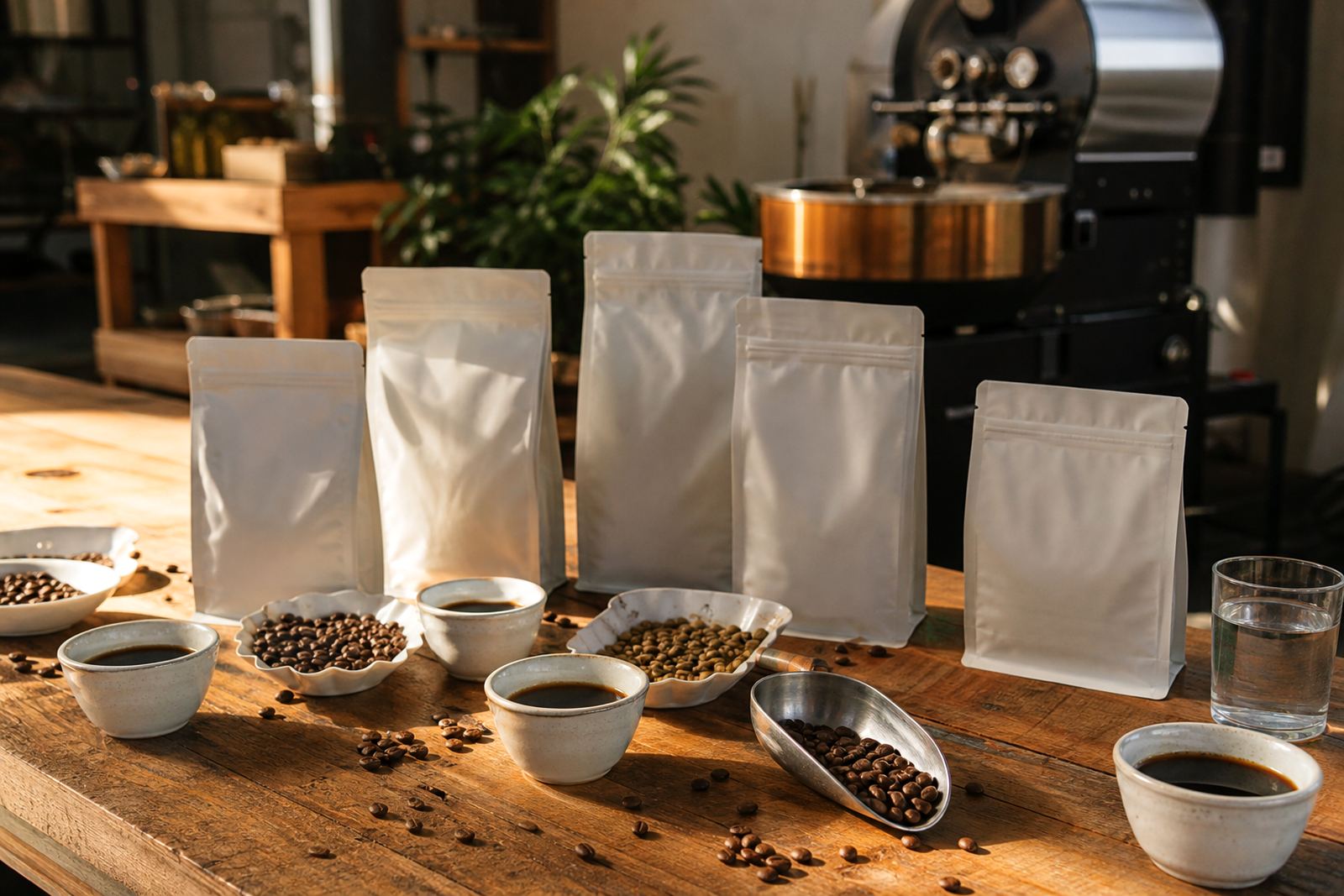
In Woodstock we often see the effect in tastings with customers who run coffee bars, small offices or hospitality spaces. A bag roasted on Monday can feel too lively for a Tuesday morning espresso service, but by the following week it usually brews more predictably. In Cape Town, where coastal humidity can change from one day to the next, beans stored badly can lose their edge quicker than people expect.
Freshness also helps with seasonal coffee rotation. When a new lot comes in, you want enough rest time to let the flavour settle before it goes onto the bar or into a subscription box. That planning saves wasted shots, and it helps the brew stay consistent from the first cup to the last.
How to Store Beans So Freshness Lasts Longer
Good storage will not make old beans taste new again, but it can slow down flavour loss. The main enemies are heat, light, oxygen and moisture. That matters in South African homes and offices where the kettle, sun, aircon and load-shedding can all affect the room. Keep beans sealed, cool and dry, and only grind what you need just before brewing.
- Keep the bag tightly closed after each use.
- Store beans away from the stove, windows and direct sun.
- Do not leave beans in a hot car or near a braai area.
- Avoid the fridge, because moisture and smells can affect the coffee.
- Use an airtight container if you decant the beans.
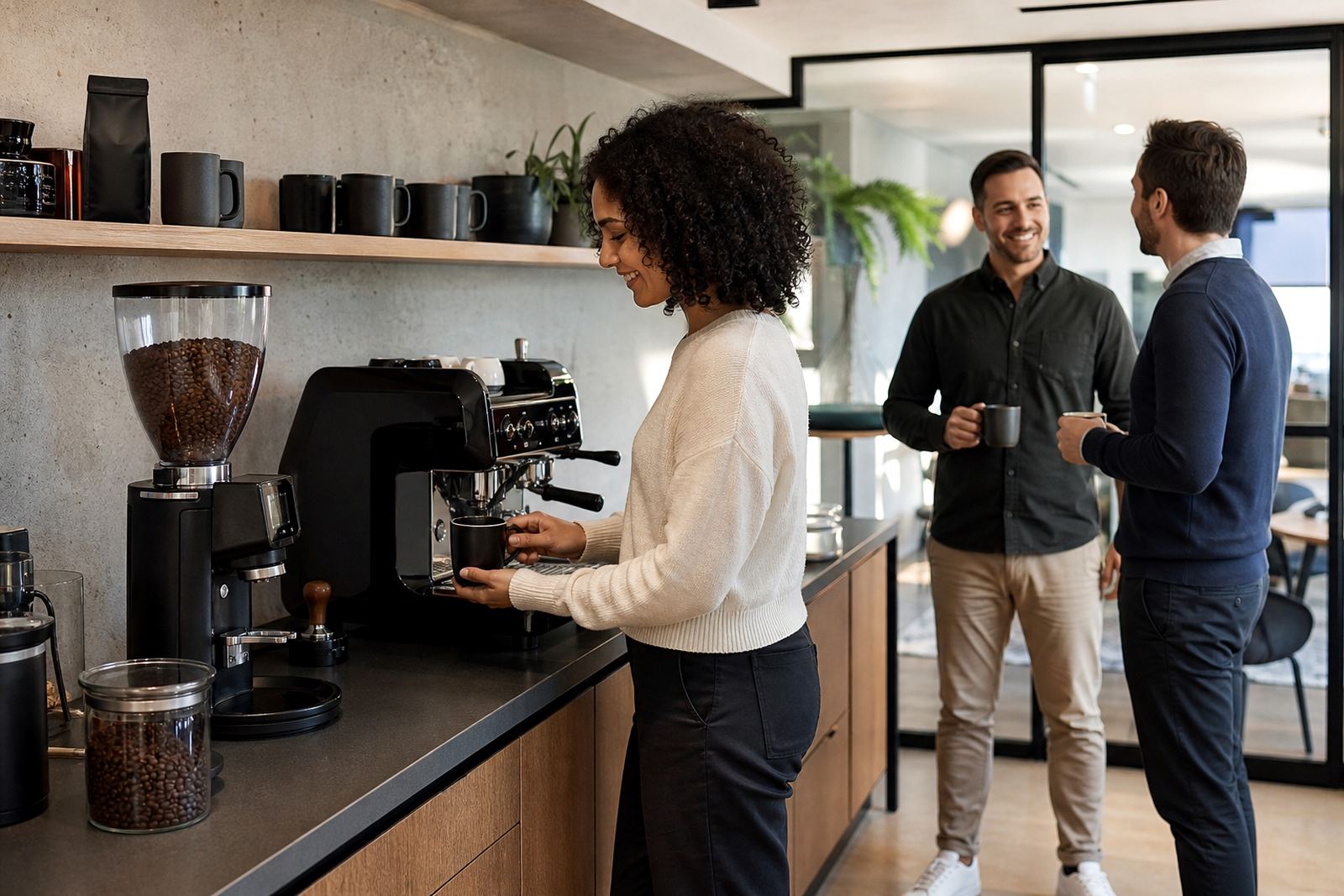
If your office in Johannesburg or Pretoria has a morning brew station, keep the stock in a cupboard rather than on an open shelf next to the window. In Durban, where air is more humid, sealed storage matters even more. A little care here goes a long way and it keeps the cup cleaner.
What Fresh Looks Like in the Cup
You can often tell if coffee is at a good drinking age by how it brews. Fresh but rested coffee should smell clear and pleasant, not grassy or flat. In the cup, you want sweetness, structure and a clean finish. If the coffee is too fresh, it may gush in espresso, or the filter cup may taste sour in one sip and hollow in the next. If it is too old, the aroma will be muted and the aftertaste can seem papery.
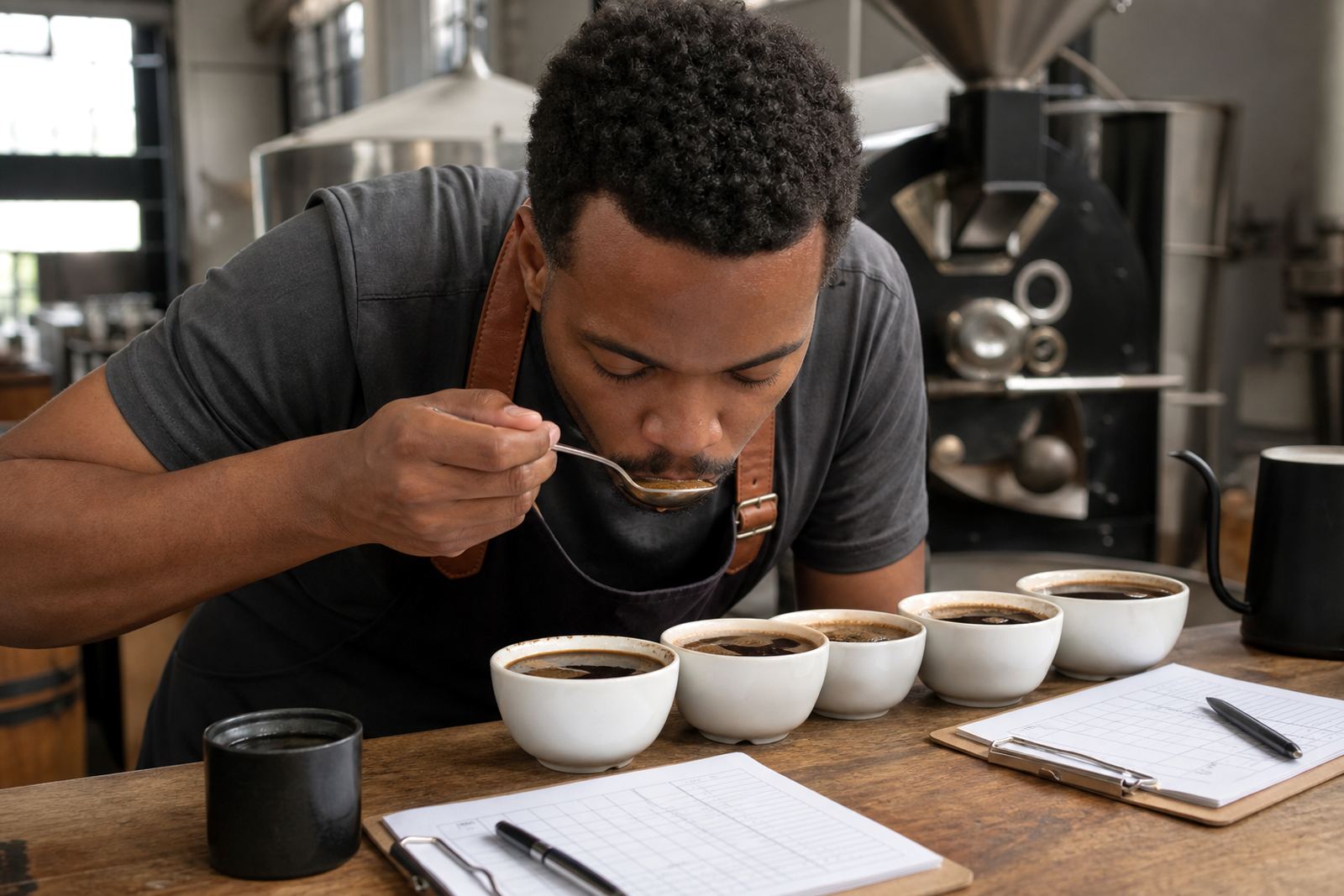
A simple tasting check helps. Brew the same coffee on two different days and compare the flavour, body and extraction. If one cup tastes thin, you may need to adjust grind size, dose or water temperature. That is why grind calibration and brew training matter just as much as roast date. Fresh beans still need the right setup to taste their best.
A Practical Freshness Plan for Homes, Offices and Hospitality
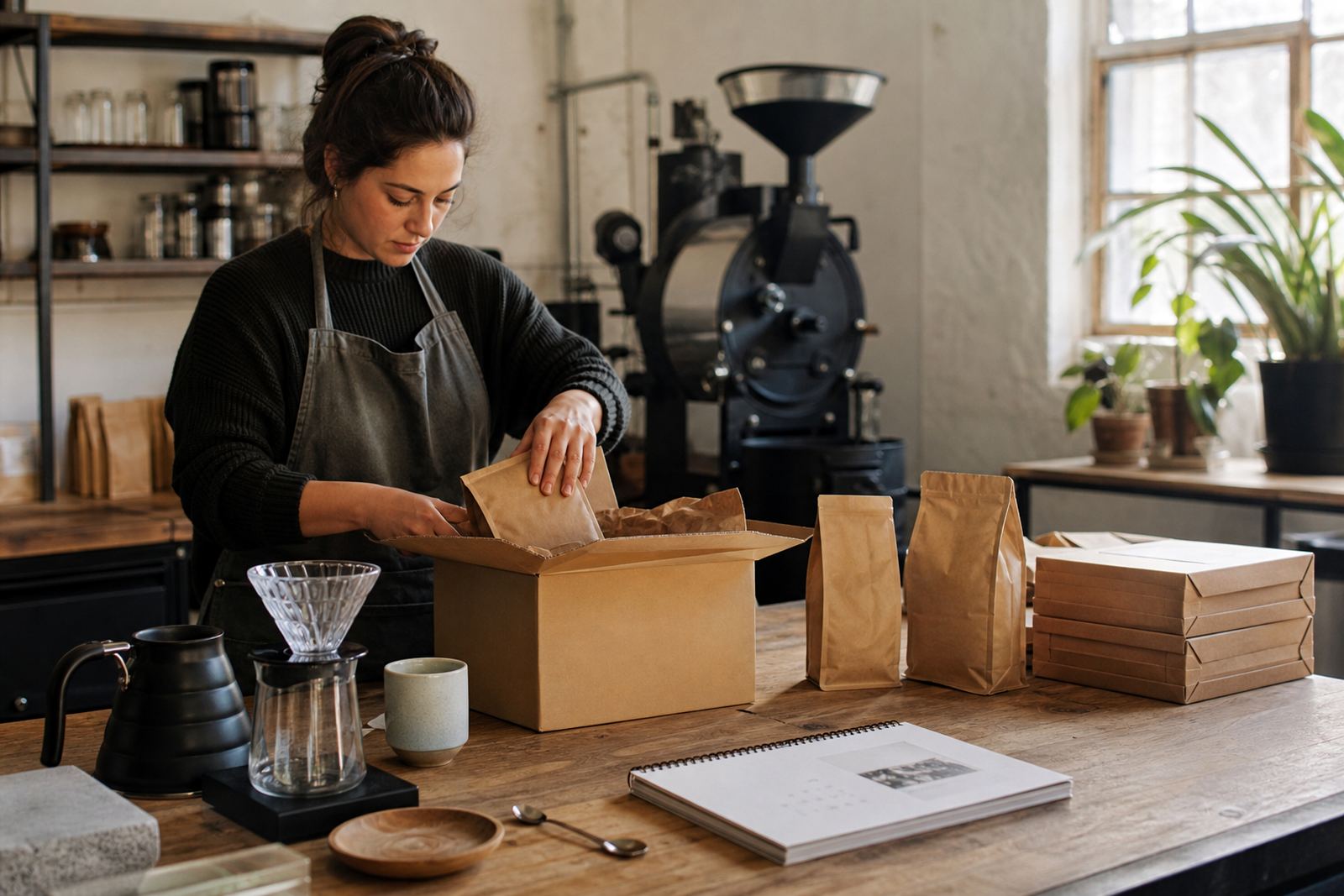
The easiest way to manage freshness is to buy for your real usage, not for the next few months. A home that drinks two cups a day does not need a large stash. A meeting room in Sandton or the Atlantic Seaboard may need a different supply rhythm from a small office in Gqeberha. Matching the order to the pace of use keeps the coffee moving and the flavour steady.
For business clients, stock forecasting helps avoid both shortages and stale inventory. If you run a cafe, guesthouse or wellness room, plan the delivery cycle around your busiest days and your menu. A seasonal coffee rotation can also keep the offer interesting without letting bags sit too long. The aim is simple: fresh enough to taste alive, rested enough to brew well, and delivered on time.
We work with homes and workplaces across Cape Town, Johannesburg, Pretoria, Durban and Gqeberha, so the same principle applies in every region. Fresh coffee tastes better, but only if you give it the right window and use it with care. That is the part many people miss, and it can make a bigger difference than buying more expensive beans.