
Start with cups, not kilos
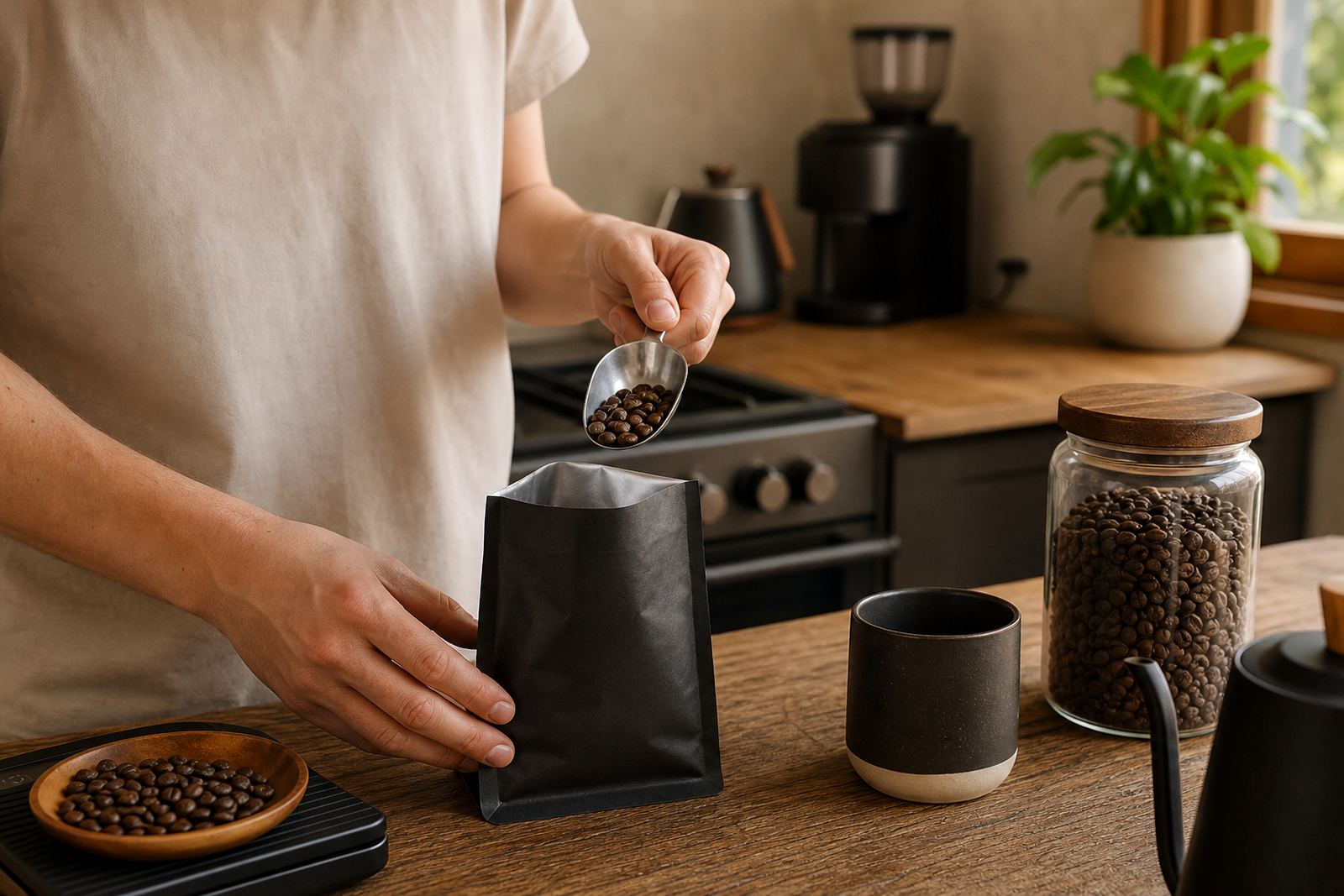
The easiest way to work out how much coffee to order is to count cups first. A standard cup at home, or a filter mug at the office, usually uses 12 to 18 g of ground coffee. Espresso drinks use less per shot, but once milk drinks start flying the total bean use adds up quickly.
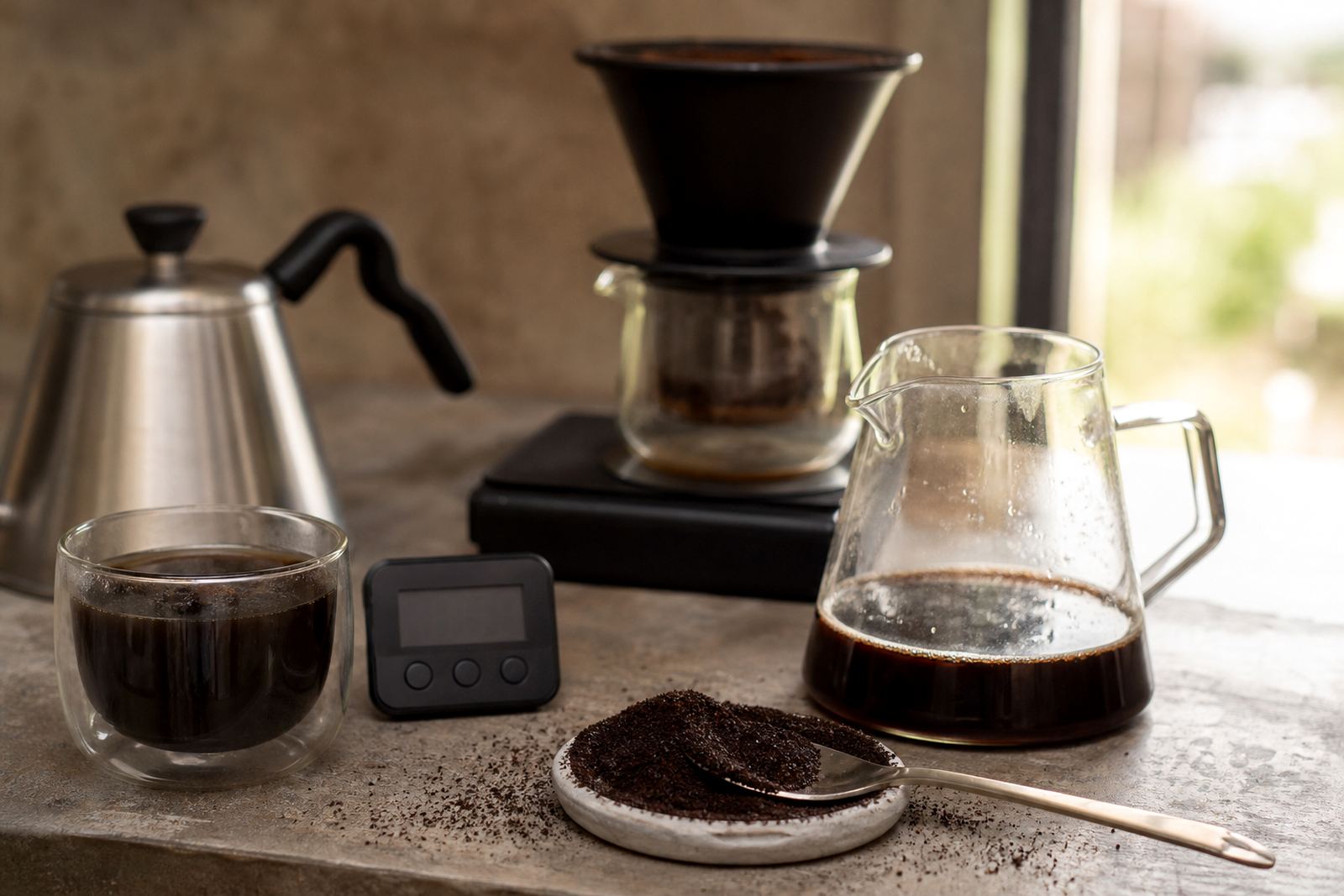
If you are buying whole beans, remember that grind size and brew method change the dose slightly. For most homes, 1 kg of beans makes about 55 to 80 cups, depending on whether you brew French press, pour-over, moka pot, or espresso. That range is wide because coffee strength is personal, so it helps to track your own use for two weeks before placing a larger order.
- Light filter brew: about 12 g per cup
- Medium brew: about 15 g per cup
- Strong brew or espresso-based drink: about 18 g per serving
- 1 kg bag: roughly 55 to 80 cups
A simple formula for home orders
For home use, multiply your average cups per day by the grams per cup, then multiply by the number of days you want to cover. If you make 3 mugs a day at 15 g each, that is 45 g per day. Over 30 days, you will use about 1.35 kg of coffee, so a 1 kg bag plus a small top-up order is sensible.
Homes with two coffee drinkers often get caught out by weekend brewing. A relaxed Saturday with guests can use as much coffee as three weekday mornings. If you host often in Cape Town or Johannesburg, add a little extra buffer rather than running on empty. A spare 250 g bag in the cupboard is usually enough to bridge the gap without overbuying.
- 1 coffee drinker: 250 g to 500 g per month
- 2 drinkers: 500 g to 1.5 kg per month
- Frequent guests: add 250 g to 500 g for buffer stock
- Storage tip: keep beans sealed, cool and out of direct sun
Office coffee needs more than headcount
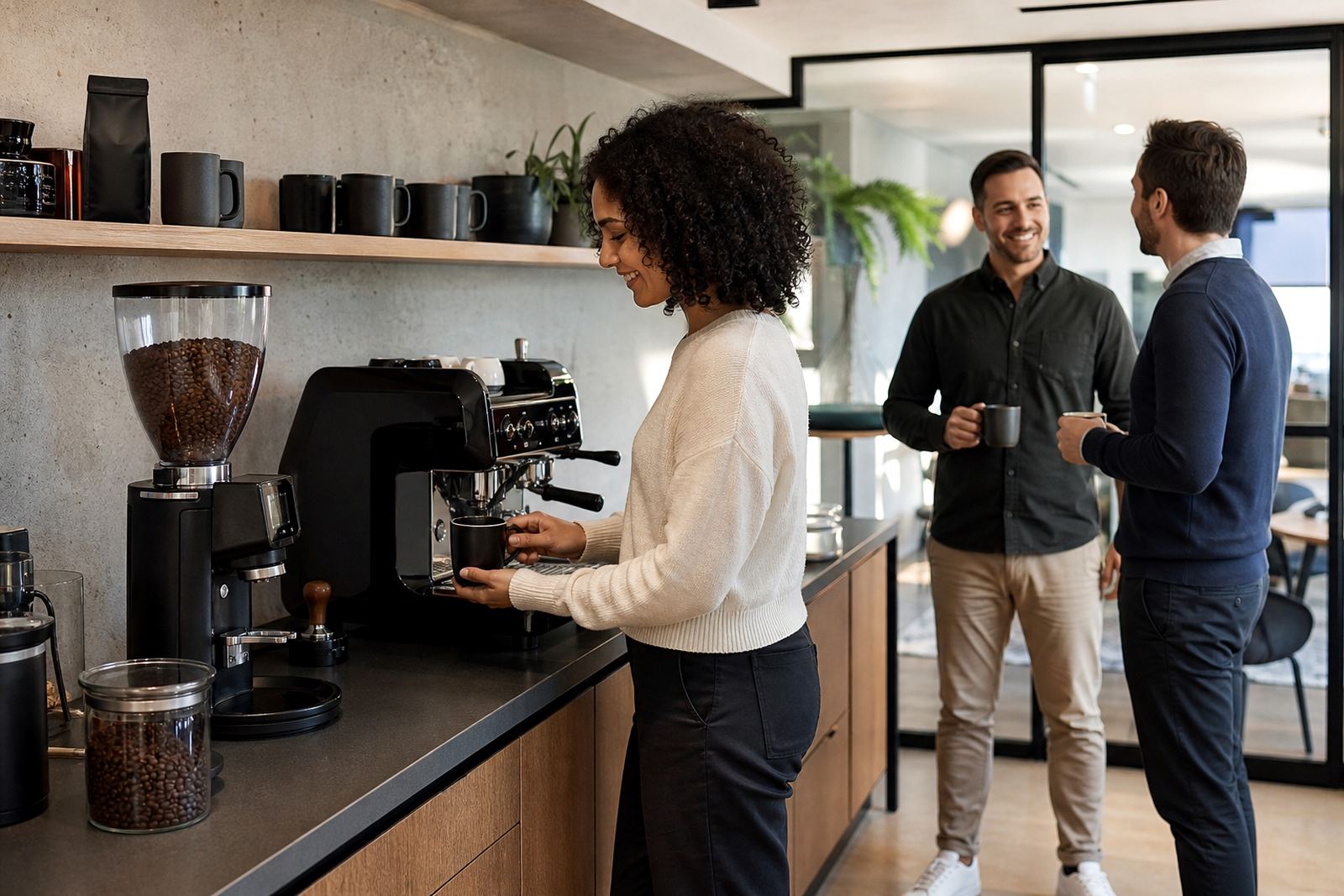
At work, headcount is only the starting point. Some teams drink one cup a day, others run on coffee till lunch and then again after a meeting. A 10-person office in Woodstock may use less coffee than a 6-person office with heavy client traffic and back-to-back calls. In offices, the better question is not how many people there are, but how many cups are actually poured.
A practical way to estimate office use is to count cups per person per day, then add visitors, meetings and any shared hospitality service. If 12 staff each drink 2 cups daily at 15 g per cup, you need about 360 g a day, or around 7.2 kg over a 20-day working month. Add a small buffer for busy weeks and load-shedding days when everyone makes another round once power returns.
- Low-use office: 1 to 2 kg per month
- Medium-use office: 3 to 6 kg per month
- Busy office or client-facing team: 6 kg to 12 kg per month
- Plan extra stock for meetings, contractors and visiting clients
Match the order to your brew method
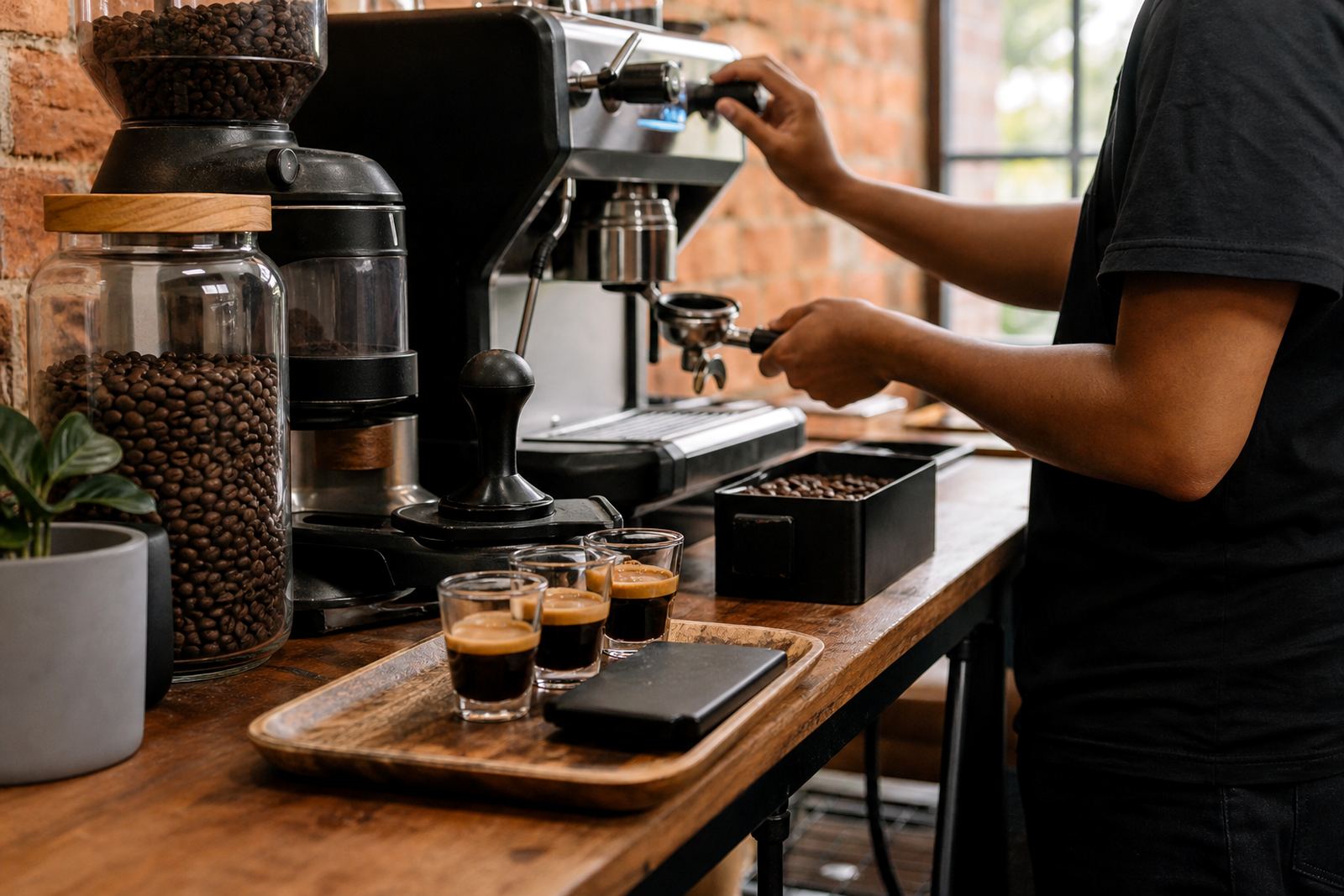
Different brew methods change how fast coffee disappears. Espresso machines use less per shot but usually serve more drinks. Filter coffee uses more per mug, while batch brewers can empty a bag very quickly during morning rush. If you run a meeting room coffee setup, the machine may not seem busy, but the bean use can be steady all day.
Coastal humidity in places like Durban and Gqeberha can also affect storage. Beans kept open in warm, damp conditions lose freshness faster, so smaller, more frequent orders can work better than one big monthly drop. In dry areas or air-conditioned offices, a larger order is often fine as long as it is sealed properly.
- Espresso bar: smaller dose per drink, but higher daily volume
- Filter and batch brew: more grams per cup
- French press: mid to high bean use
- Open-plan office: factor in extra cups during busy periods
How much to keep as backup stock
Backup stock should cover the gap between deliveries, plus one unexpected rush. For homes, that may be 250 g to 500 g. For offices, a buffer of 10 to 20 percent is usually enough, depending on delivery frequency. If you receive weekly top-ups, the buffer can be smaller. If you order monthly, keep more on hand so you are not scrambling when a meeting gets moved forward.
Seasonal rotation also matters. Winter often brings heavier coffee use, especially in the Southern Suburbs and on the Atlantic Seaboard where mornings can feel damp and cold. In summer, iced coffee and colder brew styles may use different recipes, so your bean use may shift a bit. Keep notes for two or three order cycles and you will soon see a pattern.
- Home buffer: 250 g to 500 g
- Small office buffer: 1 kg to 2 kg
- Large office buffer: 10 percent to 20 percent of monthly use
- Review stock before long weekends and month-end
A local example: Woodstock home and office orders
Take a Woodstock household that drinks 4 cups a day, with each cup using 15 g. That works out to 60 g a day, or 1.8 kg a month. A 1 kg bag every two weeks would be close, with a small top-up if guests visit often. For an office in Pretoria with 18 staff, each drinking 1.5 cups a day at 15 g, monthly use can land around 8 kg to 10 kg once meetings and visitors are included.
The point is to order for real use, not wishful thinking. If your team likes a second cup after the morning check-in, or your home makes coffee for school runs and late-night work, build that into the estimate. It is cheaper to plan properly than to rush an emergency order because the tin is empty on a Friday afternoon.
- Home rule of thumb: 1 kg covers about 2 to 4 weeks for most households
- Office rule of thumb: count cups, not people alone
- Always add a little buffer for guests, meetings and busy days
- Adjust after one month of real usage data
When to change your order size
If your beans are lasting too long and losing freshness before the bag is finished, order less. If you are running short before the next delivery, increase the quantity or shorten the delivery cycle. The right order size is the one that keeps coffee fresh while still giving you enough cover for normal life.
Most homes and offices do best with a simple review every few weeks. Keep a note of how much was used, how many people drank it, and whether there were visitors or special events. Once that pattern is clear, your order becomes easier to plan and there is less waste. A clean estimate also helps with stock forecasting, especially where coffee is part of hospitality service or daily team routines.