
Start with how many cups you actually make
The best subscription starts with a simple count. If you drink one cup a day, a 250 g bag can last about two to three weeks depending on your brew method. A household making two to four cups a day may need a 1 kg option, while an office with a filter machine or espresso setup will usually need a planned monthly supply, or more often if the team is large.
In Woodstock, we often speak to customers who underestimate how fast coffee disappears once visitors, clients or staff begin helping themselves. It adds up quickly. A steady plan saves last minute buying and helps you keep a proper stock on hand, especially when load shedding changes the pace of the day and everyone wants coffee at the same time.
- 1 to 2 cups a day: start with a smaller bag or slower delivery cycle.
- 3 to 6 cups a day: a medium plan usually works well for homes or small teams.
- More than 10 cups a day: choose a larger supply with regular replenishment.
Choose a delivery rhythm that suits your routine
Timing matters just as much as volume. If you brew every day, a weekly or fortnightly delivery can keep things fresh and avoid gaps. If coffee use is less predictable, monthly delivery may be easier to manage. For offices in Cape Town, Johannesburg, Pretoria, Durban or Gqeberha, timing often depends on staff numbers, meeting schedules and whether coffee is served all day or only during certain hours.
Think about your busiest week. Do you have Monday meetings, Friday client visits, or a month end rush? A plan that arrives before those peaks is worth more than one that lands after the cupboard is empty. We also advise keeping a small buffer at the office for public holidays and long weekends, because suppliers are not always on the same schedule as your team.
- Weekly: good for high use and strong freshness preferences.
- Fortnightly: suits most homes and small offices.
- Monthly: works if your usage is steady and lower.
Match the roast and origin to the way you drink coffee
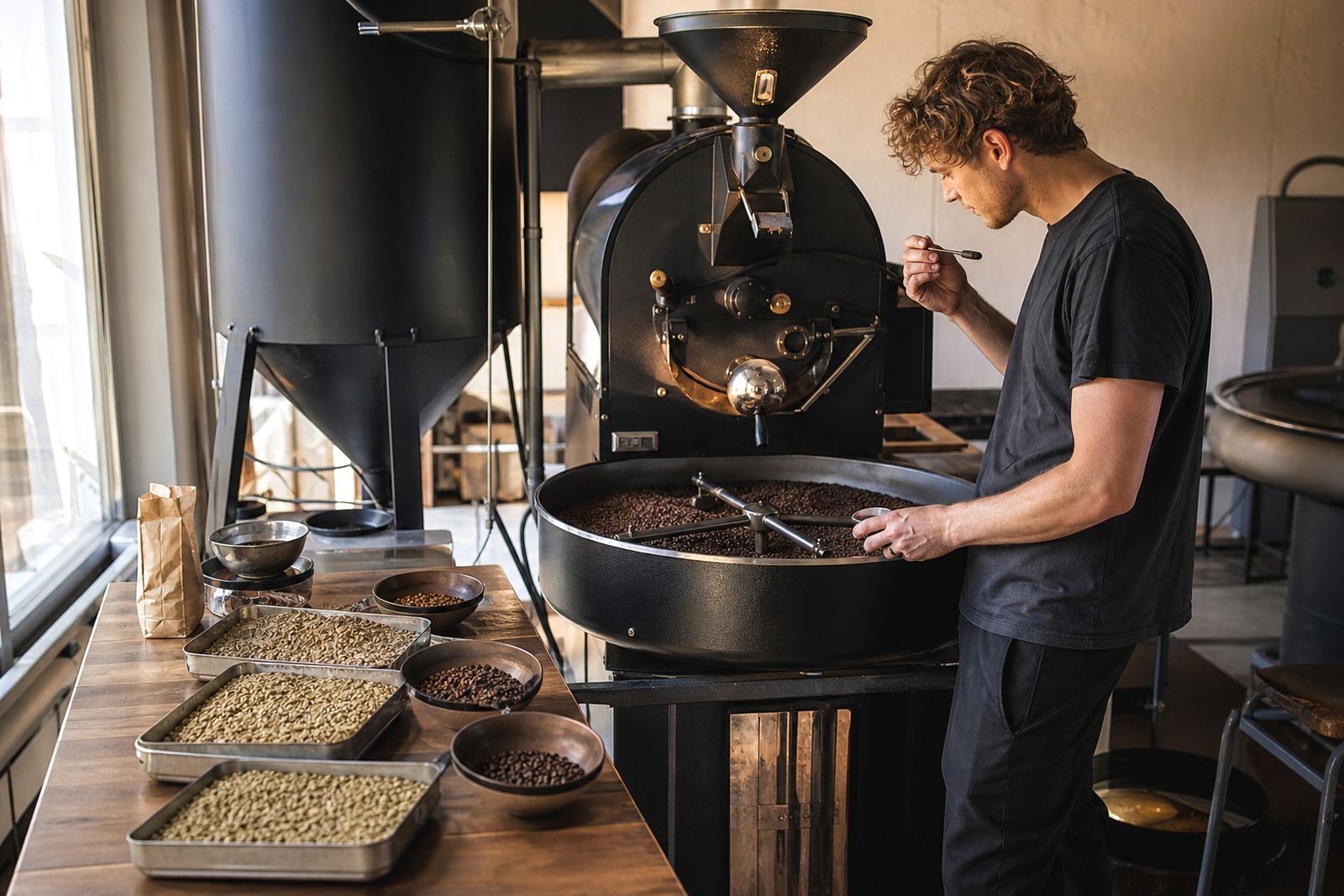
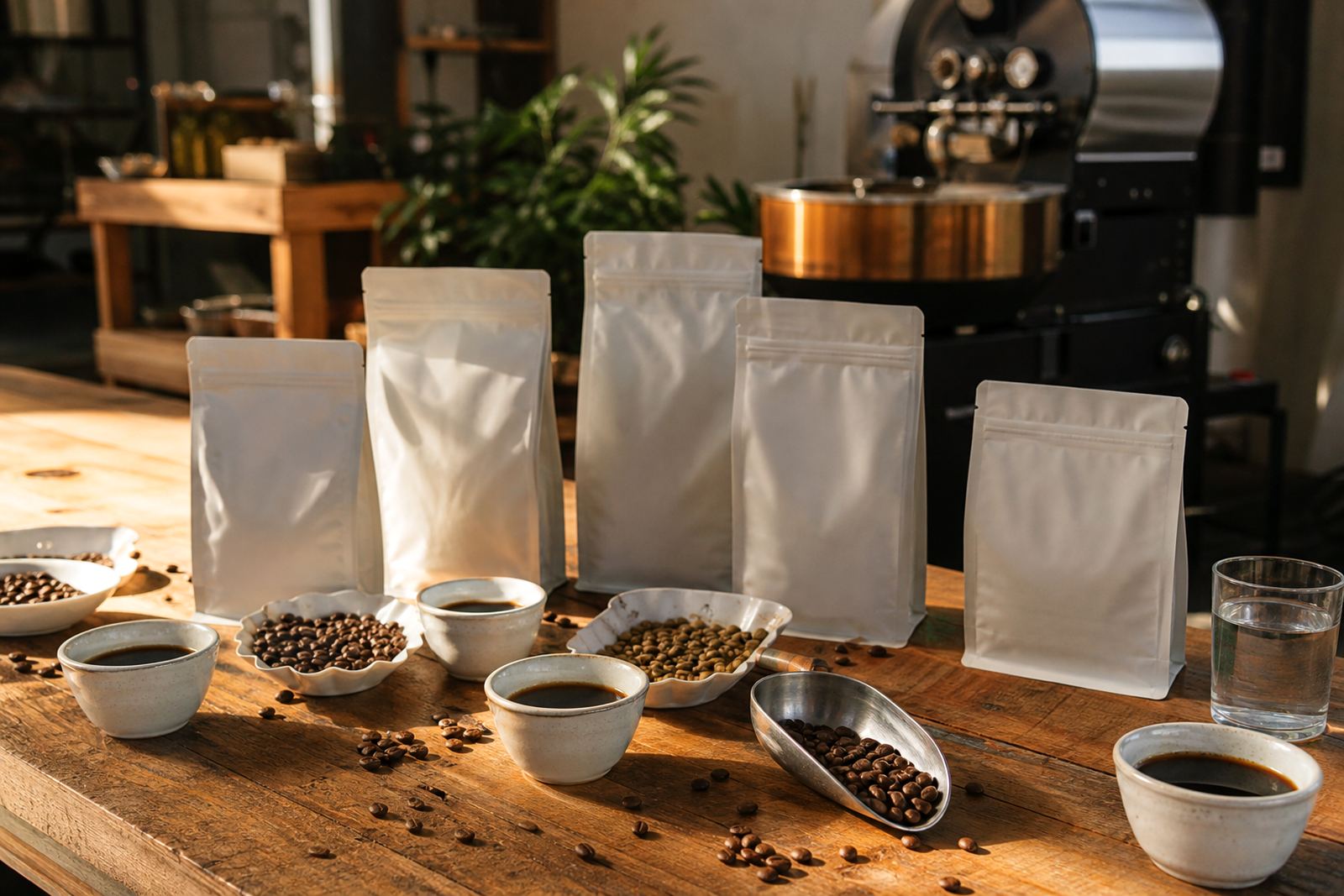
Single-origin coffee is chosen for flavour clarity, and that means each bag can taste different. If you enjoy bright, fruity cups, ask for origins that show more acidity and sweetness. If you prefer a rounder cup for milk drinks, you may like coffees with chocolate, nutty or caramel notes. Our team roasts to bring out the character of each lot, so it helps to say how you brew and what you enjoy most.
For example, a French press in a Southern Suburbs home may suit a fuller profile, while a pour-over on the Atlantic Seaboard might work better with a cleaner, more expressive coffee. Espresso users often need a different grind and a more balanced profile for milk based drinks. If you are not sure, start with a mixed subscription and note what you prefer from each delivery.
- Filter brew: look for cleaner flavour and brighter notes.
- Espresso: choose a profile that holds its shape in milk.
- Milk drinks at home or work: a balanced cup is often the easiest place to start.
What to expect from a rotating subscription
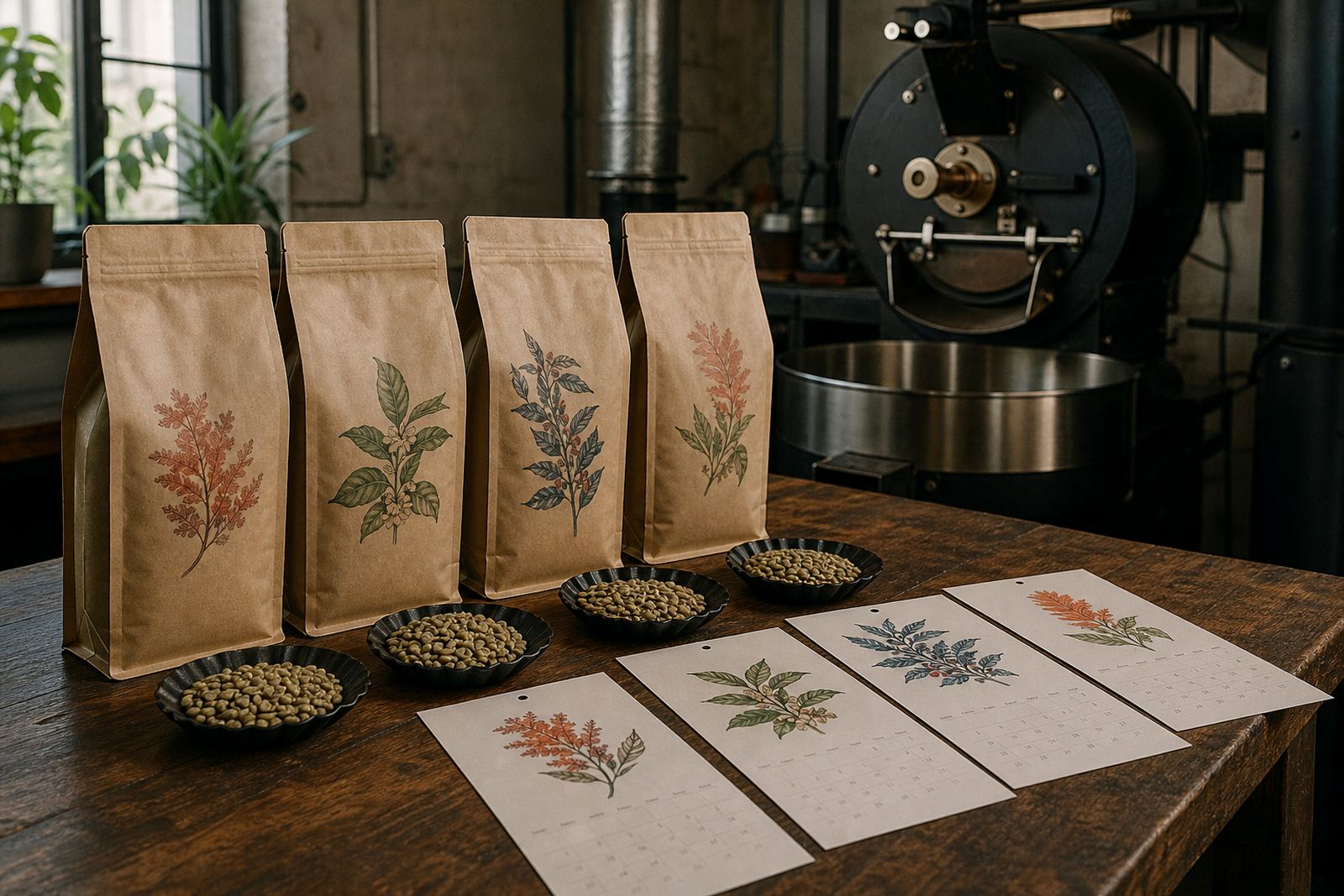
A rotating plan is ideal if you want to explore new coffees without having to choose every time. It is also useful for people who want variety across the year. Seasonal rotation lets you try different origins as they arrive, which can be useful if you like to compare flavour changes from one month to the next.
This is where a few notes help. If one coffee worked well for a cafetiere but not for espresso, say so on your next order. If a particular origin was too sharp for your taste, mention that too. The aim is to narrow the selection to your preferences, not to make you guess. Small adjustments build a better fit over time, and they stop you from getting a bag that sits half used on the shelf.
- Good for curious drinkers who enjoy trying new origins.
- Useful for offices that want variety without extra admin.
- Helpful if you want to keep your pantry interesting through the year.
Office subscriptions need a different kind of planning
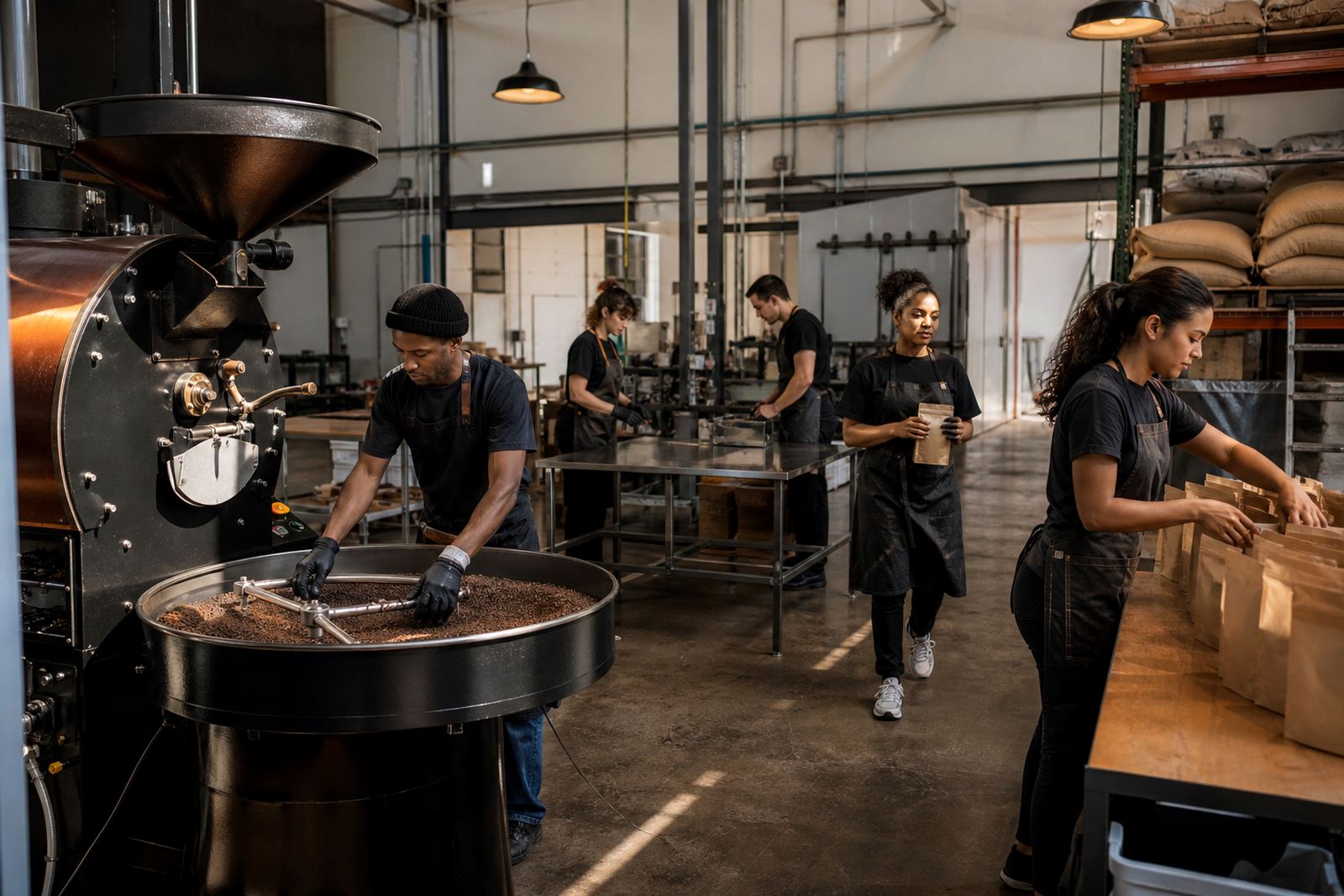
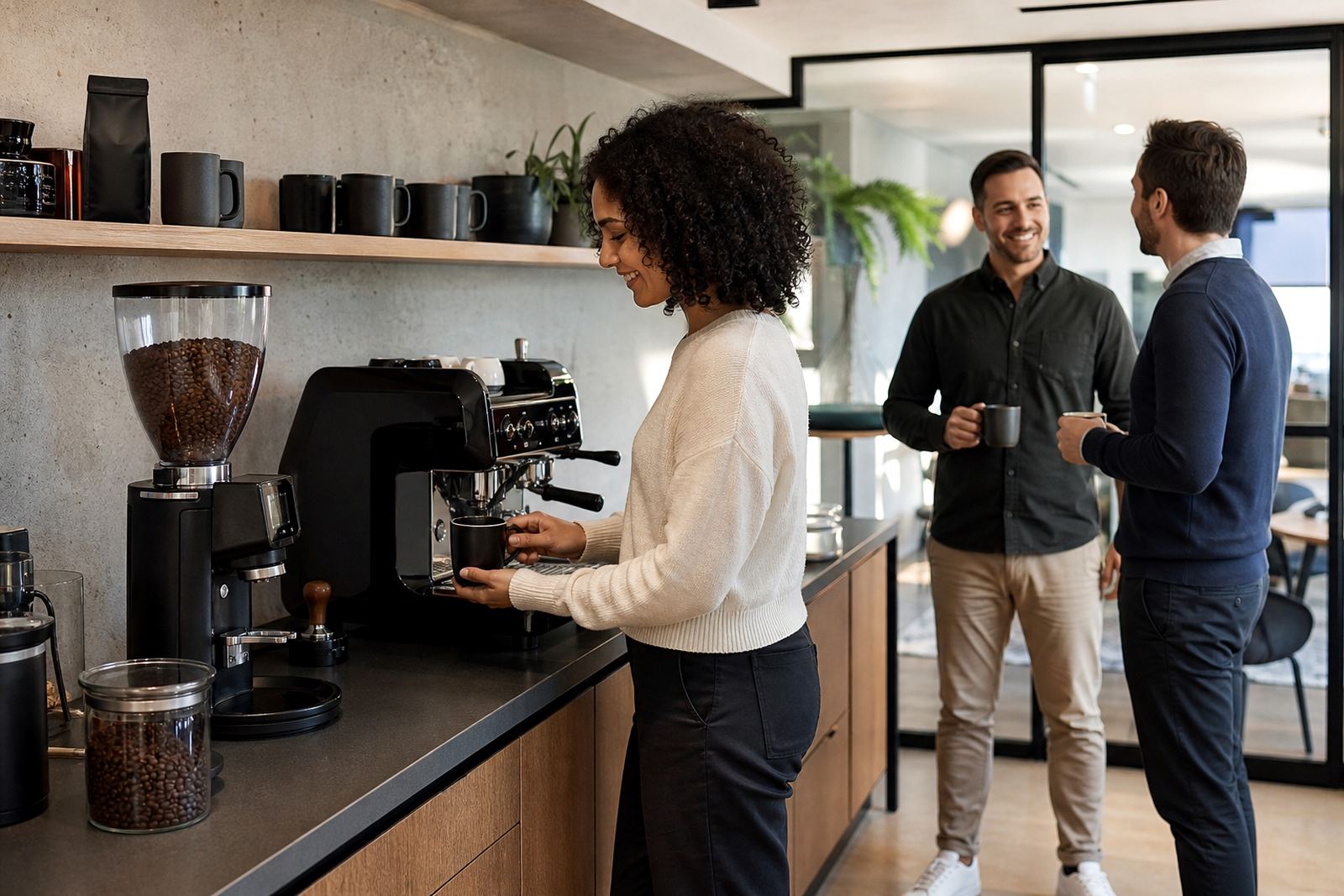
For workplaces, coffee is part of the day flow. It supports meetings, quick pauses and the first conversation before the work starts. A good office plan should account for headcount, shift changes, visiting clients and the type of equipment in use. If the machine is shared, the grind and brew instructions need to be clear so the flavour stays consistent. If not, the coffee quality drops fast and people notice.
We also look at storage. Coastal humidity in Durban or Gqeberha can affect coffee if bags are opened and left near heat or moisture. In Cape Town offices, a cool dry cupboard works far better than a shelf above a hot kettle. For larger teams, stock forecasting helps avoid panic buying and keeps the office running without gaps. It is a simple thing but it makes the day smoother.
- Large teams: set a buffer stock for busy weeks and public holidays.
- Shared machines: keep grind settings and brew steps consistent.
- Warm or humid sites: store coffee sealed and away from direct heat.
How to change your plan without wasting coffee
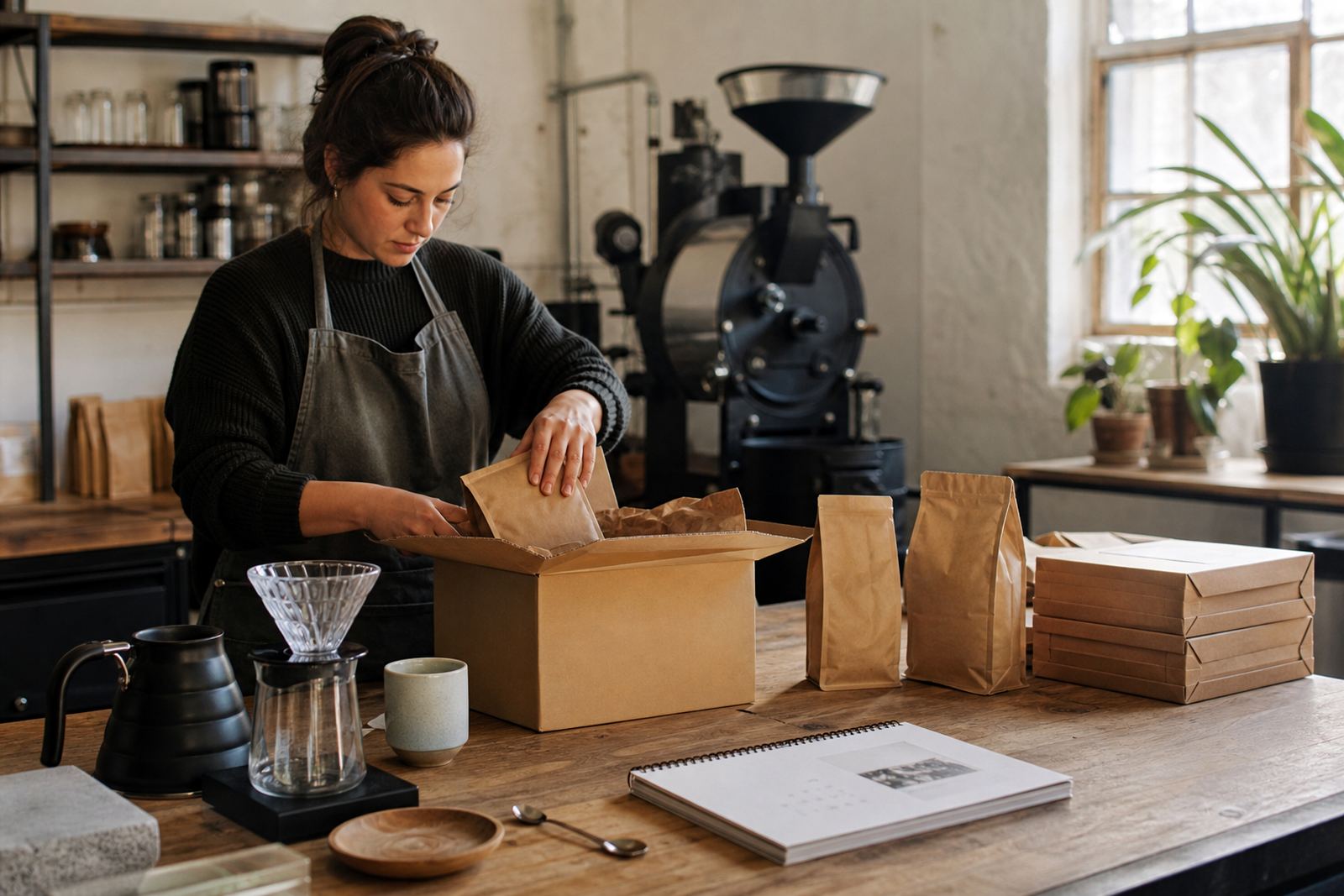
Your subscription should be easy to adjust. If you are running out early, increase the bag size or shorten the delivery gap. If you are ending up with spare coffee, reduce the quantity or slow the cycle down. The goal is to keep beans fresh, not pile up stock for months. Fresh coffee tastes better and usually gives you a more accurate read on what you actually enjoy.
It also helps to review the plan after a few deliveries. Many customers start with one idea and then settle into another once they see how much they really use. That is normal. A small home in Woodstock may drink less than expected on weekdays but more on weekends. An office in Pretoria may need extra supply during training sessions. A good plan bends with the pattern, rather than forcing you to work around it.
If you are unsure where to begin, start smaller and adjust after the first month. That is often the simplest way to avoid waste and keep the cupboard under control.
A local example: one plan, two very different needs
Take a Cape Town customer in the Southern Suburbs and a small office in Johannesburg. The home customer may only need enough coffee for two people, with a preference for a slower brew and a rotating selection every month. The office might use more coffee in one week than the home uses in a month, and it may need the same profile repeated so the team gets a familiar cup each morning.
The same subscription model can work for both, but the details differ. One needs flavour variety, the other needs reliable volume. One can wait for a monthly drop, the other may need tighter timing and clearer stock control. That is why we ask how the coffee will be used before setting a plan. It makes the subscription fit the day, not the other way around.
When the match is right, the coffee simply turns up and gets used. No fuss, no shortage, no boxes filling a corner of the storeroom.