

Home / Journal / Inside The Roastery

Journal

Inside The Roastery

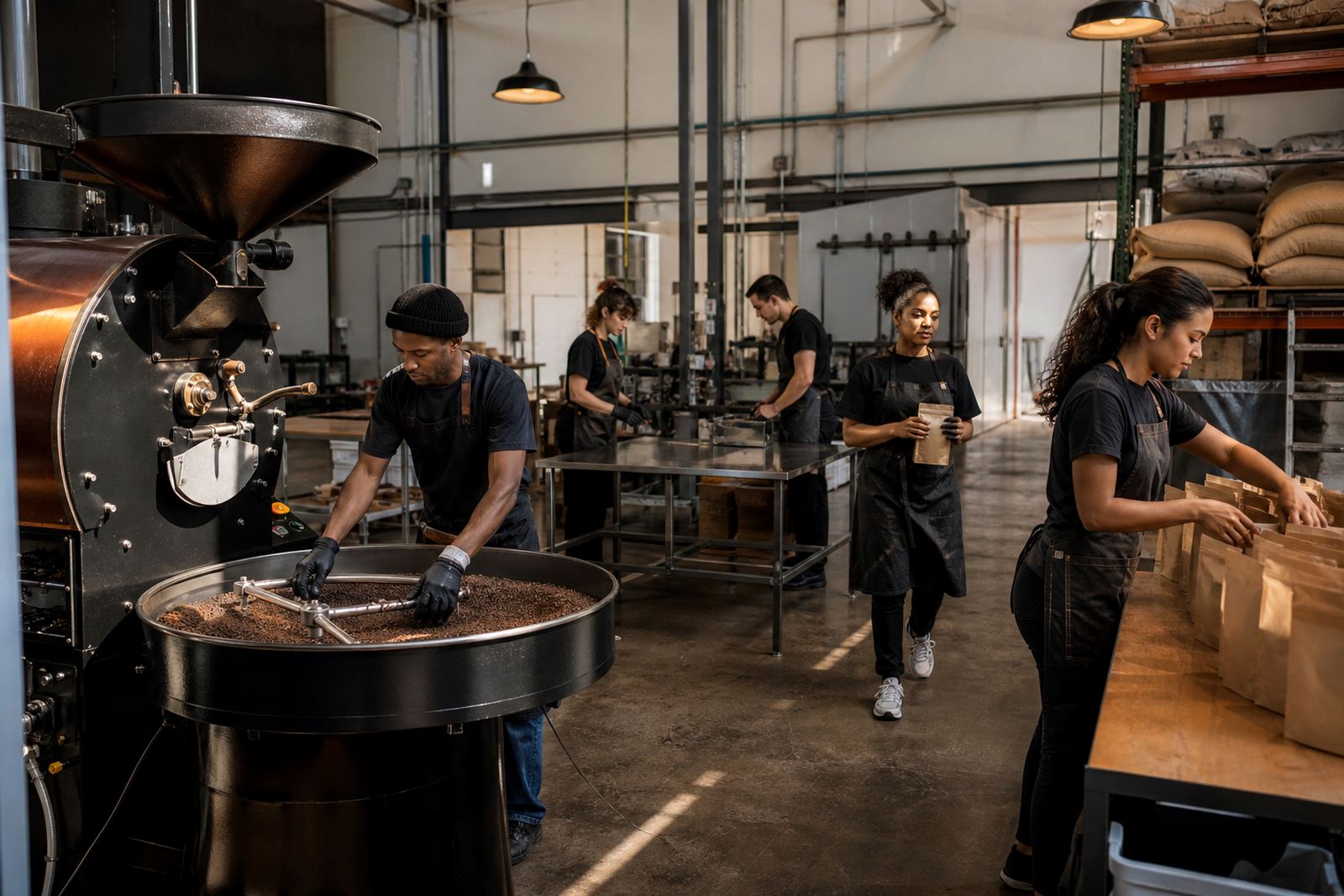
A day in the roastery starts before the first batch is roasted, with green coffee checks, machine warm-up and delivery planning. From Woodstock, each order is handled with a steady routine so homes and offices in Cape Town, Johannesburg, Pretoria, Durban and Gqeberha get coffee on time.

Inside The Roastery

1. Green coffee arrives with a job to do

Before any roasting starts, the team checks the green beans that have arrived for the week. Each lot is weighed, inspected for size and colour, and compared with the intended roast profile so the coffee can be handled the same way every time. That matters in South Africa, where a client in the Southern Suburbs may want a lighter filter coffee while an office in Pretoria needs a fuller brew that still holds its flavour after standing for a while.

In Woodstock, the first task is usually to match stock against the order book. Seasonal coffees, subscription selections and wholesale orders all move together, so the team must keep a close eye on what needs to be roasted first. Good planning here saves time later and helps avoid shortfalls when load-shedding or courier delays put pressure on the day.

  • Check bean condition, moisture and defect count before roasting
  • Match each lot to filter, espresso or wholesale use
  • Set aside enough stock for subscriptions, offices and hospitality clients

2. Roasting is measured, not rushed

Roasting is where the character of the coffee is built, but the pace stays controlled. The roaster is warmed up, the drum is checked and the team confirms the batch size for the day. Small changes in temperature, airflow and timing can shift the cup from bright and floral to heavy and flat, so every batch is watched closely from first crack to drop. It is practical work, not guesswork.

For single-origin coffee, consistency is just as important as flavour. A subscription customer in Durban expects the same clean cup as a hospitality client in Gqeberha, even if the beans come from a different origin each month. That means logging roast details, tasting samples and adjusting the next batch if needed. There is no room for a sloppy hand here, especially when the weather turns humid on the coast or dry inland.

  • Keep roast notes for each batch, including temperature and time markers
  • Cup-test samples before releasing coffee for packing
  • Adjust profiles for brew method, altitude and humidity

3. Cooling, resting and tasting before anything leaves the floor

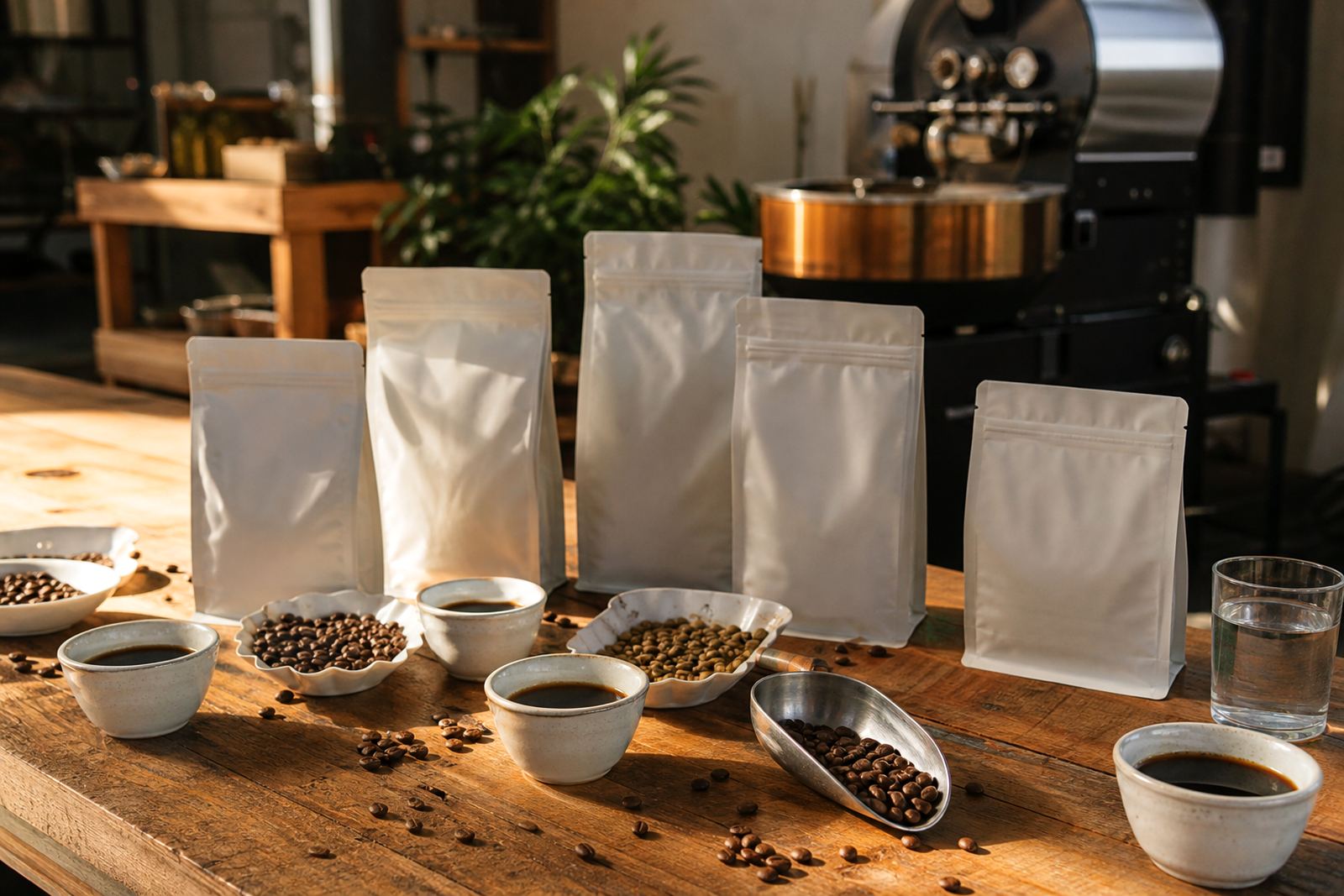
Once the roast lands, the coffee is cooled quickly and moved into resting bins or bags so the gases can settle. Fresh roasted beans need a little time before they show their best cup, and that wait is part of the process. The team tastes regularly, checking whether the roast has the right sweetness, body and finish for the intended brew style.

This step can be overlooked by people who only see the finished bag on a shelf. In practice, it is one of the most important parts of the roastery day. A coffee that is packed too early can taste sharp or uneven, while one that rests properly gives a smoother brew and better extraction. For clients running meeting room coffee or a wellness room station, that means fewer complaints and more repeat cups.

  • Allow the coffee to rest before final dispatch where possible
  • Taste for sweetness, balance and aftertaste
  • Separate any batch that does not meet the set standard

4. Packing is where the details count

After the coffee passes tasting, it moves to packing. Bags are filled to the correct weight, sealed properly and labelled for the right grind or whole bean format. This sounds simple, but it is where careful stock handling makes a real difference. A subscription box going to a flat in Cape Town city bowl is not the same as a wholesale order heading to a café in Johannesburg, and the pack list must reflect that exactly.

Clear packing also helps when clients reorder through the enquiry form. The team can see what was sent last time, what size is needed and whether the next delivery should stay the same or rotate to a new origin. If a business wants coffee for an event or seasonal menu, the pack room has to work with that timing too. Small admin errors here can hold up an entire week.

  • Pack by grind type, weight and customer profile
  • Label every order clearly for home, office or hospitality use
  • Double-check stock against the dispatch list before sealing crates

5. Dispatch must work around Cape Town traffic and national delivery windows

Once the orders are packed, the dispatch team takes over. Parcels are grouped by destination, labelled for courier collection and checked against the route plan. A Woodstock roastery has to think beyond Cape Town, because clients expect coffee across South Africa, from the Atlantic Seaboard to Pretoria and beyond. That means timing matters as much as the roast itself.

Local knowledge helps. If a client needs a stock top-up for Monday morning service, the team will plan around weekend cut-off times, public holidays and the realities of traffic moving through the city. Offices with tight service windows need a different approach from homes receiving a monthly subscription. Good dispatch is quiet work, but it keeps the whole system moving.

  • Group orders by region and delivery speed
  • Plan around courier cut-offs, holidays and load-shedding delays
  • Keep a clean handover record for every outbound batch

6. What clients can learn from a busy roastery

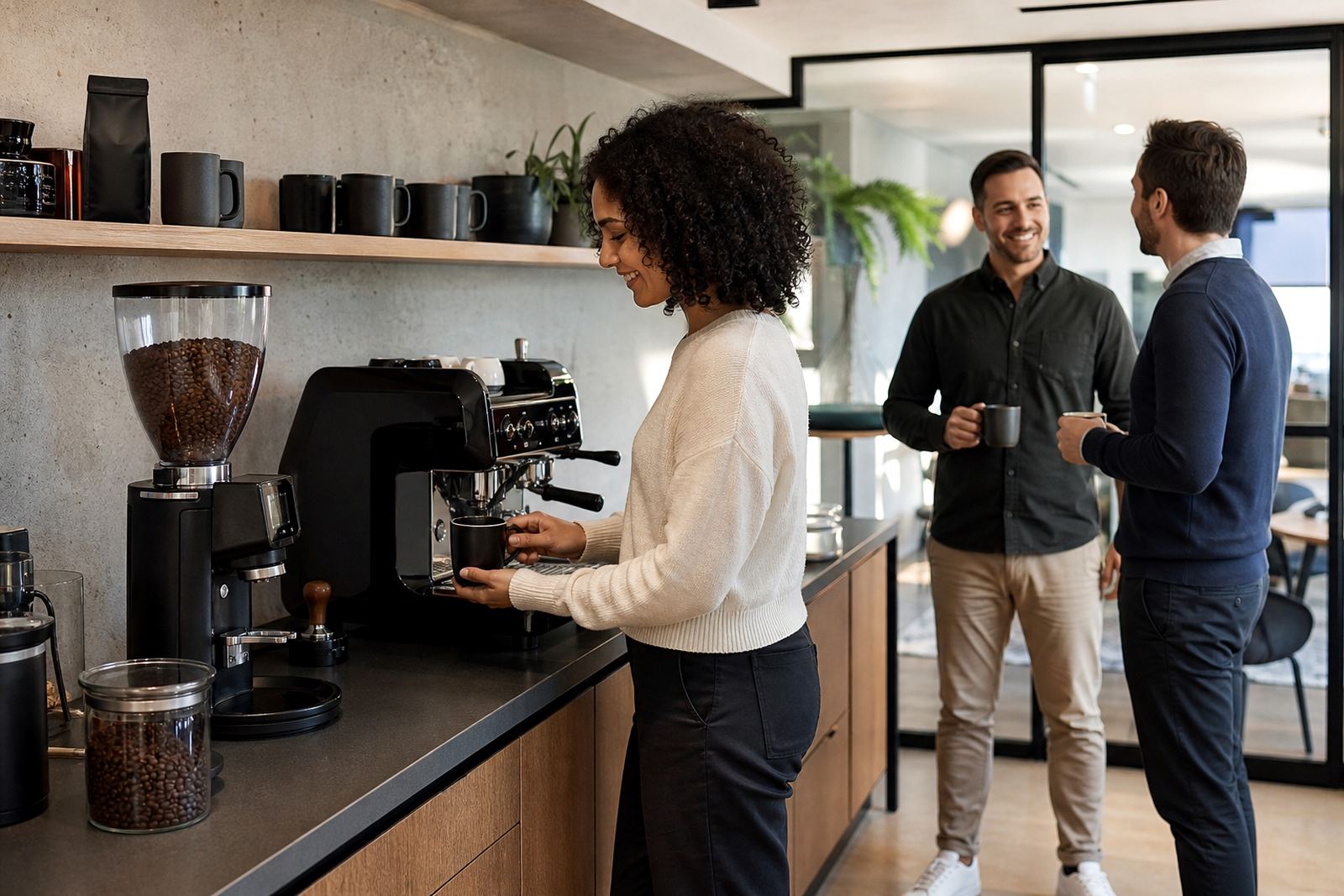
There is a practical lesson in the way a roastery runs: good coffee depends on process, not luck. Clients who want better results at home or in the office usually start by choosing the right grind, storing beans properly and setting a sensible stock plan. If the coffee is for a meeting room, wellness room or hospitality counter, that plan should include how much is used each week and when the next delivery should land.

A simple example from Cape Town: a small office in the Southern Suburbs may go through more coffee on busy Mondays and quieter Fridays. If the team knows that pattern, they can order the right amount and avoid running short midweek. The same thinking works for event coffee planning, where numbers can jump quickly and the roast choice must suit both volume and cup quality. It is about staying ahead, not scrambling at the last minute.

  • Keep beans in a cool, dry place away from sunlight
  • Track weekly usage so reordering is on time
  • Choose brew settings that suit the coffee and the workload

Questions we get asked

How does the roastery decide which coffee to roast first?

The team works from the order book, stock levels and roast plan. Subscription coffee, wholesale orders and client top-ups are scheduled so the freshest stock goes out first without leaving any area short.

Can offices and hospitality clients ask for different grind settings?

Yes. Grind calibration is part of the service, because filter brews, espresso and batch systems all need different settings. The team adjusts according to the equipment and the way the coffee will be served.

Do delivery schedules change for different cities?

They do. Orders for Cape Town, Johannesburg, Pretoria, Durban and Gqeberha are planned around courier times, cut-offs and public holidays so the coffee arrives in good condition and on time.

Planning something? Send the team a message.

Contact form