Why light roast coffee is not just 'weak coffee'
One of the biggest myths is that a lighter roast means less flavour. In practice, the opposite is often true. Light roasting keeps more of the bean's natural character intact, so you taste the growing region, the process and the crop itself instead of only roast flavour.
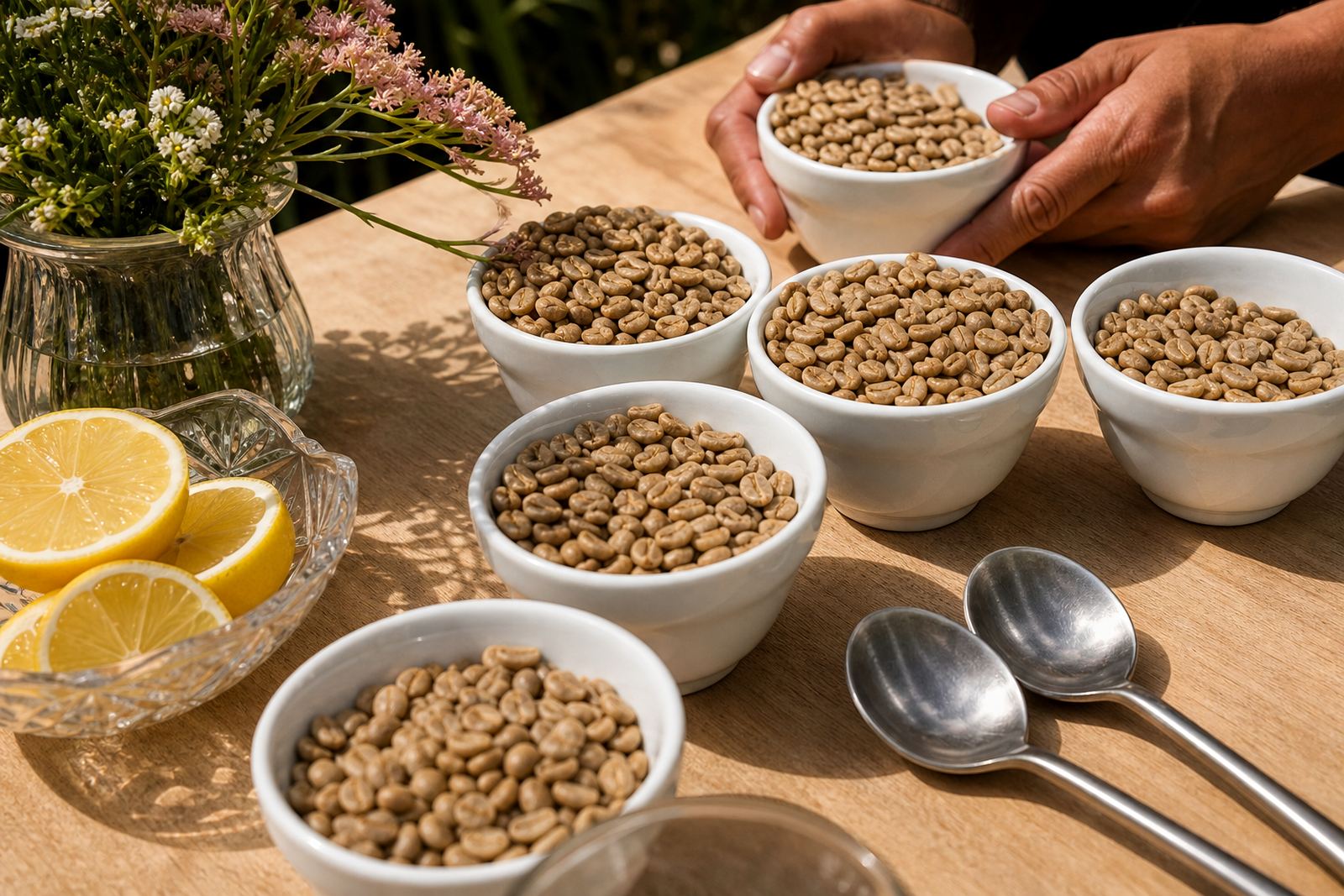
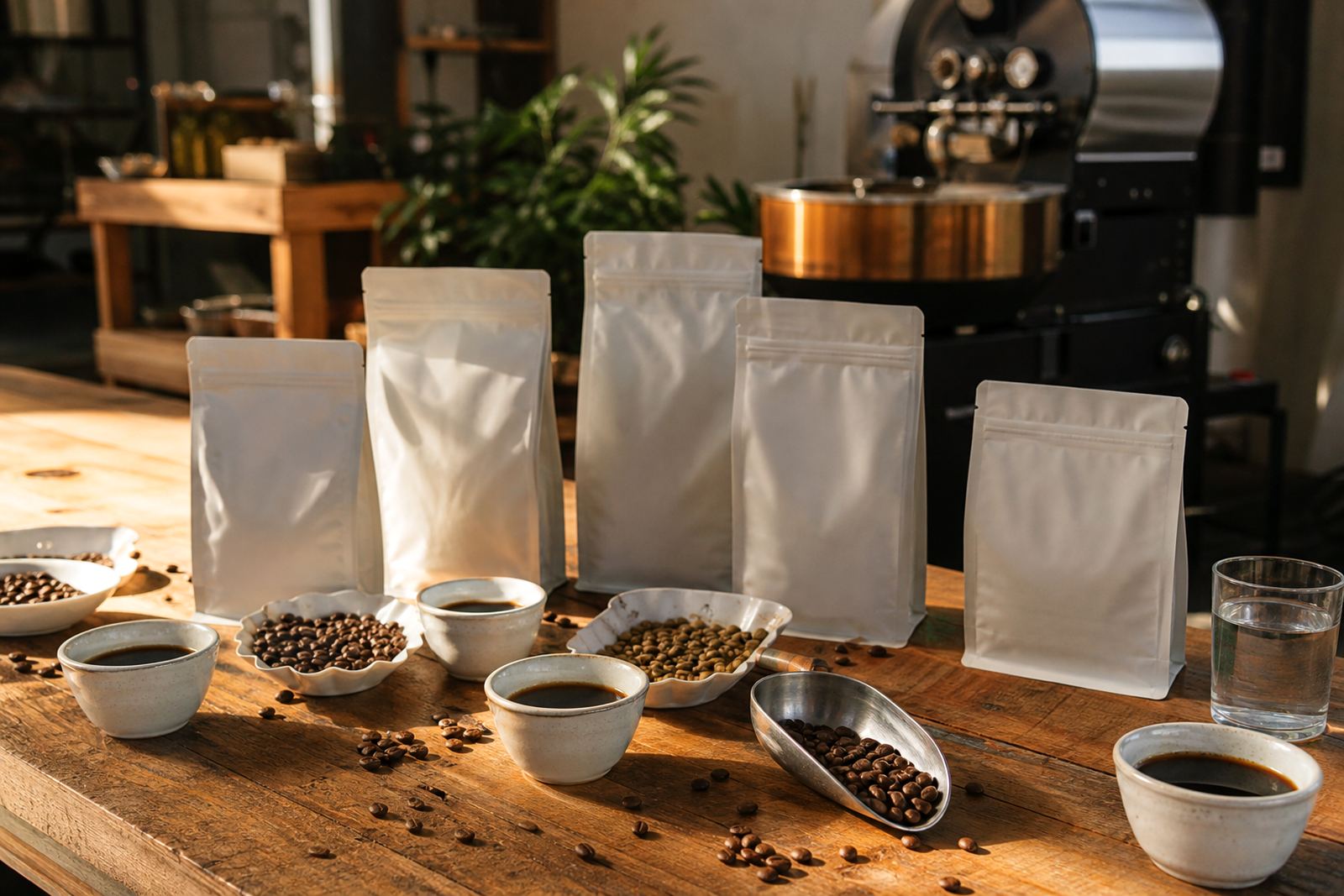
A good light roast can show citrus, stone fruit, berries, florals or even tea like notes. It is not meant to taste burnt or heavy. If a cup seems thin, that usually points to grind size, dose, water temperature or brew time, not the roast level alone. At our roastery in Woodstock we often see people taste a light roast too quickly and call it bland, when it is simply more delicate and needs a bit of care.
What light roast actually tastes like in the cup
Light roast coffee is usually cleaner and more layered than a darker roast. You get clearer acidity, a sweeter middle and a finish that can be crisp rather than smoky. For many drinkers, that first sip is a surprise because it does not hit the palate with bitterness.
- Expect brighter fruit notes, not ash or charcoal.
- Expect more clarity between flavours, especially in filter coffee.
- Expect the aroma to shift as the cup cools, sometimes from floral to stone fruit.
- Expect some coffees to feel lighter on the tongue, but still full of flavour.
Different origins will show different traits. A washed coffee can taste neat and crisp, while a naturally processed lot may bring more berry and sugar sweetness. If you are buying for a home office in Johannesburg or a meeting room in Cape Town, that clarity can make a morning cup easier to enjoy over several rounds.
Myth 1: light roasts are all sour
Acidity is often confused with sourness. In coffee, acidity can mean brightness, liveliness and structure. Sour coffee, on the other hand, usually points to under extraction, which happens when the grind is too coarse, the water too cool, or the brew time too short. That is a brewing issue not a roast issue.
When brewed well, a light roast should taste fresh rather than sharp. Think of a ripe green apple or grapefruit, not vinegar. If the cup is harsh, try adjusting one thing at a time. Change the grind first, then the water temperature, then the contact time. Small changes make a big difference and it saves a lot of guessing.
- Use water just off the boil for filter brewing.
- Grind a little finer if the cup tastes thin or sour.
- Extend brew time slightly for more sweetness.
- Keep your ratios consistent so you can taste the change.
Myth 2: darker roast always gives better body
Many people think body comes from roasting darker, but body is also shaped by origin, processing and brewing method. A well brewed light roast can feel round and satisfying, especially with the right extraction. The sweetness may be subtler than in a dark roast, yet the structure can still be there.
For milk drinks, a medium or medium dark roast can sometimes give a fuller impression, but that does not make light roast a poor choice. In fact, some customers prefer light roast with milk because it keeps a brighter coffee note that does not disappear in the cup. For a Durban office with a lot of cappuccino orders, we often recommend a rotating menu so there is something fuller for milk based drinks and something brighter for black coffee drinkers.
How to brew light roast properly at home or in the office
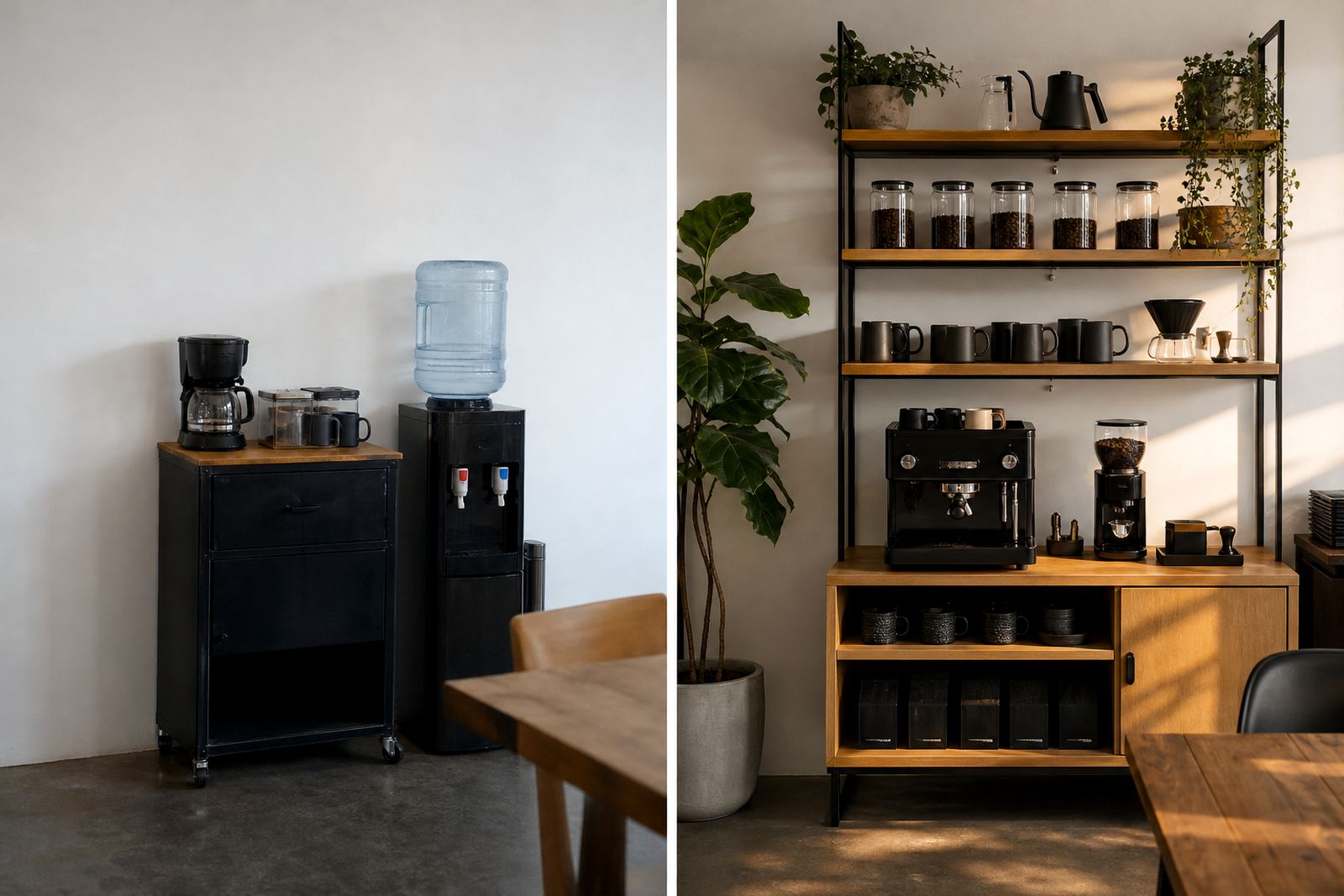
Light roast needs a bit more extraction than many people expect. That does not mean it is fussy, it just needs a sensible setup. Whether you are brewing in a kitchen in the Southern Suburbs or setting up a small office station in Pretoria, the same basics apply.
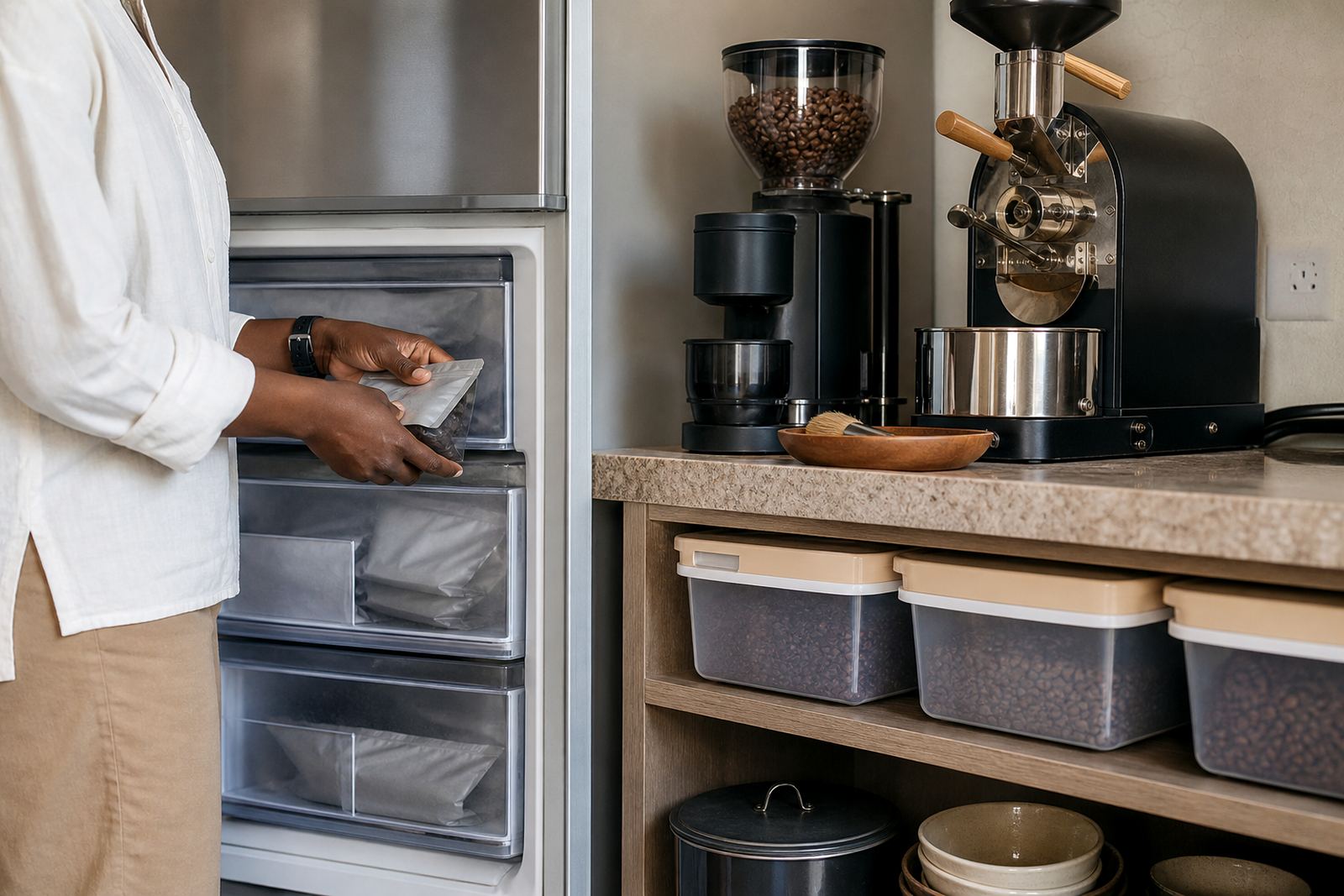
- Use fresh coffee that has rested after roasting, then store it in an airtight container.
- Choose a finer grind than you would for a darker roast, then taste and adjust.
- Use clean water and keep your kettle or machine descaled.
- For filter coffee, aim for steady pouring so the bed stays even.
- For espresso, check yield and shot time before changing the dose.
Load-shedding can make a proper routine harder, so it helps to plan ahead. Keep enough filtered water on hand, and if you use an electric grinder or machine, make sure your workflow still works during a power cut. A manual brew method can save the morning when the power goes off and the office still needs coffee.
A Cape Town example: when the right roast beats the strong roast
We often meet customers in Woodstock who say they want the strongest coffee available, then discover they actually want more flavour, not more bitterness. A catering client near the Atlantic Seaboard once asked for a darker roast for all drinks, but after a tasting session the team preferred a lighter Ethiopian lot for filter and a slightly fuller roast for milk drinks. Staff drank more coffee, and there was less sugar added. That is usually the clue that the cup is working.
The lesson is simple: the best roast is the one that matches the brewing method and the drinker. A single-origin light roast can be ideal for a meeting room carafe, a wellness room setup, or a subscription box for a home brewer who enjoys tasting differences from one origin to the next.
How to choose a light roast that suits your palate
If you are new to lighter coffee, start by thinking about what you already enjoy. Do you like fruit, florals, tea, or a clean finish? If yes, a light roast may suit you better than you expect. If you prefer chocolate, nuts and a heavier mouthfeel, you may still enjoy a light roast but perhaps best as part of a blend of options across the week.
- Ask for tasting notes before you buy, then match them to what you already enjoy.
- Try the same coffee as both espresso and filter to see how the flavour changes.
- Keep a simple brew log with dose, grind and brew time.
- Buy enough for a fair test, not just one cup.
At A Cup Of, we find that subscriptions help people learn faster because each delivery gives a different origin to compare. Over time, customers build a clear preference, whether they are in Gqeberha, Johannesburg or right here in Cape Town. The point is not to force a taste profile. It is to find the coffee that fits your routine and gives you a cup you will actually finish.