

From quick caffeine to a proper daily ritual
South African coffee drinking used to be mostly about speed: instant in the kitchen, filter in the canteen, and a quick take-away on the way to work. That is changing. People now want to know where the beans come from, how they are roasted, and whether the cup will taste the same from Monday to Friday.
In Cape Town, Johannesburg and Pretoria, the shift is easy to see in apartment kitchens and office pantries. Home brewers are measuring water more carefully, using scales and grinders, and asking for roast dates instead of just a dark or medium blend. The cup matters more, but so does consistency, because nobody wants a lovely brew one day and a sour one the next.
This is where local roasting makes a real difference. Fresh coffee arrives with better aroma and clearer flavour, and it travels better when it is packed and delivered properly. In humid coastal areas like Durban and parts of the Atlantic Seaboard, storage matters too. Keep beans sealed, away from heat, and use them within a sensible window after roasting for the best result.
What homes are asking for now
At home, coffee habits are becoming more intentional. Some households want a subscription so they do not run out halfway through the week. Others prefer seasonal rotation, which keeps the cupboard interesting without turning coffee into a guessing game. A good subscription should suit the way you drink, not force you into a fixed routine.
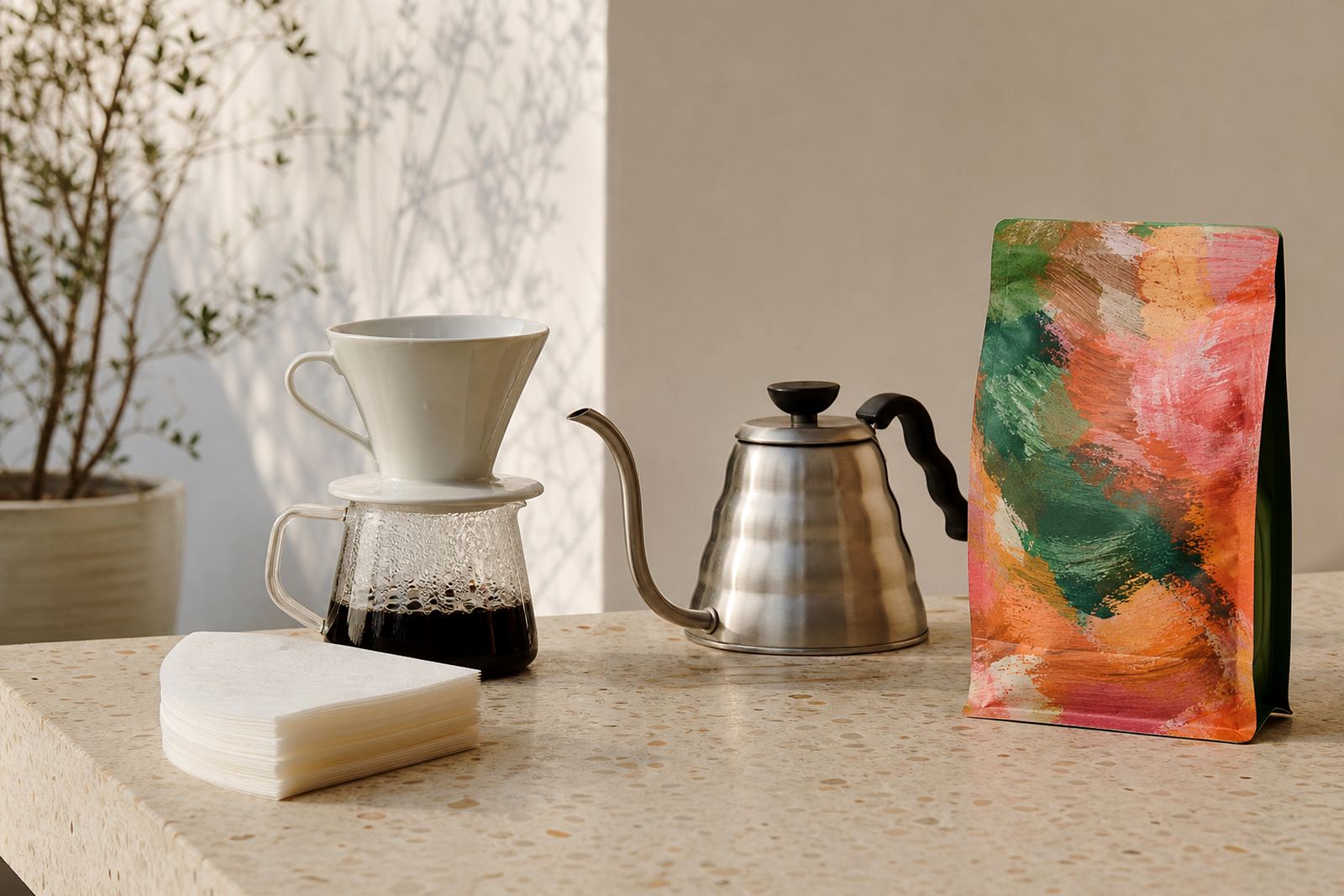
For many South Africans, the home setup is simple but serious: a grinder on the counter, a kettle, and maybe a stovetop or pour-over kit. That is enough if the beans are fresh and the grind is correct. If the grind is off, even good coffee can taste weak, bitter or muddy. It is a small detail, but it changes everything.
- Choose whole beans if you have a grinder, then adjust the grind for your brewer
- Start with one bag a month if you drink coffee lightly, or more often if the household shares it
- Store coffee in an airtight container in a cool cupboard, not next to the stove
- Use clean water and a steady ratio so each cup is repeatable
In a busy household, subscriptions also save time. There is less emergency buying at the garage, and the coffee arrives before the tin runs empty. That small bit of planning makes mornings calmer, especially when school runs, load-shedding and traffic are already in the mix.
Why offices are moving beyond the old urn
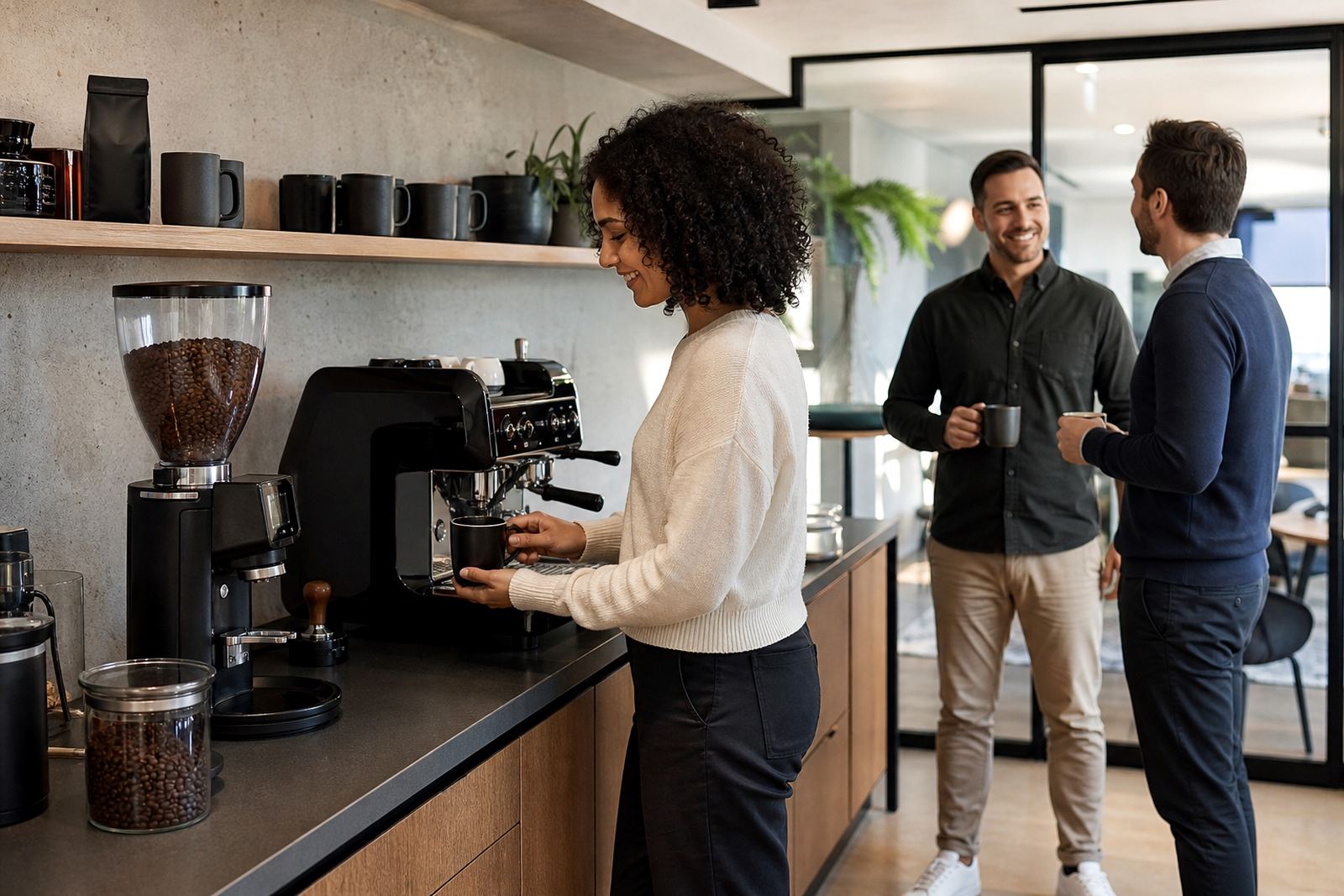
Workplaces have changed their view of coffee too. It is no longer just a perk for the break room. In many offices, coffee now supports meetings, client visits, team energy and even retention. A good cup can make a long morning easier, while a poor one gets noticed very quickly.
In Woodstock, the Southern Suburbs and commercial areas across Johannesburg, more managers are asking for coffee service that is tidy, predictable and suited to the size of the team. That often means better bean supply, grind calibration, and a plan for stock forecasting so nobody runs out on a Thursday afternoon.
Load-shedding adds another layer. Offices need grinders, brewers and water heating that can cope with power interruptions or a reduced setup. Some teams keep a simple manual backup for the darker hours, while others plan their coffee service around power availability and peak meeting times. Practical planning beats panic every time.
- Match the coffee volume to staff numbers and visitor traffic
- Set a clear top-up schedule so stock does not drop at month-end
- Use one brew method consistently for meetings so the taste stays familiar
- Train staff on basic cleaning and dosing to cut waste
When coffee is well managed, the admin disappears into the background. People get what they need, the pantry stays organised, and the office does not burn through money on over-ordering or spoiled stock. That is useful whether the team is ten people or fifty.
Single-origin coffee and the local palate
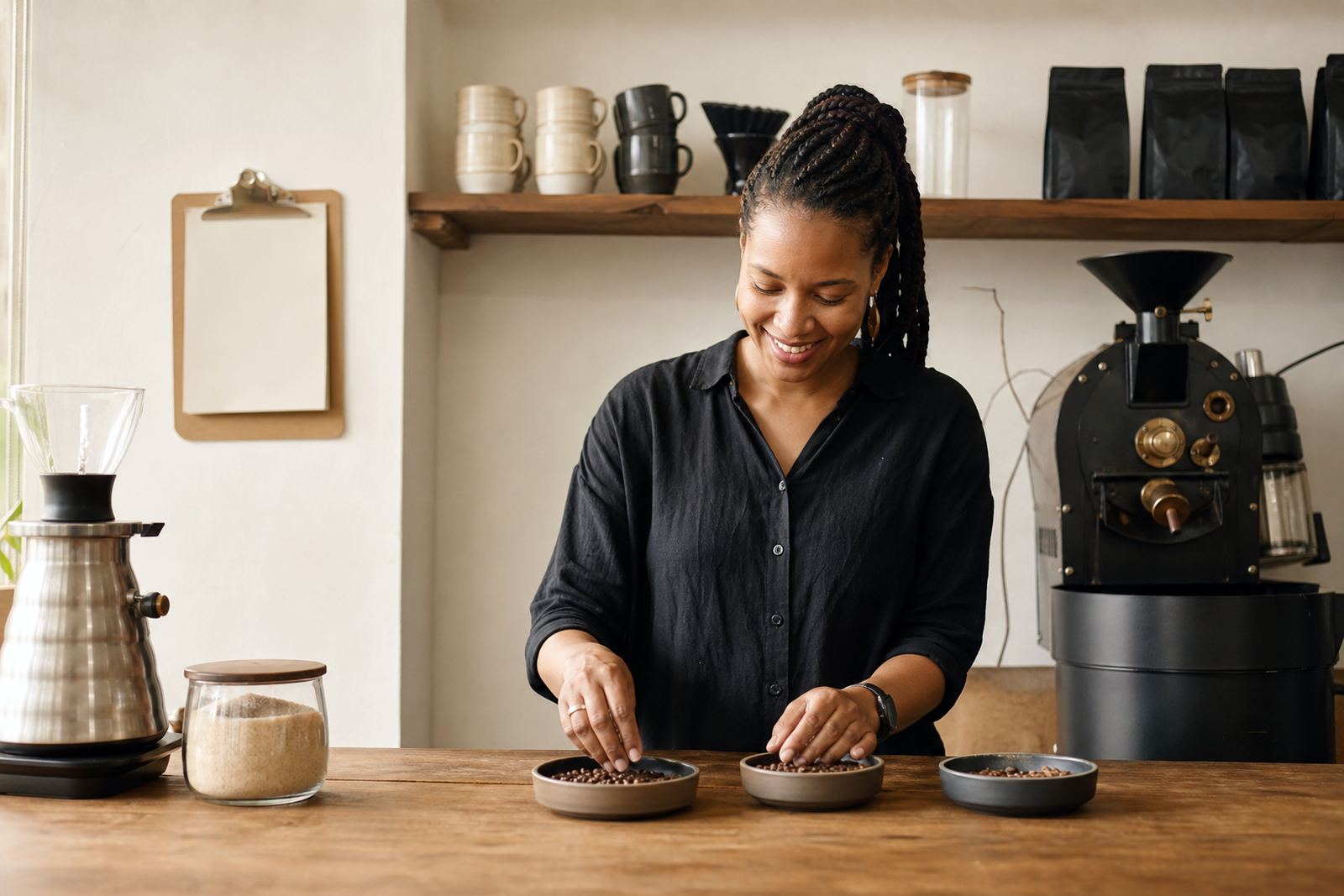
Single-origin coffee has found a strong audience in South Africa because people are becoming more curious about flavour. A bean from one farm or one region can taste bright, fruity, chocolatey or nutty, and those differences matter when you are brewing daily. It also helps customers learn what they enjoy instead of just buying a generic bag and hoping for the best.
The local palate is broad. Some drinkers want a clean, lighter cup for mornings, while others prefer a deeper roast for milk drinks after lunch. Offices often need a middle ground that works across the team. Homes can be more adventurous, because the household can switch between flavour profiles week to week without worrying about twenty different opinions in the boardroom.
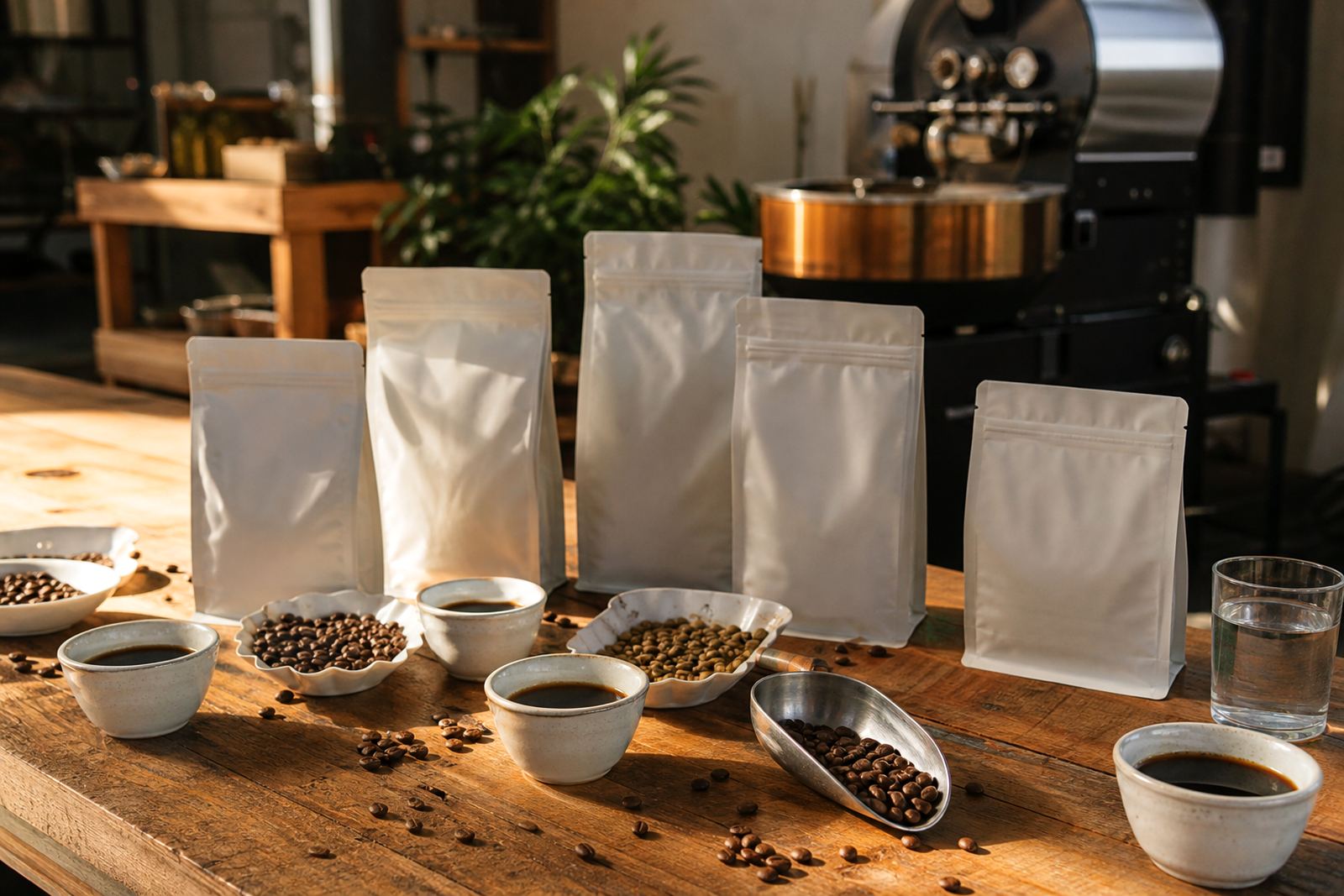
That is where a seasonal rotation works well. It keeps the experience fresh, and it gives people a chance to compare origins side by side. One month might bring a fruit-forward cup, the next something richer and rounder. There is no need to overcomplicate it, but there is value in trying different beans before settling on a favourite.
How coffee service changes hospitality and events
Guests notice coffee. At receptions, workshops, client sessions and staff gatherings, the coffee table often sets the tone before the formal part even starts. If the cups are hot, the brew tastes balanced and the service is clean, the whole event feels better organised. If not, people notice that too.
Hospitality coffee service now needs more than a urn and a packet of sugar. Venues want menu planning, brewing support, and a setup that looks neat without being fussy. At events, the coffee needs to move quickly, especially when people arrive in waves. A small delay at the coffee station can build a queue fast.
For wellness rooms and meeting rooms, lighter service works best. People want a calm space where they can pour a cup without fuss. That usually means good stock control, clear labels, and a brew method that is easy to maintain between meetings. Simple is often better, especially when a room is shared by different teams each week.
A Woodstock example of getting the details right
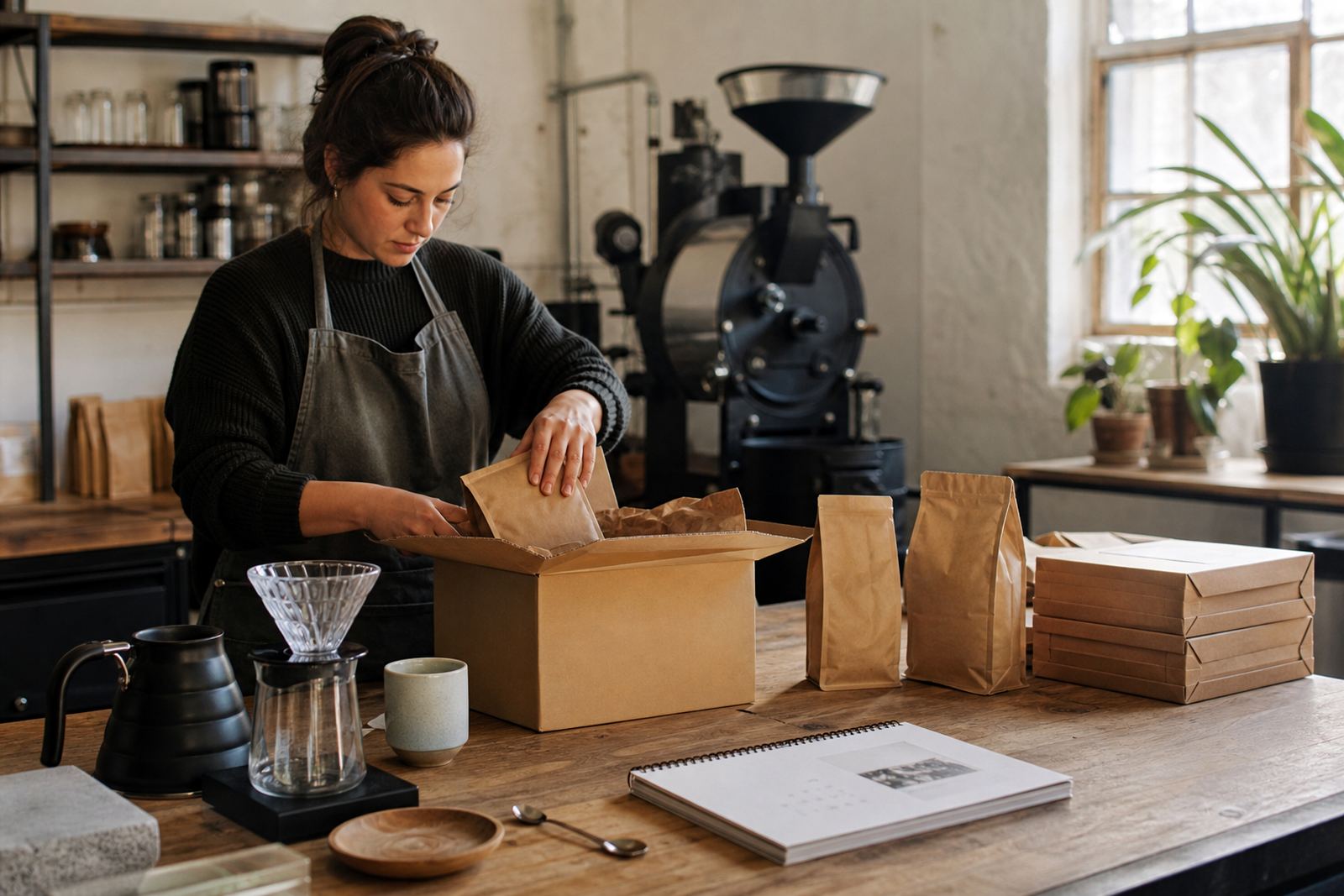
A practical example comes from a Woodstock office that wanted better coffee for daily use and visiting clients. The team did not need a complicated setup, just a cleaner system with fresher beans, a steadier supply and less waste. The first step was matching the brew method to the number of people using it, then adjusting the grind so the taste stayed consistent through the week.
Once the supply plan was sorted, the staff stopped making emergency runs for coffee and the pantry ran more smoothly. The same office also added a simple seasonal change every few months, which kept the team interested without adding admin. Small changes, but they added up.
That is the main shift in South African coffee culture now. People are not only drinking more coffee, they are expecting it to fit real life. That means reliable delivery, better brewing, and coffee that works in a flat in Cape Town or an office in Pretoria just as well as it does at a client meeting in Gqeberha.
What practical coffee habits look like next
The next phase of coffee culture here is not about being fancy. It is about being prepared. Homes want subscriptions that fit their routine, offices want service that runs on time, and both want coffee that tastes good without extra stress. The best setup is the one people can keep using week after week.
If you are choosing coffee for your home or workplace, start with the basics: how much you drink, what brewer you use, how often you want deliveries, and who is responsible for keeping stock in order. Those four questions solve more problems than a long product list ever will.
South African coffee habits are maturing in a practical way. People want flavour, yes, but they also want reliability, value and a bit of local understanding. That is what makes the current shift interesting. It is not a trend for a few enthusiasts only, it is becoming part of everyday life.