
Start with the roast date, not just the roast name
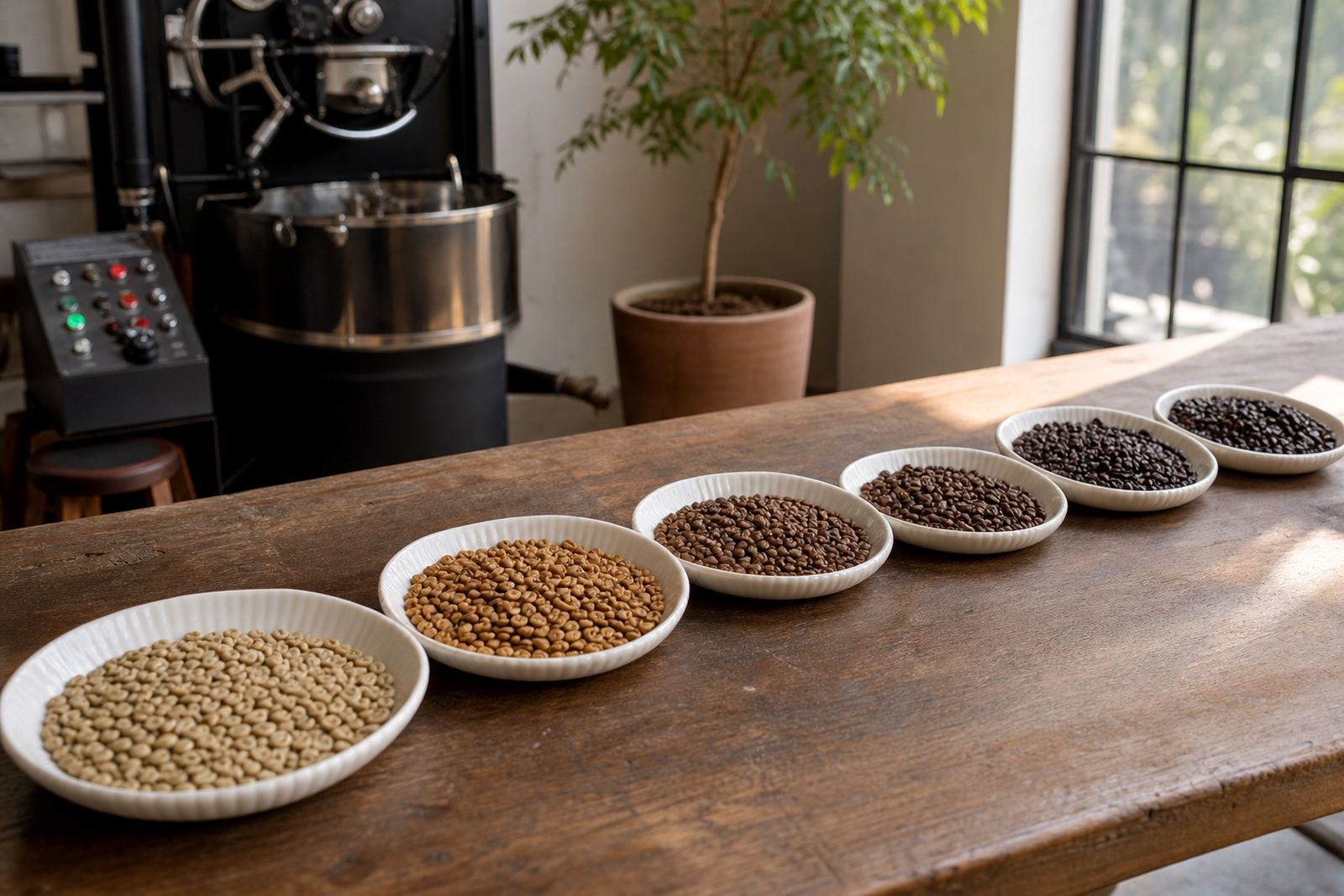
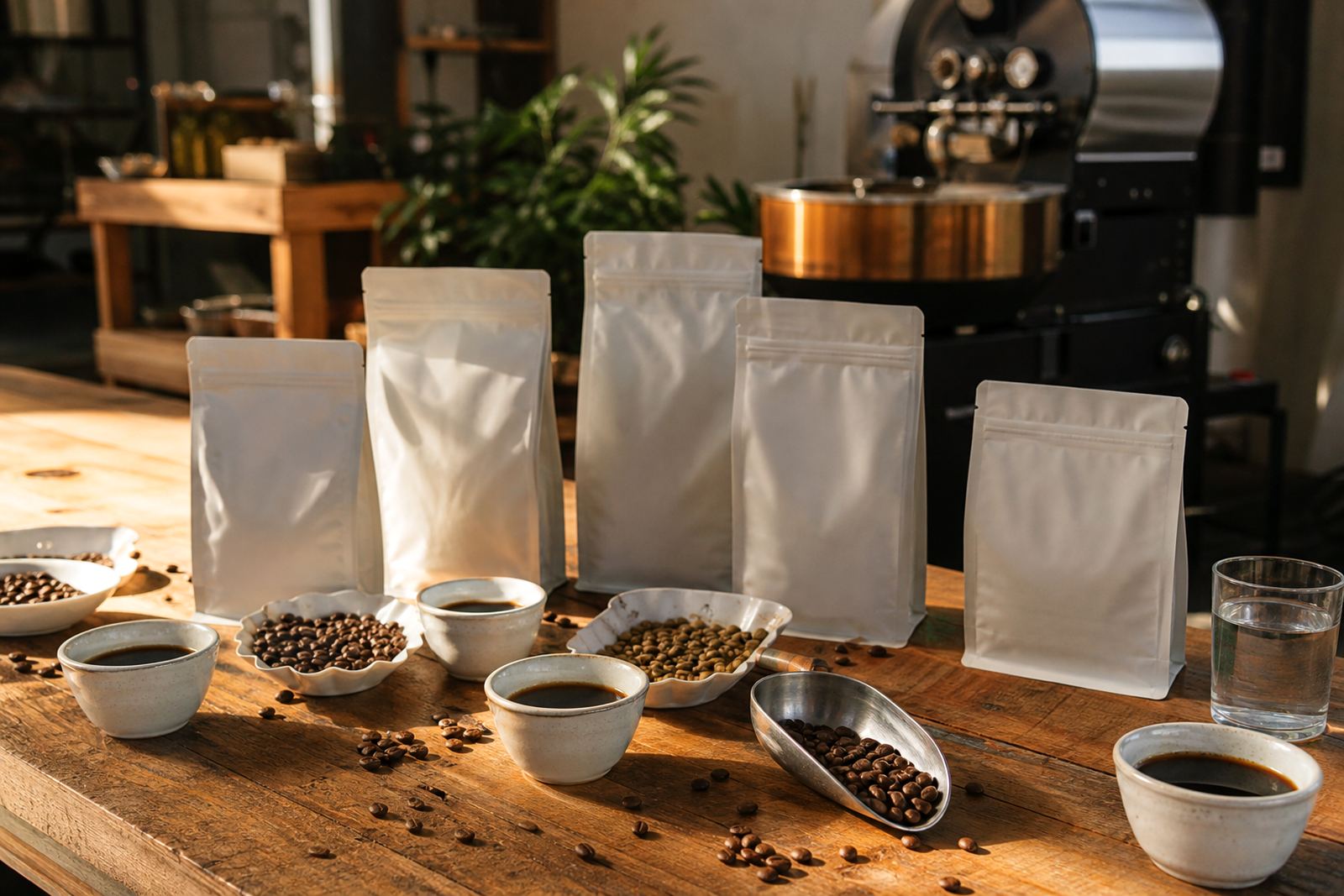
Freshness is the first thing to check when you buy beans online. A clear roast date tells you when the coffee was packed, and that matters more than broad claims like medium roast or dark roast. Coffee that has been sitting for months can still brew, but it usually loses sweetness and the clean finish you want in a cup.
For most home brewers, beans taste best from about 5 to 21 days after roast, depending on the style and the brew method. If a seller only shows a best before date, or no date at all, ask for the roast date before you order. That simple habit saves a lot of disappointment, especially if you are buying for a plunger, espresso machine or filter setup at home.
- Check for a roast date on the pack or product page.
- Look for the roast level and origin, not only a flavour name.
- Buy smaller bags if you brew less than 3 cups a day.
Match the bean to how you actually brew at home
A coffee that works well on espresso may not taste the same in a French press or pour-over. Before ordering, think about your equipment and your grind. Whole beans give you the most control, while pre-ground coffee is easier but less flexible. If you are using a blade grinder at home, you may get better results from a medium roast that is forgiving rather than a very light roast that needs careful extraction.
South African homes often deal with load-shedding, so a lot of people choose brewing methods that do not depend on a machine. If you brew with a stovetop, plunger or manual dripper, ask which beans are best suited to that method. A good supplier should help you choose by taste and brew style, not just by price per bag.
- Espresso usually needs a finer grind and a more developed roast.
- Filter and pour-over often suit brighter, lighter beans.
- Plunger and cold brew are more forgiving with grind changes.
Check where the coffee comes from and what the flavour notes mean
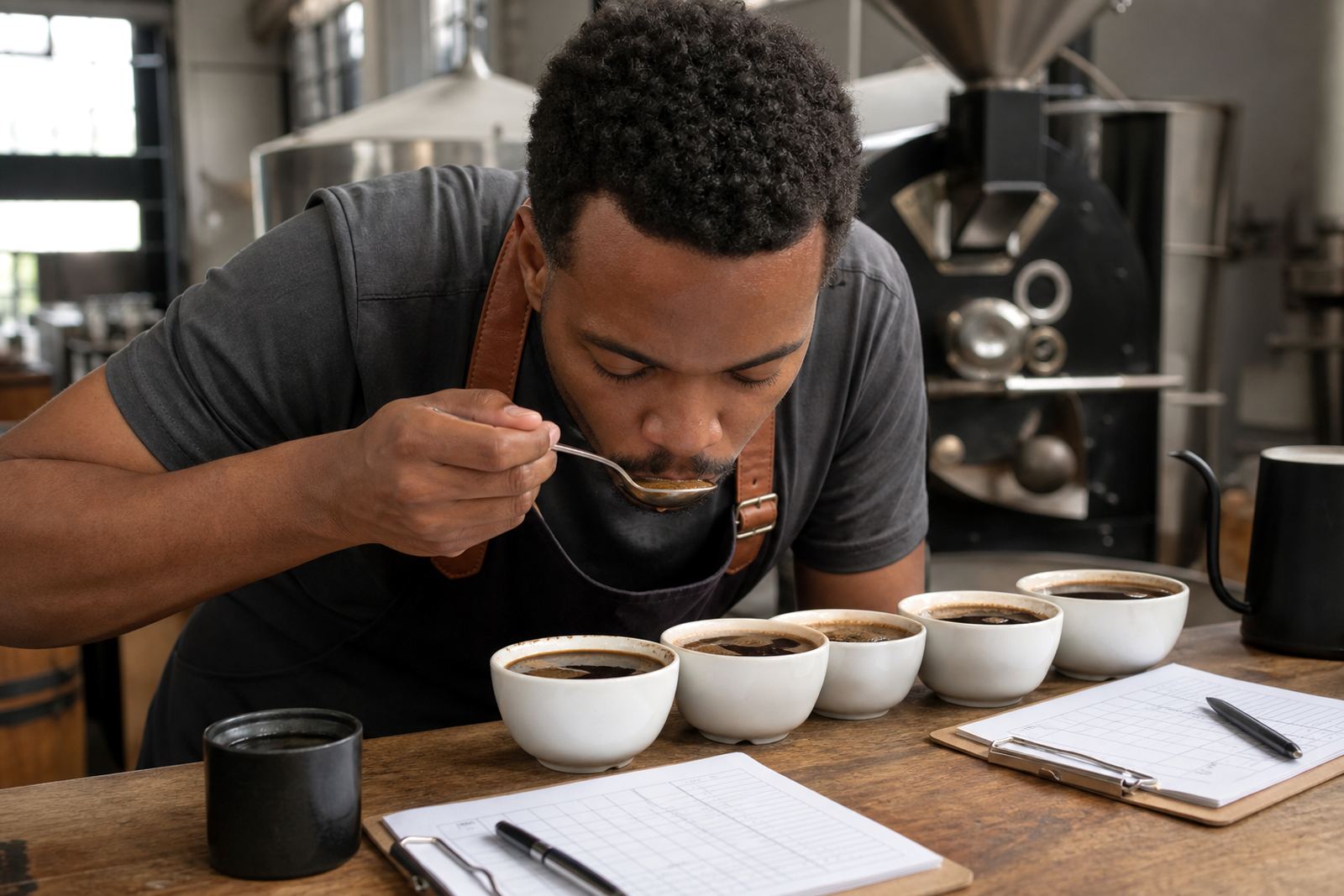
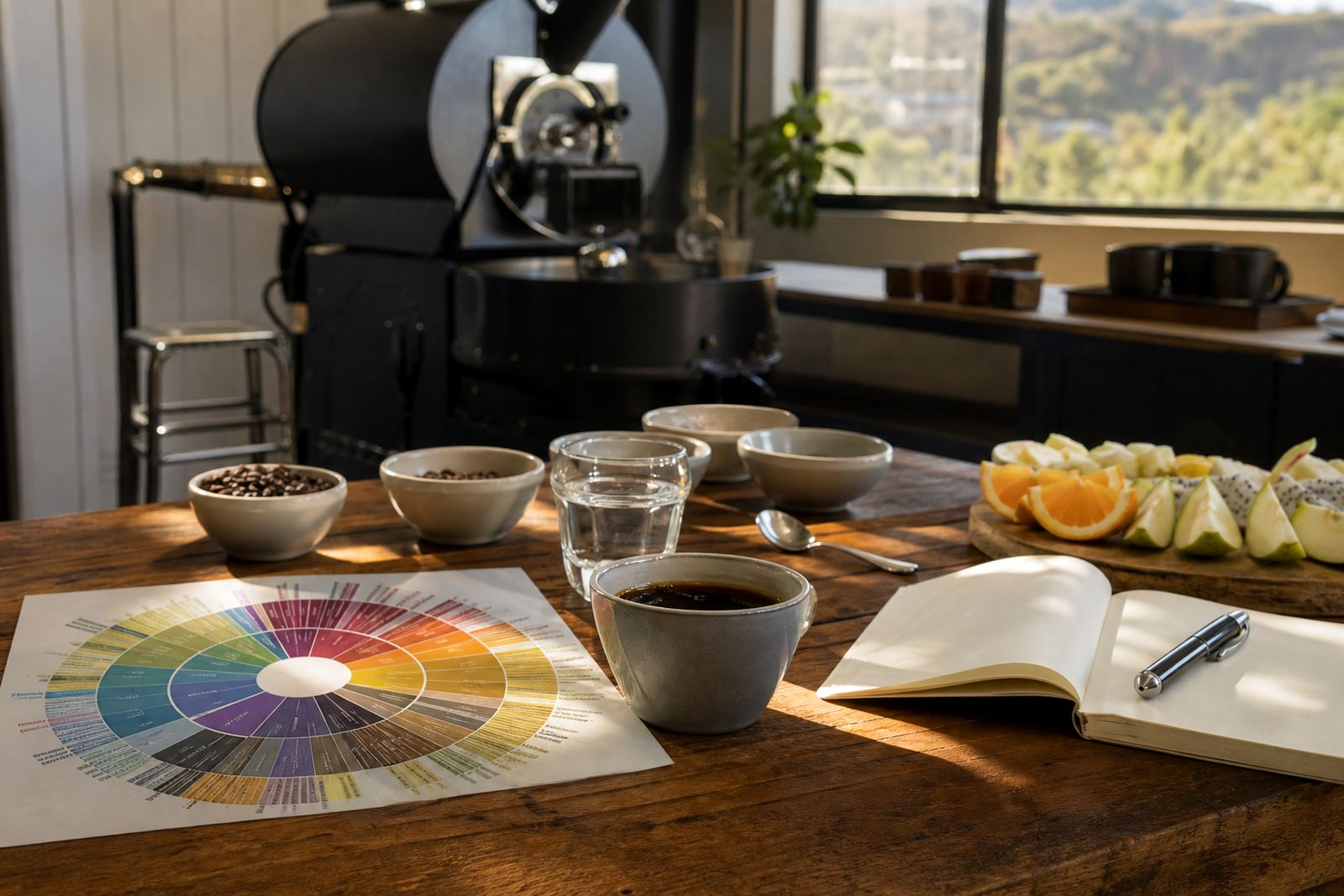
Single-origin coffee can be a smart choice if you want to understand what you are drinking. It usually comes from one country, region or farm lot, which makes it easier to notice the natural flavour of the bean. You may see notes like citrus, chocolate, stone fruit or floral. Those notes are not added flavours, they are the taste profile people often find in the cup.
If you are buying online, read the origin details closely. A good listing should tell you where the beans were grown, how they were processed, and what the coffee tastes like brewed black or with milk. If the description is vague, you may end up with something that does not suit your taste. For example, someone in Woodstock who likes a clean morning filter might enjoy a bright Ethiopian lot, while an office in Pretoria with milk-based drinks may prefer a rounder South American coffee.
Think about what you want from the cup. Do you want acidity, body, sweetness or a stronger roast profile? The more direct the product information, the easier it is to make a good choice.
Look closely at pack size, price and your monthly usage
Online coffee can look cheap until you work out the cost per cup. A 250 g bag may be ideal for trying new origins, but if your household gets through coffee quickly, a 1 kg bag may work out better. The right size depends on how much you drink and how often you brew. Beans keep best when stored properly, so buying too much at once can be wasteful if you do not get through it in time.
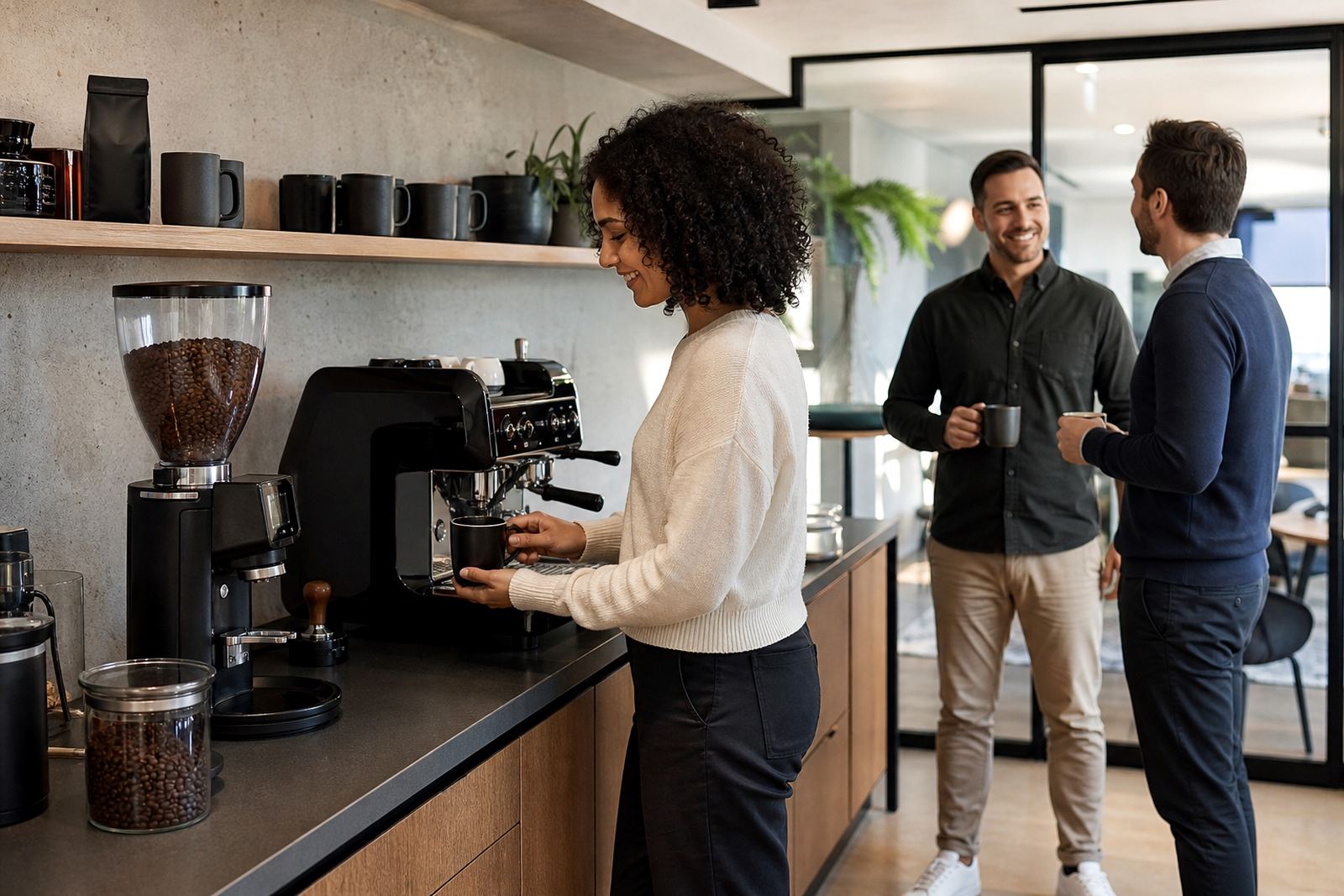
As a rough guide, one 250 g bag gives about 15 to 18 cups for filter brewing, and less for espresso depending on your recipe. If you serve coffee at work, a stock forecast helps avoid running out mid-week. That is especially useful for small offices in Cape Town, Johannesburg or Durban where coffee is part of the daily routine and no one wants a last minute scramble.
- Compare the Rand cost per gram, not only the bag price.
- Choose pack sizes that suit your drinking pace.
- For offices, calculate weekly use before placing a subscription order.
Delivery, storage and South African conditions matter
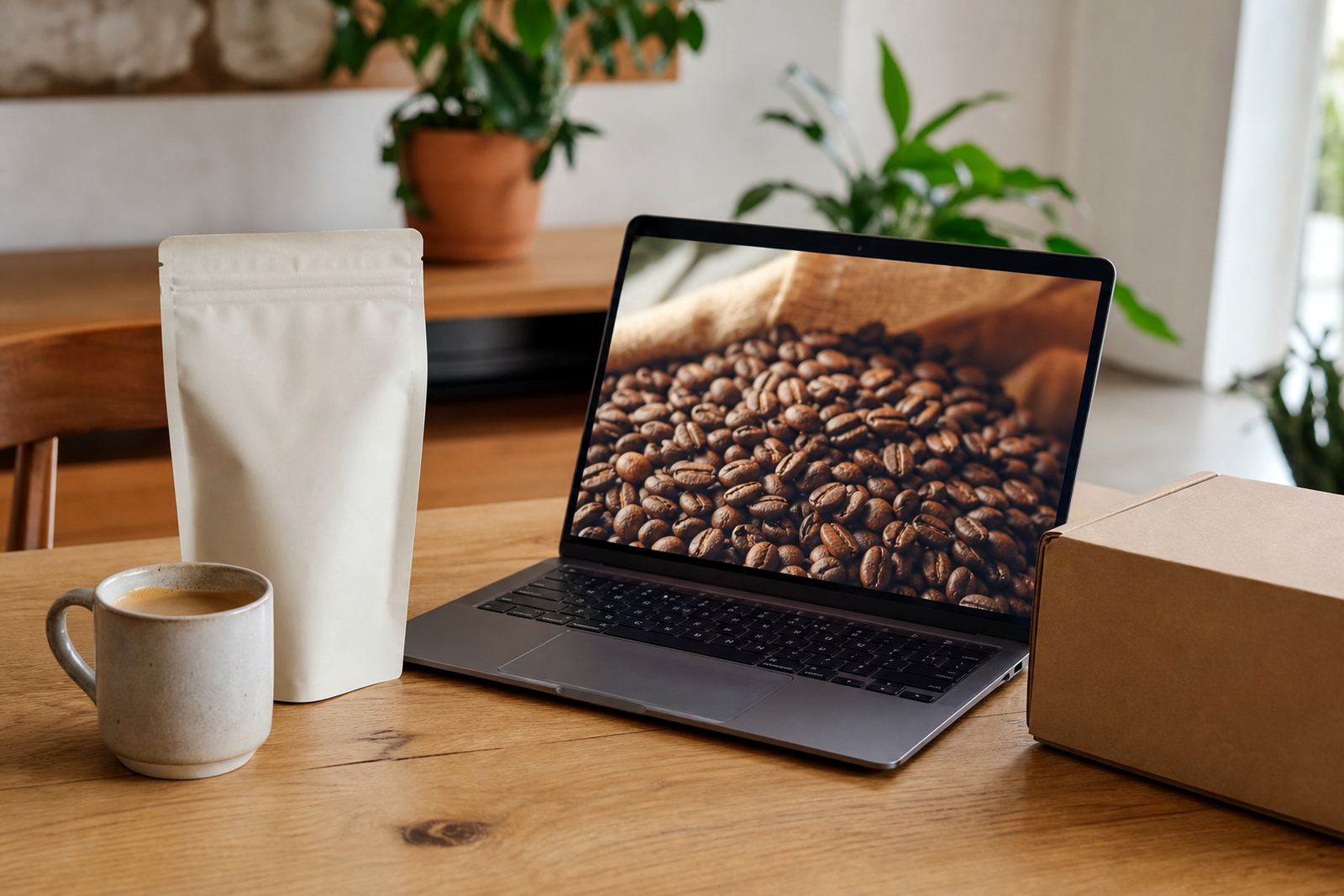
When you order beans online in South Africa, delivery time can affect freshness. A coffee roasted in Cape Town and sent to Gqeberha or Pretoria should still arrive in good condition if it is packed properly and dispatched quickly. Look for sealed bags with one-way valves, and check whether the supplier ships on set days or daily. That helps you plan around weekends, public holidays and busy courier periods.
Climate also matters. In coastal areas like the Atlantic Seaboard or Durban, humidity can affect storage once the bag is opened. Keep beans in an airtight container away from heat, sunlight and the stove. In drier inland areas, the main issue is usually warmth and airflow. Do not keep your beans in the fridge, and only freeze them if you have a proper plan for portioning.
A practical supplier should also give clear advice on how long the beans will stay at their best after opening. That information is useful for homes, meeting rooms and wellness spaces where coffee may sit out through the day.
Subscriptions work best when you can change them easily
Subscriptions are worth considering if you drink coffee every day, but only if you can adjust the order when life changes. Look for options to change frequency, bag size and bean style. A good subscription should suit both solo drinkers and households, as well as offices that need steady supply without waste.
In South African cities, usage can shift month to month. A holiday period in Cape Town may reduce home use, while a busy quarter in Johannesburg can push office demand up. The best setup is one that allows easy changes before the next dispatch, not a fixed plan that leaves you with too much coffee or not enough.
Useful questions to ask before signing up:
- Can I pause or skip a delivery when needed?
- Can I rotate between different origins?
- Can I change the grind or keep it whole bean?
- Is there help if I need coffee for home and office at the same time?
A simple local check before you place the order
If you are ordering for home or the office, do one final check before you pay. Confirm the roast date, the origin, the grind, the size and the delivery area. For example, a customer in the Southern Suburbs may want a lighter roast for filter at home, while a small team in Gqeberha may need a steady supply for a meeting room and a kettle. Those are different needs, and the right order should reflect that.
The best online bean purchase is the one that fits your routine, your brew method and your storage space. Keep it simple, ask for clear details, and choose coffee that arrives ready for the way you drink it. A bit of care upfront means better cups all month long, and less guesswork with every bag.