
What Sour Coffee Usually Means
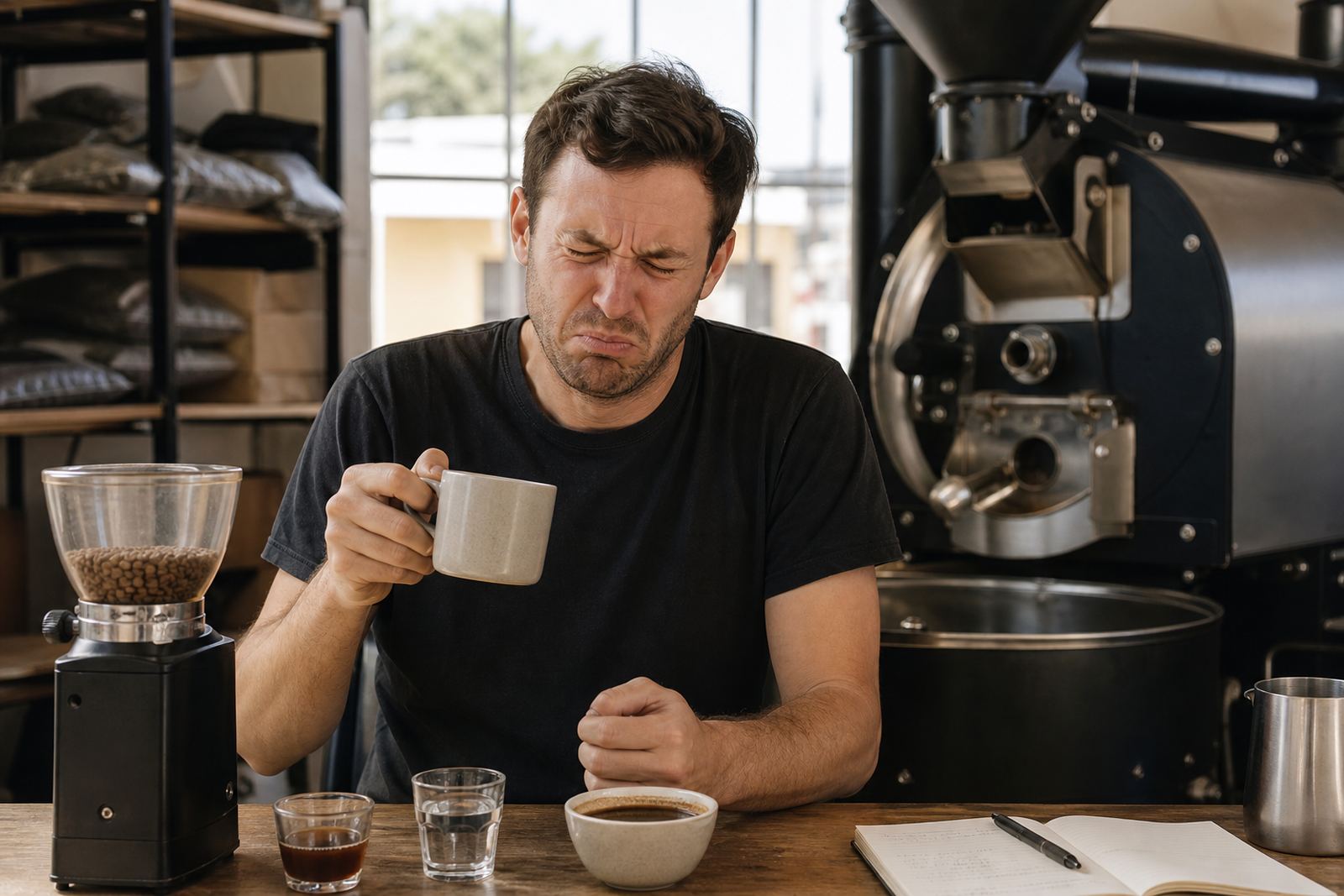
Sour coffee is sharp, thin and often leaves a green apple or lemon-like bite on the tongue. That is not the same as pleasant brightness. In a well-brewed cup, acidity should feel clean and lively. When extraction is off, the cup tastes unfinished and the sour notes take over.
Most of the time, sourness comes from brewing too fast, using water that is not hot enough, or grinding too coarse. The coffee compounds that give sweetness and balance need enough contact time with the water. If the water rushes through the grounds, you get a quick hit of acid and not much else.
At A Cup Of, we see this often in homes and offices across Cape Town, Johannesburg and Durban where people are using different water quality and brew gear from one day to the next. A cup can taste perfect on Monday and sour on Tuesday if the dose, grind or water has changed.
The Main Causes Behind A Sour Brew
There are a few repeat offenders. Start by checking these before you blame the beans.
- Grind too coarse: Water passes through too quickly and leaves the coffee under-extracted.
- Water not hot enough: If the water is below about 92 to 96 degrees, extraction slows down.
- Short brew time: Espresso, filter and French press all need enough contact time for balance.
- Under-dosing: Too little coffee for the amount of water gives a weak, sour result.
- Uneven distribution: Channelling in espresso means water finds the easiest path and skips the rest.
- Old calibration: A grinder can drift over time, especially in busy offices or hospitality settings.
If you are using a subscription coffee at home, the bean itself is usually not the problem. Single-origin lots can show brighter fruit notes, but they should still taste balanced when brewed correctly. Sourness is often the brew method telling on you, not the roast.
How To Fix Sour Coffee At Home
Make one change at a time so you can see what actually worked. If you change everything at once, you will not know whether the problem was the grind, the water or the dose.
- Go finer: If the cup is sour, adjust the grind a little finer and test again.
- Use hotter water: For filter coffee, aim for fresh water just off the boil. In a kettle that has been sitting after load-shedding, reheat it properly.
- Increase brew time: Let immersion brews sit a bit longer, and slow down pour over if the drawdown is racing.
- Tighten the ratio: Try a slightly stronger dose, such as 1:16 moving to 1:15, depending on the method.
- Stir or swirl with care: This helps wet the grounds evenly, but do not overdo it.
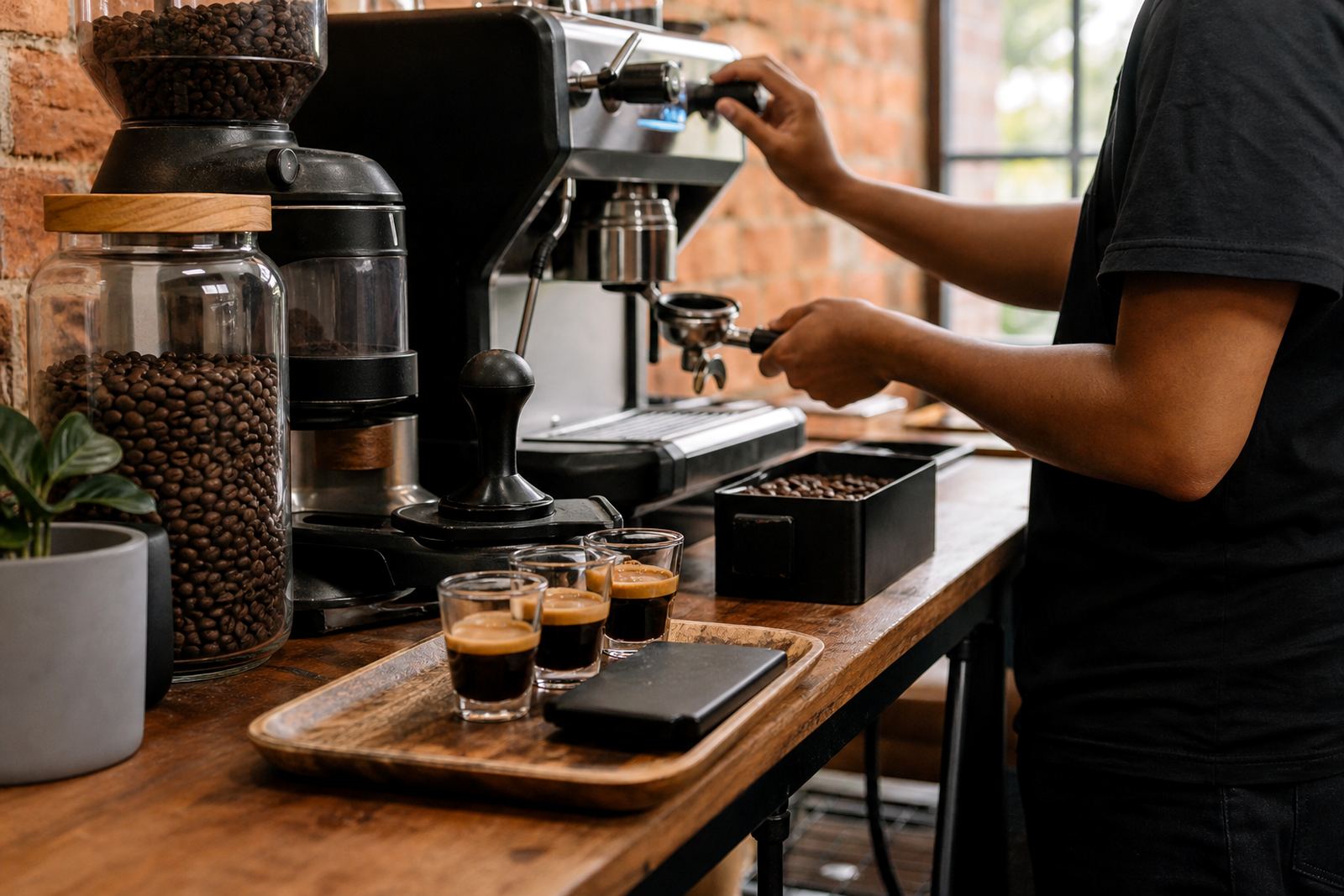
With espresso, sourness often means the shot pulled too fast. Check the grind first, then tamp consistency, then dose. If your shot runs in 18 seconds when it should be closer to the target for your machine and coffee, the cup is likely under-extracted. A small adjustment can fix a lot.
Why Water Quality Matters In South African Cities
Water changes from place to place, and that matters more than most people think. In coastal areas like Woodstock, the Southern Suburbs and the Atlantic Seaboard, humidity can also affect grind behaviour and how beans age once the bag is open. In Johannesburg and Pretoria, drier air can change how static builds up in grinders and can make dosing less consistent.
Municipal water with high mineral content can help or hurt extraction depending on the level. Very soft water can taste flat and may pull a sour cup, while very hard water can mute flavour and leave scale inside equipment. If your office in Durban is using a basic water filter, check whether the filter still needs changing. A tired filter can lead to odd tasting coffee, and people blame the beans when the real issue is the water.
For hospitality sites and meeting rooms, keep the brew water consistent. If the kettle is shared, make sure everyone uses the same fill level and same heating practice. Small habits matter more than people expect, especially when different staff make coffee across the week.
When The Bean Is Bright, Not Wrong
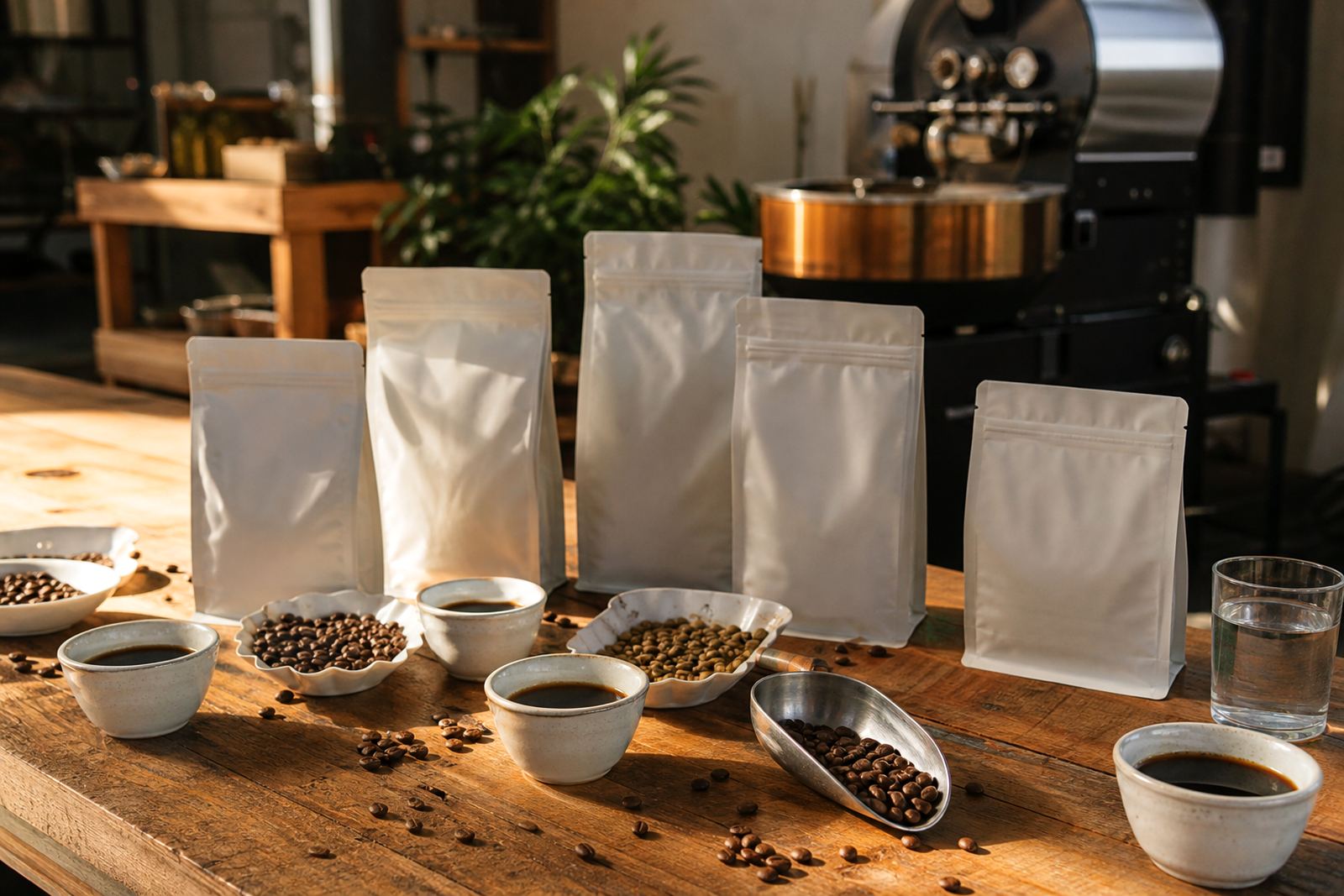
Not every sharp cup is a bad cup. Some single-origin coffees naturally carry citrus, stone fruit or berry notes. When roasted light to preserve origin character, those flavours can read as sour if the brew is underdone. The trick is to tell the difference between clean acidity and actual sourness.
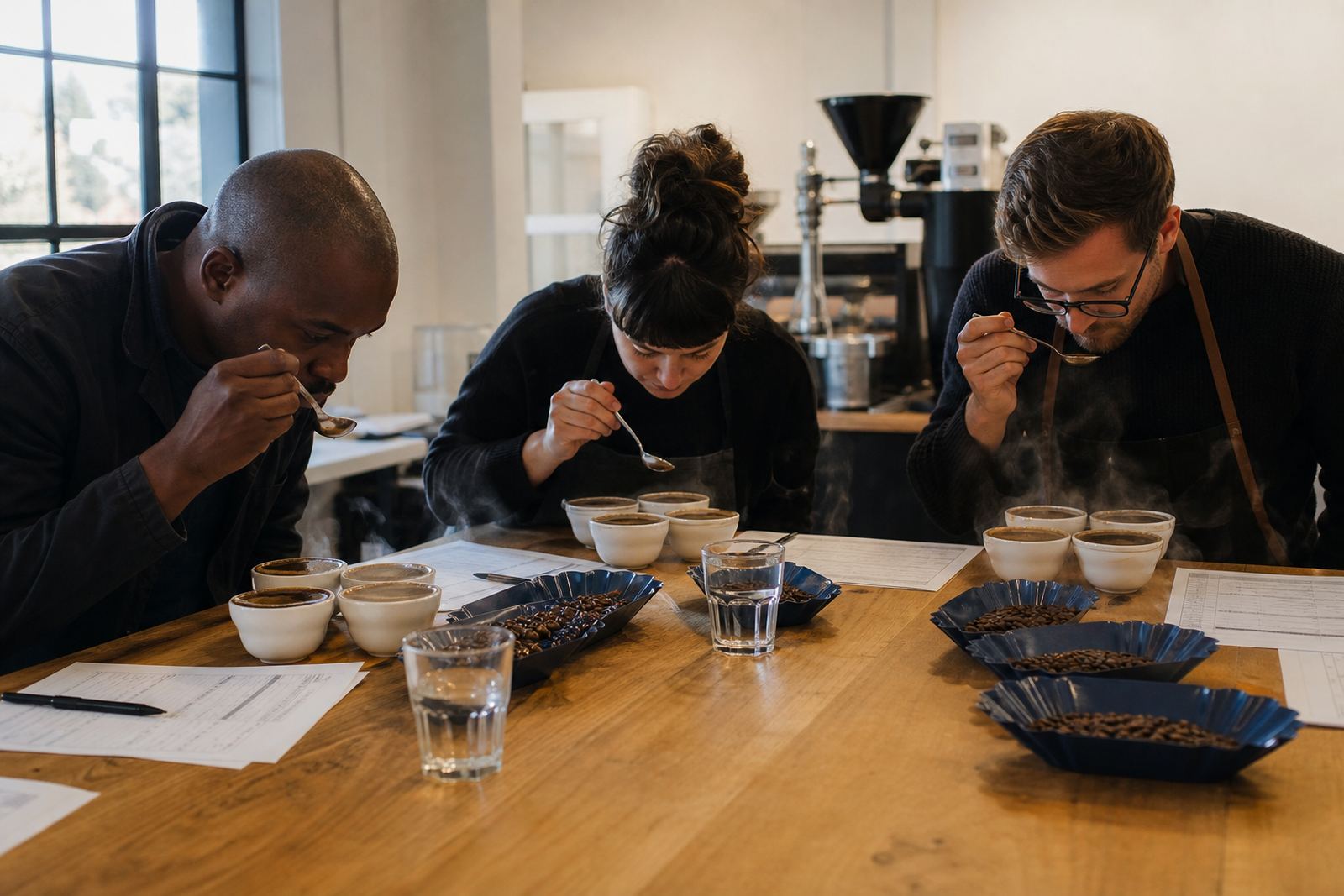
A good test is to compare the same coffee brewed two ways. If one cup tastes sour and thin while the other is round and sweet, the bean is probably sound and the method is the issue. If both cups taste aggressively sharp, grassy or underdeveloped, the roast profile or freshness may need a closer look.
Fresh coffee should rest a little after roasting, but not too long. A bag that is very fresh can be a bit lively, while coffee that has sat too long can lose sweetness and its body. That balance matters for subscriptions, where the rotation should match the brew method and the pace at which the coffee gets used.
Getting A Better Cup At Home Or In The Office
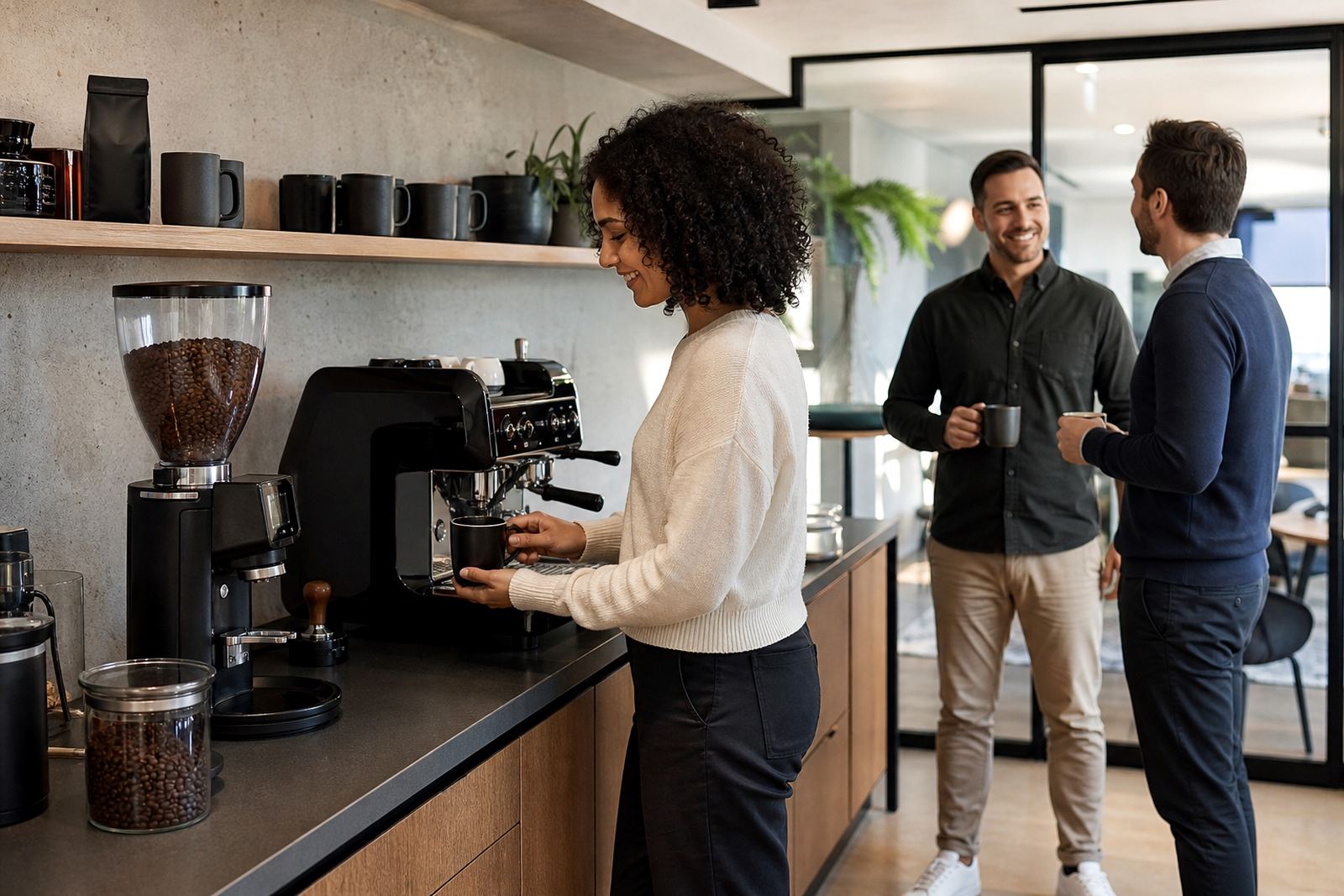
If sour coffee keeps showing up, build a simple routine. Use a scale, check the grinder setting, heat the water properly and keep the recipe steady. That alone solves most complaints. For offices in Cape Town, Johannesburg, Pretoria, Durban and Gqeberha, a short brew training session often saves more money than replacing equipment.
When we set up brew stations, we look at the whole system: grinder, water, recipe, cleaning and how often the team makes coffee. If the coffee menu is too broad, staff can get inconsistent results. Sometimes the fix is simpler than adding more gear. A calmer menu with clear ratios and a proper grind calibration usually works better.
- Keep one recipe per method and stick to it for a week.
- Clean the brewer and grinder regularly so old residue does not affect taste.
- Label the dose and brew time where staff can see it.
- Review the water filter on schedule, especially in busy workplaces.
If the cup still tastes sour after these changes, then it is worth checking the roast profile, bean age and extraction details more closely. Most of the time though, the fix is already in the kitchen or coffee area, waiting to be adjusted.