
Why cupping matters before a bean reaches your cup
Cupping is a simple, repeatable tasting method that lets us judge coffee without the noise of milk, sugar or brewing variables. If a lot is underdeveloped, overly sharp or uneven from one bag to the next, cupping shows it early and clearly.
For a roastery in Woodstock, that consistency matters. We send coffee to homes and offices across Cape Town, Johannesburg, Pretoria, Durban and Gqeberha, so the same profile must hold up whether the beans are brewed in a flat in the Southern Suburbs or a boardroom in Pretoria. Load-shedding, water quality and grinder setup all change the brew, but the cup itself still has to start with clean, well developed coffee.
- Checks clarity, sweetness and acidity in a controlled setting
- Helps compare different origins and harvests fairly
- Flags roast issues before a batch is packed or dispatched
- Gives a common language for our roasting, sales and training team
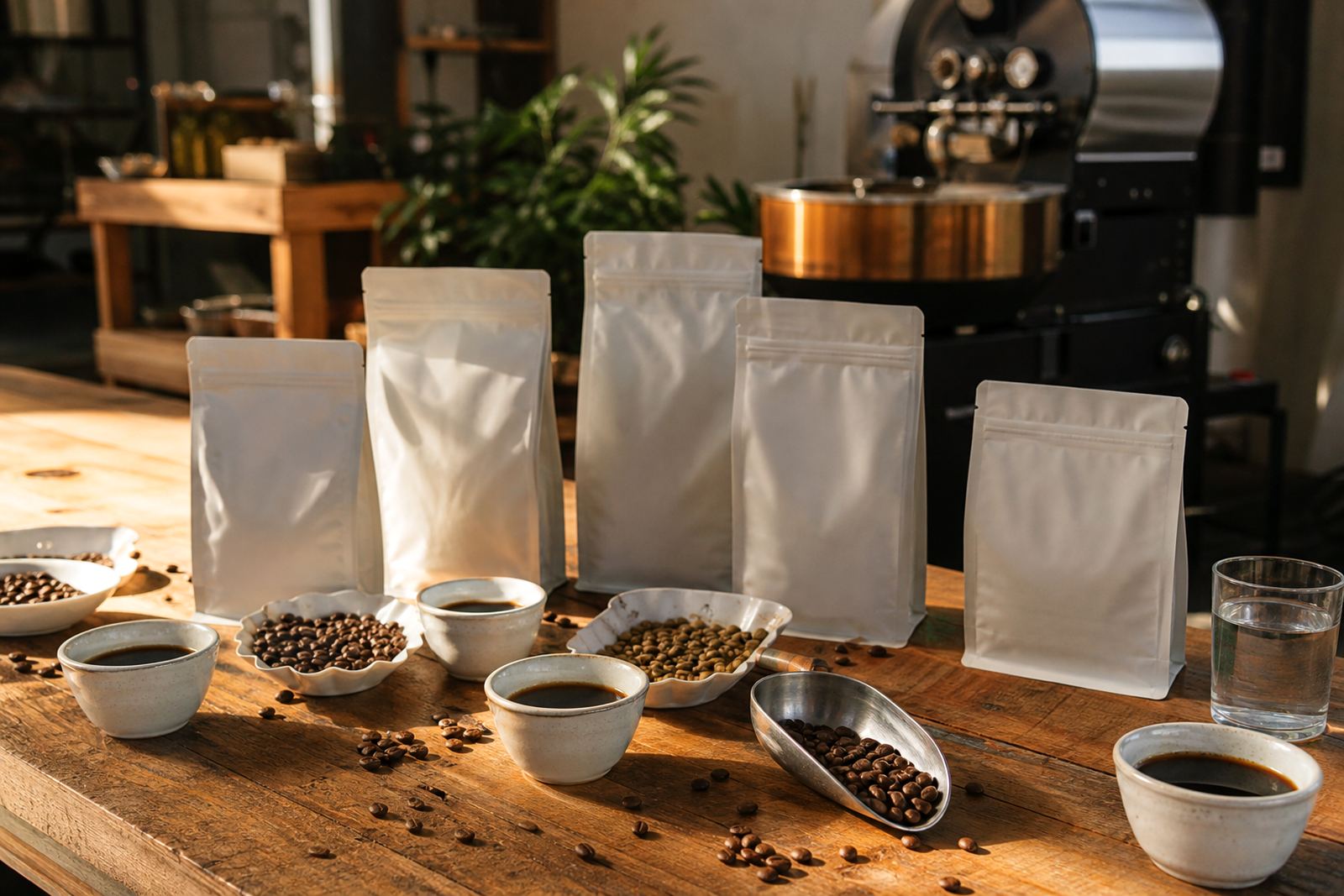
The cupping table: what we prepare and why
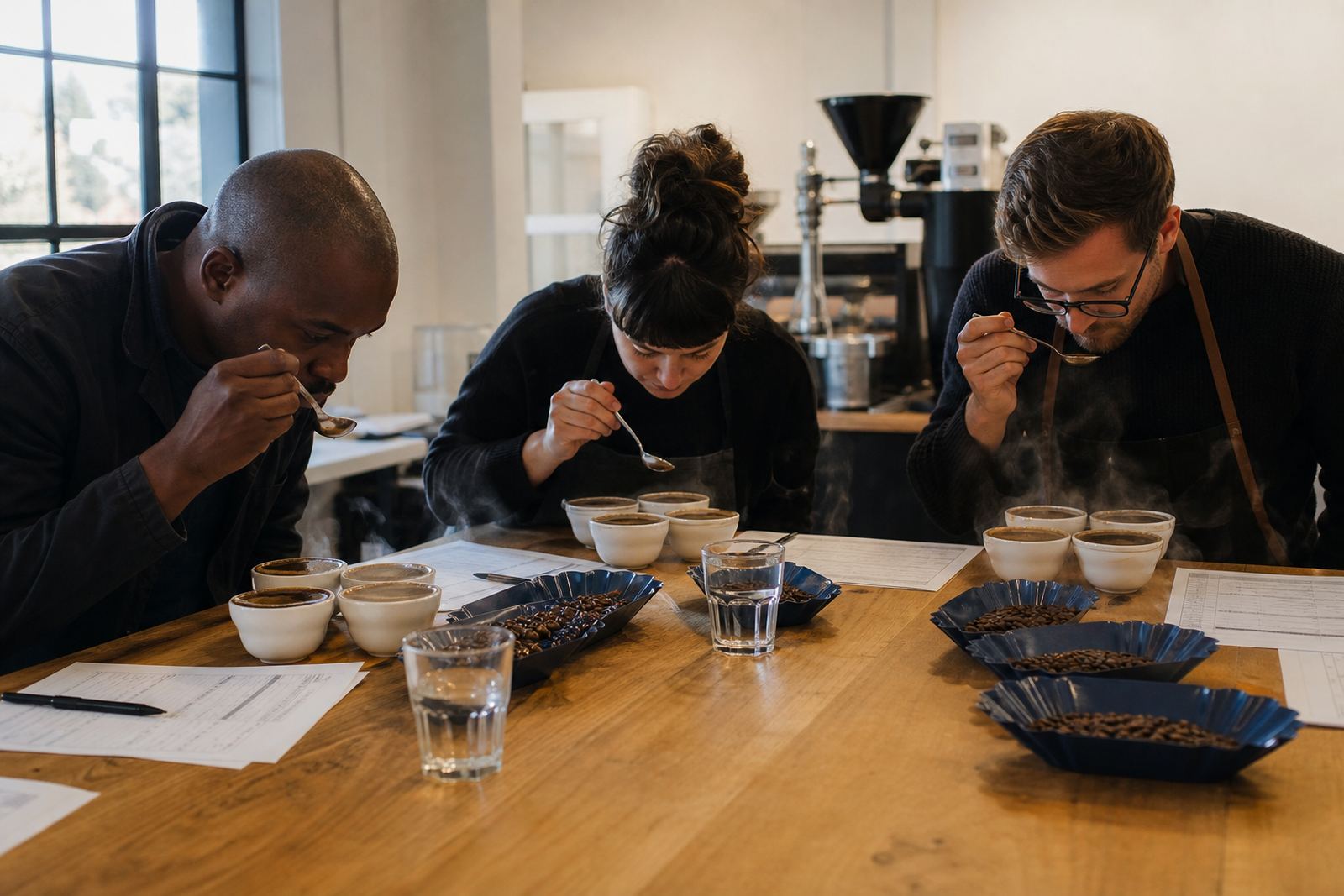
Before tasting begins, we weigh and grind each sample to the same standard. Water temperature, grind size and contact time all need to be consistent. If one sample is finer or cooler than another, the results become hard to trust.
We usually line up coffees by origin, process or roast date, then taste them blind or semi blind depending on what we are checking. A natural process lot from the highlands will behave differently to a washed coffee from a lower altitude, and that is exactly the point. The process helps us hear the coffee, so to speak, without our own expectations getting in the way.
- Freshly roasted samples, rested long enough to settle
- Clean cups, spoons and a quiet tasting space
- Filtered water at a steady temperature
- Grinds matched across all coffees for fair comparison
Breaking the crust and reading the first aromas
Once hot water is added, the grounds form a crust on top. We wait, then break that crust with a spoon and move through the foam to release the first aromas. This is where the cup starts telling its story. Floral notes, stone fruit, cocoa, citrus or spice may show up immediately, and a stale or baked roast will often reveal itself just as fast.
The aroma stage is useful because it picks up early signs of roast development. If the coffee smells flat, dusty or grassy, we know the roast has not finished forming the flavours properly. If it smells too dark or smoky, the structure may be hiding the origin character. Either way, we adjust before the coffee is packed for subscriptions or sent to a hospitality client.
- Crust break happens at the same time for every sample
- We note fragrance, aroma and any obvious defects
- The first 5 minutes often show the clearest origin character
What we look for in the spoon
The spoon is where we taste the coffee at different temperatures. A cup can be bright and lively when hot, then become thin or harsh as it cools. We want the flavour to stay clear and pleasant all the way through, not collapse after the first sip.
Our team pays attention to balance, acidity, sweetness, body and aftertaste. Balance means none of those parts shout over the others. Sweetness gives the cup shape. Acidity should feel clean, not sour. Body should suit the coffee style, whether light and tea-like or fuller and rounder. Aftertaste matters too, because that is what people remember after the cup is gone.
- Assess the coffee hot, warm and cool
- Look for sweetness that supports the acidity
- Check if the finish is clean or drying
- Note whether the texture suits the intended brew method
Scoring roast development without losing origin character
Roast development is the line between a coffee that tastes raw and one that tastes complete. Too little development can leave the cup sharp, under sweet or woody. Too much can mute the origin and push the coffee towards smoke, carbon or a heavy bitterness. The aim is not darkness for its own sake, but a roast that fits the bean.
At A Cup Of, this is where Ayanda and the roasting team work closely with tasting notes from the rest of the crew. A coffee for a morning office bar may need a broader, more forgiving profile, while a single-origin subscription lot can carry a more delicate expression. We test for repeatability too, because one good cup is not enough if the next 20 bags drift off target.
- Development should support sweetness and clarity
- Origin character must still be easy to recognise
- Bitterness, baked notes and sharpness are warning signs
- Roast choices change with season, density and moisture content
How cupping guides subscriptions, menu planning and training
Cupping is not only for the roastery. It shapes the coffee people receive at home and at work. If a seasonal lot tastes best as espresso, we may steer it toward a different brew recommendation. If a more delicate coffee shines as a filter, that matters for menu planning and brew training too.
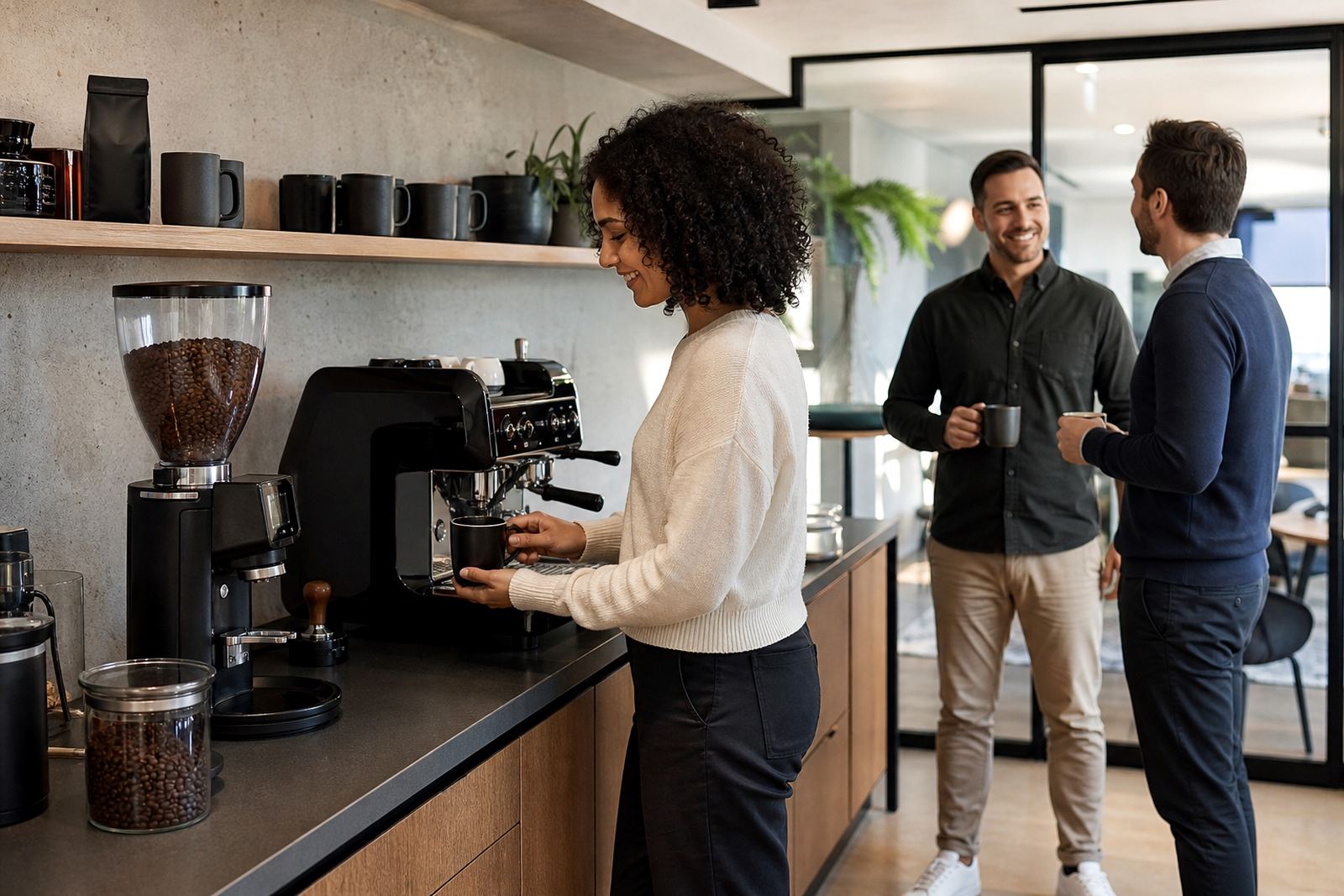
This is also useful for stock forecasting. When we taste through incoming coffees, we can see which lots will suit hospitality coffee service, meeting room coffee, wellness room use or event planning. In Cape Town, for example, a coastal office with humidity and early morning traffic may need one profile, while a quieter inland office in Johannesburg might prefer another. Small details matter, and they save money when the right coffee lands in the right place.
- Helps match coffee style to brew method and service setting
- Supports seasonal rotation instead of running old stock too long
- Guides grind calibration and brew training for clients
- Makes subscription choices easier for customers who want variety
A Cape Town example of the process in practice
Picture a Friday morning in Woodstock. A new single-origin lot arrives after a long week of rain, and the team sets up a cupping side by side with an older seasonal coffee. One sample opens with jasmine and nectarine, the other leans towards cocoa and roasted almond. Both are good, but for different reasons. The first may suit a filter subscription box, while the second may be the better fit for a busy office that wants a steadier cup.
That kind of decision is practical, not theoretical. It affects what gets packed, how the brewing notes are written and which clients are likely to enjoy the coffee most. Good cupping does not try to make every bean taste the same. It helps us place each coffee where it belongs, and that keeps the quality honest.