
Why the same coffee tastes different in espresso and filter
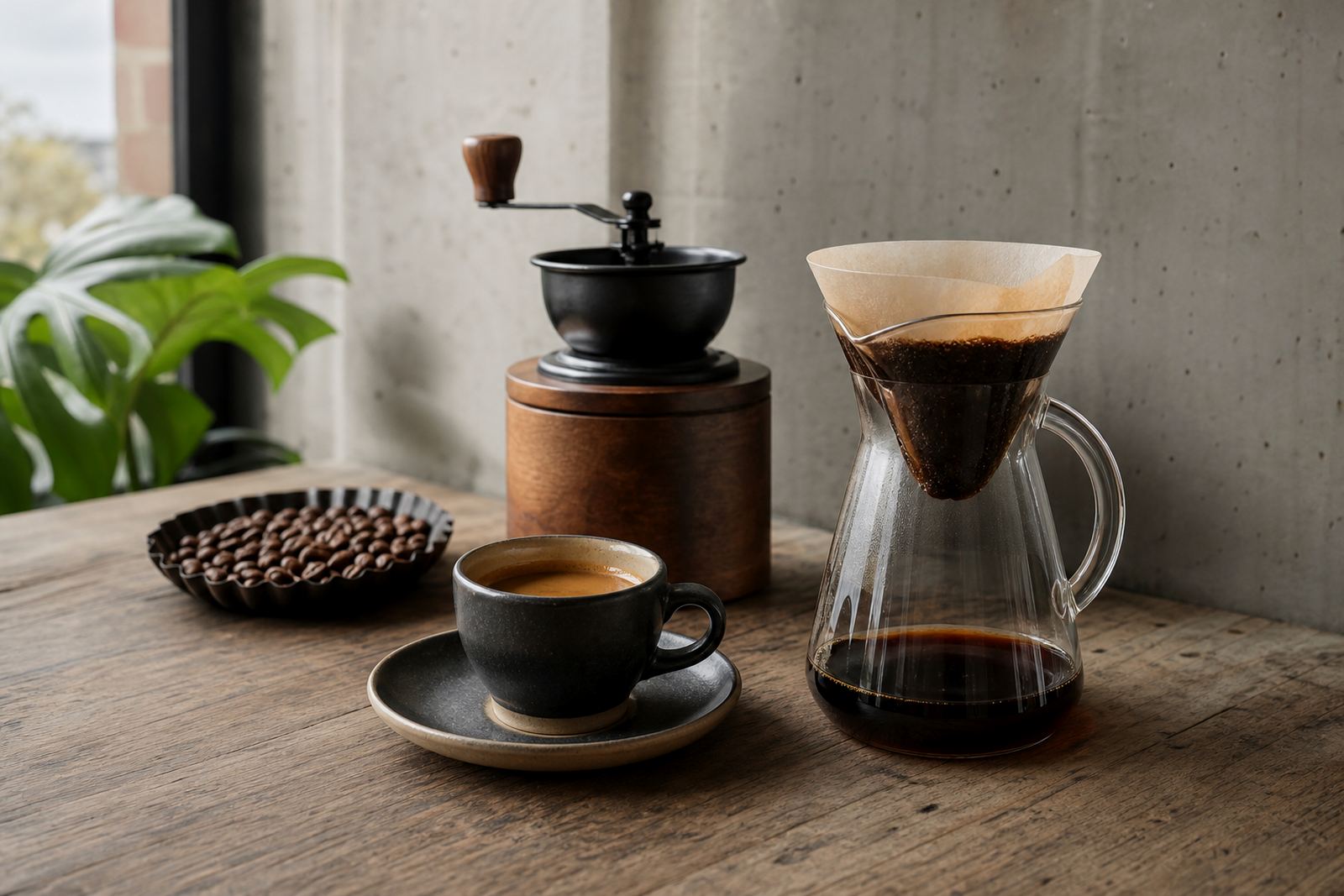
Espresso is brewed under pressure with a very fine grind and a short contact time. Filter coffee uses gravity, a medium grind and a slower pass through the coffee bed. That one shift changes how much of the bean ends up in the cup, which is why the same single-origin can taste syrupy and intense as an espresso, then brighter and more open in a filter brew.
At A Cup Of we see this every week with customers in Woodstock and across Cape Town who order one bag but use it in two ways at home. A washed Ethiopian can show lemon and jasmine in filter, then taste more concentrated and cocoa-like as espresso. A natural process coffee can feel fruit-forward in filter but heavier and sweeter in espresso. Same origin, different cup.
The important part is not which method is better. It is knowing what each method does best, then choosing the one that suits your routine, your equipment and the flavour you enjoy most.
Espresso gives intensity, body and a quick hit
Espresso is the drink most people think of when they want a short, strong coffee. It is usually made as a 25 to 35 second extraction, and that short brew time pulls out a dense, layered cup with crema, body and a punchier finish. Because the serving is small, the flavour feels concentrated even when the actual caffeine per cup is not always higher than a larger mug of filter coffee.
People often choose espresso when they want:
- a fast cup before work or between meetings
- a base for milk drinks like flat whites, cappuccinos and lattes
- a richer mouthfeel and lower perceived acidity
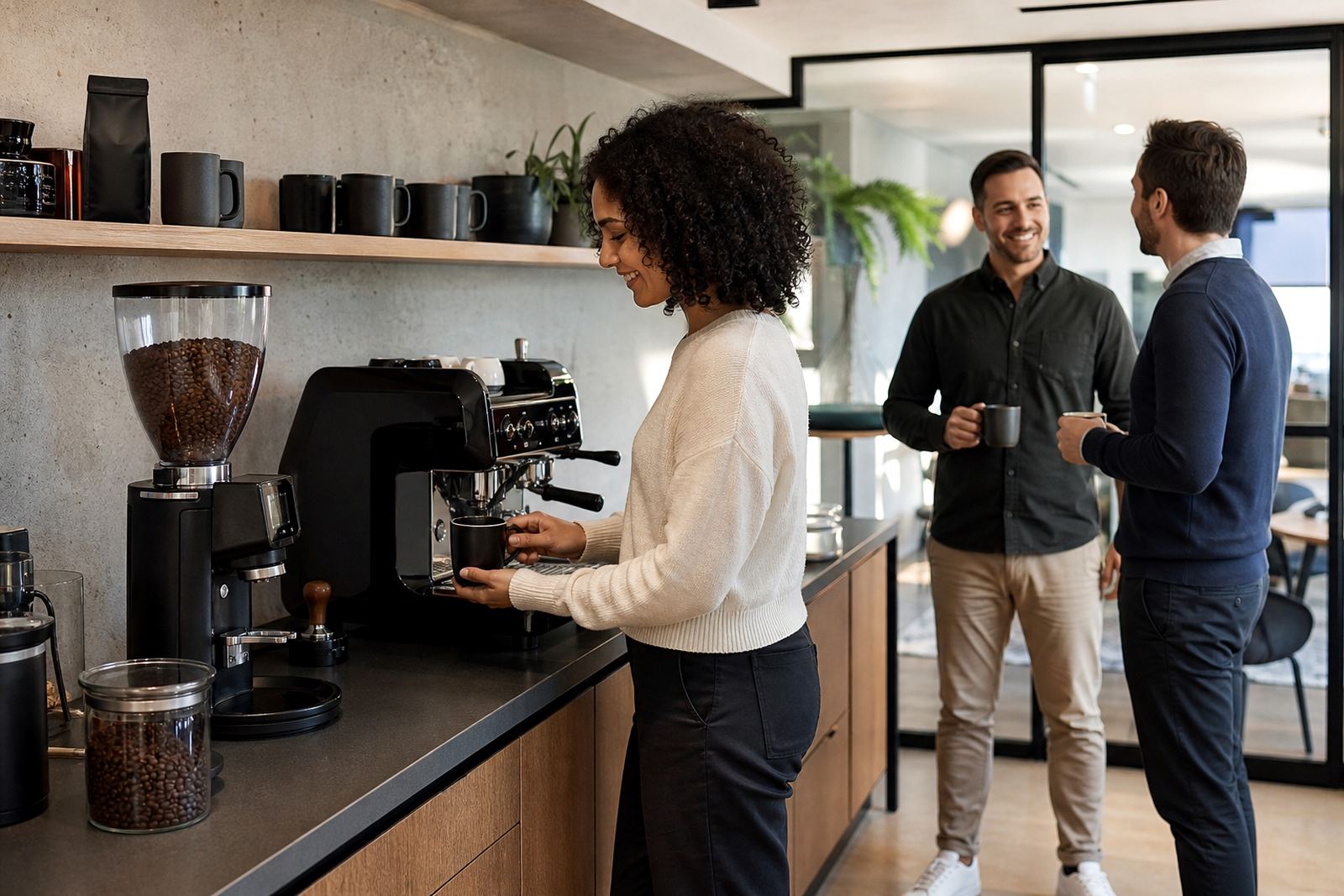
- a consistent cafe-style result from a machine at home or in the office
Espresso is less forgiving than filter. A small change in grind, dose or tamp pressure can shift the result quickly. In summer humidity in Durban or in coastal Cape Town, beans can behave differently day to day, so grind calibration matters. If the shot runs too fast, it can taste thin and sharp. Too slow, and the cup may feel bitter and dry.
Filter coffee shows clarity, nuance and volume
Filter coffee is the better choice when you want to taste the details in a bean. The slower brew brings out sweetness, clarity and a cleaner finish. You notice fruit, florals, tea-like notes or soft chocolate more easily because the cup is less concentrated than espresso. For many households and meeting rooms, that makes filter the easiest way to serve a few people at once without needing someone to work a machine all morning.
It also suits larger mugs, longer conversations and steady drinking through the day. In a busy office in Pretoria or Johannesburg, filter can make more sense than repeated espresso pulls if people want a cup during the morning run of calls. In a small guesthouse in Gqeberha or a wellness room in Cape Town, it gives a calmer pace and less fuss around the machine.
- Ideal for pour-over cones, batch brewers and plunger-style setups
- Best with a medium grind and clean, filtered water
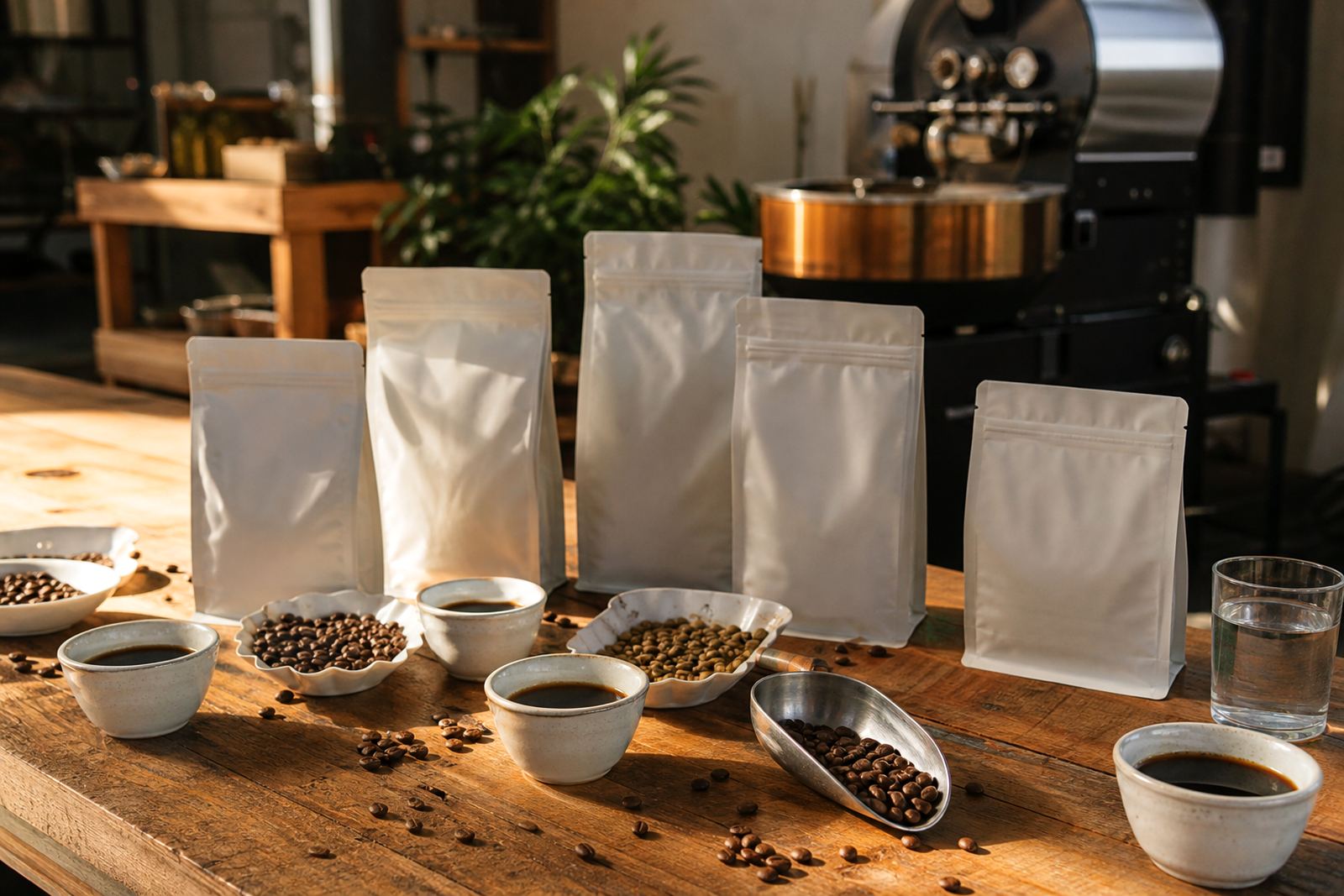
- Works well for tasting flights across different single-origin coffees
- Easy to scale for homes, boardrooms and hospitality service
How roast level and origin influence both brews
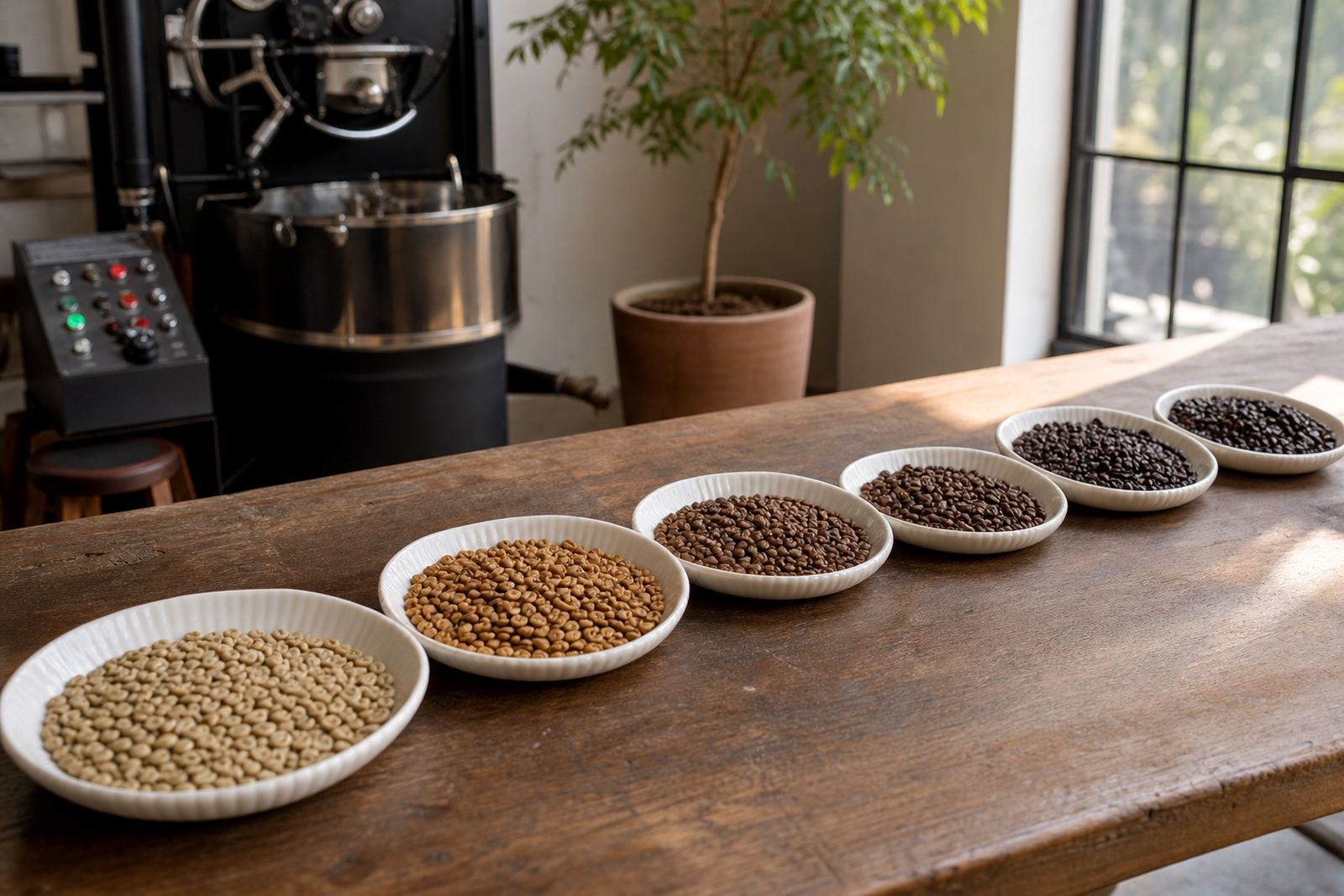
Not every coffee suits both methods equally. A light roast often performs better in filter because the brighter acids and delicate aromatics have room to open up. A medium roast can work beautifully in either method if the extraction is dialled in. Darker roasts tend to lean towards espresso, where their heavier body and lower acidity can feel balanced, though some people still enjoy them as a filter for a more straightforward cup.
Single-origin coffees are useful here because they make the differences easier to taste. A Rwanda lot may show red fruit in filter and dark cherry in espresso. A Colombian coffee may taste like stone fruit and caramel in filter, then turn into a fuller, nutty cup in espresso. That shift is useful for menu planning, because the same coffee can support more than one drink style if you know how to present it.
Roast development matters too. If a coffee is roasted too lightly for espresso, the shot may taste sour or thin. If it is roasted too dark for filter, the cup may lean bitter and smoky. Matching the bean to the method saves time and waste, which matters when you are ordering for an office or a small hospitality setup.
Choosing the right brew for home, office or service
If you are setting up coffee for a home or workplace, start with the people rather than the machine. Do they want speed, strength and milk drinks, or do they want a larger cup they can sip over time? That answer usually points you to espresso or filter straight away.
Use this simple guide:
- Choose espresso if your team wants cappuccinos, flat whites and a quick drink at the counter
- Choose filter if you need multiple cups in a row with less hands-on work
- Choose both if some people want a short strong coffee and others prefer a mug
- Choose filter first if you are working with load-shedding, since many setups are simpler to run without constant power draw
For a small agency in Woodstock, we often recommend a compact espresso setup for the bar area and a filter option for meetings. That way the team gets choice without overcomplicating service. For a larger office in Sandton or a hotel in the Southern Suburbs, a planned mix of espresso and batch filter can keep queues down and help with stock forecasting.
Practical taste notes to help you decide
If you are unsure which style suits you, taste with a simple checklist. Brew the same coffee both ways and compare what you notice first. Keep the water, dose and brew ratio as consistent as possible. Then look at aroma, sweetness, body and finish rather than only asking whether one is stronger.
- Espresso often tastes: denser, sweeter, fuller, sometimes more bitter if over-extracted
- Filter often tastes: cleaner, brighter, more layered, sometimes lighter in body
- Espresso suits: milk-based drinks, short breaks and high-volume service
- Filter suits: tasting notes, longer drinking and easy batch serving
At home, a useful rule is this: if you enjoy the flavour of black coffee and want to taste the origin clearly, start with filter. If you prefer a concentrated cup with texture, or you mostly drink coffee with milk, start with espresso. Neither is a compromise. They just highlight different sides of the same bean.
When we help customers in Cape Town, Johannesburg, Pretoria, Durban and Gqeberha, the best result usually comes from matching the method to the moment. Morning rush, meeting room, guest service or a quiet cup after lunch, each one asks for something slightly different and coffee should fit that rhythm.