

Why single-origin coffee acts differently once milk is added
Single-origin coffee is usually chosen for its specific flavour profile, whether that is citrus, berries, stone fruit, caramel or a more chocolate-led cup. Add milk and those flavours shift. The milk softens acidity, rounds out texture and can hide delicate notes if the coffee is too light or too thin in the cup.
That is why a coffee that tastes bright and complex as a black espresso may feel flatter in a cappuccino. In milk drinks, the goal is not just flavour intensity, it is balance. You want enough structure to cut through the milk, but not so much roast character that the drink turns dry or harsh. In Cape Town, where many people ask for a milk drink with a cleaner finish, this matters even more on a warm day when coffee can taste sharper than expected.
A good milk drink made with single-origin coffee should still taste like coffee, not like hot milk with a vague aftertaste. The origin should be obvious enough to notice, even after the milk is poured.
The best origin styles for flat whites and cappuccinos
Not every single-origin coffee behaves the same way in milk. Some origins bring fruit and florals that show best in smaller milk drinks, while others lean into cocoa, nuts and caramel which can be easier to drink with milk every day. Roasting style matters too. A medium roast often gives the best middle ground for milk service.
- Washed Central and South American coffees often give clean sweetness, caramel and soft citrus in flat whites.
- Brazilian or other low-acidity origins can bring nutty, chocolate notes that hold well in cappuccinos.
- East African coffees can work beautifully if the milk ratio is controlled, especially in shorter drinks.
- Honey processed coffees can give a sweet middle palate that sits well between espresso and milk.
If you are making a cappuccino at home, the safer choice is often a coffee with more body and lower acidity. If you want more character, a flat white gives the coffee a better chance to speak up. A cappuccino with extra foam can mute delicate notes, so the bean needs enough depth to stand up to it.
What flavour notes survive the milk, and what gets hidden
Milk does not erase flavour, but it changes the order in which you taste it. Bright acidity softens first. Sweetness usually becomes more noticeable. Bitterness and roast depth can feel stronger if the coffee is over-extracted. That means some flavour notes survive better than others.
In milk drinks, these notes usually carry through well:
- Chocolate, cocoa and caramel
- Roasted nuts and almond
- Orange, apricot and soft stone fruit
- Light berry notes when the espresso is well balanced
These notes often fade or become harder to detect:
- Tea-like florals
- Very sharp citrus
- Fine spice notes
- Super delicate fermented fruit character
If your coffee tastes lively as a pour-over but dull in milk, that does not mean it is bad. It may simply be a coffee that is better suited to black brewing. For cafés and offices serving both black and milk drinks, it helps to separate the espresso profile from the filter profile instead of trying to make one bag suit everything.
How roast level and espresso settings change the result
A single-origin coffee can taste completely different depending on how it is roasted and extracted. Light roasts can be lively and sweet, but in milk they may feel a little thin unless you pull a tighter shot. Medium roasts generally give more balance for flat whites and cappuccinos. Darker roasts bring more bitterness and smoke, which can overpower milk and leave a dry finish.
Grind setting and brew ratio matter just as much. If the shot runs too fast, the coffee may taste sharp and underdeveloped. If it runs too slow, the milk drink can become heavy and bitter. In a busy café, that is where grind calibration becomes part of the service, not just a technical extra.
For practical use, aim for consistency first. A coffee that tastes excellent one day and hollow the next is usually being pulled with too much change in dose, grind or water temperature. On the South Coast and in humid areas like Durban, grind behaviour can shift through the day, so the dialling-in process needs regular attention.
Milk choice, texture and temperature make a bigger difference than most people think
The milk itself changes the cup just as much as the coffee does. Whole milk gives sweetness and body, while low-fat milk can make the drink feel thinner and more acidic. Plant milks vary a lot, so the same single-origin coffee can taste bright in one and muddy in another.
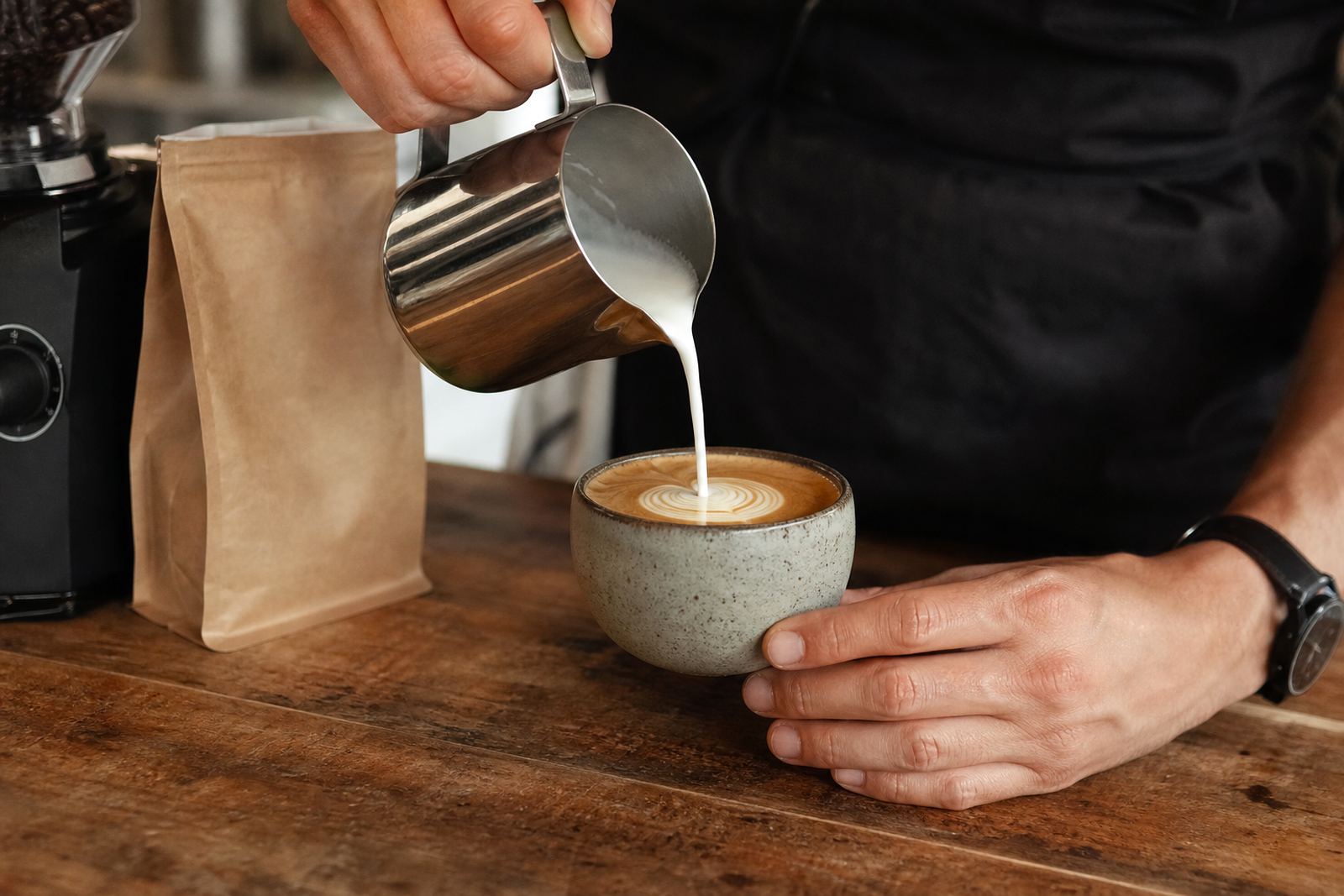
Temperature is also critical. If milk is overheated, the sweetness drops and the cup can taste flat. Over 65 degrees Celsius, many coffees lose clarity. With single-origin coffee, that is often where the flavour gets covered up. A silky texture with fine foam helps the espresso blend into the milk without turning the drink heavy.
For a clean, balanced milk drink, keep an eye on:
- Milk temperature, ideally below the scalding point
- Foam texture, fine and glossy rather than dry and bubbly
- Milk volume, especially in a flat white versus a cappuccino
- Cup size, so the coffee is not drowned out
This matters in homes too. Many South African households use smaller mugs than cafés do, so a recipe that works in a 180 ml cup may not work in a 350 ml mug. Adjust the espresso strength rather than simply adding more milk.
A Cape Town example: what works on a busy milk-drink bar
At a Cape Town service counter or office coffee point, a single-origin espresso has to perform under pressure. Morning orders come in fast, the milk fridge opens and closes all day, and the machine may be working through load-shedding backup power one week and mains power the next. In that kind of setting, a coffee with steady sweetness and enough body is easier to serve well.
A common approach is to choose one origin that is clean and sweet enough for flat whites, then test it in cappuccinos and larger milk drinks before making it part of the everyday menu. If the coffee tastes good with whole milk, still has character in oat milk, and does not turn harsh when the shot is slightly longer, it is usually a good fit for service.
For offices in Woodstock, the Southern Suburbs or the Atlantic Seaboard, the same logic applies. A reliable single-origin coffee for milk drinks should be easy to repeat across the week, with stock forecasted properly so the recipe stays consistent from bag to bag.
How to choose a single-origin for milk service
If you are choosing a single-origin coffee for milk drinks, start with the cup style you serve most often. A flat white needs clarity and sweetness. A cappuccino can handle a little more roast depth. A latte gives you more room for softer notes, but it can also hide the coffee if the beans are too light.
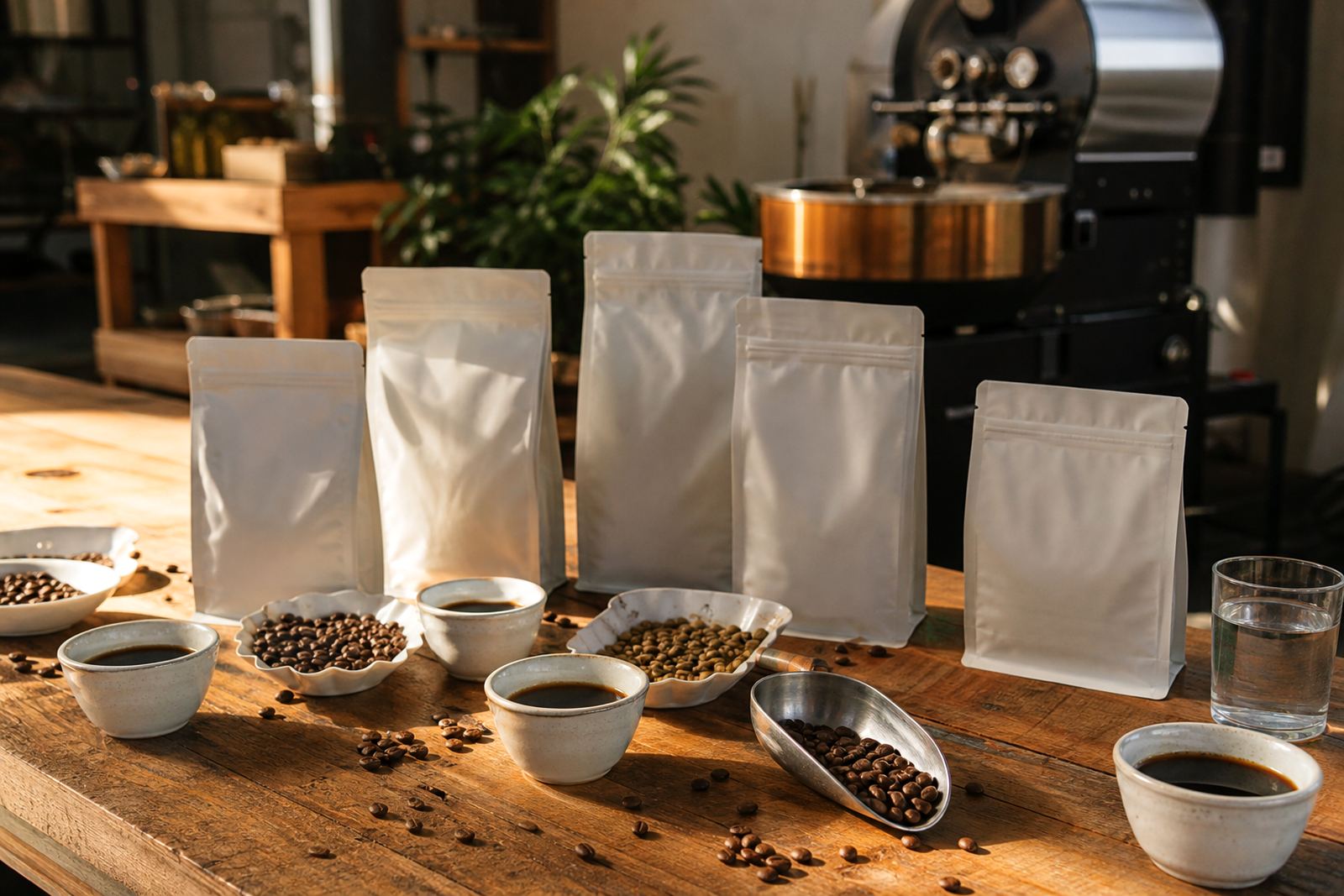
Before committing, taste the coffee in three ways: as espresso, in a flat white and in a cappuccino. If it only shines as black coffee, it may not be the right fit for milk service. The best milk coffees keep their shape, have a pleasant finish and still show where they came from.
When we advise cafés, hospitality venues and offices, we often suggest a simple tasting order:
- Check sweetness first
- Check whether the flavour is still recognisable after milk is added
- Check if the finish is clean or drying
- Check how the coffee behaves when the recipe is repeated by a different barista
That final point matters. Good milk coffee is not just about the bean, it is about whether the team can make it the same way every day. If the recipe is clear and the coffee is matched well to the milk drink, single-origin can work beautifully in regular service, not just on a tasting bench.