

Start With the Brewing Method You Actually Use
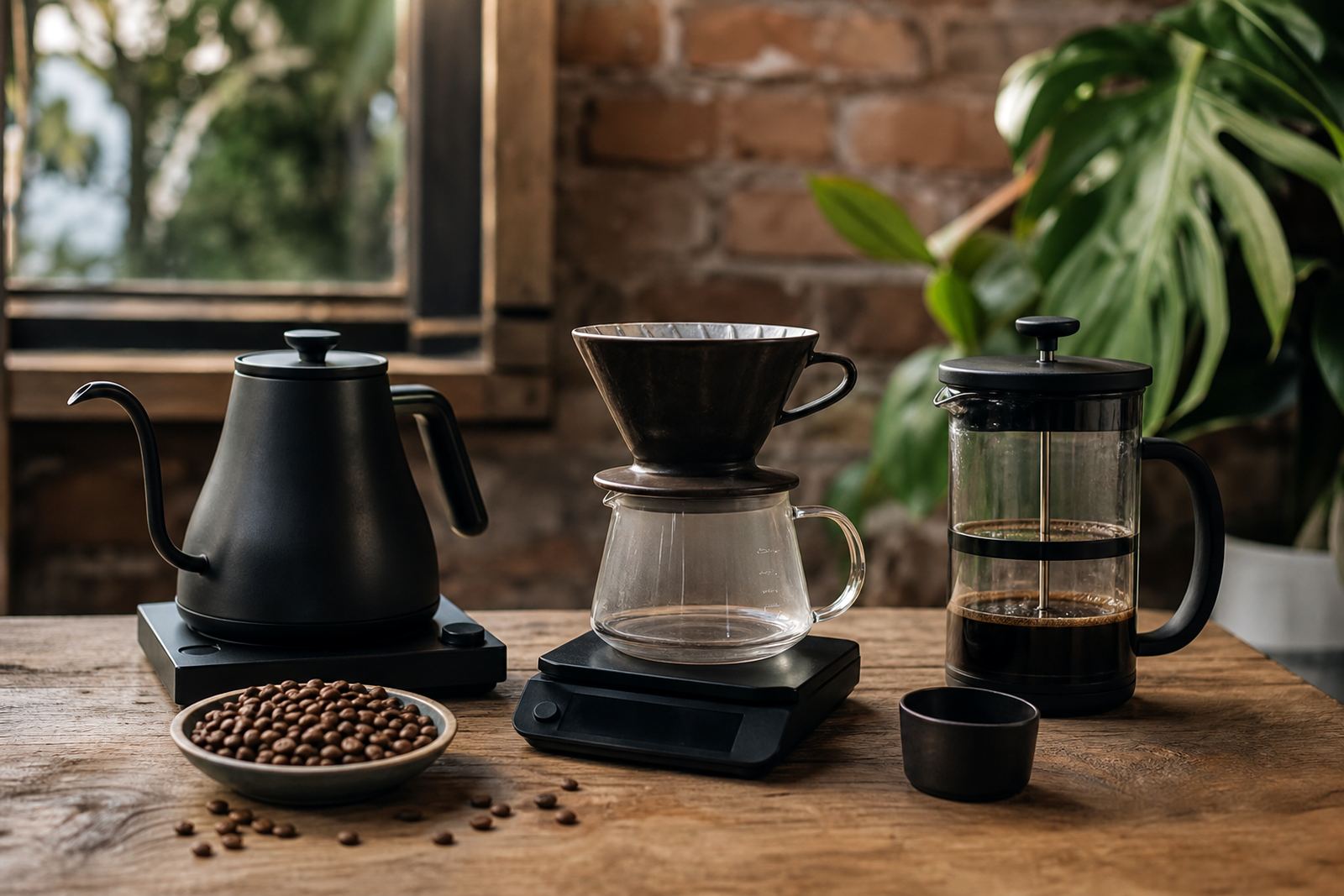
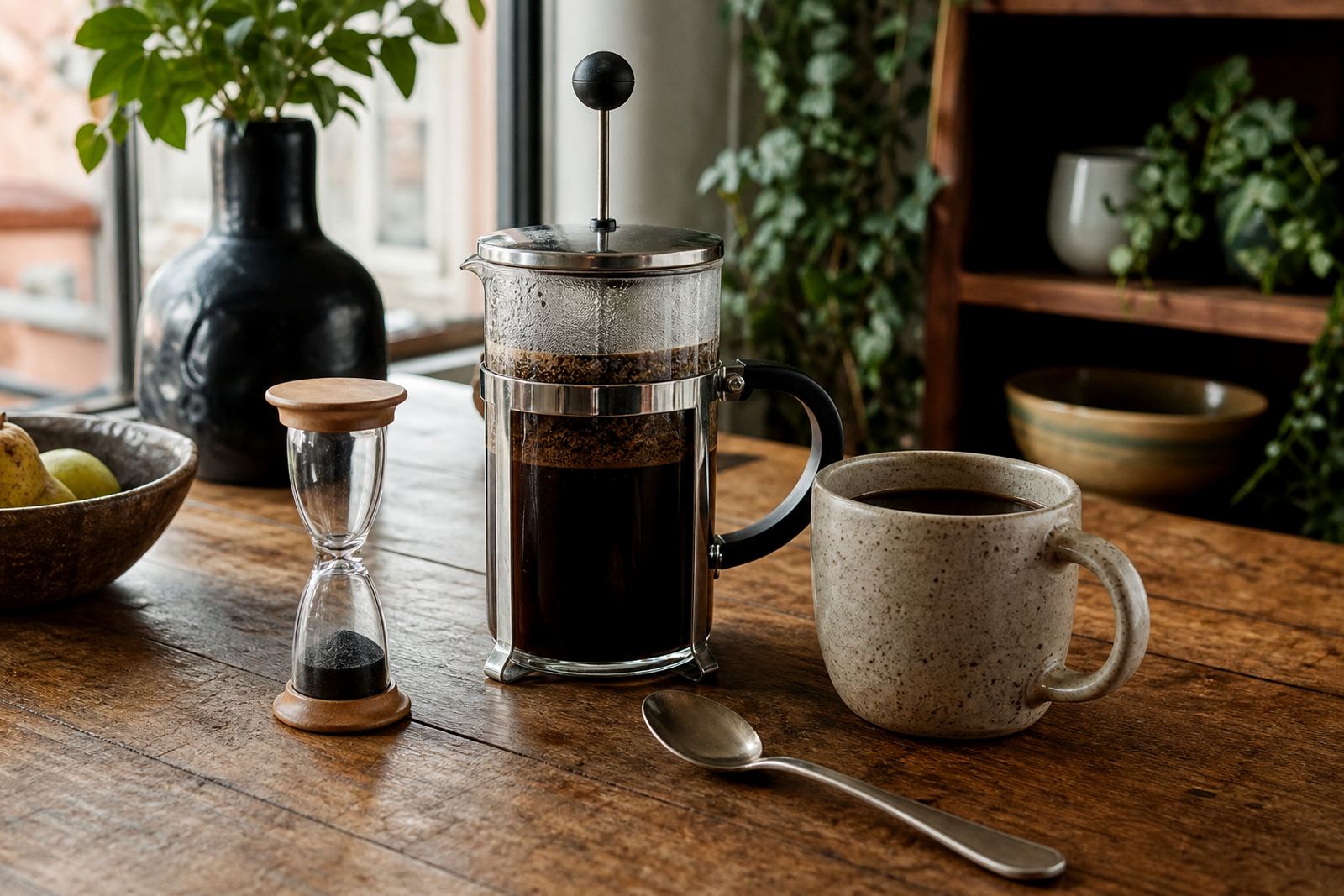
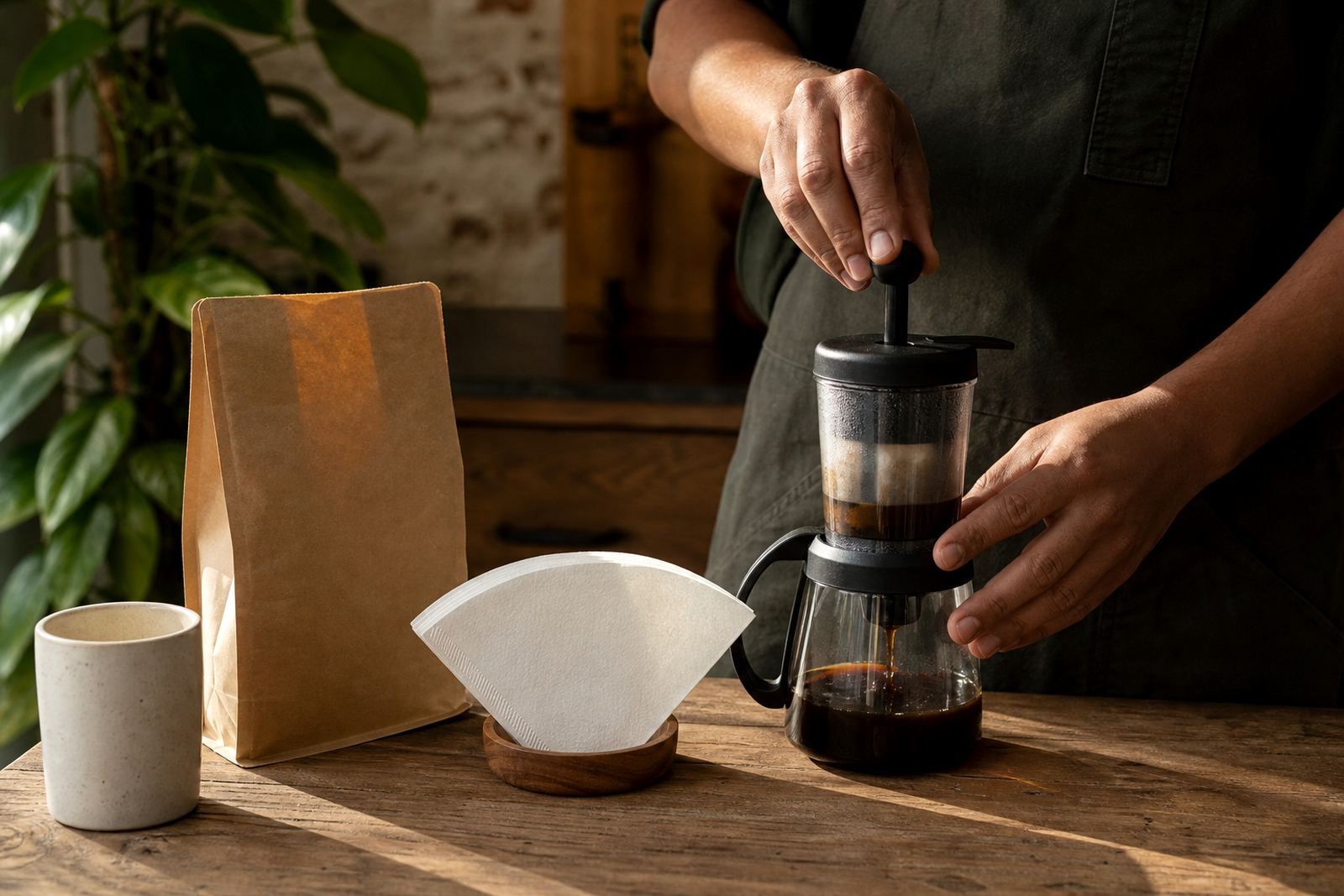
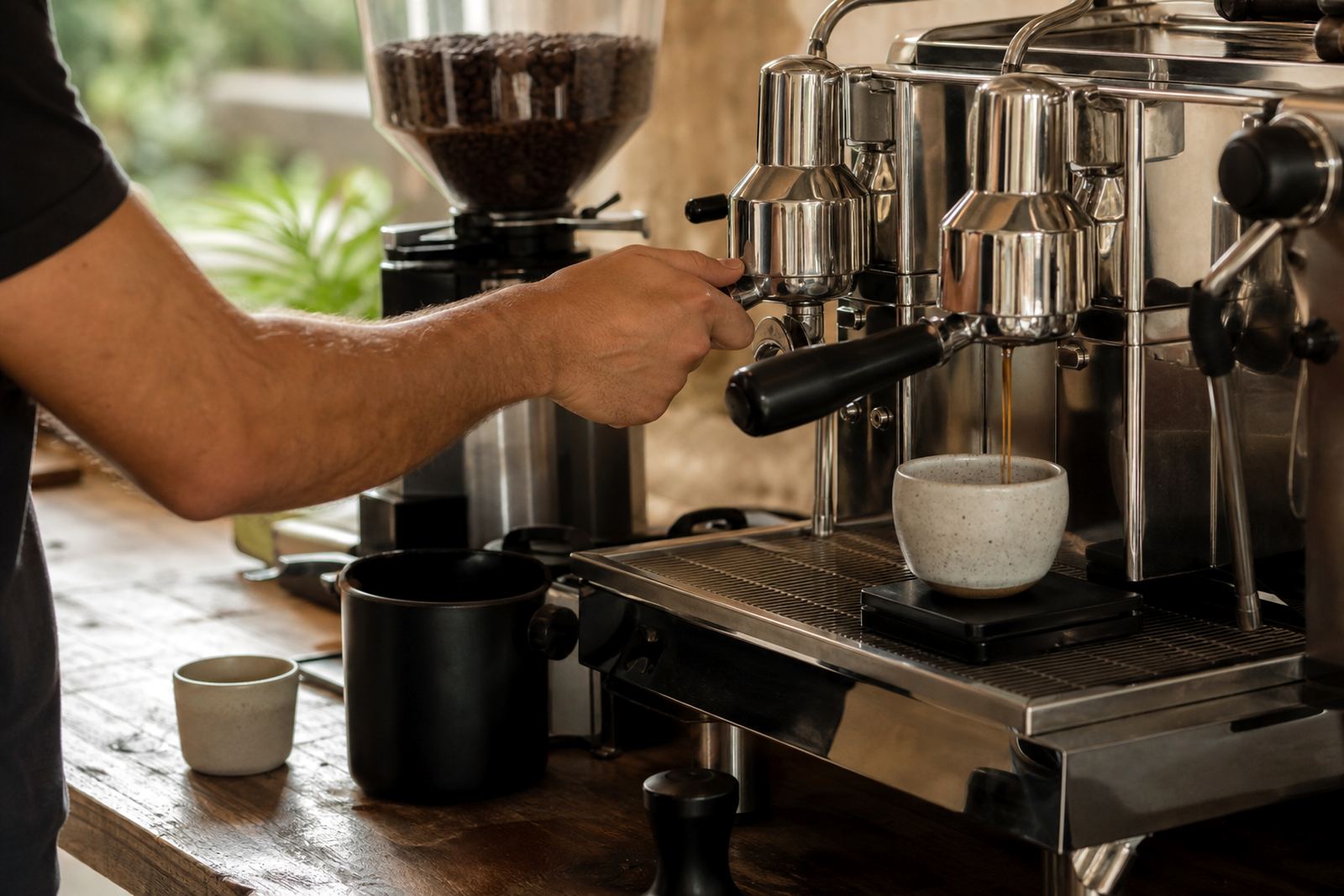
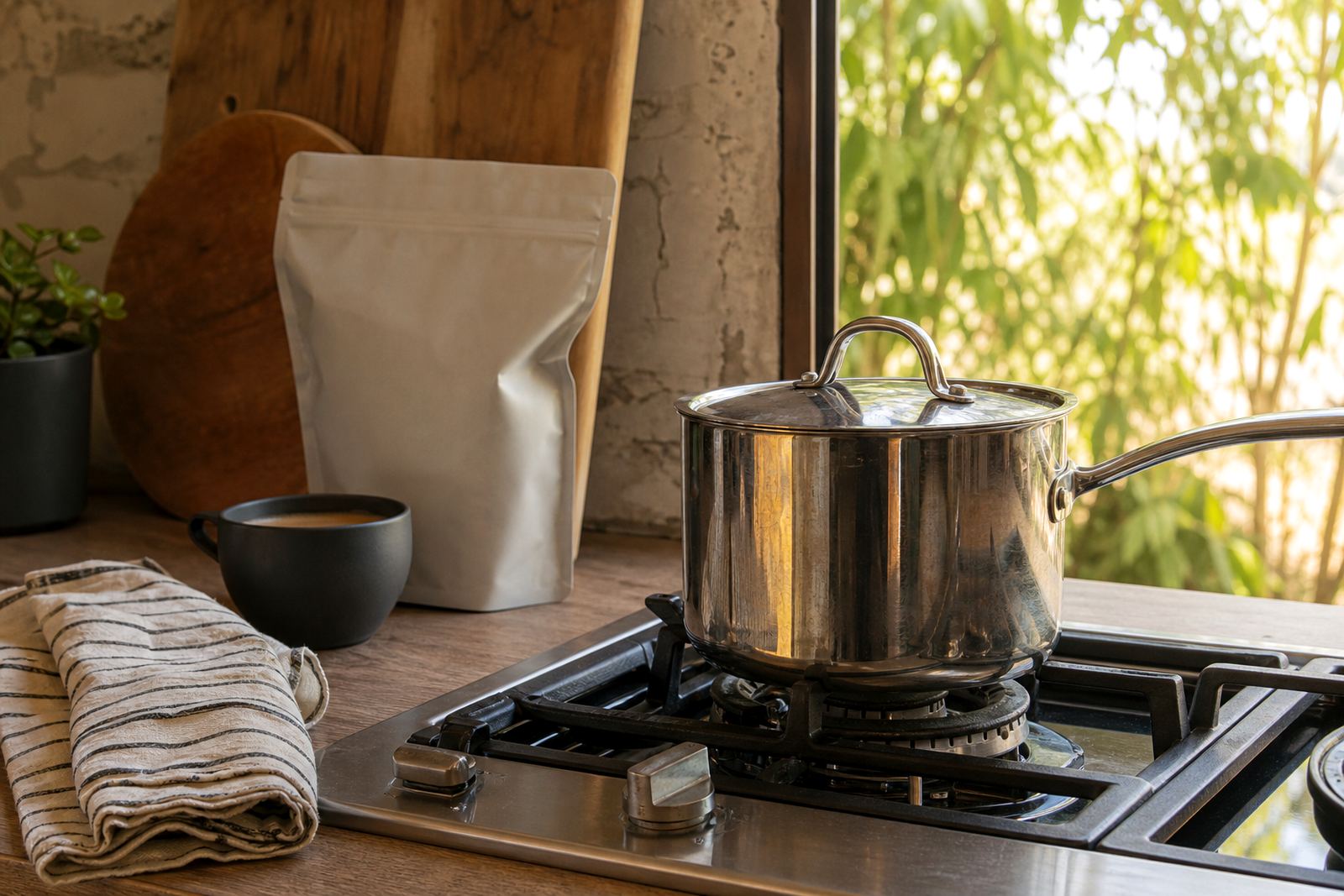
There is no single best way to make coffee. A French press gives you a fuller cup, pour over gives more clarity, moka pots make a stronger brew, and espresso needs tighter control. If you are brewing for one person at home, one method may be enough. If you are serving a team in Woodstock or a meeting room in Sandton, consistency matters more than fancy kit.
As a quick rule, choose a method based on how much time you have, how many cups you need, and how much cleaning you can manage before the next meeting starts.
- French press for easy brewing and a heavier body
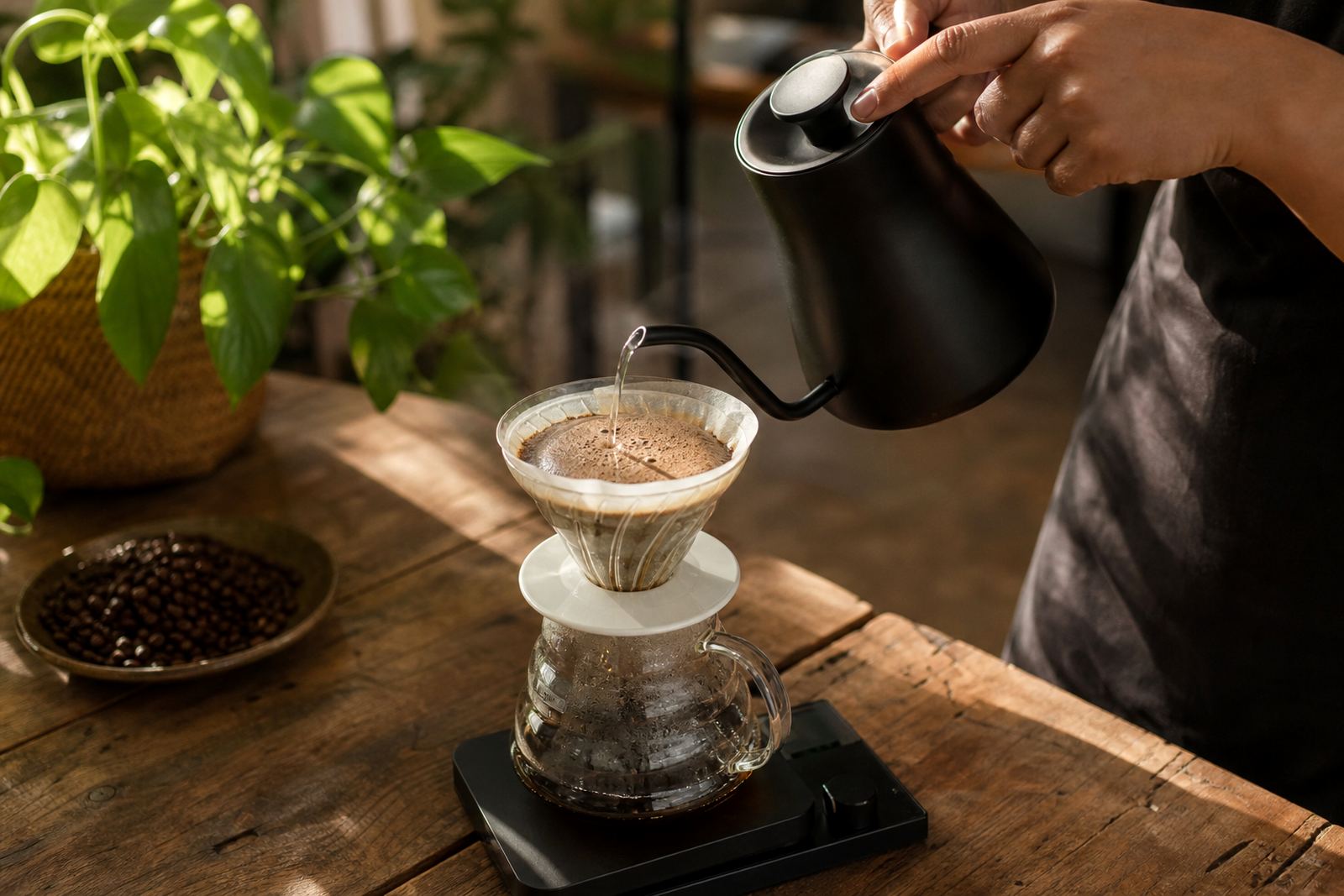
- Pour over for cleaner flavour and more control
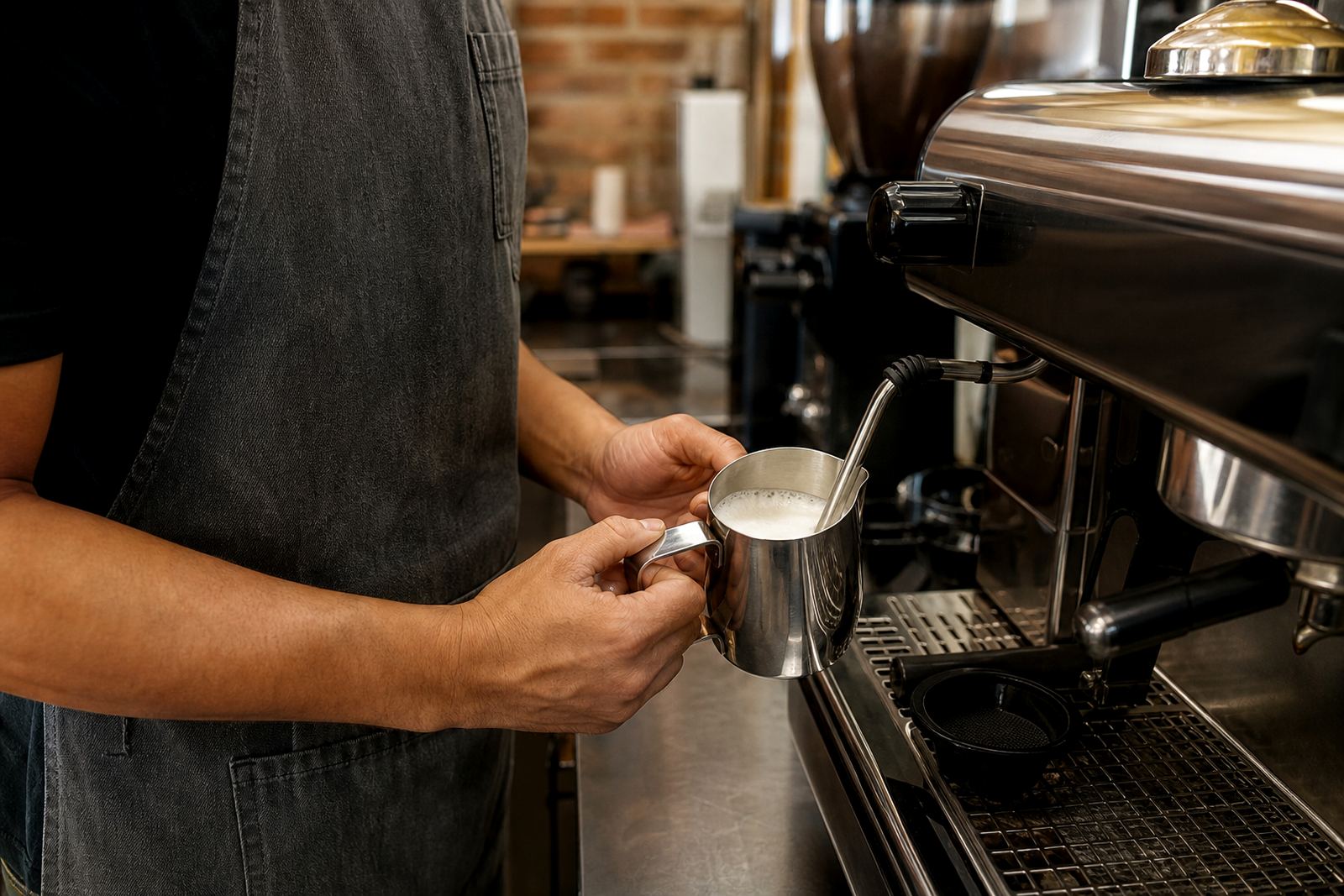
- Espresso for short, intense cups and milk drinks
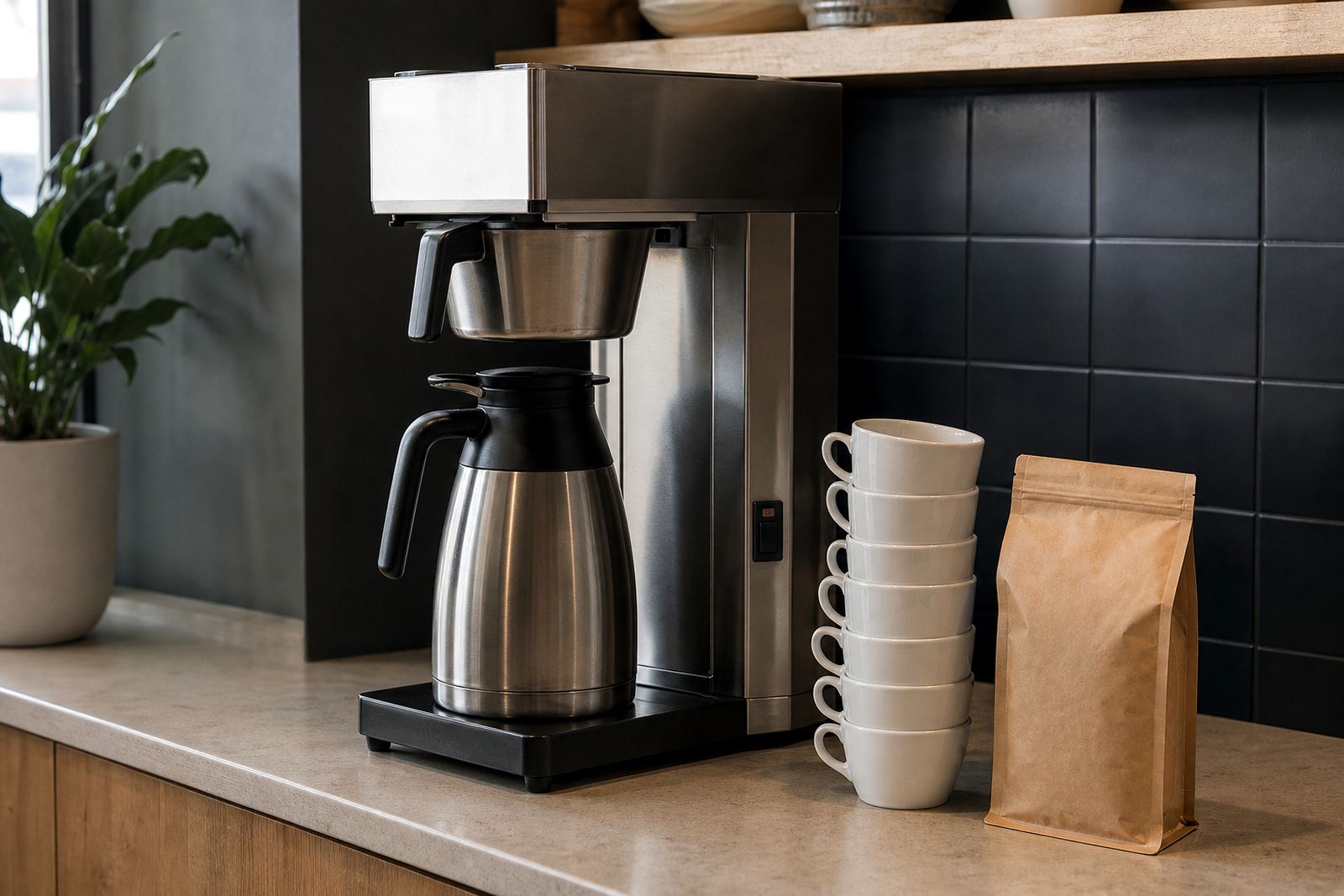
- Batch brewing for offices, receptions and busy homes
Get the Ratio Right Before You Change Anything Else
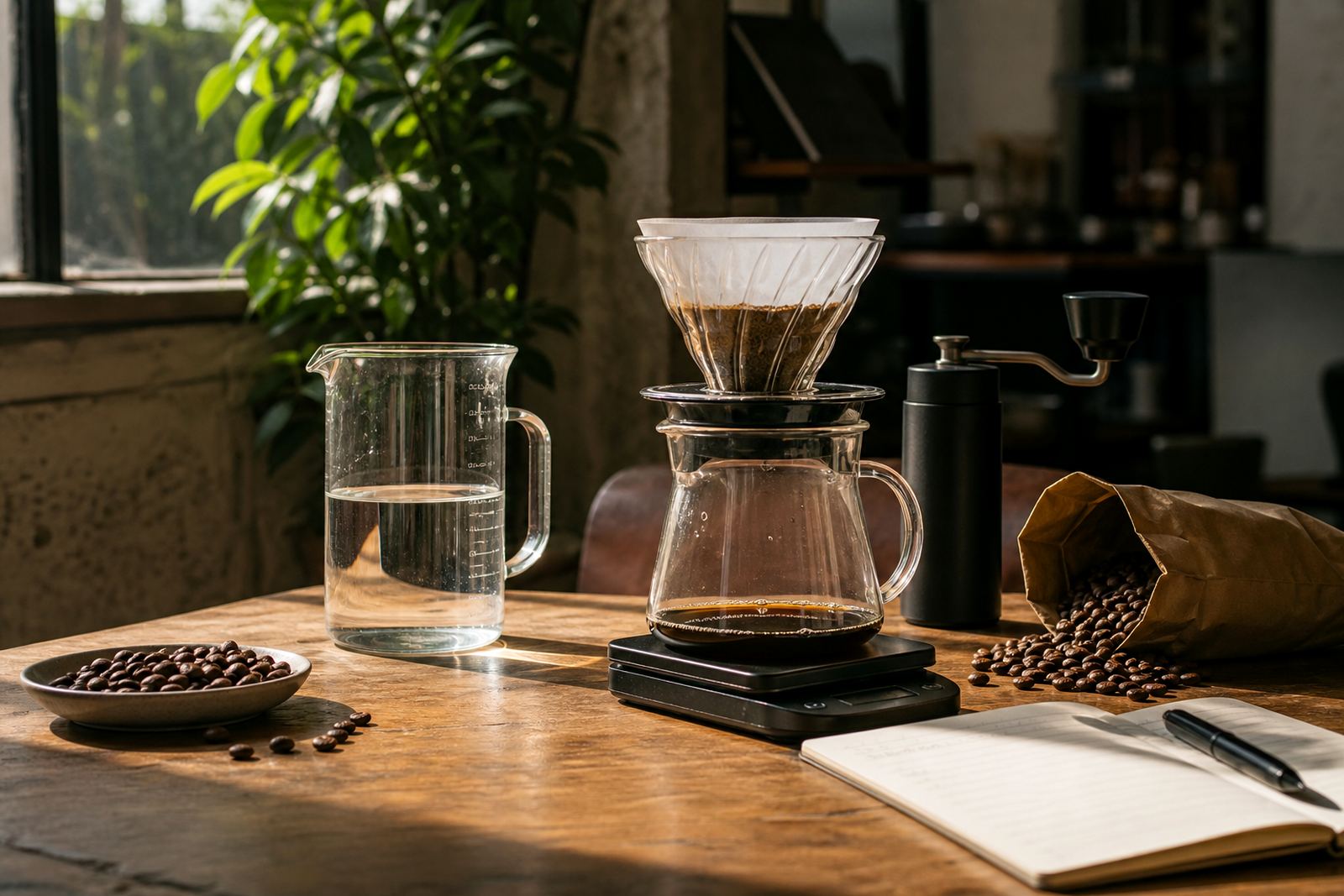
Most brewing problems start with the coffee to water ratio. A good starting point is 1:16 for filter coffee, which means 1 gram of coffee for every 16 grams of water. For stronger coffee, move closer to 1:15. For a lighter cup, go towards 1:17. If you do not have scales, use the same spoon and water vessel every time so your method stays repeatable.
Once your ratio is set, adjust one thing at a time. Change the grind first, then the water temperature, then the brew time. That keeps the results easy to judge and saves a lot of guesswork.
- 1:15 for a fuller, stronger cup
- 1:16 for balanced daily brewing
- 1:17 for a lighter finish with more acidity
- Use filtered water where possible, especially in coastal areas with hard or salty supply
Dial In the Grind for Your Equipment
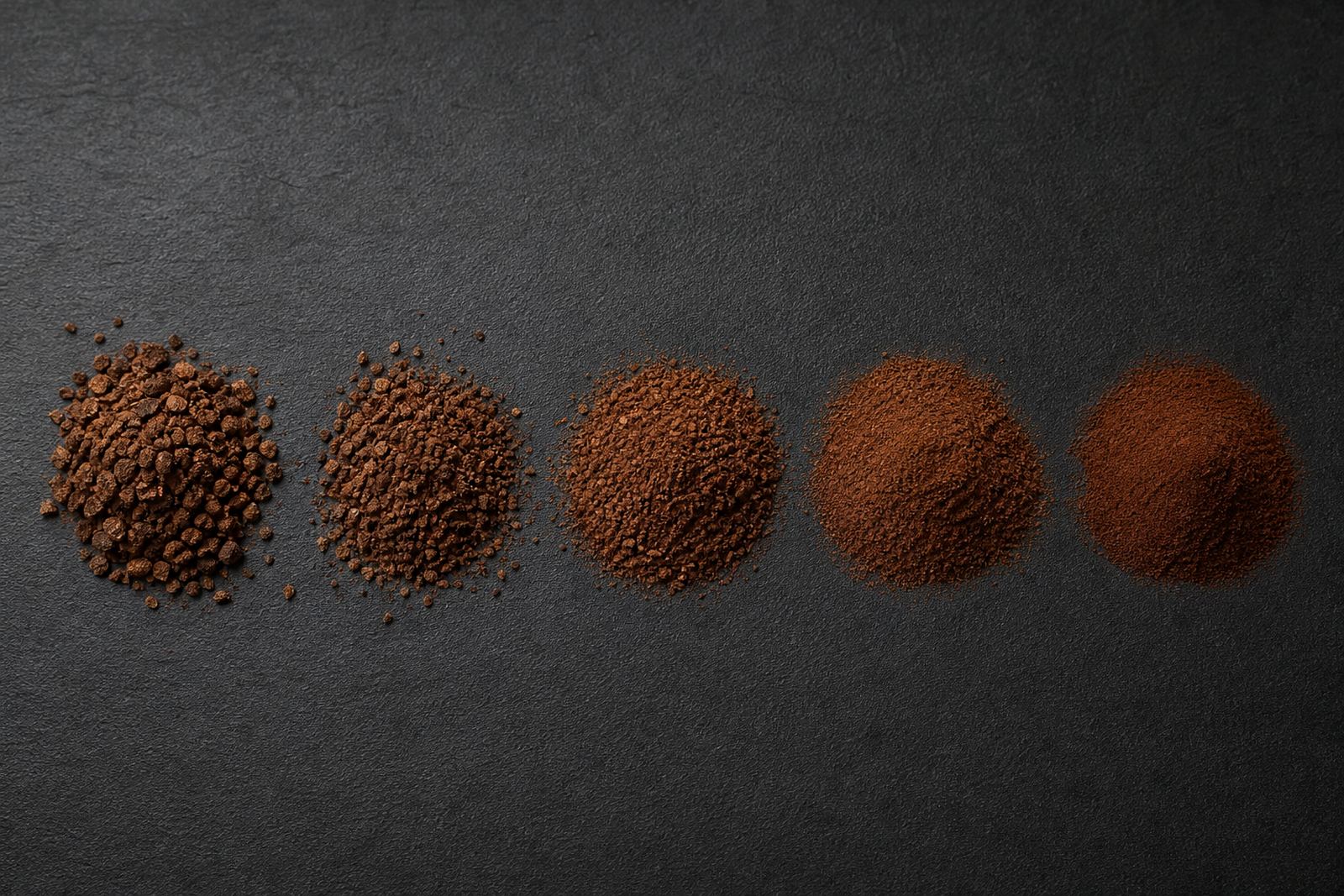
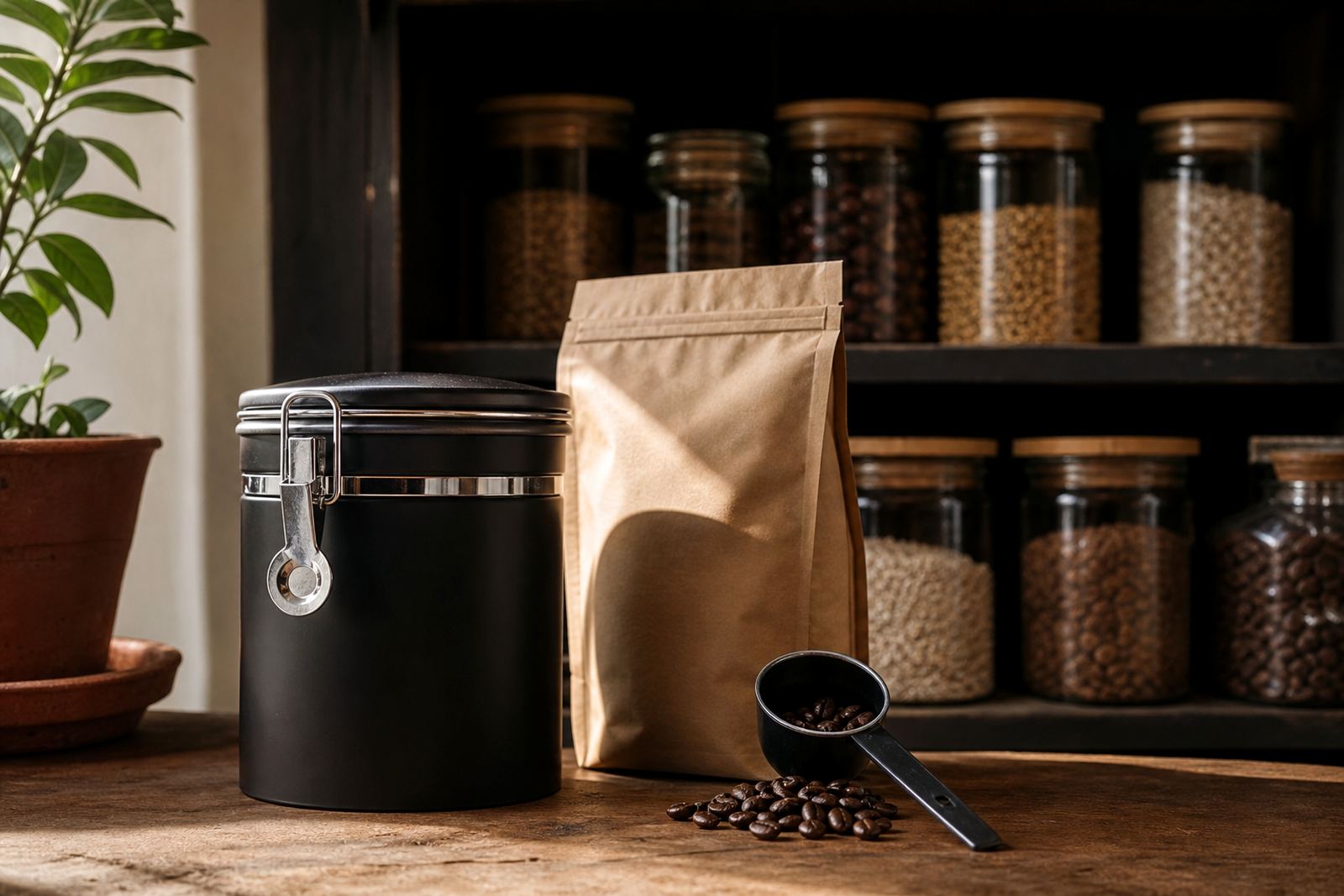
The grind size should match the method. Too fine and the coffee can taste bitter or feel muddy. Too coarse and it can taste thin and sour. For home brewing, a burr grinder is the most useful upgrade because it gives a more even grind than a blade unit. If you are in Durban or Gqeberha where humidity can affect beans through the week, store coffee in a sealed container and grind fresh each time.
When you change brew method, adjust the grind in small steps. One notch too fine can make a big difference on taste, especially on lighter single-origin coffees.
- Fine grind for espresso and moka pot
- Medium grind for drip and pour over
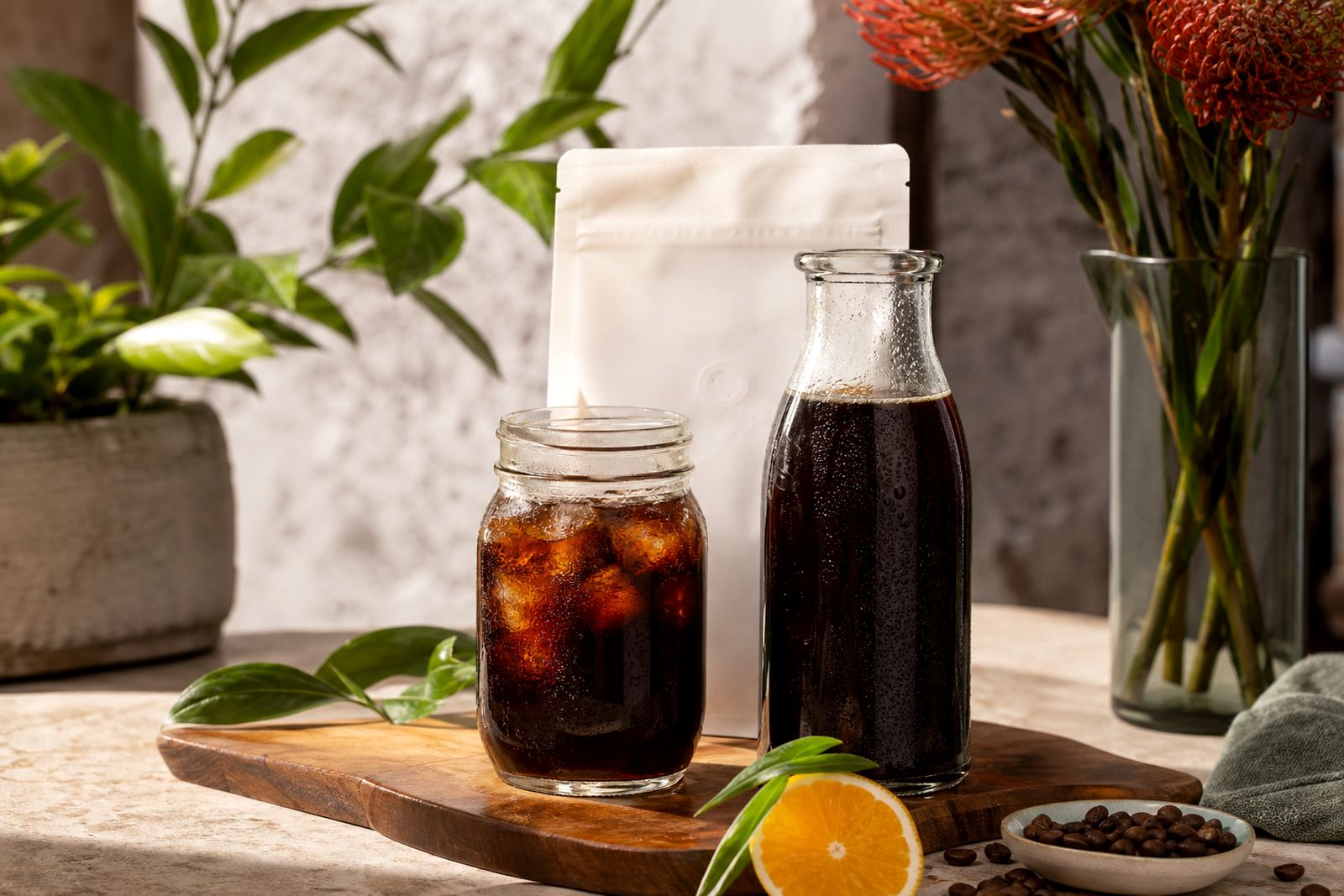
- Coarse grind for French press and cold brew
- If the coffee drains too slowly, go coarser
Timing, Water and Temperature Matter More Than People Think
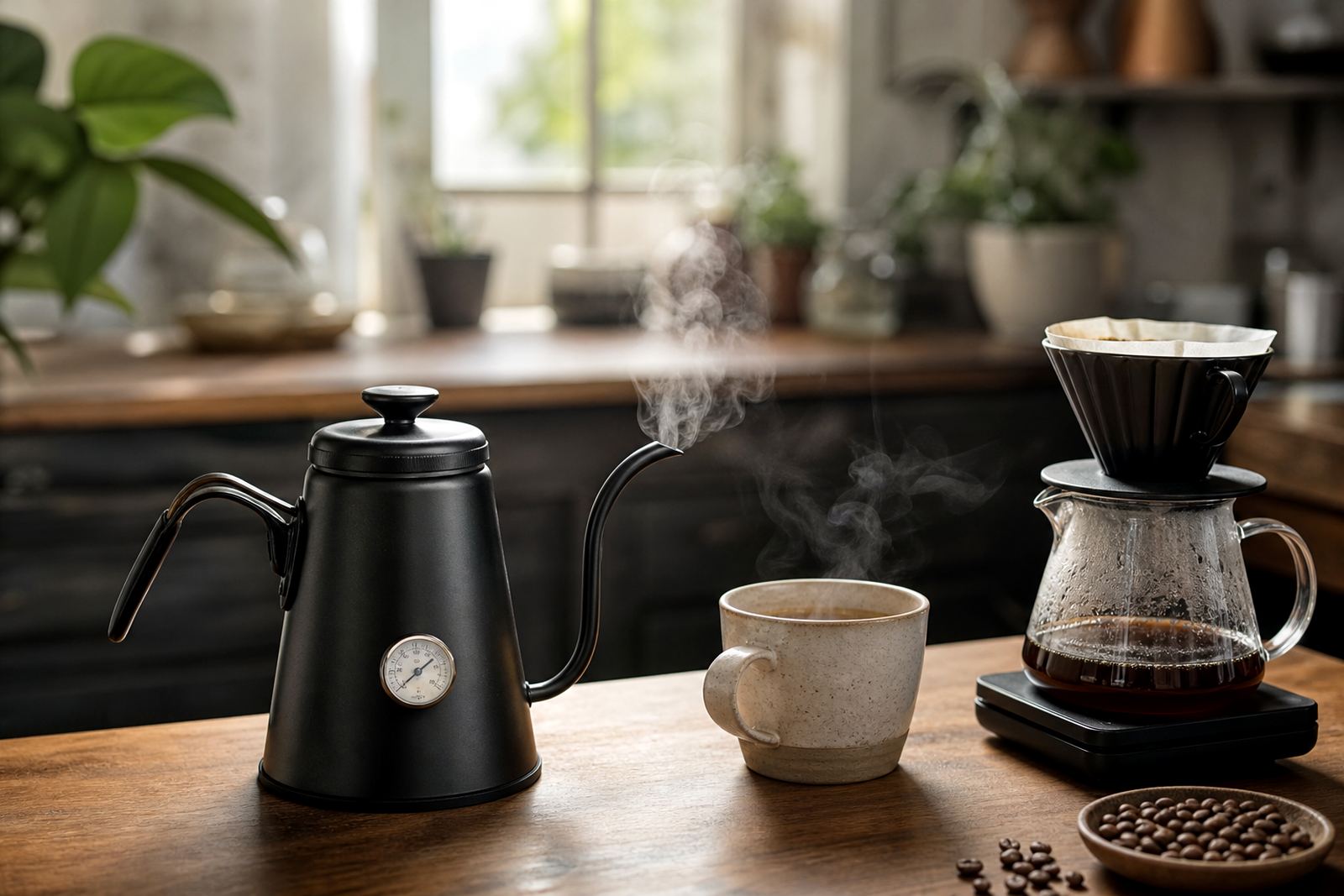
Water that is too hot can flatten delicate notes or make coffee harsh. A good brewing range is usually 90 to 96 degrees C depending on the method. For manual brewing, aim for water that has just settled after the boil. If the electricity has gone off and you are working around load-shedding, let the kettle sit a little longer before pouring. That small wait helps protect the flavour.
Brew time matters as much as temperature. A quick pour over may finish in 2:30 to 3:30 minutes, while a French press can sit for 4 minutes before pressing. Keep your timer handy and use the same routine each time.
Brew Better at Home, at Work or on the Move
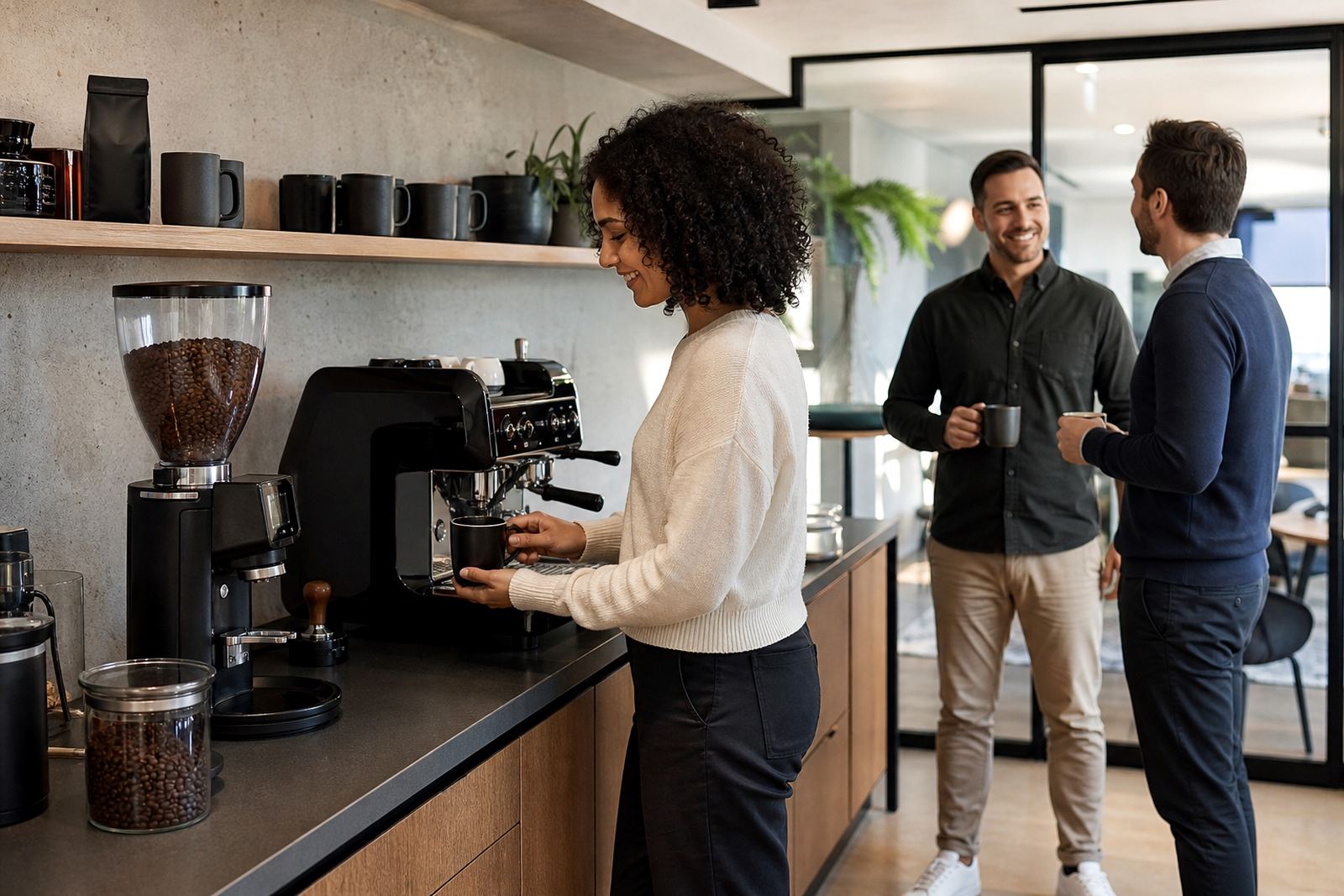
At home, keep your routine simple enough to repeat before work. At the office, think about speed, waste and how many people will use the setup. On the move, choose gear that packs well and does not need a lot of cleaning in a car park or airport lounge. A good brewing guide should help whether you are making one cup in Cape Town or ten cups for a morning team check in Pretoria.
If you are planning coffee for a workplace, start with daily cup counts, then decide whether a manual method, batch brew or plated setup makes sense.
- Home brewing: focus on taste and low fuss
- Office brewing: focus on speed and repeatability
- Travel brewing: focus on compact gear and easy clean-up
- Event brewing: focus on volume, flow and queue control
How to Use These Guides With A Fresh Bag
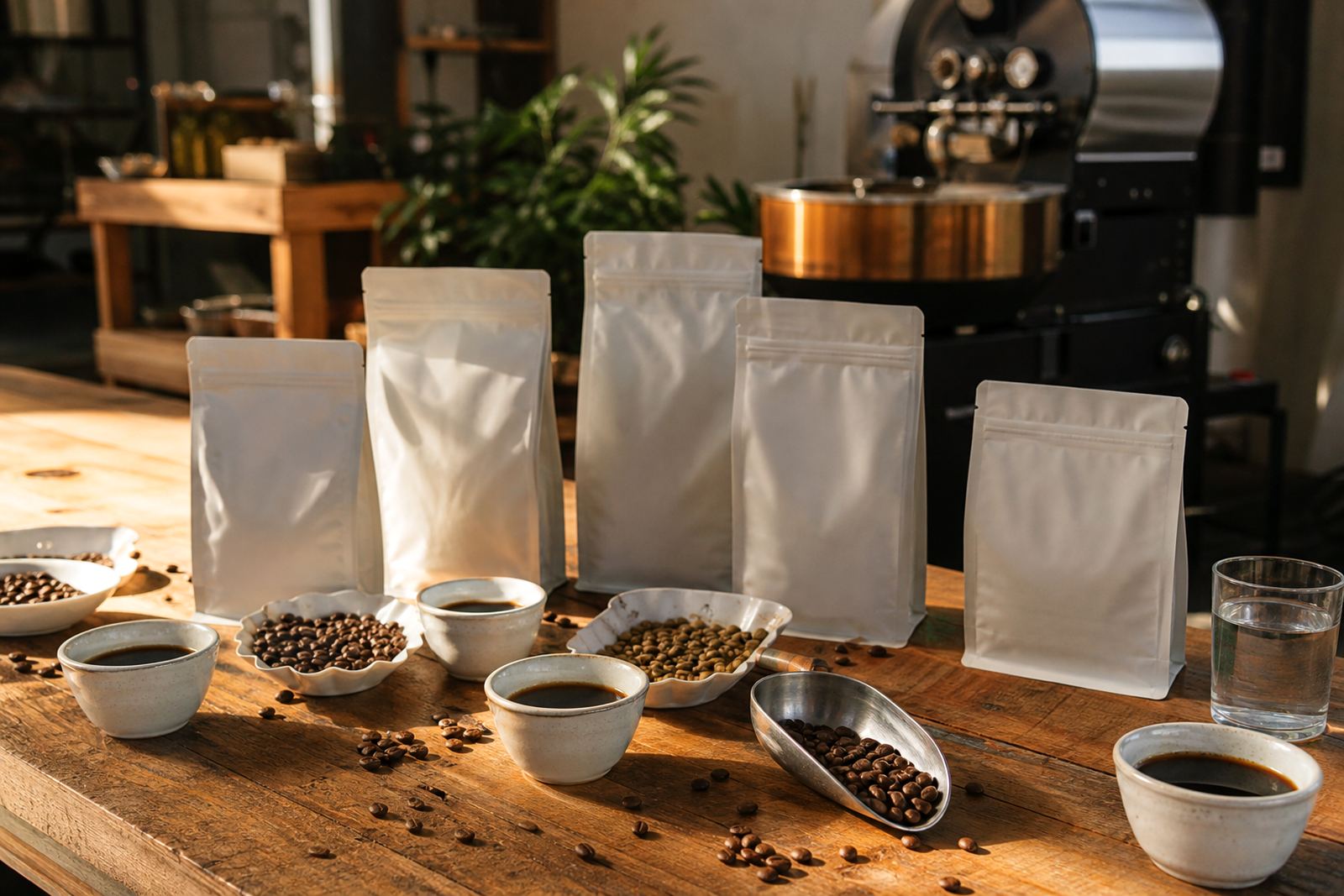
Each new bag can behave a little differently, especially with single-origin coffees that shift with season and altitude. Start with the method notes above, then taste and adjust. If the cup is too sharp, go slightly finer or lengthen the brew time. If it tastes heavy and dull, go a touch coarser or reduce contact time. Make one change per brew and keep notes if you are working through a subscription order.
These guides are a starting point, not a rulebook. Use them to learn what your grinder, water and brewer are doing, then build a routine that suits your taste.