

What processing means before roasting begins
Once coffee is picked, the fruit has to be removed from the seed before roasting. That stage is called processing, and it affects sweetness, acidity, body and clarity long before the beans reach your grinder. In South Africa, many buyers focus on roast level first, but processing style can change the cup just as much.
Washed coffee and natural coffee both start with ripe cherries. The difference is what happens next. With washed coffee, the fruit is removed with water and the bean is cleaned before drying. With natural coffee, the whole cherry is dried first and the fruit is removed later. That simple difference gives you two very different drinking experiences.
- Washed coffees are often chosen for clean, crisp cups with clear origin character.
- Natural coffees often show more fruit, heavier sweetness and a fuller mouthfeel.
- Neither is better across the board, it depends on what you enjoy and how you brew.
Washed coffee: clean cup, bright structure
Washed coffee is popular with drinkers who want clarity. When the fruit is removed before drying, less of the cherry’s flavour moves into the seed. The result is often a cup with brighter acidity, defined sweetness and flavours that feel easier to separate. You may taste citrus, stone fruit, floral notes or a tea-like finish, depending on origin and roast.
This style works well if you drink filter coffee, V60, batch brew or a carefully dialled espresso. It also helps when you want a coffee that behaves predictably from bag to bag. For offices, meetings and tasting sessions, washed coffees are usually easier for a mixed group because the cup is clean and familiar.
- Best suited to: filter, batch brew and light to medium espresso profiles.
- Typical cup: crisp acidity, lighter body, cleaner aftertaste.
- Good for: people who enjoy black coffee and want to taste origin details.
Natural coffee: fruitier, rounder and often more bold
Natural coffee is dried with the cherry still intact, which allows more sugars and fruit notes to move into the bean during drying. This often creates a heavier cup with more body and a sweeter, fruit-forward character. Depending on the lot, you might taste berries, dried fruit, tropical notes or even a wine-like edge.
Natural coffee can be a favourite for espresso because it often gives a fuller texture and a more generous finish. It can also be very enjoyable in pour-over if you like a punchier cup. That said, naturals are sometimes a little less tidy in flavour than washed coffees, so they can vary more from lot to lot. A well handled natural is excellent, but it benefits from careful storage and correct brewing.
- Best suited to: espresso, Aeropress and brews where body matters.
- Typical cup: fuller mouthfeel, sweeter fruit notes, softer acidity.
- Good for: drinkers who enjoy a more expressive cup and natural sweetness.
How the two styles behave in your grinder and cup
The same brewing recipe will not always suit both styles. Washed coffee often rewards a slightly finer adjustment and a cleaner extraction, while natural coffee may need a touch more openness to keep the cup from tasting heavy. If you are buying for home or an office kitchen in Woodstock, that matters because not every machine or grinder gives the same control.
A washed Ethiopian-style coffee for example may shine with a hotter brew and a slower pour, while a natural from the same region might be easier to enjoy with a shorter ratio and a slightly coarser grind. In practical terms, the right choice depends on whether you want a cup that feels clear and bright or one that feels rounder and more fruit led.
- Washed coffees often show more clearly when water quality is good.
- Natural coffees can taste muddled if over-extracted or brewed too hot.
- Both styles benefit from fresh grinding and correct storage away from heat and humidity.
A local example from Woodstock to the Southern Suburbs
Imagine a small office in Woodstock with a batch brewer for the morning rush and a grinder on the counter for afternoon espressos. A washed coffee may be the better fit if the team wants a dependable cup that tastes tidy across multiple brews. It is easier to serve when people have different preferences, and it usually holds up well in a shared environment.
Now picture a hospitality space in the Southern Suburbs that wants a more distinctive cup for after-lunch service. A natural coffee can add more character and a sweeter finish, especially when paired with a simple brew method and a trained barista. In both cases, the processing style should match the space, the equipment and the people drinking it. That is the practical part many buyers miss.
How to choose between washed and natural
If you are buying coffee for home, a workplace or a client-facing space, start with the experience you want in the cup. Then think about who will be drinking it and how much control you have over brewing. A clear, reliable cup usually points to washed coffee. A more expressive, fruitier cup often points to natural coffee.
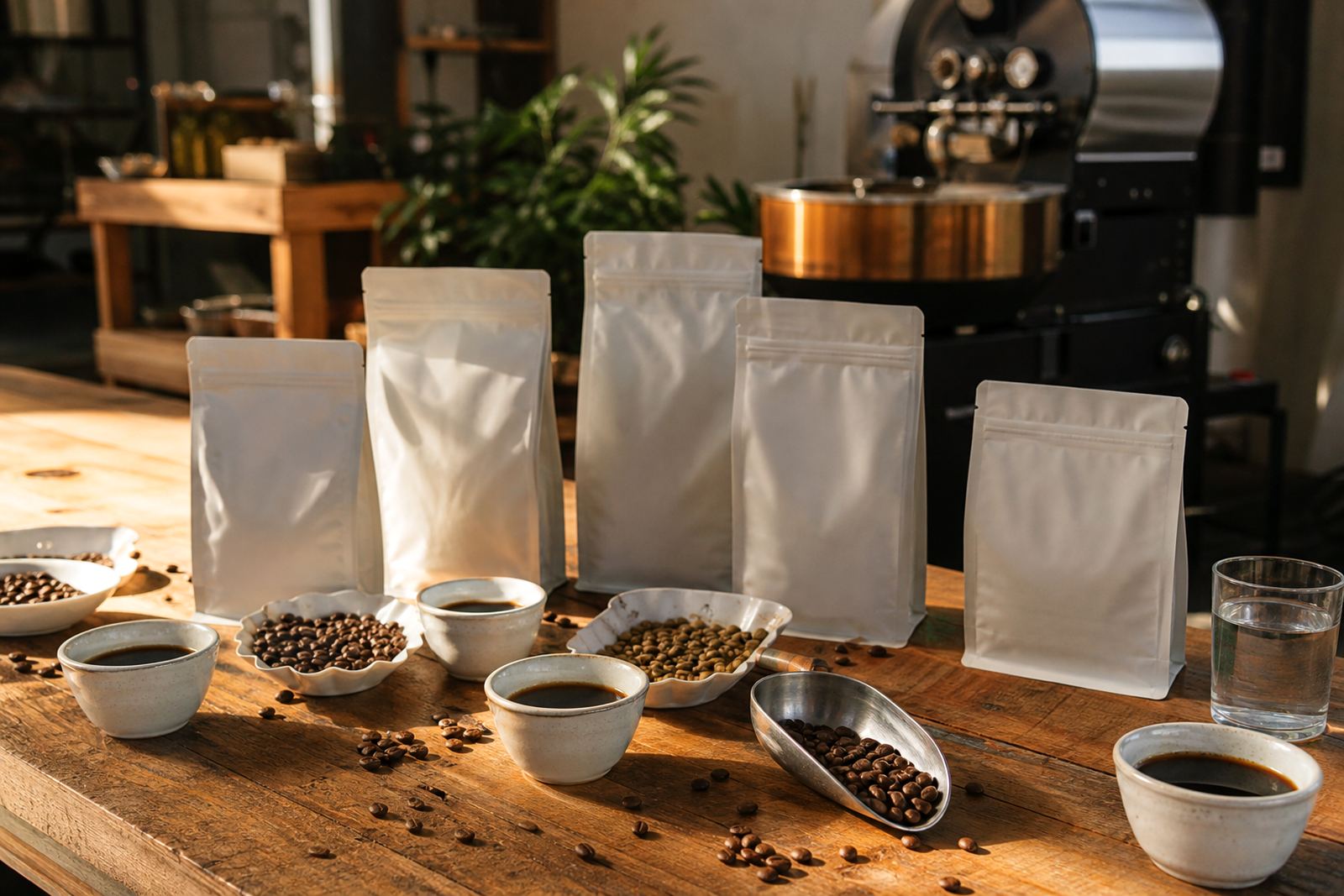
It also helps to rotate both styles across a subscription or seasonal plan. That way, your team or customers can taste the difference side by side and learn what they prefer. If you are setting up coffee in an office, hospitality space or meeting room in Cape Town, Johannesburg or Durban, a mixed selection can keep things interesting without making the brew bar complicated.
- Choose washed if you want clarity, consistency and a cleaner finish.
- Choose natural if you want body, sweetness and more fruit character.
- Choose both if you want range, comparison and better tasting notes for staff or guests.
Why the best choice depends on the moment
Washed and natural coffees are not competitors so much as different tools. One gives structure, the other gives expression. The right answer depends on the season, the origin, the roast and the way you brew. A good roaster will guide you on which lot suits your use case, whether you are buying for a home kitchen, a boutique café or a staff room with a daily coffee ritual.
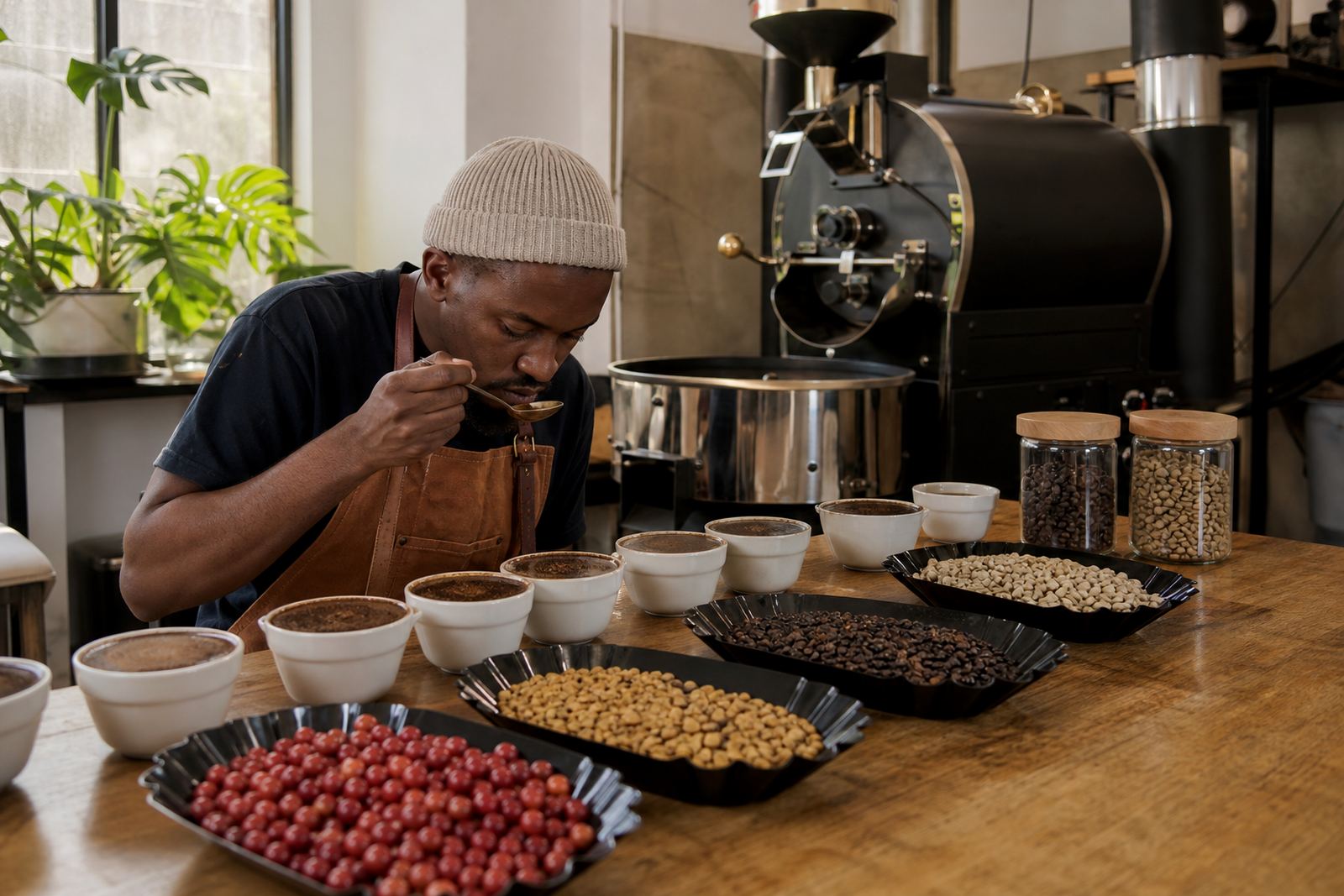
If you are unsure, start with one of each and taste them black before adding milk. You will notice the difference immediately. Washed coffee often shows more detail and a sharper finish, while natural coffee usually feels rounder and more generous. Once you have that reference, choosing future bags becomes much easier.