

Why batch size changes the cup
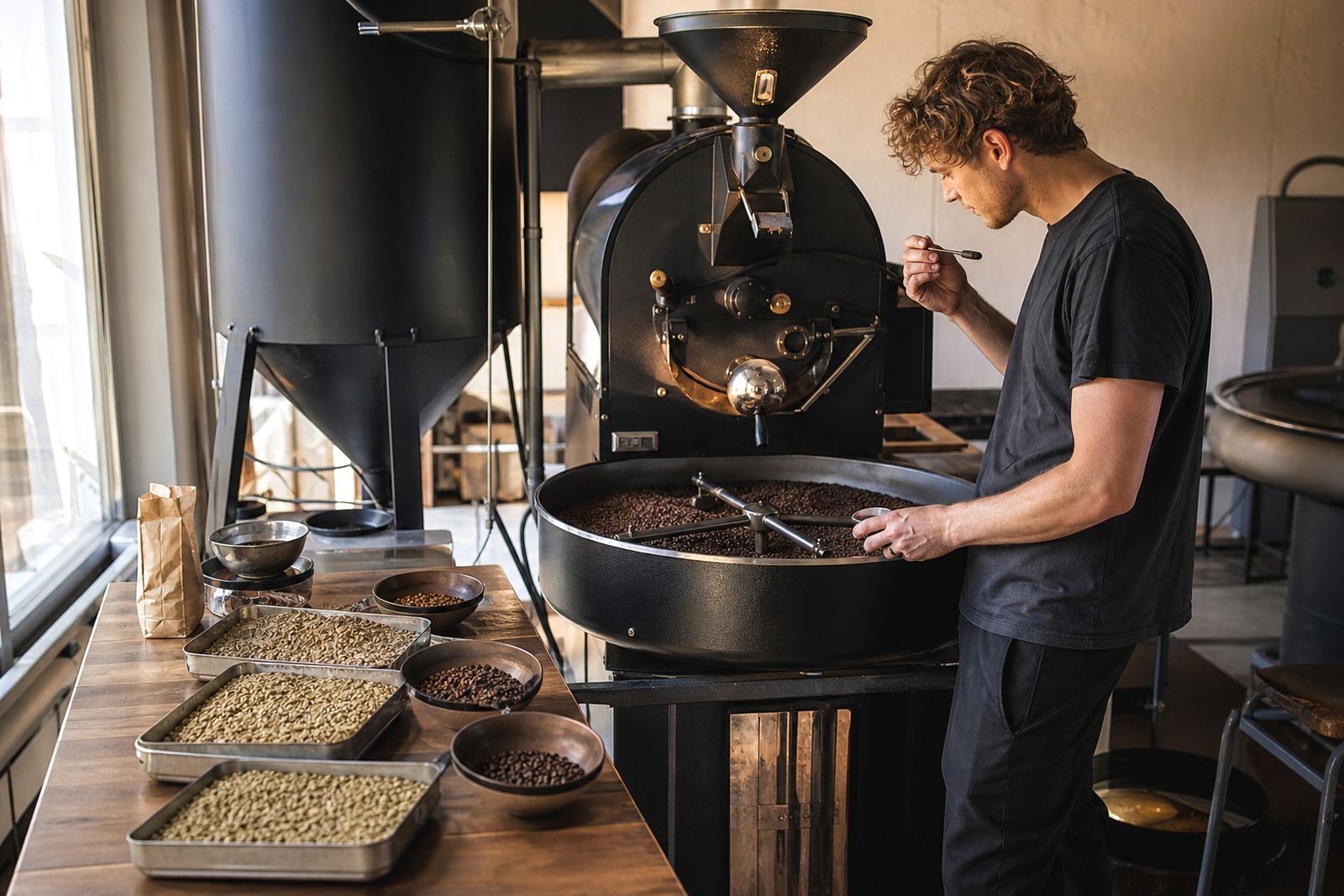
When a roaster works with smaller loads, there is more room to watch how the beans move, crack and develop. That matters because coffee reacts fast to heat, and a few seconds can change sweetness, acidity and body. In a smaller drum or smaller charge size, the roaster can respond more quickly and make finer adjustments from one batch to the next.
For a customer, that means the coffee in the bag is more likely to taste the way it should, whether you are brewing on a French press at home or running espresso in a busy café in Woodstock. It is easier to keep a steady flavour profile when the roaster is not trying to push large volumes through the system all day.
Freshness is more than a roast date
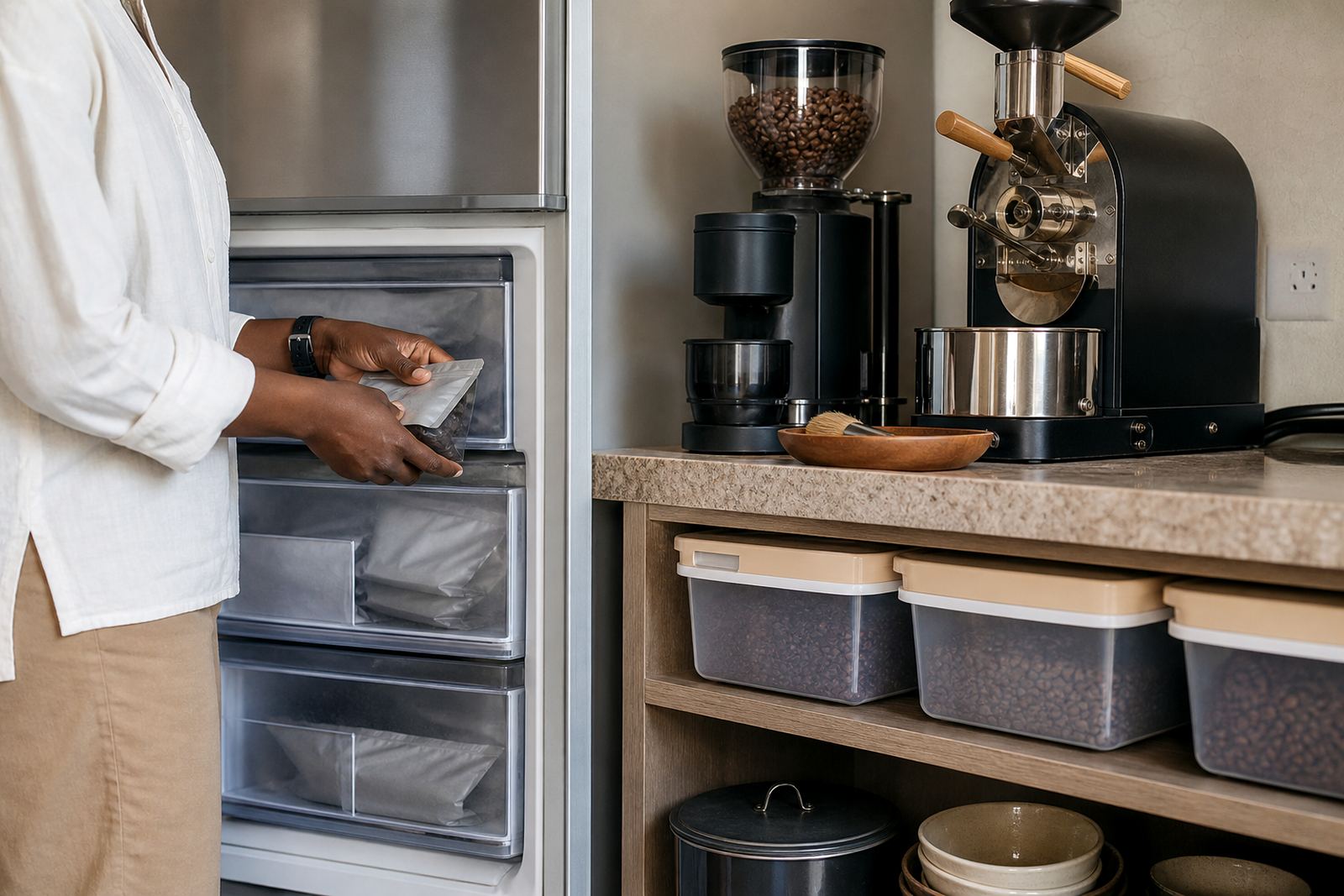
People often look only at the roast date, but freshness also depends on how long coffee sat before roasting, how it was cooled, and how quickly it moved from roaster to bag. Small batch roasting helps shorten that chain. Beans can be roasted more often in smaller runs, which reduces the time between roasting and dispatch.
That matters in South Africa, where a delivery to Johannesburg, Pretoria or Gqeberha can take different routes and timelines. A tighter roast schedule gives the roaster more control over stock age and rotation, so offices and homes are not left with coffee that has been sitting too long in storage.
- Fresher flavour in the cup, especially with filter coffee
- Better aroma when you open the bag
- Less risk of stale stock during busy trading weeks
- Easier rotation for subscriptions and recurring supply
Consistency comes from watching every detail
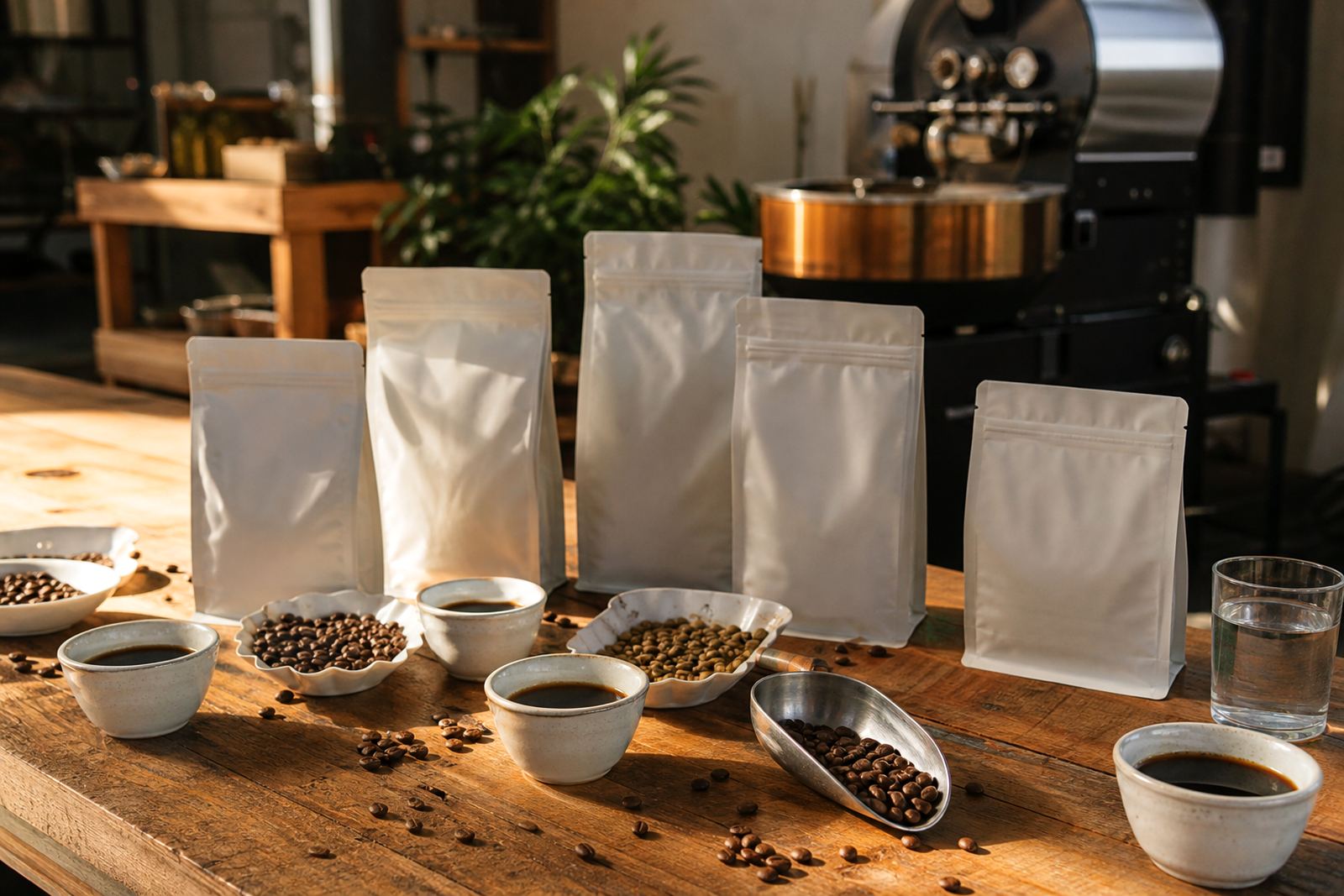
Good roasting is not only about taste, it is about repeating that taste. Small batches make it easier to match previous roast results because the roaster can focus on one lot at a time and track how that lot behaves. Different origins, moisture levels and bean sizes all respond differently, so a smaller run gives more room to correct for those differences.
For example, a medium roast for a hospitality client in the Southern Suburbs may need a slightly different development time from a brighter single-origin for a specialty bar in Durban. In both cases, consistency is what keeps staff, guests and regular customers happy. And when the weather shifts with coastal humidity, that extra control becomes even more useful.
What small batch roasting allows the roaster to do
A smaller load size gives the roasting team more freedom to make considered decisions rather than chasing volume. It is easier to keep notes, adjust airflow, manage charge temperature and test a profile again if the first result is not quite right. That is one reason small batch roasting suits coffee that needs clear character and clean structure.
- Adjust roast curves for single-origin beans
- Separate lots by harvest or arrival date
- Respond to changing humidity and room temperature
- Run different profiles for espresso and filter
- Keep specialty lots distinct from house blends
At A Cup Of, that kind of control supports subscription customers, wholesale accounts and office clients alike. A home brewer in Cape Town might want a lighter roast for pour-over, while a meeting room coffee setup in Pretoria may need a more forgiving grind and a rounder profile. Small batch roasting makes both easier to manage.
A local example from Cape Town to the rest of the country
Take a weekly subscription going out from Woodstock to a design studio in the Atlantic Seaboard and a law office in Johannesburg. The coffee may be the same origin, but the needs are different. One client may want a brighter cup for filter brewing, while the other needs a steady espresso that works under pressure during early mornings and load-shedding backups.
Because the coffee is roasted in smaller runs, stock can be planned around real demand rather than guessing. That helps with seasonal rotation, order peaks and office replenishment. It also makes it simpler to handle hospitality service where coffee use changes from week to week, or when an event needs extra bags on short notice.
Small batch roasting is practical, not just romantic. It gives the supplier room to watch quality closely and it gives the customer a better chance of getting coffee that tastes the same from one delivery to the next, no matter if it is going to Cape Town, Durban or Gqeberha.
How to tell if small batch roasting suits your business
If you are choosing a coffee partner, ask how they manage roast dates, stock rotation and repeatability. A good answer should cover more than just flavour notes. You want to know how they handle different brew methods, how often they roast, and whether they can adapt for offices, hospitality venues or subscription clients with changing volume.
- Do they roast to order or hold long stock periods?
- Can they support grind calibration and brew training?
- Do they plan for stock forecasting and seasonal changes?
- Can they manage multiple locations across South Africa?
If the answer is yes to most of those, small batch roasting is likely doing useful work behind the scenes. It is not about being fancy. It is about keeping the coffee fresh, the profile stable and the supply easy to manage for the people who rely on it.