
Start with the coffee people actually drink
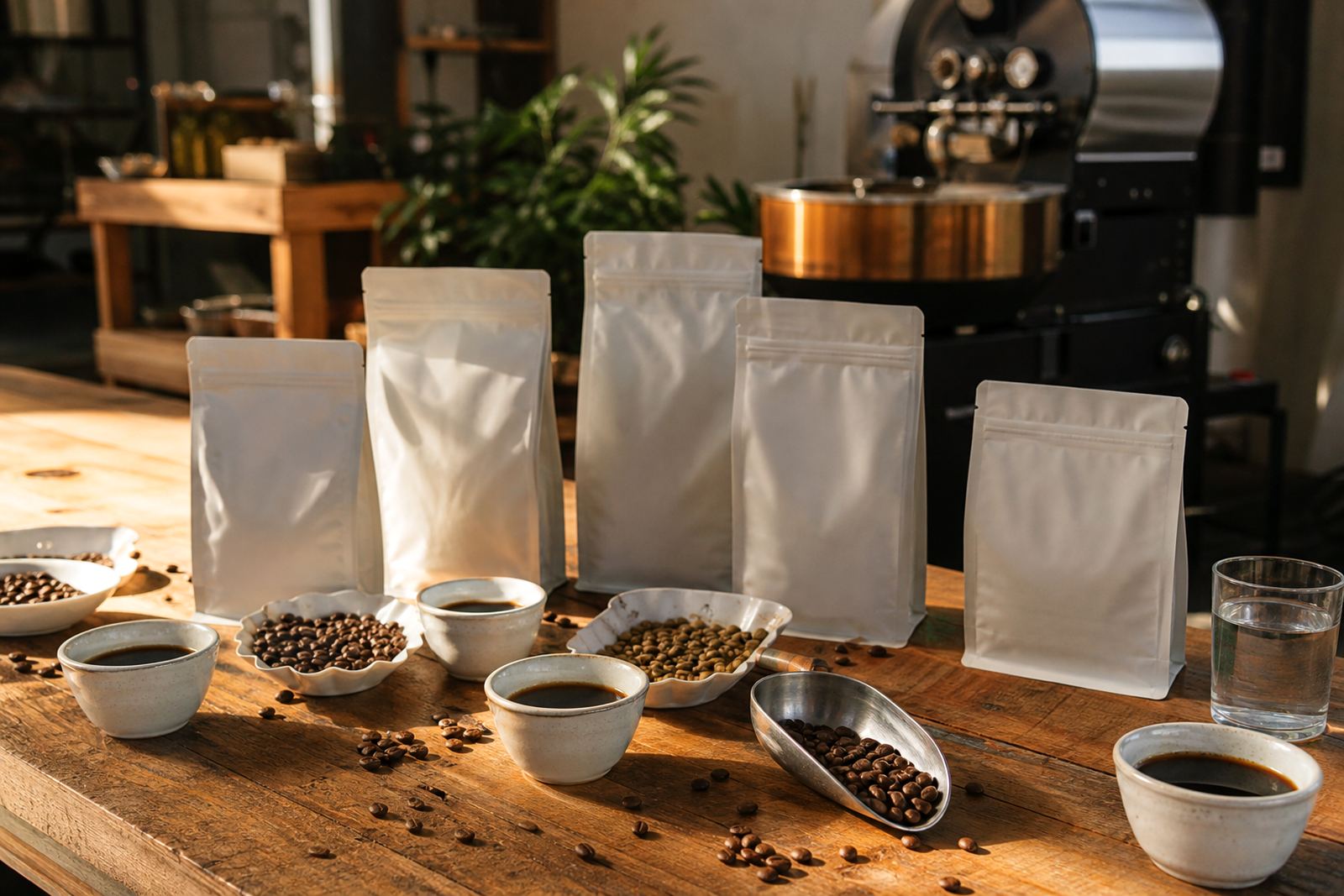
The quickest upgrade is not a bigger machine, it is better coffee matched to how your team drinks it. In many offices, the problem is not lack of effort but inconsistent beans, stale stock or settings that never suit the current blend. Freshly roasted single-origin coffee gives clearer flavour and makes black coffee, milk drinks and filter brews taste cleaner from the first cup of the day.
For a small team in Woodstock or a larger office in Sandton, the same rule applies. Buy only what you can use within a sensible window, then rotate coffees before they sit too long in a hot storeroom. Cape humidity, coastal air and strong sun through windows can age beans faster than people expect, so storage matters just as much as the roast.
- Choose one main coffee for daily service and one seasonal option for variety.
- Keep unopened bags in a cool cupboard away from ovens, dishwashers and direct light.
- Label opening dates so older stock gets used first.
Set up one clean coffee point instead of three messy ones
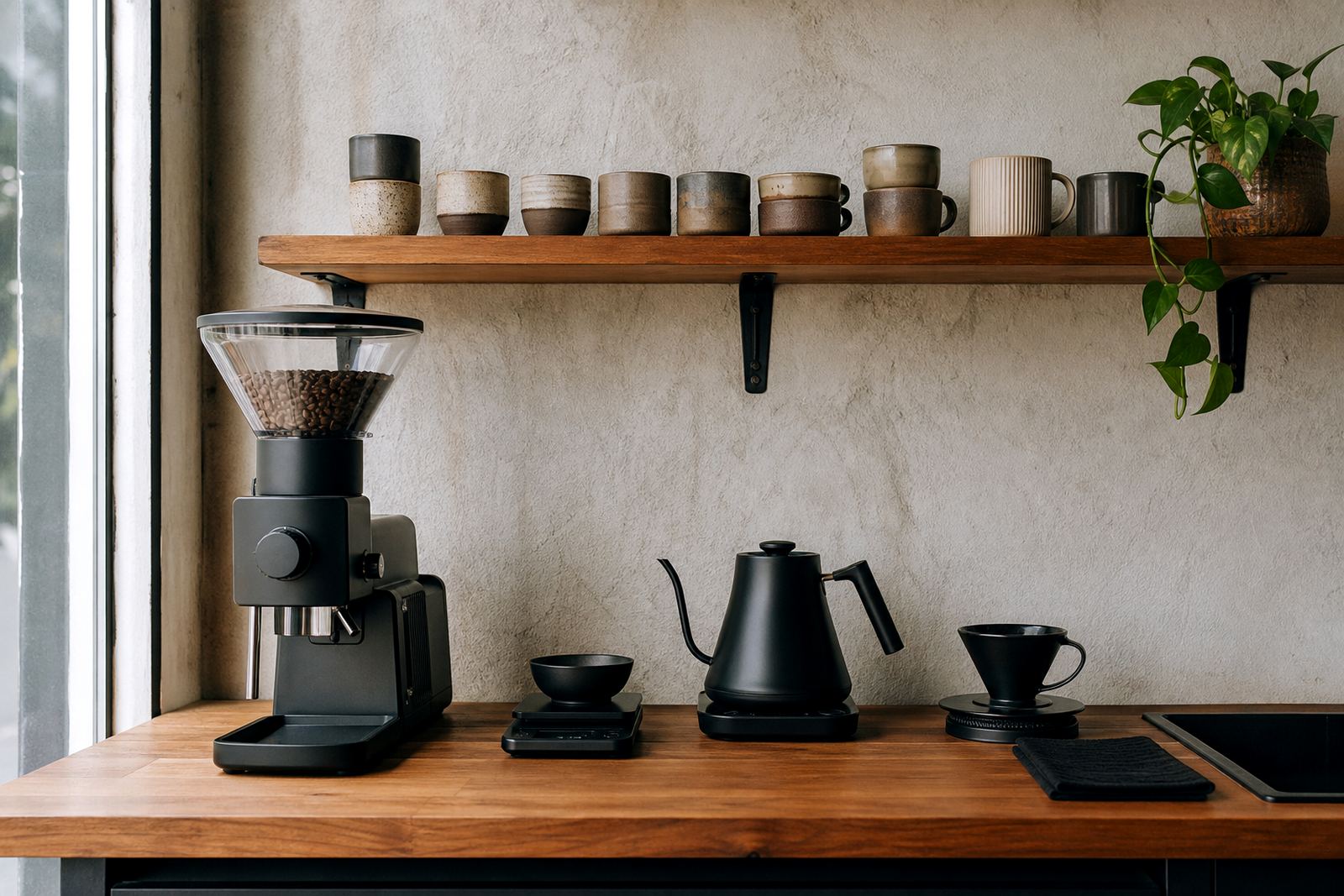
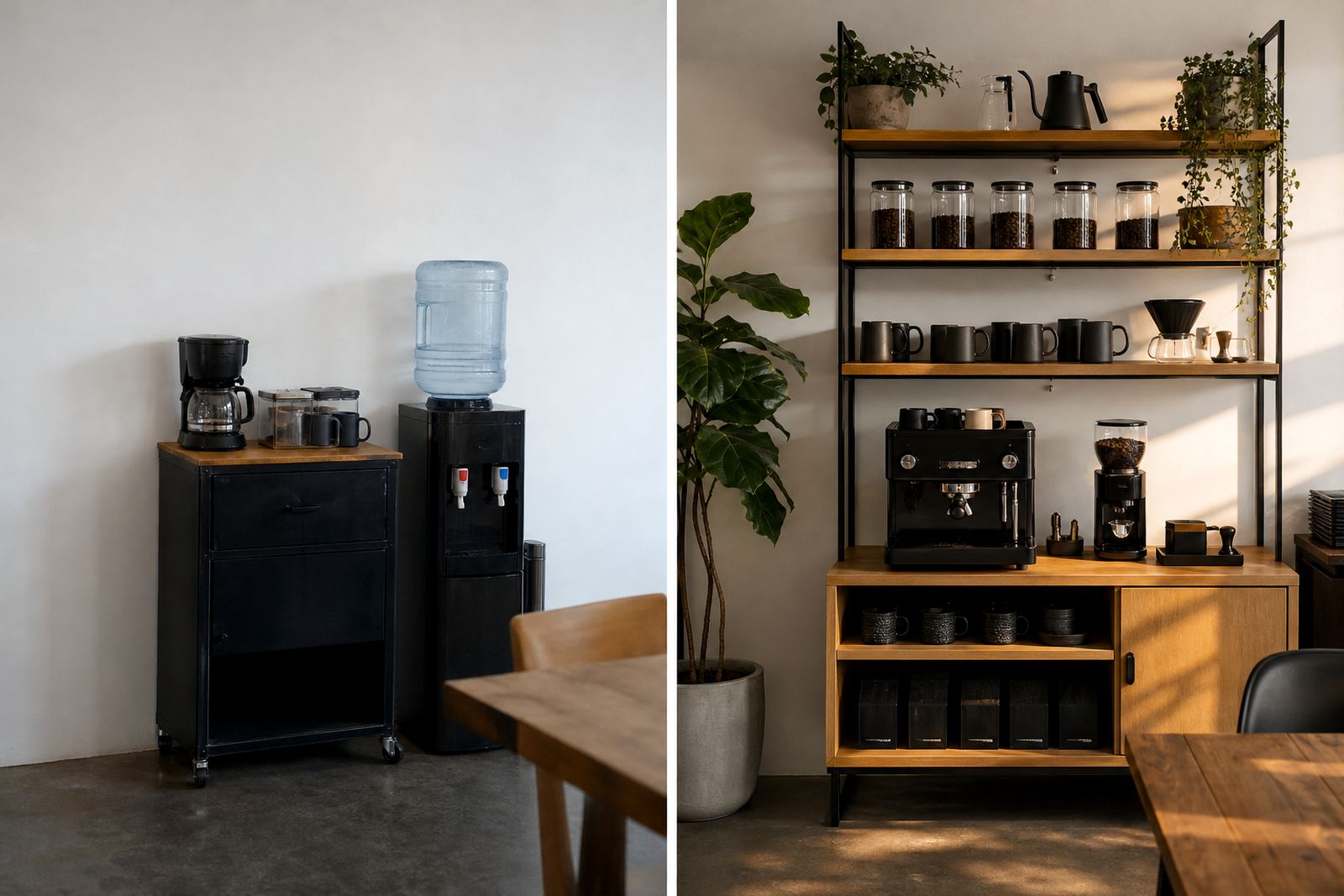
Many workplaces end up with mugs, sugar, sachets and half-used filters spread across several corners. That creates waste and slows everyone down. A single well-run coffee point usually works better, especially in offices where staff move between hybrid days and the number of people on site changes through the week.
Keep the station close to water, power and a clear bin. If your building experiences load-shedding, make sure the grinder, kettle or machine can be used safely on backup power if needed. In older office blocks, it also helps to check plug loads before adding extra appliances, because a simple setup can trip a circuit if everything runs at once.
- Place cups, stirrers and milk in the same order every day.
- Use sealed containers for sugar, tea and cocoa so spills are easier to control.
- Make space for a small tray under the grinder or machine to catch drips.
Calibrate the grind before you replace the equipment
Before buying a new machine, get the grind right. The same coffee can taste bright and sweet or flat and bitter just from an incorrect grind setting. In offices, this is one of the easiest fixes because the machine may already be perfectly serviceable, it just needs proper calibration and a little routine attention.
A grind that is too coarse can make coffee taste weak and watery. Too fine, and it can become harsh or slow to brew. If staff are getting mixed results each morning, the issue is usually consistency not quality. A short calibration session can save money and improve the cup immediately.
- Recheck grind settings when you change to a different origin or roast profile.
- Test the first few cups of the day before the office gets busy.
- Clean grinders weekly so old oils do not affect flavour.
Use a simple stock rhythm that fits your team size
Office coffee runs best when stock is ordered before it runs out. A small team in the Southern Suburbs may use coffee very differently from a busy reception area in Pretoria or a client-facing office in Durban. The answer is not complicated forecasting software, just a reliable count of daily cups and a habit of ordering ahead.
Track how many bags, filters, cups and milk cartons you use in a normal week, then allow for busy Mondays, meetings and staff training days. Seasonal changes matter too. In winter, hot drinks usually move faster. In summer, some offices want fewer milk-heavy drinks and more filter coffee or iced options. A little planning prevents the panic buy on a Friday afternoon.
- Keep a two week buffer for your main coffee if deliveries are irregular.
- Separate daily-use stock from event stock so nothing gets used by accident.
- Review usage monthly and adjust for leave periods, onboarding and client visits.
Train the first person who makes coffee, not just the coffee lover
Every office has one person who ends up making the first pot, resetting the grinder or explaining how the machine works to visitors. That person needs simple training, not a long manual. A short brew session can prevent overfilling, under-extraction and burnt milk, all of which waste product and time.
Training should cover the basics: dose, water temperature, brew time, cleaning and how to switch between drinks. It also helps to explain why the routine matters. When staff know that a clean group head and fresh beans affect taste, they are more likely to keep the station in order. A little confidence goes a long way and saves the office from repeated mistakes.
- Show staff how to clean the machine at the start and end of the day.
- Use a simple recipe card for black coffee and milk drinks.
- Nominate one backup person for holidays and busy periods.
Make room for meetings, clients and different drinking habits
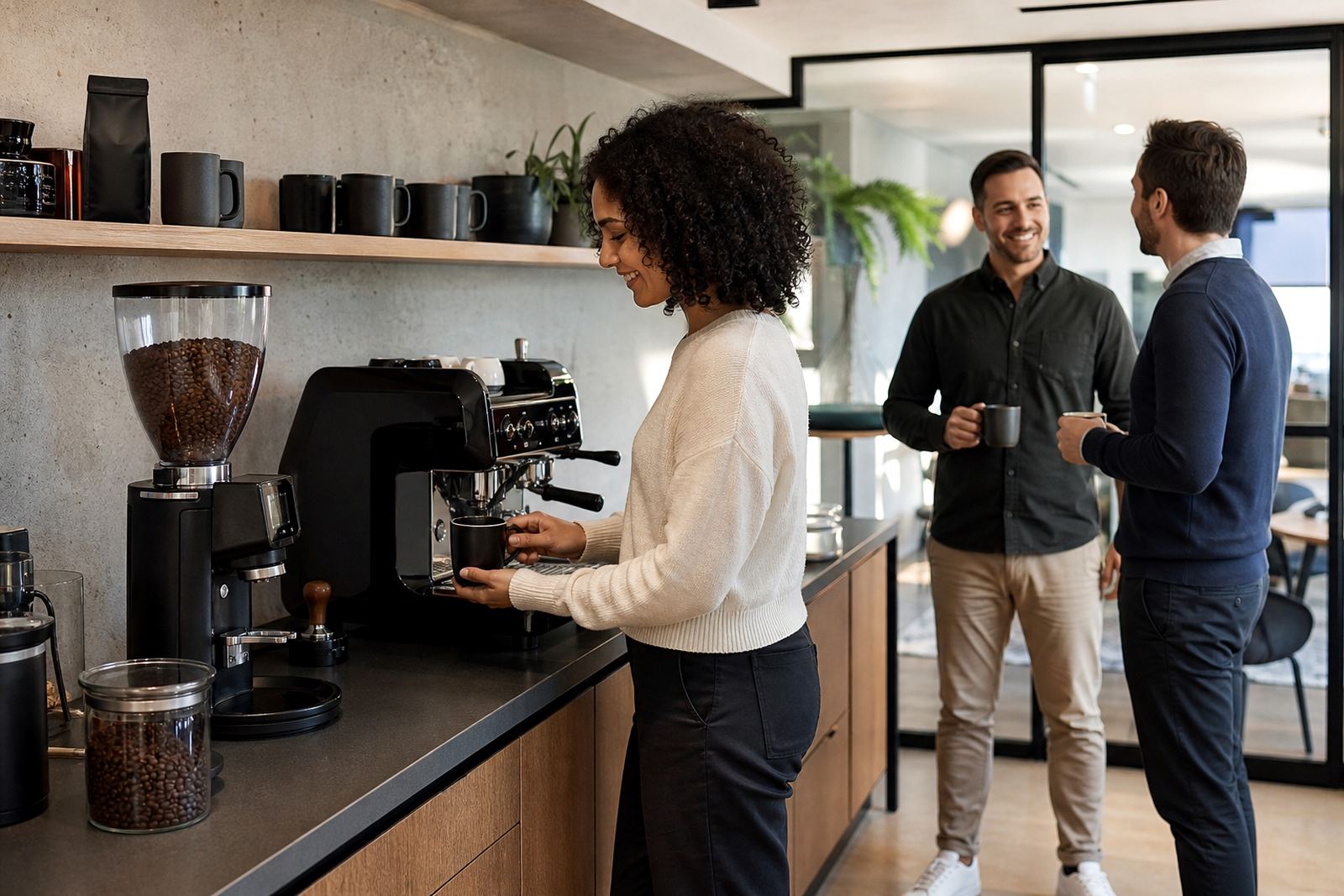
Not every cup in an office is for a counter worker on a tea break. Some are for client meetings, some for team workshops and some for staff who just want a proper cup before starting a shift. That means the coffee setup should support more than one use without turning into a complicated hospitality counter.
For meeting rooms, keep service neat and fast. For reception or client areas, aim for consistency and a tidy presentation. If your team hosts a lot of visitors, seasonal coffee rotation can be useful because it keeps the experience fresh without changing the whole setup. In Cape Town offices, where coastal humidity can affect storage and equipment, a clean, simple service area is often the most reliable option.
- Keep a separate tray or box for meeting room cups and spoons.
- Use the same beans for office drinks and client service where possible.
- Plan extra stock for workshops, monthly reviews and events.
A Woodstock example: small changes, better daily coffee
Consider a busy creative office in Woodstock with 18 staff, two meeting rooms and a steady flow of suppliers and clients. The team does not need a luxury fitout. They need fresh beans, a reliable grinder, clear coffee rules and someone who knows when stock is getting low. Once the grind is corrected and the beans are rotated properly, the office notices the difference straight away.
That kind of setup also works well for offices across Johannesburg, Gqeberha and Durban, where service needs can vary but the goal is the same: fewer problems, better cups and less wasted time. A practical coffee upgrade should suit the space, the team and the building rules, not force everyone into a complicated system.
If your office wants a better shared coffee routine, start with one change at a time. Fresh coffee, clear stock control and a tidy station will usually do more than a costly purchase ever could.