
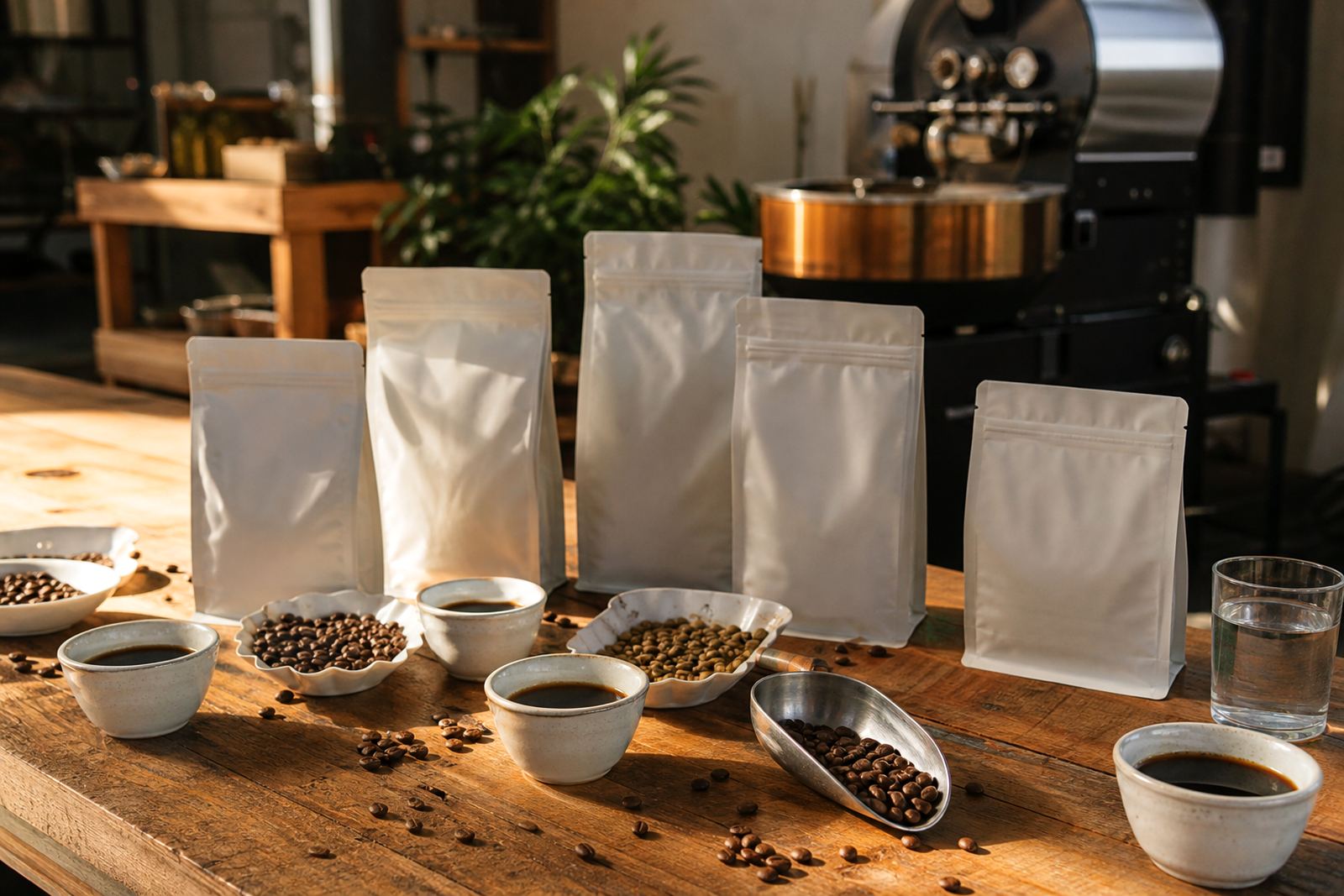
Start with what filter brewing does best
Filter brewing is built for showing off detail. A good cup should taste clean, with a defined acidity, natural sweetness and a finish that does not linger too heavily. That is why many people find filter coffee easier to drink black than espresso. The brew method uses more water and less pressure, so any harsh roast notes or muddy flavours show up quickly.
When choosing beans, think about balance rather than intensity. You want a coffee that gives you flavour in layers, not one that feels loud for the first sip and flat by the last. Light to medium roasts usually suit this style best because they keep origin character intact. If the coffee smells like toasted sugar, stone fruit, citrus peel or floral notes, it often has the kind of brightness that works well in a filter cup.
A common mistake is buying beans that are advertised as very bold or very dark and then expecting a bright pour-over. Those coffees can still brew well, but they often lean toward heavier body and smoke, which can hide the fine detail. For filter, clarity usually wins.
Read the label like a buyer, not a romantic
The information on the bag tells you a lot if you know what to look for. Start with origin. Single-origin coffees are often easier to choose for filter because they give you a clearer idea of where the flavour is coming from. A washed Ethiopian may taste crisp and tea-like, while a natural Colombian might lean sweeter and rounder. That difference helps when you are matching a coffee to your taste or your equipment.
Also check for process, altitude and roast profile. Washed coffees often taste cleaner and brighter, natural processed coffees can be fruitier and more intense, and honey processed coffees sit somewhere in between. Altitude can be a useful clue too, because higher grown coffees often develop more acidity and sweetness. None of this is a guarantee, but it gives you a better starting point.
- Washed process: cleaner cup, brighter acidity, good for tea-like filter brews
- Natural process: fuller fruit notes, more body, often sweeter and punchier
- Honey process: balanced sweetness, softer acidity, good middle ground
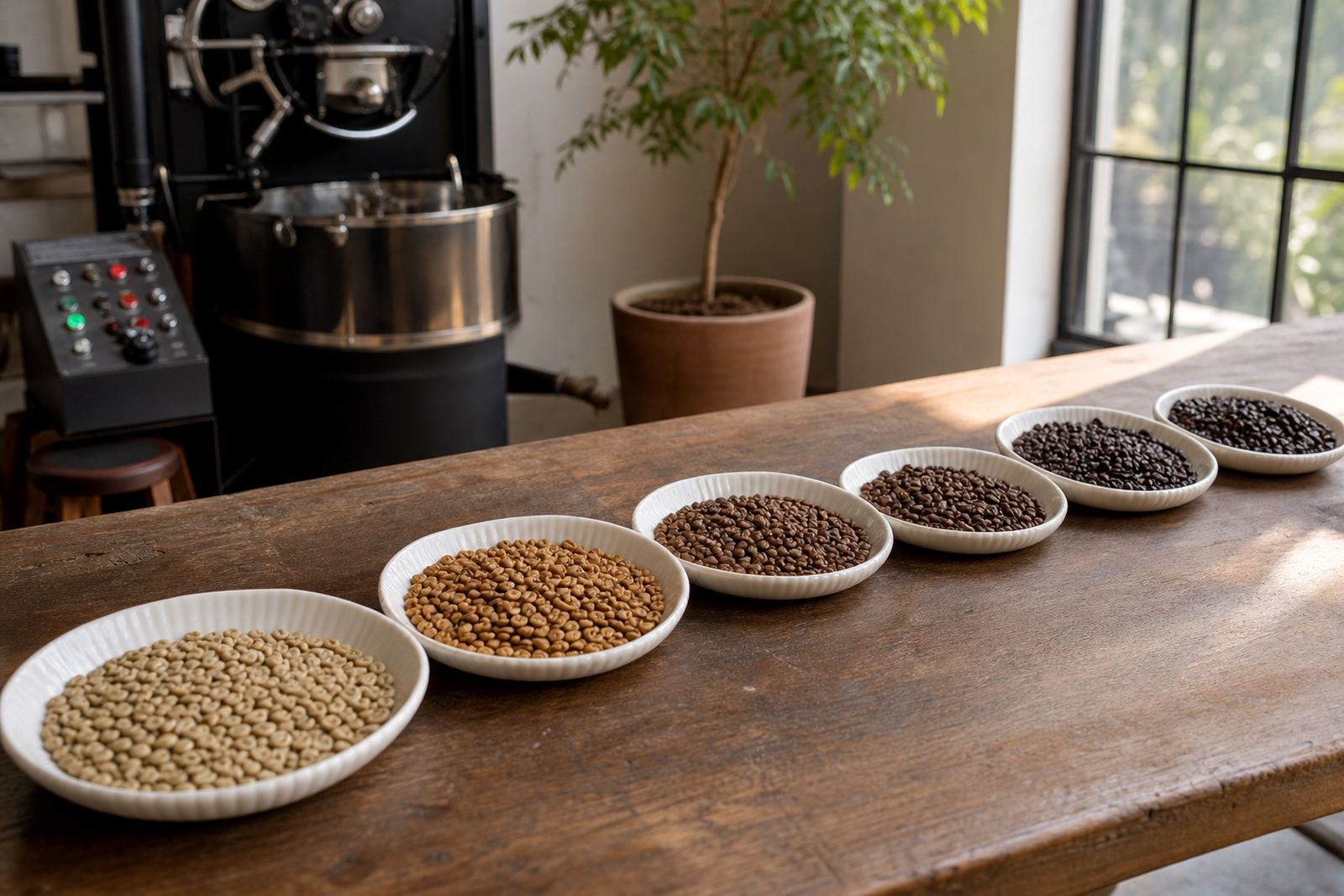
- Light roast: more origin character, clearer flavour separation
Match the bean to the brew method you actually use
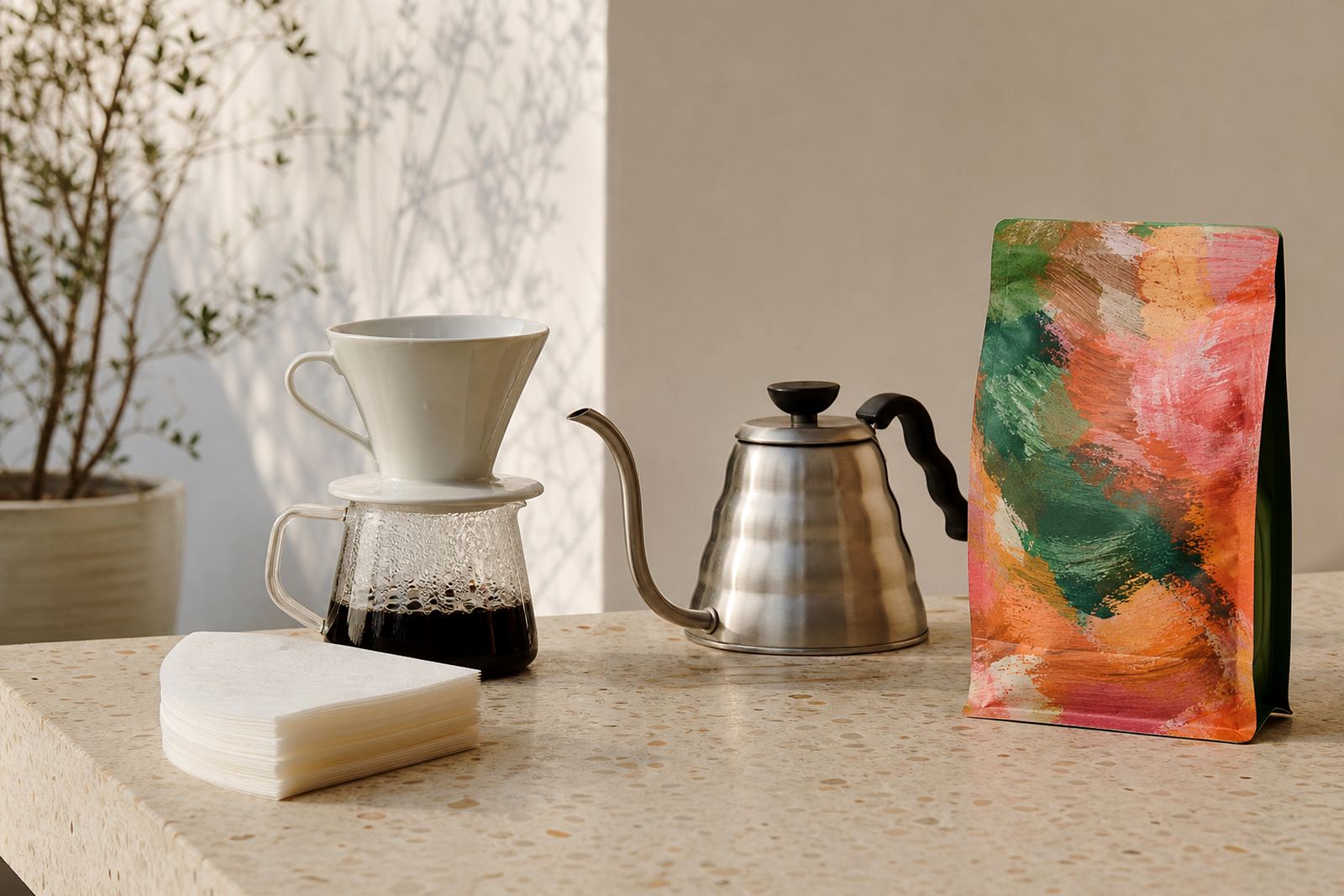
Different filter brewers highlight different strengths. A conical dripper can bring out brightness and distinct aromatics, while a flat-bottom brewer often gives you a rounder, more even cup. If you use a French press with a paper filter or a Clever dripper, you may enjoy coffees with a little more body. For a clean pour-over, though, you will usually get the best result from beans that are sweet, well balanced and not too heavy on roast development.
Grind size matters just as much. If your grinder produces too many fines, a delicate coffee can taste gritty and over-extracted. Too coarse, and the same coffee may taste thin and sharp. This is where good filter beans make life easier because they are more forgiving when you are dialling in at home or in an office kitchen.
In Cape Town, a lot of households brew on weekday mornings before the wind picks up and the school run starts. A washed Kenyan or Ethiopian can be ideal there because it tastes lively even when you are making one cup at a time and not fussing over the kettle for long. In a Johannesburg office, where batch brewing is common and people want something steady through the morning, a medium-light Colombian can hold up well without turning sour or harsh.
Sweetness is the clue most people miss
When people talk about good filter coffee, they often focus on acidity first. Sweetness is just as important. Sweetness does not mean sugary flavour, it means the coffee tastes rounded and pleasant, with no sharp edges. A sweet filter coffee can remind you of honey, brown sugar, ripe peach or biscuit, depending on the origin.
If you find a coffee too sour, it is not always because the bean is wrong. Sometimes the roast is underdeveloped, the grind is too coarse, or the water is too cool. But if you are consistently enjoying coffees with natural sweetness, that is a sign you should buy beans with a little more fruit and a little less roast darkness. A good sweetness gives the cup structure and makes it easy to drink without milk.
- Look for tasting notes like peach, red apple, honey, cocoa nib or jasmine
- Avoid bags that only mention smoke, dark chocolate and burnt sugar if you want clarity
- Choose coffees that sound clean and layered, not just strong
At A Cup Of, we often suggest starting with a washed or honey processed single-origin if someone wants a coffee that tastes good black but still works with a splash of milk. That gives you a useful middle ground while you learn what style you enjoy most.
Freshness matters, but not every fresh coffee is ready
Fresh roast date is important, yet filter coffee can be too lively if it is brewed immediately after roasting. Many beans settle best after a short rest. Depending on the roast and process, that can mean a few days to two weeks before the cup really opens up. A coffee that tastes grassy or edgy on day one may taste much sweeter after a short wait.
Storage matters too, especially in South Africa where kitchens can get warm and coastal humidity can creep in. Keep beans sealed, away from light and heat, and do not leave them in the grinder hopper for days. If you are brewing for a business in Durban or Gqeberha, where the air can feel damp, good storage becomes even more important because stale coffee turns flat fast.
If you buy subscription coffee, use the first bag to learn the profile and adjust your brew recipe. If the coffee is floral and bright, try a slightly cooler water temperature and a finer grind. If it feels too sharp, add a small amount of sweetness through a longer ratio or a gentler pour. Small changes often make a bigger difference than buying a whole new bag.
A practical buying checklist for home, office and hospitality
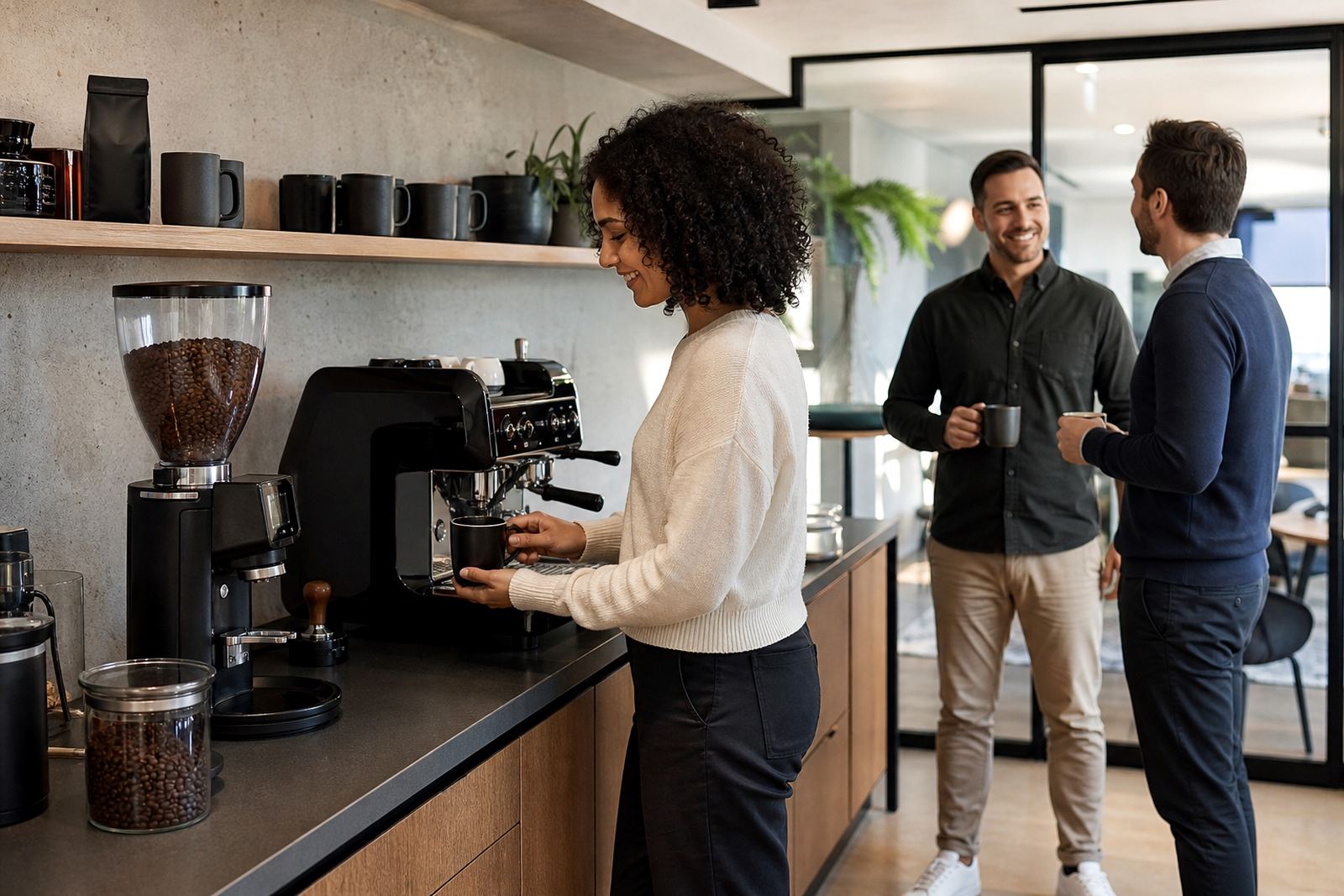
Whether you are buying for a home kitchen, a meeting room or a small hospitality setup, the same rules apply. Choose beans that are clearly labelled, roasted for filter and suited to the brew volume you need. For offices, consistency matters because people want the same cup every day. For home use, you may want to rotate origins and compare flavour side by side.
Here is a simple checklist before you order:
- Is the coffee described as filter-friendly or light to medium roast?
- Does the origin profile match the flavour you prefer, such as citrus, berry, floral or nutty?
- Is the process clear, so you know whether to expect brightness or fruitiness?
- Will you brew it black, with milk, or in a batch brewer?
- Do you have the right grinder settings and water temperature to bring out the best in it?
If you are setting up coffee for a Southern Suburbs client site or an Atlantic Seaboard office, the best choice is usually the one that performs well across the week, not just on the first impressive cup. A coffee that tastes sweet, tidy and easy to repeat will serve people better than a dramatic bean that only shines once.
Choosing filter beans gets easier once you know what you are chasing. Start with clarity, then sweetness, then balance. The rest is just matching the origin to the way you brew.