
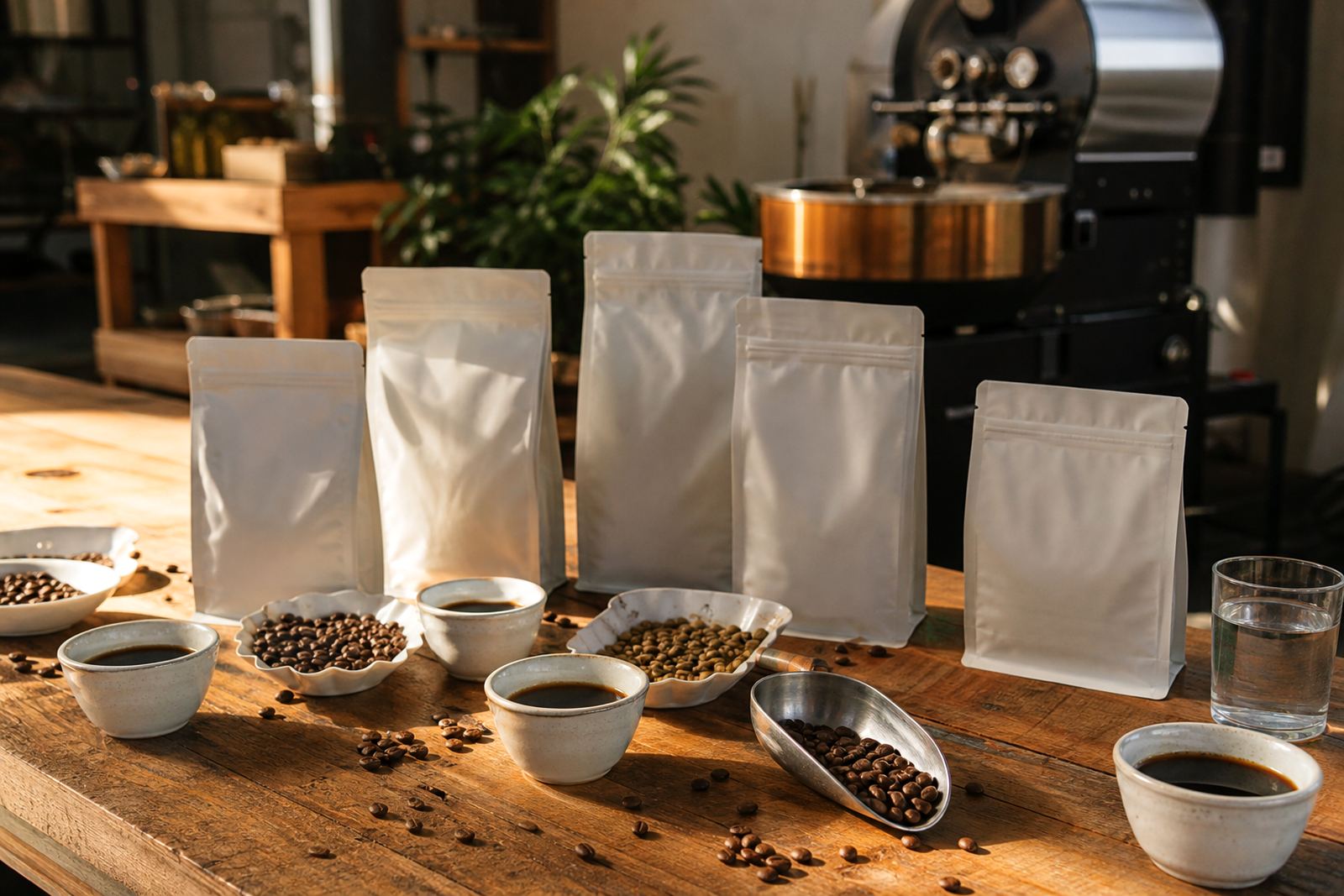
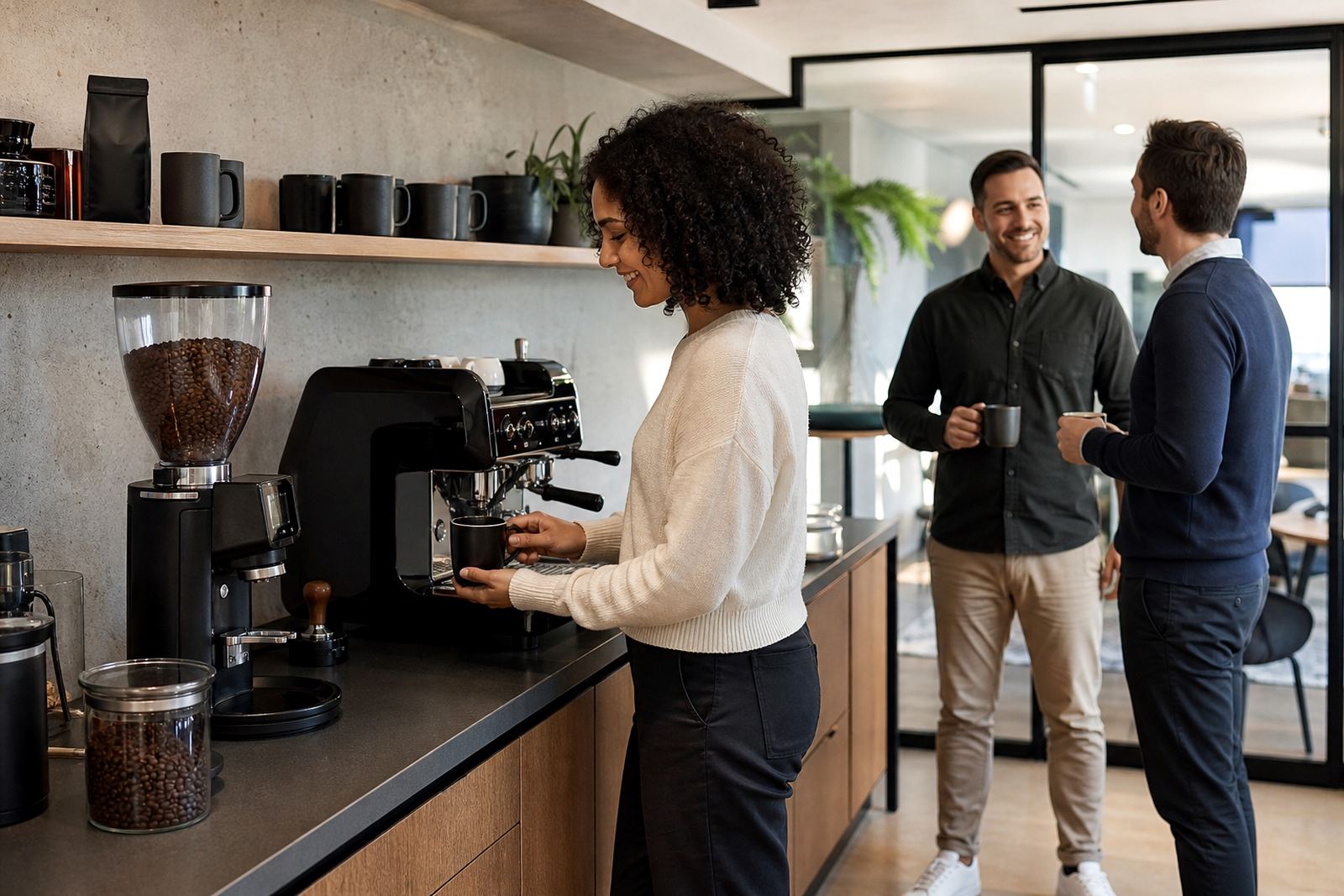
Bitterness is a signal, not the whole story
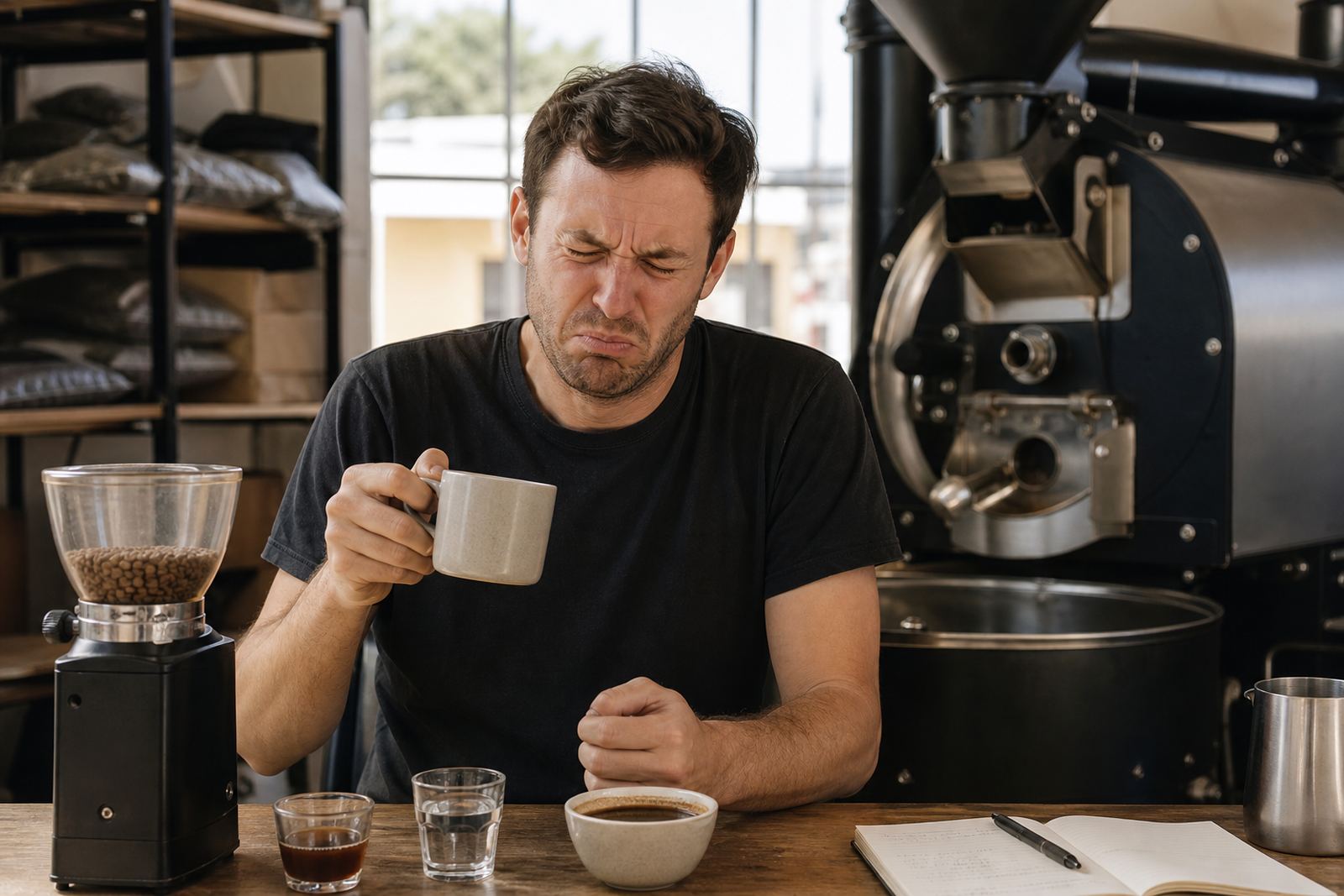
A good cup of coffee can have a little bitterness. It gives structure, especially in darker roasts or milk drinks. The problem starts when bitterness takes over the cup and everything else disappears, leaving a harsh finish that lingers on the tongue.
When customers in Cape Town or Johannesburg say their coffee tastes bitter, the issue is usually not the bean alone. It is often the way the coffee was brewed, how old the beans are, or whether the roast style suits the brewing method. Once you know what to look for, the fix is usually practical and affordable.
At our roastery in Woodstock we often see the same pattern: a good bean is being pushed too hard. That can happen at home, in an office kitchen, or at a hospitality station where staff are trying to keep up with busy mornings and load-shedding interruptions.
Over-extraction pulls out the harsh notes
Over-extraction means the water has pulled too much from the coffee grounds. The pleasant bits come out first, then the more astringent compounds follow. If the brew runs too long or the grind is too fine, bitterness rises fast.
This is common in pour-over, plunger, espresso and batch brew. It can also happen if your water is too hot or the coffee bed is compacted unevenly. One part of the grounds may overbrew while another part stays underdone, which gives you a cup that is both thin and bitter.
- Use a slightly coarser grind if the coffee tastes dry or sharp.
- Shorten the contact time by a few seconds and taste again.
- Check water temperature. Very hot water can pull harsh flavour faster.
- Make sure the grind is even, especially for espresso or filter systems.
If your office machine is producing bitter cups every morning, the problem may be calibration rather than the coffee itself. A quick grind adjustment can change the result more than a new bag ever will.
Roast style changes how bitterness shows up
Roast level matters. Lighter roasts often show brighter acidity and more fruit character, while darker roasts bring stronger roast notes, cocoa and a heavier finish. That darker profile is not wrong, but if the roast is pushed too far it can taste ashy or burnt.
Some drinkers like that intense style in a milk drink, but on its own it may feel blunt and bitter. Single-origin coffee can also vary by origin and processing method, so one lot may taste naturally more wine-like while another leans to chocolate and spice. Neither should taste harsh if it is roasted and brewed well.
For homes in coastal areas like Gqeberha or Durban, humidity can also affect storage and brewing consistency. Coffee that sits open in warm, damp air changes quicker than coffee kept sealed in a cool cupboard. It is a small thing, but over a week it can affect the cup more than people expect.
- Choose a roast style that suits the brew method and the drinker.
- For milk drinks, a medium to medium-dark roast often holds up better.
- For black coffee, aim for balance rather than heavy roast flavour.
- Keep beans sealed and away from heat, moisture and sunlight.
Stale beans flatten sweetness and exaggerate bite
Fresh beans have natural oils, aroma and a fuller flavour structure. As beans age they lose these qualities and the cup becomes flat. Bitterness then stands out because the sweet, aromatic parts are no longer there to support it.
This is especially common when beans are bought in bulk for offices, guest houses or staff kitchens and left open for weeks. Ground coffee stales even faster than whole beans because more surface area is exposed to air. If the bag has been sitting next to the kettle since last month, the bitterness you taste may be the result of age not roast.
Whole beans should be stored in an airtight container and used within a sensible window. Once ground, they should be brewed soon after. If the coffee tastes woody, dull or cardboard-like before the bitterness sets in, freshness is the first thing to check.
Brew mistakes that make bitterness worse
Even good beans can taste bitter if the brewing setup is not right. In home kitchens the most common issue is inconsistency. One day the grind is correct, the next day it is too fine because the machine was adjusted without checking the cup.
In workplaces and hospitality settings the issue can be scale. A busy team may leave coffee on a hot plate too long, or the water level may not match the dose. That gives a harsh result and wastes product too. If you are planning coffee for meetings or a wellness room, consistency matters just as much as flavour.
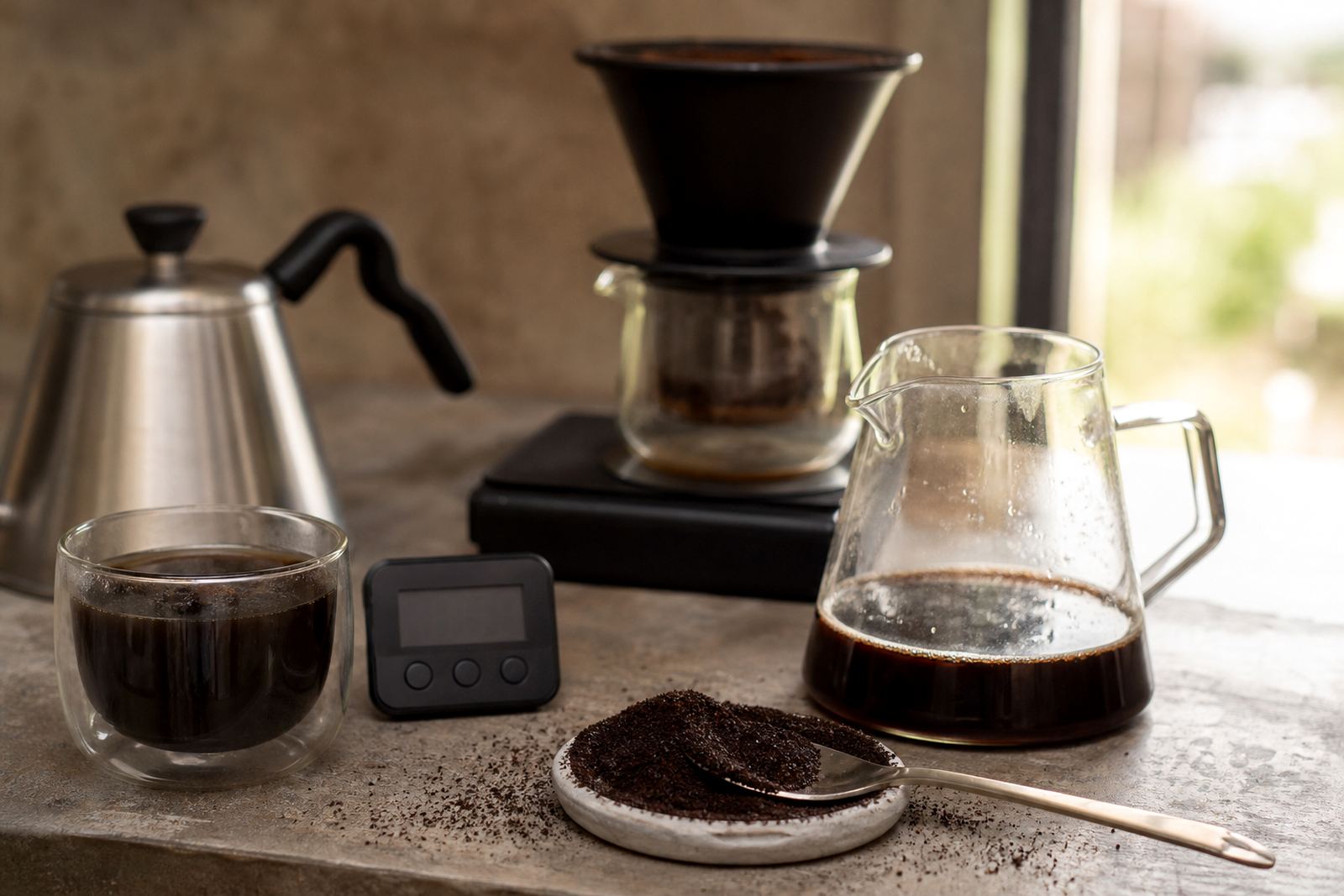
- Measure coffee and water instead of guessing.
- Do not keep brewed coffee hot for too long on a warming plate.
- Clean filters, baskets and group heads regularly.
- Descale machines on schedule so old residue does not affect taste.
Municipal water can also vary from area to area, and that changes extraction. If the water tastes chalky or over-treated, the coffee can taste more bitter than expected. A basic filter can help, especially in offices where many cups are brewed each day.
A practical tasting check for homes and offices
If you want to troubleshoot bitterness, taste the coffee in a simple order. First, smell it. Then sip it before adding milk or sugar. Ask whether the cup is dry on the finish, burnt on the nose, or simply too strong. Each clue points to a different cause.
Here is a quick check we use when helping clients across Cape Town, Pretoria and Durban:
- If it tastes harsh and dry, the grind may be too fine or the brew time too long.
- If it tastes burnt or smoky, the roast may be too dark for your preference.
- If it tastes flat and bitter at the same time, the beans may be stale.
- If one cup is fine and the next is bitter, the setup is probably inconsistent.
A tasting check saves money because it shows whether you need a small brewing adjustment or a different coffee profile. For offices, this can mean the difference between a frustrated team and a dependable daily cup that people actually enjoy.
When to change the coffee and when to change the method
Not every bitter cup needs a new bean. Sometimes a small grind change or a shorter brew time is enough. But if you have adjusted the brew and the cup still tastes aggressive, the roast style may simply be too heavy for the way you drink coffee.
For example, a client in the Southern Suburbs may want a clean filter coffee for the boardroom while a busy reception area needs a fuller body that works in milk. Those are different needs, and the right solution is not always the same coffee for both. Matching the coffee to the setting avoids unnecessary bitterness and keeps the flavour balanced.
Bitterness should support the cup, not dominate it. Once you understand extraction, roast style and freshness, you can make coffee that tastes rounder, cleaner and easier to drink every day.