

Start with water, not just beans
Good coffee starts before the kettle is even on. If your water tastes flat, heavily chlorinated or a bit metallic, your cup will follow that same pattern. In Cape Town we often see households and offices using the same tap water for everything, then wondering why the brew changes from one day to the next. A simple filter jug or a properly maintained in-line filter can make a real difference, especially in areas where municipal water taste shifts after heavy rain or pipe work.
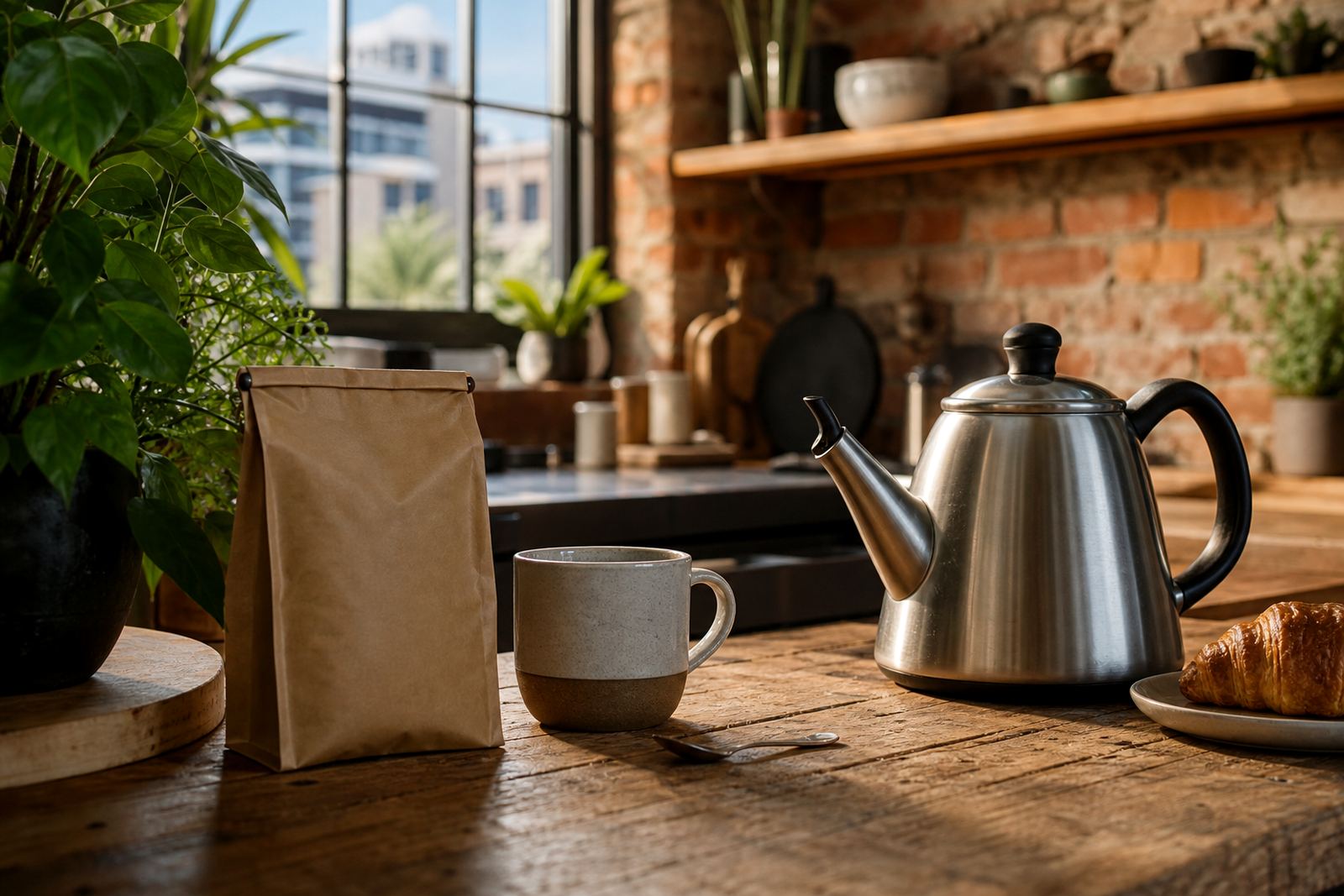
Water temperature matters too. For most brewing methods you want hot water, but not a rolling boil. Let the kettle settle for a minute after boiling if you are using a manual brew. That small pause helps avoid scalding the grounds and pulling harsh bitterness into the cup. It sounds minor, but on a Monday morning those details add up fast.
- Use clean filtered water where possible
- Let boiling water rest briefly before pouring
- Descale kettles regularly, especially in hard water areas
- Check that the kettle lid and spout are clean, not just the inside
Grind size is the quickest way to fix a weak cup
If your coffee tastes thin, sour or muddy, the grind is usually the first place to check. A fine grind extracts faster, while a coarser grind slows things down. Many people buy good beans then leave them in the same grinder setting for months, which means the flavour never really settles. A small adjustment can improve the cup far more than buying a new machine.
For drip brewers and plunger coffee, aim for a medium grind that feels like coarse sand. For espresso, you need a much finer grind and a little more patience when adjusting. If the coffee is running through too fast, go finer. If it is choking the machine or tasting overdone, back off slightly. Keep notes for a week, because one change at a time is easier to track than four changes at once.
- Adjust only one variable per brew
- Use the same dose and water amount while testing grind changes
- Store beans away from heat and sunlight
- Recalibrate the grinder after humid weather or a power interruption
Measure once and waste less every weekday
Eyeballing coffee is fine for a relaxed Sunday, but weekday mornings need repeatable results. A small scale, a timer and a fixed ratio can save both time and product. If you work from home in the Southern Suburbs or in a shared office in Johannesburg, the last thing you want is a different cup every day because someone used an extra spoon and guessed the water amount. The best routine is the one you can repeat without thinking too hard.
For filter coffee, start with a simple ratio such as 1 to 16, then adjust to taste. That means one gram of coffee for every 16 grams of water. If you want a slightly stronger cup, move to 1 to 15. For a cleaner cup, try 1 to 17. Keep the recipe in a visible place near the kettle or brew station. It helps new staff, housemates and family members make the same cup without asking twice.
- Weigh coffee instead of using scoops
- Set a standard recipe for home or office use
- Time your brew so it does not run too long
- Rinse filters and cups before brewing to keep heat stable
Make the morning easier with a prep station
A tidy brew area saves time and keeps the process calm. This is especially useful during load-shedding when the morning already feels disrupted. Put the grinder, scale, cups and water in one place the night before. If you use a manual method, pre-measure the beans into jars or small containers. That way you are not hunting through the kitchen while the kettle is cooling down and the school run is waiting.
In offices, a simple coffee station with labelled containers and clear steps can cut confusion. Someone should know where the fresh beans are stored, how the grinder is set and who tops up milk, sugar or filters. In Cape Town humidity, open bags left near a window can pick up moisture quickly, so airtight storage matters more than people think. A little order in the morning usually means fewer complaints later.
- Keep equipment in one dedicated area
- Label containers for beans, filters and cleaning cloths
- Pre-stage cups and milk the night before
- Store beans in airtight containers away from steam and sun
Clean gear gives cleaner flavour
Old oils and fine sediment build up quietly. You may not notice it on day one, but after a few weeks the cup starts tasting stale, especially with lighter single-origin coffees. A rinse is not enough for most brewers. Filters, brew baskets, grinders and milk jugs need a proper clean on a regular schedule. If you are running coffee for staff or visitors, cleaning is part of the routine, not an extra task.
It is also worth checking seals, baskets and burrs. A worn grinder or a blocked shower screen can change the extraction and make the morning brew unpredictable. At home, a weekly clean is usually enough for light use. In a busy office or hospitality setting, some parts need attention every day. It does not take long, and it protects the flavour you paid for.
- Wash jugs, filters and baskets after use
- Empty grinder residue daily
- Deep clean brew equipment weekly
- Replace worn parts before they affect the cup
Match the coffee to the day ahead
Not every morning needs the same roast or brew style. A bright, fruity single-origin can be a good choice when you want a lighter cup and a clearer finish. A rounder profile can suit longer meetings or a later breakfast when you want something steadier. The point is not to complicate your routine, it is to choose a coffee that fits the pace of the day.
At A Cup Of we see this often with homes and offices across Cape Town, Johannesburg, Pretoria, Durban and Gqeberha. A family may want one coffee for school mornings and another for weekends. An office may need a dependable brew for the meeting room and a separate option for staff breaks. Once you treat coffee as part of the schedule, not just a caffeine fix, the whole routine becomes easier to manage.
- Keep one familiar coffee for fast weekday brewing
- Reserve experimental beans for slower mornings
- Rotate coffees seasonally so the menu stays interesting
- Plan stock so you do not run out midweek
A better cup is usually a better habit
The best morning routine is not the fanciest one. It is the one that gives you a good cup with less stress, less waste and fewer surprises. If you tighten up your water, grind, measurements, prep and cleaning, the flavour improves without adding much time. That matters whether you are brewing at home in Woodstock, making coffee for a small office in Pretoria or setting up a shared station for staff in Durban.
Small changes are easier to keep than big promises. Start with one adjustment this week, then add the next one once it feels normal. You will taste the difference sooner than you think, and your mornings will feel a lot less rushed.