

Start with flavour, not labels
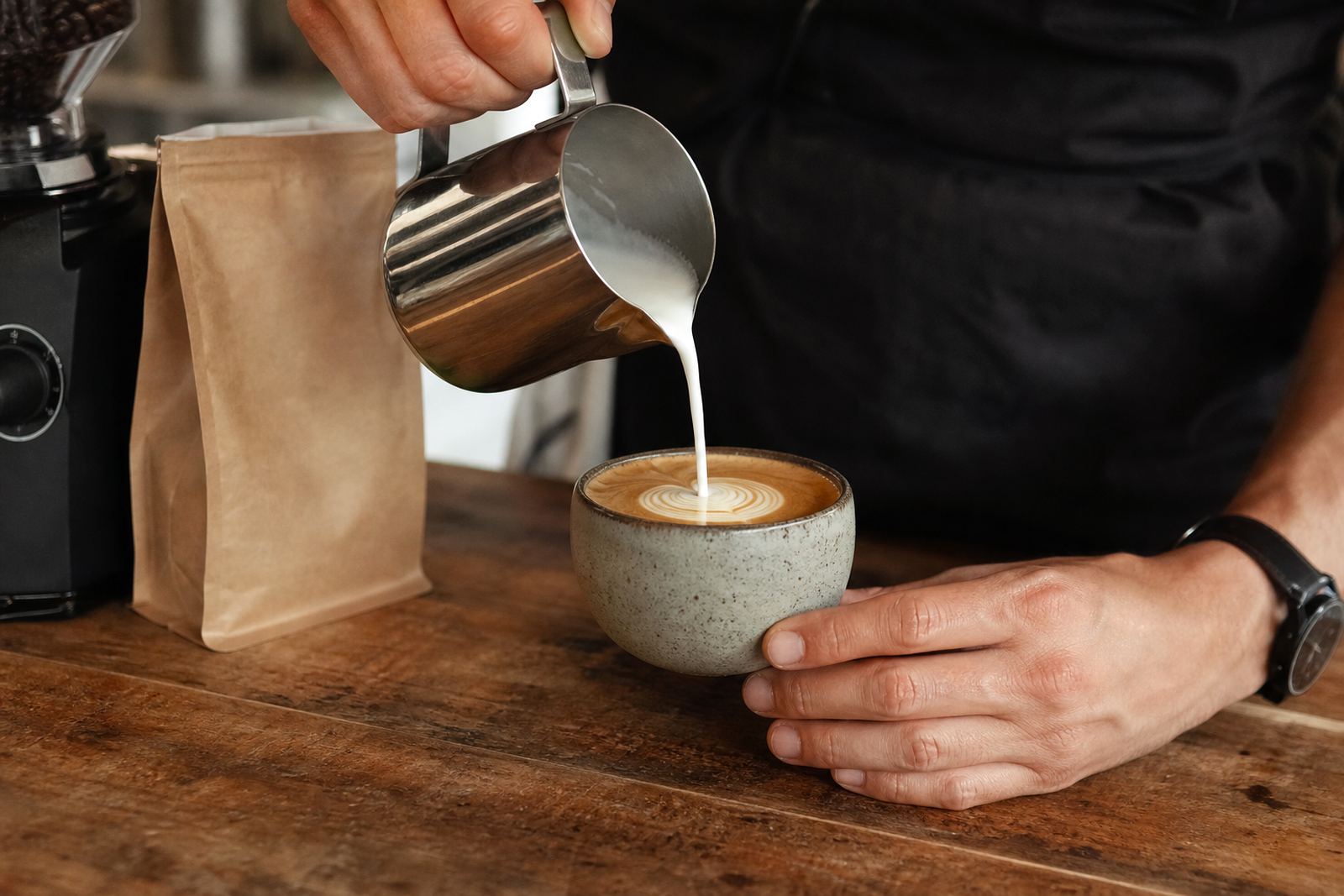
If you are new to speciality coffee, begin by asking what you want in the cup rather than trying to decode every term on the bag. A light roast can taste bright and fruity, while a medium roast often brings more chocolate, nut and caramel notes. If you usually add milk, a medium roast is a practical place to start because it keeps enough flavour to come through in a flat white or filter coffee.
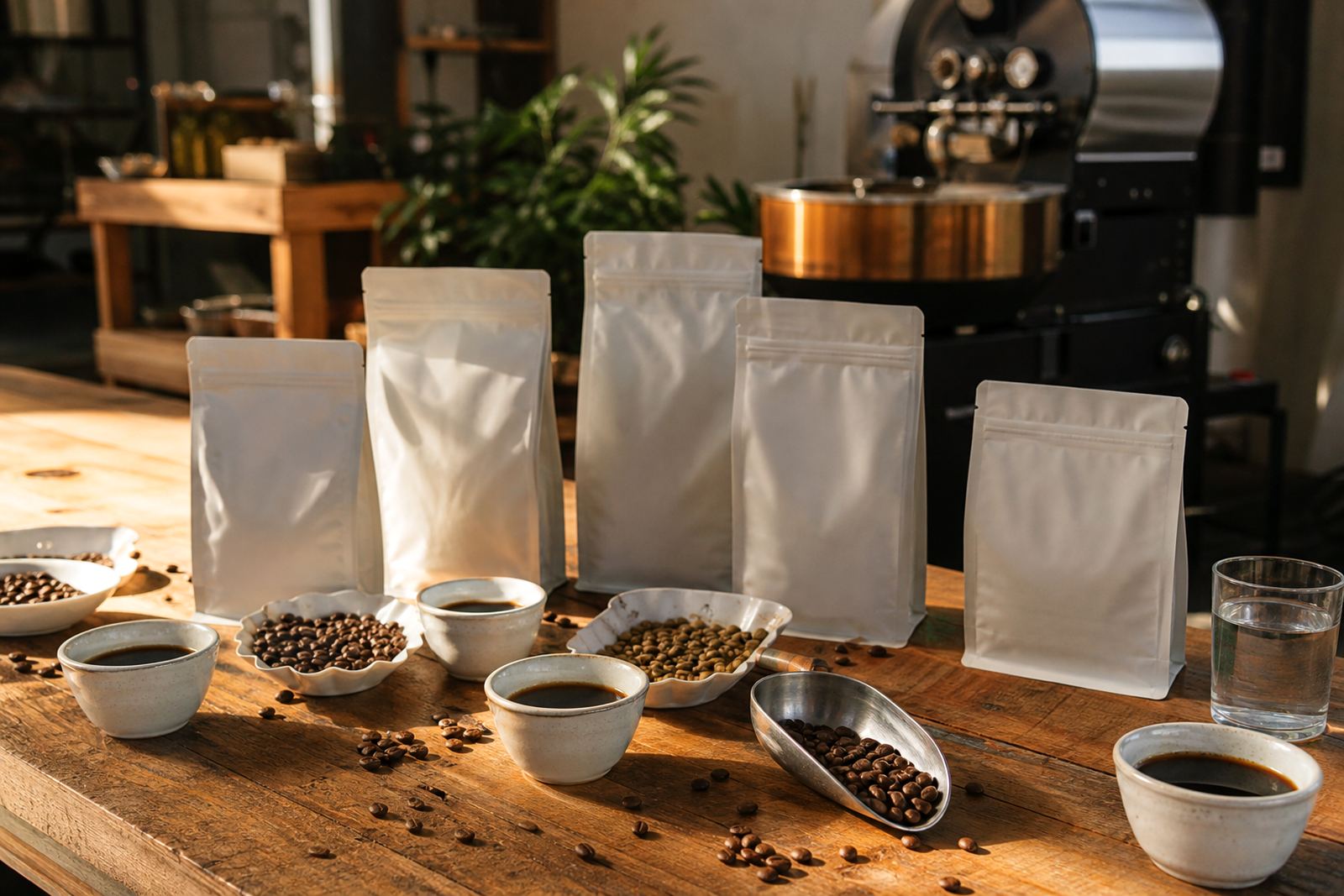
Single-origin coffee is a good choice for beginners because it shows the character of one farm or region. That makes it easier to notice differences from one bag to the next, even if you are still learning what you like. In South Africa, many first time buyers are surprised by how much flavour can change from one origin to another, even when the brew method stays the same.
- Choose medium roast if you prefer a balanced cup.
- Choose light roast if you enjoy fruit acidity and tea-like notes.
- Choose darker roast if you like less acidity and more roast character.
Keep the brew method simple at home
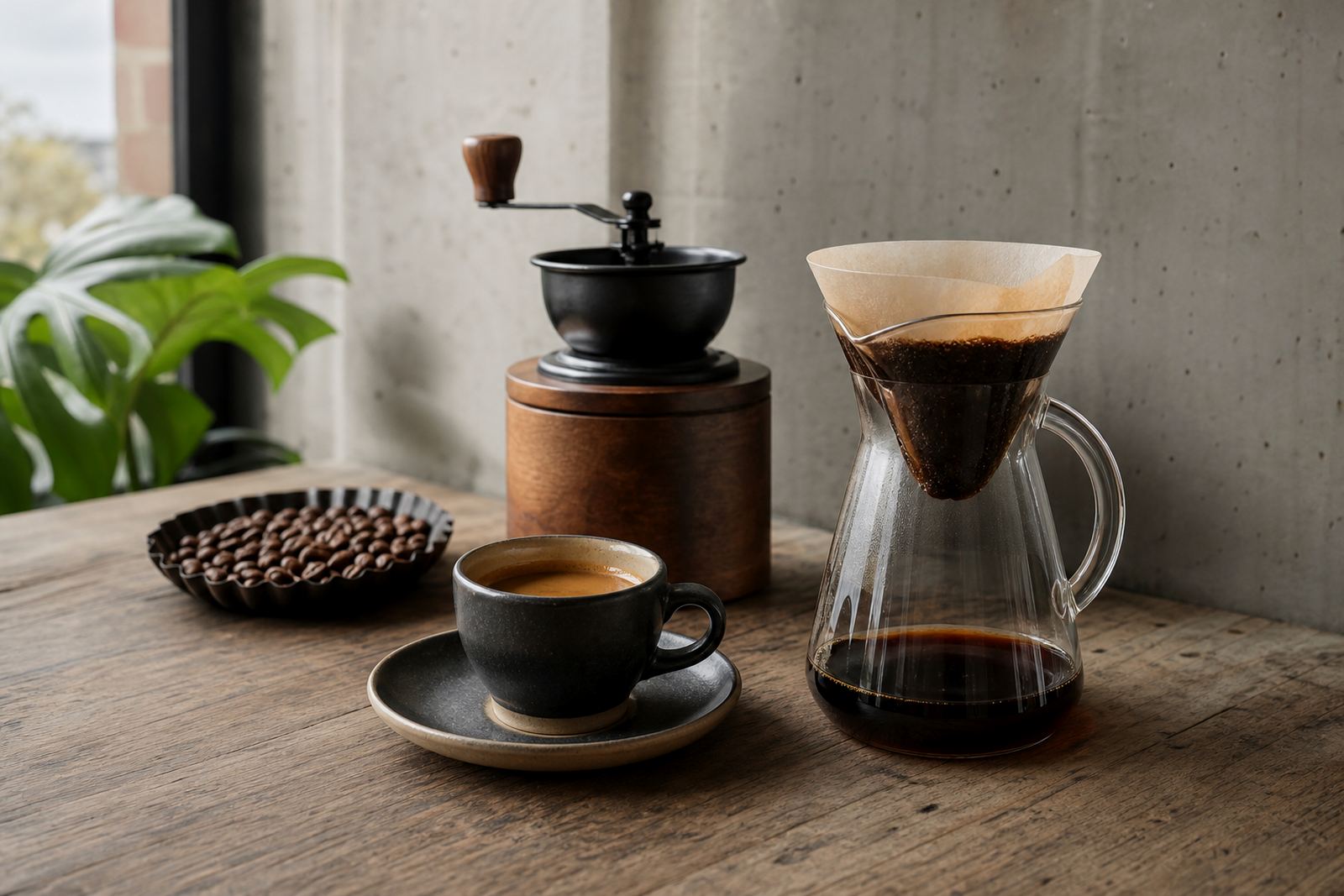
You do not need expensive equipment to make good coffee at home. A plunger, filter cone or stovetop espresso brewer can produce a very drinkable cup if the grind and water are right. For most beginners, a filter or plunger is the easiest starting point because it gives you room to learn without chasing perfect pressure or timing.
Use freshly boiled water that has had a short rest of about 30 seconds, especially if you are brewing light roasts. The water should be hot, not raging, because too much heat can pull harsh flavours from the coffee. If you are in Cape Town or Durban and water quality varies from suburb to suburb, filtered water can help keep the taste more consistent.
- Plunger: forgiving and easy for larger cups.
- Filter cone: clean flavour and simple cleanup.
- Espresso machine: best once you are ready to work on grind and dose more closely.
Why grind size changes everything
Grind size is one of the biggest reasons a cup tastes too sharp, too weak or too bitter. Coarse grounds suit plunger coffee, medium grounds suit filter methods and fine grounds suit espresso. If the coffee tastes sour and thin, the grind may be too coarse. If it tastes bitter and heavy, it may be too fine or the water may be in contact with the coffee for too long.
At home, the easiest habit is to buy beans and grind them close to brewing. Pre-ground coffee is convenient, but whole beans keep flavour better. In humid areas like Gqeberha or coastal Cape Town, sealed storage matters too because moisture can flatten the aroma faster than many people expect.
- Coarse: plunger and cold brew.
- Medium: filter and drip.
- Fine: moka pot and espresso.
How much coffee and water should you use
Many beginners use too little coffee and then wonder why the cup tastes thin. A simple starting ratio is 1:16, which means 1 gram of coffee for every 16 grams of water. If you do not have a scale, a level tablespoon is only a rough guide, so a small digital scale is worth it if you want repeatable results. It does not need to be fancy.
A practical example: for a 250 ml mug, start with about 15 to 16 grams of coffee. If that cup tastes too strong, reduce the amount slightly next time. If it tastes watery, add a little more coffee. Small changes are easier to judge than making a big jump between brews and hoping for the best.
- 250 ml mug: 15 to 16 g coffee.
- 350 ml travel mug: 22 to 23 g coffee.
- French press jug: 30 g coffee for about 480 ml water.
Reading the cup without overthinking it
Speciality coffee is often described with tasting notes like citrus, berries, cocoa or stone fruit. These are not added flavours, they are simply the natural notes people notice in the cup. You do not have to taste every note on the label. The point is to notice whether you like the coffee and to start building your own sense of preference.
A simple way to learn is to ask three questions after each cup: Is it sweet, bright or bitter? Is it light-bodied or heavy? Would I drink it again tomorrow? If you are brewing at home in Johannesburg during a busy workweek, those are more useful questions than trying to identify every note at once.
- Sweet usually means the coffee is balanced and well extracted.
- Bright usually means higher acidity, often in lighter roasts.
- Bitter can signal too fine a grind, too hot water or too long a brew.
Subscriptions help you learn faster
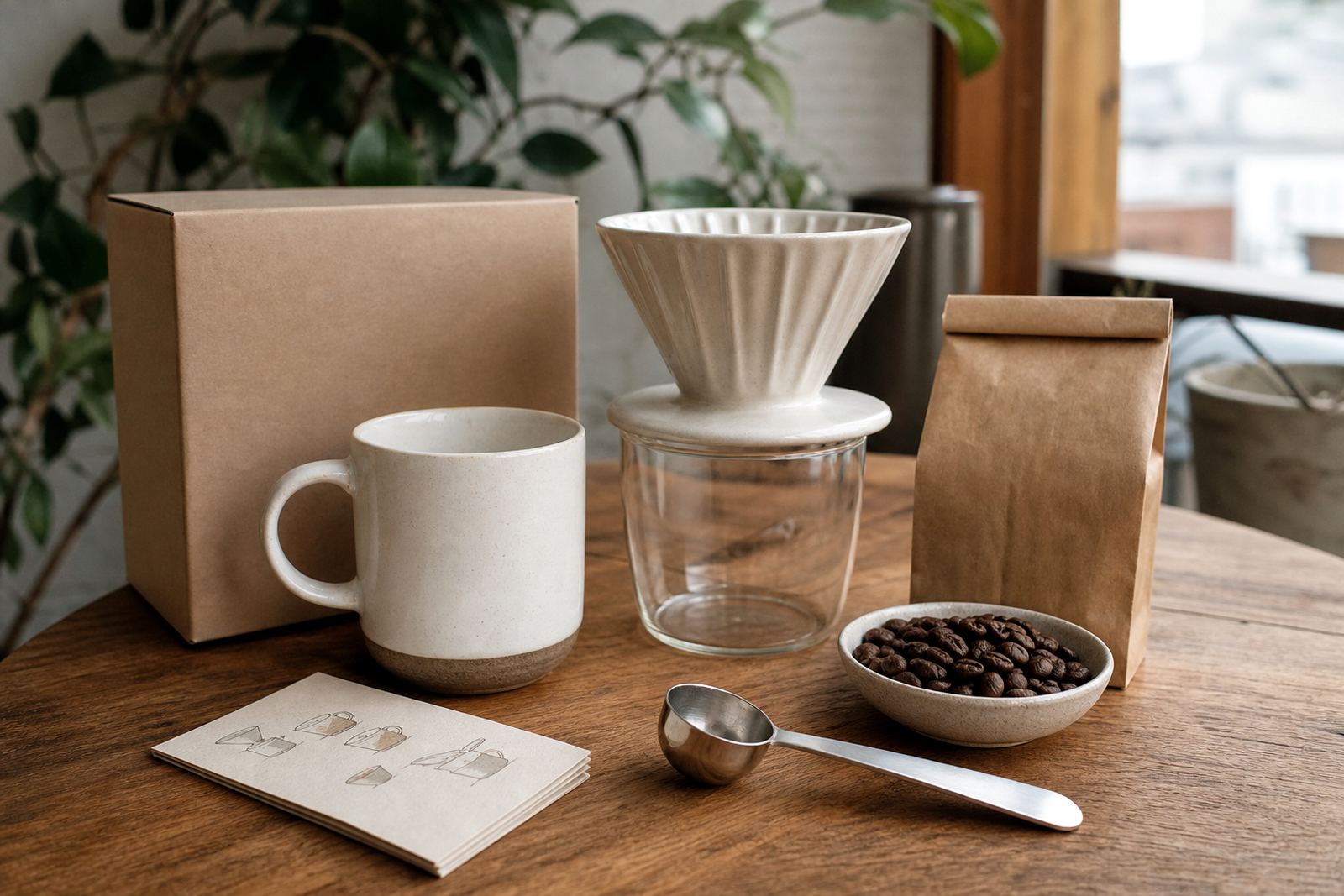
A coffee subscription can be a smart option for beginners because it takes the guesswork out of restocking. You can receive a regular delivery and try different origins one bag at a time, which helps you understand what styles you naturally enjoy. It also prevents the common mistake of buying one large bag before you know whether the roast suits your taste.
For homes and offices, a subscription is useful because it keeps coffee arriving on schedule without extra admin. In a small office in Woodstock, for example, the team might want a dependable filter coffee for mornings and a more flavourful single-origin for client meetings. That kind of planned rotation makes the supply feel organised, and it helps people try new coffees without wasting stock.
- Good for first-time buyers who want guided variety.
- Useful when you want coffee delivered to home or office.
- Handy for learning what origins, roast levels and brew methods you prefer.
A simple first month plan
If you are just getting started, keep the first month easy. Pick one brew method, one bag of single-origin beans and one notebook or notes app to record what you taste. Brew the coffee the same way for a week before changing anything, so you can see what really affects the cup. That gives you a clearer base to work from, and avoids constant second guessing.
By week two, try one small change such as a slightly finer grind or a longer brew time. By week three, compare your first bean with a second origin that is similar in roast level but different in flavour. By week four, you should have a better sense of what you enjoy and what to avoid. It is a simple process, but it works.
Beginners usually progress fastest when they keep the routine steady and only adjust one thing at a time. That approach saves coffee, saves money and makes the learning far less frustrating.