

What a coffee variety actually means
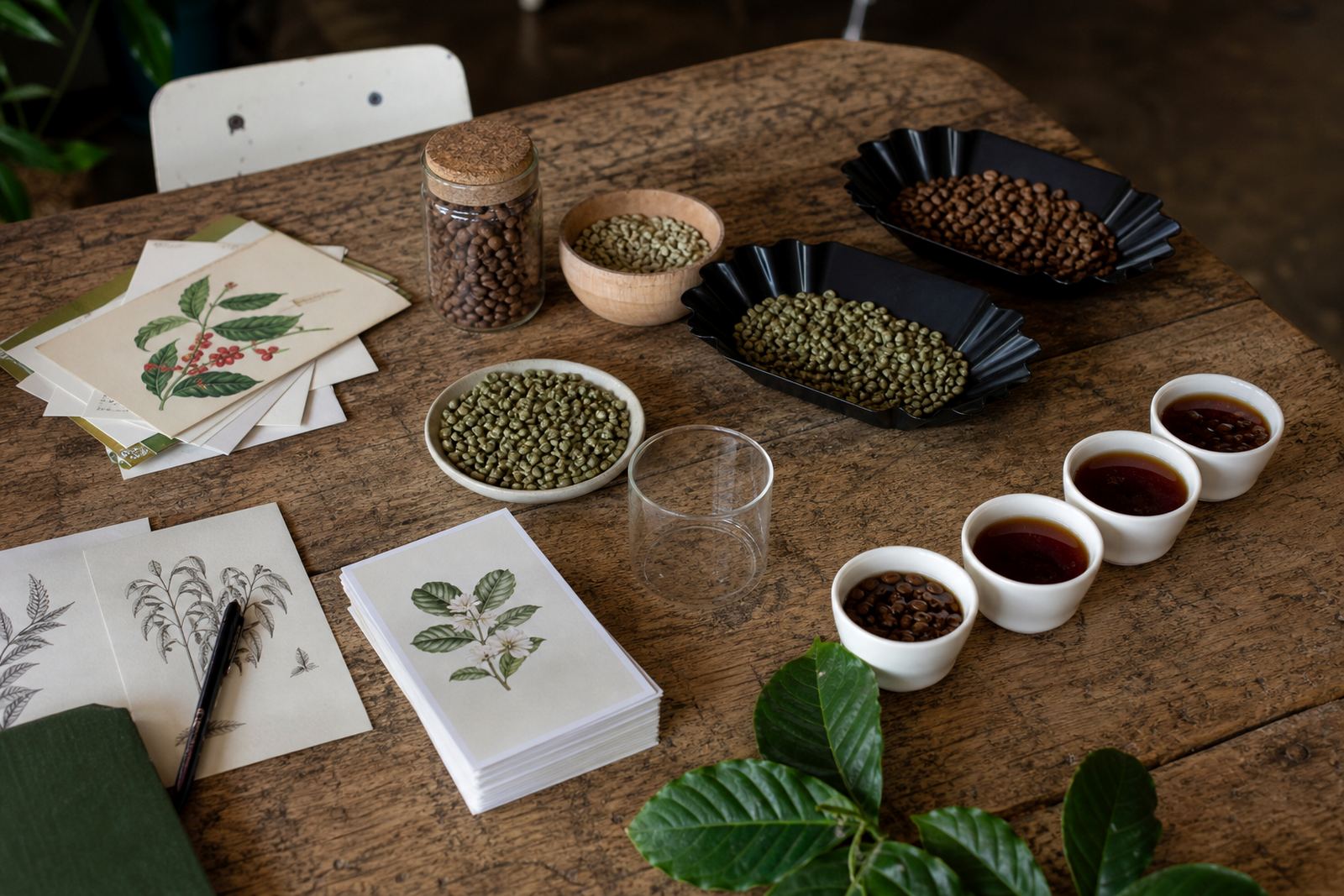
When people talk about coffee varieties, they mean the plant type inside the species, much like different apple cultivars. Two lots can both be Arabica, yet taste very different because the variety affects bean size, density, sugar content and how the plant ripens in the field.
That matters for buyers in South Africa because the same roast style will not suit every variety. A lot from a high altitude farm may carry more structure and brighter acidity, while another from a lower, warmer region may taste softer and rounder. The variety gives the roast a starting point, so good roasters work with it instead of trying to flatten it.
How variety changes flavour in the cup
Variety influences flavour in a practical way. Some varieties tend to show floral notes, others lean towards stone fruit, cocoa, citrus or more syrupy sweetness. Body can shift too, from a light tea-like cup to something fuller and heavier on the palate.
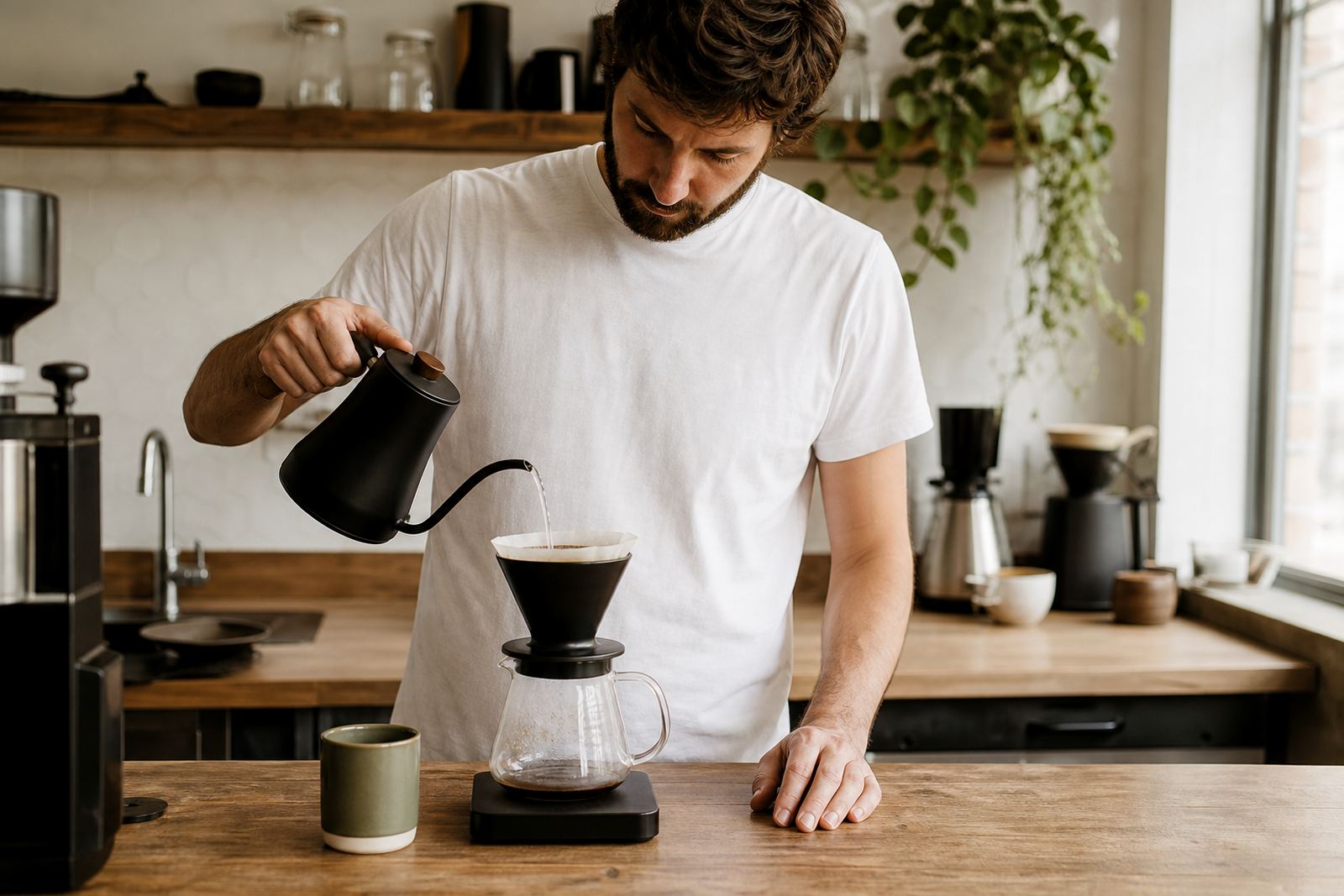
At home or in the office, that can be the difference between a bright morning filter and a smoother milk drink. If your team prefers longer black coffee through the day, a sweeter, rounder variety may be the easier fit. If you like a cleaner cup for pour over or batch brew, a variety with lively acidity can make the cup feel more expressive.
- Flavour is often tied to genetics, not just roast level.
- Body can feel lighter or heavier depending on the variety.
- Sweetness, acidity and aroma can all shift from one variety to another.
Why single-origin coffee shows variety more clearly
Single-origin coffee helps you notice variety because fewer other variables are hiding the differences. When the beans come from one area and one harvest, you can taste how the plant type, climate and processing work together. That is why a washed lot from one variety can taste crisp and clean, while a naturally processed lot from another feels jammy and fuller.
For customers in Woodstock, or offices in Johannesburg and Pretoria, this is useful when building a repeat order. If you know which varieties your team enjoys, you can choose subscription coffees with more confidence instead of relying on guesswork. It also makes seasonal rotation easier because you can compare one lot against the next and notice what has changed.
- Single-origin lots make flavour differences easier to spot.
- Seasonal changes are more obvious when the origin is consistent.
- It is easier to match the coffee to filter, espresso or milk drinks.
Local conditions and how they affect the final taste
Variety does not act alone. South African conditions such as altitude, rainfall and temperature swings all shape the cup as well. A variety grown in cooler conditions often develops slower, which can give more complexity and better sweetness, while warmer growing areas may bring softer fruit notes and lower acidity.
This is useful to keep in mind when you are ordering coffee for a café in the Southern Suburbs or a hospitality space on the Atlantic Seaboard. Coastal humidity can affect storage and grind consistency, so a coffee that tastes great in a sealed bag may need a small grind adjustment once it is opened. In summer, offices dealing with warm rooms and load-shedding may also notice that extraction changes during the day, so it helps to keep brewing water, grind and dose under control.
A practical example: if a venue in Cape Town wants a cleaner filter coffee for morning service and a sweeter espresso for after lunch, two different varieties can do the job better than forcing one coffee to cover every need.
Choosing a variety for home, office or café use
You do not need to be a cup judge to make a sensible choice. Start with the drink you actually want to serve most of the time, then match the variety to that goal. If you use milk, a variety with more chocolate, caramel or nut character often works well. If you serve black coffee, choose one with enough structure to stay interesting without becoming too sharp.
- For milk drinks, look for sweetness and body.
- For black coffee, look for clarity and balanced acidity.
- For batch brew, choose a variety that stays clean at slightly larger brew volumes.
- For espresso, pick a variety that can hold up under pressure and still taste sweet.
It also helps to think about staff training. A coffee educator can show your team how the same variety behaves across different brew methods, which makes it easier to keep quality steady from one shift to the next. That matters in busy spaces where people are making multiple drinks before 9am and need the cup to stay consistent.
A simple way to taste varieties side by side
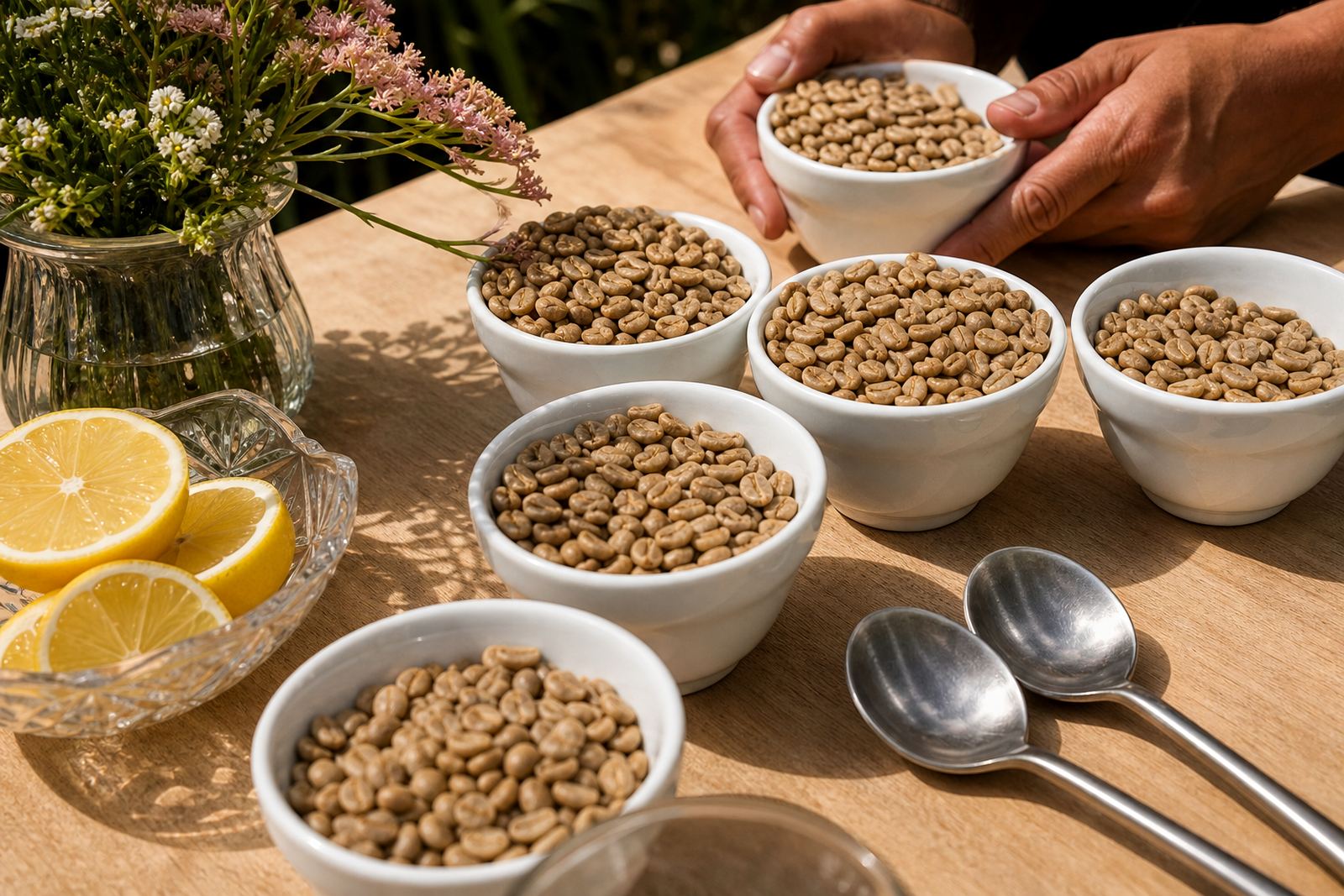
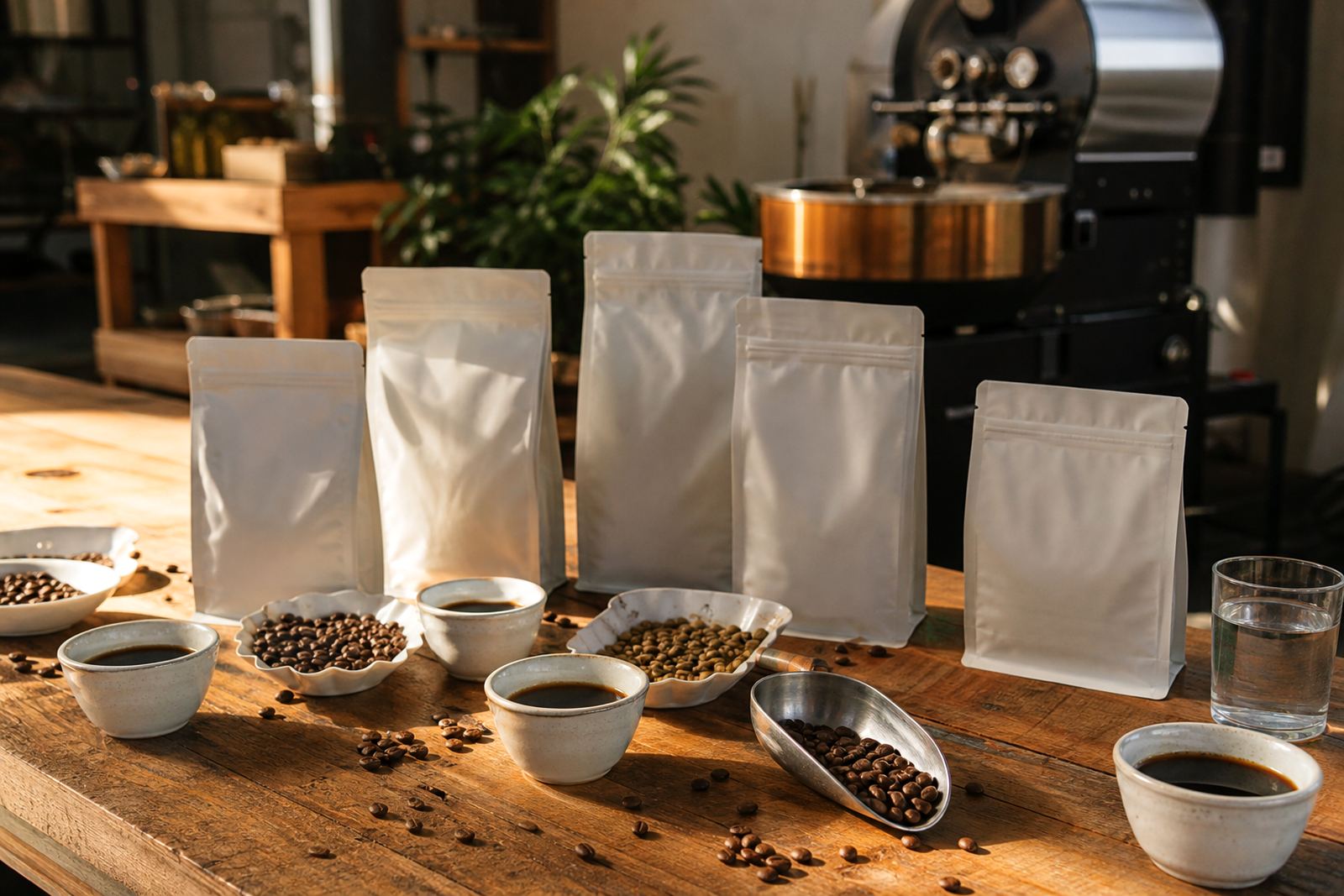
If you want to learn faster, taste two coffees side by side and keep the brewing method the same. Use the same water, same dose, same grind and same brew time. Then note sweetness, acidity, body and aftertaste. You do not need fancy language, just honest observations.
Try this with a small cupping at home or in your office kitchen. Brew one washed coffee and one naturally processed coffee, then compare how the varieties present themselves. One may taste brighter and more floral, the other may feel heavier and more fruit forward. That comparison gives you a better sense of what you actually prefer, and it is much easier to choose subscription coffees after that.
For businesses ordering coffee across Cape Town, Durban, Gqeberha, Johannesburg and Pretoria, this approach also helps with stock forecasting. Once you know which varieties move fastest, you can plan purchases more accurately and avoid running short during busy periods.