
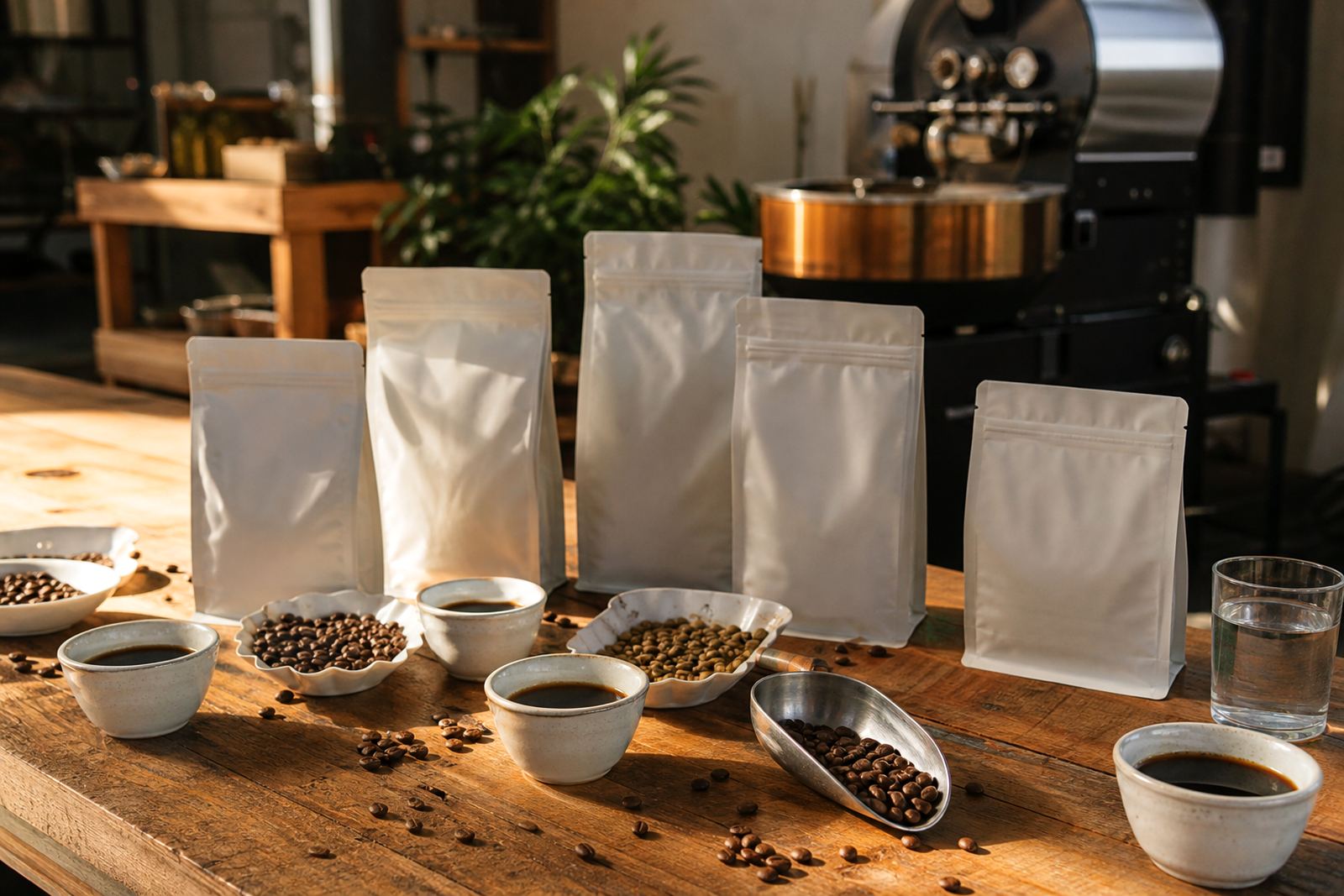
Why elevation changes the bean inside the cherry
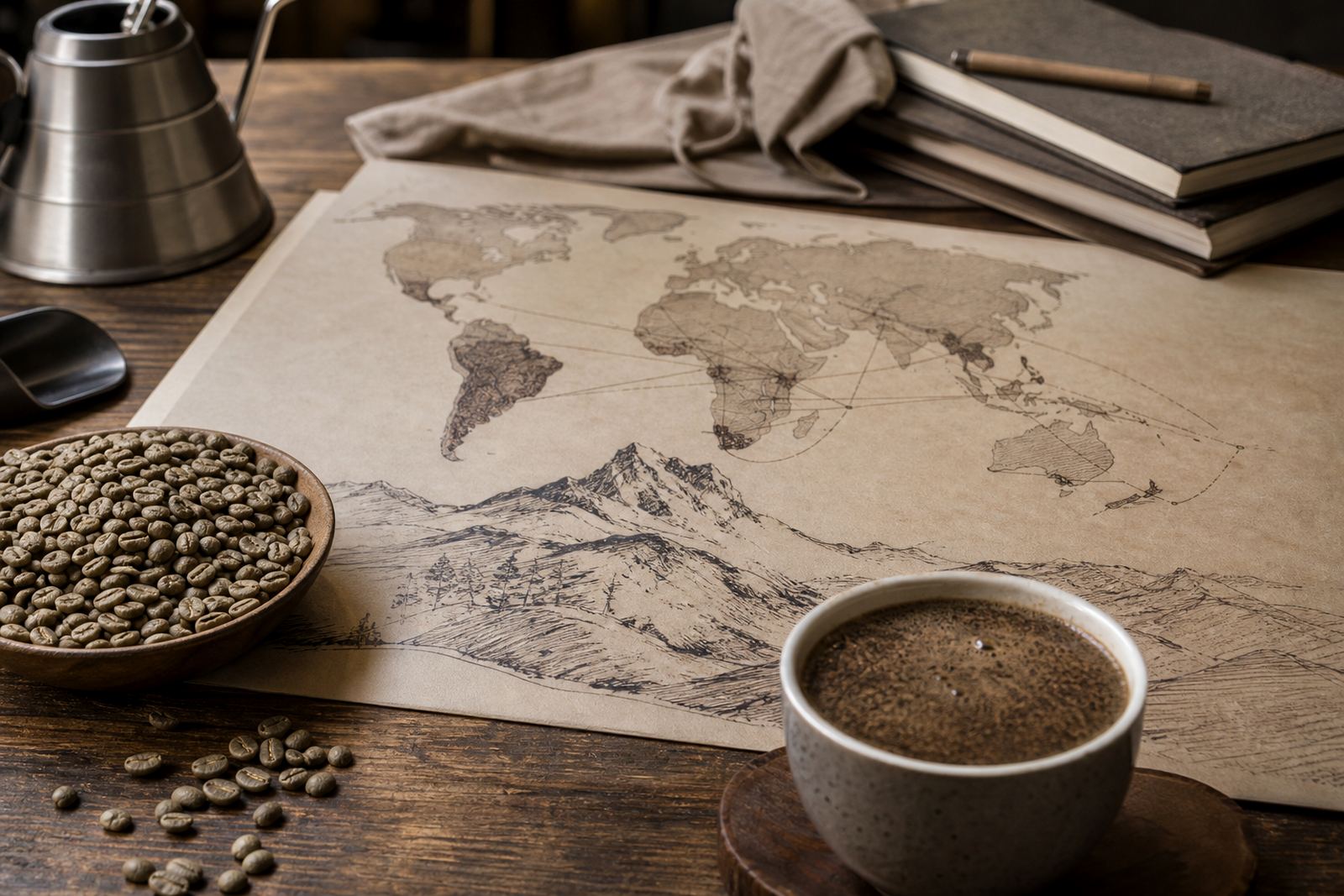
When coffee grows at higher elevation, cooler temperatures usually slow the ripening of the cherry. That extra time can allow the seed inside to develop more densely, with tighter cell structure and a different balance of sugars and acids. In plain terms, the coffee often needs a bit more care at roast and brew stage to show its best side.
Lower grown coffee can still be very good, especially when the farm is well managed and picking is done properly. Altitude is one clue, not a full quality score. Rainfall, soil, variety, shade and harvest timing all matter too. Still, elevation often gives you a useful idea of what kind of cup to expect before the bag is even opened.
What altitude can mean for flavour in the cup
People often talk about altitude as if it automatically means better coffee. That is not true. What it often means is more flavour potential, especially if the farmer and roaster handle the lot well. Higher grown coffee can show citrus, stone fruit, floral notes or a crisp sweetness. At lower elevations you may get heavier body, nuttier tones and less sharp acidity.
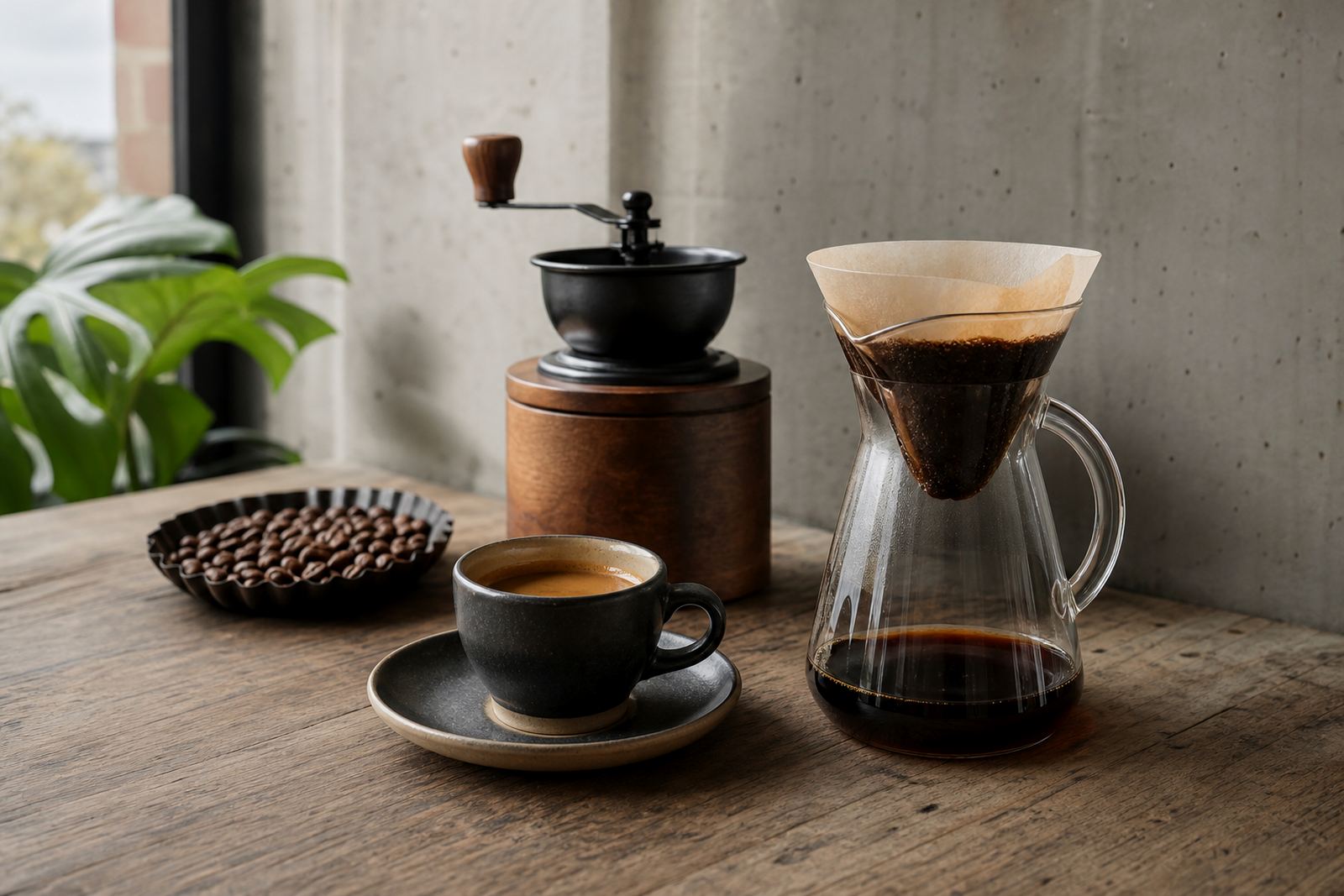
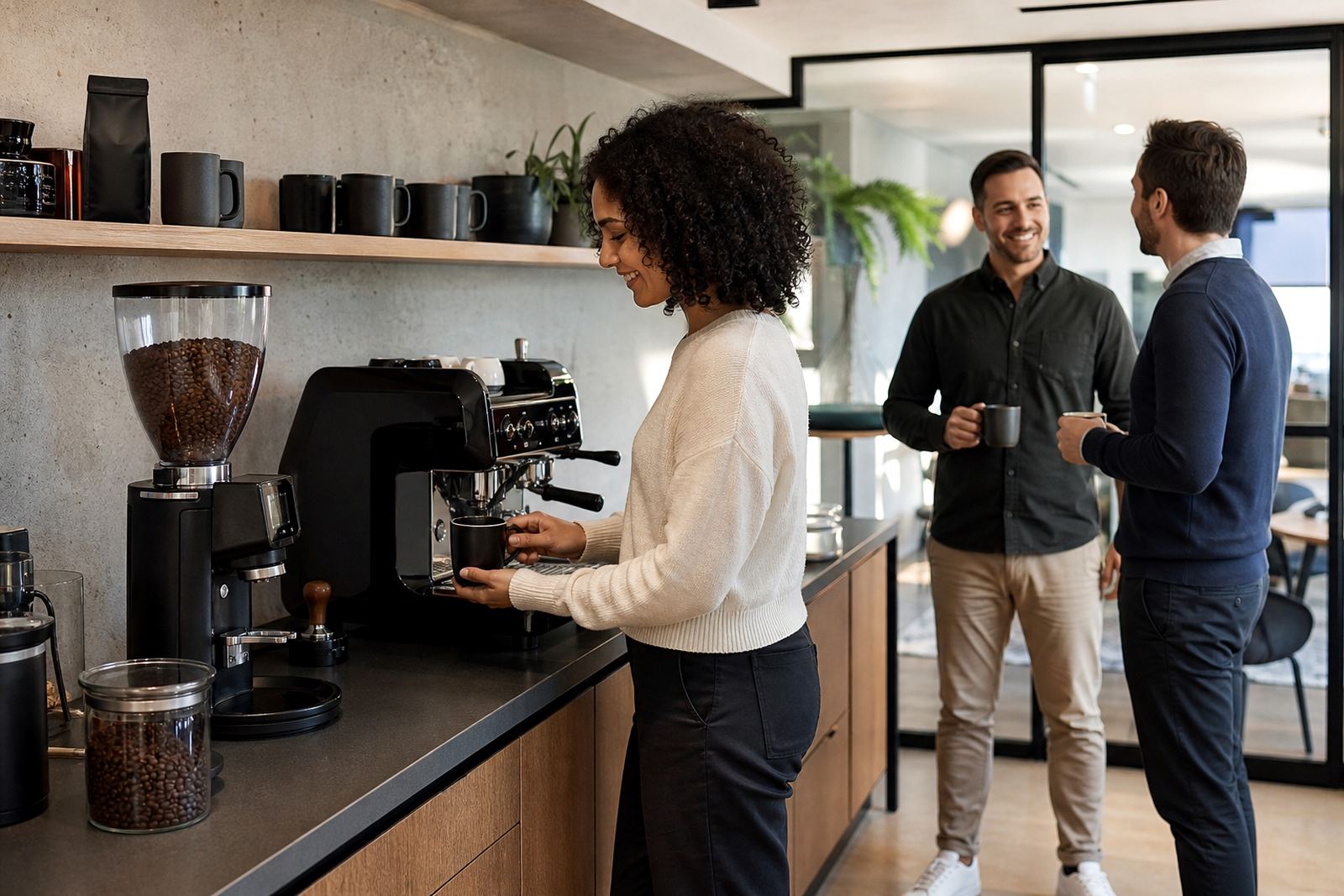
For an espresso bar or office setup, this matters because flavour needs to suit the brewing method. A bright high-altitude coffee might sing as a filter brew, while a lower altitude coffee can work very well in milk drinks or a morning batch brew. If the roast is too light or too dark for the bean, you lose the benefit of the altitude completely.
- Bright cup profile: usually higher elevation, often more acidity.
- Round cup profile: often lower elevation, usually more body.
- Best result: altitude plus good processing, fresh roasting and correct extraction.
How altitude affects roasting decisions
Altitude gives roasters a starting point. Dense beans from higher elevations often need a bit more development time in the roast so the centre of the bean is cooked through without flattening the character. If rushed, the cup can taste sharp, thin or grassy. If overdone, you can lose the very acidity and sweetness that made the coffee special.
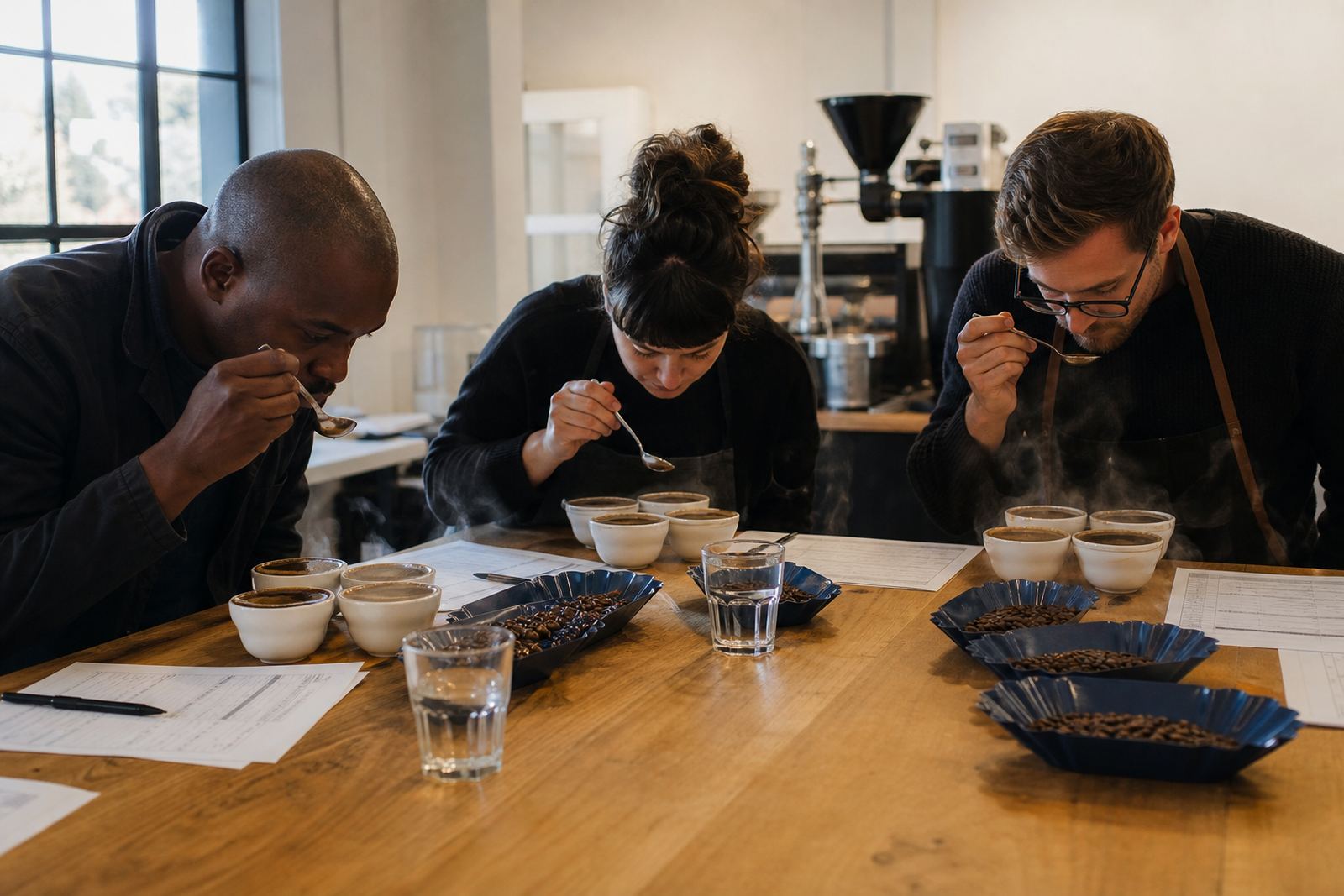
At A Cup Of, that is why roast decisions are not made from altitude alone. We look at bean density, moisture, processing method and how the coffee behaves during sample roasting. A high-grown lot from a cool climate might ask for a slower charge and a gentler finish. A softer bean from lower ground may need less time before it starts to taste baked.
- Dense beans usually handle heat differently and may need more careful roast control.
- Less dense beans can move faster through the roast and lose character if pushed too hard.
- Fresh roasting matters, because coffee can change quickly in the first 10 to 14 days after roasting.
A Cape Town example: why altitude still shows up in your mug
In Woodstock, where our roastery is based, we see the same bean perform differently depending on grind, brew ratio and water. Cape Town’s water profile and the colder mornings in winter can change extraction a bit, so a high-altitude coffee may need a finer adjustment than expected. That is one reason a subscription box can be useful. You get to taste different origins side by side and learn what altitude does for your own palate.
For example, a coffee from a high mountain growing region may taste bright and tea-like in a V60, but fuller and sweeter in a flat white. The same coffee in a batch brewer for an office kitchen might need a slightly tighter grind and a touch more contact time to keep the flavour from dropping out. A lower grown coffee in that same setting might come through with easier body and less acid, which some teams prefer during long meetings.
How to choose coffee when altitude is on the label
Altitude on a coffee label is useful, but only if you read it with the rest of the details. Look for origin, process method, roast date and the flavour notes the roaster has chosen. If the label only gives elevation, you still do not know enough. A high-grown natural process coffee can taste very different from a washed coffee at the same height.
If you are buying for a home setup, start with what you want in the cup. Do you like clarity and citrus, or something more smooth and chocolatey? For workplaces, think about how many cups you need per day, whether the team drinks milk, and how much variation the brews will get from different users. Those practical questions matter more than chasing a number in metres for its own sake.
- Choose high-altitude coffee if you like crisp acidity and detailed flavour.
- Choose lower altitude coffee if you prefer a rounder, softer cup.
- Match the coffee to the brewing method, not just the origin story.
So, does altitude matter? Yes, but only with the rest of the picture
Altitude matters because it influences how coffee grows, how it roasts and how it extracts. But it is only one part of the story. If the harvest is poorly timed, the processing is rough or the brew is badly dialled in, elevation will not save the cup. On the other hand, a well grown and well handled low elevation coffee can be excellent.
The best way to think about altitude is as a clue to flavour potential. It helps set expectations, but it should never replace tasting. That is especially true in South Africa, where water, climate and brewing habits vary from Cape Town to Johannesburg, Pretoria, Durban and Gqeberha. A coffee that shines in one place may need small adjustments in another.