

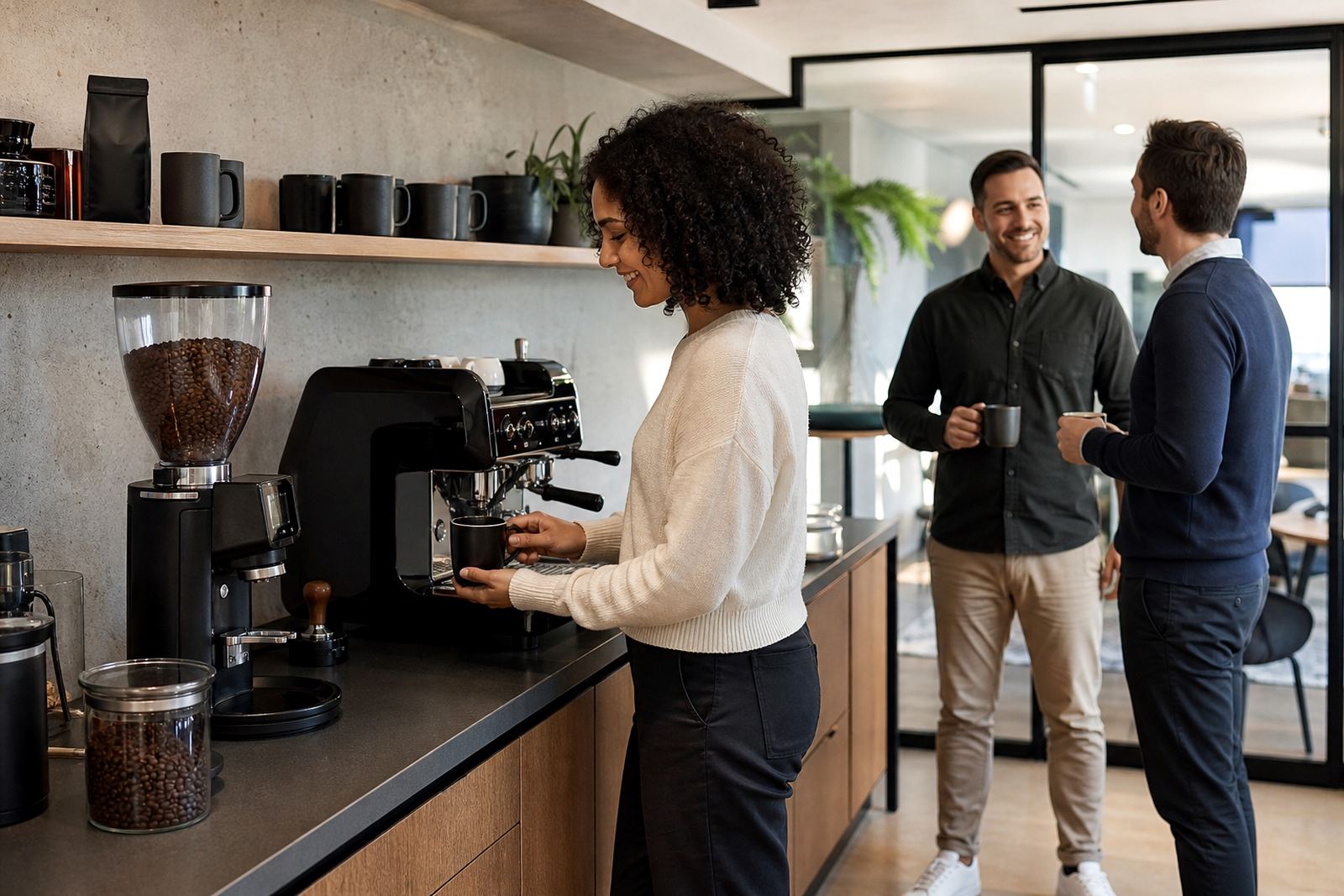
Why decaf has moved on from being an afterthought
For years, decaf was treated like a compromise, something you drank only if you had to. That idea is fading. Better sourcing, tighter roast control and improved decaffeination methods mean good decaf can now hold its own with many full caffeine coffees. If the green beans are sound and the roast is handled well, the cup can still show fruit, cocoa, nuts and a clean finish.
That matters for South African households and offices where not every cup is about a caffeine hit. Some people want a late afternoon mug without losing sleep, others need a gentler option during busy workdays or after dinner. Decaf can meet that need without feeling like a second choice.
What sweet, balanced decaf should taste like
Sweetness in decaf does not mean sugary flavour. It means the cup tastes rounded and pleasant, with enough structure to avoid bitterness and enough acidity to keep it lively. A balanced decaf should feel smooth from the first sip to the finish, not hollow or sharp.
- Look for tasting notes such as caramel, milk chocolate, stone fruit or toasted nuts.
- Avoid cups that smell papery, woody or overly smoky.
- If you brew filter coffee, the cup should still have clarity and a clean finish.
- For espresso, decent crema is not the only clue. The shot should taste sweet and not thin.
If your decaf tastes dull, it is not automatically the beans. Stale coffee, a grind that is too fine, or water that is too hot can flatten even a very good batch.
How processing changes the cup in plain terms
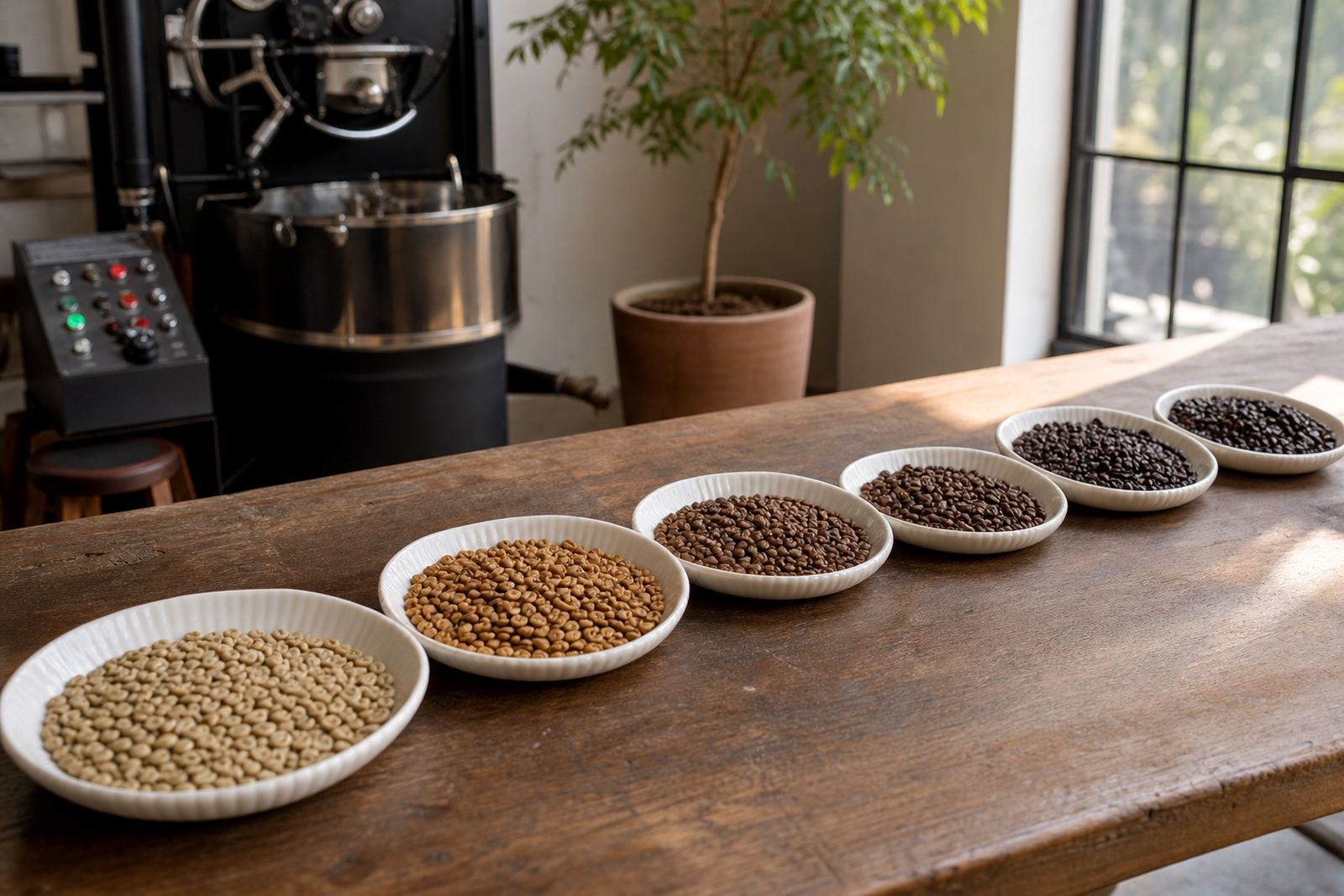
Decaf beans are treated before roasting to remove most of the caffeine while keeping the coffee character as intact as possible. The method used can influence the final cup. Some processes tend to keep the body heavier, while others preserve brightness and fruit notes better. You do not need to know the chemistry to choose well, but it helps to understand that decaf is not one uniform product.
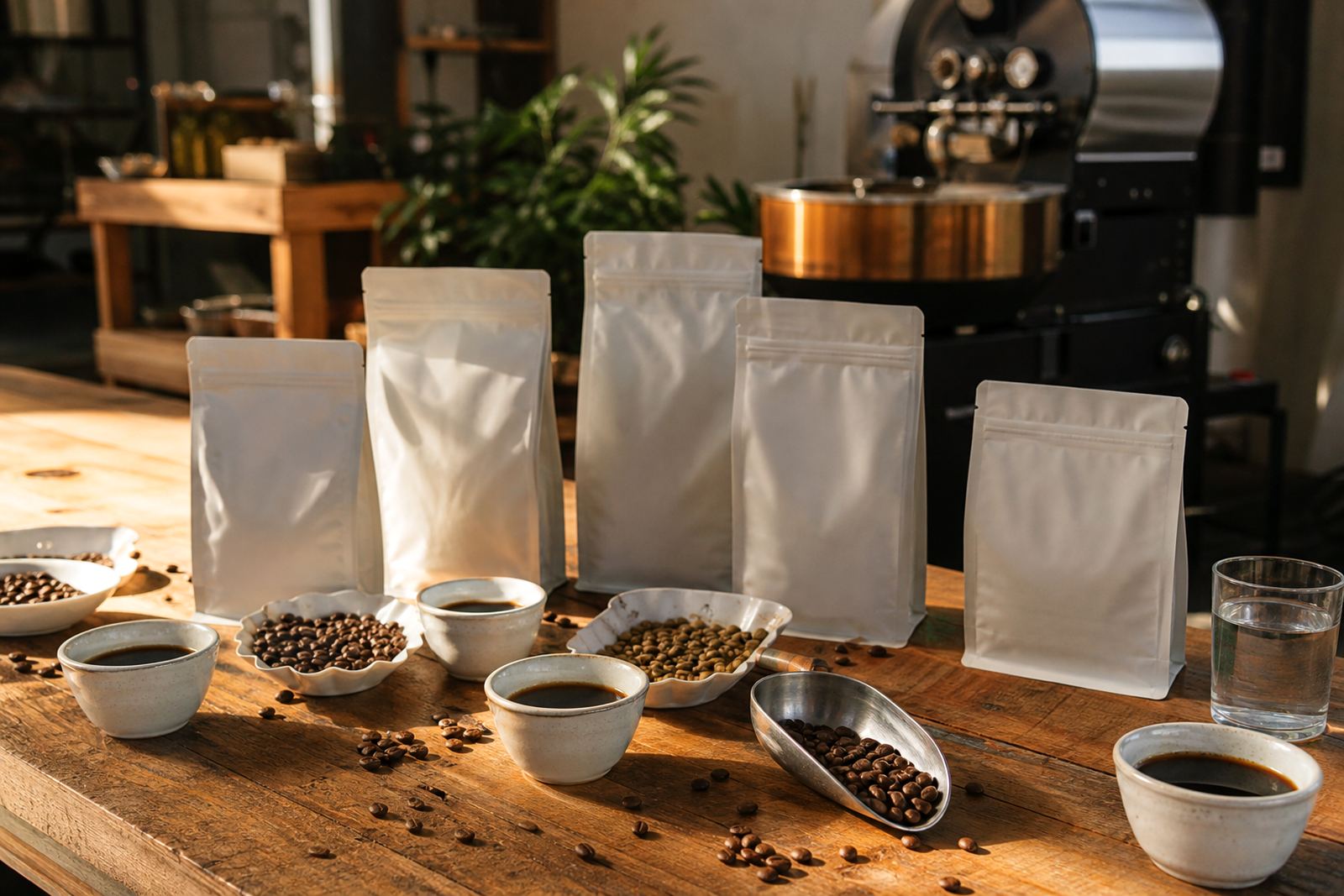
As a buyer, ask the simple questions. Where was the coffee grown? What does it taste like? Is it better for espresso or filter? A good roaster should be able to answer clearly and not hide behind vague words. If the decaf is handled with care it can still brew a proper cup, not just something acceptable.
Brewing decaf well at home or in the office
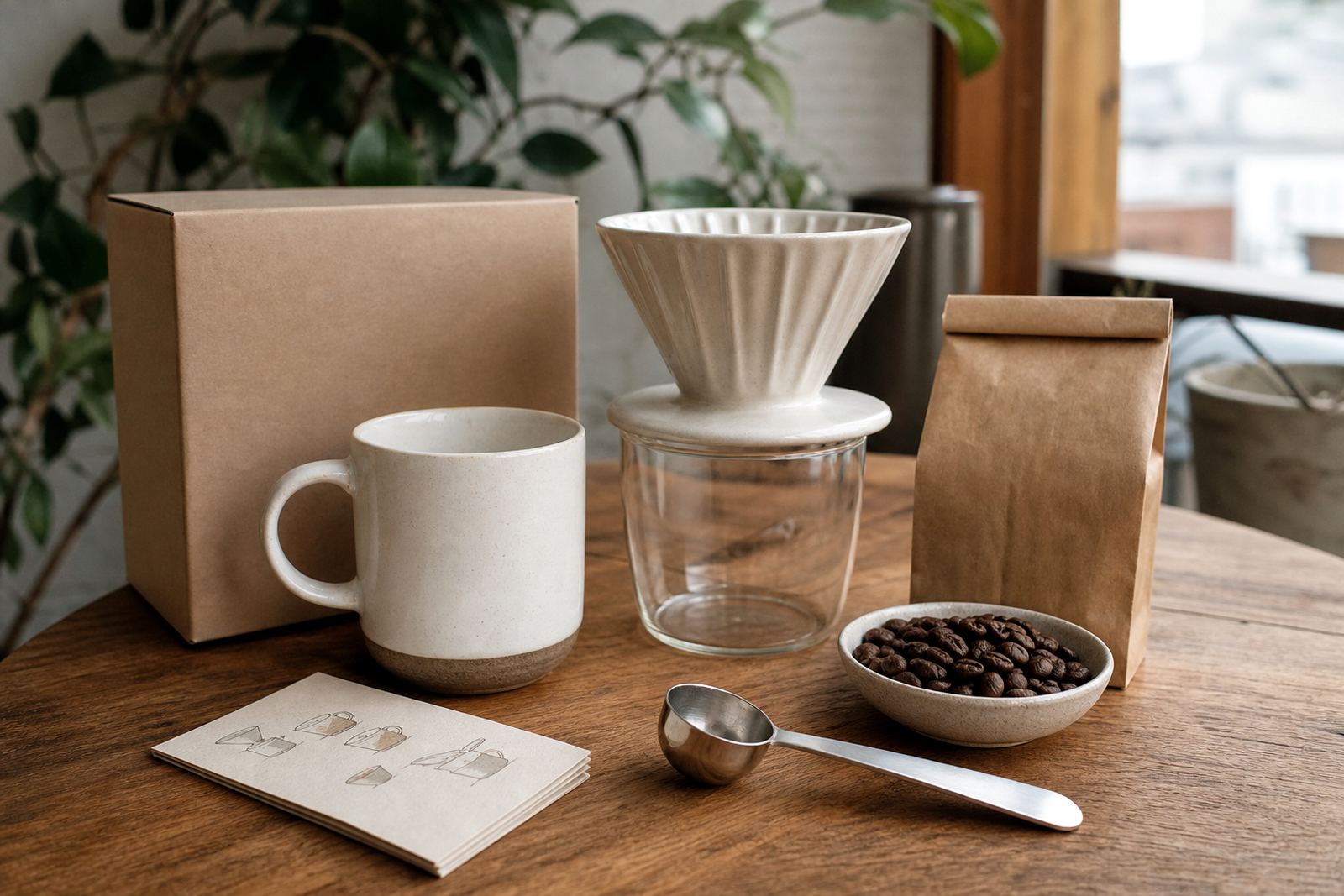
Decaf can be a little less forgiving than regular coffee, so a few small adjustments help. In many cases, a slightly finer grind and careful temperature control bring out better sweetness. The aim is not to force more flavour, but to draw out the flavour that is already there.
- Use fresh coffee and avoid long storage in the cupboard near heat or sunlight.
- Keep water hot but not boiling, especially for filter brews.
- Start with a ratio around 1:16 for filter and adjust from there.
- For espresso, test a slightly longer extraction if the cup feels thin.
- If the grind changes from one machine to the next, recalibrate rather than guessing.
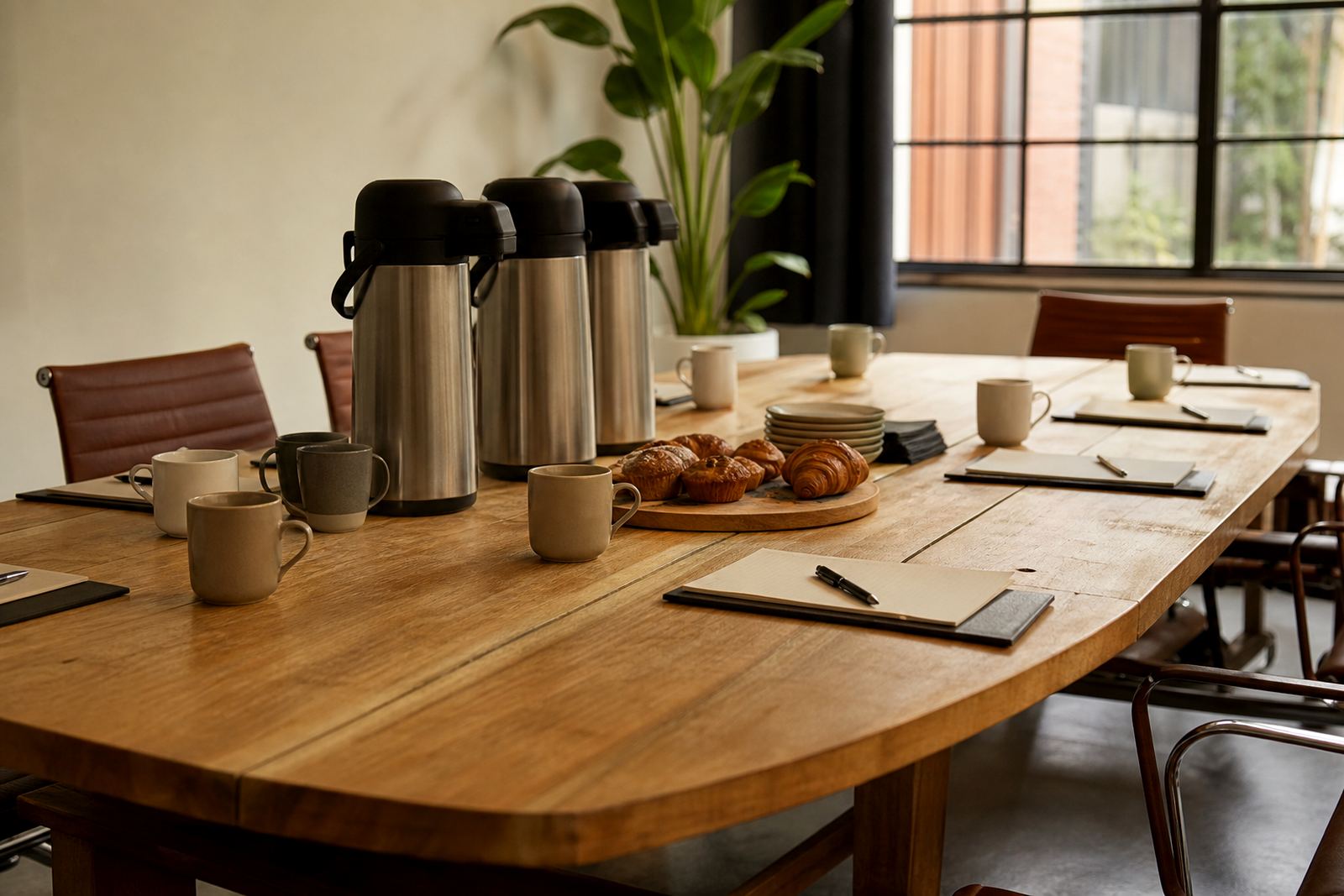
In offices, decaf often gets neglected because the main brewer is set for one standard recipe. That can leave the cup tasting flat. A short calibration session helps more than people expect, and it usually means fewer complaints around the machine by 3 pm.
A local example from Woodstock to the Southern Suburbs
In Cape Town, it is common to see decaf as the quiet option at the end of a lunch meeting or after a late roast chicken supper in the Southern Suburbs. The better cups are the ones that still taste like coffee, just without the jittery aftermath. That matters for households with early starts, for hospitality venues serving evening guests, and for offices trying to offer choice without adding complexity.
We often see the same pattern in workplaces across Woodstock, the Atlantic Seaboard and the city bowl. Teams want a decaf that can sit beside the regular brew without being ignored. When the coffee is roasted properly and the stock is rotated often, the decaf can be as popular as the main blend, especially once people realise it is sweet enough to drink black.
When decaf makes sense in daily service
Decaf is not only for night time. It has a place in meeting rooms, wellness rooms, guest areas and hospitality counters where people may want a gentler cup. It also helps when you are planning service for a mixed group, some want stronger coffee and others do not. Offering a worthwhile decaf shows you have thought about the full range of drinkers, not just the loudest ones.
For businesses, the practical upside is simple: fewer wasted cups, better guest choice and a coffee programme that works across the whole day. If you stock decaf properly, label it clearly and keep the grinder settings checked, you get a cup people will actually finish. That is the point, after all, not just having decaf on the shelf.
Good decaf is not a consolation prize. It is a proper option for people who want flavour without the extra caffeine. Once you start treating it that way, the cup improves, and so does the conversation around it.