
Why meeting coffee changes the room
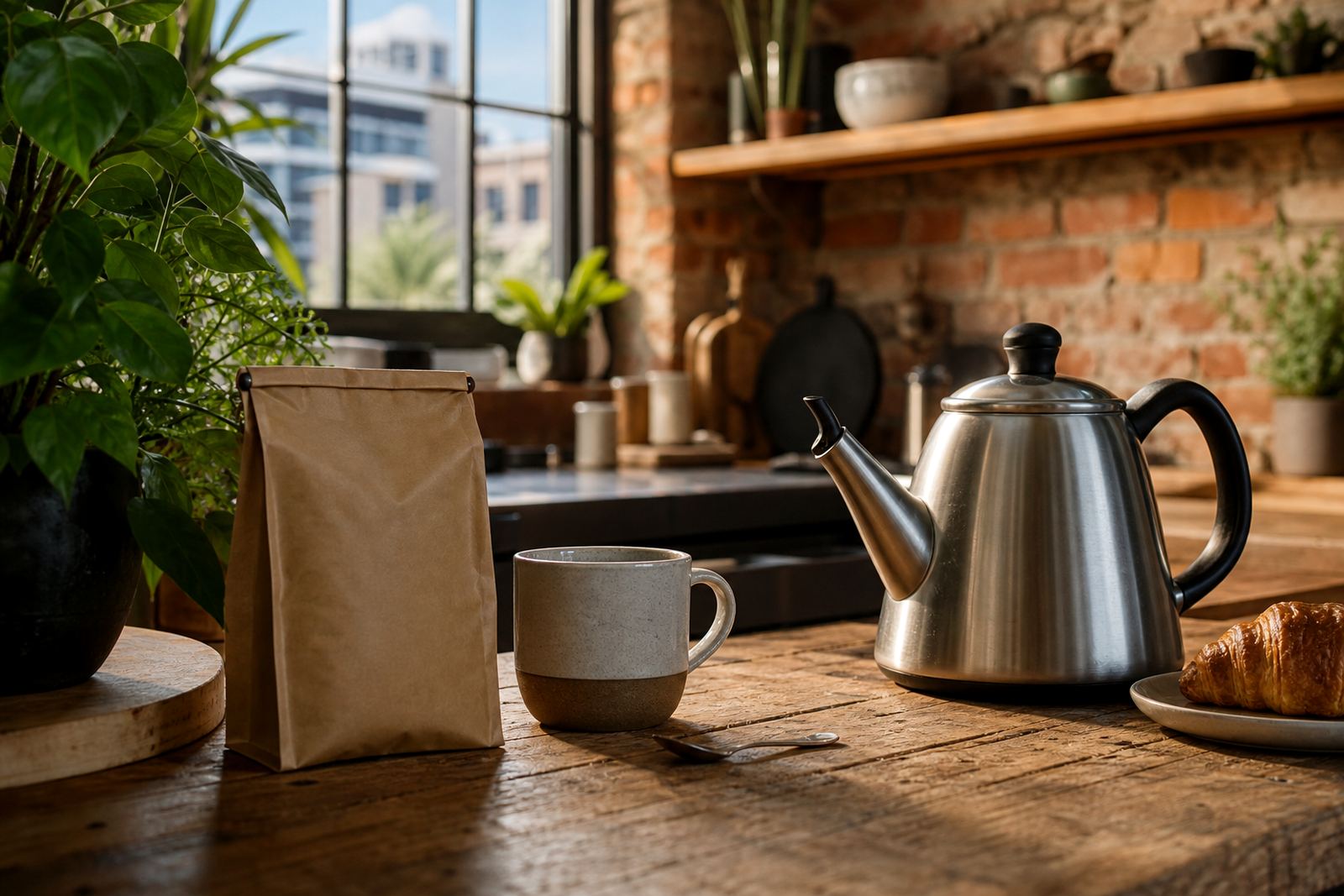
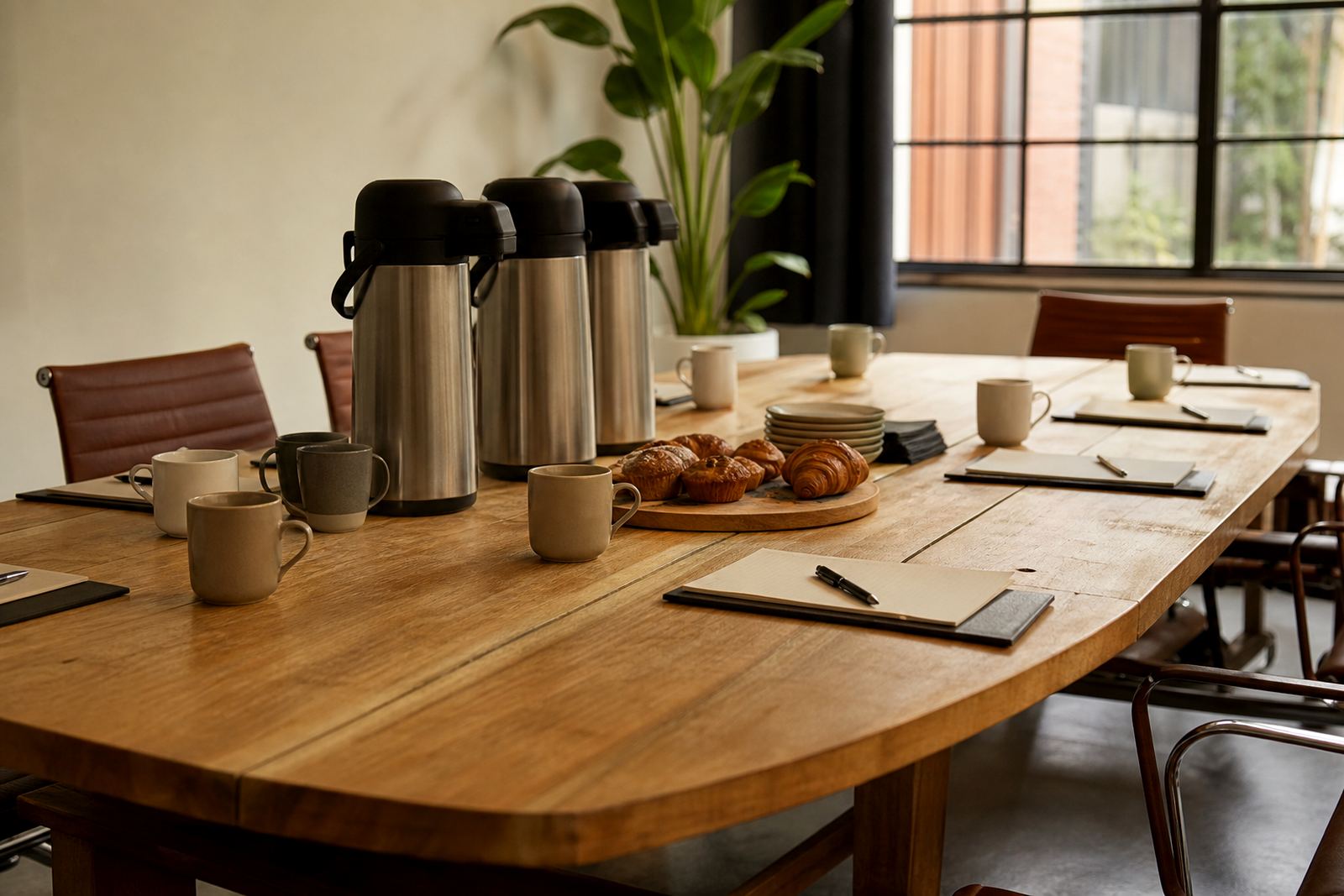
In a workshop, boardroom or client session, coffee is part of the working environment, not just a drink on the side. If the service is slow, messy or underplanned, people notice it straight away and the room loses focus. When the coffee is good and well timed, the meeting keeps moving and guests settle in faster.
For South African offices, the practical points matter most. In Cape Town, many teams work with smaller spaces, tighter parking and short turnaround times between bookings. In Johannesburg and Pretoria, meetings often run long and need a steady supply. In Durban and Gqeberha, heat and coastal humidity can affect how beans, milk and syrups hold up across the day, so the setup must be chosen with care.
A Cup Of handles coffee for meetings with that in mind. The aim is simple: give people a proper cup without adding admin for the host. That means the right brew method, enough stock, clean service points and a plan for refills if the meeting runs over. It sounds basic, but it makes a proper difference.
What to plan before the first cup is poured
Before any meeting order is confirmed, it helps to answer a few straightforward questions. How many people are attending, how long will they be there, and will they expect one cup or several? Will the room need milk, alt milk and sugar set out, or should a staff member manage the service point? Is the event in a boardroom, an open training room or a client lounge where quieter service is better?
- Number of guests and expected arrivals
- Meeting length and likely coffee volume
- Brew style, such as filter, espresso or batch brew
- Milk options, sugar and sweeteners
- Space for cups, waste bins and water
- Power access for grinders or brewers during load-shedding
If the meeting is in a building with load-shedding risk, the coffee plan needs to include a power backup option or a low-power brew choice. For some rooms, that means preparing coffee off site and delivering it in insulated containers. For others, it means setting up a compact station with the right equipment and enough water close by. A little planning saves a lot of awkward pauses later on.
Choosing the right coffee style for the room
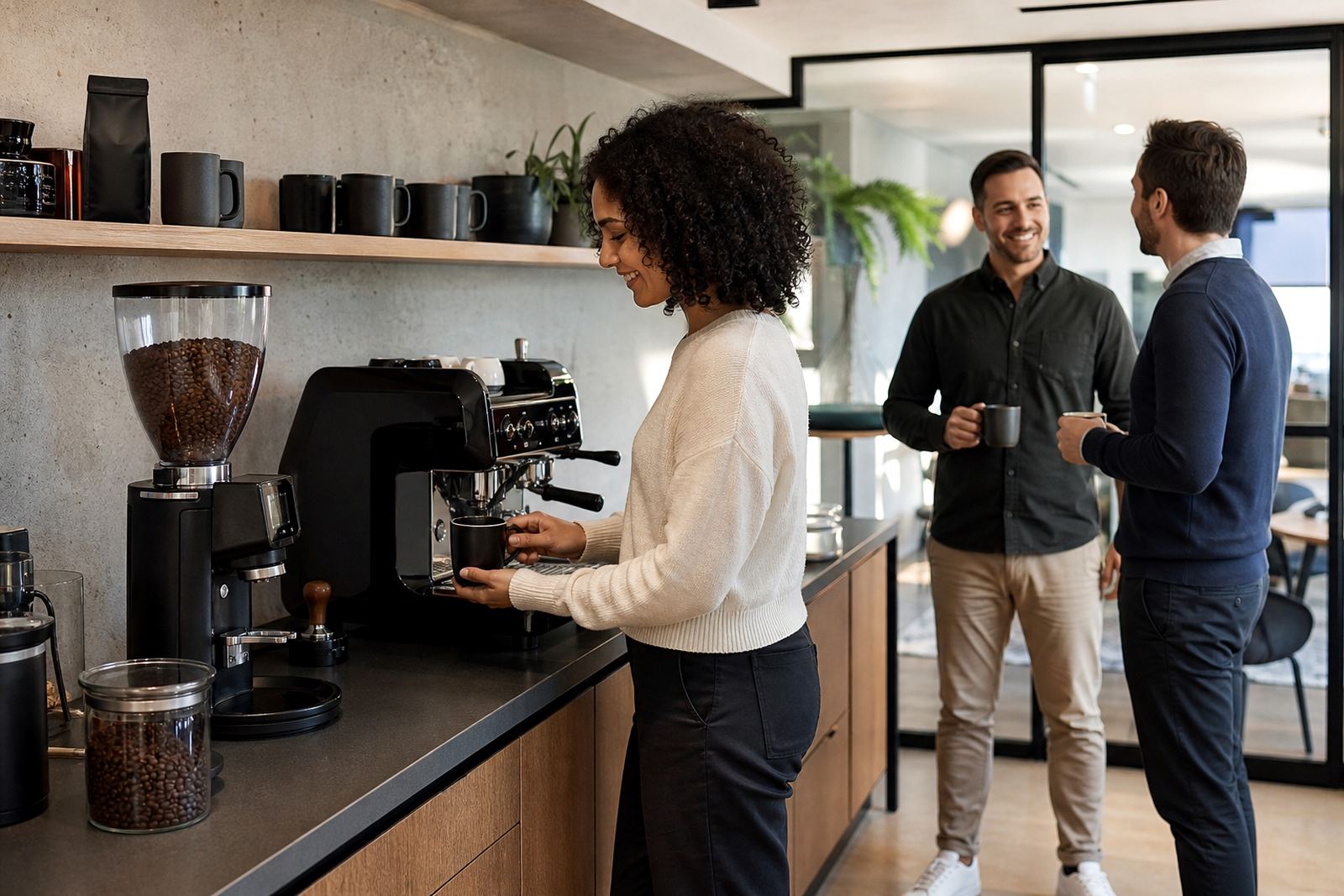
Not every meeting calls for the same coffee service. A board meeting with eight people is different from a training day with thirty. The best choice depends on pace, noise and the level of interaction expected from guests. For a quieter setting, a self-serve station with prepped filter coffee can work very well. For client sessions or hospitality meetings, espresso-based drinks often feel more personal.
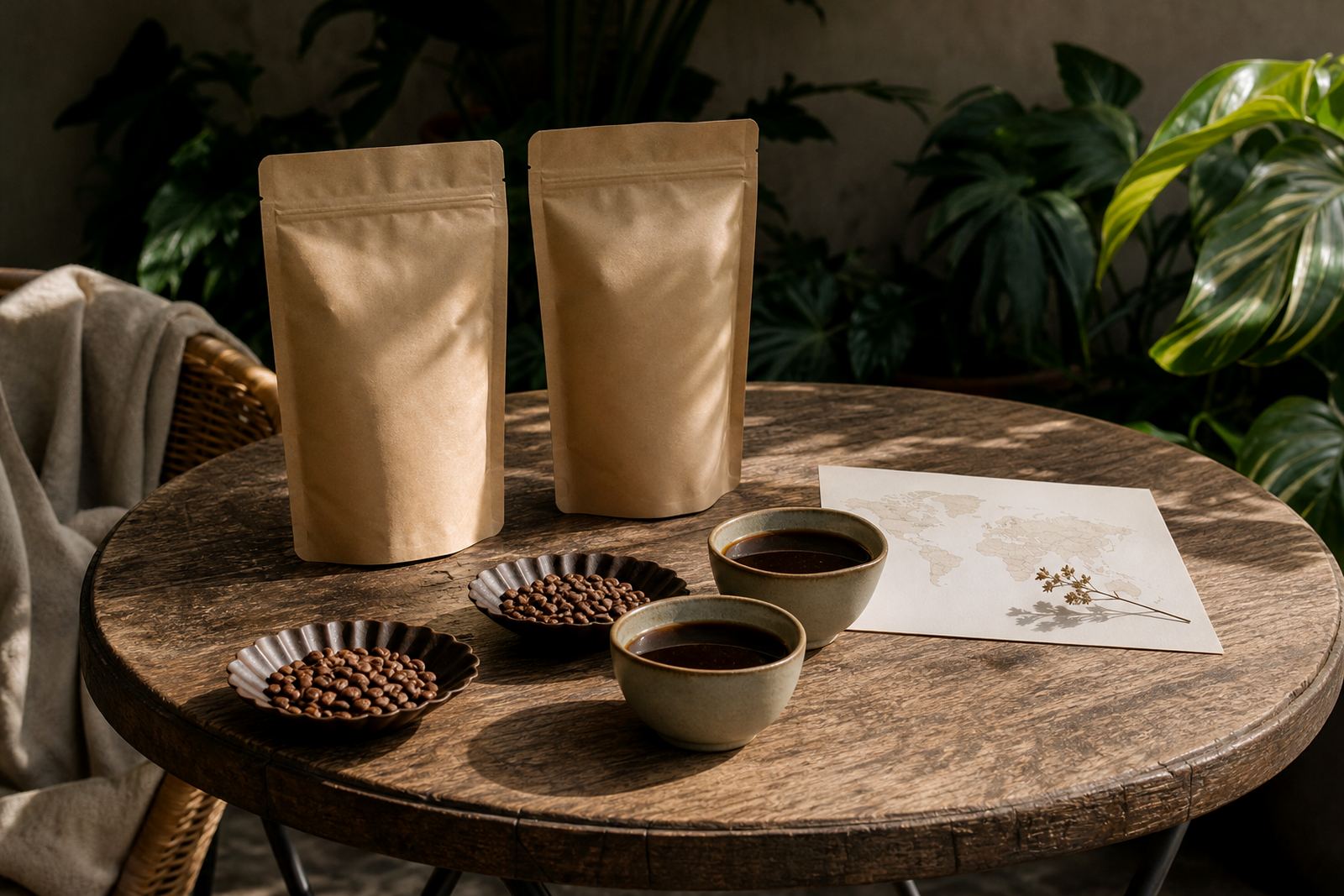
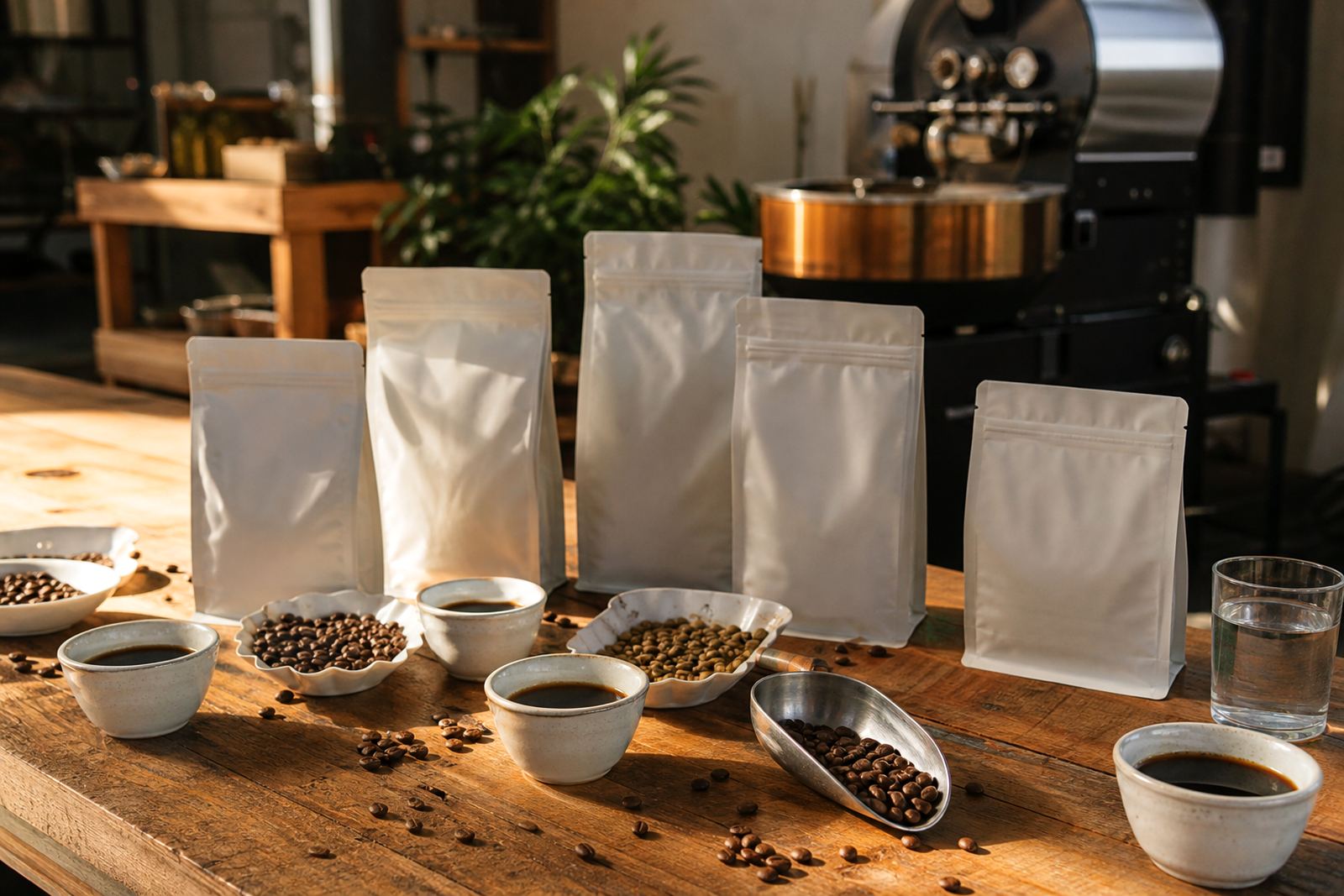
Single-origin coffee also has a place in meetings because it gives hosts something specific to offer and discuss. Guests notice the flavour profile and the fact that the coffee has been chosen with purpose. That is useful in sessions where detail matters, such as brand workshops, strategy days or investor meetings. It gives the host something concrete to speak about, without turning the room into a tasting class.
- Filter coffee for steady service and larger groups
- Espresso for smaller, more hands-on meetings
- Single-origin selections for client-facing sessions
- Decaf available for late meetings or mixed groups
- Seasonal rotation for variety across repeated bookings
Our team often recommends matching the coffee style to the agenda. Early-morning strategy sessions usually suit a smooth, easy-drinking brew. Afternoon client meetings may need a stronger option with milk service. If the room is full of first-time guests, a familiar flavour profile is often the safest choice. There is no need to overcomplicate it, just choose what fits the meeting.
How to keep service tidy, quiet and professional
Meeting coffee should not interrupt the flow of the room. Cups should be easy to reach, waste should be controlled and the station should stay neat even if people move in and out between sessions. That is where clear layout matters. A good setup keeps sugar, stirrers, napkins and milk grouped in one place instead of spreading across the table.
In office settings across Cape Town, Johannesburg and Pretoria, hosts often want service to stay low-key. That means no loud equipment, no waiting line at the doorway and no clutter around the presentation area. In smaller venues in the Southern Suburbs or on the Atlantic Seaboard, that can mean using a compact brew station with limited footprint. In bigger corporate spaces, it may mean setting up a separate coffee point just outside the main room.
It is also worth thinking about cups and waste. Reusable crockery works well for more formal meetings if washing support is available. Compostable cups can be the easier option when the room turns over quickly. Either way, bins need to be visible and emptied on time. A tidy station helps the meeting feel organised, and people do not notice the service in the wrong way.
A Woodstock example: one meeting, three moving parts
A recent weekday in Woodstock shows how a simple coffee plan can hold a room together. A client workshop started at 09:00, had a short break at 10:30 and then moved into a final review after lunch. The room had sixteen people, a projector, a side table and limited space near the door. The host needed coffee without interrupting the speakers or crowding the room.
We set up a small service point with a filter brew for the group, a separate decaf option and milk kept chilled in a covered container. The break table was placed away from the presentation wall so guests could move freely without blocking the screen. During the lunch pause, the coffee was refreshed and the cups were cleared out before the next round started. Nothing dramatic, just a clean setup that kept the day moving. The client said the room felt calmer and the guests stayed focused, which is exactly the point.
That kind of planning works in offices across Cape Town, but it is especially useful where space is tight and schedules are packed. A meeting can change pace fast, so the coffee service has to be able to keep up.
What A Cup Of can handle for your meeting
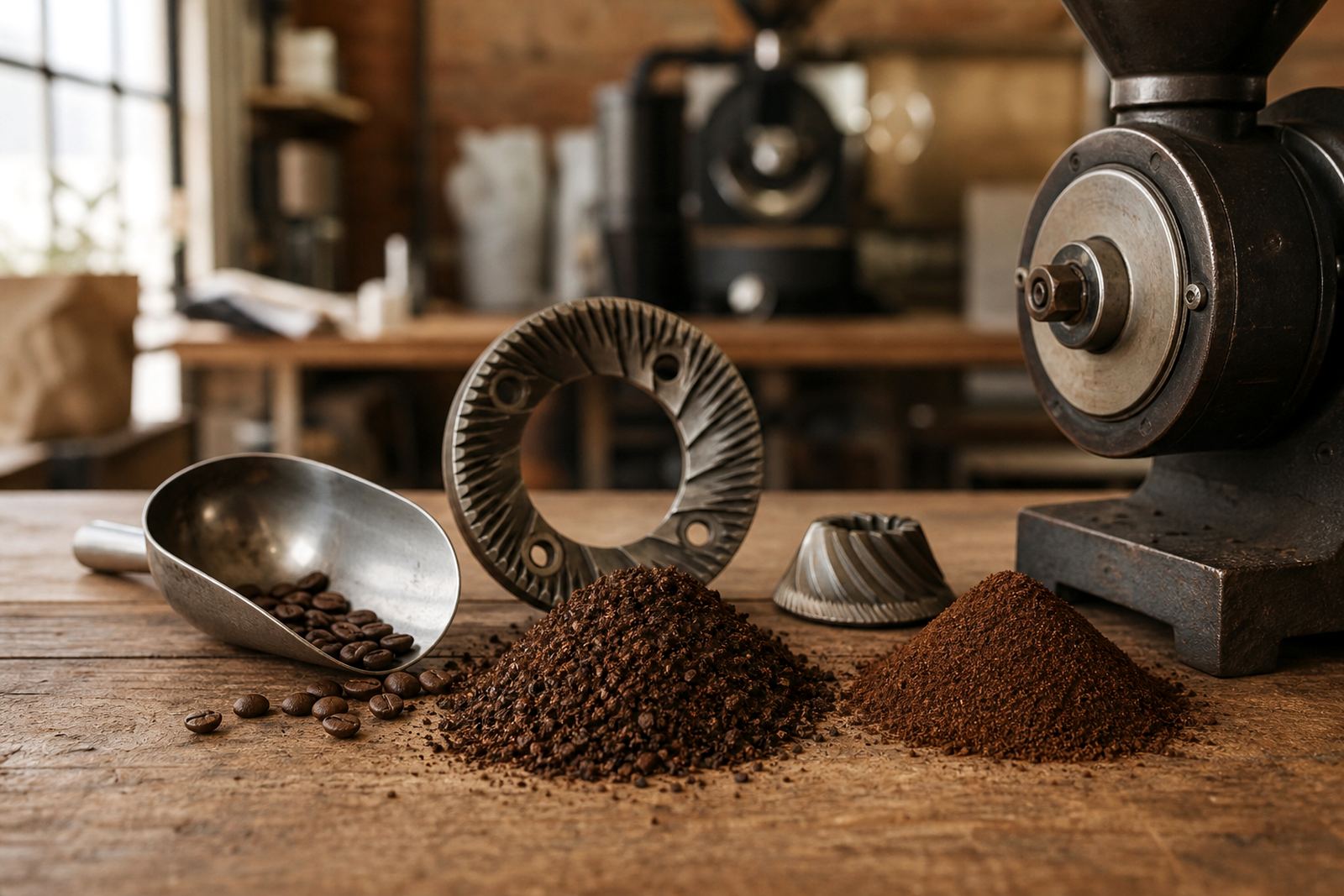
When you book coffee for meetings, the service should cover more than brewing. It should include stock planning, grind calibration, brew training if your team is making coffee on site, and support with menu choices when different groups are using the same room over the week. Some offices want a simple recurring setup. Others need more support for client sessions, board meetings or training days.
- Coffee supply for short meetings or full-day sessions
- Brew station setup for boardrooms and workshop spaces
- Grind calibration for consistent cup quality
- Brew training for office teams and reception staff
- Menu planning for mixed guest groups
- Stock forecasting so you do not run short midweek
Our Woodstock base supports meetings across Cape Town, Johannesburg, Pretoria, Durban and Gqeberha, with service shaped around the room, the schedule and the number of guests. If your office runs regular sessions, we can also help with seasonal coffee rotation so repeat visitors do not get the same cup every time. That small change keeps the experience fresh without making the service fussy.