
Why grind size matters for extraction
When coffee is ground, more surface area is exposed to water. Finer particles extract faster, while coarser particles need more time in contact with water. If the grind is too fine for the method, the cup can taste bitter, dry or heavy. If it is too coarse, the brew can taste thin, sour or weak.
In South Africa, many homes and offices use different brew methods through the week, from a moka pot in the morning to a filter brew in the afternoon. One grinder setting rarely suits all of them. The right grind helps you get the sweetness and clarity you paid for, whether the coffee is brewed in Woodstock, on the Atlantic Seaboard, or in an office kitchen in Johannesburg.
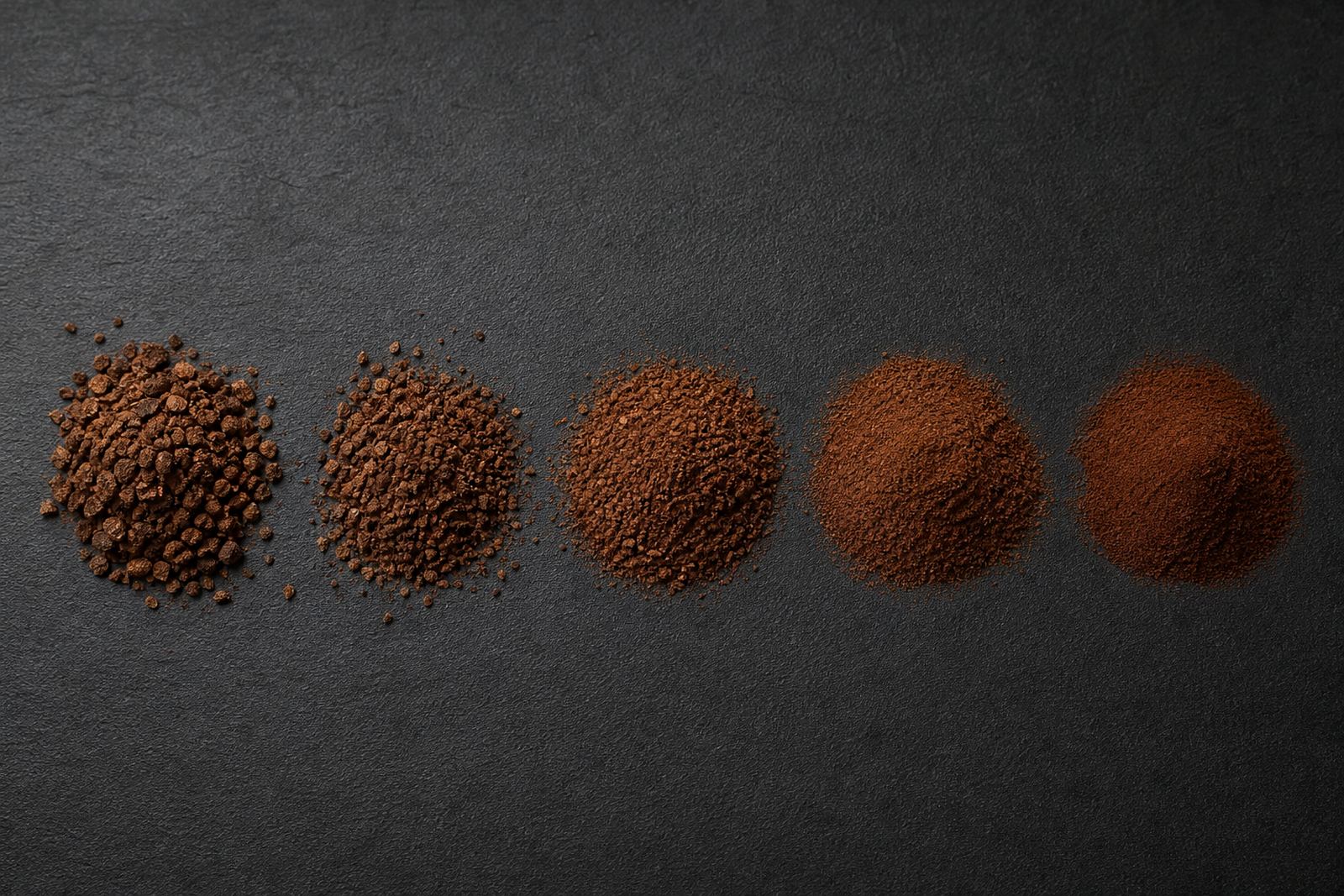
- Finer grind: faster extraction, stronger flavour, more resistance to water flow
- Medium grind: balanced extraction, suited to drip and pour-over methods
- Coarse grind: slower extraction, cleaner cup, better for immersion brewing
Use this brew method match-up
Start with the brew method first, then adjust from there. A small change in grind can make a big difference. If your cup tastes harsh, move coarser. If it tastes sharp or watery, move finer. Keep notes so you can repeat a good result.
- Espresso: very fine, almost powder-like, but not dusty
- Moka pot: fine, slightly coarser than espresso
- Aeropress: fine to medium-fine, depending on brew time
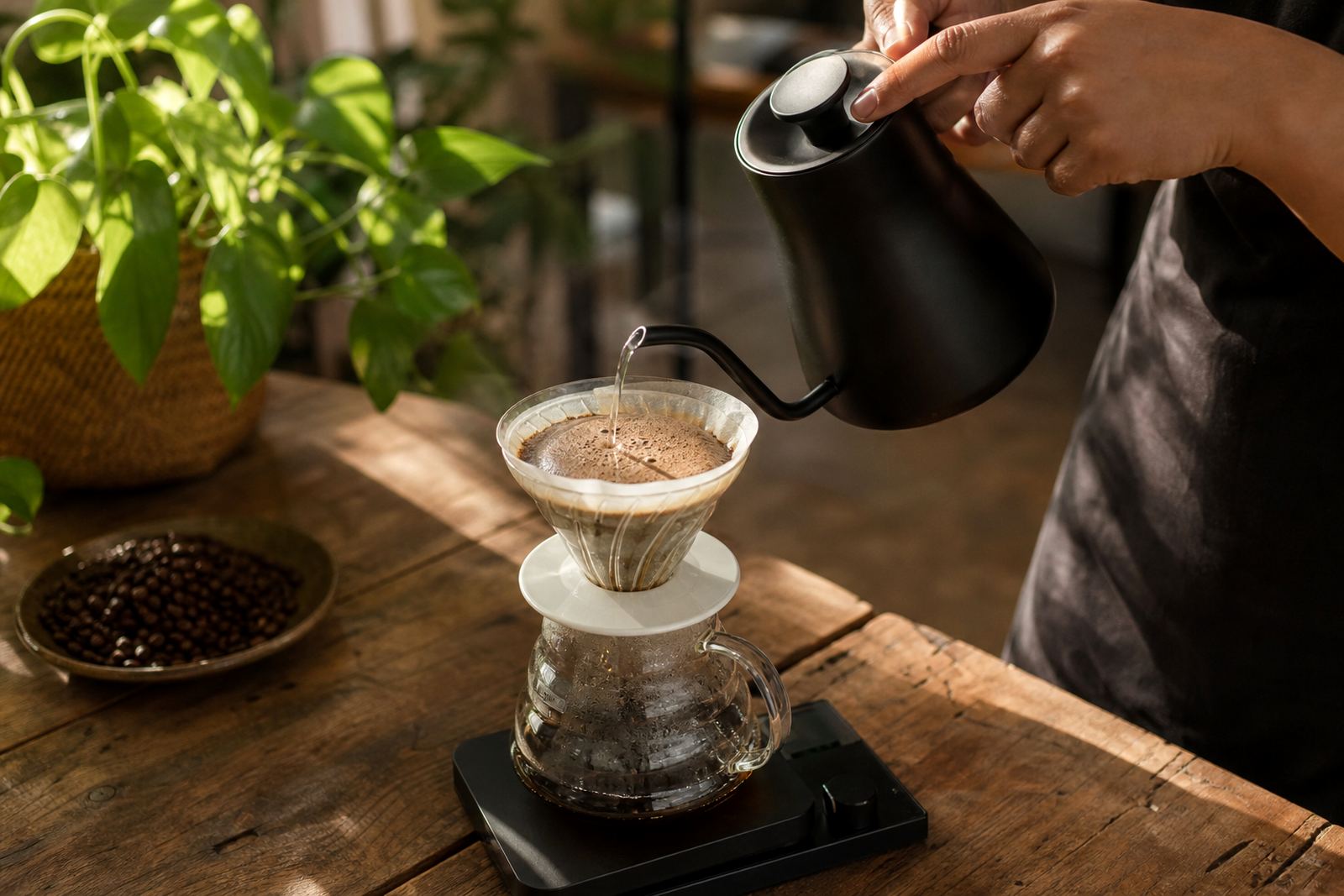
- Pour-over and filter: medium, similar to table salt
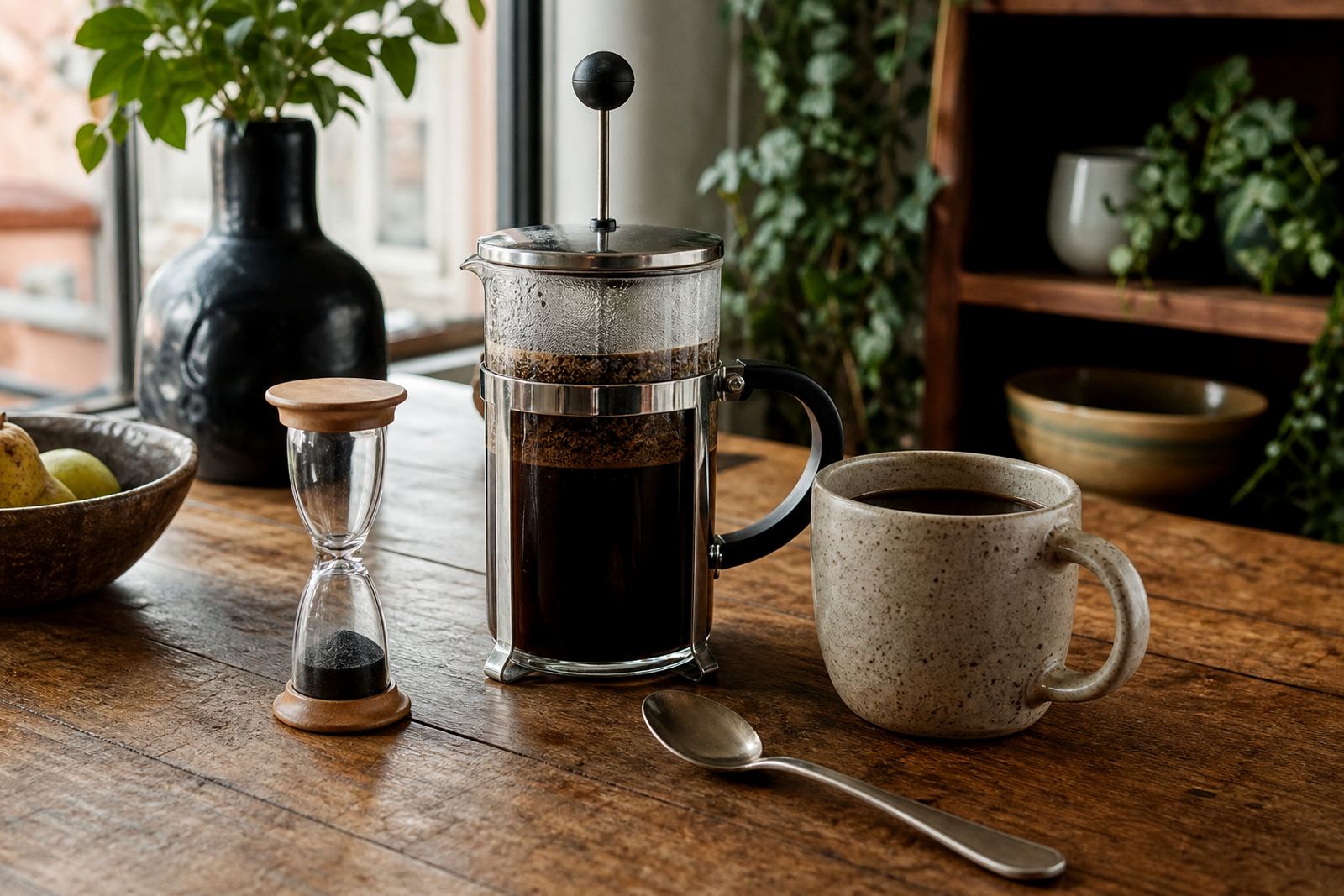
- French press: coarse, like rough sea salt
- Cold brew: extra coarse, to reduce sediment and over-extraction
If you are brewing for a cafe counter, meeting room or shared office, standardise the setting as much as possible. That keeps flavour consistent between batches and helps with stock forecasting too.
A simple calibration routine before you brew
Grind calibration is not only for professional service. At home, a quick check before the first cup can save a whole batch of coffee. This matters even more in coastal areas like Cape Town where humidity can affect beans and grind behaviour from one week to the next.
Use this basic routine:
- Check that the grinder is clean and free of old grounds
- Set your starting point for the brew method you are using
- Grind a small dose and feel the texture between your fingers
- Brew a test cup and assess time, clarity and balance
- Adjust one step finer or coarser only, not several at once
- Repeat until the cup tastes clean, sweet and steady
Keep in mind that blade grinders are less consistent than burr grinders. They can produce uneven particles, which leads to mixed extraction in the same cup. That means some grounds over-extract while others under-extract, and the flavour feels disjointed.
Signs your grind is too fine or too coarse
The cup usually tells you what the grinder is doing. Look at the brew bed, the drawdown speed and the flavour in the cup. If you know what to listen for, it becomes easier to correct.
Too fine often shows up as:
- Very slow brew time
- Harsh bitterness or a dry finish
- Clogging in filter methods
- Espresso that drips instead of flowing steadily
Too coarse often shows up as:
- Fast brew time
- Sour, sharp or watery taste
- Weak aroma and little sweetness
- French press coffee with a thin body
On windy load-shedding days or in offices with fluctuating water temperature, a stable grind becomes even more important. The more variables you control, the easier it is to keep the cup balanced.
Checklist for home, office and hospitality setups
Different spaces need different habits. A home setup can be simple, while a hospitality bar or office coffee point needs more structure. Use the checklist below to keep the grinder and brew area in good shape.
- Label each grinder setting for the method it serves
- Store beans in a cool, dry place away from sunlight
- Keep a scale nearby for repeatable dosing
- Record brew time, water volume and grind setting
- Empty old grounds before changing from one coffee to another
- Clean the hopper and burrs on a regular schedule
- Check for changes after humidity spikes or a long power cut
For meeting room coffee, wellness room service or event coffee stations, a short setup sheet helps staff keep things consistent. It also saves time when different people are making the same brew across the day.
When to ask for support with brew training
If your coffee tastes inconsistent from one bag to the next, the issue is often not the beans alone. Grind size, dose, water temperature and timing all work together. A bit of brew training can save money by reducing waste and helping the team serve better cups with fewer mistakes.
We often see this in offices and hospitality spaces where several people share one grinder. One person tightens the grind for espresso, another uses it for filter and nobody resets it properly afterwards. That is how a good coffee goes off track. A clear grind guide, plus a simple routine for calibration, makes the whole setup easier to manage.
If you are planning subscriptions, seasonal coffee rotation or a hospitality coffee service, the grind guide should sit alongside your brew method notes and stock plan. It keeps the coffee programme practical, not guesswork.