
Start with the right container for daily beans
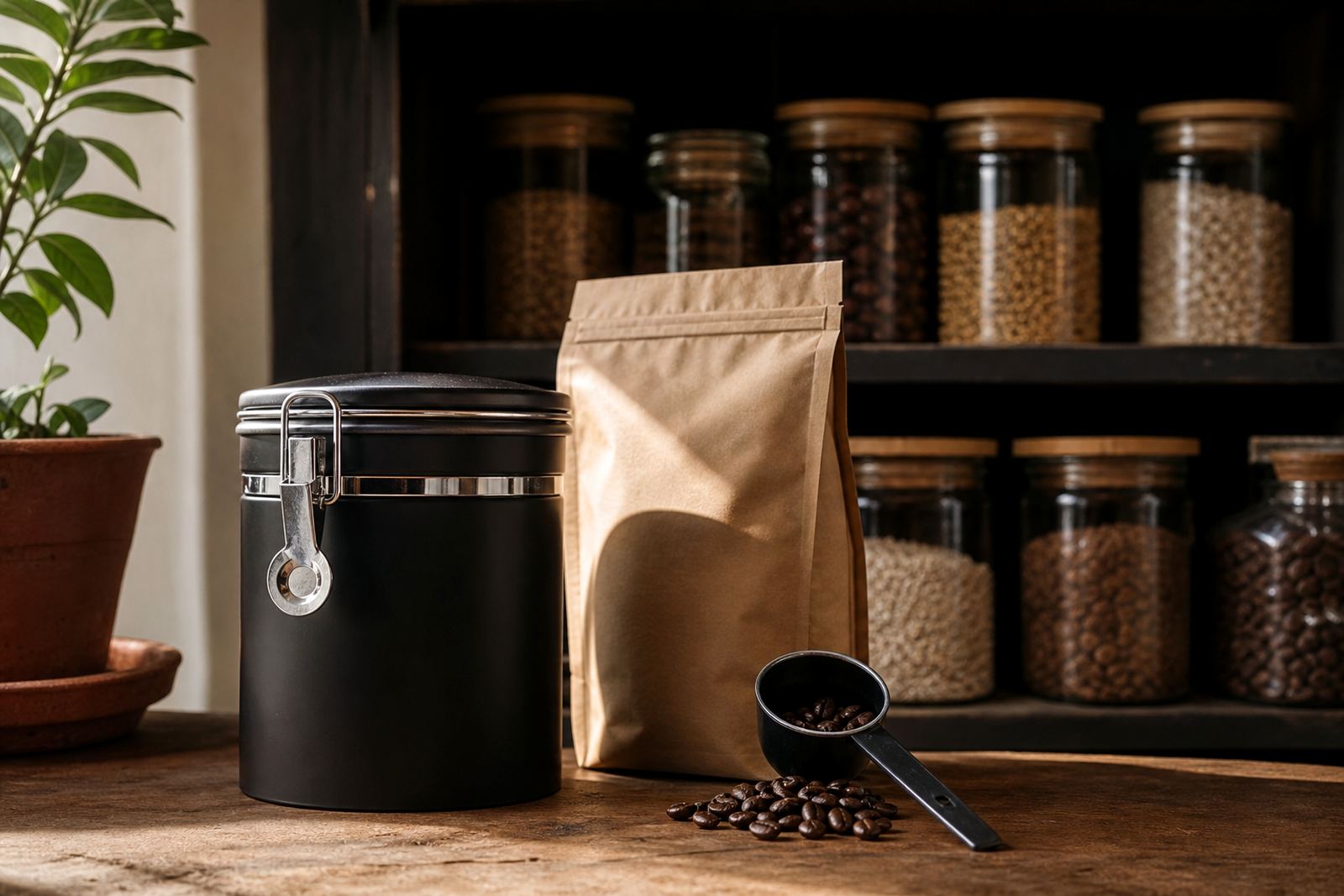
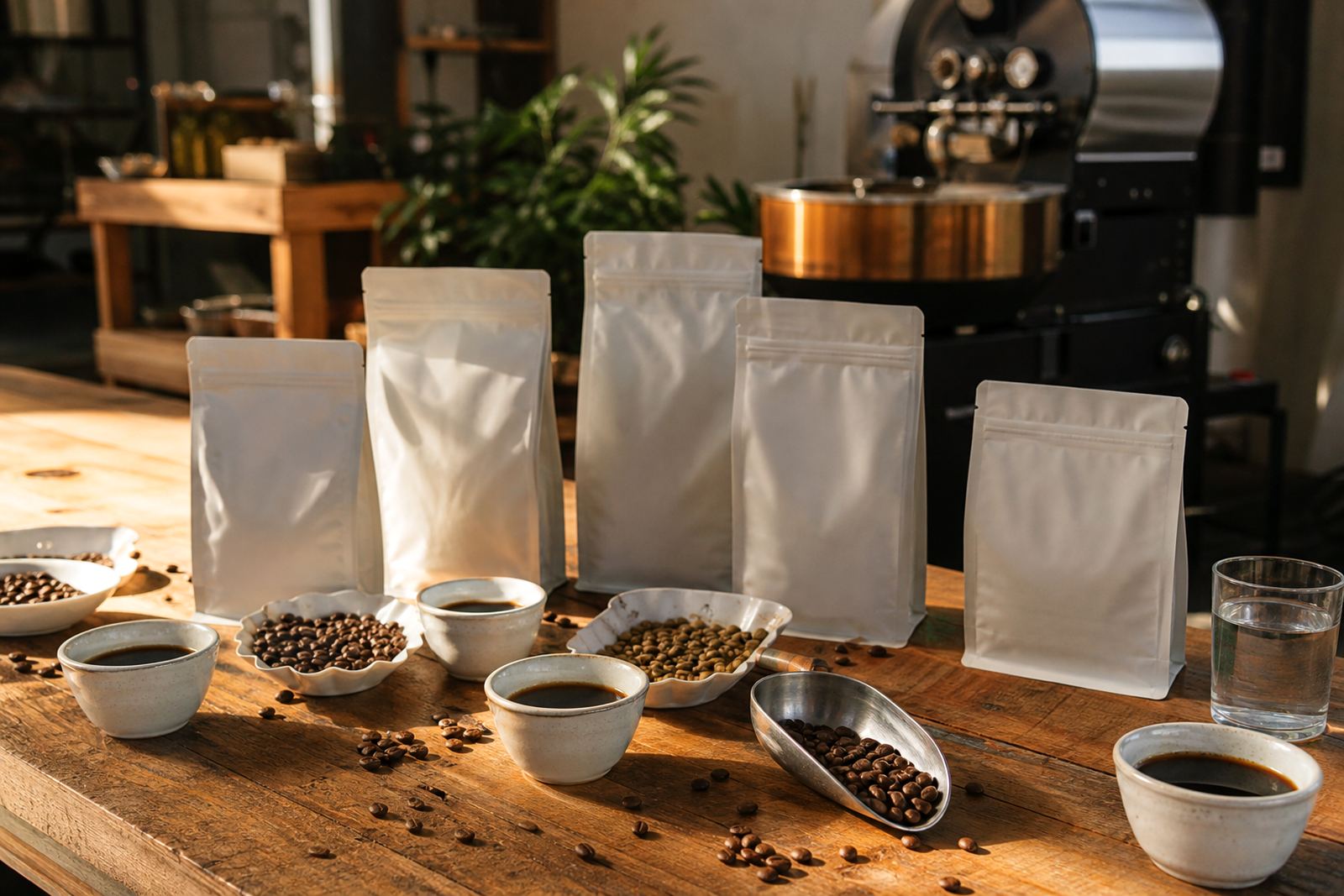
The best storage is simple: airtight, opaque and easy to open without leaving the lid loose. Glass jars on the counter look neat but they let in light, and thin plastic tubs can pick up smells from spices, cleaning products or tea bags. A proper container helps beans stay steady through warm Cape Town afternoons and humid Durban mornings.
For daily use, store only the amount you will finish in 7 to 14 days. That keeps the rest of the bag sealed and reduces the number of times you expose the whole supply to air. If your home or office gets strong sun in the kitchen, move the container away from the window sill and the stove. Heat changes the way coffee ages, even if the beans are still in date.
- Choose an airtight container with a tight fitting lid.
- Use an opaque tin or canister, not clear glass.
- Keep it away from ovens, dishwashers and windows.
- Label the roast date so you know what to use first.
Keep beans away from heat, light and moisture
Coffee does not need a complicated storage setup, but it does need consistency. The three main enemies are heat, light and moisture. In South Africa, a kitchen can swing from cool to very warm in one afternoon, especially when load-shedding pushes people to cook at different times or open the fridge more often. That is why a pantry shelf, cupboard or dedicated coffee tin works better than a counter top spot near the kettle.
Moisture is the one to take seriously in coastal areas. If you are storing beans in Woodstock, the Southern Suburbs or along the Atlantic Seaboard, keep the container closed after every use and avoid leaving it beside the sink. In Johannesburg and Pretoria, dry air can make beans lose aroma faster if they are left open. Either way, the rule stays the same: no damp spoons, no steam, no open lids.
- Do not store beans next to the kettle or microwave.
- Keep them out of direct sunlight.
- Never use a damp scoop in the container.
- Close the lid properly straight after use.
Buy smaller amounts and use them in order
Fresh coffee is best when it moves through your kitchen at a steady pace. Buying a huge amount at once can seem practical, but beans lose character as they sit. A better approach is to buy smaller bags more often and work through them in order. That is especially useful for homes with a single moka pot or office kitchens serving a few staff members a day.
If you use subscription coffee, plan your delivery frequency around real consumption. A four-cup household will need a different schedule from a 20 person office in Gqeberha or Durban. Write the opening date on the bag and keep the oldest bag at the front. If you rotate through two or three coffees, use one open bag at a time so the flavours do not get mixed up or forgotten at the back of the cupboard.
- Open only what you will use in the next 1 to 2 weeks.
- Write the date you opened each bag.
- Place older bags in front of newer ones.
- Keep office stock low and reorder before you run out.
Should you freeze coffee beans at home?
Freezing can help if you have a large supply that will not be used soon, but it must be done properly. Put the beans into a sealed, moisture proof bag or container before freezing. Divide them into small portions so you only thaw what you need. If you freeze and unfreeze the same bag many times, moisture can build up and the beans may suffer.
For most daily users, freezing is not necessary. A good cupboard in a cool room is usually enough, especially if you are finishing a bag within two weeks. If you do freeze beans, let them return to room temperature before opening the pack. That helps limit condensation. Never put warm beans straight into the freezer after roasting, and never leave frozen beans open on the counter while you make coffee.
- Freeze only extra coffee you will not use soon.
- Split into small airtight portions first.
- Thaw once, then use the full portion.
- Let beans warm up before opening the container.
Storage habits for offices, hospitality and shared kitchens
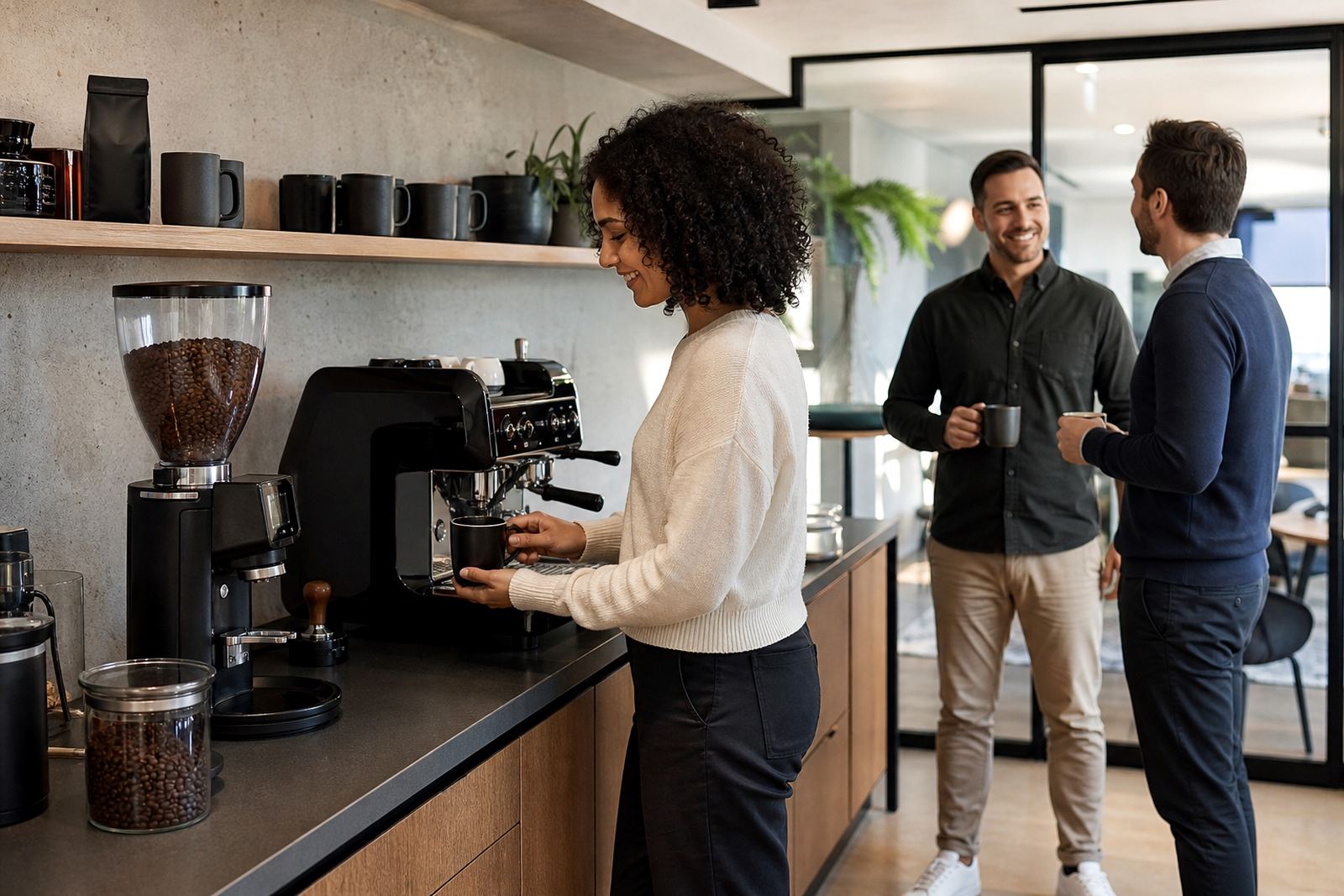
Shared spaces need a bit more discipline because more hands touch the coffee. In an office, meeting room, wellness room or hospitality station, beans should be kept in one clearly marked container with a simple stock rule. This avoids half open bags, stale leftovers and confusion about which coffee is current. It also helps the team plan around busy mornings, afternoon meetings and public holidays.
Keep the storage point close to the grinder but away from dishwashing sinks and cleaning chemicals. If several people make coffee, assign one person to check the container daily and one person to reorder. In coastal venues, watch for moisture in the air, and in areas with frequent power cuts, avoid placing beans where they will get warm from backup equipment or direct sun through a window. A small routine saves a lot of waste.
- Use one labelled container per coffee type.
- Store beans near the grinder, not next to the sink.
- Assign one person to check stock and rotation.
- Keep extra bags sealed until needed.
A quick coffee storage checklist before you brew
Before you grind, take ten seconds to check the basics. Fresh coffee can still taste flat if it was left open, stored in the sun or mixed with older beans. A short routine makes a real difference whether you are brewing at home in the Southern Suburbs or serving a team in Pretoria.
Use this checklist before each refill and you will catch most storage mistakes early. If the beans smell dull, feel soft from moisture or have been open far too long, replace them rather than trying to rescue them with a different grind setting. Storage affects flavour, and flavour is usually the first thing to go.
- Is the lid sealed tightly?
- Has the bag or container been kept cool and dry?
- Are the beans still within your 7 to 14 day use window?
- Are you using the oldest stock first?
- Is the storage spot away from heat, light and steam?