
What a starter subscription suits best
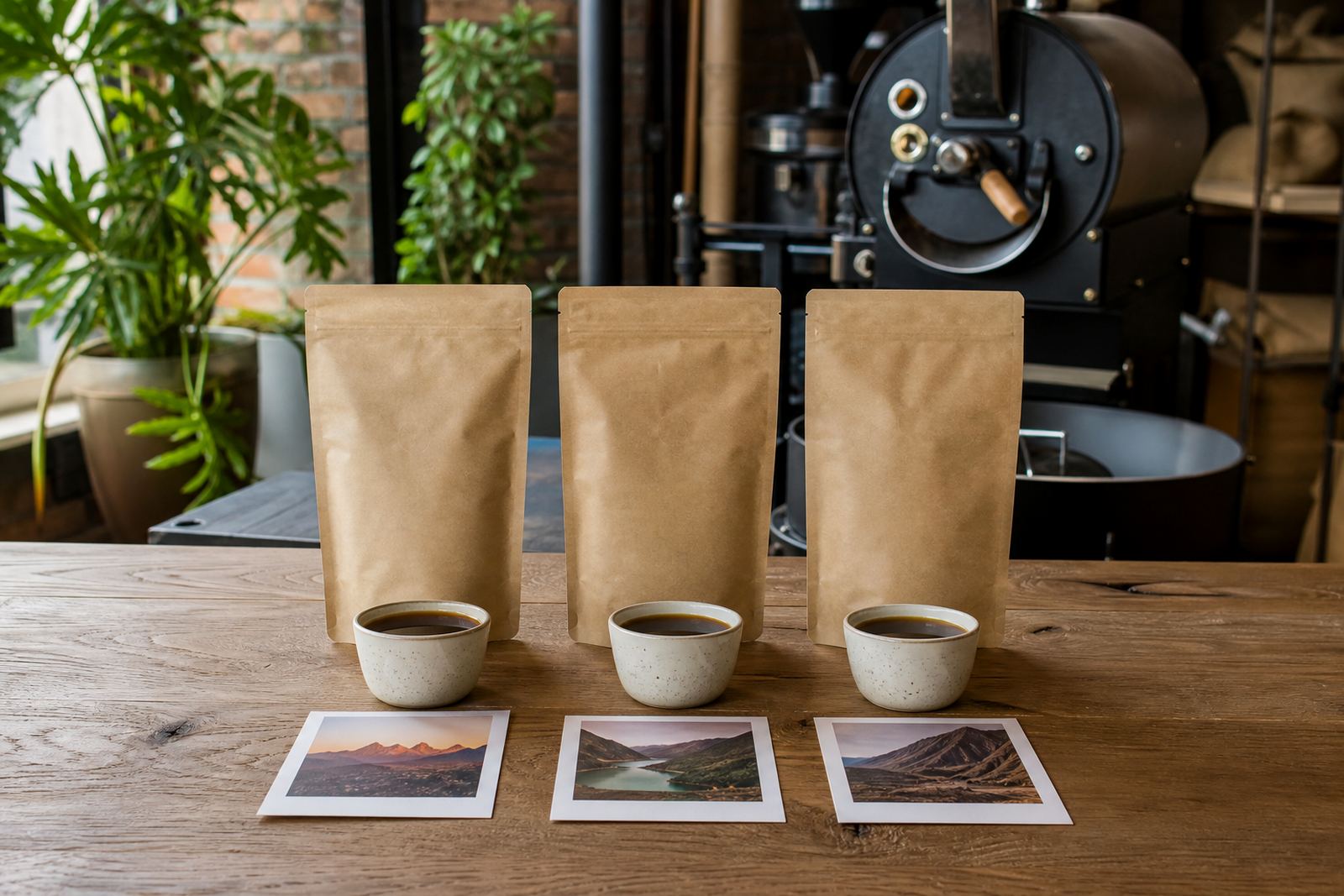
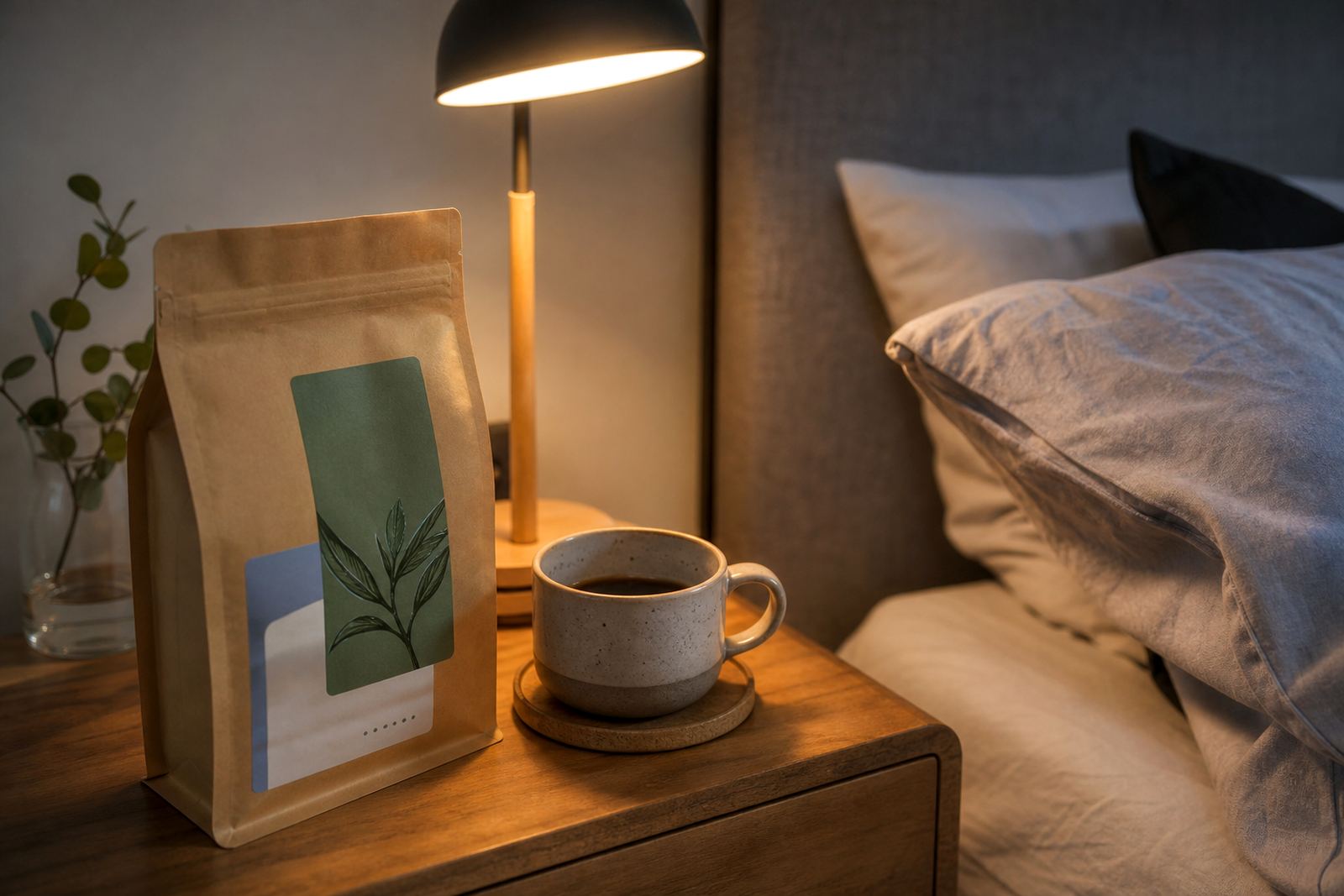
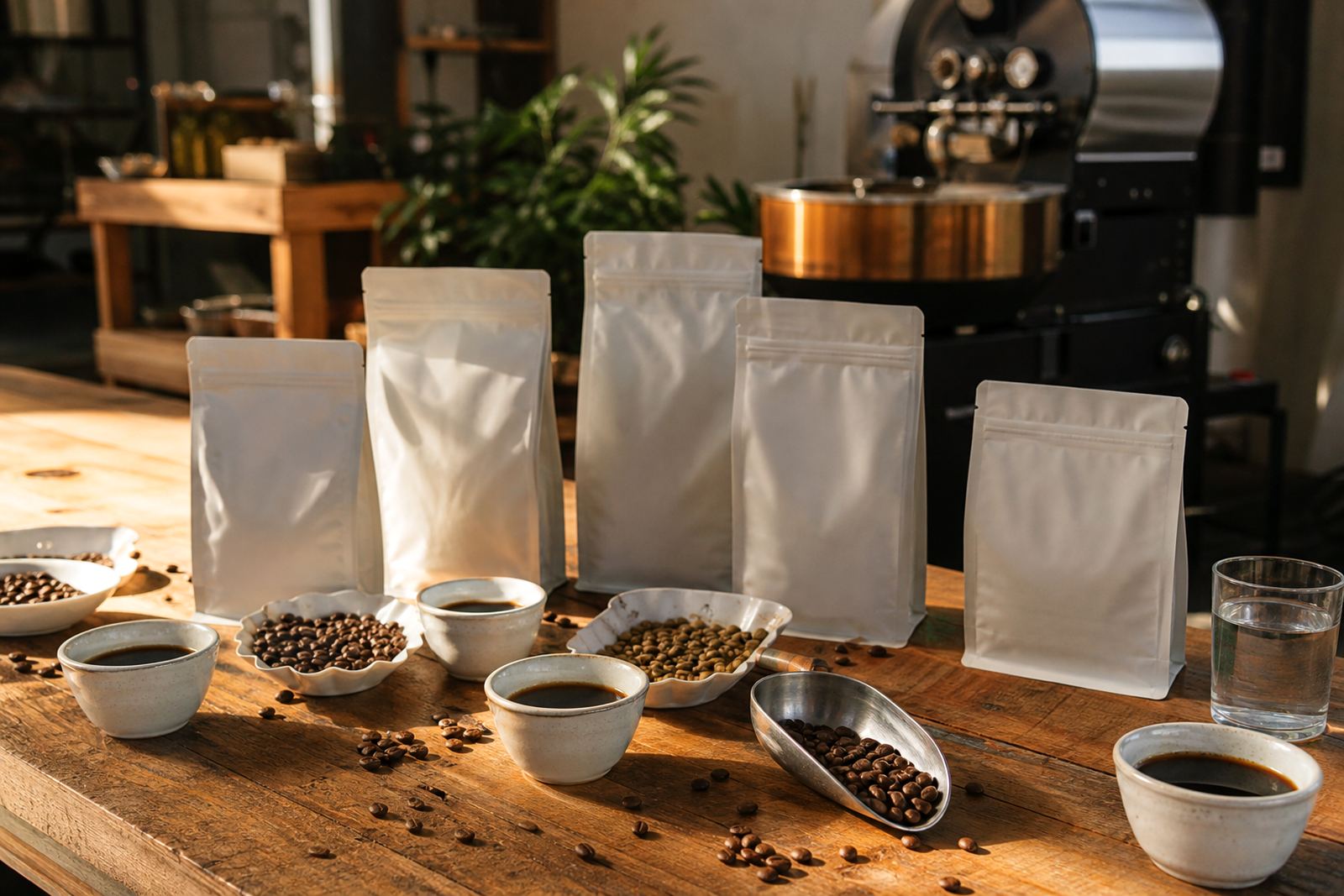
This option is made for people who want to move beyond supermarket coffee but are not ready to build a full coffee programme. It works well for a first home setup, a small office tea point, or a family that wants better coffee on a simple routine. You choose a frequency, we roast to order, and the beans arrive ready to brew with no fuss.
For most first-time speciality drinkers, the goal is consistency. The coffee should taste good on Monday morning, not only on a perfect weekend brew. A starter plan gives you that repeatability, with enough flexibility to try different flavour profiles over time.
- Best for 1 to 4 coffee drinkers
- Works with filter, plunger, moka pot or an entry level espresso machine
- Good fit for homes in Woodstock, the Southern Suburbs and the Atlantic Seaboard
- Also suitable for small offices in Cape Town, Johannesburg, Pretoria, Durban and Gqeberha
Typical equipment for a simple first setup
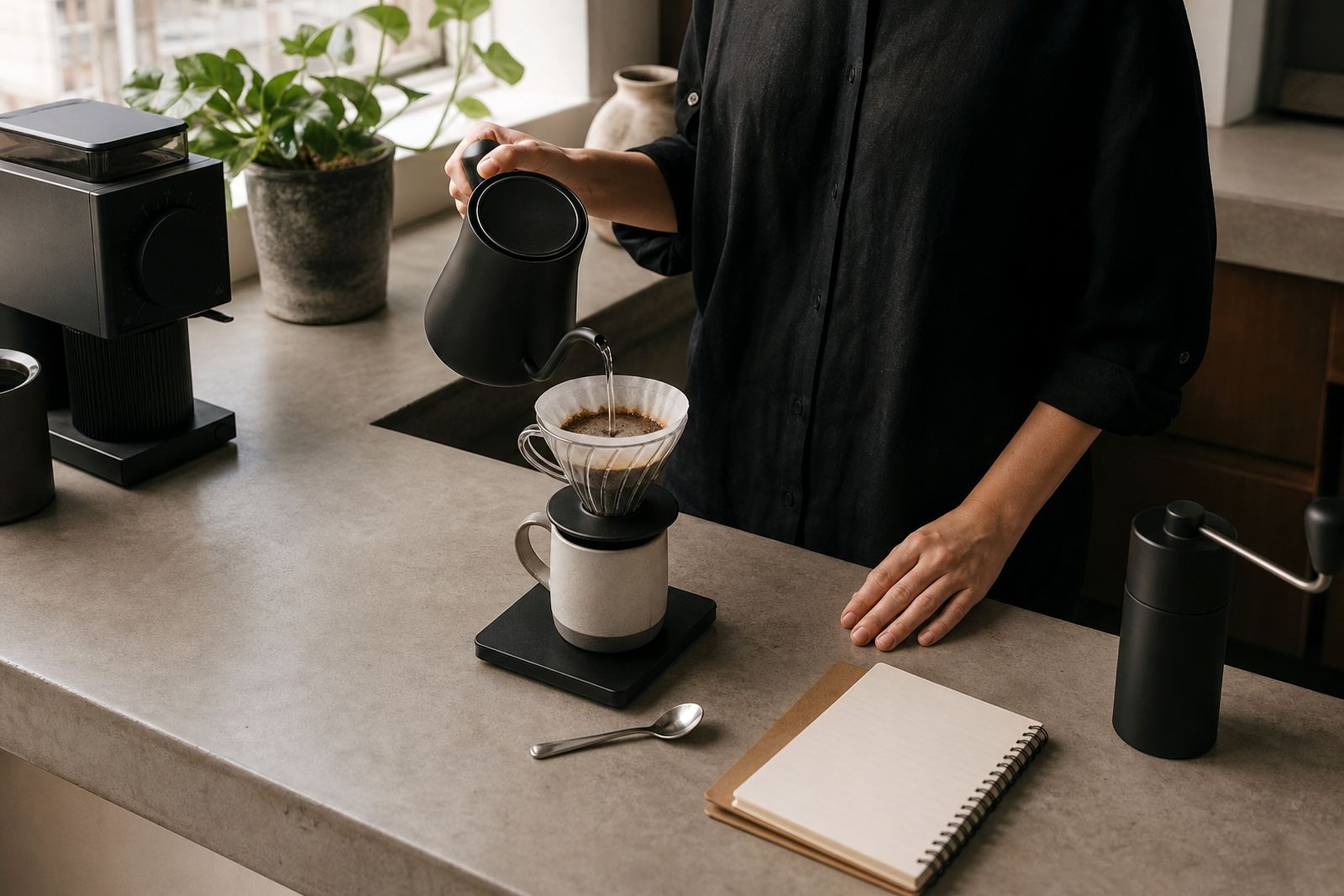
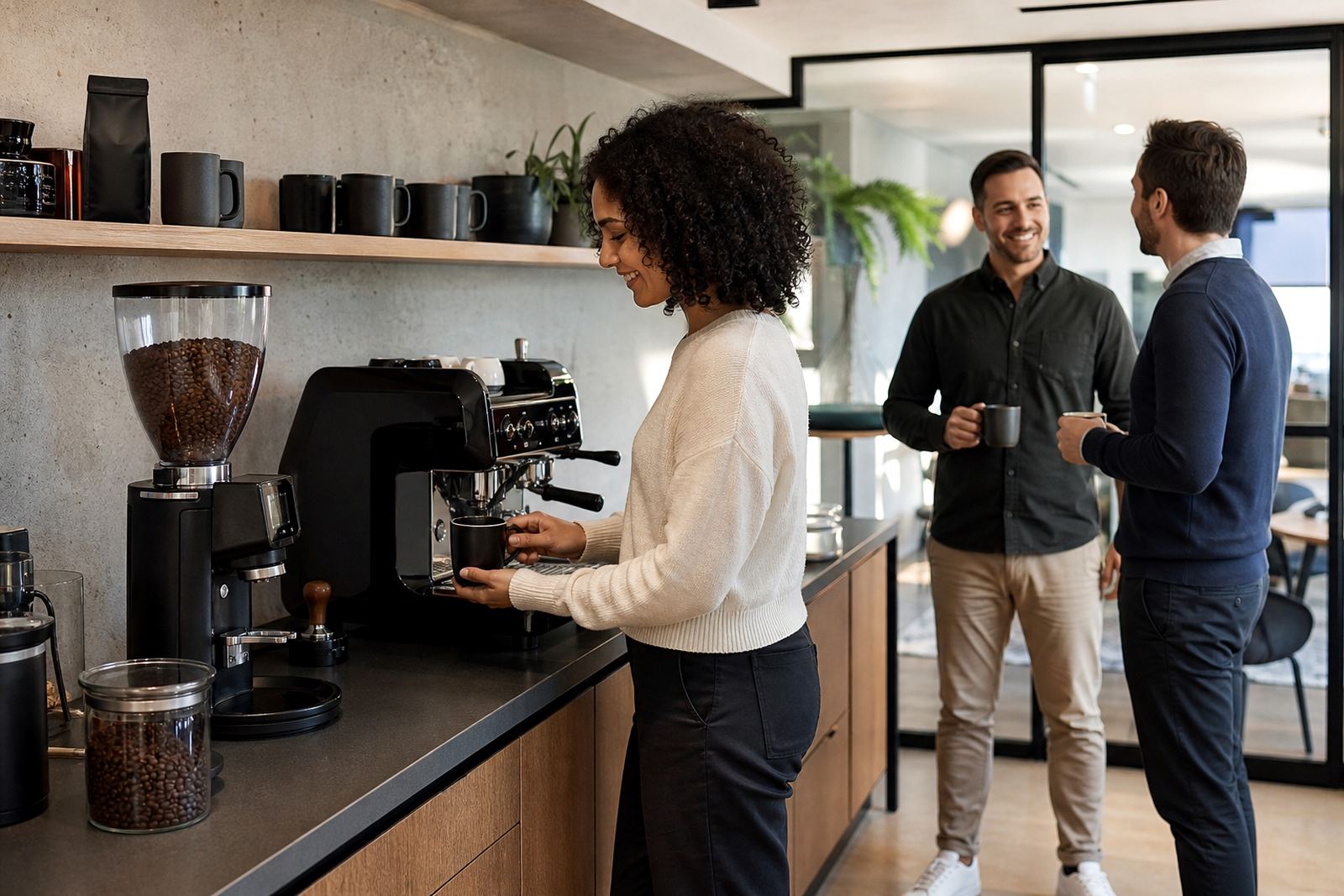
You do not need a complicated counter setup to start well. In most homes and small offices, the starter pack includes a grinder, a kettle, a scale and one brewing device. If you already have a machine, we can work around it and set the grind and dose to suit. The key is matching the coffee to the equipment, not the other way round.
In Cape Town, many clients are working with compact kitchens or shared office areas. That means choosing equipment that is easy to clean, does not take up too much space and can cope with load-shedding or erratic water pressure. If you are on a budget, it is better to buy fewer items and get the basics right than to spread spend across too many gadgets.
- Hand grinder or compact electric grinder
- Gooseneck kettle or standard kettle with a steady pour
- Kitchen scale that reads to 0.1 g
- French press, V60 style dripper, moka pot or domestic espresso machine
- Air tight storage container for keeping beans fresh
How to plan the layout so the routine stays easy
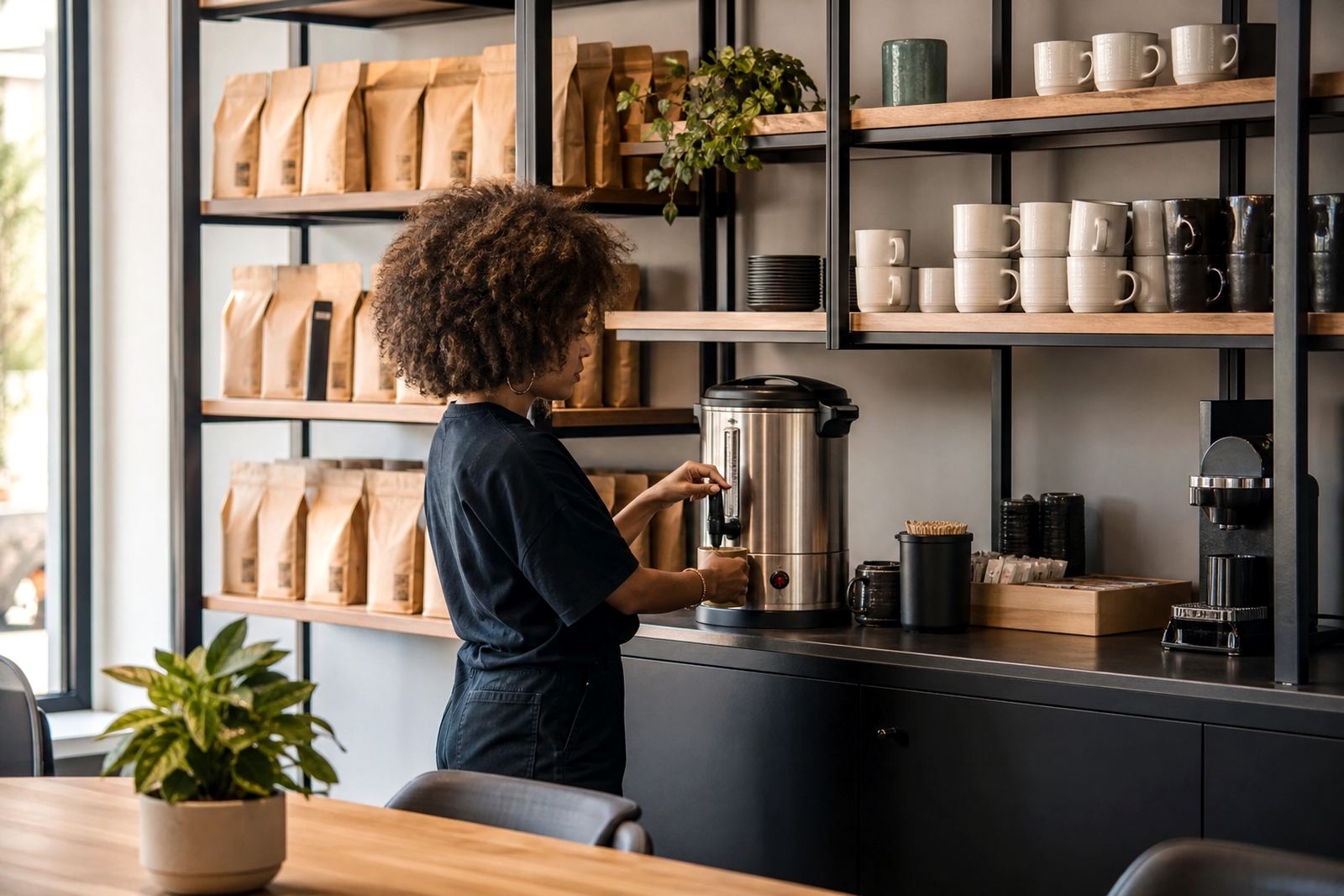
The best coffee corner is the one people actually use. Keep the grinder close to the kettle, and the scale next to the brewing area so prep does not turn into a search through cupboards. If the setup is for an office, place it where people can queue without blocking walkways or meeting rooms. A small tray for cups, sugar and cleaning cloths makes a big difference.
For homes near the coast, especially in Gqeberha or along the Atlantic Seaboard, salt air and humidity can affect storage and grinder burrs over time. Keep beans in a cool dry place and avoid leaving them near a stove or sunny window. In humid areas, coffee should not sit open on the counter for days.
- Allow at least 60 cm of counter space for a compact setup
- Keep beans away from heat, direct sun and steam
- Use one shelf or tray for cups, filters and cleaning items
- In shared offices, place the station near a water point but not beside the printer or bin
Common mistakes new subscribers make
Starter subscribers often try to change too many variables at once. They switch coffee, grinder setting, brew ratio and water temperature in the same week, then cannot tell what worked. Keep one setting steady for a few brews, then adjust only one thing at a time. That is the quickest way to learn what your coffee needs.
Another common mistake is ordering too much coffee too soon. Fresh coffee is best used while it is still lively, and most households do not need a large buffer. It is also easy to under-estimate how much coffee is wasted when grind settings are off or the machine is not cleaned regularly. A little discipline saves money and the taste improves too.
- Using too fine a grind and blaming the beans
- Storing coffee in the fridge or freezer for daily use
- Leaving an espresso machine unflushed between cups
- Buying a large stock before the team knows what style they like
- Ignoring water quality, which can flatten flavour and scale up equipment
Budget ranges for a starter coffee plan
A realistic starter budget depends on whether you are buying for a home, a small office or a hospitality counter. For a home user, the monthly coffee spend usually sits between R320 and R780, depending on how many cups you drink and whether you choose one bag or a mix of bags. For a small office, a basic subscription and supply run can start around R850 a month and move up to R2 500 or more if the team drinks several cups a day.
Equipment is separate. A simple hand grinder and filter setup may cost under R1 000, while a decent electric grinder and entry level machine can bring the initial spend to between R3 500 and R12 000. If you are setting up a staff coffee point, we can help forecast stock so you do not overbuy in the first month.
It is worth planning for hidden costs too: filters, cleaning products, scales batteries and water treatment if your water is hard. Those small costs add up, so it helps to set a proper monthly budget from the start.
How we handle subscriptions from Woodstock to nationwide delivery
We roast in Woodstock and send subscriptions to homes and offices across South Africa, including Cape Town, Johannesburg, Pretoria, Durban and Gqeberha. Clients can use the enquiry form on our contact page to start a subscription, request a different grind, or ask for help choosing a style that suits their machine. We also support seasonal coffee rotation for people who want a bit of variety through the year.
For office clients, the starter subscription can be tied to meeting room coffee, wellness room coffee or a simple staff station. Jason handles subscription planning, Liam manages wholesale coordination, and Zinzi keeps the admin side moving. Ayanda oversees roasting, while Naledi can help explain how to brew better coffee without overcomplicating the process. If your team is new to speciality coffee, that support saves time and avoids waste.
- Flexible frequency for home or office use
- Ground coffee or whole bean options available
- Useful for small teams that want a low admin coffee supply
- Can be adjusted as consumption changes month to month
When to move beyond the starter stage
Most people know they are ready for the next step when the same routine starts to feel too narrow. Maybe the household wants a second coffee style, the office needs a stronger supply plan, or the machine deserves a more careful calibration. That is the point where brew training, grind calibration or menu planning become useful.
Until then, the starter subscription should stay simple. Good beans, the right grind, clean equipment and a steady delivery rhythm are usually enough. Coffee does not need to be complicated to be good, and a clear setup often gives better results than a fussy one.
If you want to begin with a manageable plan and grow from there, this is the most practical way in. Start small, keep the routine steady, and let the cup do the work.