
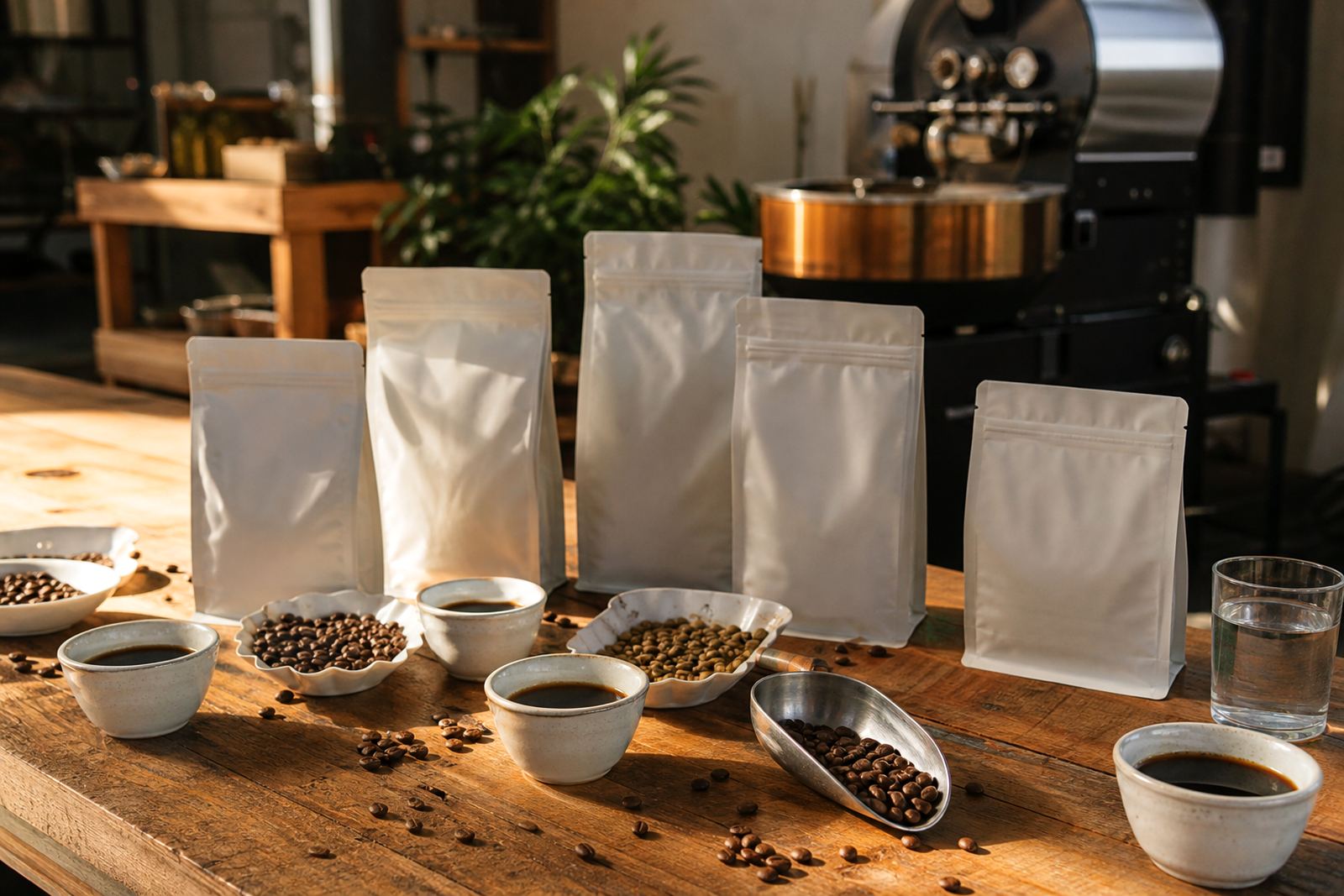
When a discovery subscription makes sense
A discovery subscription works well when the coffee drinkers in your space enjoy variety and want to taste how origin, process and roast style change the cup. It suits households that finish one bag before the next delivery, small offices with a shared brew station, and customer-facing spaces that want to keep the coffee offering interesting without changing their equipment every month.
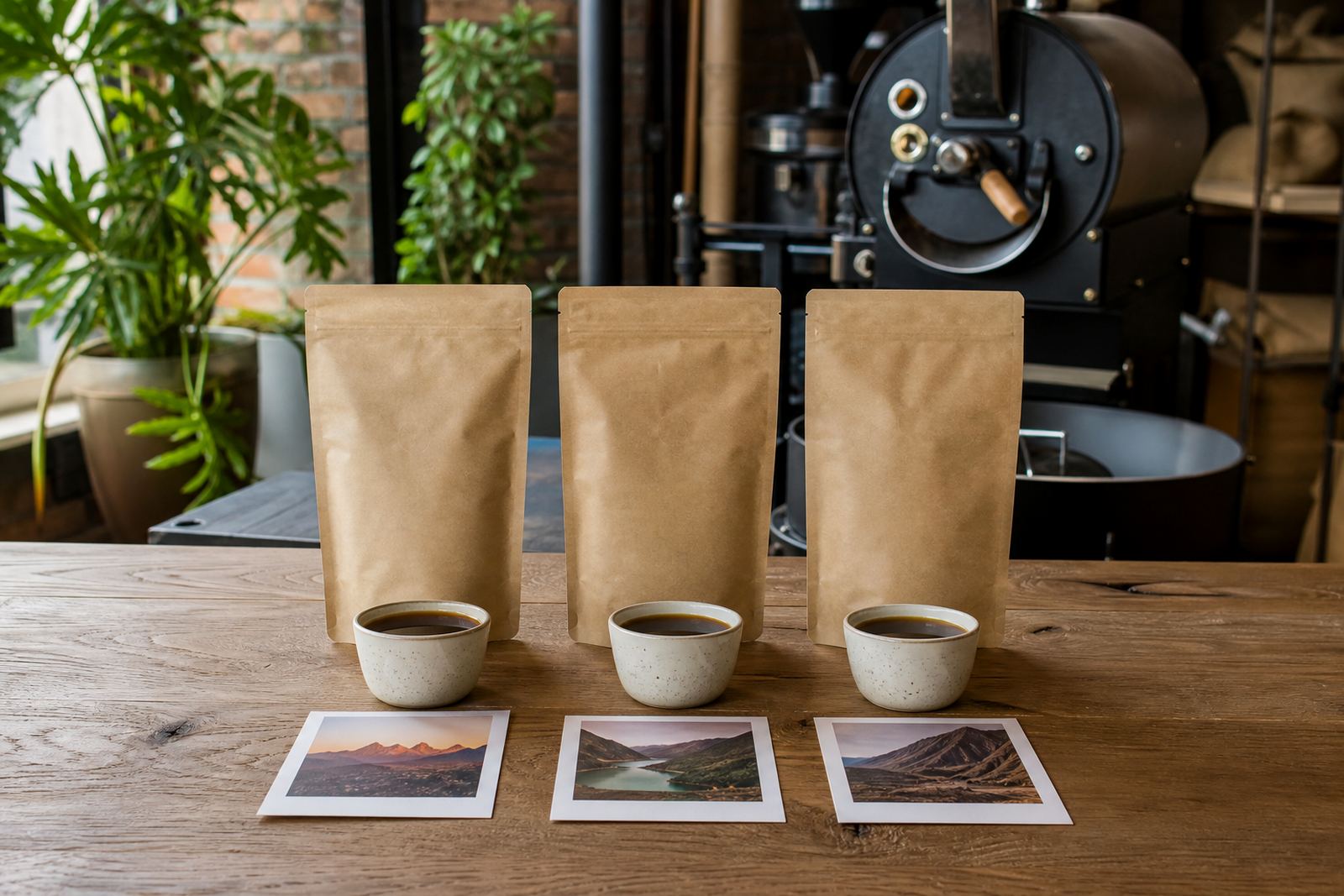
In Woodstock and the Southern Suburbs, many customers use this option to match a busy weekday routine with a better weekend brew. In Johannesburg, Pretoria, Durban and Gqeberha, it is also a practical way to keep supply moving across different climates and delivery schedules. You choose the frequency and bag size, then each shipment brings a different coffee profile, sometimes bright and floral, other times heavier with chocolate or spice notes.
This is not a bulk-buy setup. It is a planned rotation. That matters if your team drinks coffee daily and you want enough consistency for milk drinks, but still want new flavour each month. A good subscription also helps avoid stale stock sitting too long in warm kitchens or office storerooms where aircon is not always on during load-shedding.
What usually sits on the brew station
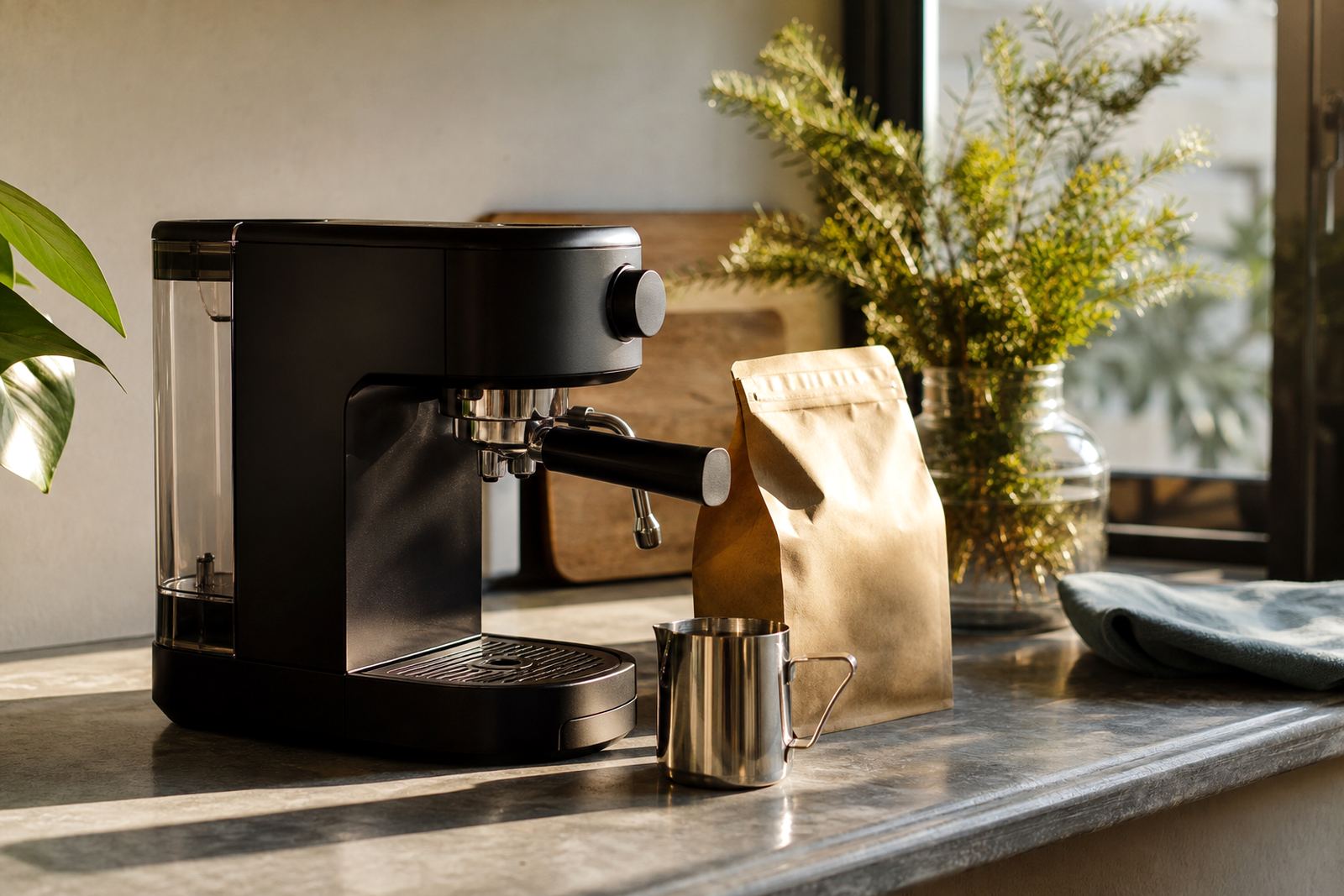
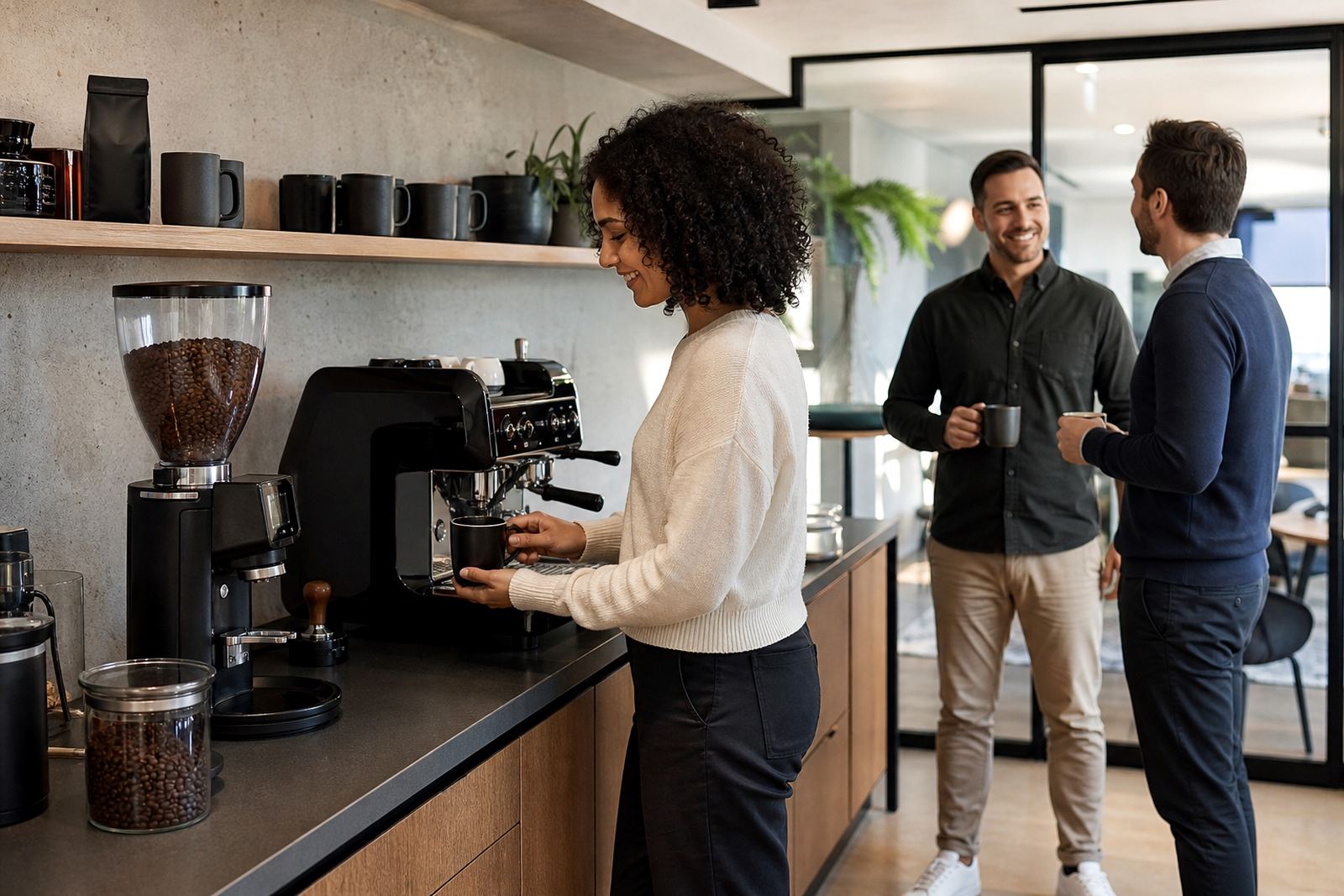
Most discovery subscription clients use fairly standard equipment, which keeps the focus on the beans and the grind. A home kitchen might have a grinder, a scale, a kettle and a cafetiere, pour-over dripper or espresso machine. An office often has a filter machine, a compact espresso machine or a bean-to-cup unit with a grinder already built in. For hospitality counters, the set-up may include a two-group espresso machine, a grinder for espresso and a second grinder for filter or batch brew.
The equipment does not need to be complex, but it must be kept clean and set correctly. Different origins can behave differently on the grinder, especially when the weather shifts or when humidity rises along the coast. If the grind is too fine one month and too coarse the next, the flavour changes in a way that has nothing to do with the coffee itself.
- Grinder with easy adjustment for small recipe changes
- Scale for repeatable doses and brew ratios
- Kettle with temperature control for manual brewing
- Brewing device suited to your drink style
- Storage containers that keep beans away from heat and moisture
How to plan the rotation properly
A good rotation starts with the number of cups your space actually uses. If you are serving two or three people at home, a 250 g bag every two weeks may be enough. A six-person office with two cups a day each may need 500 g to 1 kg weekly, depending on brew method and waste. This is where stock forecasting helps, because a discovery subscription should feel curated not rushed.
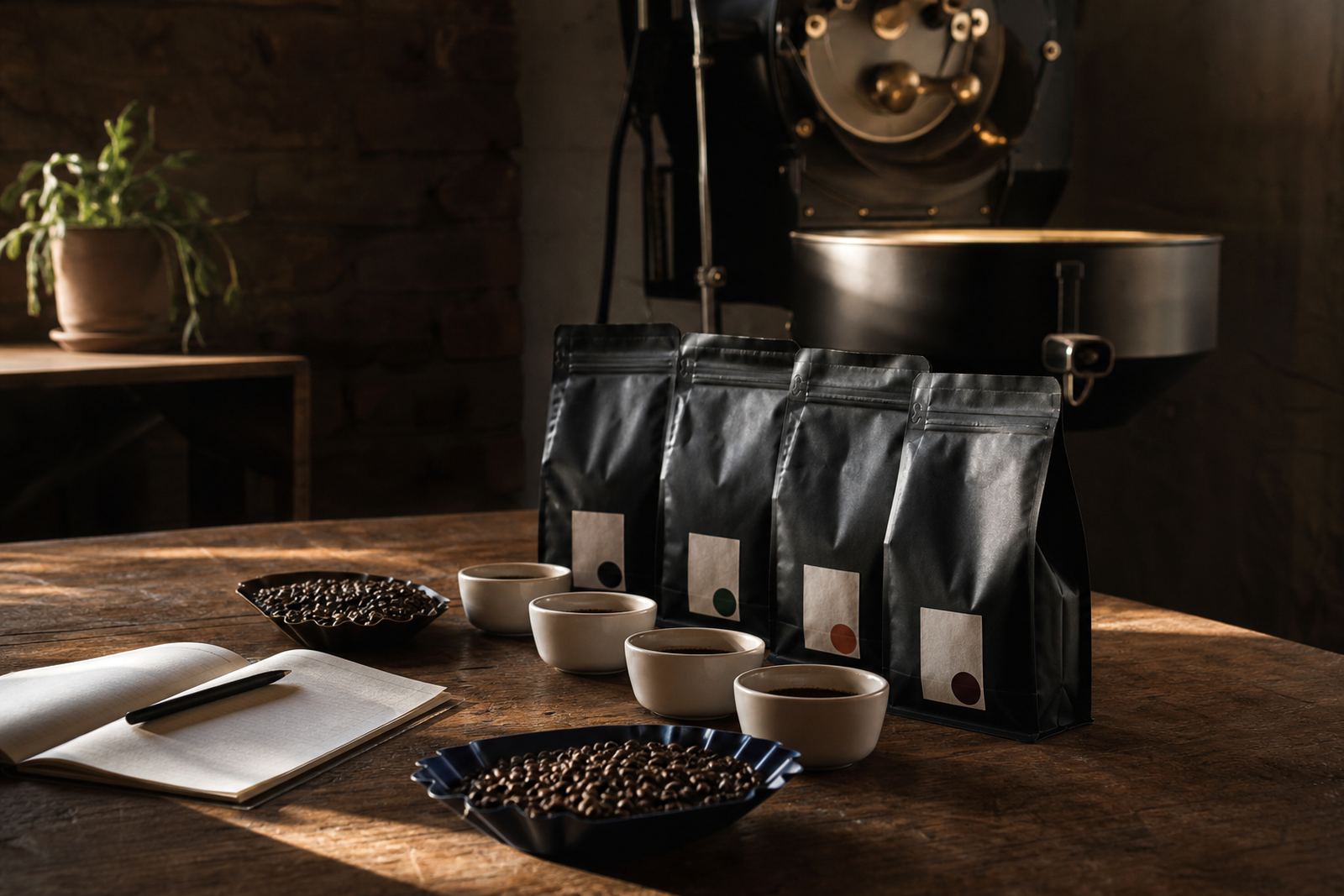
We normally plan around brew method, delivery address and how quickly a bag is used after opening. For filter coffee, lighter and cleaner profiles often work well in the morning. For espresso, medium roasts with balanced sweetness tend to handle milk better. A mix of origins across Africa, Latin America and other growing regions keeps the flavour range broad without making each shipment feel random.
If you are setting up a shared space, keep the coffee point close to water and power, but not next to a sink splash zone or a hot oven. On the Atlantic Seaboard, moisture and salty air can affect stored coffee more quickly if bags are left open. In office blocks with tight municipal waste rules, it also helps to keep used grounds and packaging contained in a small, tidy bin system.
Common mistakes that waste good coffee
The biggest mistake is treating every bag the same. A washed coffee and a natural process coffee may need different grind settings, different water temperature and a little more attention to dose. If no one is assigned to taste and adjust, the rotation becomes confusing. Another common issue is ordering too much at once, which sounds efficient but usually leads to stale coffee before the bag is finished.
Some clients also forget that milk drinks hide flavour defects. A coffee that tastes flat in cappuccino may still be excellent, but only if the brew is dialled in properly. It is worth setting one person to handle the grinder, especially in offices where everyone makes a cup differently. Small changes in tamp pressure, water hardness and brew time can affect the cup more than people realise, and then the beans get blamed.
- Ordering large quantities before usage is proven
- Changing the grind without keeping notes
- Storing bags near ovens, windows or heat ducts
- Leaving open bags on the counter for days
- Ignoring water quality, especially in hard-water areas
What the budget looks like in Rand
Discovery subscriptions can be kept quite manageable, but the budget should match how often the coffee is used and how far it travels. For a home setup, a monthly spend from around R250 to R600 is a realistic starting point for 250 g to 1 kg rotations, depending on bag size and frequency. Small offices often sit between R600 and R2 500 a month, while higher-use shared spaces and hospitality counters may budget from R3 000 upward.
Equipment changes affect the first month cost as well. A basic home grinder may be a few thousand Rand, while a commercial grinder and espresso machine can run much higher. That is why some clients start with delivery planning first, then improve the brew station later. It is better to get the coffee flow right before spending heavily on hardware that nobody has time to use properly.
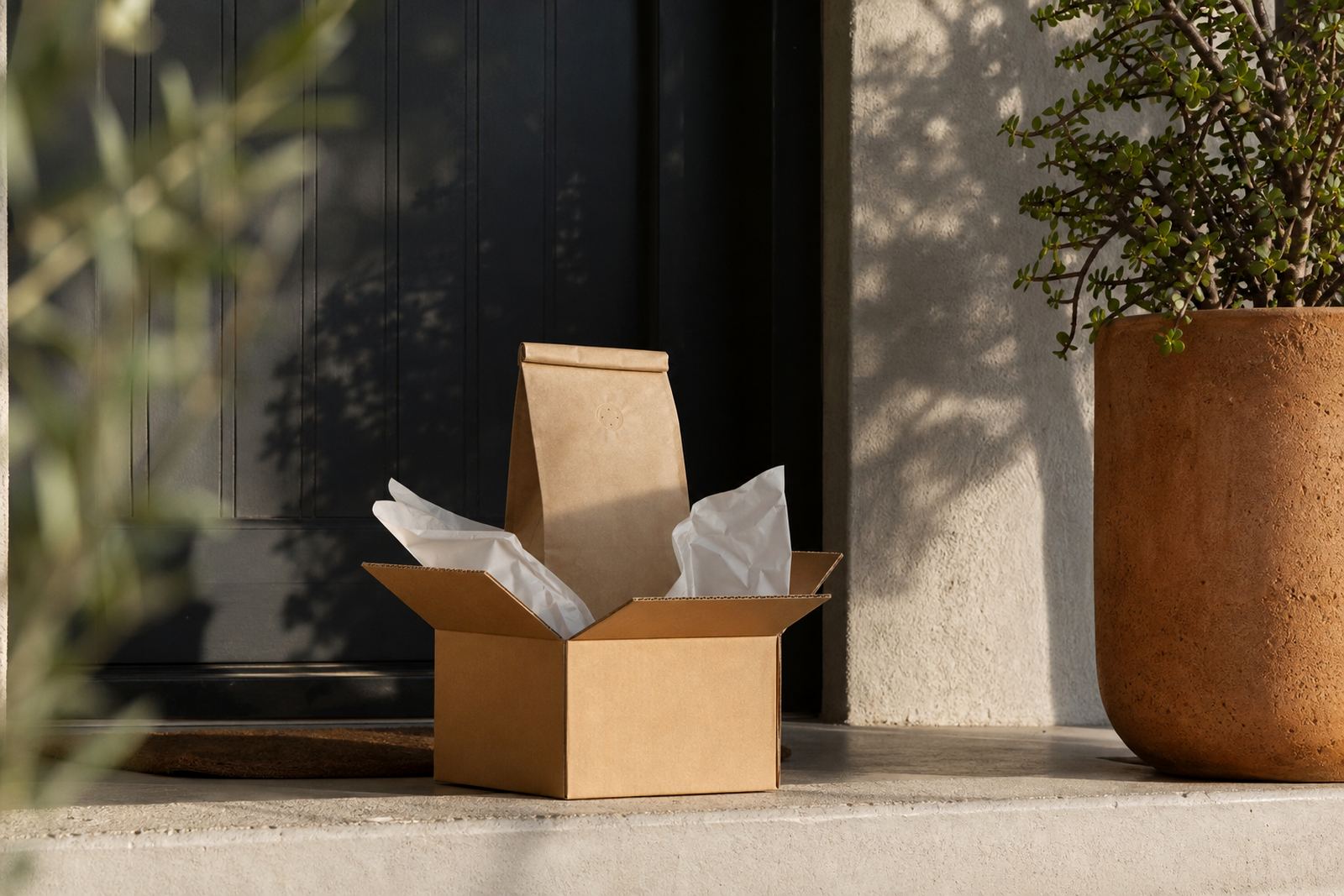
We also look at delivery frequency. Weekly delivery suits busy offices and event spaces. Fortnightly or monthly delivery works better for homes and small teams. If your premises are in an area with restricted access or limited reception hours, plan the drop-off window carefully so the coffee does not sit in the sun or at a loading bay for long.
How A Cup Of handles the subscription flow
From Woodstock, we roast and pack for homes and offices across Cape Town, Johannesburg, Pretoria, Durban and Gqeberha. Michael van der Merwe leads the business, with support from Ayanda Mkhize on roast direction, Jason Petersen on subscription planning, Naledi Molefe on coffee education, Liam Naidoo on wholesale coordination, Zinzi Dlamini on customer support and Francois Smit on operations. That means the subscription is managed by people who know both the brewing side and the delivery side.
Clients usually reach us through the enquiry form on our contact page, then we confirm bag size, frequency, origin preferences and the kind of brew method in use. If your team wants brighter coffees in summer and rounder, sweeter profiles in winter we can plan that rotation around the season and your stock levels. It is a simple structure, but the details matter when you want every delivery to arrive ready for use.
For many clients, the discovery subscription becomes the easiest way to keep coffee interesting without creating extra admin. The schedule is set, the grind can be adjusted, and the team gets a fresh reason to look forward to the next cup.