
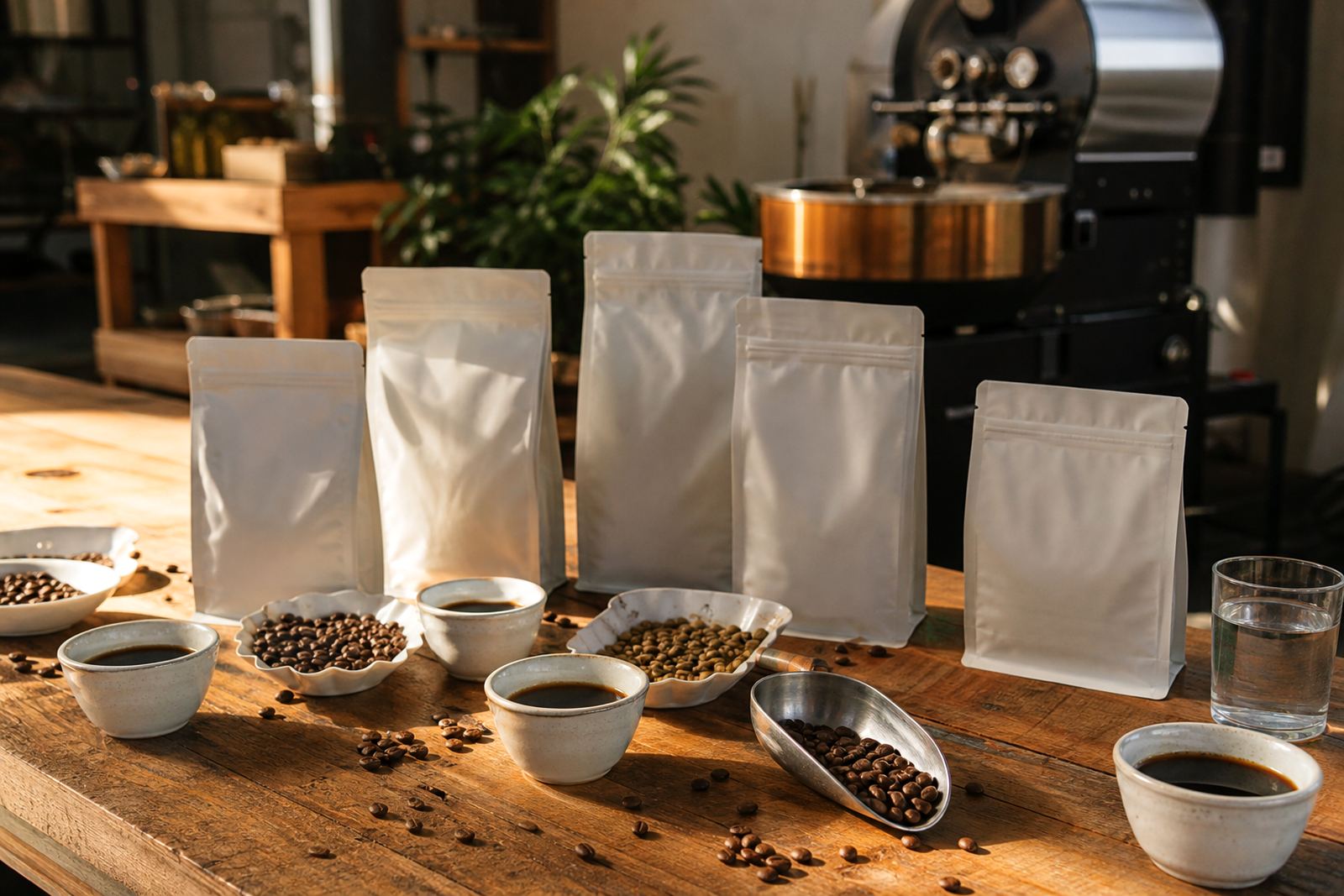
When decaf needs to be part of the daily routine
Decaf is often treated as an afterthought, until the office runs out on a Friday afternoon or the guest who wants coffee after dinner is left with nothing. A proper decaf subscription solves that by keeping a steady supply moving to your door, whether you are in Woodstock, the Southern Suburbs, the Atlantic Seaboard, Johannesburg, Pretoria, Durban or Gqeberha.
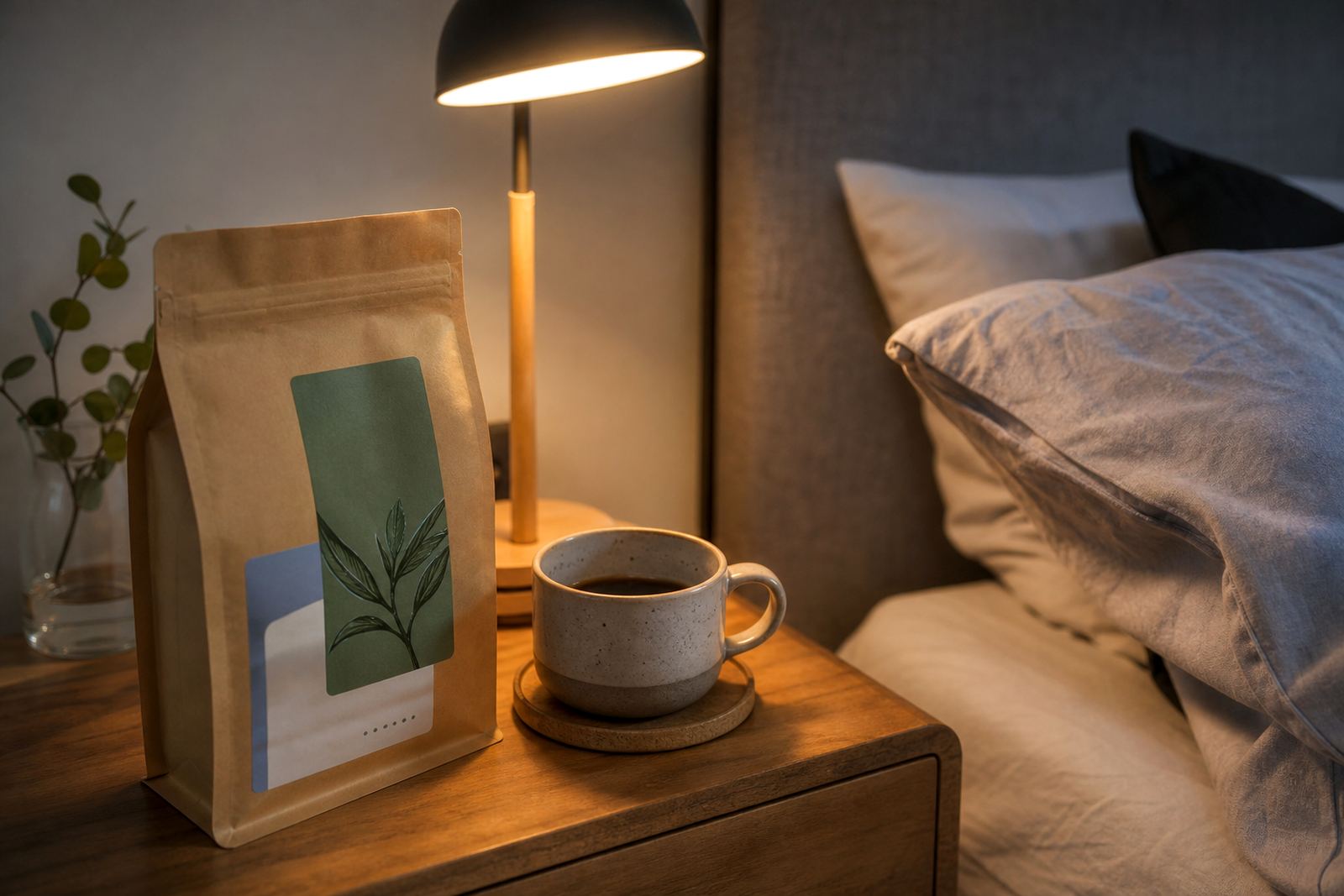
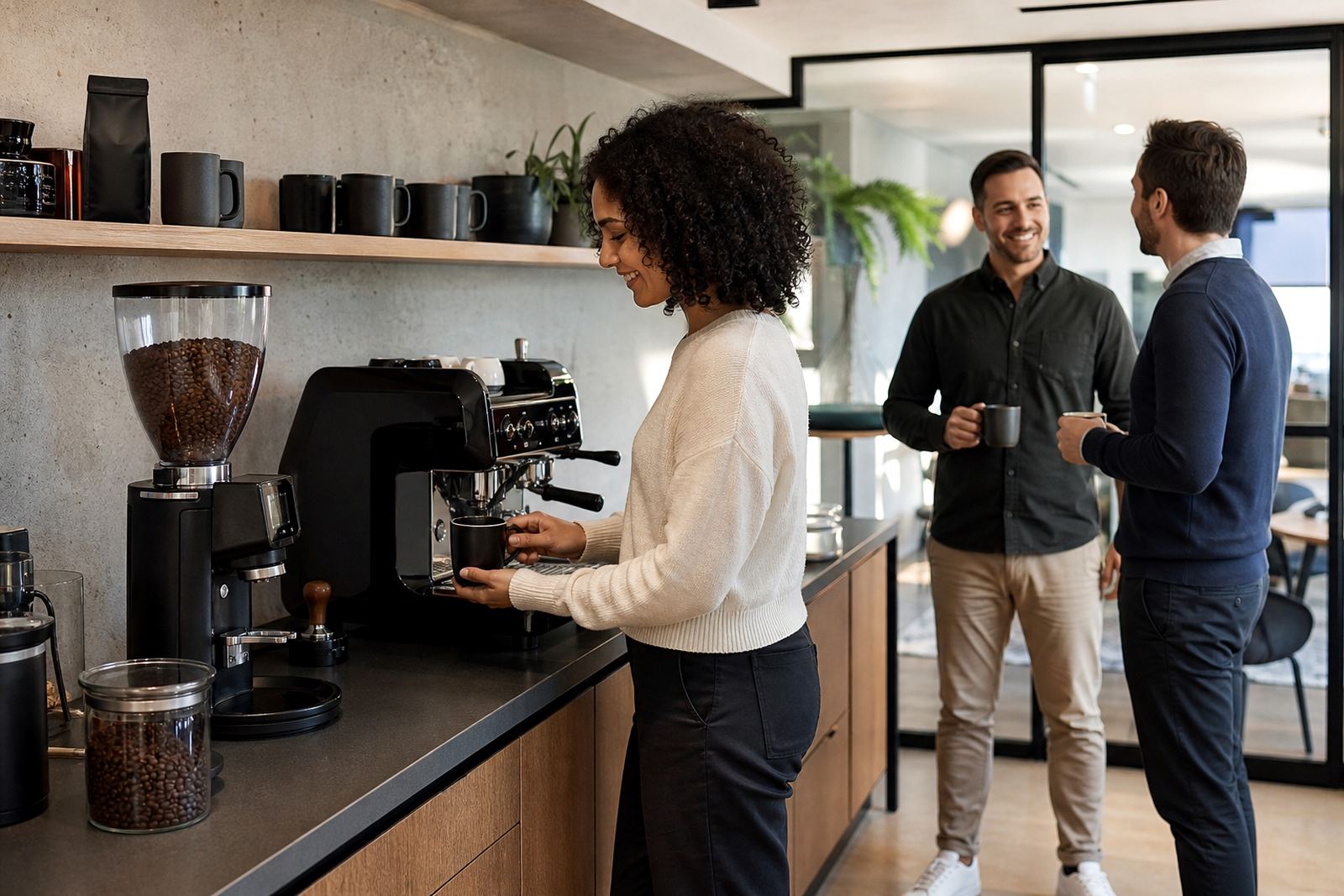
For households, decaf is usually about timing and choice. Some people want a second cup in the evening, while others need a mug they can enjoy without feeling wired. For offices, it is about inclusion. Not every staff member, client or visitor wants caffeine, and a good decaf option means nobody has to settle for instant coffee or skip the moment altogether.
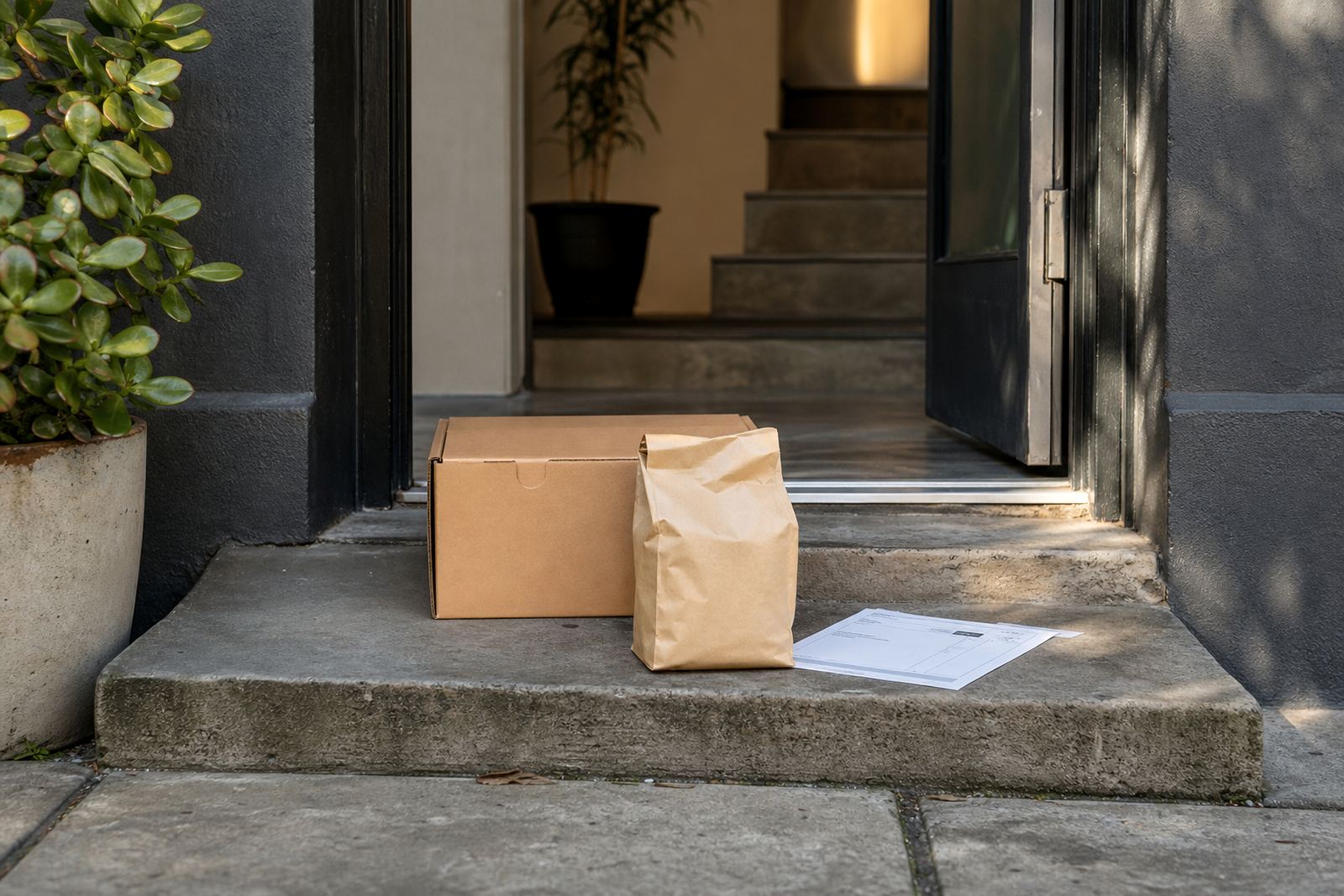
Our subscription model works well for mixed households and workspaces with shared kitchens. It keeps the rhythm simple: roast, dispatch, brew, repeat. No last minute panic buying, no stale bags sitting in the cupboard for months and no awkward gaps in service.
What a decaf setup usually looks like
Most decaf subscription customers are already brewing with familiar equipment. The right match depends on how many cups you need each day and how consistent you want the flavour to be. We can supply coffee for bean-to-cup machines, manual brewing at home, or a small office setup with a grinder and a few brewers for different tastes.
- Home espresso machine with a separate grinder for fresh dosing
- Filter setup with a pour-over dripper or batch brewer
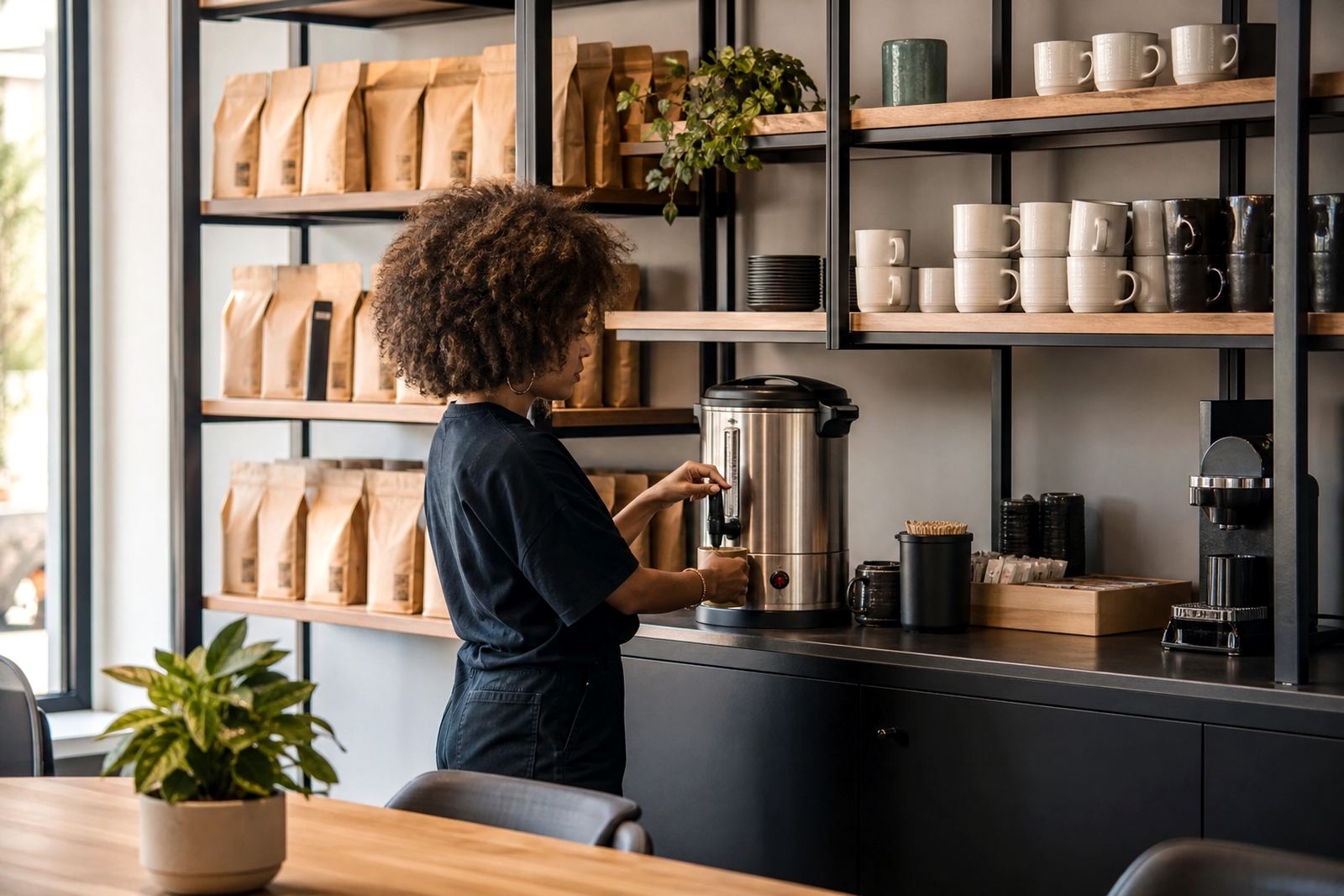
- Office bean grinder plus a plumbed or refillable coffee machine
- French press or cafetière for low maintenance brewing
- Thermal servers for meeting rooms and reception areas
Decaf behaves a little differently from regular coffee, so grind calibration matters. Too fine and the cup can taste heavy or bitter, too coarse and it may turn thin. In busy offices, we often recommend a simple grinder setting guide and a labelled container system so the decaf is not mixed up with the regular roast. That small step saves a lot of confusion later.
How to plan the subscription around your space
Before choosing a delivery frequency, look at your actual consumption. A two person home in Cape Town might use one 250 g bag every 10 to 14 days. A small office of eight to twelve people may need 1 kg or more each week, especially if decaf is used in meetings or after lunch. If you host clients often, build in extra stock for those days rather than hoping one bag will stretch.
Storage also matters. Keep bags in a cool, dry cupboard away from steam, sunlight and strong smells. Coastal humidity can affect storage in places like Durban and parts of Cape Town, so airtight containers help. In offices, the coffee station should be close to water and power, but not right next to a sink spray zone or a loading area where dust gets into the grinder.
- Choose a subscription size based on cups per day, not just the size of the team
- Allow for school holidays, staff leave and quieter trading periods
- Keep one spare bag or tub for unexpected visitors
- Use a simple stock check day each week so the next delivery is never too late
For homes, a fortnightly delivery usually works well. For offices, weekly or monthly rotations are more common depending on consumption and whether decaf is also served in a hospitality or meeting room setting.
Common mistakes with decaf subscriptions
The biggest mistake is underestimating demand. People often assume decaf is a secondary option, then discover that half the team drinks it after lunch or during late working hours. Another common issue is buying too much at once and letting the coffee sit for too long. Even good coffee loses its edge if it is stored badly or left open near heat.
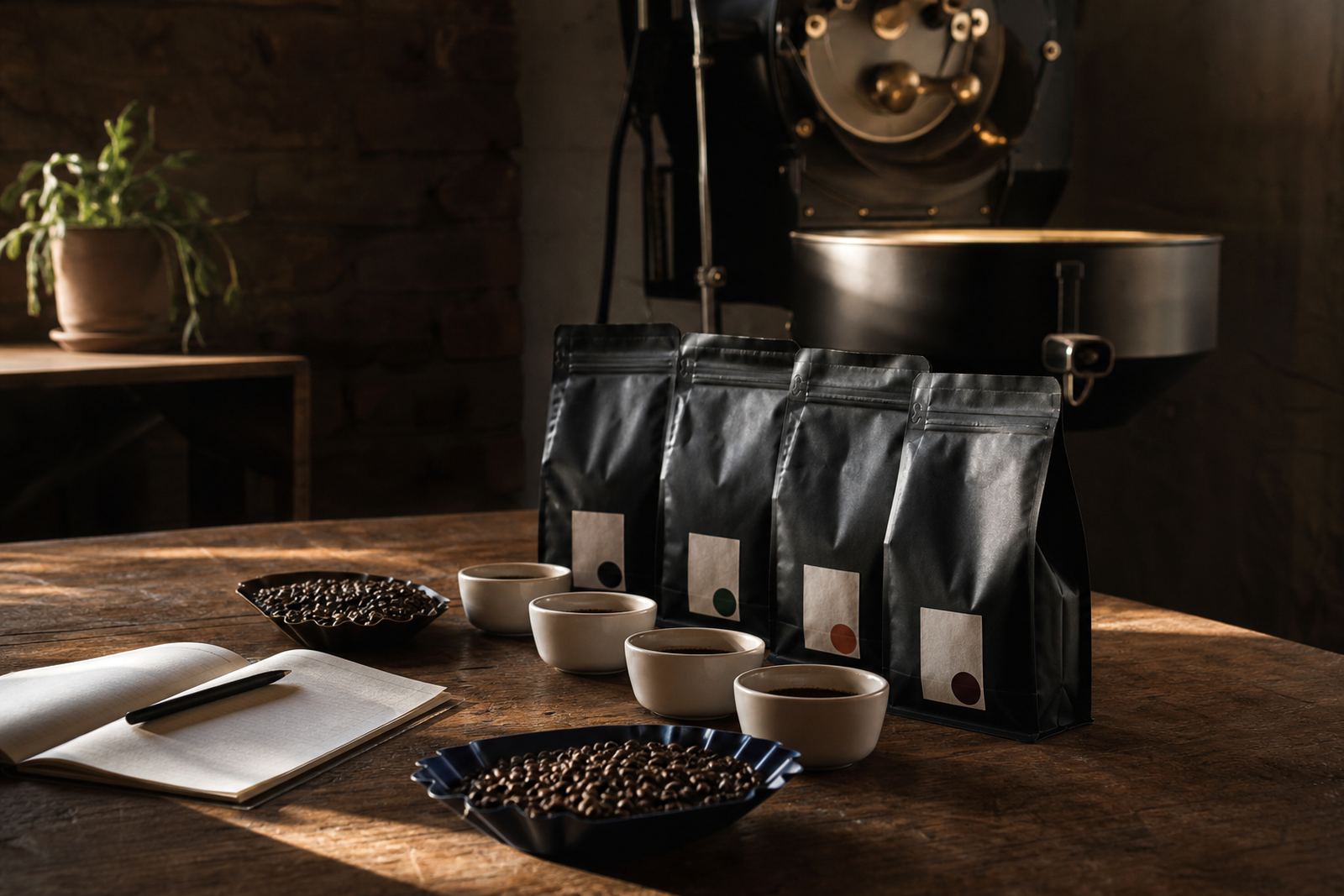
Another error is treating all decaf the same. Different decaf coffees can taste very different depending on origin, roast profile and brew method. If your household prefers a smoother cup and your office wants something more rounded for milk drinks, it is worth saying so upfront. That way we can guide the rotation and avoid sending something that does not suit the way you actually brew.
A final mistake is ignoring grind settings. If the coffee tastes flat, bitter or watery, people often blame the beans before checking the grinder. In reality, a small adjustment can change the cup a lot. For workplaces with rotating staff, a posted brew note near the machine helps keep things consistent.
Budget ranges in Rand for homes and offices
Decaf subscription budgets depend on volume, brew style and whether you need regular deliveries or a more flexible schedule. For a home subscription, many customers start at around R180 to R320 per bag depending on size and origin. If you use one to two bags a month, that gives you a practical monthly spend without overbuying.
Small offices generally budget from about R700 to R2 500 per month for decaf coffee alone, depending on headcount and consumption. Larger hospitality or multi-site setups may spend more, especially if decaf is part of a broader coffee service with stock forecasting, rotation planning and backup stock for busy periods. Setup costs for grinders, brewers and storage containers can range from about R1 500 for a basic home arrangement to R15 000 or more for a well equipped office station.
If you are planning a new coffee point, think in stages. Start with the amount of coffee you need each month, then match the equipment to that use. It is easier to build a good coffee routine around real numbers than to buy gear first and hope the consumption works out later. That is where a practical subscription helps because it keeps the spend predictable.
Getting the flavour right for after-hours cups
Decaf should still taste like proper coffee. That means paying attention to brew time, water quality, and how the coffee is being served. Soft water can make the cup taste brighter, while heavily treated municipal water may mute the flavour. In offices, a simple filtered water step can improve the result quite a bit, especially when the machine is used all day.
We also suggest pairing the subscription with basic brew training for teams who make coffee for others. A few minutes on dosing, tamping, grind checks and cleaning can protect the flavour and reduce waste. For homes, the same applies in a simpler way: keep the grinder clean, purge the first few grounds after setting changes, and do not leave brewed coffee sitting on a hot plate too long.
Decaf is often the last cup of the day, but it should still feel considered. When the supply is steady and the setup is organised, people drink it more often and with more confidence. That is the point of the subscription, really, to make decaf an easy choice instead of a backup plan.