
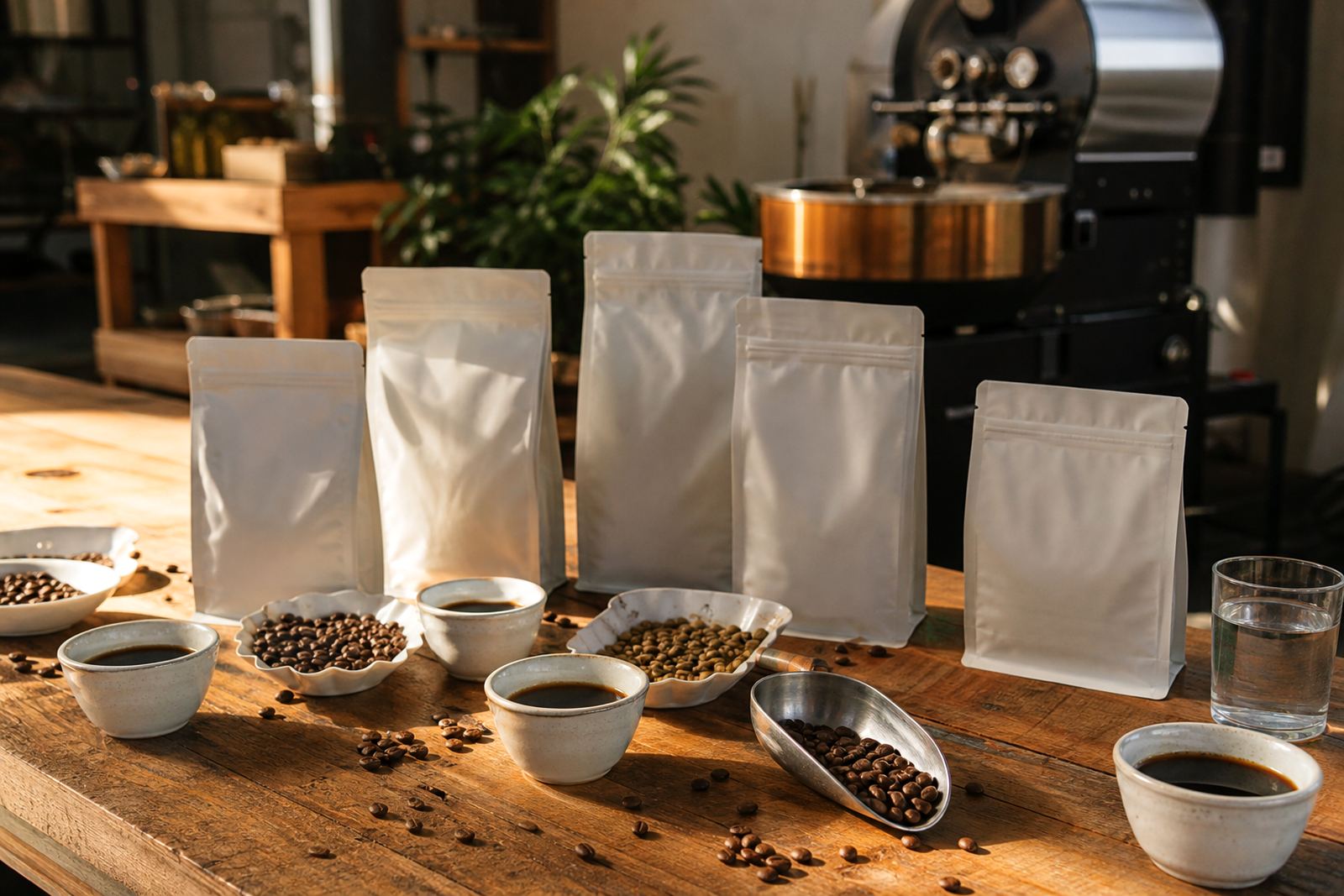
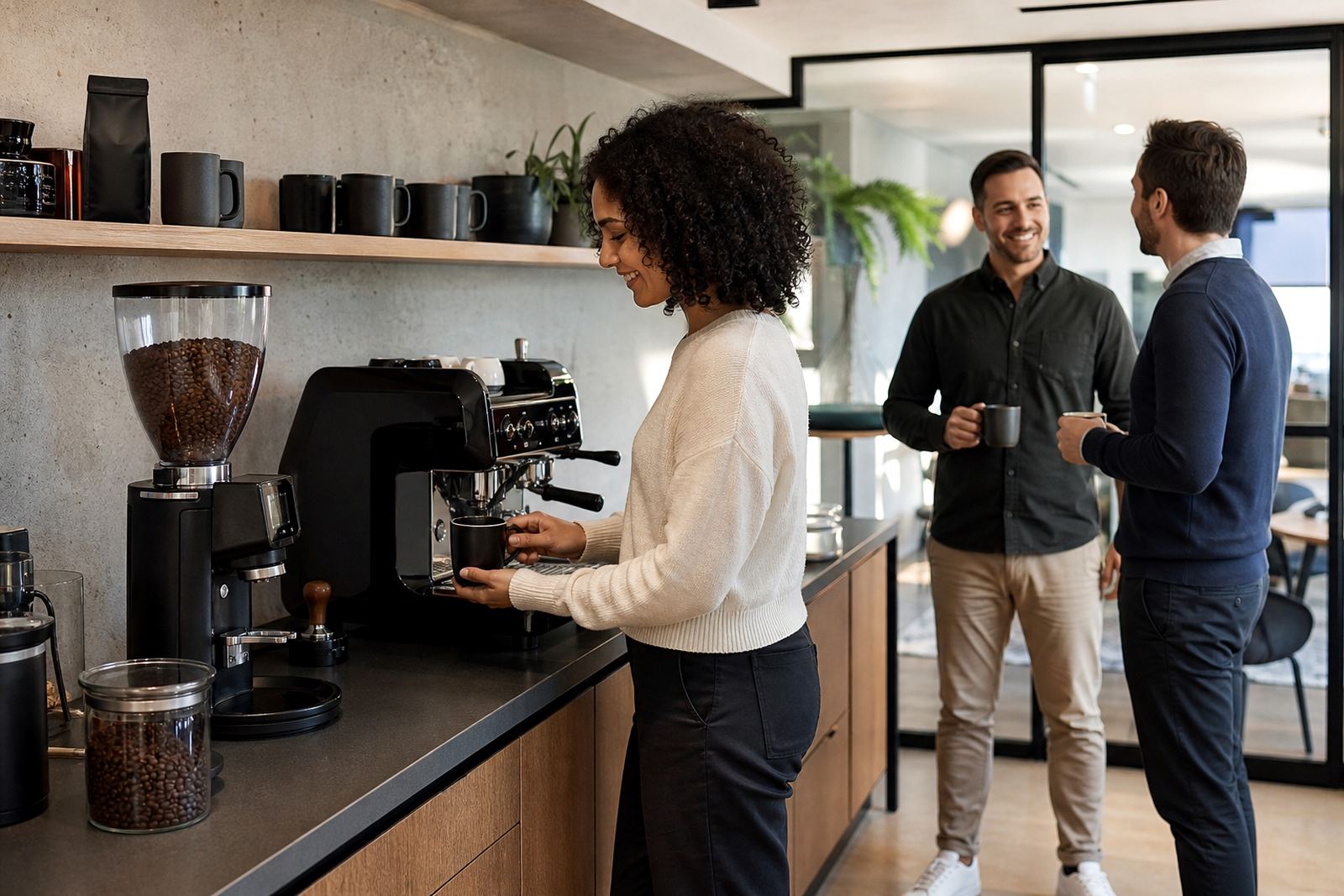
When a plunger plan makes the most sense
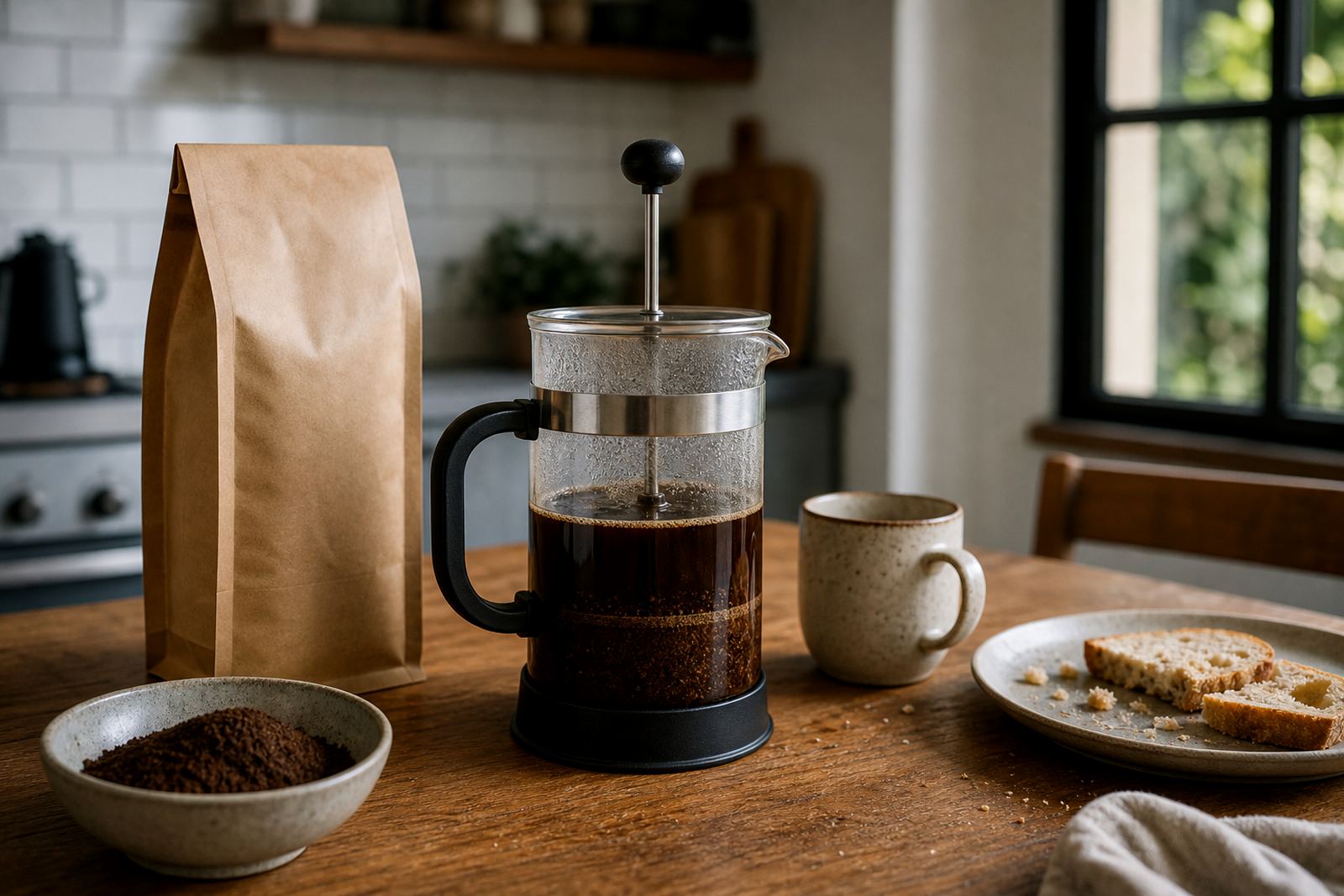
A plunger setup is a good fit when your team wants proper coffee without a machine, boiler or daily maintenance. It suits offices in Woodstock, the Southern Suburbs, the Atlantic Seaboard and further afield in Johannesburg, Pretoria, Durban and Gqeberha where people want an easy brew that still feels considered.
This use case works best for homes, shared kitchens, small reception areas and meeting rooms where staff make a few cups at a time. It is also practical for guest houses and wellness rooms, where the brewing method needs to be simple, quiet, and easy for different people to use during a busy day.
- Low equipment cost
- Simple cleaning routine
- Flexible batch sizes
- Good for single-origin beans with fuller flavour
Typical plunger coffee set-up
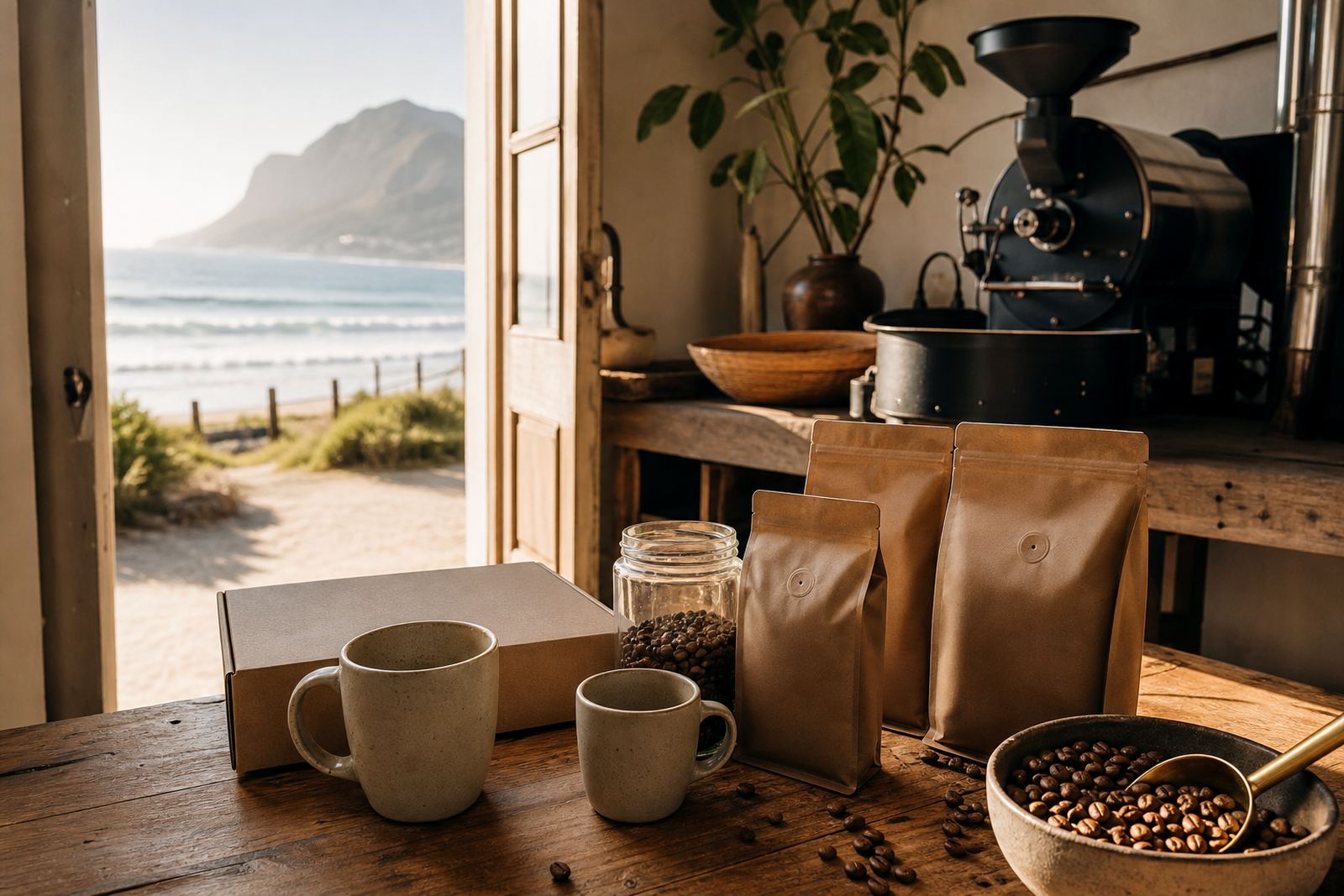
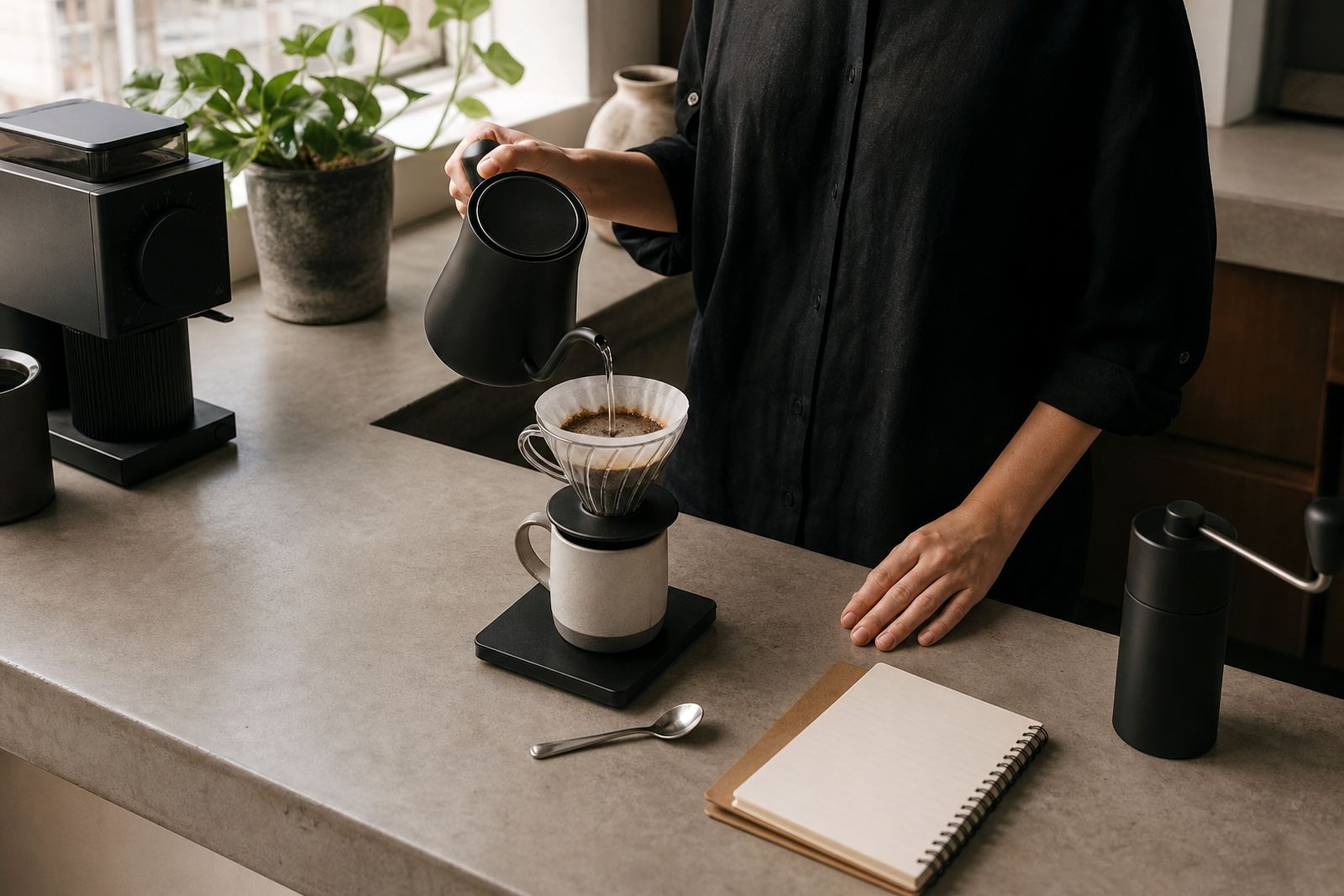
A basic set-up is straightforward, but the details matter. You need a plunger, a kettle, a grinder, a scale if you want repeatable results, and storage that keeps the beans dry and cool. In coastal areas like Cape Town humidity can affect freshness, so airtight containers matter more than people think.
For offices, we usually suggest one brewing point per floor or shared kitchen, with a clear place for filters, scoop spoons, cleaning cloths and a waste bin. If you are planning for loadshedding, a gas kettle or a backup boiling option can help keep service going when power is out for an hour or more.
- 350 ml to 1 litre plungers for small to medium groups
- Medium or coarse grind for steady extraction
- Sealed bean storage away from sunlight
- Hot water access with a clear fill line
How to plan the right layout
The best layout keeps the whole process in one neat spot: beans, grinder, kettle, plunger and cups. That reduces mess and stops people from wandering around the office with half-brewed coffee. In busier spaces, place the station close to the sink but not in the main traffic path.
If the space is open-plan, allow enough counter depth for brewing and cooling. A narrow ledge can work at home, but in a workplace it usually becomes cluttered. For hospitality service or meeting room coffee, keep spare beans, teaspoons and milk at a separate point so the brew area stays tidy and easy to refill.
- Allow 600 mm to 900 mm of usable counter space
- Keep water, cups and bean storage within arm's reach
- Use labels for grind level, brew time and cup count
- Leave space for cleaning and drying between uses
Common mistakes that spoil the cup
The most common problem is grinding too fine. That gives a muddy cup and makes the plunger harder to press. The second is using water that is too hot, which can make the coffee taste harsh. People also forget that a plunger is a timed brew, not a quick stir and pour job.
Another mistake is buying too much coffee at once and storing it badly. Beans that sit open near a stove, window or aircon outlet lose quality fast. We also see offices under-ordering because nobody tracked consumption properly, then running short before month end. That is avoidable with basic stock forecasting and a simple reorder schedule.
Monthly delivery budgets in Rand
Budget depends on how many cups you brew, how often you use the station, and whether you want one origin or a rotation across the year. For a home or small team, a monthly coffee plan can start at around R450 to R900 if usage is light. A medium office or shared space may spend R1 200 to R2 800, while higher-use hospitality or wellness settings can sit from R3 000 upwards.
Equipment costs are separate. A decent plunger is often under R500, while a grinder and kettle increase the once-off spend. If you need brew training, grind calibration or setup support, we can scope that around your space and your monthly volume. It is better to plan this properly than to keep guessing and wasting coffee.
How we support homes, offices and hospitality spaces
We supply single-origin beans, manage subscriptions and help match your delivery cadence to actual use. If you need coffee for a reception area, a meeting room, a wellness room or a small staff kitchen, we can set the volumes so you do not overbuy. Our team in Woodstock supports delivery planning across Cape Town and into other major centres, with a practical eye on stock, freshness and day to day use.
We can also help with seasonal coffee rotation, so the same plunger setup does not become predictable. If your office has changing headcount, client visits or team events, we will work out a delivery rhythm that fits. That is especially useful when municipal water restrictions, load-shedding, or busy trading periods change how and when people brew.