
Why Durban subscriptions need a different approach
Durban is hard on coffee storage. The air is warmer and more humid than inland, so beans can lose their edge faster if they sit open on a shelf near the kettle or in a sunny kitchen. That is why a subscription here has to be planned around smaller, more regular deliveries, airtight storage and the right grind size for the way people actually brew at home or in the office.
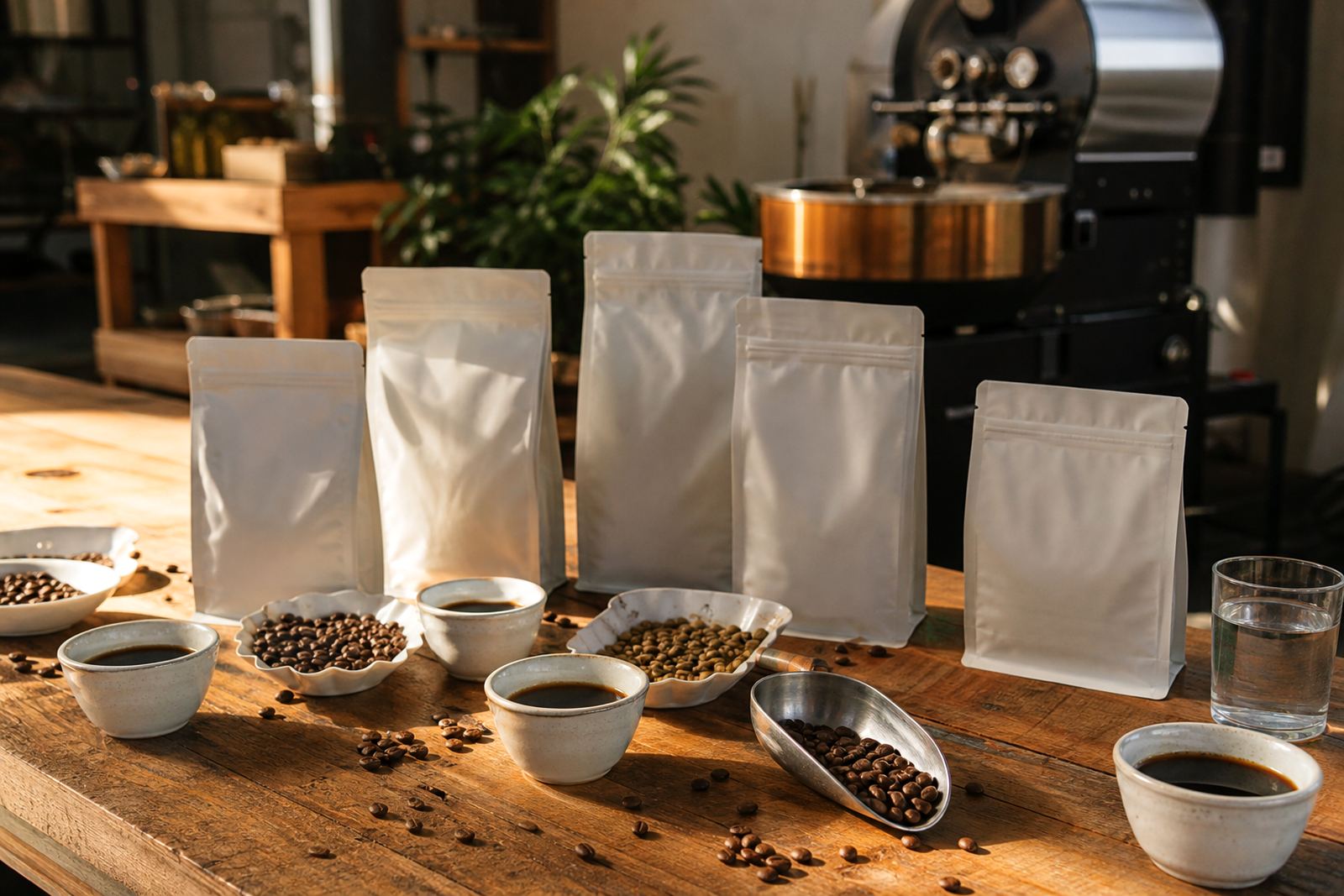
We supply single-origin speciality coffee from our Woodstock roastery to Durban households, apartments, studios and teams across the city and surrounding areas. Some clients want one bag every month for a domestic machine. Others need a steady supply for a reception, consulting room or shared kitchen where staff make several cups a day. The subscription should match the drinking pattern, not force people into a fixed amount they cannot finish in time.
For Durban clients, we also look at heat, load shedding and kitchen layout. A coffee station close to a stove, dishwasher or direct afternoon sun can affect flavour. In a smaller flat or office, the right container and placement matter as much as the roast itself.
Choosing the right subscription size for your household or team
The first question is simple: how many cups do you drink, and how quickly do you go through a bag? A two-person household using a moka pot or plunger may only need 250 g every two to three weeks. A family using a bean-to-cup machine can move through 1 kg much faster. Offices in Durban often need a mixed plan, with one main coffee for daily use and a smaller rotation for guests or seasonal changes.
We help clients decide between lighter and heavier delivery cycles, then adjust as routines settle. It is common to start with one bag size and change after the first delivery or two. That keeps waste down and helps avoid the problem of too much coffee sitting in a humid pantry for too long.
- 250 g bags for light home use, couples or occasional drinkers
- 500 g bags for regular home brewing or small shared spaces
- 1 kg bags for households, studios and office kitchens with daily use
- Mixed subscription plans for clients who want variety without overstocking
If your team works different hours, or some people prefer espresso while others drink filter coffee, we can map the subscription around that pattern. It is better to send the right amount every few weeks than to stack bags in a cupboard and hope they hold up.
Typical equipment in Durban homes and office kitchens
Most Durban subscription clients are brewing with straightforward equipment rather than specialist setups. That gives us plenty of room to tailor the grind, roast style and delivery schedule. A household with a filter machine needs a different approach from a team using a compact espresso machine in a reception area. We also see a lot of plunger, moka pot and manual pour-over brewing, especially in smaller flats and shared spaces.
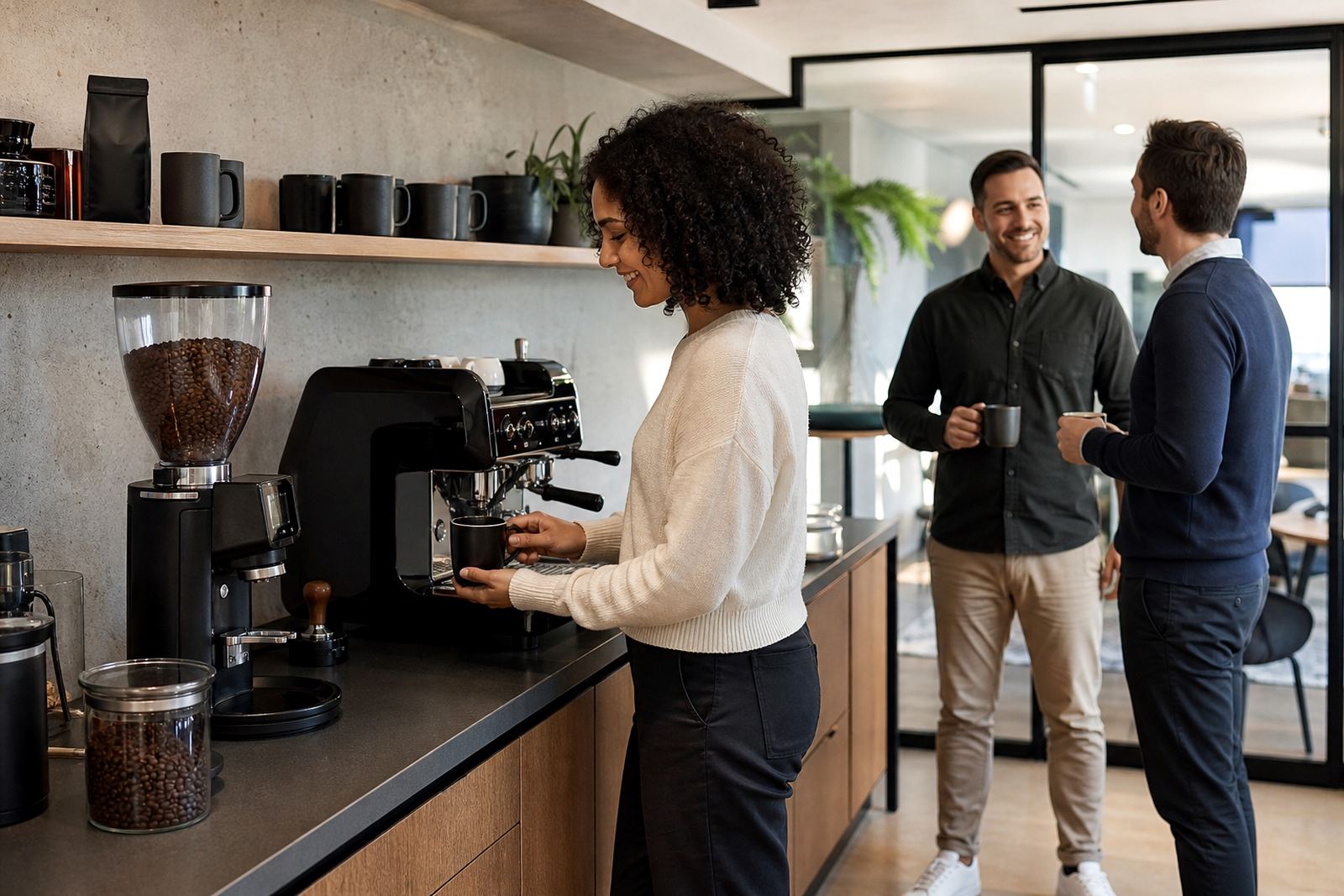
In offices, the equipment is often modest but used often. A simple grinder, a drip machine, a compact espresso unit or a bean-to-cup machine can serve a team well if it is cleaned properly and adjusted now and again. If the machine is not calibrated, the coffee can taste weak, bitter or uneven even when the beans are good.
- Espresso machine with grinder for offices or serious home brewers
- Drip or filter machine for reception areas and shared kitchens
- French press, moka pot or pour-over gear for homes and studios
- Airtight canisters to protect beans from humidity and odours
We also advise on water. Durban water can vary by area, and scale build-up inside machines is a common issue. If your machine is underperforming, the subscription may be fine but the cup still suffers. A simple cleaning and descaling routine usually makes a big difference.
Layout and storage advice for coastal kitchens and shared spaces
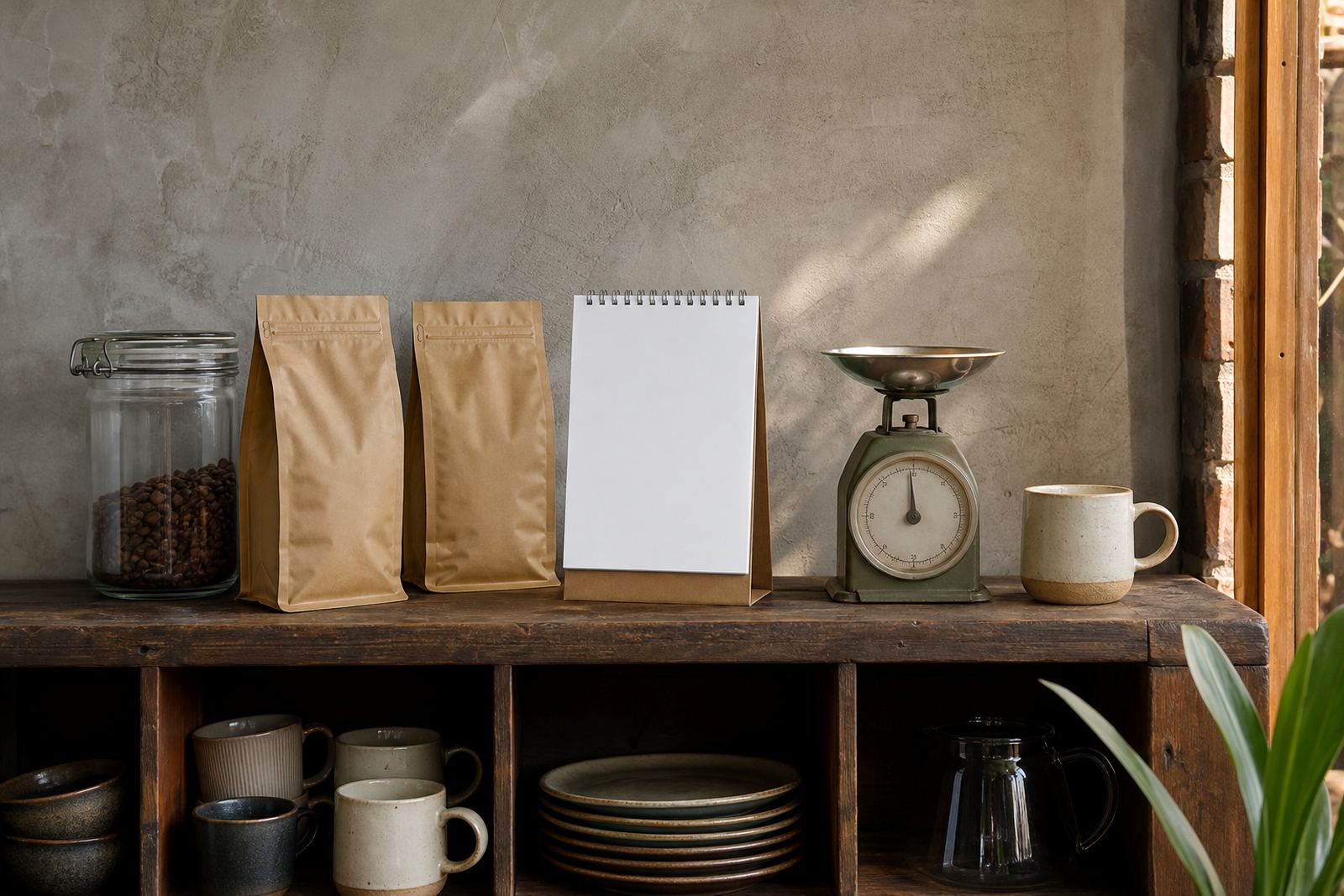
Where you place the coffee station matters. Keep beans away from direct sun, the kettle steam path and any open window that lets in damp air. In Durban, a cupboard above the microwave is often not the best spot if it gets hot every day. A cool shelf in a dry section of the kitchen is usually better, and an airtight tin or valve bag helps preserve flavour between brews.
For offices, we often recommend a small, clear coffee zone with a grinder, cups, sugar, milk and a waste bin all in one place. That keeps the counter tidy and makes it easier for staff to follow the same method each time. If the space is used by clients as well, the station should be neat and easy to restock before the day starts.
During load shedding, simple equipment choices help. Some Durban clients prefer brewing methods that do not depend on power for every cup. Others use a small backup power source for a grinder or machine. Either way, the layout should allow for quick access when the power is off and the team still wants coffee.
Common mistakes that waste coffee and money
One of the biggest mistakes is ordering too much and storing it for too long. Coffee is best when it moves through the system in a steady rhythm. If a household drinks slowly but receives a large monthly delivery, the last bag can taste flat before it is finished. The same happens in offices when a team forgets to update its usage after staff numbers change.
Another common problem is pairing a good subscription with a poor grind setting. If the grind is too fine, the cup may be harsh and slow to extract. If it is too coarse, the result can be thin and underpowered. For Durban clients using pre-ground coffee, we usually recommend checking the method before changing the bean itself.
- Buying more coffee than can be used in 3 to 4 weeks
- Leaving bags open in warm or humid cupboards
- Using the wrong grind for the machine or brew method
- Skipping machine cleaning and descaling
- Keeping a fixed delivery plan when household or staff use changes
It is also easy to overlook seasonal patterns. Some Durban households drink more coffee in winter and less in summer. Offices may have higher demand when staff are in more often. A subscription should flex with that, not fight it.
Budget ranges for Durban households and teams
Most Durban subscription budgets depend on bag size, delivery frequency and whether you want one coffee or a rotation of different single origins. For a home setup, many clients sit in the R180 to R450 range per delivery, depending on volume and how often they receive it. A smaller household with lighter use will usually spend less than a family or a shared flat with daily brewing.
For small teams, the budget often starts around R500 to R1 200 per month, especially where coffee is supplied for staff use, meetings and guest service. Larger office kitchens or hospitality spaces may need more than that, particularly if they use espresso machines or serve coffee throughout the day. Setup support, grind calibration and menu planning are usually priced separately if a site needs extra attention.
If you are planning a new coffee station, it helps to budget for the first month carefully. Beans, storage containers, filters, cleaning items and any machine adjustment all add up. A practical plan makes the subscription easier to manage and keeps the coffee tasting better from the first bag to the last.
How we manage Durban subscriptions in practice
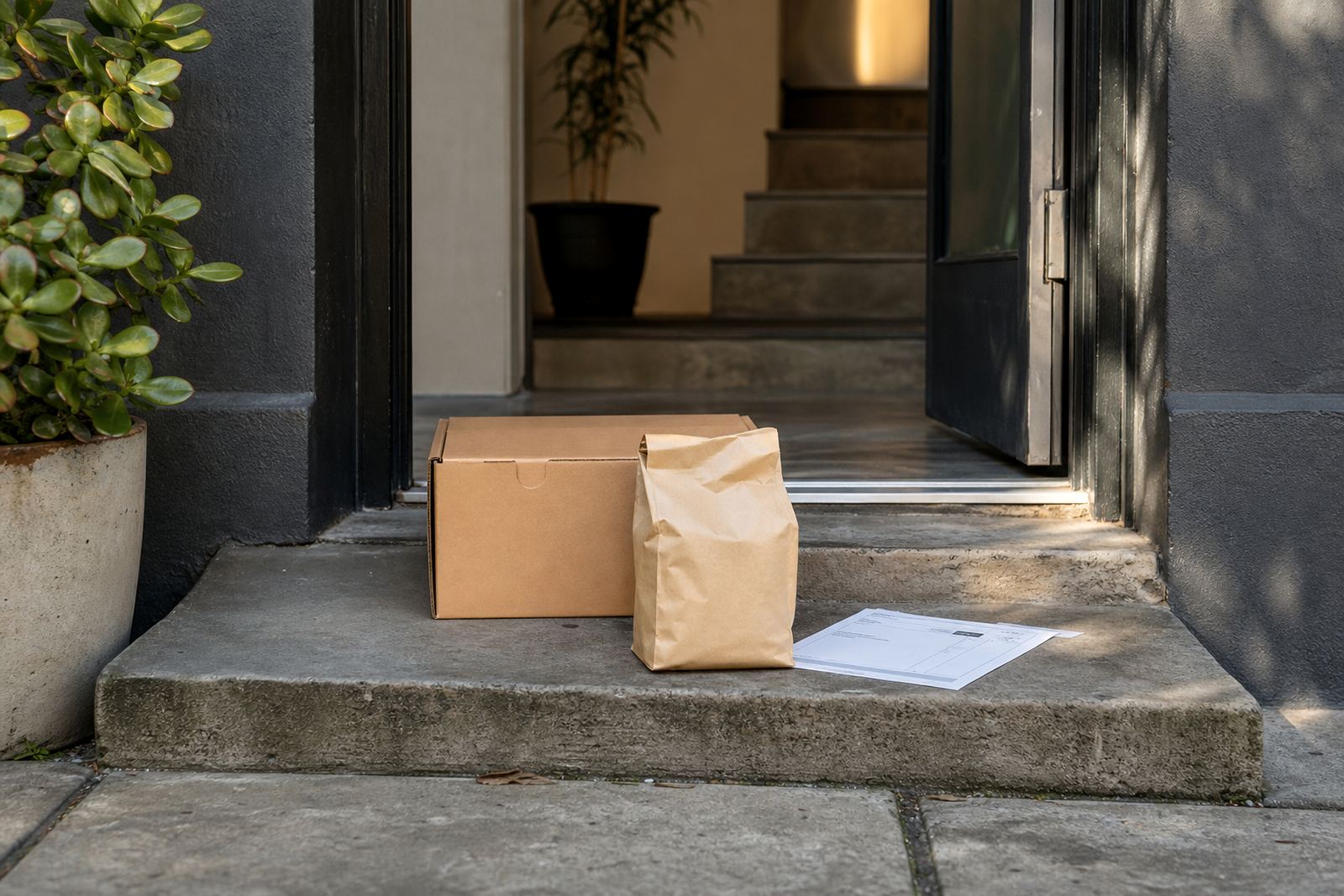
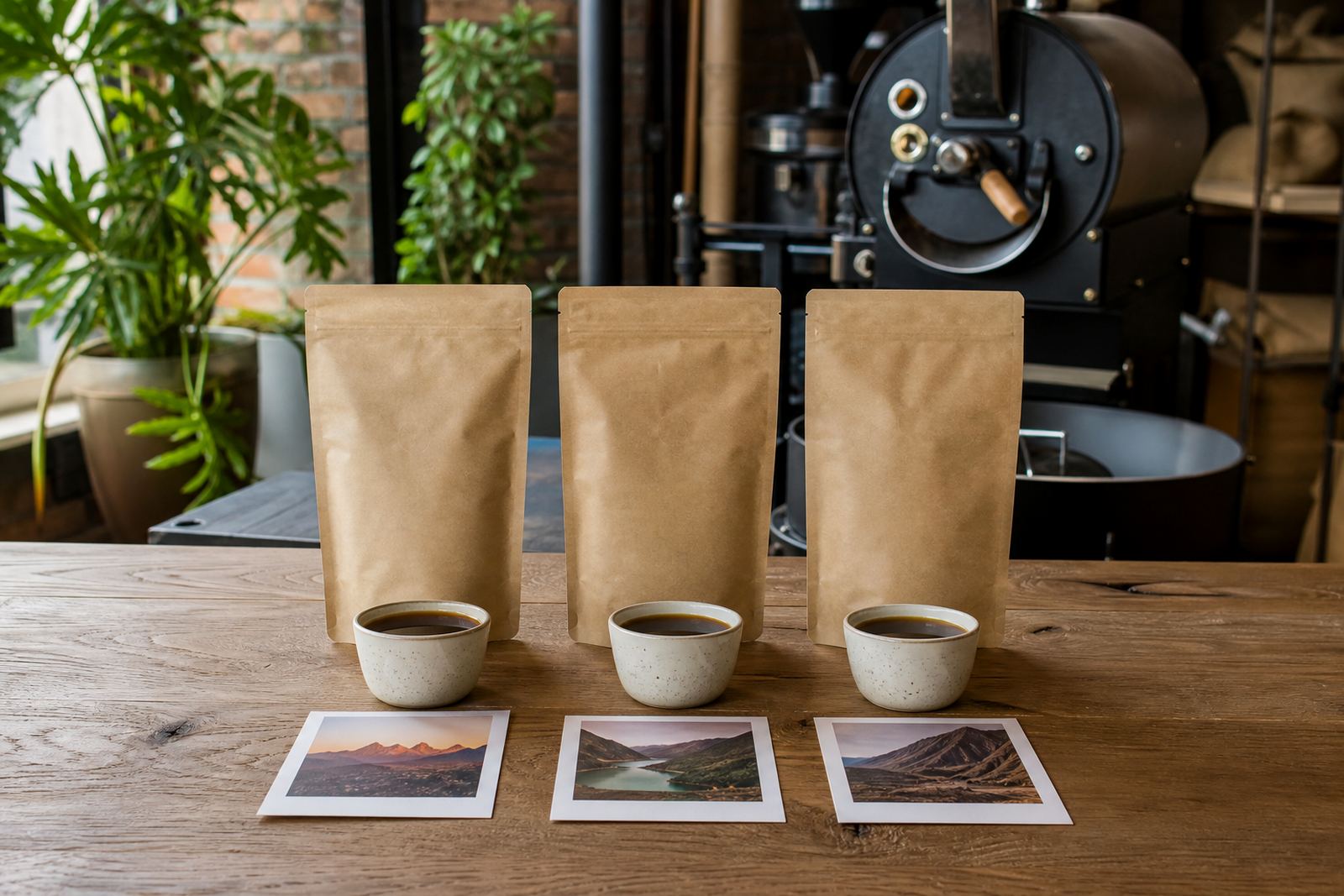
We begin with how many people are drinking, what they brew on and how quickly they move through coffee. Then we set a delivery rhythm that suits Durban life, whether that is a home delivery for a household in the suburbs or a regular supply for a team closer to the city centre. If taste preference changes over time, we can rotate the selection and keep the plan moving without creating waste.
Our team also helps clients keep an eye on stock. That matters for offices where no one wants to run out on a Monday morning, and for households that want to avoid last-minute shop runs. With the right rhythm, the subscription becomes one less thing to think about.
If you are in Durban and want a flexible coffee supply that suits your space, your equipment and your drinking habits, we can help shape it properly from the start. Small adjustments to bag size, grind and delivery timing make a big difference, especially in humid coastal conditions.