
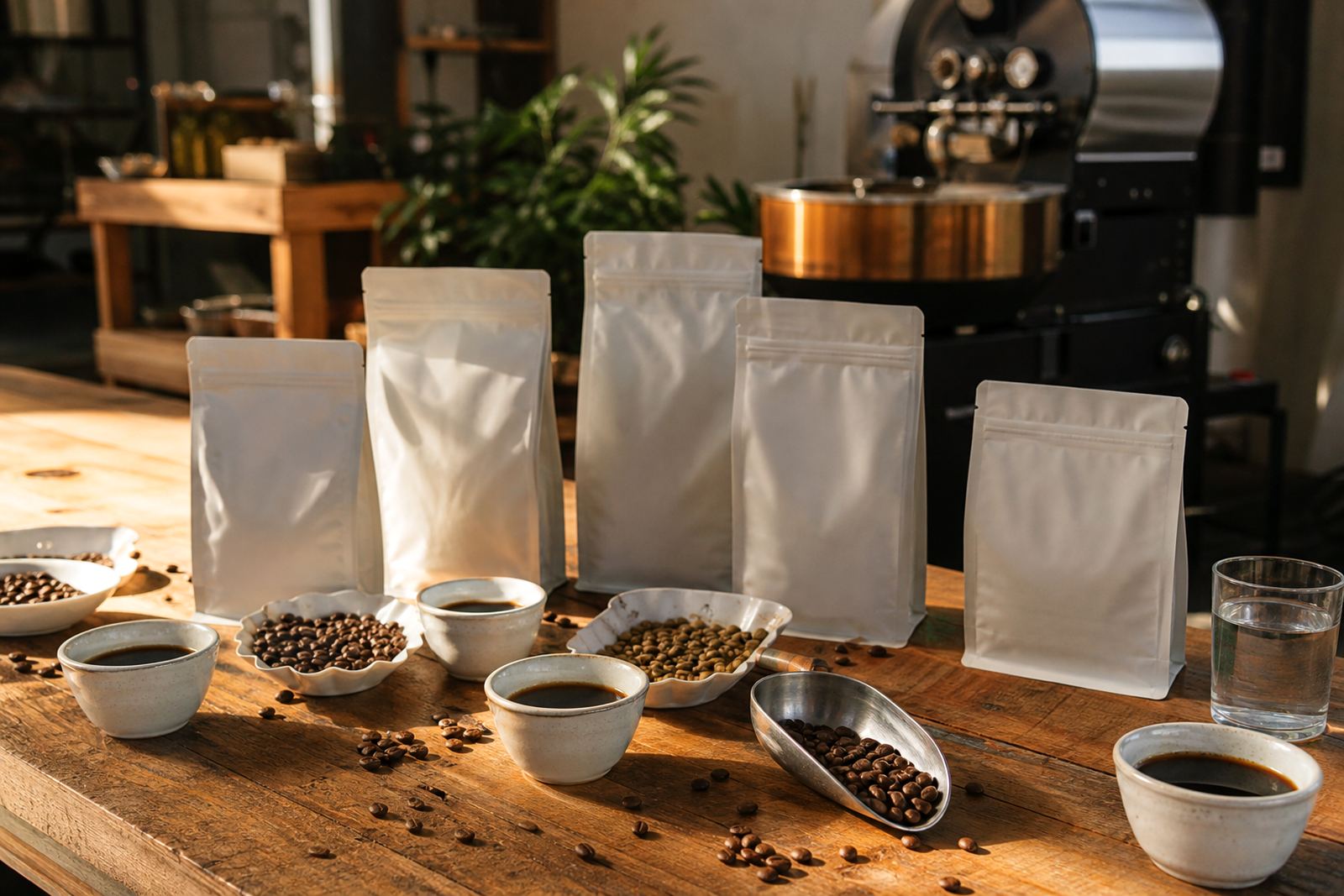
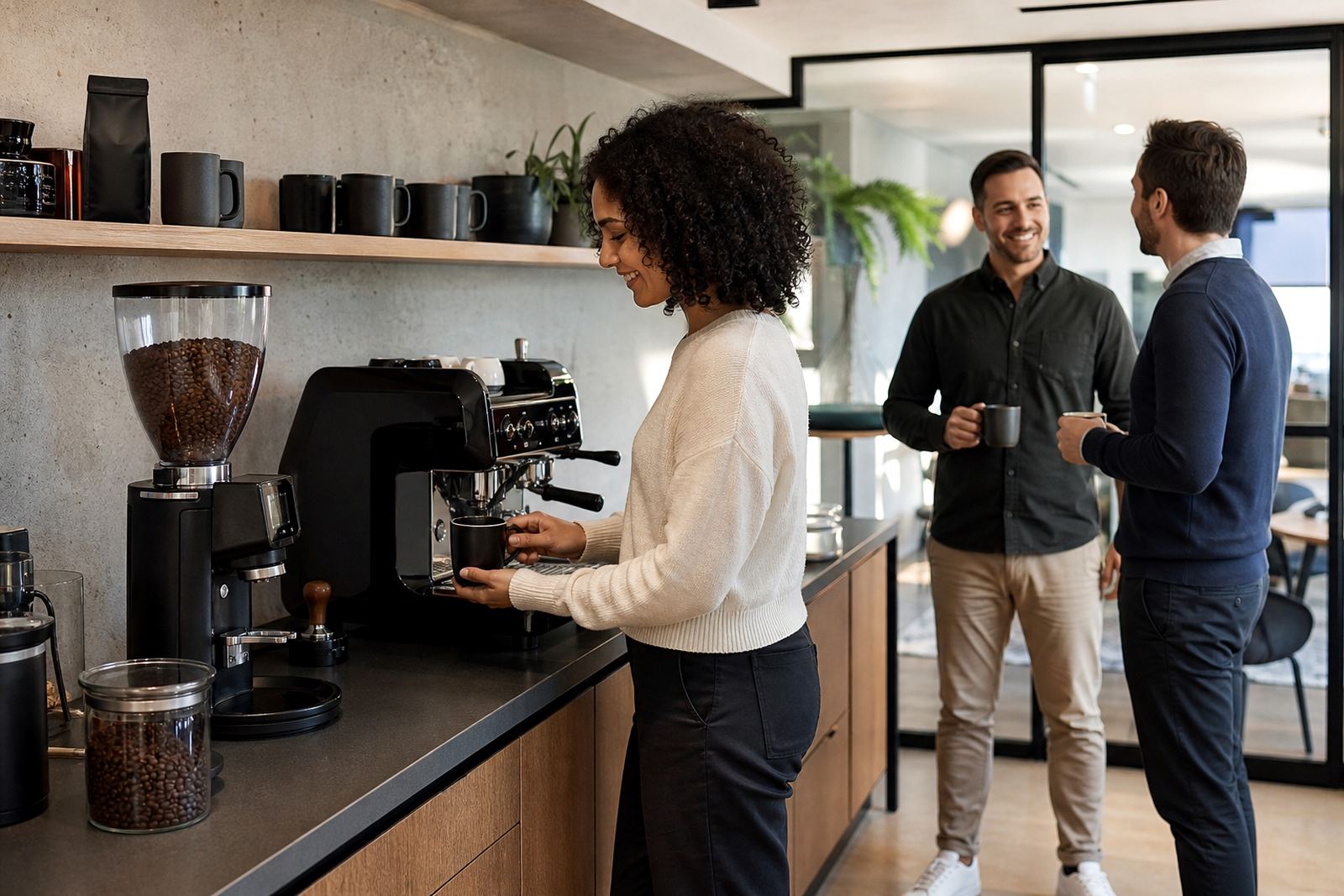
Why a monthly plan works at home
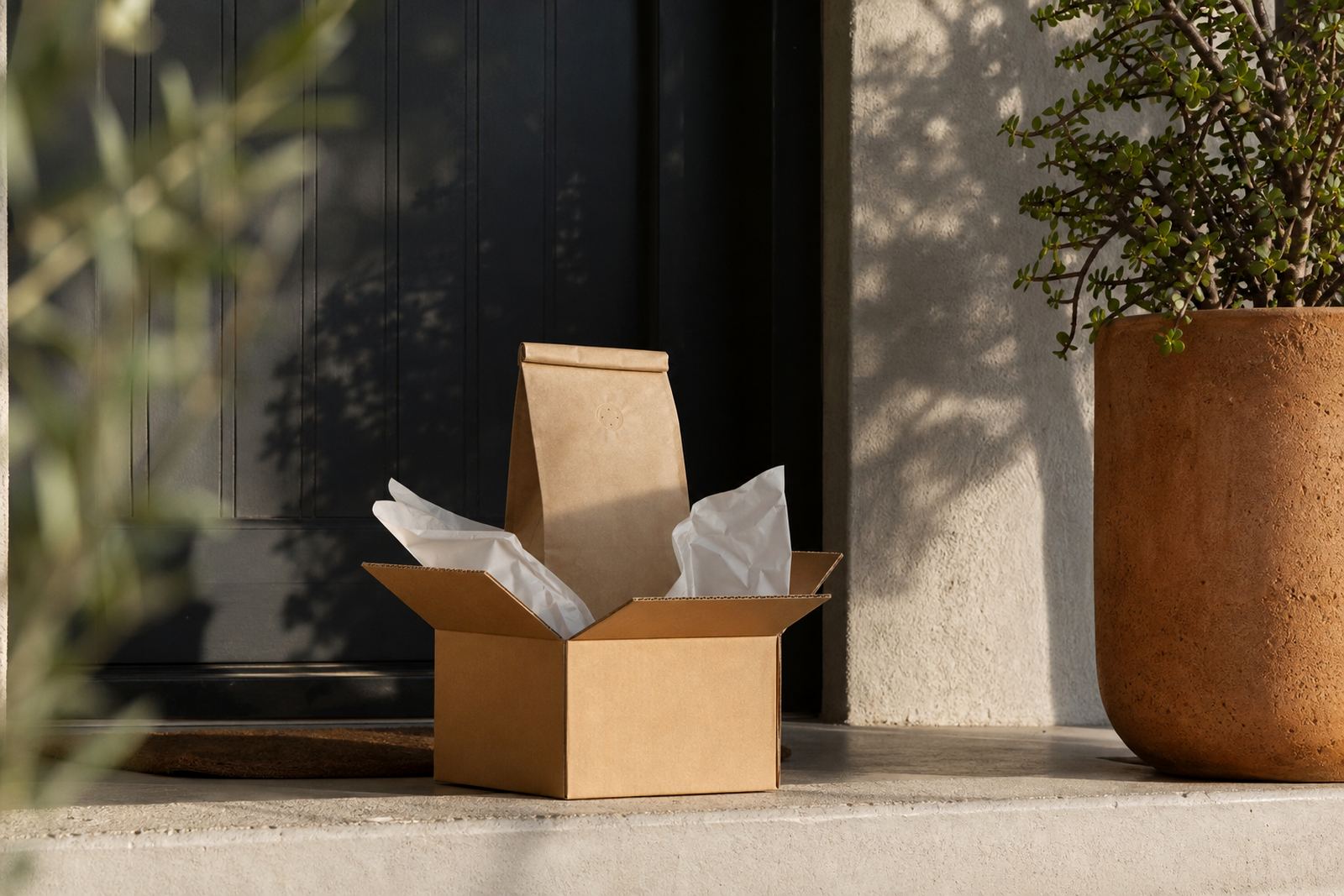
A monthly delivery is a good fit when your household drinks coffee most mornings and you want the same standard from week to week. Instead of buying small packs now and then, you receive a planned supply of freshly roasted beans at a set interval, which makes it easier to budget and easier to keep the canister full. For many homes in Cape Town, Johannesburg, Pretoria, Durban and Gqeberha, that predictability matters when traffic, load-shedding and busy schedules make quick store runs a hassle.
Most homes do best with one to four regular drinkers, a filter machine or manual setup, and a simple counter with enough room for a grinder, kettle and scale. If you brew only one cup a day, a 1 kg bag or two 500 g bags per month may be enough. If the whole family drinks coffee, 2 kg to 3 kg a month is more realistic. That spread keeps the coffee fresh and reduces the chance of old stock sitting in a cupboard too long.
- Best for daily home brewing
- Easy to plan around salary dates
- Less waste from overbuying
- Fresher beans than bulk storage
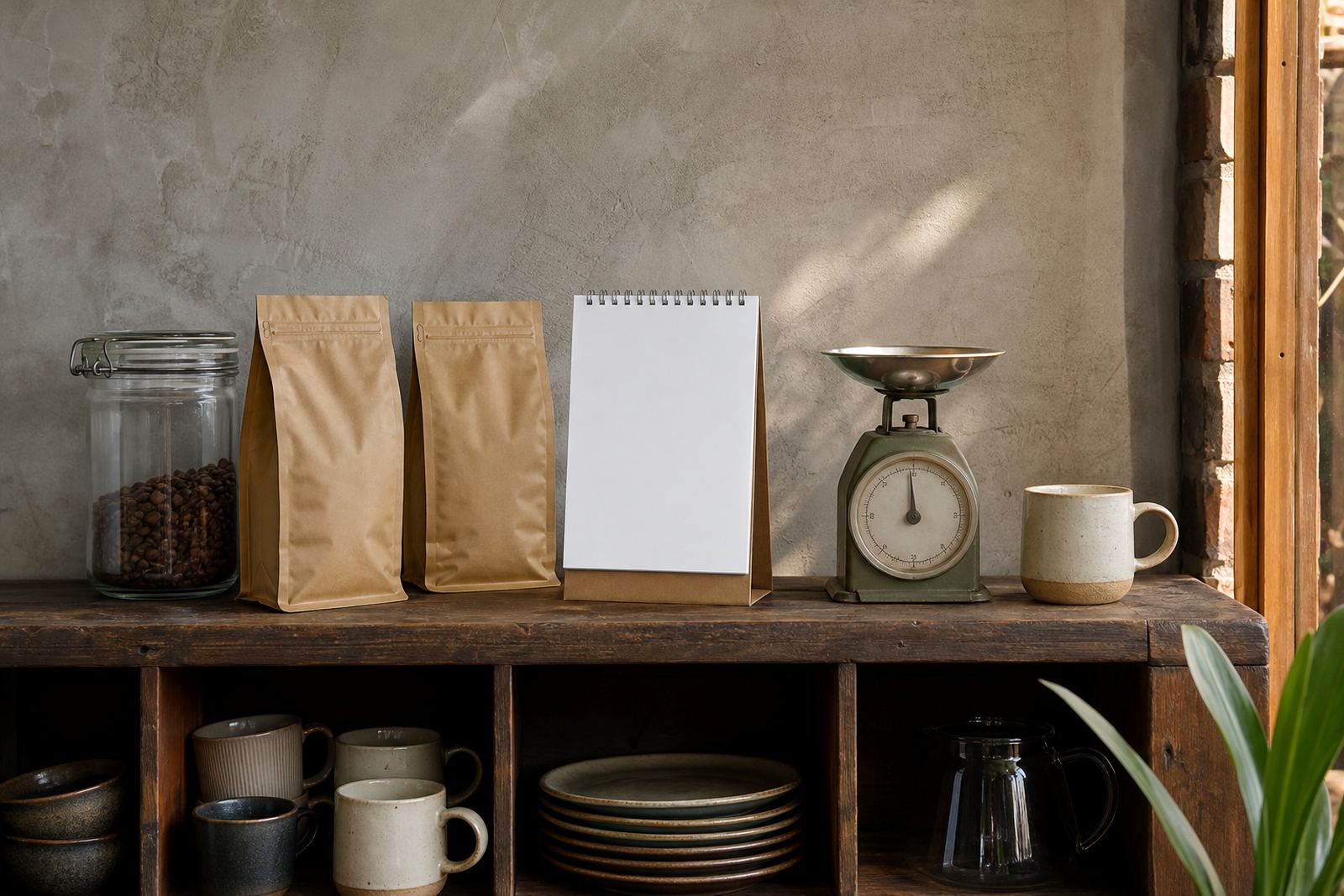
Typical home coffee set and cupboard layout
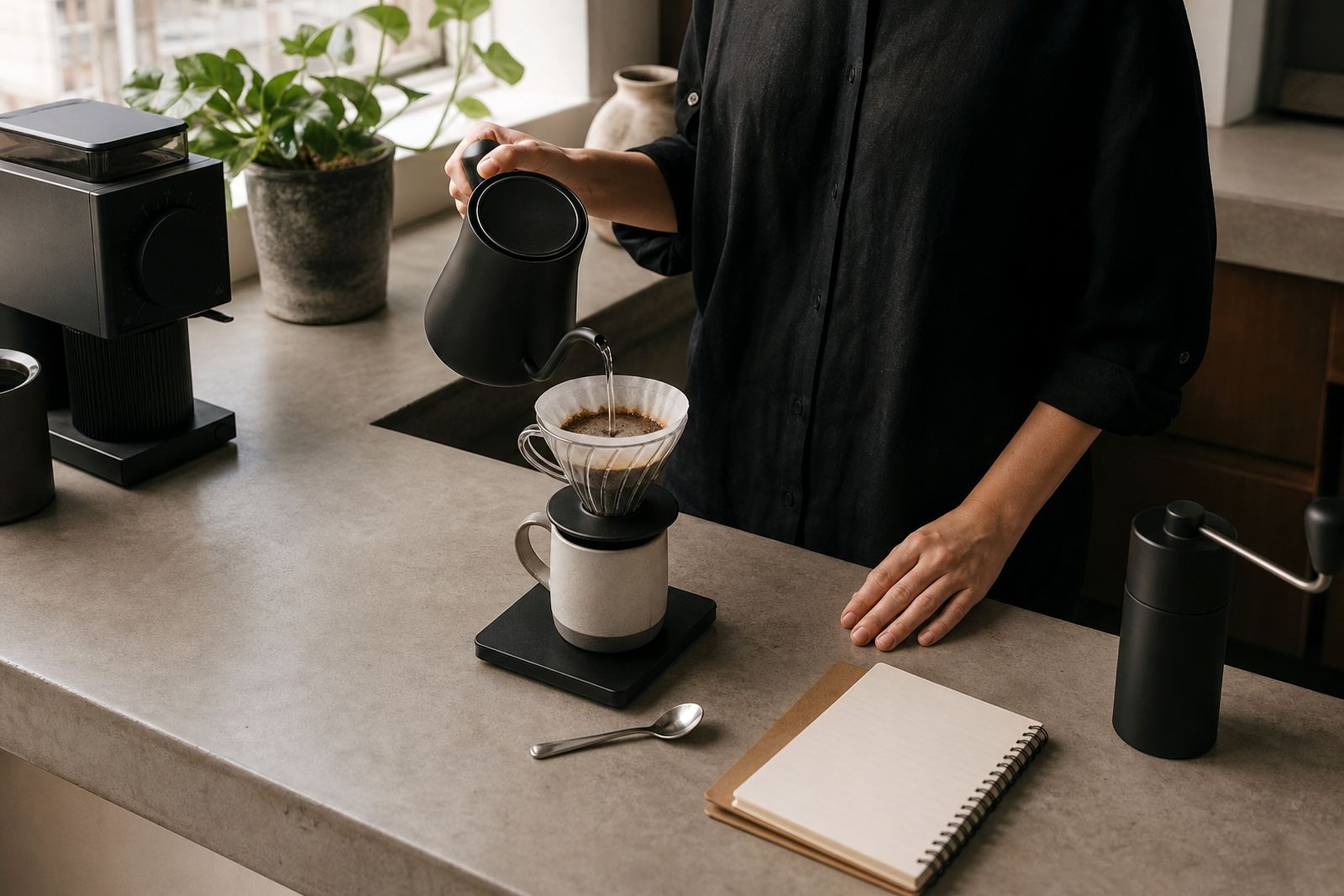
A monthly delivery works best when the rest of the home setup is simple and repeatable. A good home set usually includes a grinder, a kettle with temperature control, a scale, a brewing device, an airtight storage jar and, for some homes, a small espresso machine. In coastal areas like Woodstock and the Southern Suburbs, airtight storage matters because moisture creeps in fast and can soften beans or dull the aroma.
Keep the main brewing items together on one counter or tray so the routine is quick in the morning. Put the grinder near a plug point, leave space for the kettle lid to lift fully, and avoid placing coffee next to the stove or a sunny window. If you use a machine, make sure the water tank can be reached without dragging the unit around the counter. Small layout choices save time, and they also cut down on spills and breakages, which is handy when the kitchen is already busy.
- Grinder, kettle, scale and airtight jar
- Filter brewer, espresso machine or moka pot
- Counter space near power points
- Dry storage away from heat and sunlight
How to choose the right monthly amount
The right amount depends on how often you brew, how strong you like the cup, and whether guests are common in the house. A 250 g bag usually suits a light drinker for about a week, while a 500 g bag works better for a couple or a home office that brews through the day. For a family that drinks both filter and espresso, a split plan can work well, with one bag set aside for the machine and another for a manual brew.
We normally suggest starting with a conservative amount for the first month, then adjusting once you see your actual use. If the beans are finishing too early, increase the next delivery. If there is stock left when the next box arrives, reduce the following month a bit. This keeps the plan tidy and stops beans from sitting too long. Fresh roast coffee is not something to stash and forget.
- 250 g for a single drinker
- 500 g for two regular drinkers
- 1 kg or more for higher use households
- Adjust after the first one or two deliveries
Common mistakes that waste coffee at home
The most common mistake is ordering too much and then storing it for months. Coffee loses character once it sits too long, especially in warm kitchens or near the ocean. Another mistake is using the same grinder setting for every bean, even though roast level and bean origin can change the extraction. If the grind is too fine, the cup turns bitter. If it is too coarse, the cup tastes weak and thin.
People also forget that water quality matters. Very hard water can flatten the cup, while water that tastes chlorinated can pull the whole brew down. In many homes a simple filter jug helps. And if you are trying to brew during a power cut, plan a backup: a gas hob, a fully charged kettle, or a manual setup that does not rely on mains power. That small bit of planning stops the month from turning messy.
- Buying more than you can use fresh
- Using one grinder setting for every coffee
- Keeping beans near heat or moisture
- Ignoring water quality and power cuts
Budget ranges for monthly home delivery
Monthly coffee budgets vary by how many people drink and whether you want filter only or a mixed home setup. As a rough guide, a single drinker can budget from about R220 to R380 a month for beans, while a couple may spend R420 to R760. A larger household or a home that runs espresso daily may sit between R800 and R1,500, depending on volume and the style of coffee selected. These are practical figures for planning, not fancy add-ons.
If you are also buying a grinder or home machine, treat that as a separate once-off cost. A basic grinder can start around R900 to R1,800, while a better burr grinder may sit from R2,500 to R6,000 or more. For homes in humid or coastal areas, it is worth spending a bit more on equipment that keeps its settings and stores cleanly, because cheaper gear can rust or clog faster. A monthly plan helps because the bean spend stays predictable and easy to track.
- Single drinker: about R220 to R380
- Couple: about R420 to R760
- Higher use home: about R800 to R1,500
- Grinder and machine are separate once-off costs
Setting up the plan for your household
When you enquire, the goal is to match the delivery to how your home actually brews. Tell us how many cups you make in a normal week, whether you prefer filter or espresso, and whether you need one coffee profile or a mix of seasonal options. We can then plan the right bag size, roast timing and delivery rhythm for your address. For homes with a small kitchen, a simple two bag rotation can be easier to manage than a large monthly box.
Many households also use a monthly plan to keep a spare bag for guests or weekend brunch. That is useful if you host often, but it should be part of the forecast rather than an afterthought. Our team in Woodstock handles subscription planning, stock forecasting, grind calibration advice and seasonal rotation so the supply stays sensible. If your office or home layout changes, or you add a new machine, the monthly plan can be adjusted without fuss.
- Tell us your weekly cup count
- Choose filter, espresso or a mixed plan
- Allow for guests and weekends
- Adjust the size when your routine changes
Who a monthly delivery suits best
A monthly coffee plan suits households that want less admin and more consistency. It is a solid option for young professionals, families with a steady morning routine, and home offices where coffee is part of the workday. If you live in Cape Town, Johannesburg, Pretoria, Durban or Gqeberha and you want beans arriving on schedule, monthly delivery takes one more job off the list. It also suits people who want to explore different single-origin coffees through the year without hunting around at the shops.
For many homes, the real benefit is simple: you know what is coming, when it is coming, and roughly what it will cost. That makes coffee easier to manage, especially when the month is already full of school runs, meetings and the usual South African load-shedding shuffle. A good plan keeps the cupboard tidy and the cup reliable.