
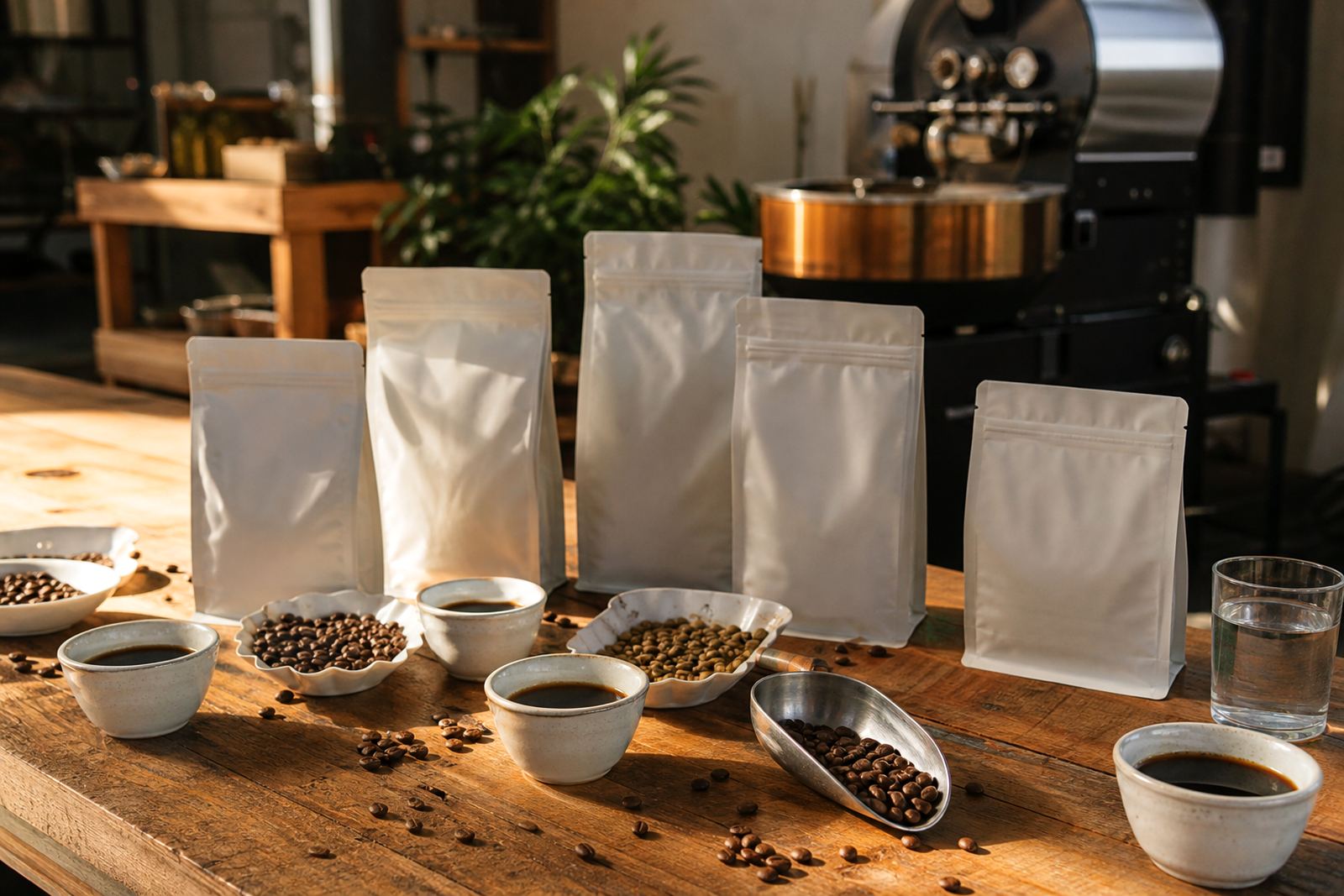
Who Fortnightly Delivery Works Best For
If your household or team makes coffee every morning, a fortnightly delivery is often the sweet spot. You are not buying too much at once, but you are also not waiting until the tin is nearly empty. For many clients in Cape Town, Johannesburg and Pretoria, that two week rhythm is easier to manage around payroll, stock checks and the usual load-shedding routine.
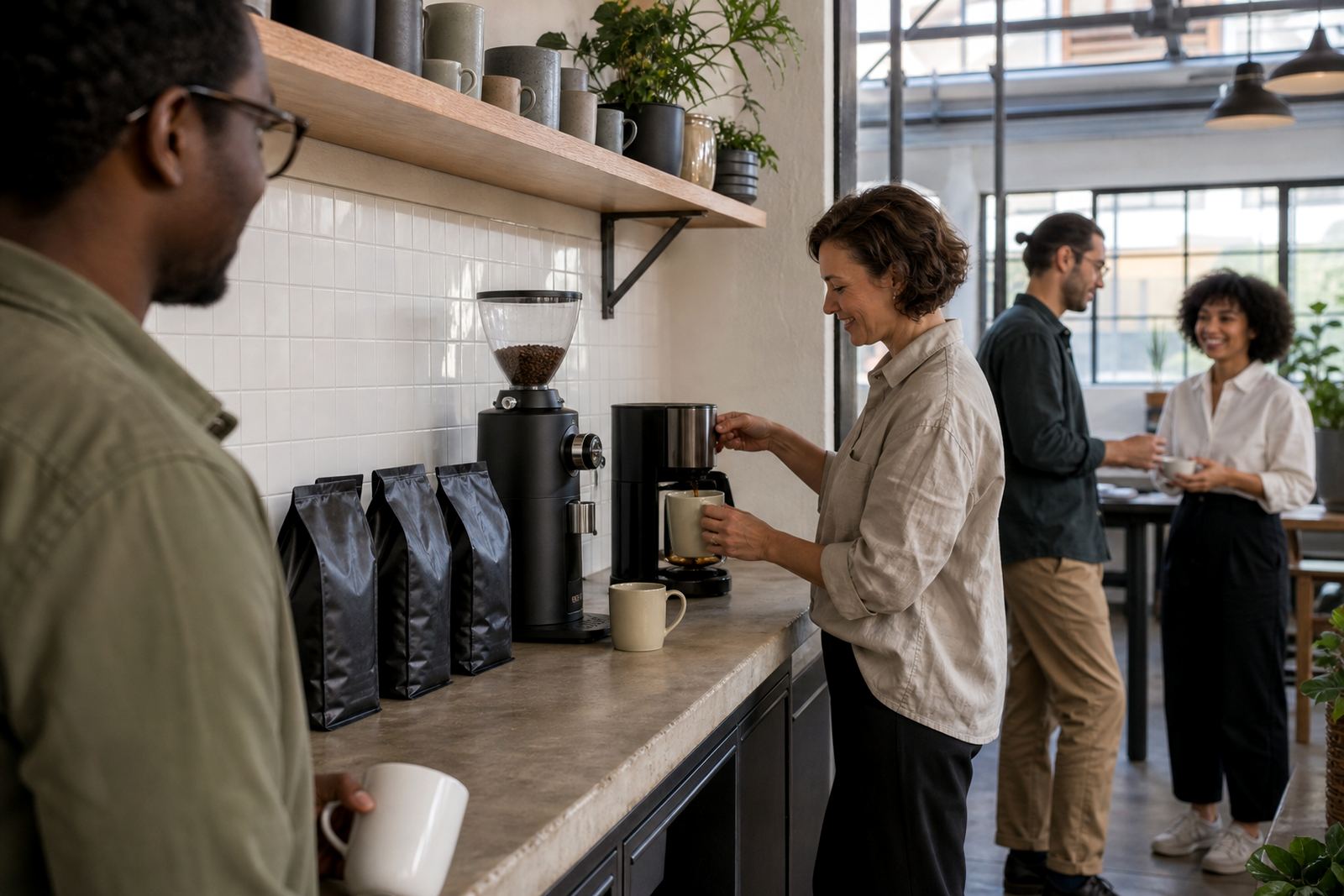
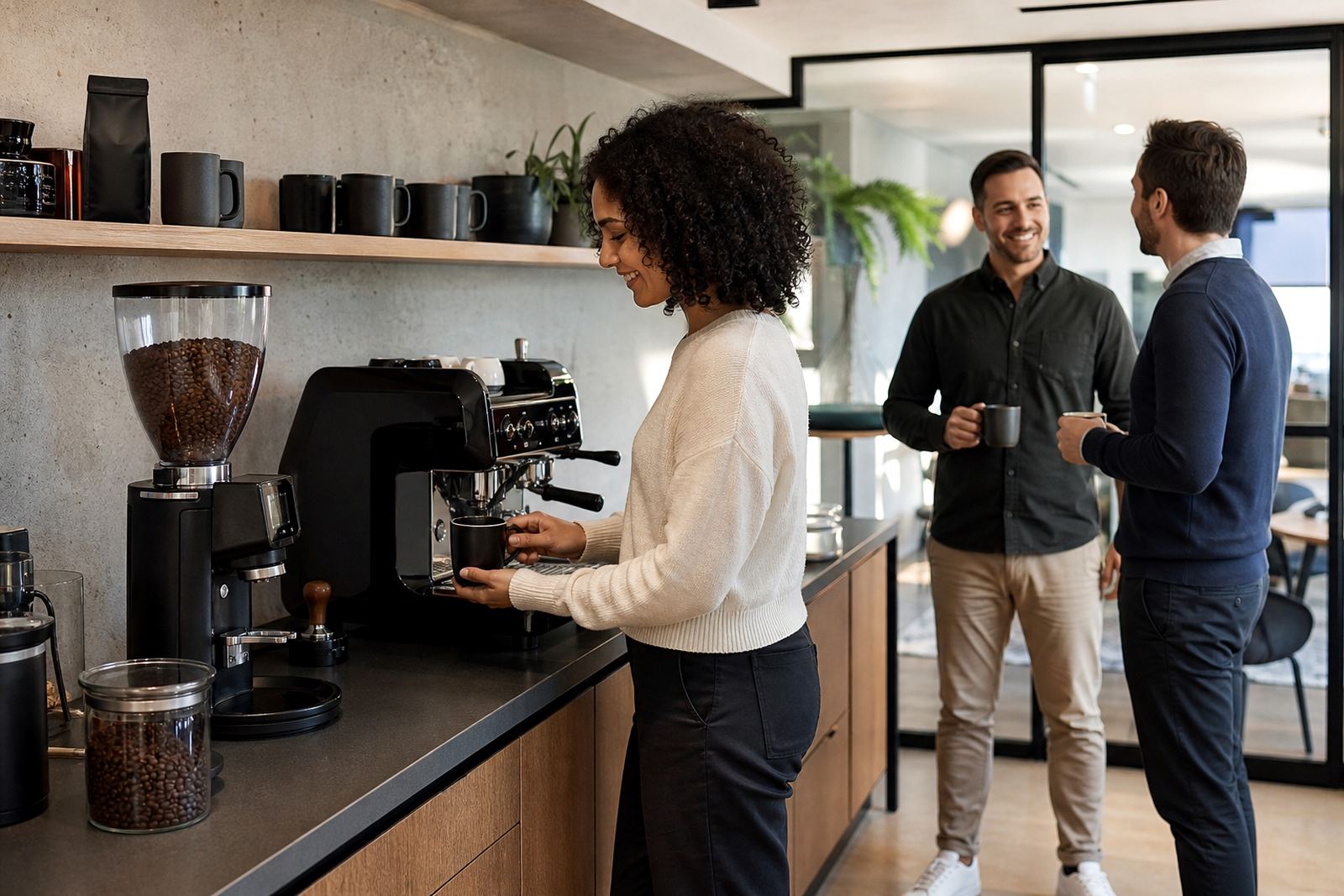
It suits people who want fresh roasted beans on a steady cycle and do not want to think about reordering every few days. Homes in the Southern Suburbs or Atlantic Seaboard often use it for two to four adults. Small offices in Woodstock, Durban and Gqeberha often use it for a shared kitchen, a meeting room station, or a wellness room where coffee is offered through the day.
- Home brewers using a filter machine, moka pot or manual brewer
- Offices serving 10 to 30 cups a day
- Teams that want one coffee delivery on a fixed day every second week
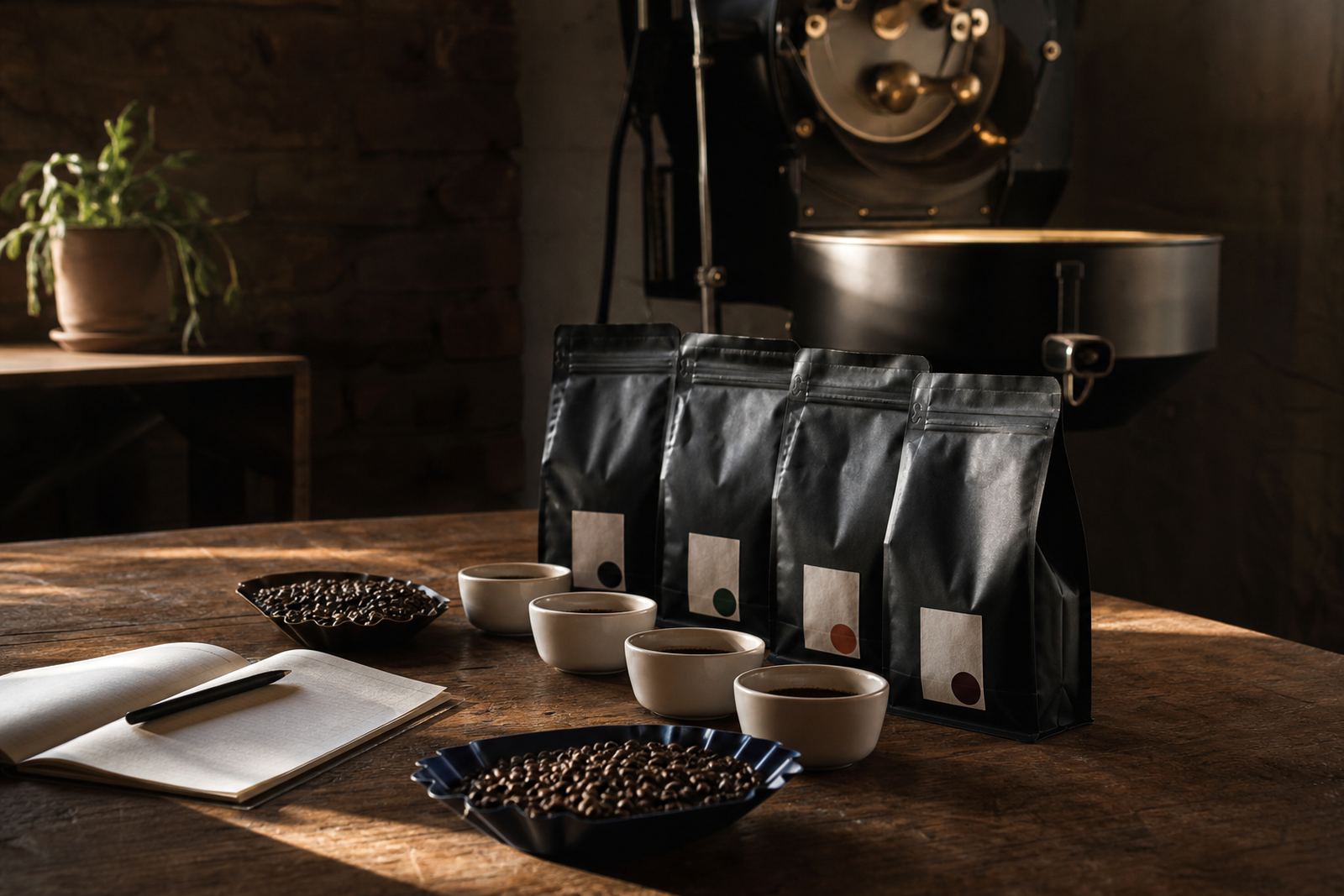
- Clients who prefer single-origin beans and seasonal rotation
Typical Equipment We Plan Around
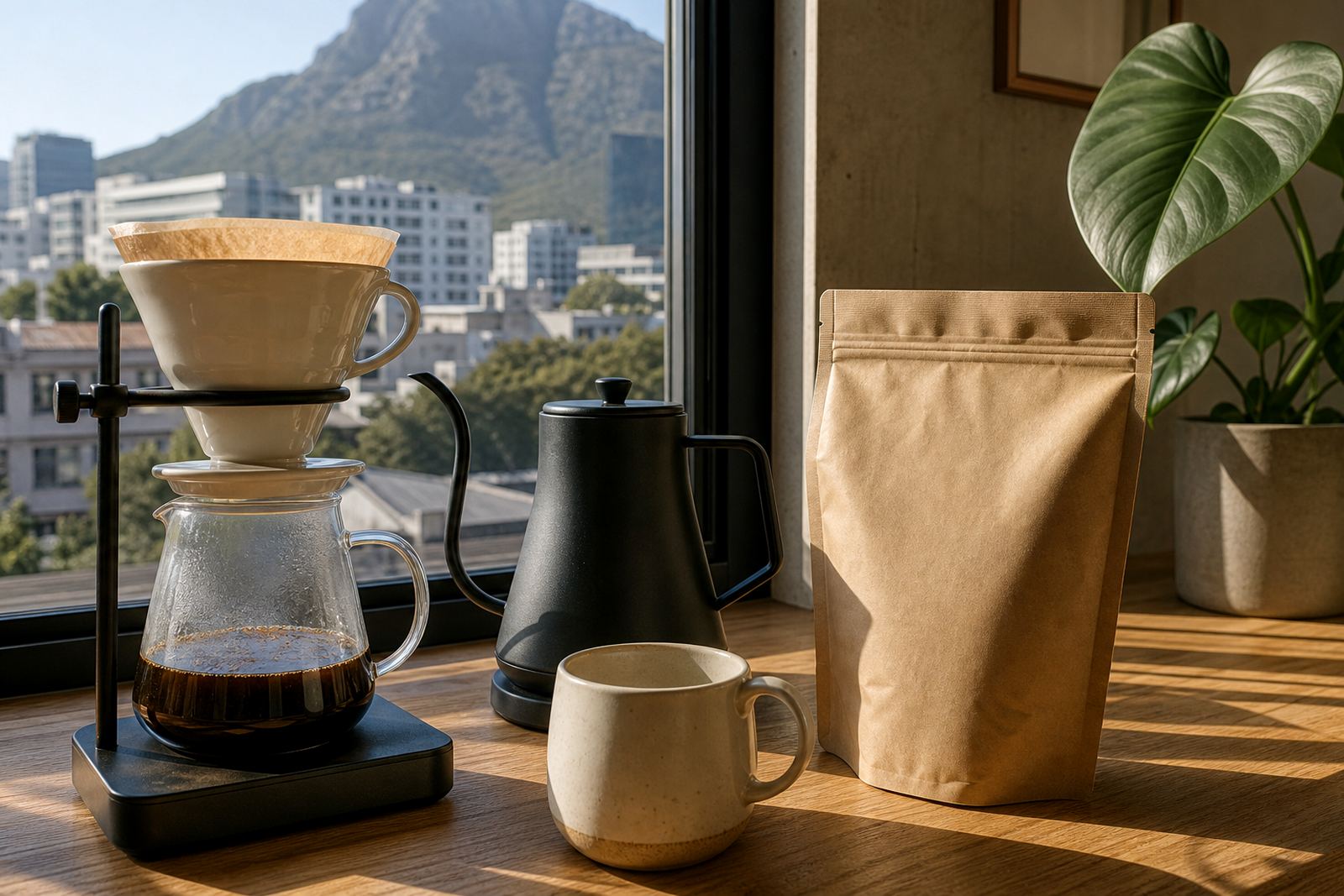
Fortnightly supply works with most common coffee setups. The key is matching the bean quantity and grind style to the equipment you already use. That might be a grinder at home, a plumbed-in machine at reception, or a small hospitality station with a kettle, filter brewer and burr grinder. We also see plenty of simple office setups where the coffee lives next to tea, milk and sugar on a compact counter, so storage needs to stay neat and practical.
For homes, we usually plan around a hand grinder, electric grinder, French press, AeroPress, moka pot or drip brewer. For offices and hospitality spaces, the set-up may include a batch brewer, espresso machine, grinder, scales, filter papers and airtight storage jars. In coastal areas like Cape Town and Gqeberha, humidity can affect grind consistency and bean storage, so we will often suggest smaller sealed containers rather than leaving open bags on the counter.
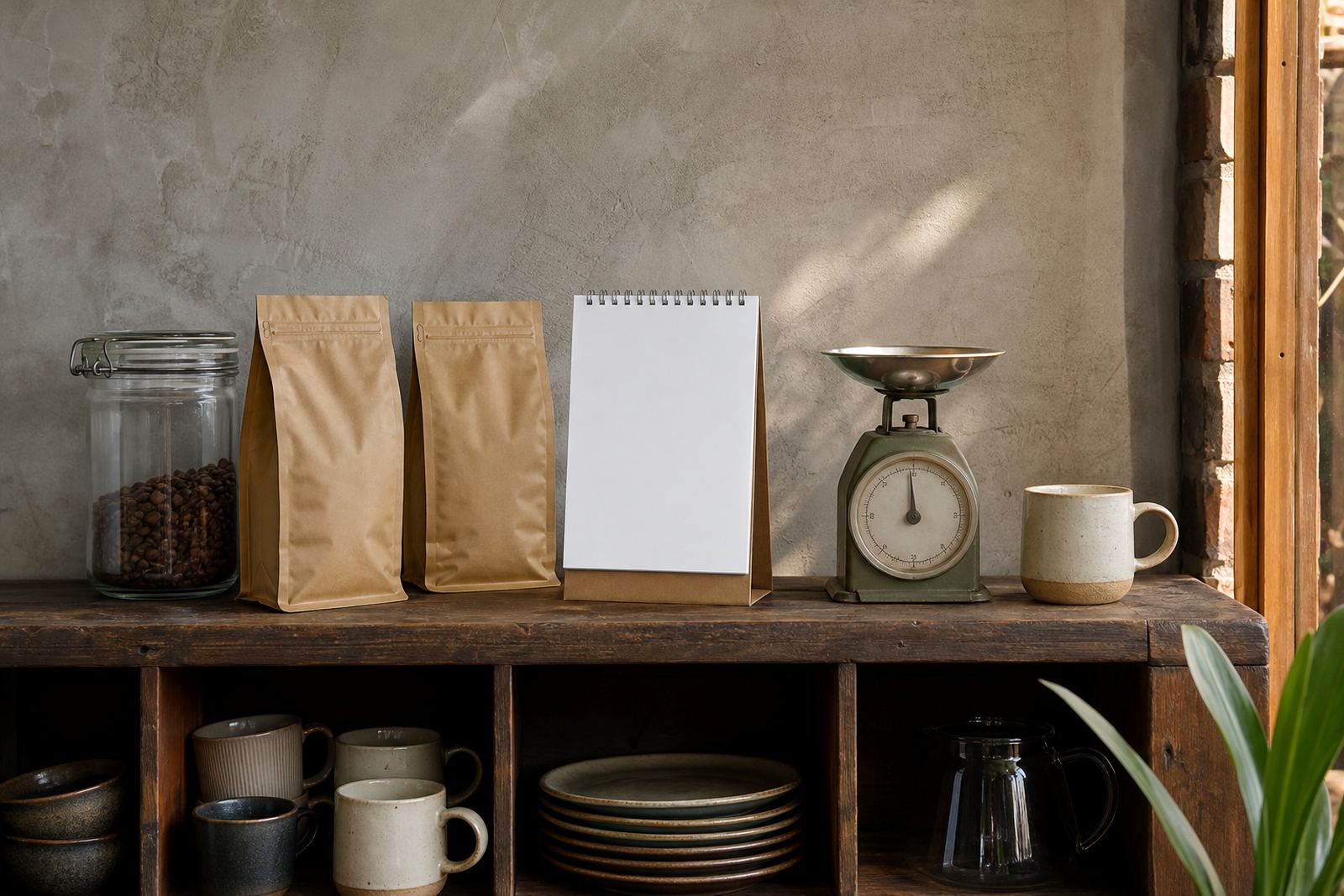
- Fresh beans stored in sealed, opaque containers
- A grinder with consistent burrs, not blade chopping
- A scale for repeatable doses
- Water kettle or machine with temperature control
How We Size a Two-Week Coffee Plan
The right amount depends on how many cups you make and how strong you brew. A couple at home may only need 500 g every fortnight, while a busy office might use 2 kg or more. We usually start by asking how many drinks you make in a weekday, what size mug you use, and whether guests or walk-ins are part of the picture. That gives a cleaner estimate than guessing by eye.
As a rough guide, 250 g of whole beans can cover about 12 to 18 cups, depending on your dose and method. A 500 g plan often suits one or two regular drinkers. A 1 kg plan can work for a small team or a household that makes multiple cups daily. If your team works through the week and scales down over weekends, we can adjust the mix so the delivery lands with just enough buffer not too much.
- Light use: 250 g to 500 g every fortnight
- Moderate use: 500 g to 1 kg every fortnight
- Higher use: 1.5 kg to 3 kg every fortnight
- Office or hospitality setups: planned by cup count, not just bag count
Planning Advice for Homes and Offices
Good planning keeps the coffee fresh and avoids emergency top-ups. For homes, we suggest keeping the current bag sealed until needed, then transferring only a small working amount into a container. For offices, it helps to nominate one person to check stock on the same day every week. That way you know when to reorder and you do not end up with three half-used bags in a drawer.
If your delivery is for an office or hospitality space, the coffee station should sit close to water, cups and waste bins, but away from direct sun and heat. This matters even more in summer and in rooms with air-con that switches off after hours. In Cape Town and Durban, the morning temperature swing can affect how quickly beans stale if they are left open. A tidy station also makes it easier for cleaners and staff to keep things in order.
We can help with coffee menu planning, brew training and grind calibration if your team needs a more consistent result. That is useful when people are using the same machine but getting different cup quality because the dose, grind or water ratio changes from one person to the next.
Common Mistakes That Waste Coffee
The biggest mistake is ordering too much and storing it for too long. Coffee is best when it is fresh and properly sealed, so a large once-off buy can work against you if the stock sits for weeks. Another common issue is buying beans without checking the grinder setting or brew method, which leads to sour cups, bitter cups or wasted product.
We also see offices place the machine too far from the water source, which makes staff skip proper cleaning because it is inconvenient. That causes flavour problems fast. In coastal suburbs, open bags near windows can pick up moisture and lose their character. And if your team is brewing during load-shedding, it helps to have a manual option ready rather than forcing the machine to do all the work when the power is off.
- Ordering more than you can use in four to six weeks
- Leaving beans in the original bag after opening it
- Changing the grind every day without a clear reason
- Ignoring cleaning because the station feels too far from the sink
Budget Ranges in Rand for Fortnightly Supply
Fortnightly delivery is usually easier on cash flow than buying coffee in larger, irregular batches. For home use, many clients budget between R220 and R520 per delivery depending on bag size and the coffee chosen. Small offices often land between R650 and R2 400 every two weeks, especially when the order includes a few different origins, a larger pack size, or support for a meeting room or hospitality counter.
If you also need setup help, that is typically a once-off project cost. Brew training, grind calibration and stock planning are often quoted separately from the beans themselves. A practical first setup for a small office can start from about R1 500 to R4 500 depending on how much time is needed and how many stations must be covered. For hospitality coffee service or event coffee planning, the budget depends on guest numbers, service hours and equipment requirements.
We keep the arrangement simple. You choose the fortnightly cadence, we line up the coffee, and we adjust the quantity if your usage changes. If a team grows, a household changes routine, or your office starts serving more visitors, the plan can move up or down without fuss.
What You Can Expect From the First Few Deliveries
The first couple of deliveries are usually about getting the rhythm right. You may use a little more or a little less than expected, and that is normal. After that, the plan becomes steady. Most clients quickly learn whether they need an extra 250 g for busy Fridays or whether a smaller order is enough when half the team works off site.
We also use those early deliveries to check flavour preferences. Some clients prefer brighter, fruit-forward cups for filter brewing. Others want a deeper profile for milk drinks. If you rotate coffee seasonally, a fortnightly plan is a good way to keep that rotation moving without overstocking. It gives you enough time to enjoy each origin and still keep the supply line calm.
If you are based in Woodstock, the Southern Suburbs, Atlantic Seaboard, Johannesburg, Pretoria, Durban or Gqeberha, fortnightly delivery can be set up for home or office use with the same practical approach. You get the coffee on a manageable cycle, and you keep control of the budget and the cup quality.