
What a microlot subscription suits best
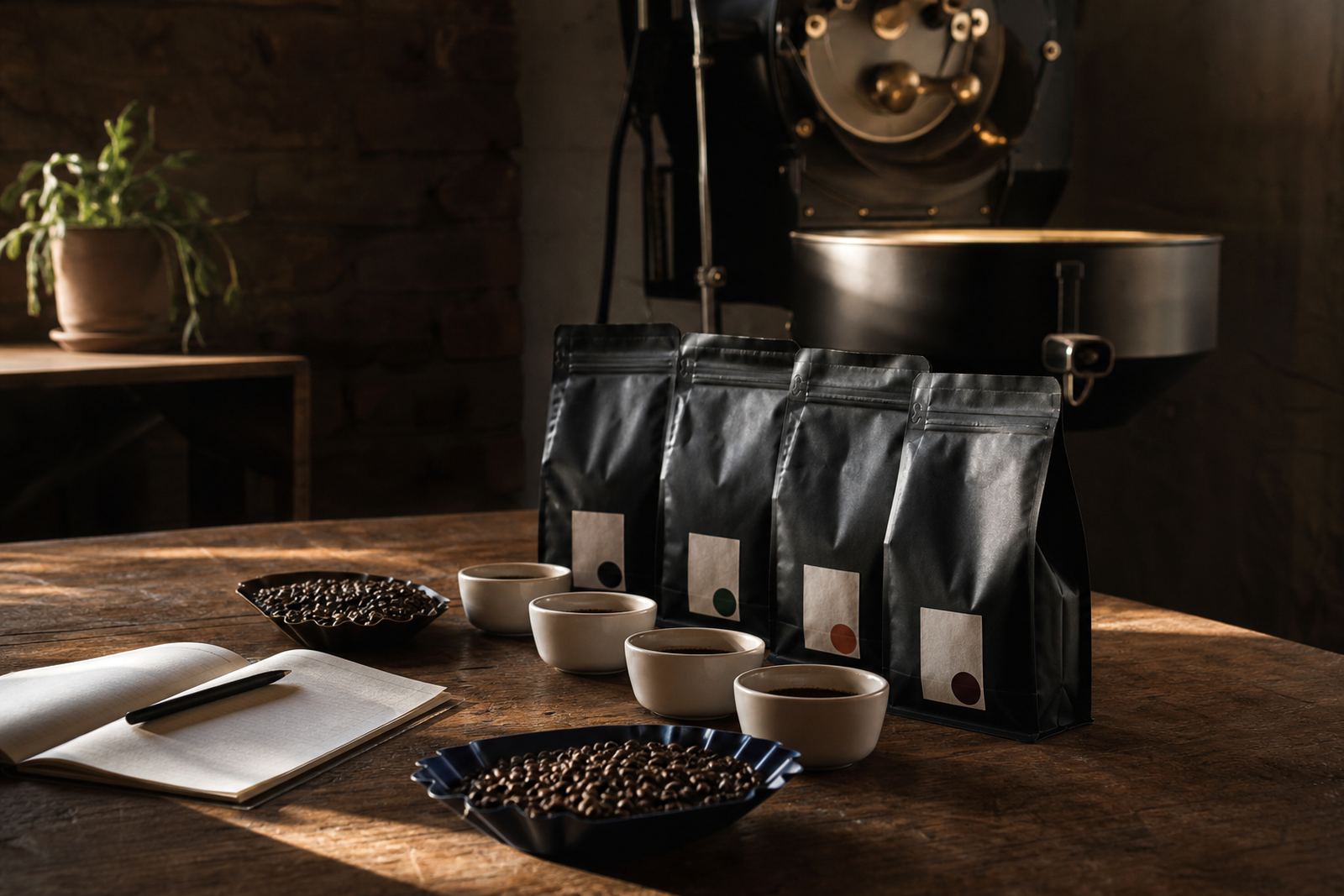
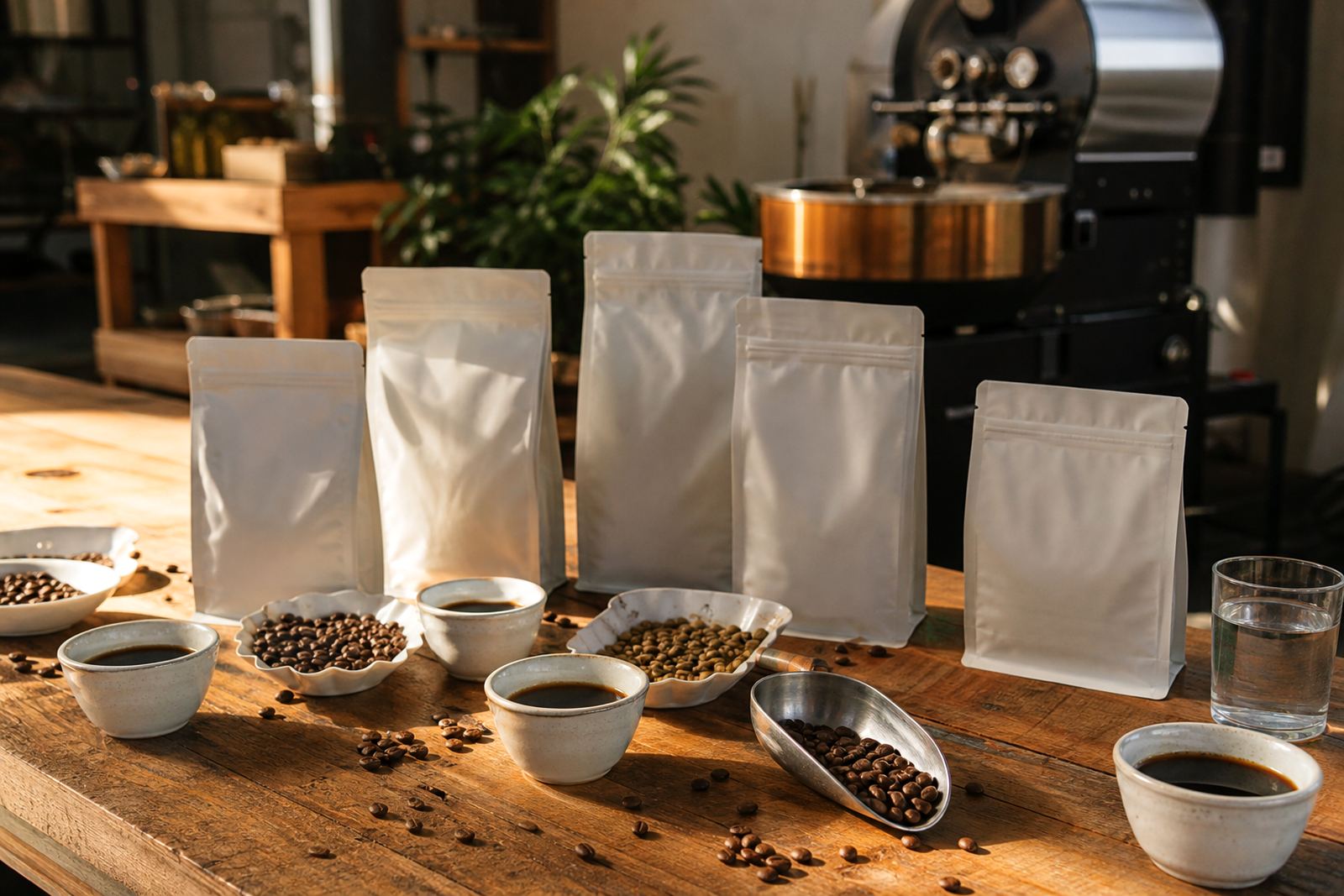
A microlot subscription works well when the drinker cares about flavour detail, not just a strong cup. These coffees are usually smaller lots, often from a single farm, block or processing lot, and they change as harvests move through the year. That means the subscription is less about routine and more about tasting what is showing beautifully right now.
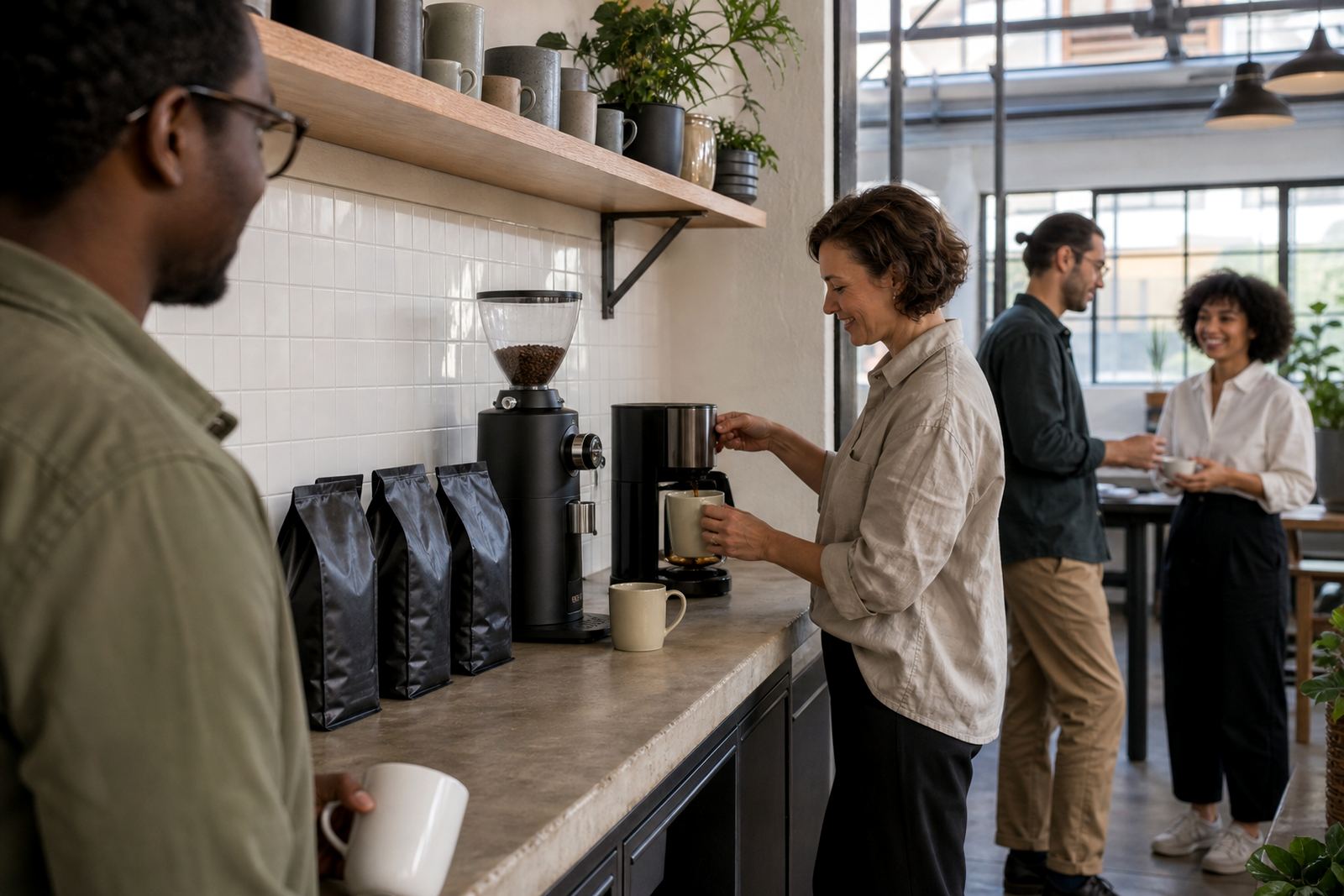
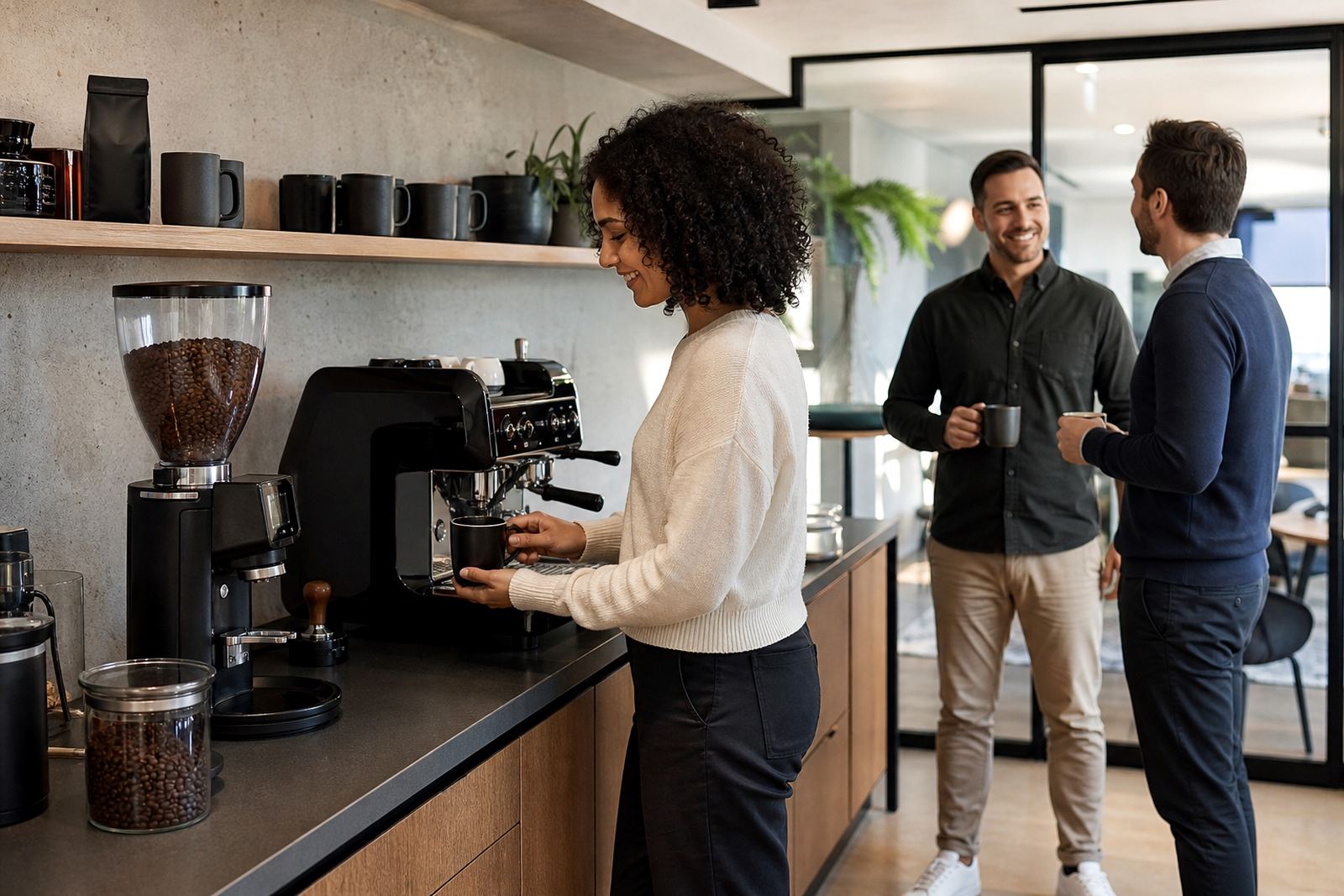
In South African homes and offices, this is a good fit where people want a dependable delivery but also want to recieve coffee that feels seasonal. It is especially useful for teams with a shared brew point, directors’ offices, client lounges and households that already own a grinder and a simple brewing method. If your current coffee gets used quickly, a microlot plan keeps the cupboard from going stale and gives you better traceability from roast to cup.
We find it also suits businesses that serve coffee to visitors and want a talking point. A labelled bag with origin, variety, process and roast date makes the cup easier to explain, and it gives your staff a little more confidence when they are pouring for clients.
How the subscription is usually set up
Most microlot subscriptions start with choosing how much coffee you actually get through in a month. For a home, that may be 250 g to 1 kg depending on how many cups are made each day. For a small office, it is often 2 kg to 6 kg a month. Larger teams can be set up on a split delivery, which helps with freshness and storage on warm days or in buildings where aircon runs only during office hours.
We typically plan around whole beans unless you need grinding for a specific brewer. If there is a grinder already in place, we match the grind to your equipment and the way the team drinks coffee. If there is no grinder, we can still plan the subscription around the brewing method, but a grinder gives more control and better results. In practice, that matters more than most people think.
- Whole beans for the freshest cup and the most flexibility
- Ground coffee matched to your brew method if a grinder is not available
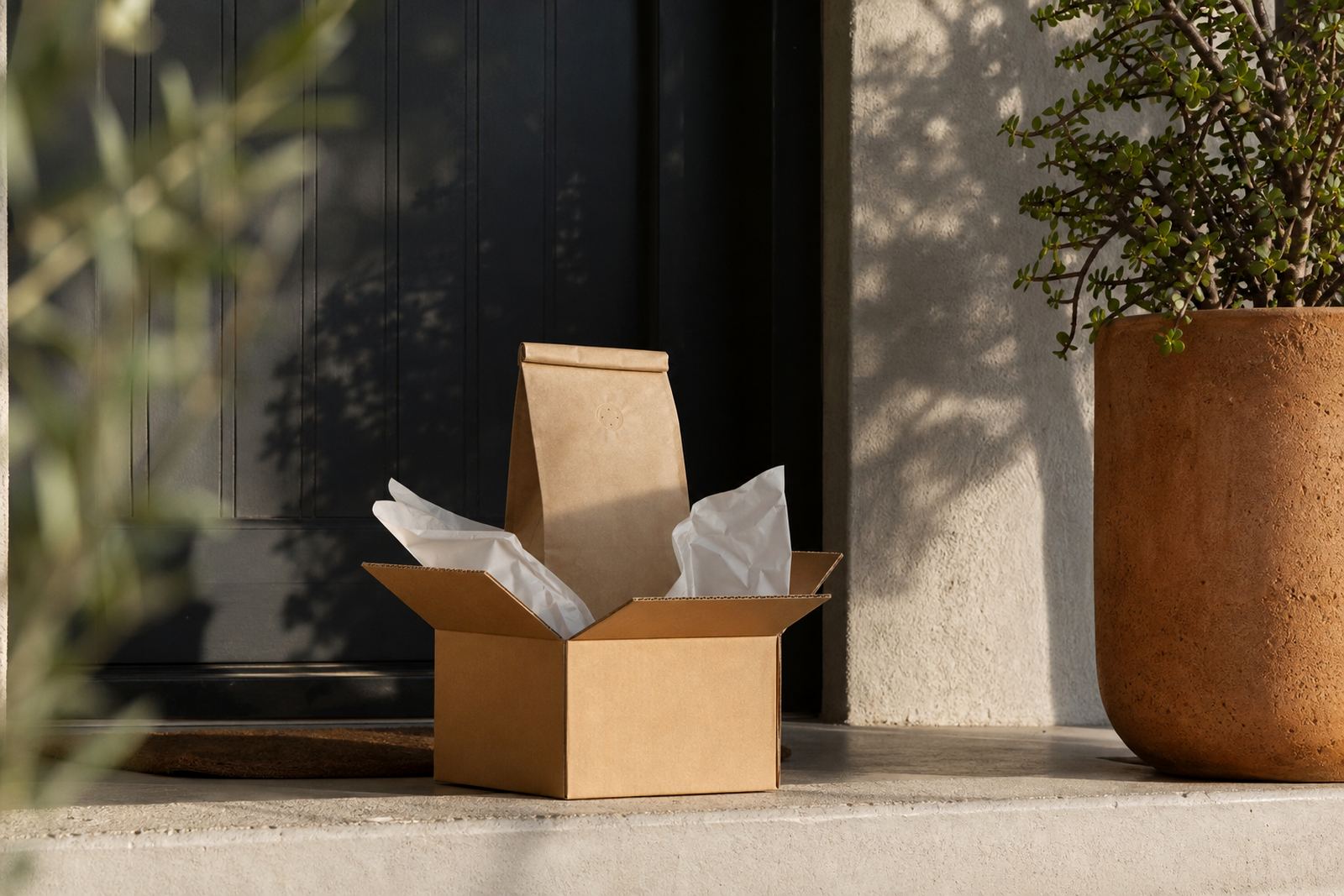
- Delivery cadence set weekly, fortnightly or monthly
- Origin notes and roast guidance included for each bag
Equipment that pairs well with microlot coffee
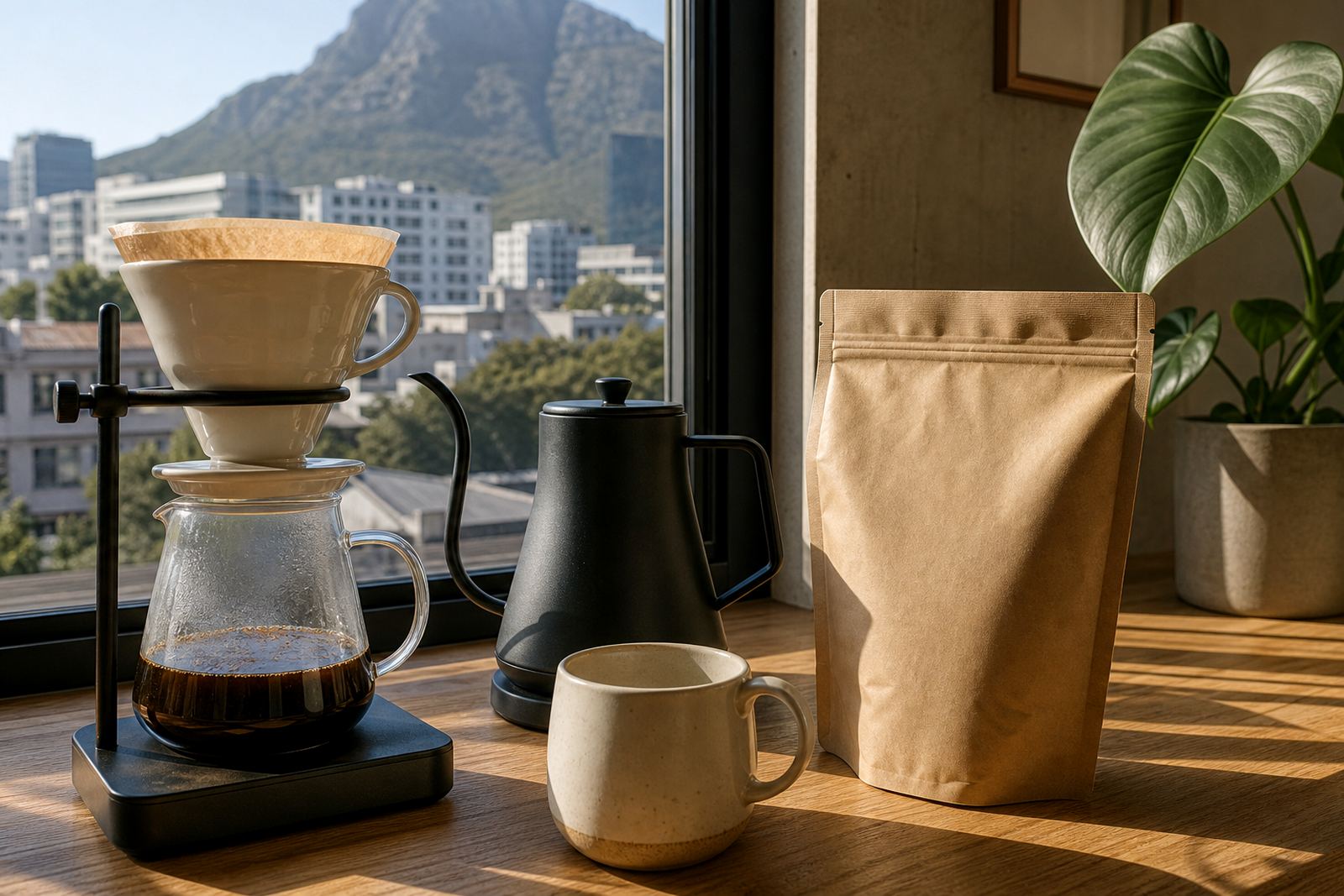
Microlots shine when the equipment is simple and consistent. A single cup brewer, pour-over setup, batch brewer, Moka pot or plunger can all work well, provided the water, ratio and grind are kept steady. In offices across Cape Town, Johannesburg and Pretoria, we often see people get better results from a modest grinder and a clean brewer than from an expensive machine that is not maintained properly.
For homes, the usual set is a grinder, kettle, scale and one brewer. For hospitality counters, meeting rooms or wellness spaces, a batch brewer or a few pour-over stations may be more practical. If the building has load-shedding, it is worth thinking about what still works without power. A gas kettle, manual brewer and hand grinder can keep service moving when the lights go out and the meeting still has to happen.
Coastal humidity in Cape Town and Durban can also change how coffee behaves. Beans absorb moisture quickly in a warm room, which affects grind size and extraction. A sealed container, a cool storage spot and smaller order sizes help keep the coffee tasting right, especially in summer.
Planning the cup by location and foot traffic
Microlot subscriptions are easier to manage when the daily cup count is known. A two-person studio in Woodstock does not need the same stock as a busy reception area in Sandton or a creative office in the Southern Suburbs. We look at how many cups are poured before 10 am, what days are busiest, and whether coffee is only for staff or also for visitors. That tells us how much to send and how often.
For home use, 250 g bags are useful if you like variety and brew a few cups a week. For offices, 500 g or 1 kg bags usually make more sense because they reduce packet changes and keep the team on one coffee for long enough to learn how it brews. If you run multiple brew points, it is often better to keep the same microlot across all stations so people are not confused by different flavours at the same time.
- Keep bags away from windows, ovens and dishwashers
- Store opened coffee in an airtight tin or hopper with a tight seal
- Plan deliveries around public holidays and quieter trading weeks
- Allow a buffer for busy months, events and staff visits
Common mistakes that waste good coffee
The biggest mistake is buying microlot coffee as if it were a standard commodity product. These coffees need a bit more care. If the grind is too coarse, the cup will taste thin. If it is too fine, the coffee can become bitter and heavy. If the water is too hot, delicate fruit and florals disappear. A good subscription should come with simple instructions, but the team still needs a few minutes of practice.
Another common issue is ordering too much at once. Microlot coffee is best enjoyed fresh, so a large stock room full of opened bags is not ideal. In humid areas it can lose its character quickly. We also see offices use one setting on the grinder for everything, even when switching between espresso and filter. That usually ends with complaints about the taste when the real problem is the equipment set-up.
Finally, people sometimes forget that coffee service is part of the workday routine. If no one is assigned to empty the grinder, rinse the brewer or track stock, quality slips fast. A simple responsibility sheet and a set of brew notes can prevent most of those problems without adding much admin.
Budget ranges for homes, offices and hospitality
Budget depends on how much coffee you use and how rare the lots are. For a home subscription, many customers spend between R180 and R450 per month for 250 g to 1 kg, depending on the number of bags and the style of coffee selected. If you want more variety or larger volumes, the spend increases from there. It is usually best to match the budget to actual usage, not to guess and hope the coffee lasts.
Small offices often sit in the range of R900 to R3 500 per month for recurring microlot supply, depending on headcount, brew method and whether delivery is weekly or monthly. Hospitality and client-facing spaces can sit higher, especially where there are meeting rooms, tasting notes or frequent visitors. If a grinder or brewer upgrade is needed, that is usually a once-off cost on top of the coffee budget.
Setup costs vary too. A basic manual station can be put together for a few hundred Rand if the equipment is already on hand. A more complete office brew point with grinder, scale, kettle and filtered water planning can run into several thousand Rand. The cleanest solution is to start with the cup count, then build the equipment around that instead of the other way around.