
How Johannesburg subscriptions usually start
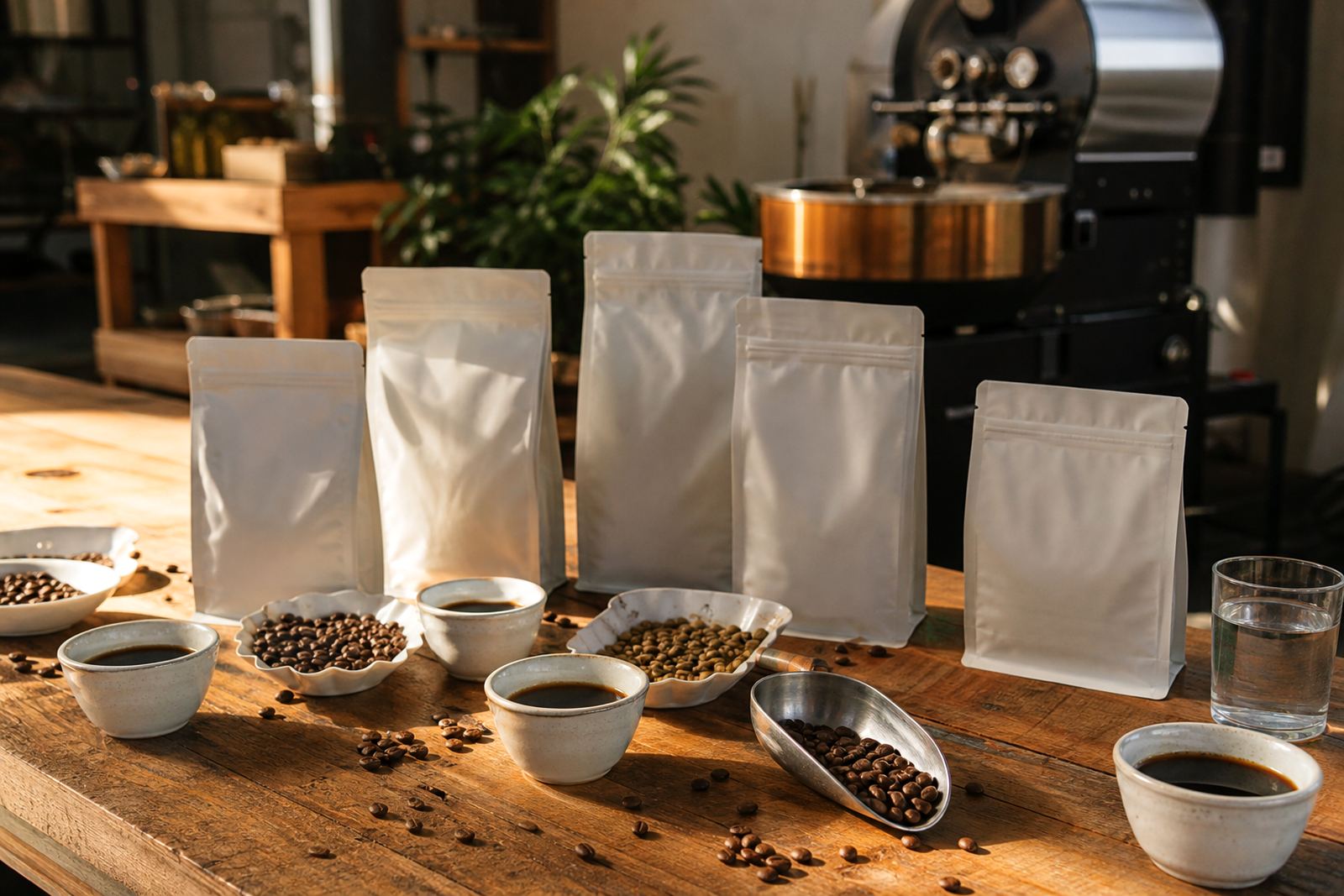
Most Johannesburg customers come to us with one simple goal: keep good coffee on hand without rushing to buy beans every week. Some are small teams in Sandton or Rosebank who want a steady office supply, while others are families in Bryanston, Parkhurst or Melrose that need a reliable home delivery plan. The first step is always the same, looking at how many cups are made each day, what brew method is used and how quickly the coffee gets finished.
Fresh-roasted coffee travels well to Johannesburg if the schedule is right. City traffic, gated estates and office access rules all matter, so we plan deliveries with a bit of buffer. That avoids the common problem of running out on a Monday morning when everyone has arrived late and needs coffee fast.
- Households often take 2 x 250 g bags or 1 kg every 2 to 4 weeks.
- Small offices usually need 1 to 3 kg per month, depending on staff count.
- Larger teams may prefer a mixed plan with different single-origin coffees through the month.
The equipment set that suits a subscription
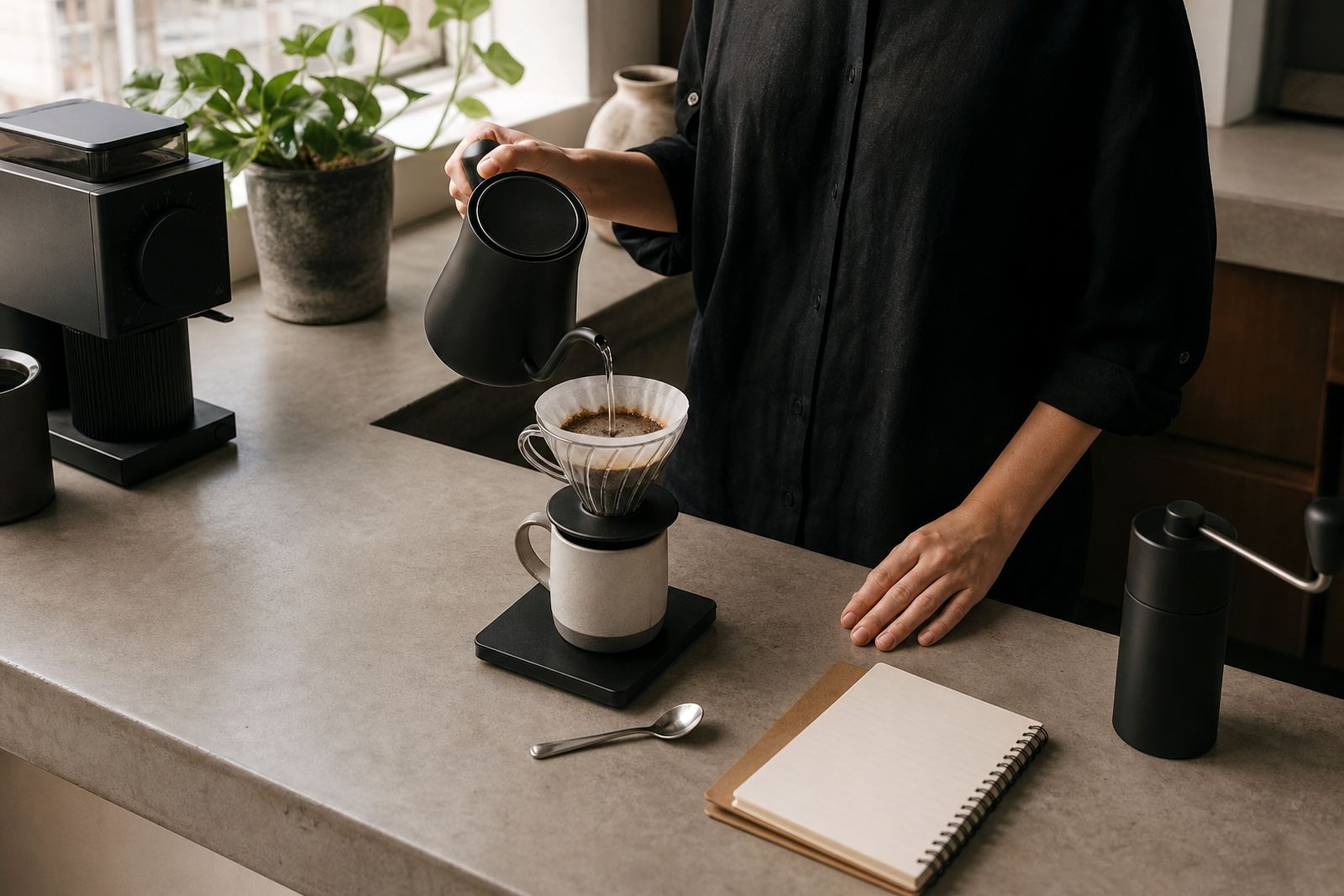
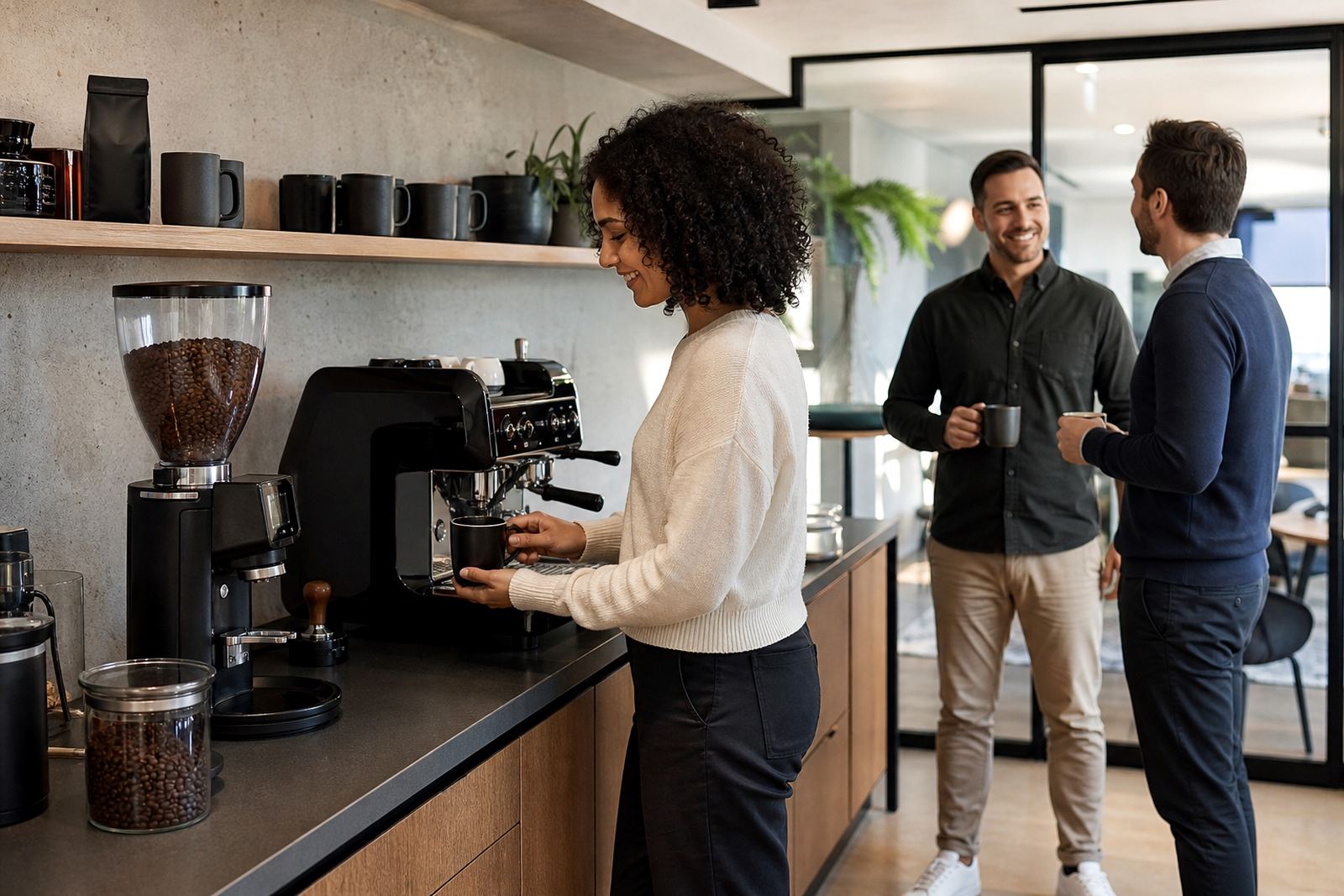
A good subscription does not need fancy kit, but it does need the right basic equipment. For homes, we usually see plunger, pour-over cones, moka pots, bean-to-cup machines and compact espresso machines. In offices, the set grows a little and may include grinder, scale, kettle, milk jug, tamper and a machine that can handle back-to-back cups. If the grind is wrong, the coffee will taste thin or bitter, even when the beans are excellent.
For Johannesburg offices especially, we check whether the machine is running on mains power alone or must sit on backup during load-shedding. If the grinder resets every time power drops, the team may get inconsistent coffee by midweek. A stable place for the grinder and scale is useful too, away from the sink spray and heavy foot traffic.
- Home setup: grinder, kettle, scales, filter cone or espresso machine.
- Office setup: grinder, espresso machine or batch brewer, milk fridge, cups and cleaning kit.
- For shared spaces, a labelled bean canister and a small drawer for filters, cloths and descaler helps a lot.
Planning the delivery rhythm for the city
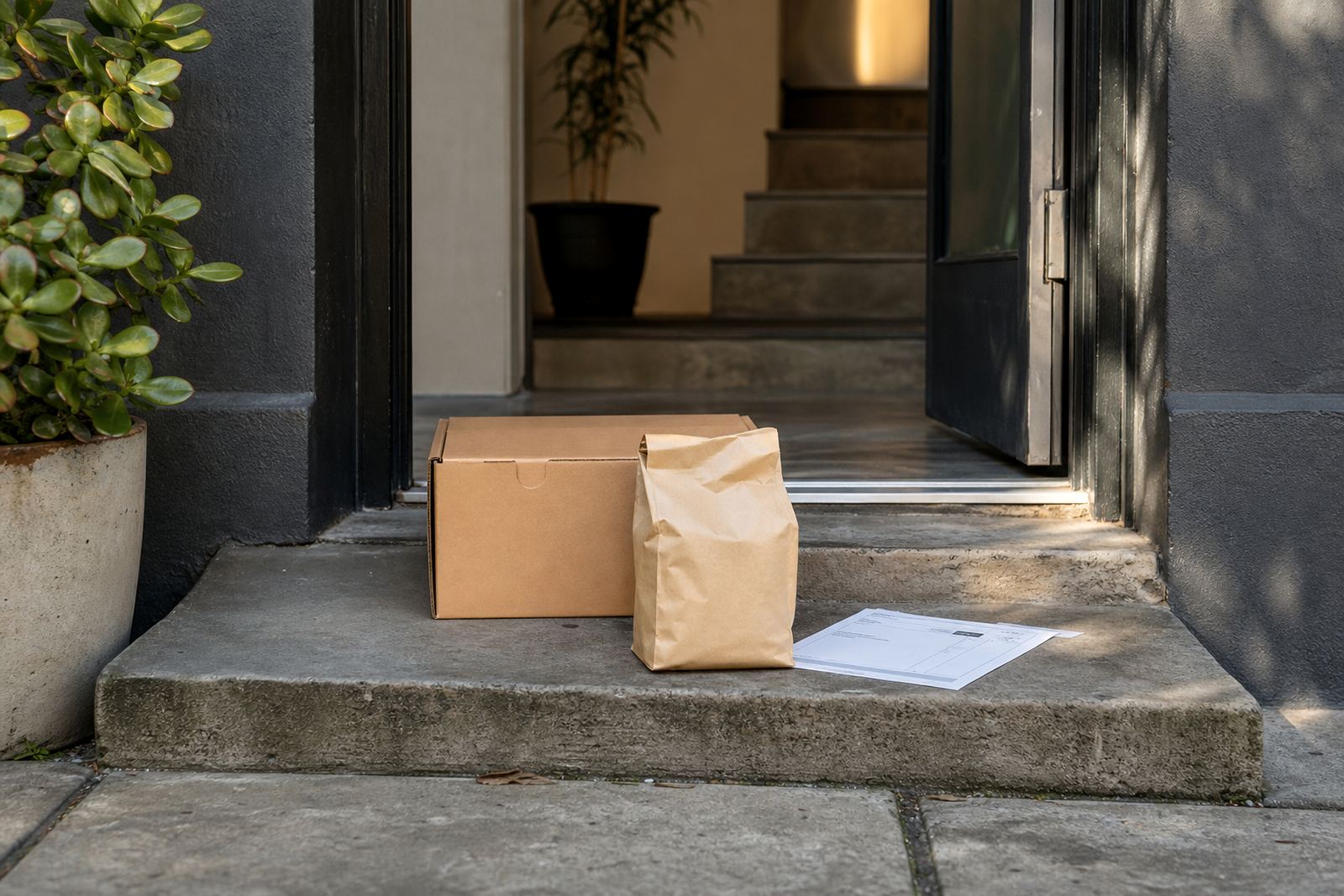
Johannesburg is large, spread out and often busy at the same hours, so delivery planning needs to be practical. A weekly plan suits higher-volume offices, while homes usually prefer fortnightly or monthly drops. If the household has guests often, or the office hosts meetings every day, a shorter cycle keeps the beans fresher and the cupboard less crowded. We also look at whether the customer wants one repeating coffee or a seasonal rotation across the month.
Storage matters more than many people think. Beans should sit in a cool, dry place, sealed from light and heat. In Johannesburg, that usually means keeping them away from the stove, windows or a warm utility room. For offices with open-plan kitchens, a cupboard near the coffee point works better than leaving bags on a shelf. If the bag is opened and left ajar, flavour drops quicker than expected, sometimes within days.
- Weekly deliveries suit shared offices and high-use homes.
- Fortnightly deliveries suit medium use and mixed brew methods.
- Monthly deliveries suit low use, but the coffee should be stored properly once opened.
Common mistakes we see in Johannesburg
The biggest mistake is ordering too much coffee for the pace of the household or office. Fresh coffee is best when it is used regularly, not left unopened for weeks. Another common issue is buying beans and then grinding too fine for the machine at hand. That gives a slow pour, a muddy cup and a lot of frustration before the first meeting has even started.
We also see people forget that milk-heavy drinks and black filter coffee use beans differently. A team that drinks mostly cappuccino will need a different grind and a steadier supply than one that mainly brews filter coffee in the mornings. In some offices, the coffee point is tucked next to the kettle, microwave and fridge, which makes the area cramped and messy. A little planning up front saves a lot of cleanup later.
- Buying a full month of beans for a team that uses only a few cups a day.
- Ignoring grind changes when switching between espresso and filter.
- Keeping beans in the sun, next to heat or in an open container.
Budget ranges that make sense
Subscription budgets depend on how much coffee is used and whether the customer wants one origin or a rotation. For a home in Johannesburg, a sensible starting range is about R220 to R480 per month for regular supply, depending on bag size and brew frequency. Smaller households may spend less, while serious coffee drinkers can move above that if they want more coffee or faster delivery. Offices should allow more, usually from around R650 to R3 500 per month, based on headcount, machine type and how many meeting rooms are kept stocked.
If the setup needs training, grind calibration or brew planning, it is worth setting aside a once-off amount at the start. That may add another R450 to R2 500 depending on what is needed on site. The point is not to overspend, but to prevent waste and poor results. A properly tuned grinder and a clear usage plan often save money over time, because less coffee is thrown away and fewer emergency top-ups are needed.
What we set up for homes and offices
Our Johannesburg subscription work is built around the practical side of coffee, not just the beans in the bag. We look at the number of cups, the machine, the staff rota or family routine, and the delivery timing. That gives each customer a plan that feels easy to manage. Where needed, we also help with coffee menu planning, seasonal rotation and stock forecasting so the supply stays steady through busy periods, school holidays or office closures.
For homes, the focus is usually freshness and convenience. For offices, it is consistency, less waste and a clean service area that anyone can use without a long explanation. In both cases, the goal is the same: coffee that is ready when people want it, with no last-minute scramble and no old stock gathering dust in the cupboard.
- Home plans: regular bean drops, grind advice and simple usage guidance.
- Office plans: forecasting, delivery timing, equipment checks and menu rotation.
- Special cases: meeting rooms, wellness rooms and client-facing coffee points.