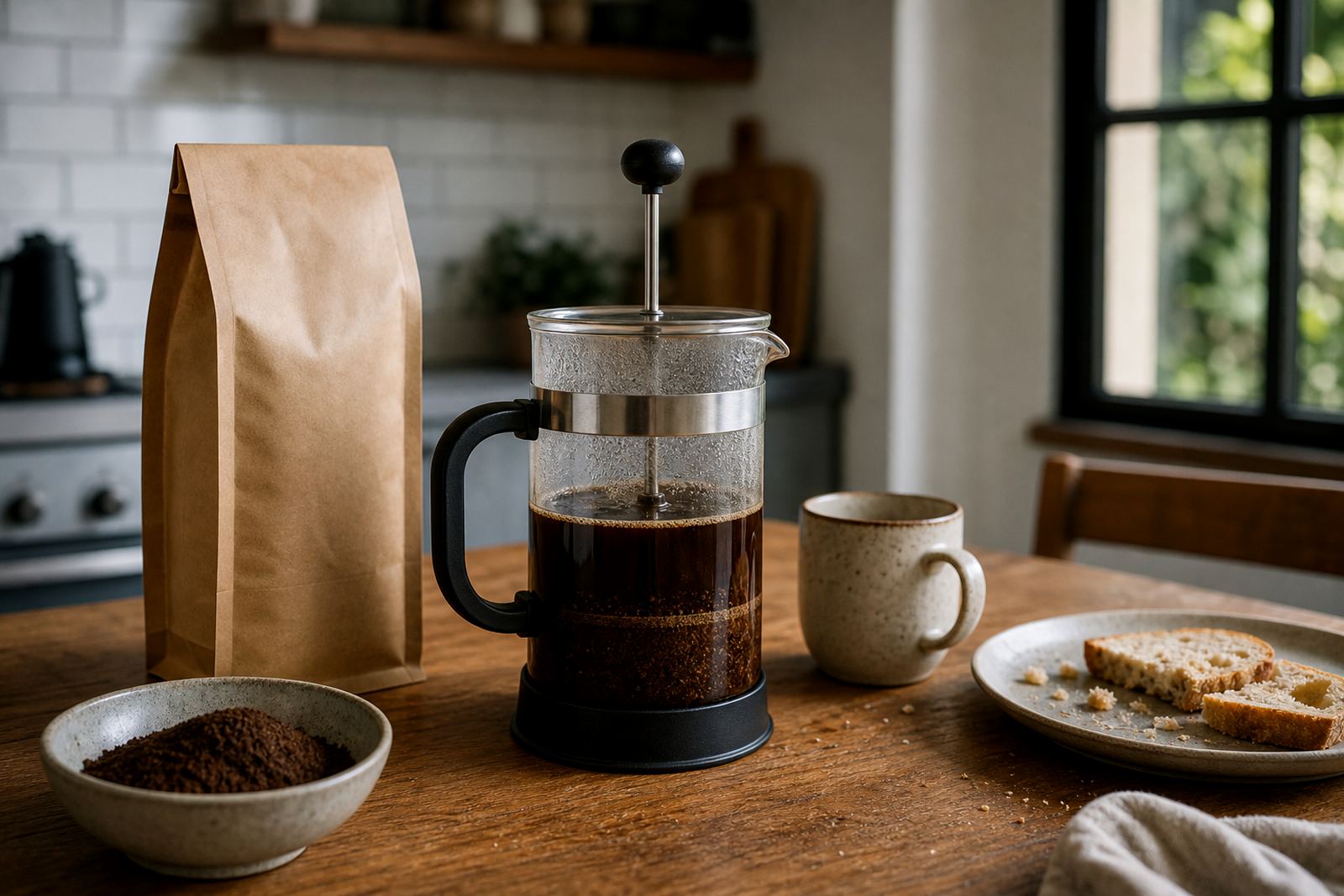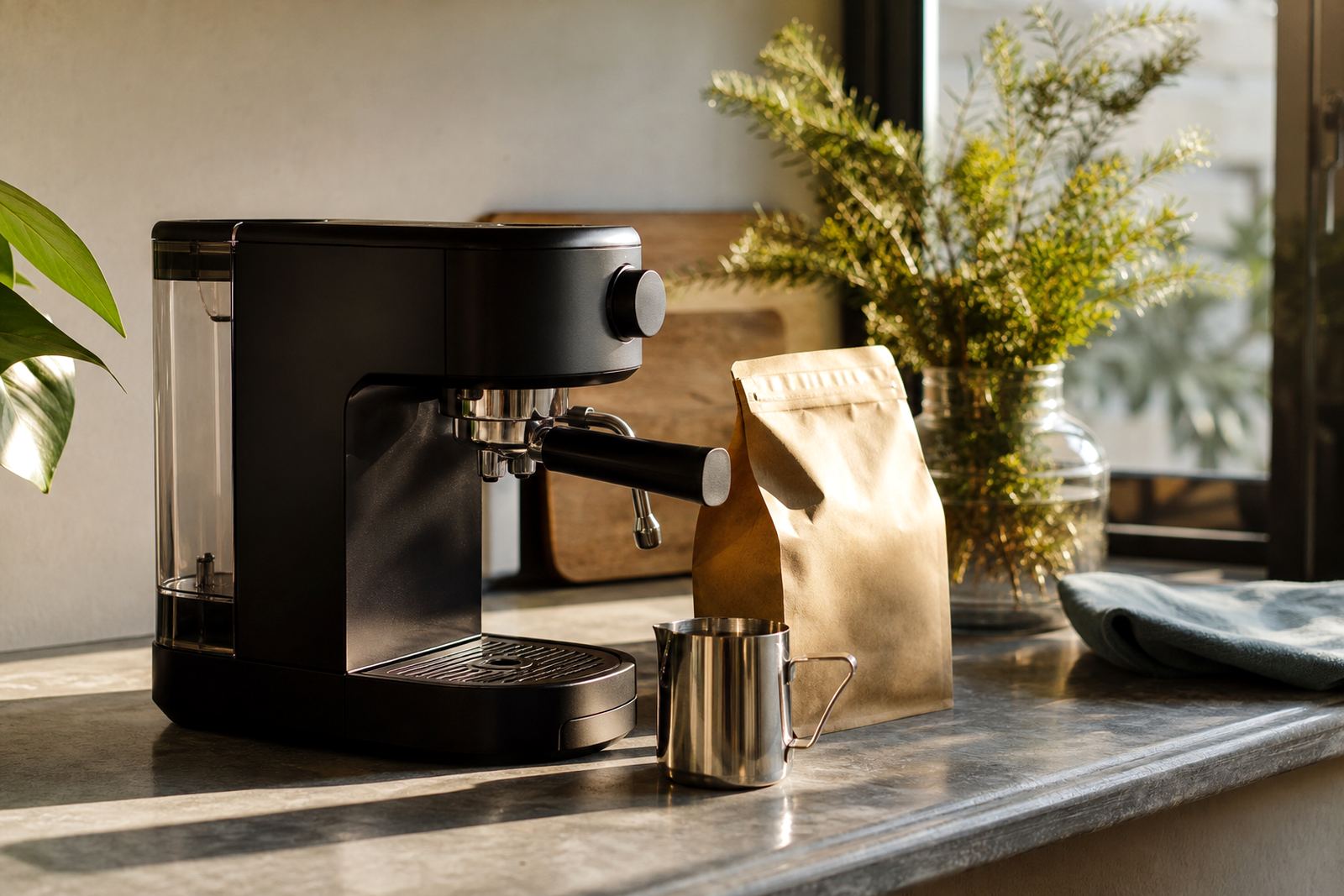

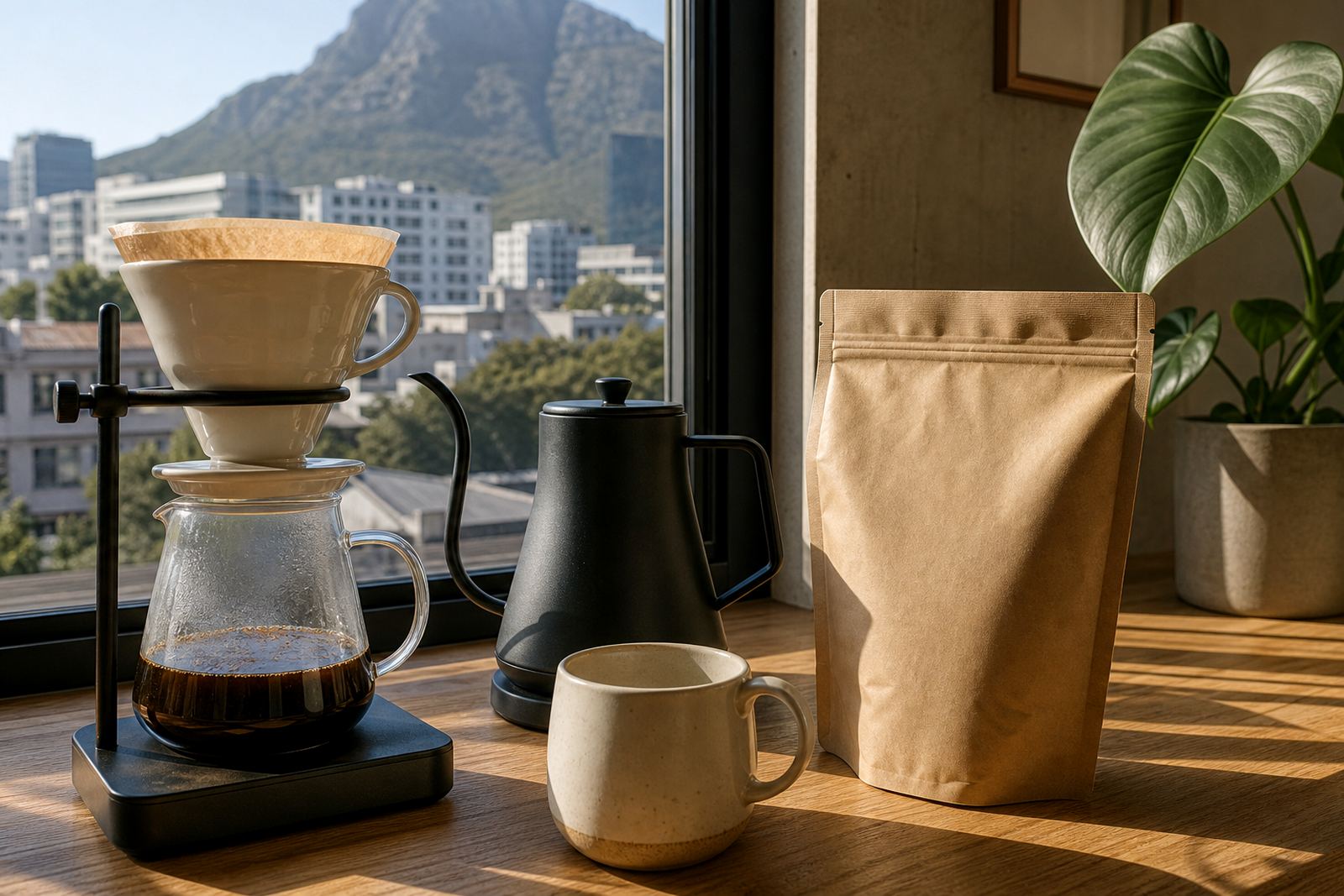
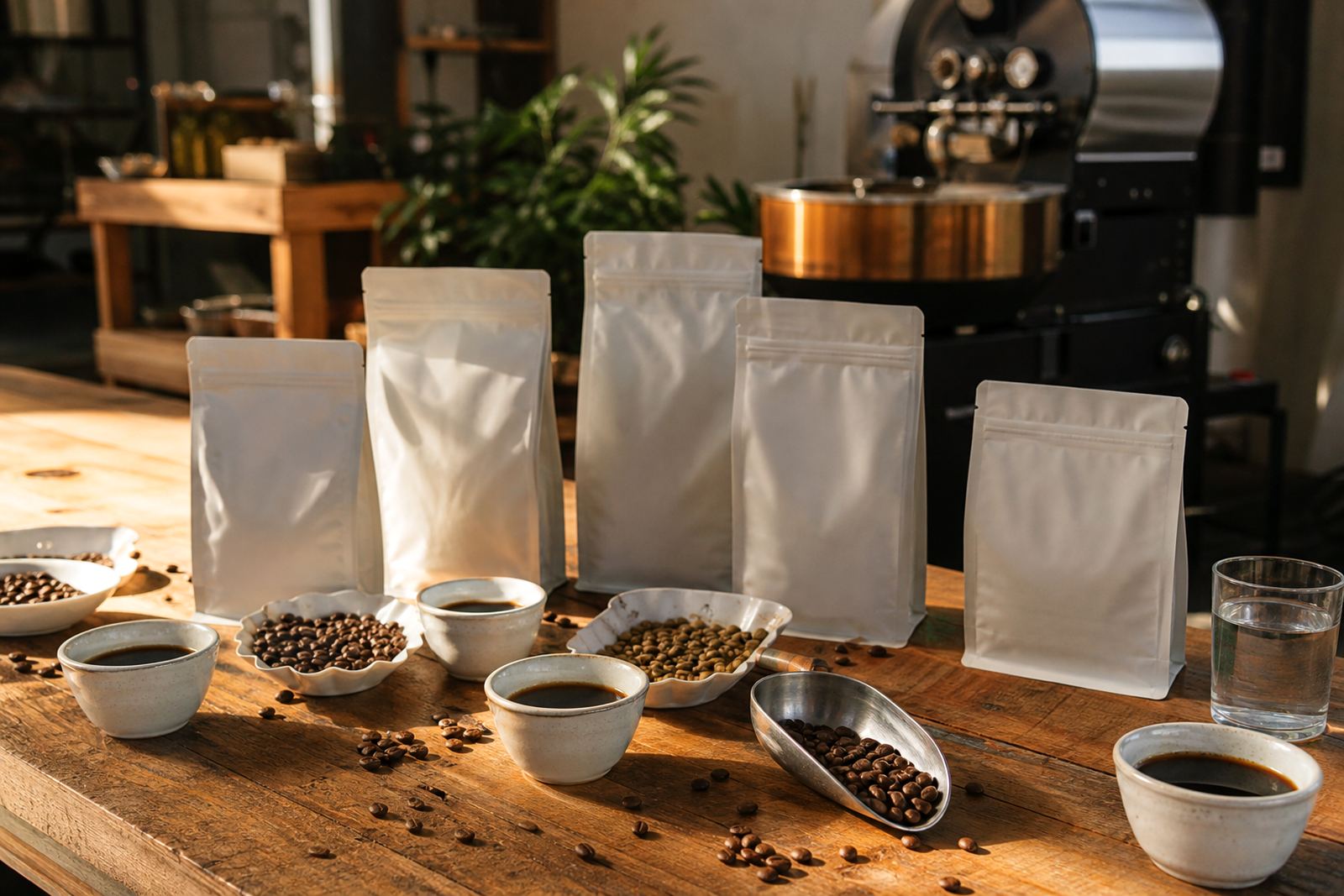
A good home filter setup starts with the way you pour
If you brew one cup before the school run, another after load-shedding, and a few more on weekends for visitors, your home filter plan needs to be simple and repeatable. The right setup should suit your counter space, water use and how much time you have in the morning. In many Cape Town homes we work around compact kitchens, shared sculleries and coastal humidity that can affect open bags of coffee if they are left too long on the counter.
For most homes, the sweet spot is a burr grinder, a kettle with steady temperature control, and a brewer that matches the number of cups you make in one go. A small family may only need 250 g to 500 g of coffee each week. A household that hosts often or drinks filter through the day may use 1 kg or more. The aim is not fancy kit, it is fresh coffee with less guesswork.
Typical equipment for pour-over, drip and batch brew
Home filter coffee can be built around a few practical pieces. You do not need every brewing method at once, but some homes like to keep two options: one for slow mornings and one for larger batches. If you work from home, a second brewer can be handy for afternoon cups without starting from scratch.
- Burr grinder with consistent particle size for filter coffee
- Kettle with temperature control or a stable electric kettle
- Pour-over dripper, server and paper filters
- Drip machine or small batch brewer for 2 to 8 cups
- Digital scale for repeatable dosing
- Storage canister for roasted beans, kept cool and dry
In homes with solar backup or inverter power, we often suggest equipment that draws less power during short outages. That matters when the morning routine is tight and the kettle still needs to boil. For apartments in the Southern Suburbs or Atlantic Seaboard, compact gear also helps when counter space is limited.
Layout and planning that keeps the flow simple
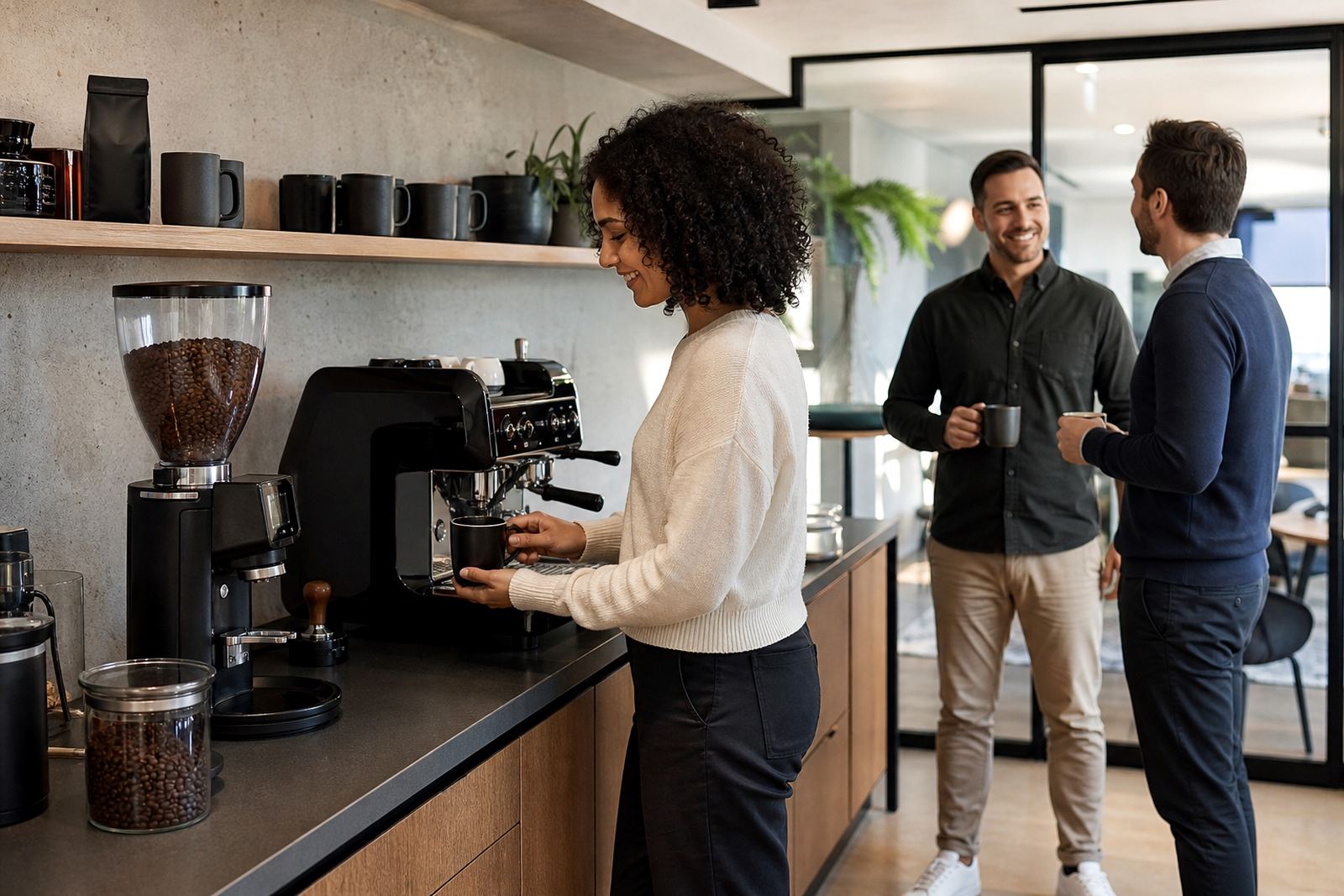
A practical coffee corner should feel like part of the kitchen, not a cluttered side project. Keep the grinder next to the kettle, leave space for scales and cups, and store beans away from direct sun. If the kitchen gets warm in summer, avoid placing coffee above ovens or near dishwashers that release steam. It sounds basic but it makes a difference to flavour and shelf life.
For homes that brew for guests, think about traffic flow. Place milk, sugar, filters and mugs within easy reach so one person can make coffee without crossing the kitchen three times. If you use filtered water or a plumbed-in system, plan for easy access because some homes forget this and end up shifting things around every weekend.
- Leave enough space for a scale and server under the brewer
- Keep mugs and filters in one fixed place
- Use a dry, shaded cupboard for unopened coffee
- Set up close to a sink if you rinse gear after each brew
What usually goes wrong at home
The most common mistake is buying good beans then grinding them too coarse or too fine for the brewer. That gives weak cups, bitter cups, or both. Another issue is stale coffee. Once a bag is opened it starts losing aroma quickly, especially in humid coastal homes. If you buy in bulk, portion it into smaller sealed containers and keep only a working jar near the grinder.
Water quality is another big one. If your tap water tastes flat or overly chlorinated, the coffee will show it. Some households also under-dose the coffee because they are trying to stretch the bag. That usually leads to thin brews and frustration. Better to use the right ratio and buy slightly less often, rather than ending up with cups nobody enjoys.
We also see people skip grind calibration after changing beans. A washed Ethiopian coffee and a fuller-bodied South American coffee may need different settings. Small changes matter. A turn or two on the grinder can fix a lot without needing new equipment.
Budget ranges for a proper home filter plan
Budgets vary depending on whether you want a simple manual setup or a more hands-off machine. For a straightforward pour-over station, many homes spend between R1 500 and R4 500 on the brewer, kettle, scale and accessories, not including a grinder. Add a decent grinder and the full setup often lands between R4 500 and R12 000. If you want a drip machine or batch brewer for regular family use, the total can move to R6 000 to R18 000 depending on size and controls.
Monthly coffee spend depends on how many cups you drink. A light household may spend around R250 to R500 a month on beans, while a larger home or a couple working from home may spend R600 to R1 500. Subscriptions help keep it predictable, and you can rotate origins through the year so the cups stay interesting without buying random bags from different places.
How we support homes across Cape Town and beyond
We work with homes in Woodstock, the Southern Suburbs and the Atlantic Seaboard, and we also ship subscriptions to Johannesburg, Pretoria, Durban and Gqeberha. Some households want a monthly filter blend, others want single-origin coffee that changes with the season. We help choose the grind, dosing and brew method so the coffee matches the way your household actually drinks it.
For clients who want more than beans, we can assist with brew training, coffee menu planning for home entertaining, grind calibration and stock forecasting. If you are setting up a new kitchen or replacing an old machine, it helps to plan the coffee corner before the boxes pile up. That way the first cup is easier and the routine stays tidy from day one.
To enquire, use the form on our contact page and tell us what brewer you have, how many cups you make, and whether you prefer pour-over, batch brew or drip. We will keep it practical and suited to your space.