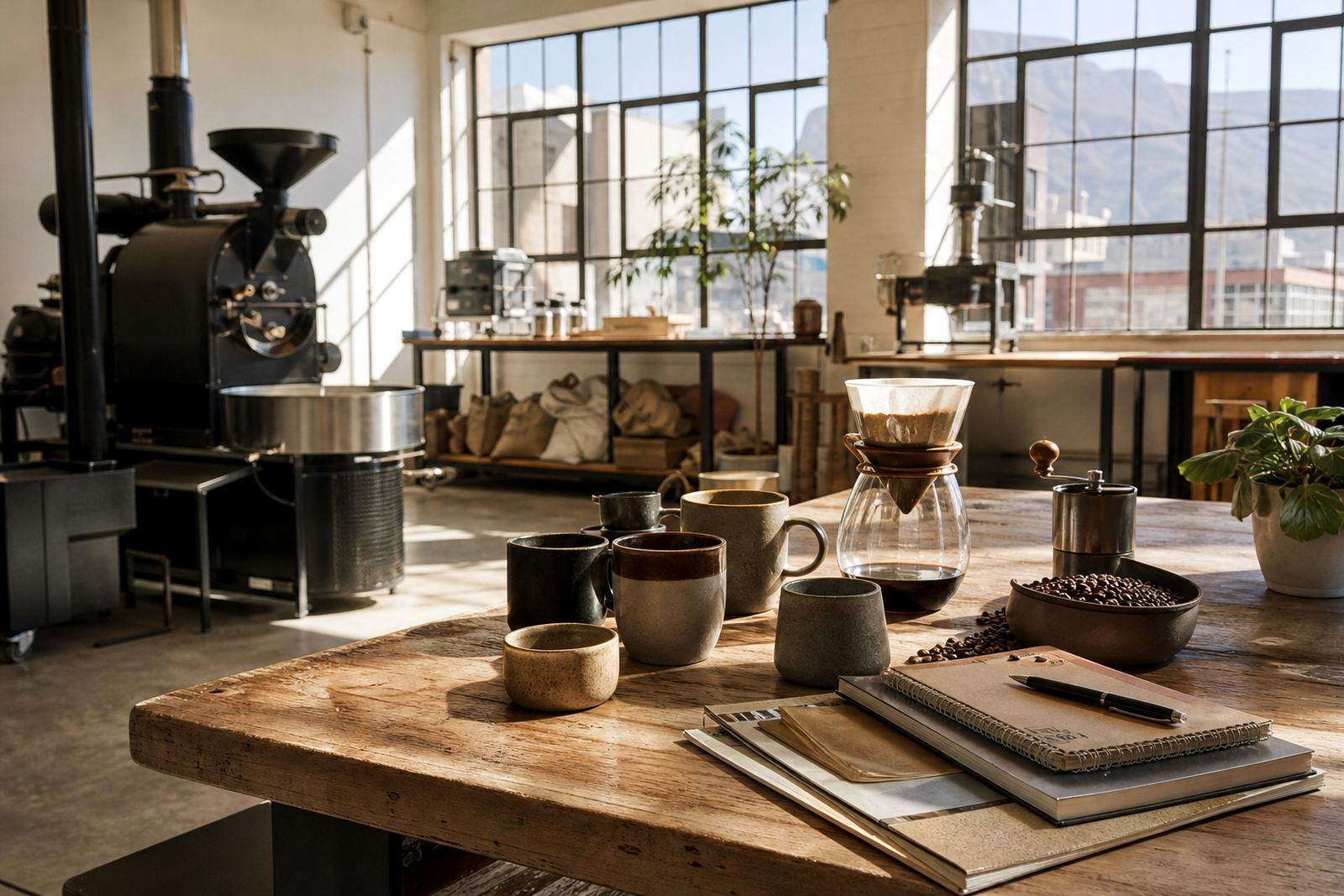

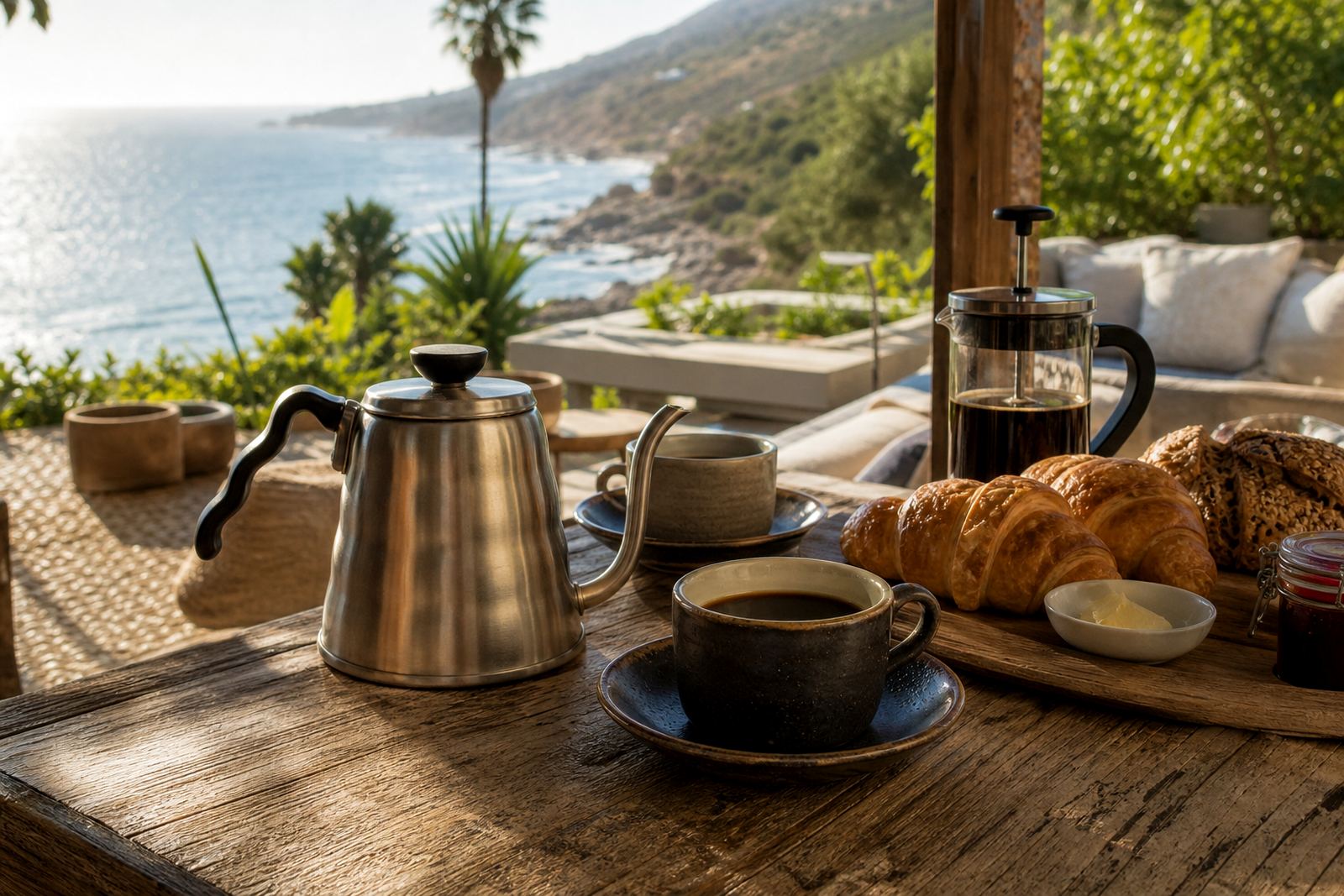
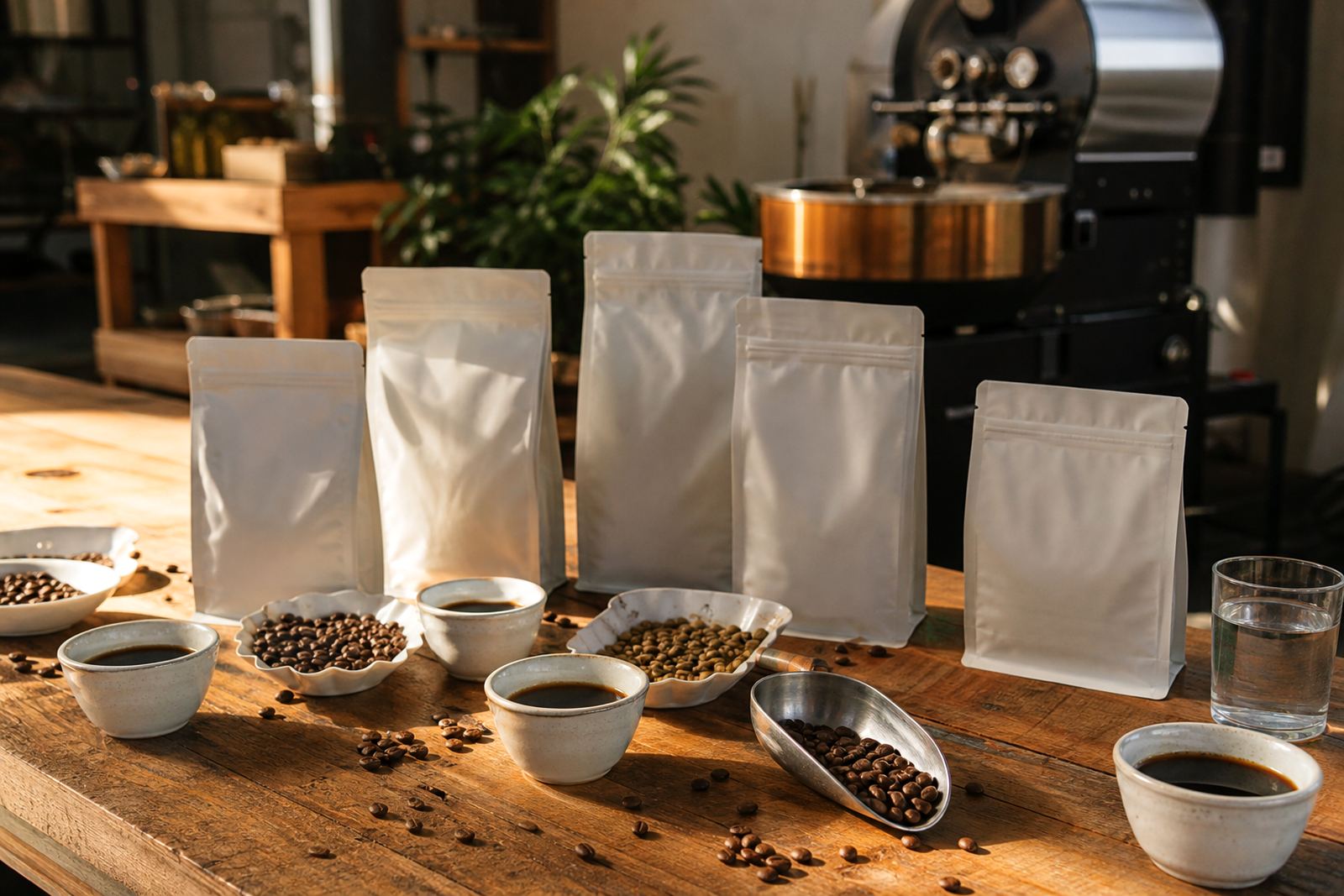

Guesthouse Coffee That Had To Work Every Morning
This project came from a guesthouse in Sea Point, Cape Town, where breakfast service needed coffee that was easy to serve, dependable and pleasing for a mix of short-stay guests. The team wanted one house coffee that could hold its flavour across multiple brews each morning, without requiring a complicated bar setup or extra training for front-of-house staff.
The brief was straightforward: improve the guest coffee experience, keep service quick and reduce the guesswork around dosing, grind and replenishment. The property serves local and travelling guests, so the coffee had to suit a broad range of tastes while still feeling like a proper speciality cup, not a generic bulk blend.
We worked with their breakfast rhythm, which included early starts, steady cup demand between 7am and 10am, and limited time for staff to reset equipment between service runs. The guesthouse also needed a supply plan that would not leave them short on busy weekends or during school holiday peaks.
What The Site Needed To Avoid
Sea Point presents its own practical issues. Coastal humidity can affect grind behaviour and bean storage, and guesthouse kitchens often have tight counter space with other breakfast equipment already in place. Load-shedding was another factor, so the coffee setup had to be simple enough to recover quickly after a power interruption.
The client did not want a system that depended on a highly specialised barista. They needed coffee that could be brewed by different staff members on different shifts, with the same result each time. That meant keeping the recipe tight and the method repeatable, and making sure the beans were suited to their chosen brewing method.
- Consistent flavour for 20 to 40 cups a morning
- Low training requirement for rotating breakfast staff
- Storage that coped with humidity near the Atlantic seaboard
- Simple recovery after a power cut or rushed service change
- Stock levels that matched weekend and holiday occupancy
Roast Profile, Grind Settings And Serving Spec
We supplied a smoother house coffee built for balance, lower bitterness and good cup clarity at breakfast. The beans were selected from single-origin lots with a flavour profile that gave the guesthouse a clean finish and enough body for milk-based drinks. The roast was kept medium, so it stayed approachable for guests who prefer a familiar cup, while still showing the origin character.
We then matched the grind to the property’s brew method and dialled in the extraction so the coffee stayed steady across multiple batches. The final serving spec was documented for the team, including dose, water ratio, brew time and a simple quality check they could follow without hesitation. That document matters more than most people think, because even a good coffee can drift if the grind changes too much from one day to the next.
Key setup points included sealed storage, labelled batches and a clear rotation system for opened stock. That kept freshness under control and helped the team avoid stale coffee sitting around longer than needed.
Training The Breakfast Team For Daily Service
We ran practical training with the guesthouse staff over a short rollout period, showing them how to measure, brew and serve the house coffee consistently. The focus was not on theory, but on what they needed before the first breakfast sitting and again when the rush started. We also covered how to spot signs that the grind was too fine, too coarse or affected by humidity.
The team learned how to manage the coffee station when there was a queue, when guests wanted refills at once, and when the kitchen had to work around other breakfast items. We kept the process simple so that new staff could pick it up quickly, which is useful in hospitality where people move through roles and shifts change often.
- Step-by-step brew guide for opening and peak service
- Quick checks for flavour, flow rate and strength
- Storage guidance for warm kitchens and coastal conditions
- Basic stock handling to reduce waste and last-minute shortages
Subscription Supply And Weekly Stock Planning
The guesthouse needed a dependable replenishment plan, so we set up a subscription supply arrangement aligned to their occupancy pattern. Instead of ordering ad hoc, they now had a clearer cycle for delivery and stock forecasting. That made it easier to plan for school holidays, long weekends and the winter months when guest numbers can shift quite a bit in Cape Town.
We also reviewed their cup count against actual usage, which helped us estimate average weekly consumption and expected peaks. For a property of this size, planning in kilograms rather than bags made a real difference to waste control. The final approach gave them enough buffer stock without overbuying, and the delivery rhythm suited their storage space.
As part of the supply plan, we included seasonal coffee rotation so the guesthouse could keep the house cup interesting over time while still staying within the same service style. That gave them flexibility without having to change the entire system every few months.
Results After The First Few Weeks
The project ran over three weeks from first conversation to final handover. In that time we supplied the coffee, calibrated the brewing method, trained the team and refined the stock plan based on actual service flow. By the end of the rollout, the guesthouse had a coffee service that was easier to run and more consistent across staff shifts.
They reported fewer guest comments about weak or uneven coffee, and breakfast service moved with less interruption. The team also had a clearer idea of how much coffee to brew at different occupancy levels, which helped reduce waste. A smoother house coffee may seem like a small change, but in a guesthouse it affects the morning mood for every person staying there.
The clearest result was that the coffee station became less stressful to manage. Staff had a simple process, guests got a better first cup of the day, and the property had a service routine it could maintain without extra effort.
What We Would Repeat On Similar Projects
If we were setting up another guesthouse coffee service in Sea Point or anywhere along the coast, we would follow the same basic approach: choose a balanced house coffee, lock in the brew spec early, and train the team on a routine that works under pressure. That combination holds up well in hospitality, especially where the breakfast shift is short and the margin for error is small.
We would also keep a close eye on storage conditions and usage trends during the first month. In our experience, that early period tells you a lot about real demand, and it is the best time to adjust stock frequency or grind settings before bad habits set in.
The main lesson from this project was simple. Good guest coffee does not need to be complicated, but it does need attention to detail, a steady supply and a team that knows exactly what to do.
Key facts
| Client type | Sea Point guesthouse breakfast service |
|---|---|
| Town | Sea Point, Cape Town |
| Timeline | 3 weeks |
| Coffee style | Smooth medium roast single-origin house coffee |
| Service size | About 20 to 40 cups per morning |
| Scope | Supply, grind calibration, staff training and stock planning |