

What the Somerset West team needed
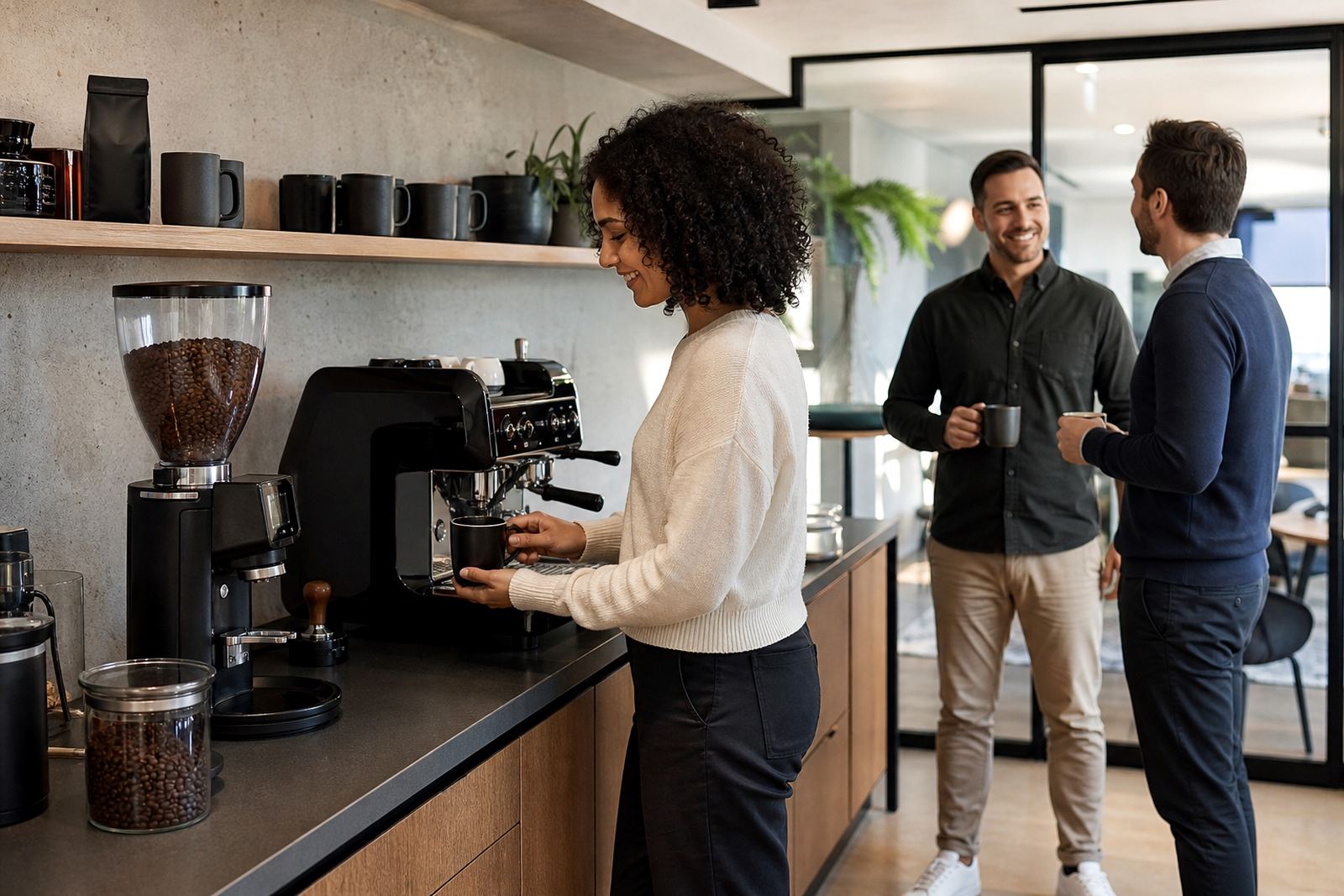
The client was a mid-sized office in Somerset West with a team that had outgrown the usual once-off coffee drop. The brief was straightforward: keep everyone supplied with good coffee, make the brewing easier for busy staff, and avoid waste from over-ordering or stale stock. They also wanted a setup that could handle weekday demand without needing constant attention from one person.
Being in Somerset West, the office also had a few practical concerns. Storage space was limited, power cuts could interrupt the morning rush, and the team wanted coffee that stayed consistent whether it was brewed before a meeting or later in the day. The site did not need a full café setup, but it did need a proper system with clear quantities and a delivery rhythm that made sense.
- Office type: growing professional team
- Town: Somerset West, Western Cape
- Goal: recurring deliveries and easier brewing
- Main challenge: keeping stock fresh without over-ordering
How we set up the coffee supply
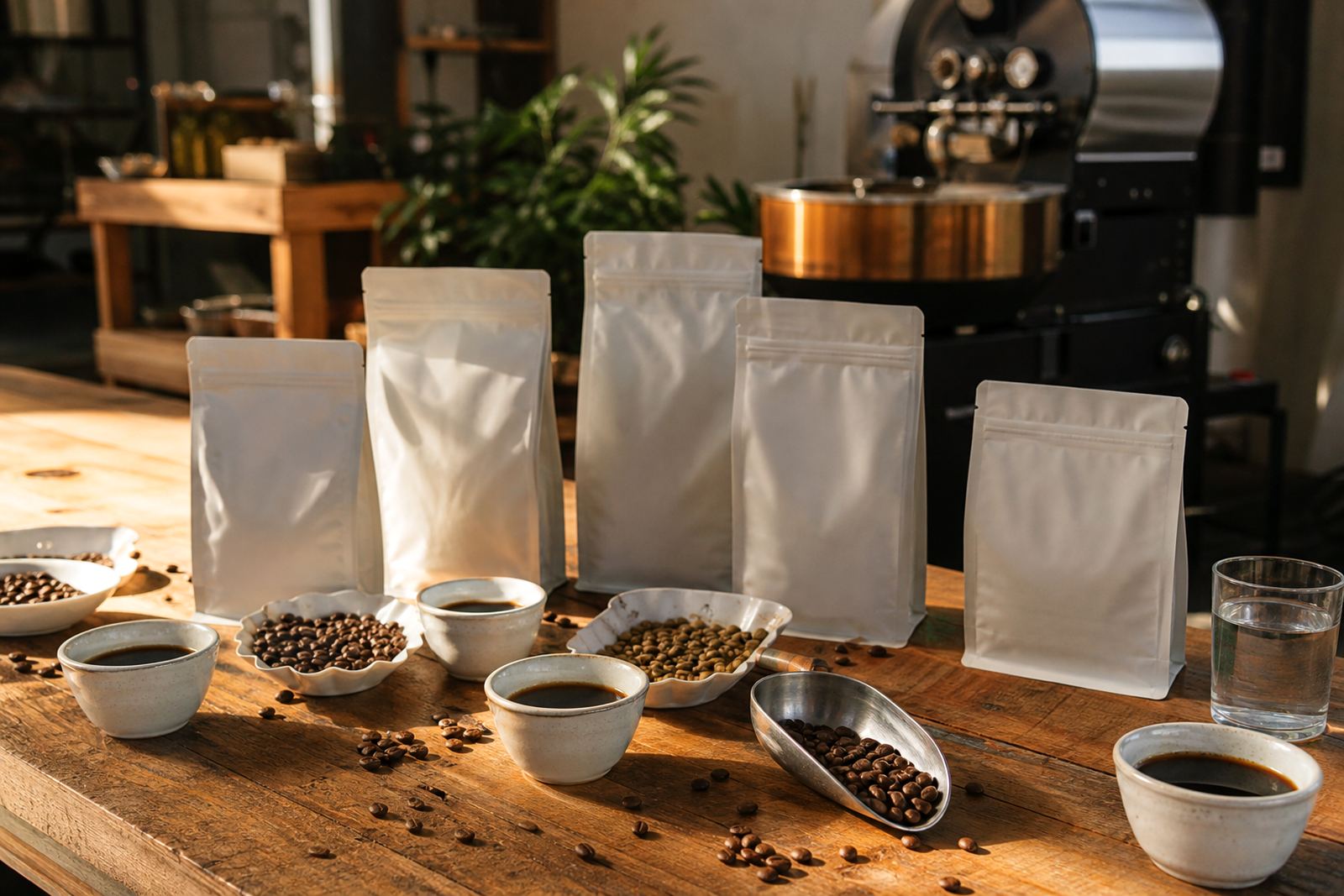
We started with a short stock review and mapped the team’s weekly usage by cup count, not by guesswork. That gave us a clean picture of how much coffee the office was actually using and how often they needed replenishment. We then set up a recurring delivery plan with single-origin beans in whole bean format, plus a grind option for the office’s existing brewer.
For the brewing side, we checked grind size, dose and water ratio with the team. The office had one main brewing point, so the focus was on consistency and speed rather than fancy extras. We supplied beans in practical pack sizes, labelled clearly for rotation, and kept the delivery schedule simple enough for the admin team to manage without chasing orders each month.
- Supply format: whole bean and pre-ground as needed
- Pack sizes: 1 kg bags and smaller trial packs where useful
- Delivery cadence: recurring weekly to fortnightly top-ups
- Focus: freshness, predictable stock and less admin
Simple brew training for the team
The office did not need a long training session. It needed a short, practical one that staff could remember on a Monday morning. We spent time with the people who made the coffee most often and showed them how to dose the beans, adjust the grind when the weather changed, and spot when the extraction was running too fast or too slow.
We also covered a few South African office realities that matter more than people think. During load-shedding, water temperature can shift once the kettle comes back on line, and humidity near the coast can change how coffee behaves in the grinder. The team was shown how to make small adjustments instead of throwing out a batch. That saved time and kept the flavour more even across the week, even when the office was busy.
- Training length: one focused session on site
- Topics: dosing, grind changes, water ratio and basic troubleshooting
- Useful for: office staff, admin support and whoever opens the kitchen first
- Result: fewer wasted brews and faster morning setup
Delivery rhythm and stock forecasting
Once the office had a stable brew routine, we moved the account onto a proper forecasting cycle. That meant checking usage against actual delivery history and adjusting the next drop before stock became tight. For an office in Somerset West, this was especially useful at month-end and after public holidays, when consumption usually changes without warning.
The benefit was not just convenience. It reduced the stop-start pattern that often happens when an office orders too late and then buys an emergency substitute from a local shop. With a fixed supply rhythm, the team had better continuity in flavour and fewer complaints about running out. It also meant less coffee sitting around for too long, which helps in warm weather and in storage spaces that are not air-conditioned full time.
- Forecasting basis: actual usage, not estimates
- Adjusted for: holidays, busy weeks and staff movement
- Benefit: less waste and fewer emergency runs for coffee
What changed after three weeks
The full project took three weeks from first stock review to the point where the recurring deliveries and brew routine were running smoothly. By the end of that period, the office had a clearer sense of how much coffee it used, who handled the brewing, and when to reorder. The setup was simple enough to keep working without special attention, which was the main objective from the start.
The biggest result was consistency. Staff no longer had to make do with whatever was left in the cupboard, and the coffee tasted more even from one day to the next. The team also reported less friction around the kitchen because the responsibility for coffee was clearer, and the deliveries arrived before stock got thin. That sort of practical change tends to matter in offices where everyone relies on the same brew point.
- Timeline: 3 weeks total
- Result: steady supply and easier cup quality control
- Operational gain: less admin for the office team
- Staff response: better routine, fewer last-minute shortages
What we would repeat for another office
If we were doing the same type of office again, we would use the same approach: short stock review, simple brew training and a delivery rhythm based on real usage. That combination keeps things practical for a busy Somerset West office and works just as well for other towns where teams want reliable coffee without turning it into a project of its own.
We would also keep the menu tight. A small number of well-roasted single-origin coffees is easier to manage than a long list of bags that no one finishes. For offices, that usually means better freshness, less clutter and better buy-in from the staff. When the coffee point is easy to use, people keep using it properly, and the whole setup holds together better over time.
- Best practice: keep the selection focused
- Best practice: review usage every few weeks
- Best practice: train the people who brew most often
- Best practice: plan around local power and weather conditions
Key facts
| Project location | Somerset West, Western Cape |
|---|---|
| Client type | Growing office team |
| Timeline | 3 weeks |
| Service scope | Recurring coffee deliveries and brew training |
| Coffee format | Single-origin beans, whole bean and grind options |
| Outcome | Stable stock levels and more consistent daily brews |