
What the studio needed in Woodstock
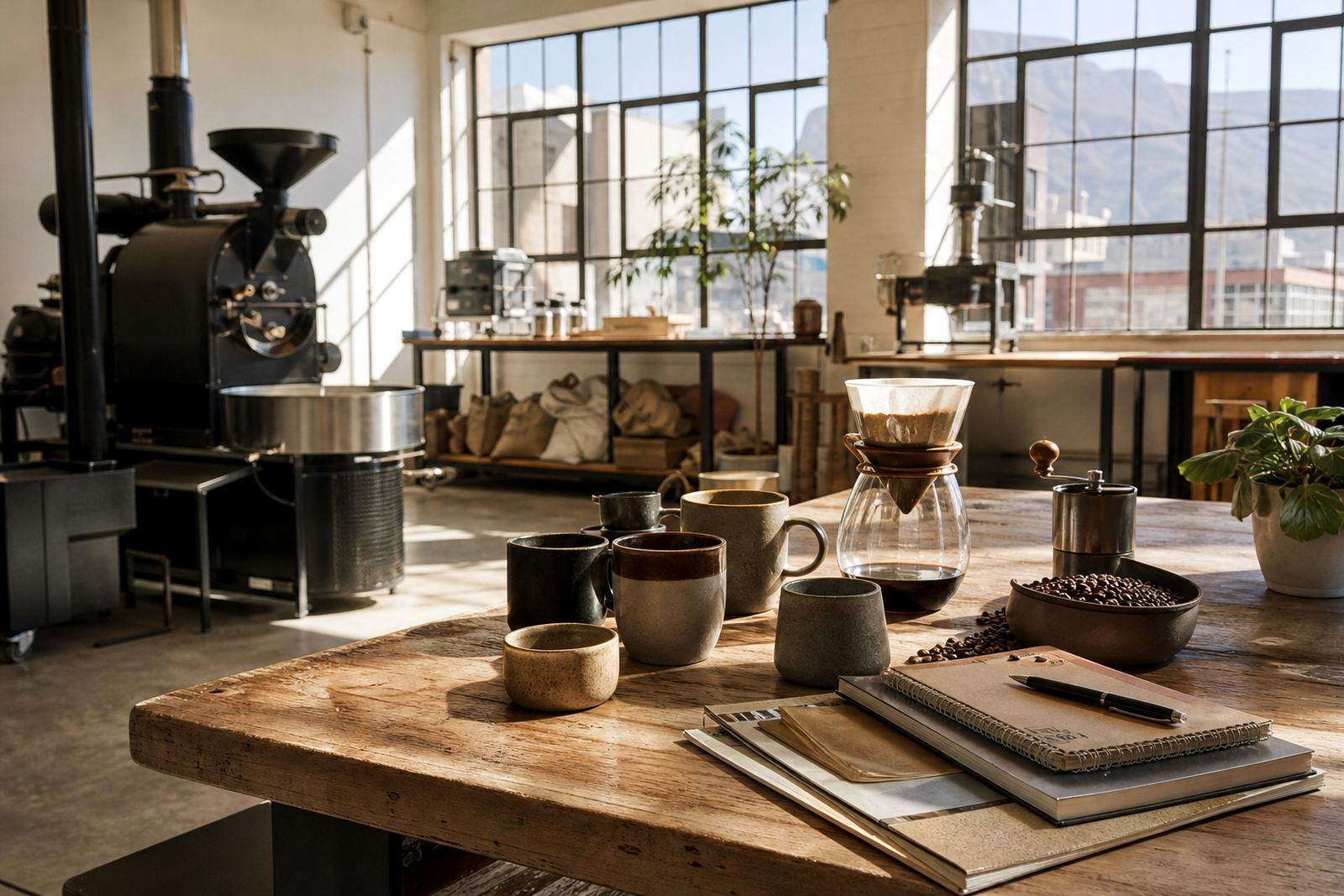
The client was a small creative studio a few streets from our roasting base in Woodstock, Cape Town. Their team was drinking a lot of coffee during the week, but the stock was irregular, the grind was not right for the equipment they had on site, and the office kept running short by Thursday. They wanted a reliable coffee supply for staff, with enough variety to keep things interesting, but they did not want a complicated ordering process or a box of beans that sat untouched on a shelf.
The brief was simple on paper and more detailed in practice. They needed one weekly subscription for the whole team, beans that worked well on a compact office brewer and a grinder, and clear guidance on how much to use each week. They also wanted coffee that felt worth sharing with clients and visiting suppliers, since the studio often had meetings in a small open-plan space. Because they were close to the roastery, they asked for short lead times and the option to adjust quantities if the team grew or had a busy month.
How we shaped the subscription
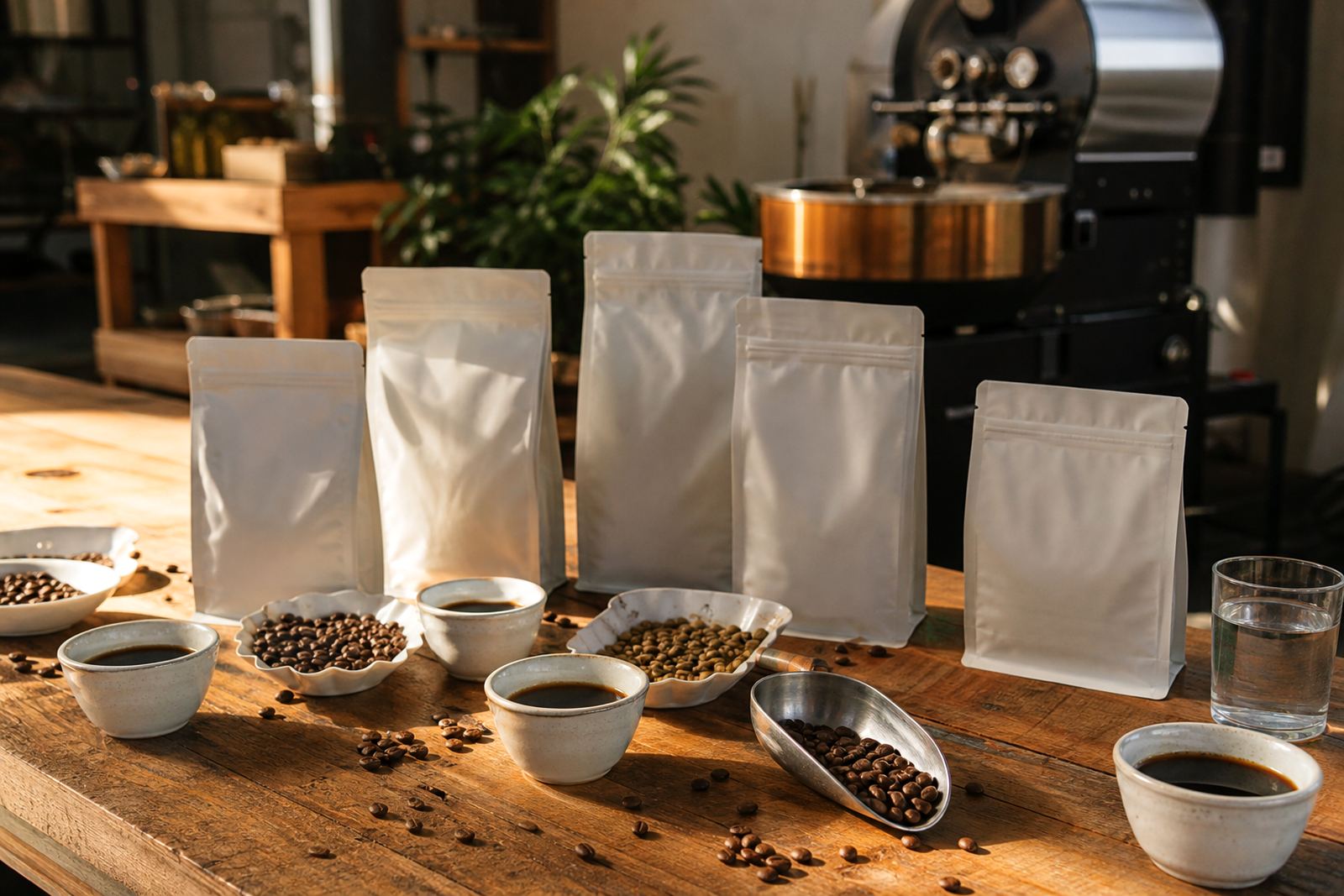
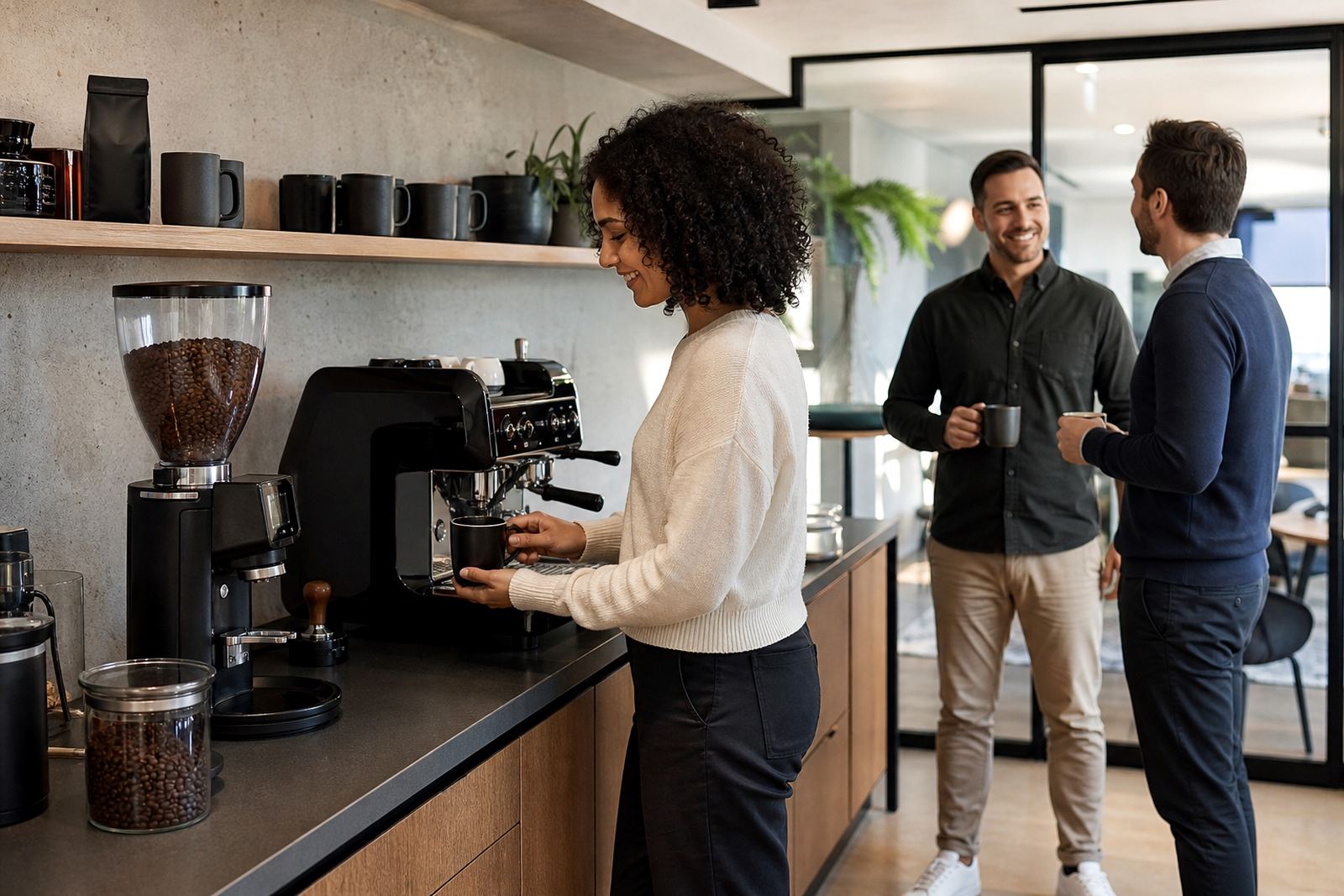
We started with a tasting and a quick audit of their brewing setup. The office was using a standard drip brewer and a separate grinder, with a kettle for occasional pour-over when someone had time to fuss. There was no point sending beans that needed a different extraction profile every second week, so we kept the plan practical and repeatable. The office gets enough load-shedding interruptions and nobody wanted coffee prep becoming another thing to manage during a power cut.
We built a weekly rotation around single-origin beans with clear flavour notes, chosen for balance and steady performance in a work enviroment. One week leaned towards bright fruit and citrus, the next towards chocolate, caramel and a rounder cup. That gave staff enough variety without turning the cupboard into a confusing mix of half-used bags. We also matched the grind calibration to the actual brewer, which made a noticeable difference to body and finish.
- Weekly supply for a staff team of 10 to 14 people
- Medium roast profile suited to office drip brewing
- 250 g and 1 kg pack options
- Fresh roast dates aligned to delivery day
- Grinding guidance for both filter and manual brew methods
Production, packing and delivery from Woodstock
Because the studio was nearby, we could keep turnaround tight. The full setup took two weeks from the first tasting to the first delivery. Week one covered the tasting, bean selection and subscription planning. Week two was used to confirm the quantity, finalise the weekly schedule and give the team a simple brew guide they could keep next to the grinder. From there, deliveries moved to a fixed weekly slot, which suited the office rhythm far better than ad hoc top ups.
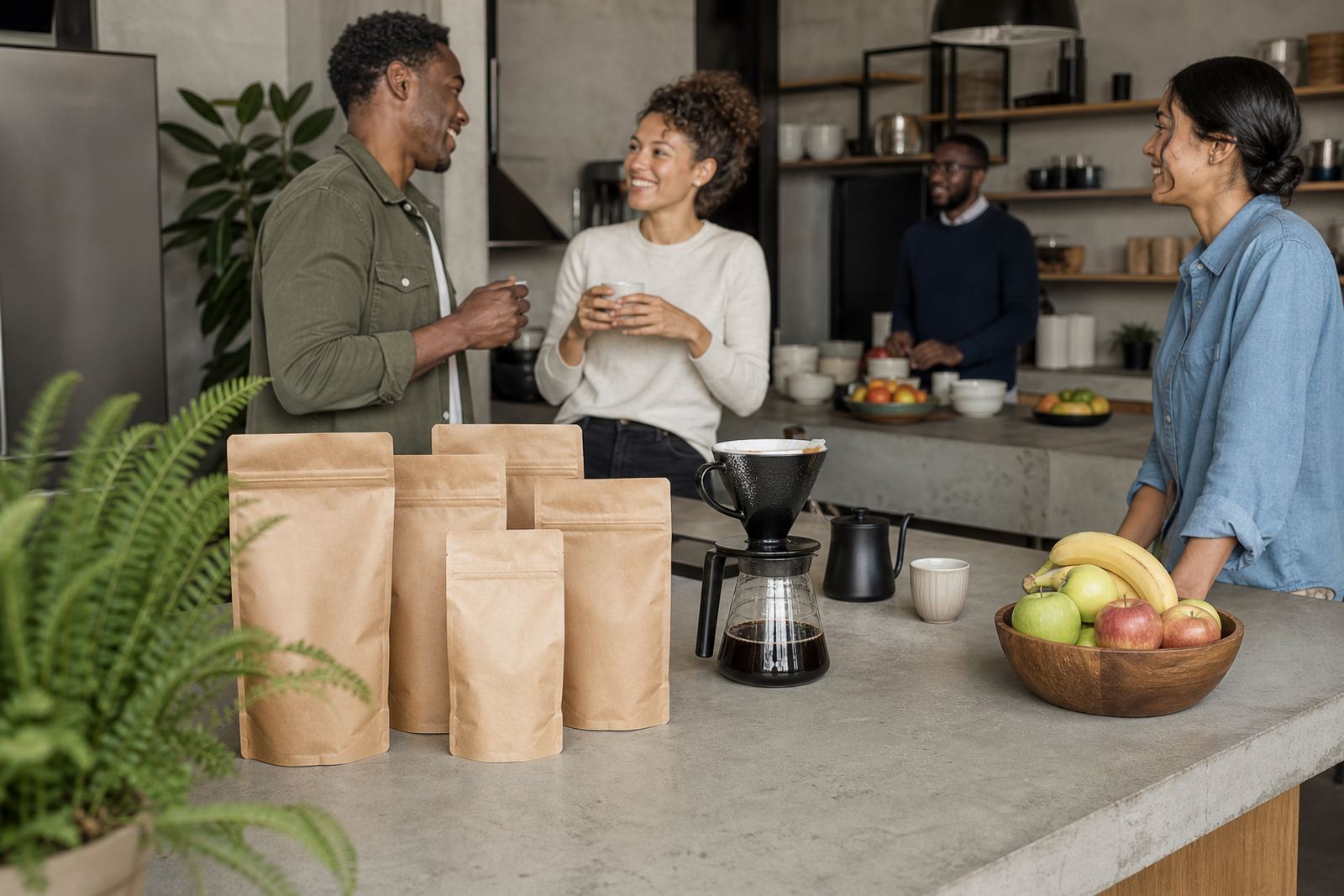
Each delivery was packed for freshness and easy storage. We labelled the bags clearly so the office manager could track roast date, grind setting and remaining stock at a glance. That mattered because studios run on deadlines and no one wants to open the coffee cupboard and do admin before the first cup. The packaging also had to hold up in summer heat, since coastal humidity can affect storage if beans are left out on the counter too long.
- Setup time: 2 weeks
- Delivery cadence: once a week
- Location: Woodstock, Cape Town
- Storage note: cool cupboard, away from direct sun and the kettle
- Pack format: sealed bags with roast date and brew notes
Training the office team to brew better coffee
We did not overcomplicate the training. The office needed a straightforward approach that anyone could follow, whether they were making the first pot in the morning or topping up before a client meeting. Our Coffee Educator walked the team through dose, water ratio, grinder setting and brew time, then showed them how to taste for under-extraction and bitterness. Small changes made a big difference, especially when the grinder had drifted a little between uses.
We also helped the team decide who would manage the weekly handover. That stopped the usual confusion where three people think someone else has ordered the beans. The Subscription Lead set up a simple standing schedule, while our Customer Support Manager kept communication easy when the office needed to shift a delivery by a day or two. It was a small thing, but it meant the coffee supply fitted into the studio's working week instead of interrupting it.
Results after the first quarter
After three months, the studio had a steadier coffee routine and far less waste. The office was using the right amount of beans each week instead of over-ordering in case they ran out. Staff reported better consistency in the cup, and the open-plan kitchen stopped becoming a point of friction on busy mornings. They also had a better client-facing brew for meetings, which mattered more than they expected once people started asking where the coffee came from.
The client liked that the subscription could flex without paperwork. During quieter weeks, the order was trimmed back. When the team had visitors or late nights, the supply was increased. That kind of practical adjustment is usually what keeps office coffee systems working long term. What changed most was not just the taste, but the fact that coffee became one less thing for the studio to manage every Monday.
- More consistent coffee quality across the week
- Less waste from over-ordering and stale stock
- Fewer urgent top-up requests
- Better use of the office grinder and brewer
- Cleaner handover between team members
What we would do again
If we were setting this up again for a similar Woodstock studio, we would still start with a tasting, a short equipment check and a weekly plan that matches the team size. That sequence saves time later and avoids the common mistake of choosing coffee before checking how it will actually be brewed. We would also keep the supply structure simple, with just enough variety to keep people interested but not so much that the cupboard becomes cluttered.
For a creative office, the best coffee setup is usually the one that disappears into the background and just works. That means clear quantities, a repeatable delivery schedule, and beans selected for the way the office brews every day. In this case, the combination of single-origin coffee, practical training and a fixed weekly rhythm gave the studio exactly that. It was tidy, reliable and easy to keep going, which is exactly what a working office needs.
Key facts
| Project type | Weekly staff coffee subscription for a design studio |
|---|---|
| Town | Woodstock, Cape Town |
| Timeline | 2 weeks from tasting to first delivery |
| Supply format | Weekly sealed bean deliveries with roast date labels |
| Coffee profile | Single-origin, medium roast, office-friendly balance |
| Support included | Brew training, grind calibration and subscription management |