
The brief from a busy Umhlanga office
The client was a marketing agency in Umhlanga, close to the beachfront and used to back to back meetings, visitors and a strong morning rush. They already had coffee on site, but the team wanted a brighter filter option that tasted consistent throughout the day and felt suitable for clients sitting in a meeting room or waiting area. Their old setup was serviceable, but it was not giving enough flavour clarity, and the brew was drifting as different people made coffee at different times.
We were asked to improve the cup quality without making the process fussy. The office needed something simple enough for reception, reliable enough for staff and neat enough for client facing areas. They also needed a plan that would cope with Umhlanga’s coastal air, where equipment can pick up moisture if it is not stored properly. The brief was clear: better coffee, less waste, and a setup that did not slow the day down.
- Town: Umhlanga, KwaZulu-Natal
- Client type: coastal agency with client meeting spaces and staff kitchen use
- Goal: brighter filter coffee with repeatable results
- Constraint: limited counter space and mixed user skill levels
What had to be worked around
The main constraint was consistency. In an office setting, the coffee has to survive different brewers, different hands and different times of day. We also had to work around load-shedding risk, because a café-style machine on a busy site is of little use if the workflow collapses when the power drops. The client wanted a format that could carry on with minimal disruption and not leave half the office waiting for the next pot.
Another issue was freshness. Coastal humidity can flatten ground coffee if it is left open for too long, and that becomes obvious in lighter filter roasts first. We factored in sealed storage, smaller batch sizes and a delivery rhythm that matched their weekly usage. The team also wanted a cleaner flavour profile for meetings, so we moved them away from heavy, dark cups and toward a brighter filter with citrus, stone fruit and soft cocoa notes.
- Counter space: compact footprint for a shared kitchenette
- Power planning: suitable for use during outages with manual brew methods
- Storage: sealed containers to protect aroma and freshness
- Use case: staff brews, guest cups and scheduled meeting room service
The coffee setup we supplied
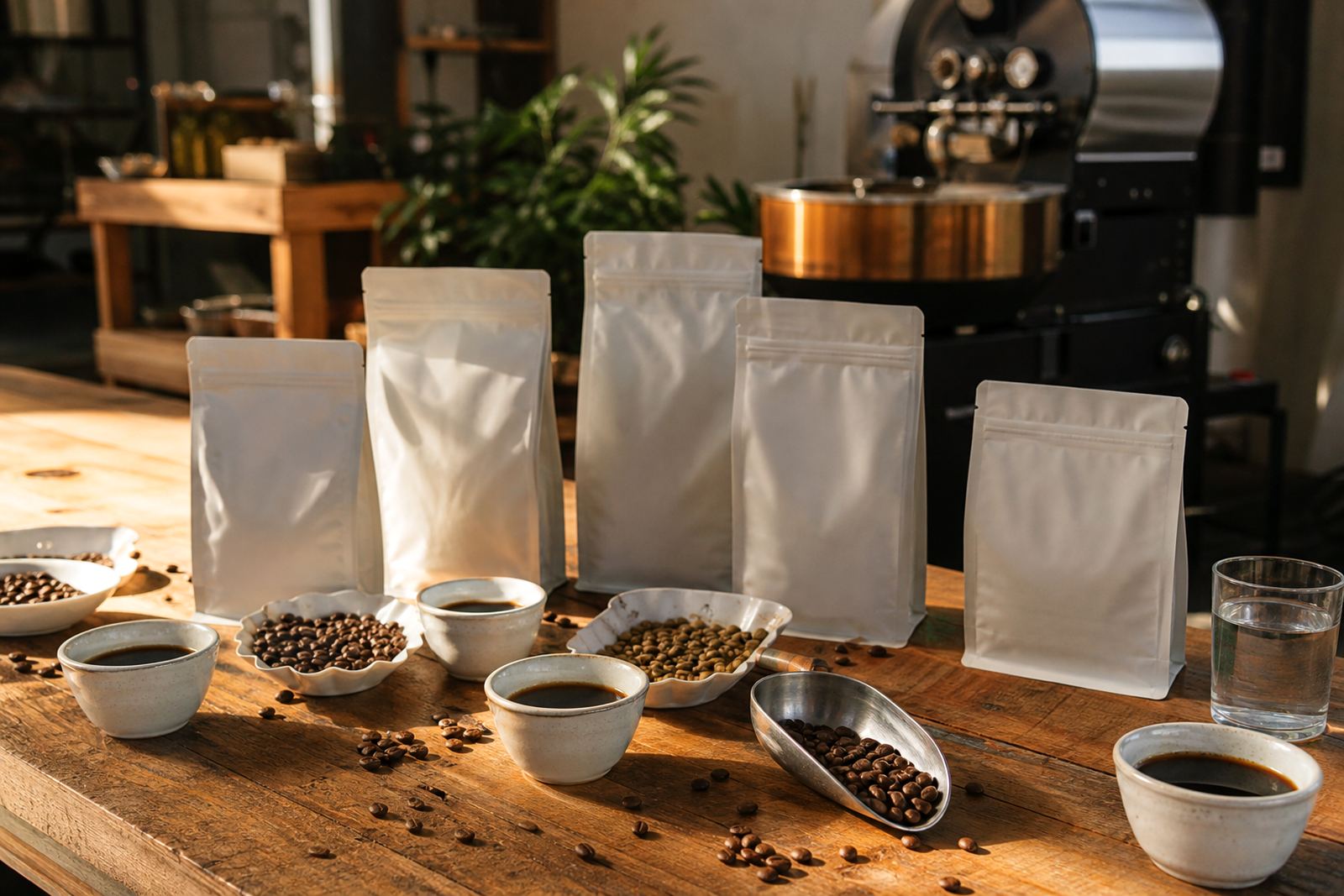
We supplied single-origin filter coffee with a lighter roast profile, chosen for clean flavour and steady extraction. The beans were supplied in 250 g and 1 kg formats so the office could keep smaller packs open without risking staleness. We also set up the grind calibration for their preferred brew method and adjusted the recipe until the cup matched what the team wanted: lively but still balanced enough for a second cup. The client preferred a filter style that worked well black, but it still held up with milk for staff who wanted a softer cup.
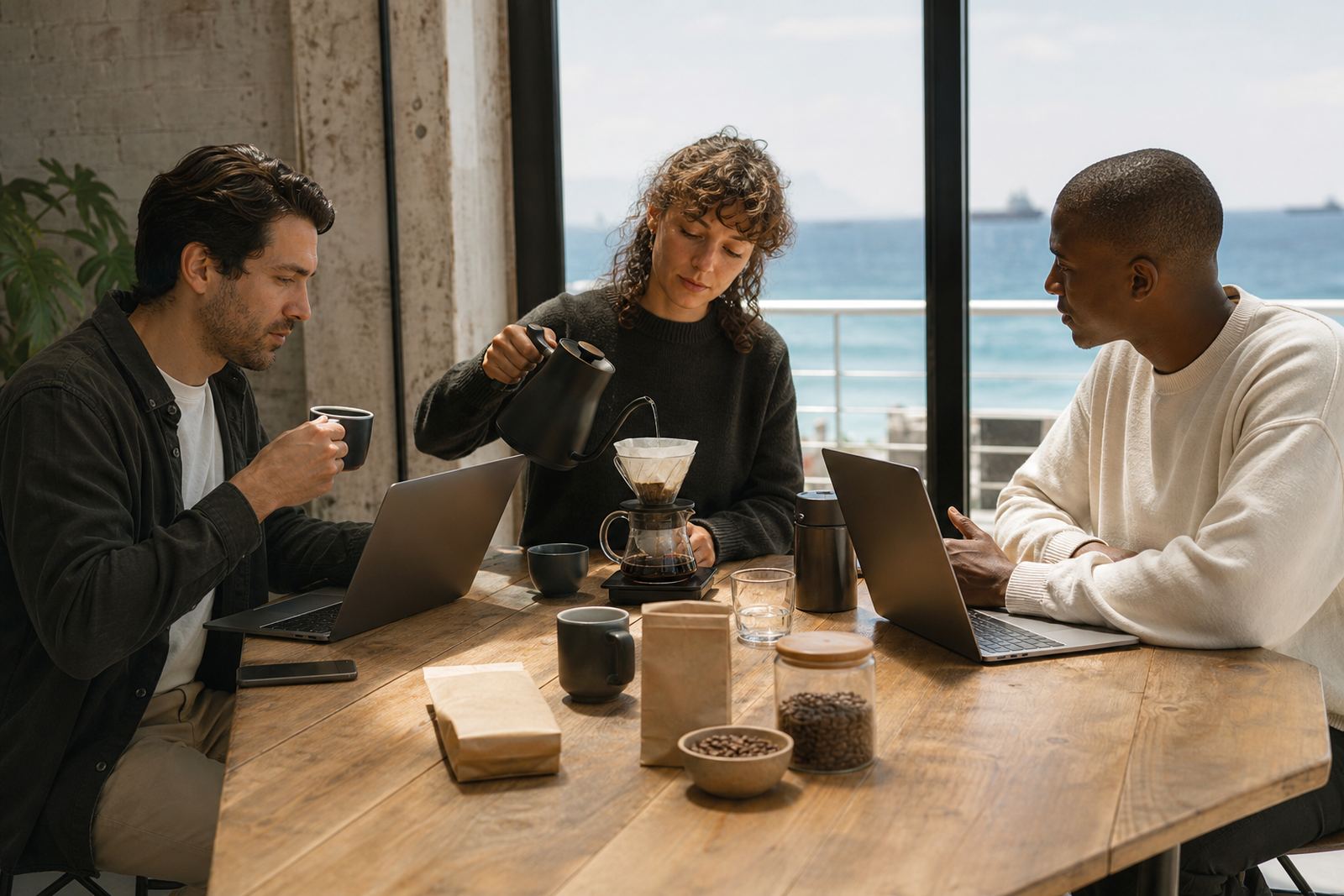
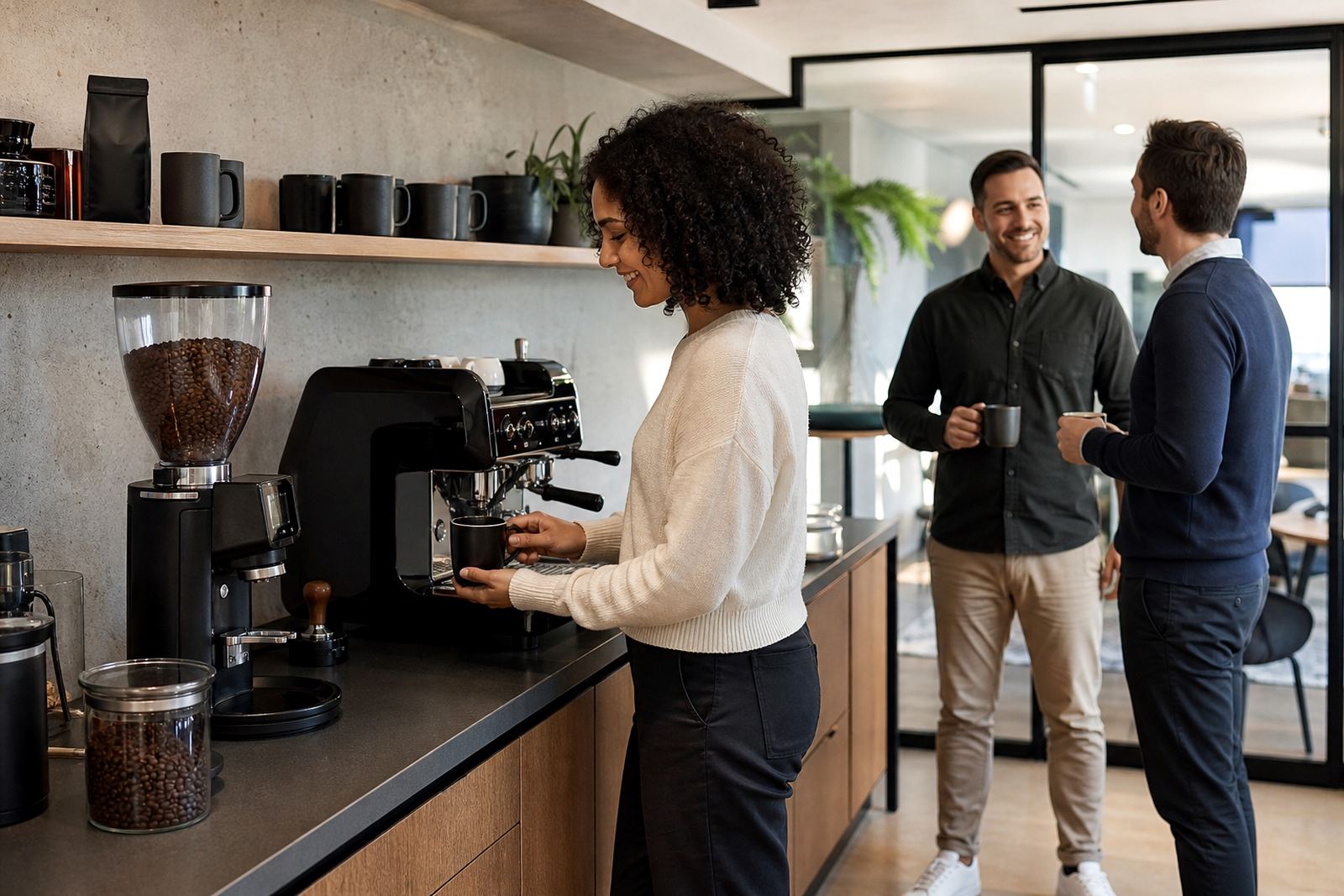
Alongside the coffee, we put in a simple brew station setup with practical storage, clear labelling and a short training session for the people who would use it most often. That included measuring ratios, water temperature, grind size and brew timing. We also set out a basic seasonal rotation so the office could switch coffees without confusing the team. The whole point was to keep it easy to repeat, because in offices people do not have time for guesswork every morning.
- Single-origin filter coffee, lighter roast style
- Pack sizes: 250 g and 1 kg
- Grind calibration for the chosen brew method
- Brew ratio guidance and water temperature notes
- Storage guidance for humid coastal conditions
How the rollout was handled over three weeks
The project ran over three weeks from first coffee tasting to final handover. In week one, we reviewed the team’s current routine, sampled a few filter options and checked where the brew station would sit in the office. In week two, we supplied the coffee, matched the grind and trained the staff who handle the daily brewing. In week three, we checked the results, adjusted the brew recipe slightly and confirmed the subscription schedule for ongoing deliveries.
It was a fairly quick turnaround, but the timing mattered. The agency had a busy calendar and needed the coffee plan in place before a run of client presentations. We kept the process straightforward and practical, which helped the team settle into it without a lot of extra admin. There was a small delay on the first tasting day because clients and staff had to wait a bit longer for the first pour, which was not ideal, but the adjustment after that was simple and the final recipe held up well.
- Week 1: tasting, site review and brew method selection
- Week 2: supply, calibration and staff training
- Week 3: recipe check, final adjustments and subscription setup
- Total timeline: 3 weeks
What changed after the switch
The most immediate result was a cleaner, brighter cup that people could recognise from one day to the next. Staff stopped over brewing the filter, which had been causing bitterness, and the meeting room coffee became more reliable for guests. The office also used less coffee per pot because the ratios were set properly, so there was less waste and fewer empty half-used jars sitting around. That helped the budget too, even if it was not the first reason they asked us in.
We also noticed that the team became more confident using the brew station. Once the measurements were clear, they were not guessing anymore. That matters in a workplace like this, where different people jump in to make coffee between meetings. The coffee became part of the rhythm of the office rather than another small task that someone had to fix later.
- Cleaner flavour with more brightness in the cup
- Better repeatability across different users
- Less coffee waste from inconsistent brewing
- Improved presentation for client meetings
What we would do again for another Umhlanga office
If we were setting up another agency in Umhlanga, we would follow the same approach: keep the brew method simple, choose a coffee that shows well as filter and set the dosing before anyone gets used to bad habits. We would also build in storage advice from the start, especially for a coastal site where heat and humidity can affect freshness. Offices in the area often need coffee that can serve both staff and visitors without becoming complicated, and that is where a steady subscription plan works best.
For a future project, we would again recommend a short calibration session after the first week of use. That gives the team a chance to spot small issues before they become routine. It is usually the difference between a coffee setup that gets used well and one that slowly drifts off target. In a busy office, that small follow up saves time and keeps the flavour where it should be.
- Keep the brewing method simple and repeatable
- Use sealed storage and smaller open packs
- Review the recipe after the first week
- Match supply to actual office usage, not guesswork
Key facts
| Project | Umhlanga Agency Coffee |
|---|---|
| Town | Umhlanga, KwaZulu-Natal |
| Client type | Coastal agency office |
| Timeline | 3 weeks |
| Coffee style | Single-origin filter, lighter roast |
| Pack formats | 250 g and 1 kg |