
Who weekly delivery suits best
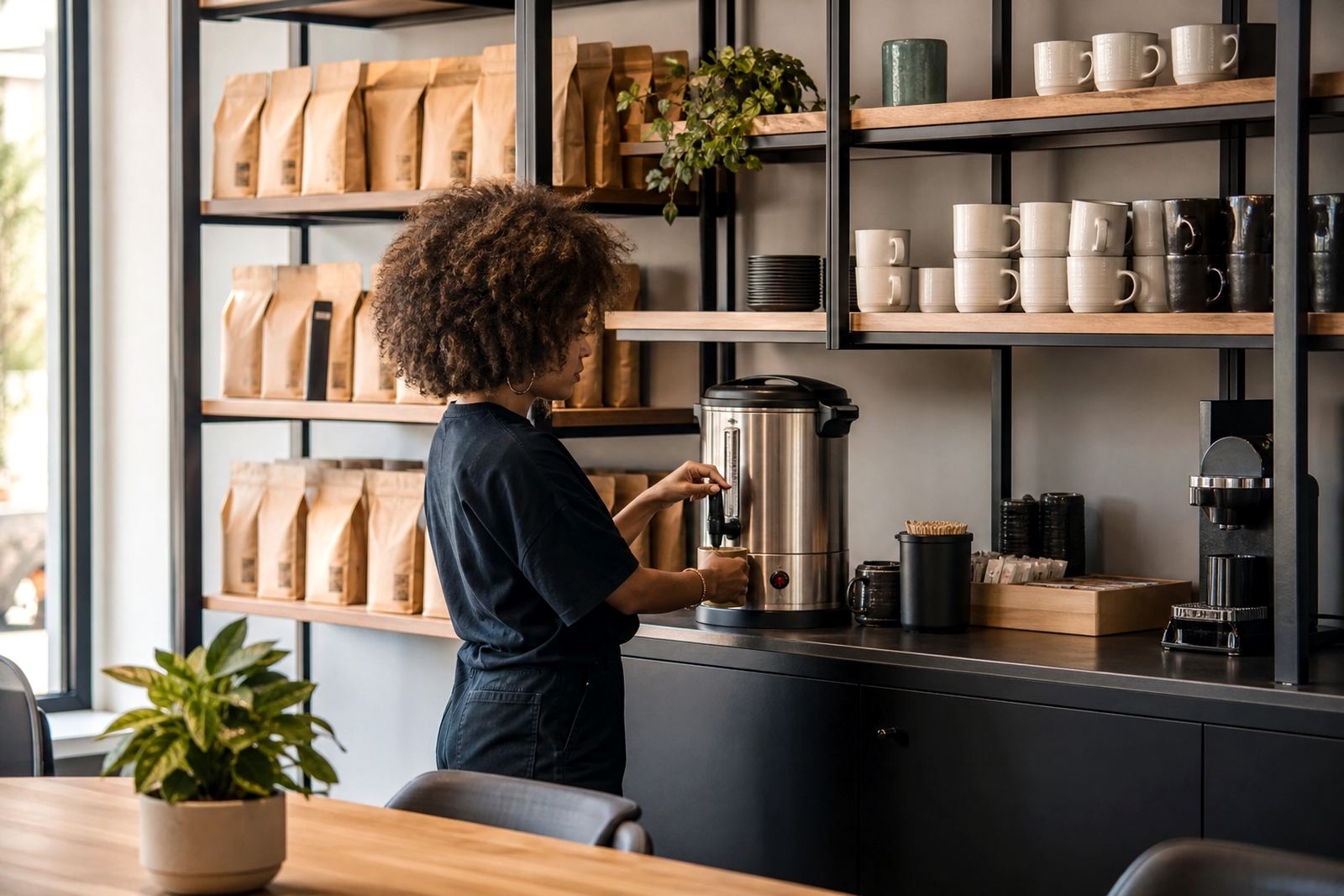
Weekly delivery is the right fit when coffee disappears quickly and you do not want bags sitting on a shelf for too long. We see it work well in shared offices, client lounges, small hospitality counters, wellness rooms and busy homes where the kettle is on all day. It is also the better option for teams who drink filter, espresso or batch brew at different rates, because we can pace stock to match actual use instead of guessing.
For Cape Town businesses dealing with load-shedding or for offices in Johannesburg where everyone wants the first cup before 8am, weekly supply means fewer panic orders and less stale stock. If your team is around 8 to 40 people, or your household drinks more than two bags a week, this service usually makes sense. It keeps the coffee moving, which matters with single-origin beans where flavour changes from lot to lot.
- Best for 2 to 10kg of coffee per week
- Ideal for offices, meeting rooms, hospitality counters and shared homes
- Useful when you want regular flavour changes and tighter stock control
Typical equipment set for a weekly account
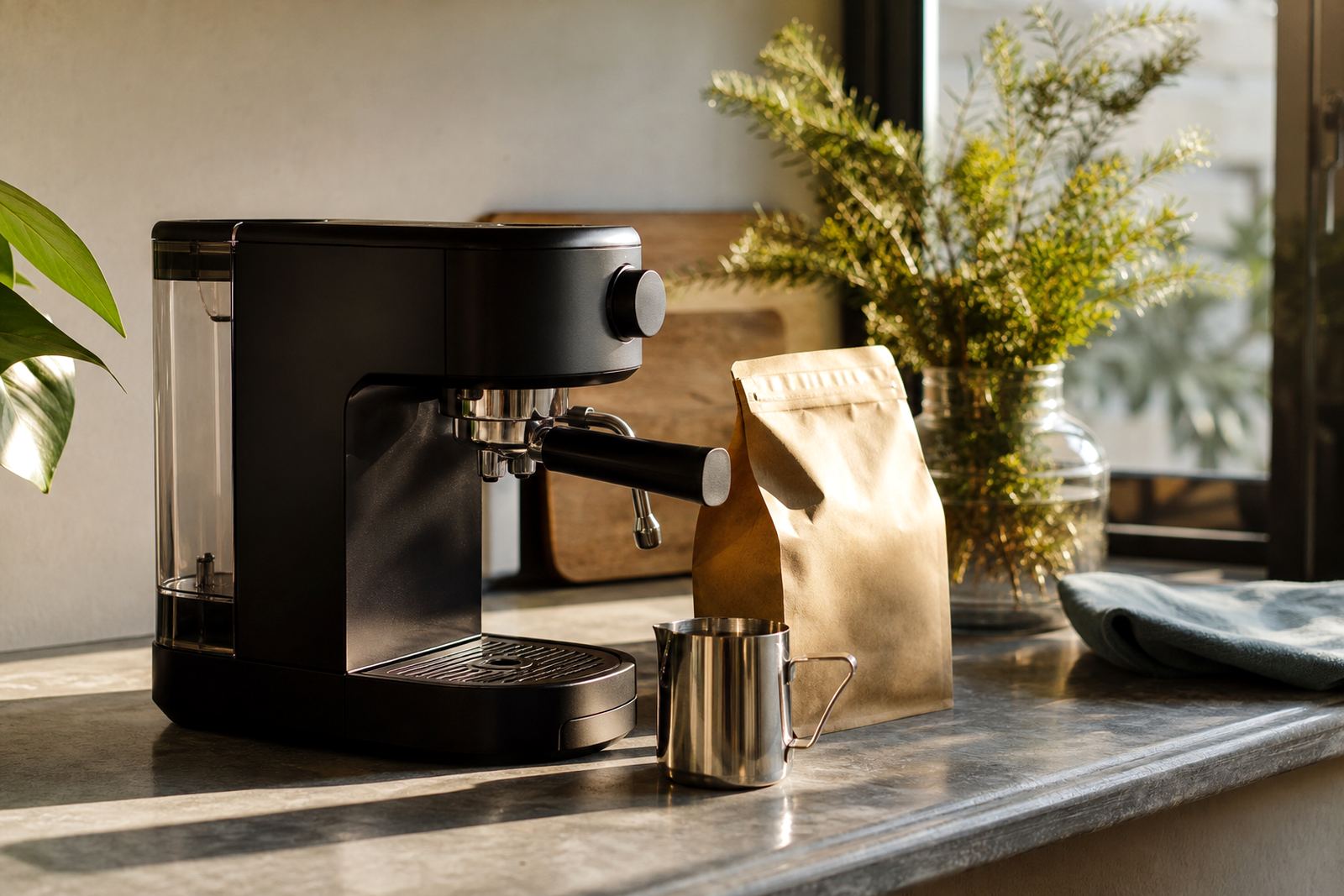
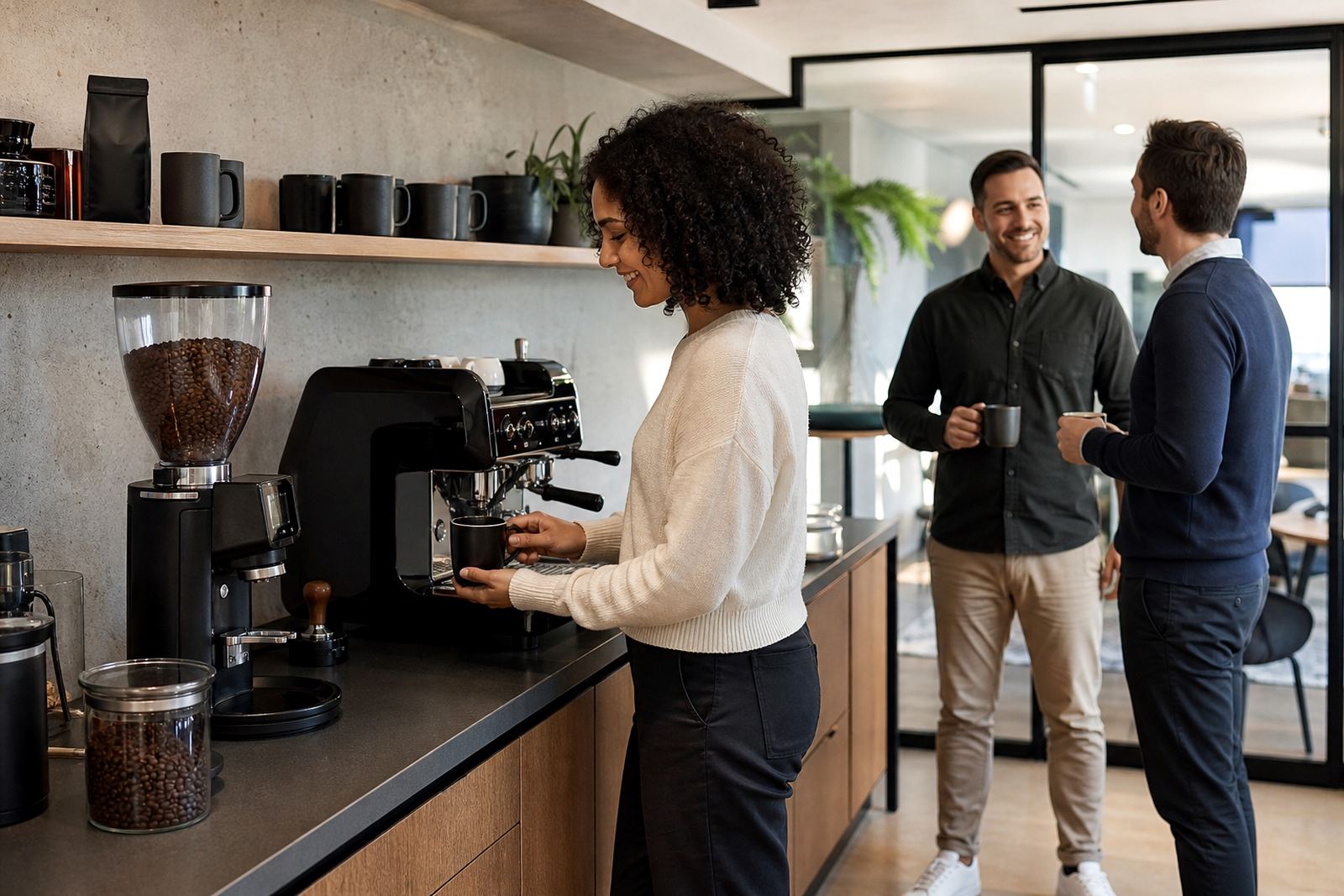
Most weekly delivery clients use equipment that needs consistent grind and dose settings. That can include a domestic or commercial espresso machine, a grinder with stepped or stepless adjustment, a batch brewer, a pour-over setup, or a plunger station for meeting rooms. In some cases we also supply brew jugs, scales, filters, milk jugs and cleaning supplies so the routine stays simple for staff.
A weekly plan is strongest when the equipment list is clear from the start. If the grinder is under-sized or the brew station is awkwardly placed, stock use becomes uneven and the coffee quality drops. We often help with grind calibration, basket sizing and the order of service points so the first drink of the day is as good as the last. In humid coastal areas like Gqeberha or Durban, airtight storage and dry dispensing habits matter too, because coffee can pick up moisture faster than people expect.
- Espresso machine with grinder for main service points
- Batch brewer or pour-over kit for meeting rooms or offices
- Air-tight storage tubs and labelled containers for open bags
Planning the layout so weekly stock actually works
Good planning starts with where the coffee is made, where it is stored and who refills it. In a small office, the best layout is usually one main brew point and one backup station, not three half-used setups scattered across the floor. In larger spaces we map use zones by team, floor or department so one area does not run dry while another is overstocked. That also helps with municipal waste rules and recycling, because used packaging can be collected in one place instead of drifting through the whole building.
Weekly delivery also needs a real storage plan. Keep unopened bags in a cool cupboard away from sunlight, dishwashers and cleaning chemicals. Open bags should be used first and clearly dated. If your office has limited space in Woodstock, Southern Suburbs or the Atlantic Seaboard, we can set volumes that fit a shallow shelf rather than pushing you into bulk storage you will never use. For home clients, a simple top-shelf cupboard and a small sealed canister is often enough.
- Place the main brew point near water, power and cleaning access
- Keep stock away from heat, windows and chemical cupboards
- Label open bags with the delivery week and use-by target
How our weekly rotation is managed
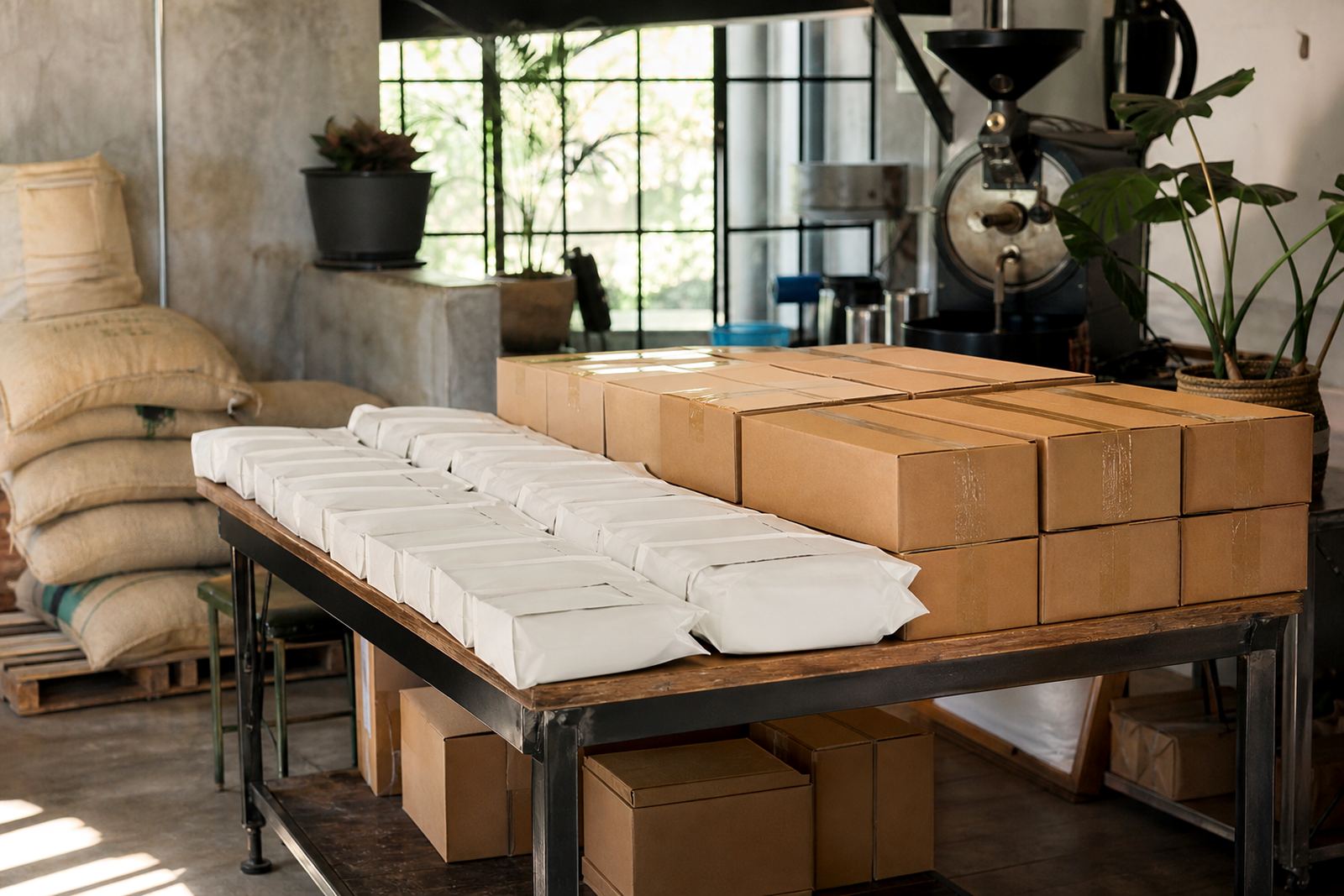
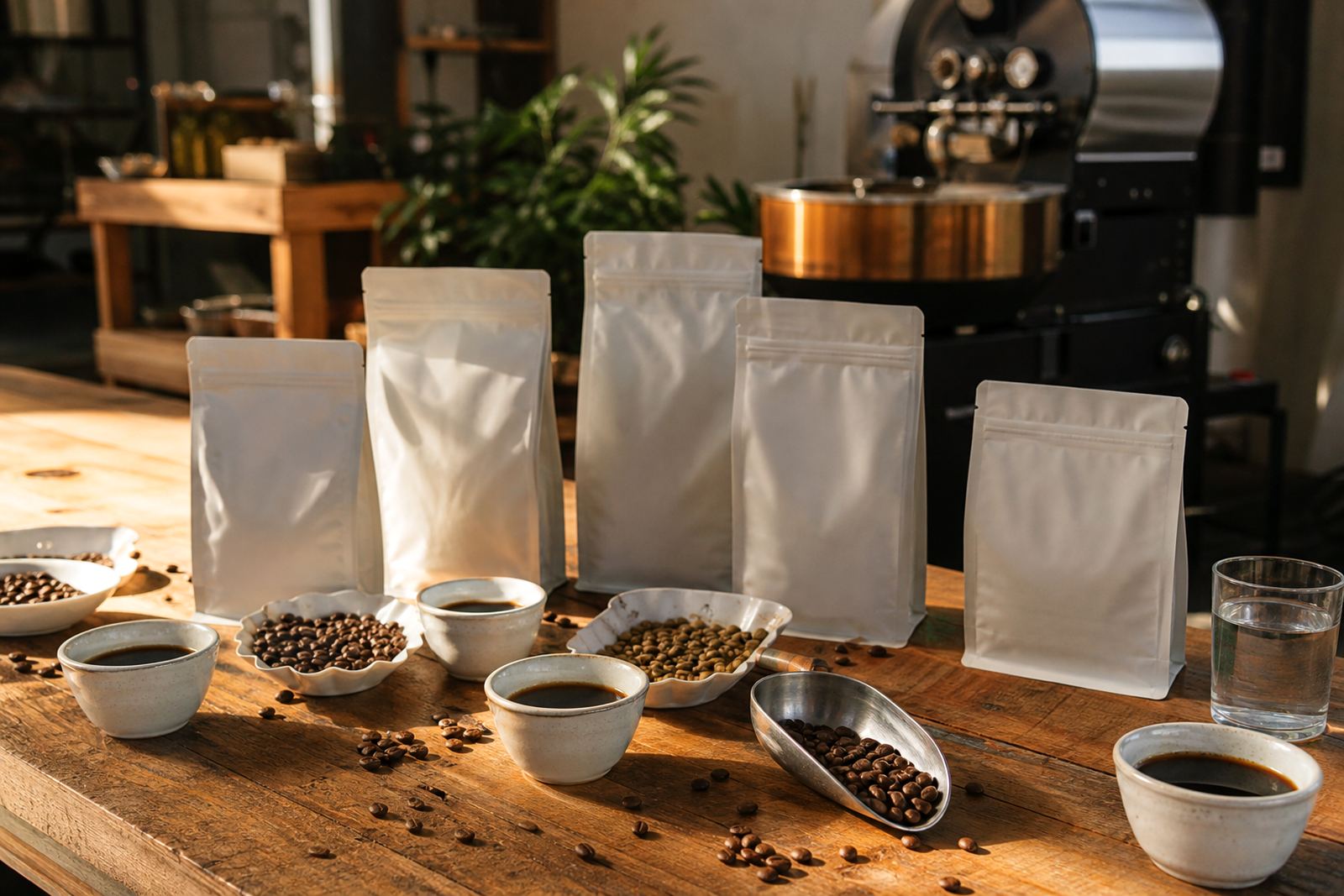
Weekly delivery works best when the rotaion is planned around actual consumption rather than a fixed guess. We look at how much you use, how fast each method moves, and whether you want one origin for a full week or a mix across the month. Some clients want a familiar house profile most weeks, with one different single-origin bag added for seasonal variety. Others prefer a sharper change every delivery so the team or family can taste the differences between regions and processing styles.
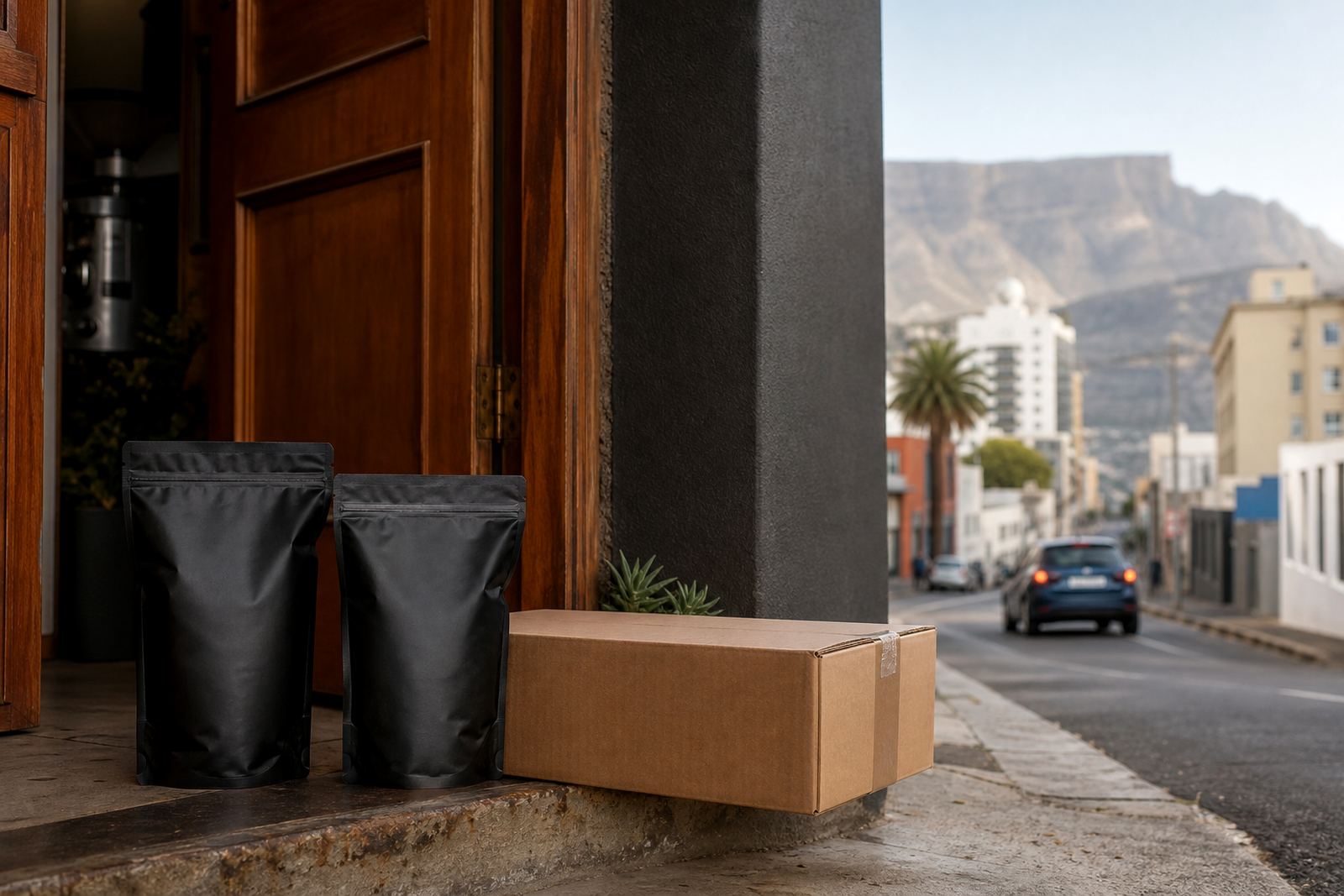
For subscription accounts in Cape Town, Johannesburg, Pretoria, Durban and Gqeberha, weekly scheduling also helps with transport timing and stock forecasting. If a team uses more coffee after a client event, month-end deadline or colder weather, we can adjust the next drop before the shelves run low. That matters more than people think, because running out midweek often leads to emergency purchases that are weaker in flavour and more expensive per cup.
- Regular stock checks prevent over-ordering and stale coffee
- Weekly notes can adjust for meetings, events or leave periods
- Single-origin rotation keeps the tasting profile fresh without waste
Common mistakes we see with weekly delivery
The biggest mistake is treating weekly coffee like a one-size-fits-all refill. If the office grows, the brew method changes or the kitchen gets busier on certain days, the original quantity is no longer correct. Another common problem is storing all bags near the machine in a warm room. That is asking for flat flavour, especially in summer or in coastal offices where the air carries more moisture. People also forget to separate training stock from service stock, which leads to opening the wrong bag at the wrong time.
We also see teams underestimating how much coffee different drink styles use. Espresso drinks, long blacks and filter coffee all move stock differently. If there are 15 people in the office but six of them drink three cups a day, the numbers add up fast. It is better to plan from real use than from headcount alone. One small typo in the count can leave you short for days.
- Guessing volumes from staff numbers instead of actual cups per day
- Keeping beans too warm or too close to moisture
- Mixing training bags and service bags on the same shelf
Budget ranges for weekly coffee supply
Weekly delivery budgets vary by volume, bean choice and whether you need equipment support. For a small home or light office setup, many clients spend from about R600 to R1 200 per week. A medium office or hospitality counter often sits between R1 500 and R3 500 per week. Higher-use sites, especially where coffee is served all day or across multiple stations, can move into the R4 000 to R8 000 per week range. If you need brew training, grinder calibration or menu planning, that can be quoted separately or built into the account.
It is worth comparing the weekly spend against emergency top-up buying, wasted stock and poor extraction. A well-run weekly plan usually costs less per cup over time because the beans are fresher and the equipment is set up properly. For new accounts, we often start with a practical first month and then tighten the order once real usage is visible. That keeps the numbers honest and avoids paying for coffee that sits untouched for too long.
- Small home or light office: about R600 to R1 200 per week
- Medium office or hospitality counter: about R1 500 to R3 500 per week
- High-use sites: about R4 000 to R8 000 per week