

What the bakery needed in Claremont
The bakery served a steady morning crowd, with a sharp spike between 07:00 and 10:00 from office staff, parents and commuters. Their team needed a coffee offer that sat well next to croissants, turnovers, almond slices and plain butter pastries, while still standing up on its own for takeaway cups and sit down orders.
The brief called for a softer espresso profile than a standard dark roast, but not one so light that milk drinks lost their shape. The bakery also wanted a service plan that worked around oven traffic, narrow counter space, and the realities of load-shedding in Cape Town. It had to be quick to run, easy to train, and steady enough for a packed Friday morning.
- Location: Claremont, Cape Town
- Service type: bakery coffee pairing and menu support
- Time on site: 3 weeks from first tasting to sign-off
- Peak service window: early morning and lunch rush
How we built the pairing around pastry
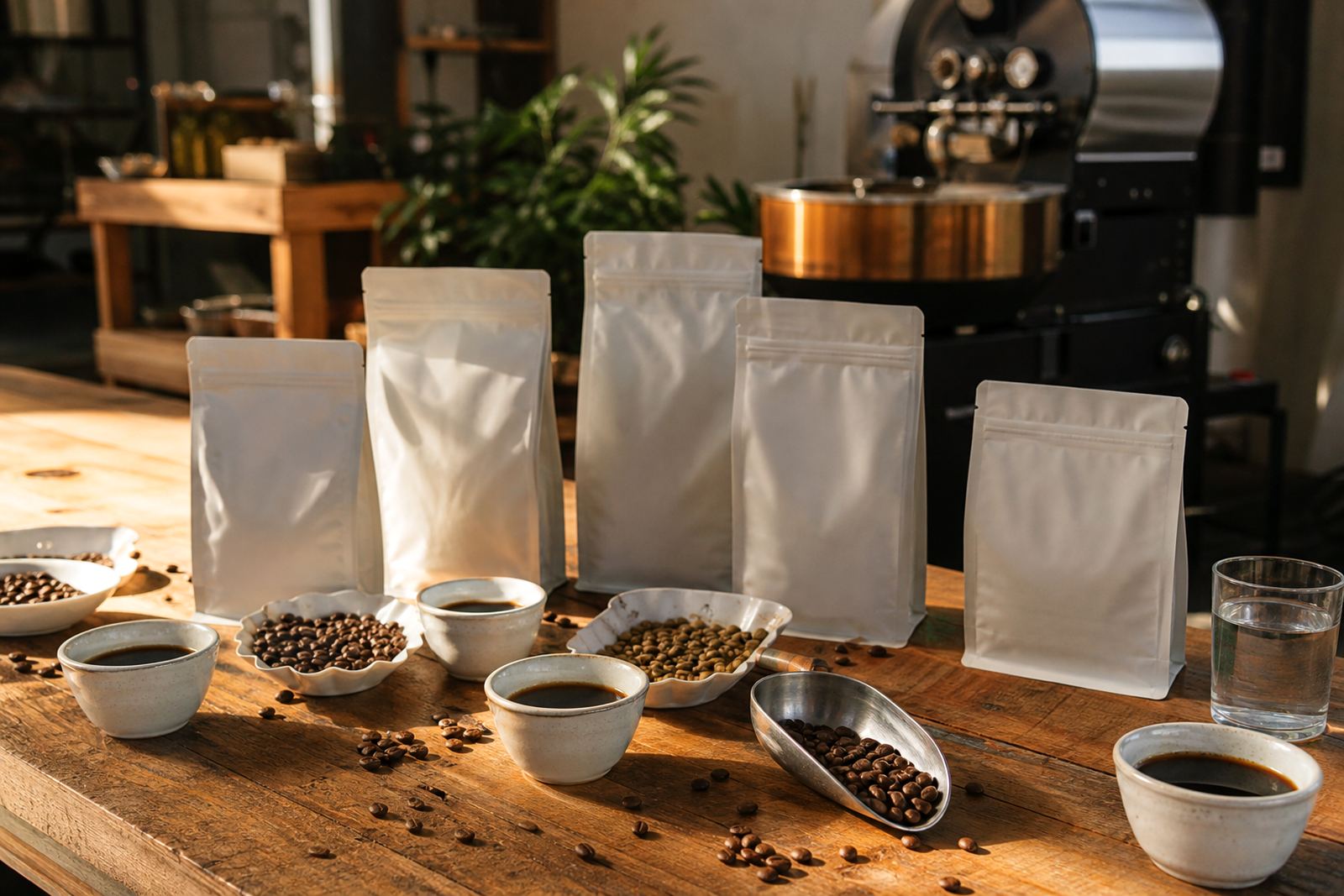
We started with three espresso trial profiles, each adjusted for sweetness, acidity and body. The bakery wanted coffee that lifted buttery pastries without turning sharp on the palate, so we favoured washed single-origin lots with clean fruit notes and cocoa finish. That gave the baristas enough structure for milk drinks, while keeping the black espresso bright enough to cut through rich bakes.
We then paired drinks with specific items on the cabinet. A lighter citrus-led espresso worked best with plain croissants and scones. A rounder profile with caramel and stone fruit notes sat better with custard tarts and Danish pastries. For guests taking coffee with both pastry and breakfast rolls, we set a house blend style option that stayed balanced even when milk volumes varied a bit.
- Espresso dose set at 18 g for a 36 g yield
- Shot time target: 27 to 30 seconds
- Milk steaming set for 58 to 62 degrees C
- Grind checked twice daily during service peaks
What we supplied and trained the team on
We supplied coffee for tasting, final menu calibration, and the first stock run while the bakery settled into the new pairing. Alongside that, we helped the team map out brew ratios for espresso, Americano and cappuccino service, plus a simple milk workflow that kept waiting times low when the queue built up.
Training was practical and hands-on. We covered grinder adjustment, dosing, tamp pressure, shot consistency and how to read taste changes through the morning as humidity shifted. In Cape Town, coastal air can change extraction more than people expect, so the team needed a method that could cope when the weather turned damp and the bakery heat kicked in. We also set up a basic cleaning routine so the equipment stayed stable during long shifts.
- Barista training for 6 staff members
- Calibration sheets for opening, mid-shift and close-down
- Cleaning schedule for baskets, group heads and steam wands
- Stock rotation plan for daily use and weekly top-ups
Working around bakery constraints and load-shedding
The main constraint was timing. Bakery staff were already juggling proofing, oven cycles and front-of-house service, so coffee had to slot into the day without adding delay. We kept the menu tight, with a small number of drinks that could be made quickly and repeated with confidence. That matters in a bakery, where one slow order can back up the whole counter.
Power interruptions were another practical issue. We planned the workflow around equipment that could restart cleanly after outages, and made sure the team knew what to check first before opening the rush back up. Water quality was also part of the brief, because poor water changes extraction and shortens equipment life. By setting clear brew targets and maintenance steps, the bakery could keep quality steady even on uneven days.
- Menu kept to 5 core drinks plus seasonal specials
- Recovery steps written for post-outage restart
- Water checks included on the weekly service sheet
- Counter setup designed for a small service footprint
What changed after the first service week
By the end of the first week, the bakery team was moving faster and wasting less coffee. Shots were landing in the right range more often, milk texture improved, and the front counter stopped needing constant help from the back of house. The pairing also made the pastry offer easier to sell, because staff could confidently suggest the right cup for the item in front of the customer.
The biggest win was consistency. Customers were getting the same flavour profile from opening time through the mid-morning rush, and the kitchen team reported fewer delays at the machine. Sales of espresso based drinks rose, and the bakery saw stronger repeat orders from regulars who came back for the same pastry and coffee combination. It was a small change on paper, but it made the service feel calmer and more organised.
- Training and calibration completed in week 1
- Menu finalised in week 2
- Service fine-tuning completed in week 3
- Better drink consistency across the full morning shift
What we would repeat on the next bakery project
We would repeat the same approach again: taste with the pastry, not apart from it. That means building the coffee range around sweetness, butter, acidity and finish, instead of chasing a profile that sounds good in isolation. For bakery clients, it is also worth keeping the menu lean. Too many options slow the counter and make staff second-guess the brew.
We would also keep the calibration routine from day one, because bakery service is unforgiving when grind drift sets in. In a busy Claremont setup, the best results came from short training, clear targets and a daily check-in. It is not fancy, but it works. And when the pastry cabinet is full and the queue is out the door, that is what matters most.
- Short menu, clear recipes, repeatable method
- Pair coffee to the actual pastry range on site
- Keep daily calibration non-negotiable
- Plan for weather, power and peak trade from the start
Key facts
| Client type | Independent bakery in Claremont, Cape Town |
|---|---|
| Project duration | 3 weeks |
| Coffee style | Single-origin espresso profiles with a balanced milk option |
| Key service | Bakery coffee pairing and menu calibration |
| Training | 6 staff trained on grinder, dosing and milk workflow |
| Outcome | Faster service, steadier flavour and better pastry matching |