
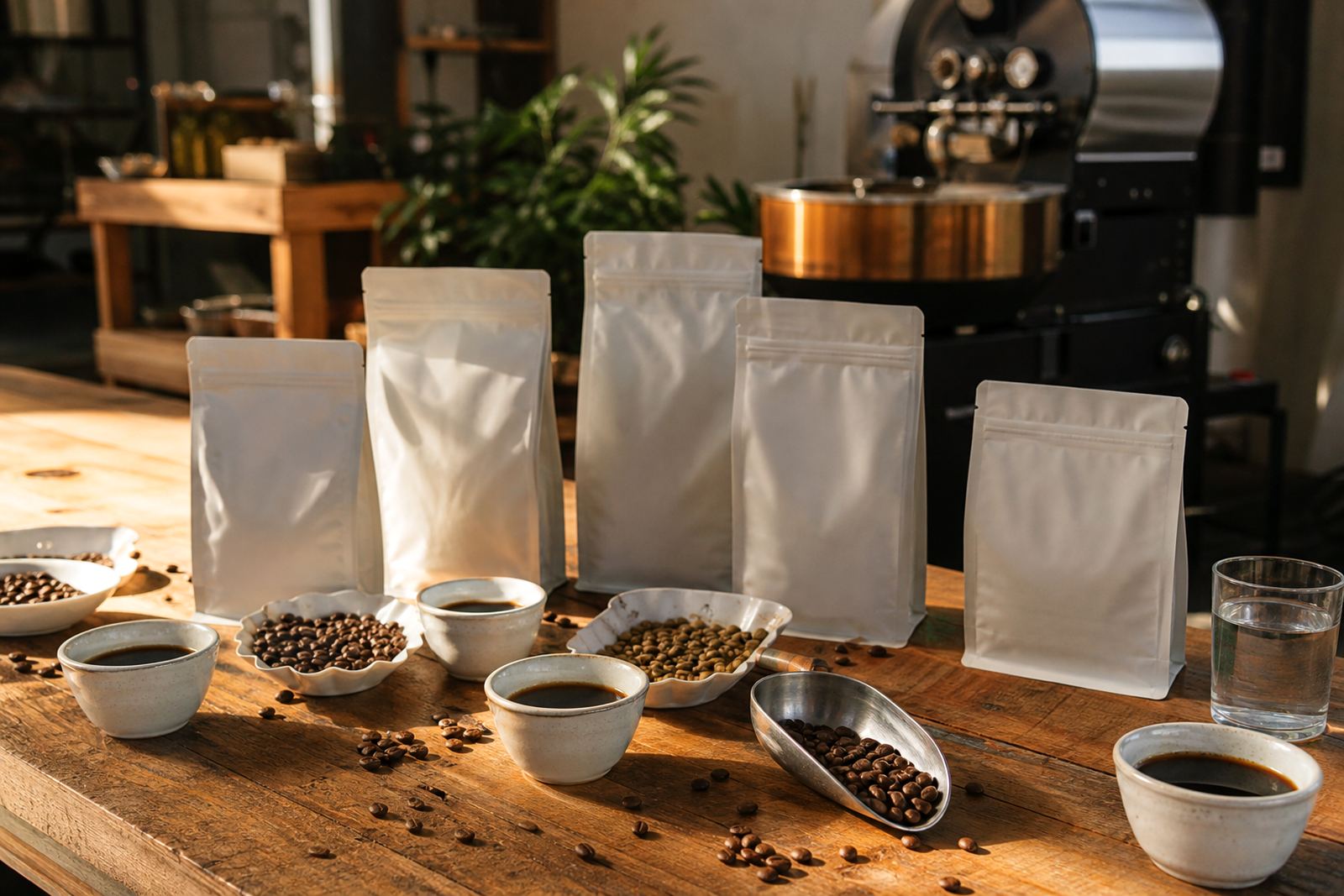
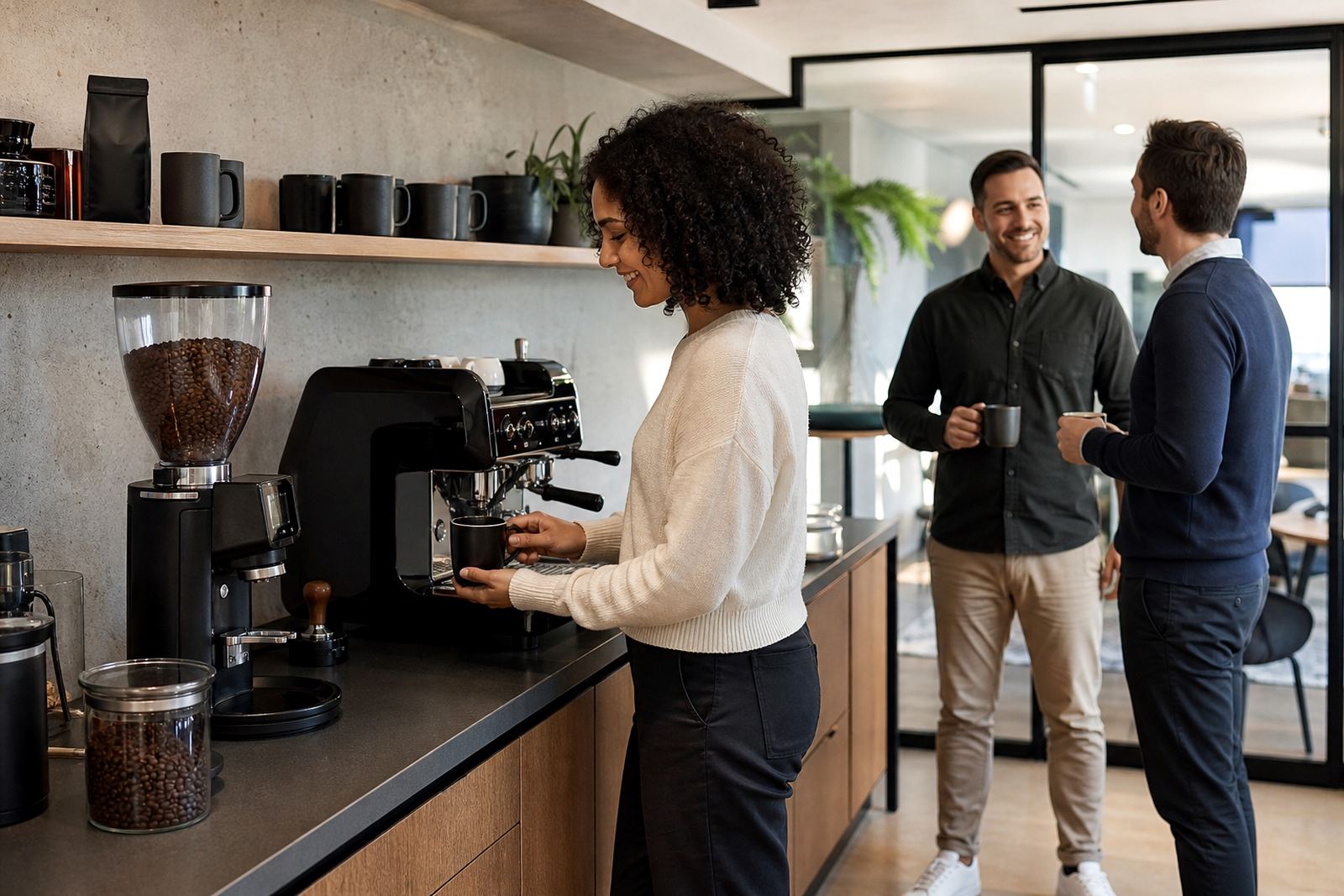
A tasting space for visitors in Stellenbosch
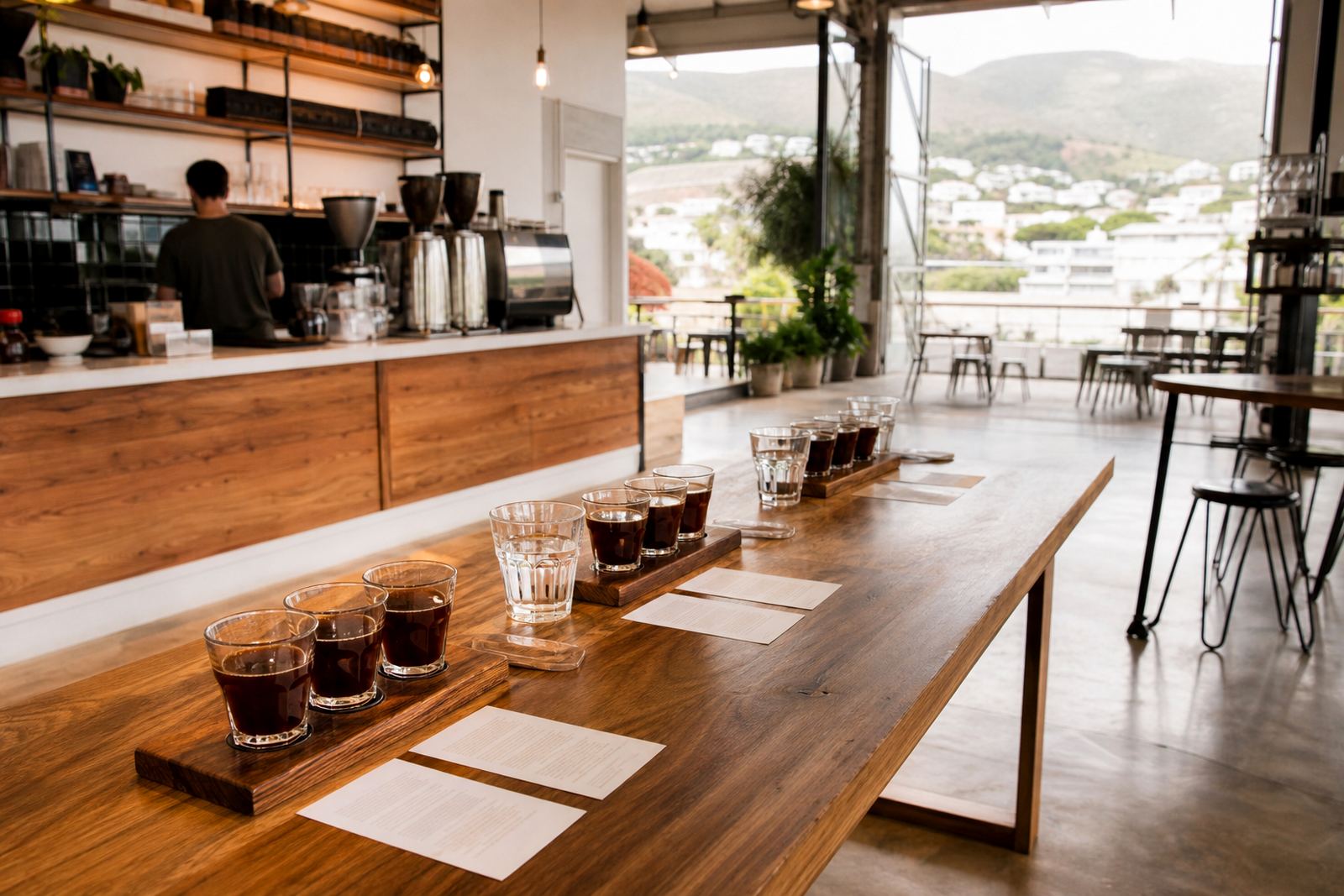
This project was for a visitor-facing tasting room in Stellenbosch that wanted to add speciality coffee alongside their existing tasting experience. The team needed a coffee offer that felt considered, but not complicated, and it had to work for locals, weekend tourists and private bookings with changing footfall.
Our base in Woodstock meant we could support the site quickly and keep the supply chain tight across the Cape winelands. The tasting room serves short, high-quality drinks rather than long café-style menus, so the focus was on flavour clarity, fast service and equipment that could handle back-to-back orders without drama. The site also had to cope with summer heat, winter damp, and the odd power interruption, so the setup needed to be practical from day one.
The brief and the constraints on site
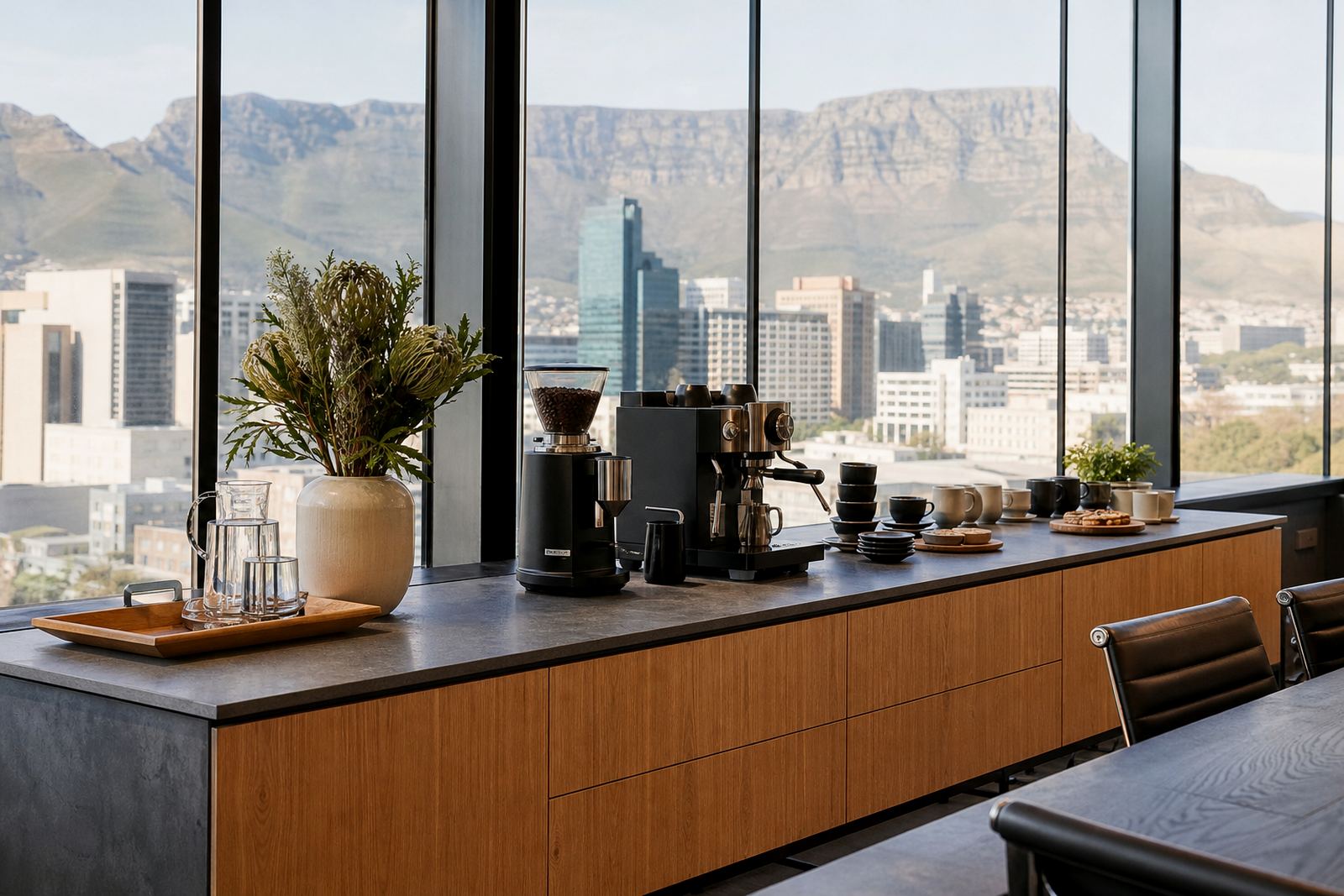
The client wanted a coffee offer that matched the standard of their tasting counter without taking over the room. There was limited counter space, only one main service point and no room for a complicated grinder bank or extra storage. Staff also rotated between duties, so the system had to be easy to learn and hard to get wrong.
- One grinder, one brew station and a compact workflow
- Single-origin coffee rotation with clear tasting notes
- Fast training for staff who were not coffee specialists
- Low waste service during quiet periods and peak weekend trade
- Backup steps for load-shedding and slower service windows
We also had to work within the room layout and keep the visual clutter down. That meant fewer loose items on the counter, simple labels for each origin, and a menu that could be read at a glance. The team wanted it to look neat, not overly styled, and that suited the space well.
What we supplied and how we set it up
We supplied a rotating range of single-origin speciality coffee, calibrated the grind for the site’s chosen brew method, and helped shape a short menu that would be easy to manage. The offer was built around espresso and filter service, with brew ratios and dosing kept consistent so each cup tasted the same across shifts. Ayanda Mkhize handled the roast profile direction, while Liam Naidoo coordinated supply and stock timing.
We also set up the practical side of the service. That included cup sizing, serving order, stock forecasting, and a simple rotation plan so the tasting room could move from one origin to the next without confusing staff or regular visitors. Jason Petersen managed the subscription-style replenishment side for the office back-room stock, while Naledi Molefe trained the team on tasting language and how to talk about origin, process and roast level in a way that felt natural.
- Rotating single-origin beans, packed for freshness
- Grind calibration for the chosen brew method
- Brew guide sheets for staff handover
- Stock rotation plan for busy weekends and quieter weekdays
- Simple tasting notes for customer-facing use
Training, tasting notes and daily service
We spent time on the floor with the team so they could serve confidently from the first week. The aim was not just to make better coffee, but to make the service repeatable when the room filled up. We covered dose consistency, grind checks, water contact time, milk handling and how to spot when a cup had drifted out of spec.
Naledi focused on communication too. Visitors often ask why one coffee tastes brighter than another, or why a certain origin changes from one month to the next. The team now has a clear way to explain that without sounding technical or salesy. A short tasting script helped a lot, and the staff picked it up quickly. By the end of the first training block, they were working through the menu with confidence and less second guessing.
We also added a simple check routine for opening and closing. That covered cleaning, grinder purging, bean changes and a quick equipment test before service. It saved time, reduced waste and kept the morning rush moving, even when the room was full of visitors after a wine tasting or lunch booking.
Timeline, delivery and results after launch
The project ran over three weeks from first site visit to launch. Week one was the brief, layout check and menu planning. Week two was supply setup, grind calibration and staff training. Week three covered testing, final adjustments and the first live service period. That short window worked because the room had a clear purpose and the team were ready to adopt a simple system.
The result was a coffee offer that matched the pace of the tasting room and gave visitors another reason to stay a little longer. Coffee sales became part of the overall experience instead of an add-on that felt bolted on. The team reported smoother service, fewer errors on drink prep, and a better response from guests who appreciated having a proper single-origin option in town. It also helped the site keep service steady during busy weekends when the rest of the room was under pressure.
- Launch timeline: 3 weeks
- Service style: compact tasting room coffee offer
- Rotation: seasonal single-origin changes
- Operational gain: faster staff handover and less waste
What we would do again for a room like this
For a tasting room in Stellenbosch, we would use the same approach again: keep the menu short, keep the beans fresh, and make sure staff can explain the coffee without overthinking it. That is what made this project work. The right setup in a small room can do a lot, especially when visitors come in after a long drive and want something good without waiting too long.
We would also keep the stock plan tight and seasonal, with clear forecasting before school holidays, harvest weekends and summer peaks. In a region where humidity can shift quickly and service times change with the season, that planning matters. A clean brew station, a clear menu and a few well chosen origins were the right fit here. It was a straightforward project, but a good one, and the final setup has room to grow if the tasting room wants to add more menu moments later on.
Key facts
| Project type | Tasting room coffee setup with rotating single-origin brews |
|---|---|
| Location | Stellenbosch, Western Cape |
| Timeline | 3 weeks from brief to live service |
| Coffee format | Espresso and filter service with seasonal origin rotation |
| Key setup | Compact brew station, grind calibration and staff training |
| Service outcome | Faster guest service, clearer tasting notes and steadier daily operations |