
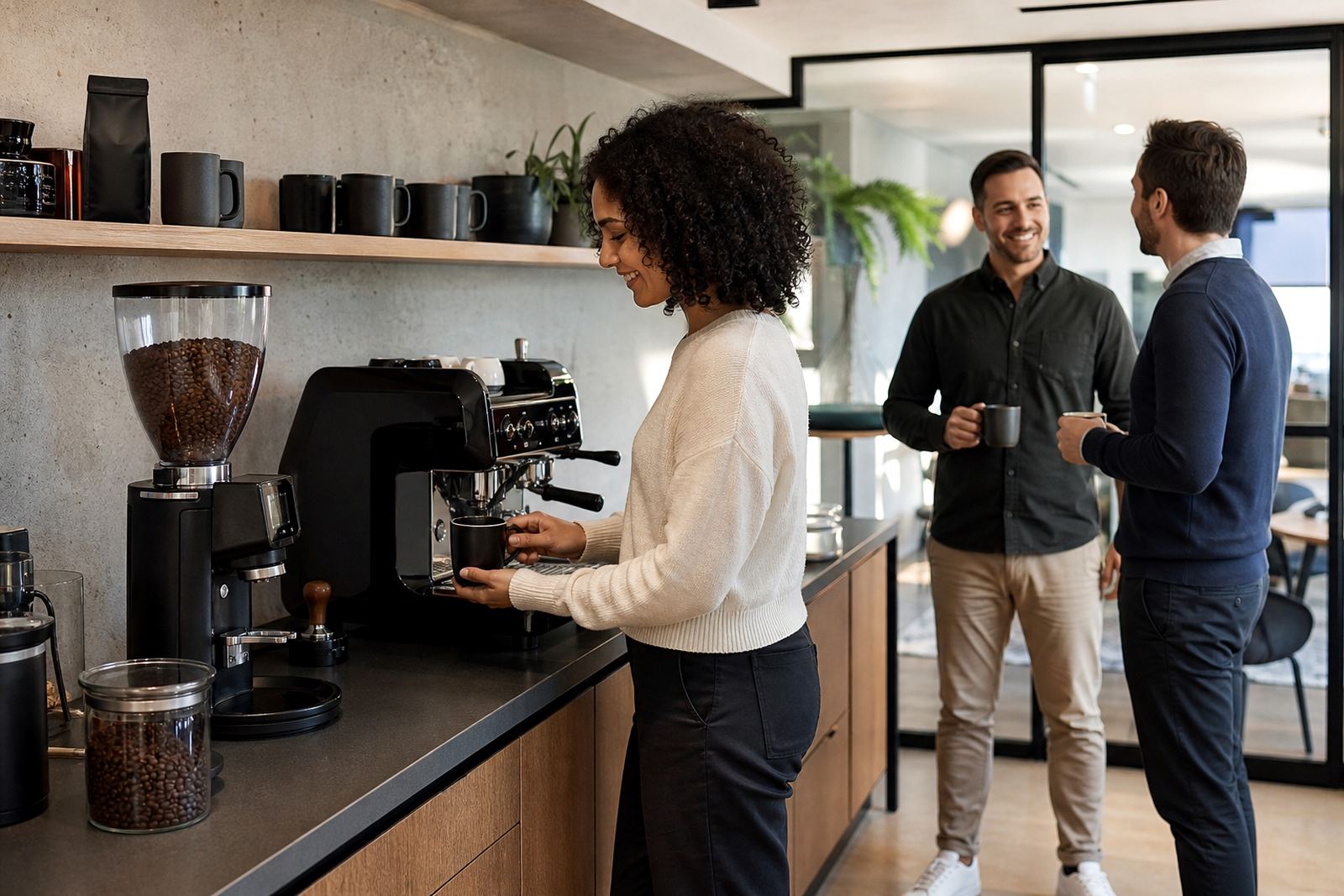
The brief from a busy Sandton meeting space
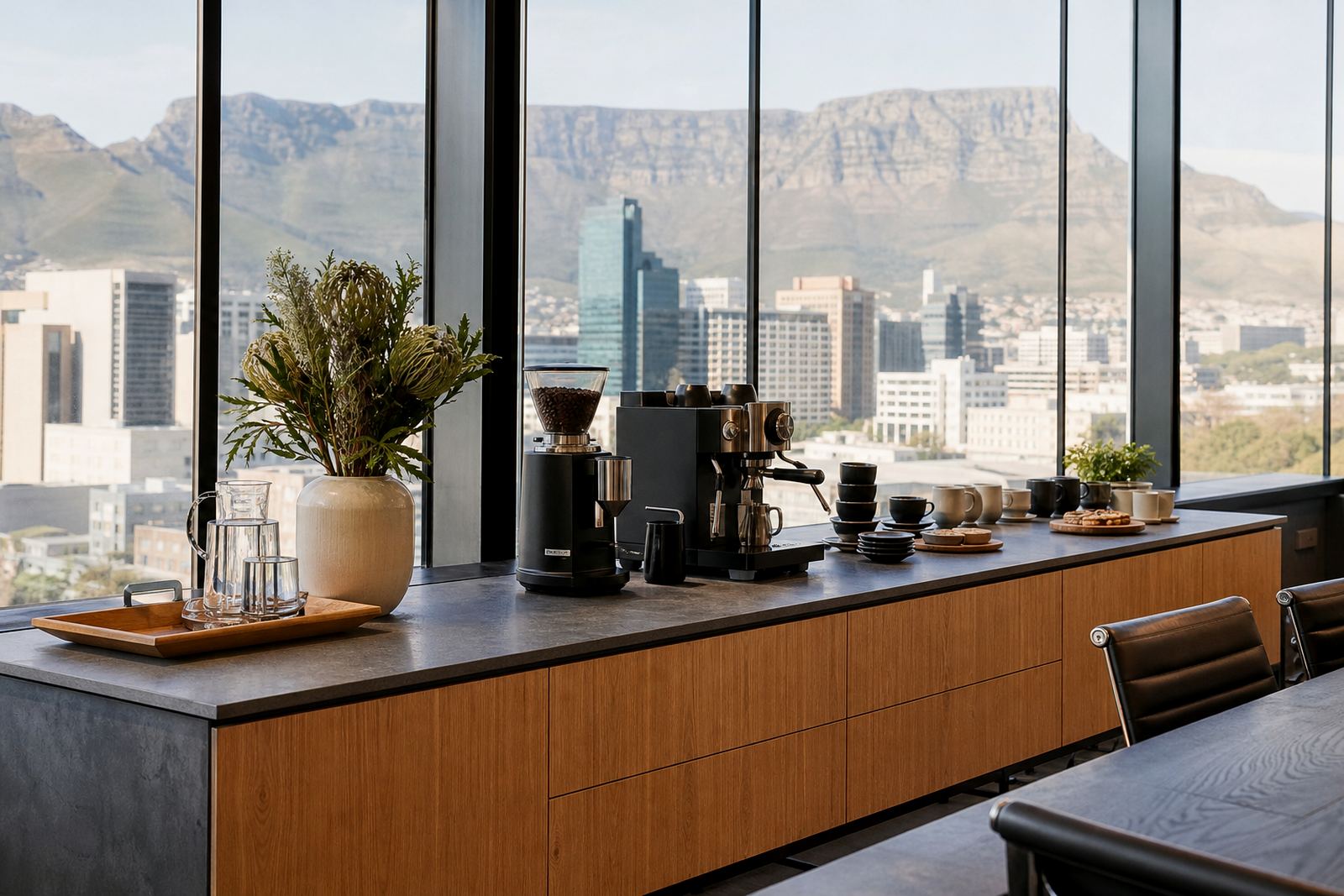
The client was a corporate office in Sandton, Johannesburg with a boardroom that hosted back to back meetings, executive reviews and visiting clients. Their existing coffee was inconsistent and the team wanted something better without adding admin for reception or facilities staff. The brief was clear: keep the coffee fresh, keep the process tidy and make sure the room always had enough stock on hand.
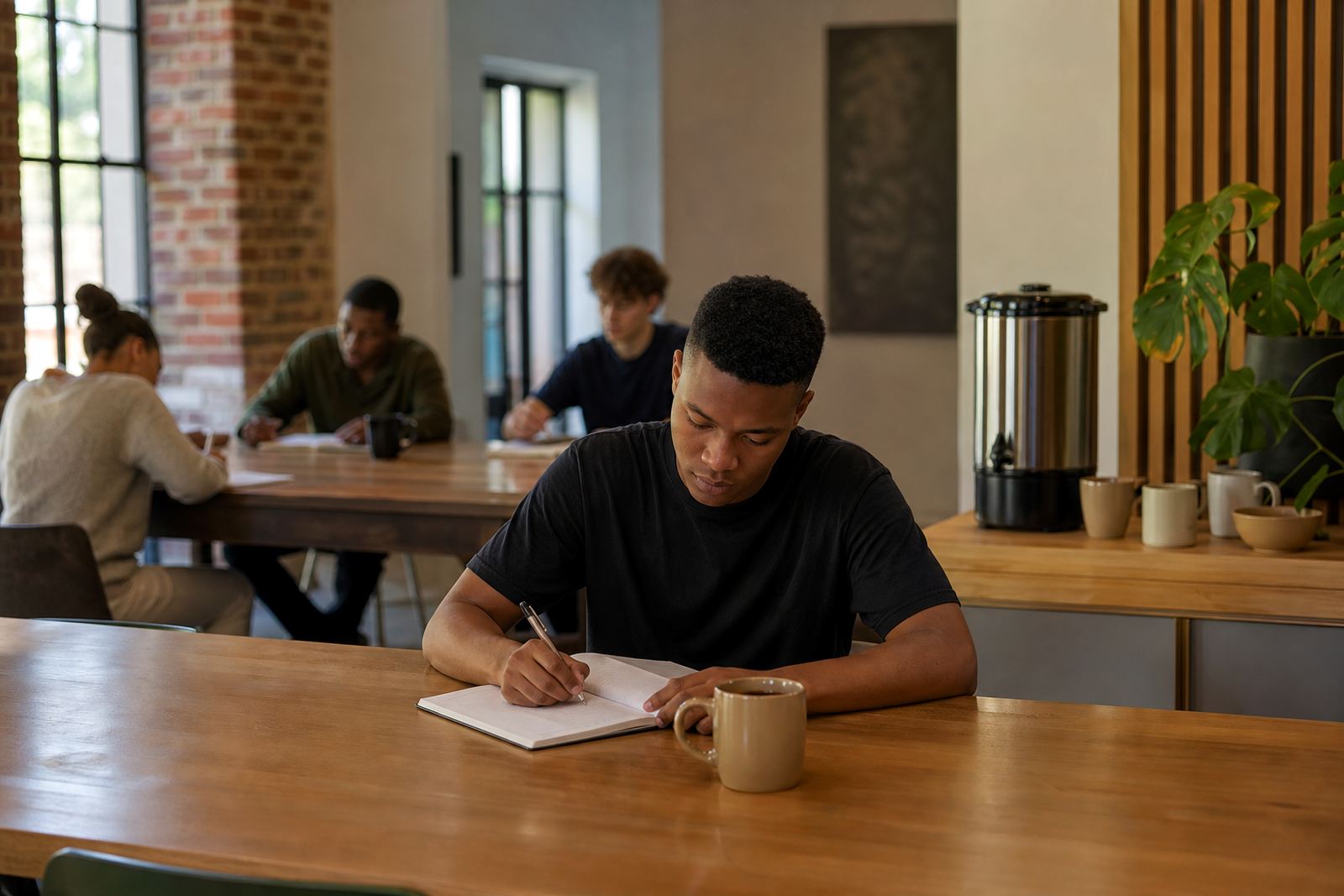
Because the room was used by different people through the week, the setup had to be easy to manage. Some guests preferred black coffee, others wanted milk based drinks and the office needed a dependable option for mornings, lunch meetings and late afternoon sessions. The site also had the usual Sandton constraints, including limited storage space and the need for deliveries that would not interrupt meeting schedules.
- Client type: corporate office with a formal boardroom
- Town: Sandton, Johannesburg
- Use case: meetings, client presentations and internal planning sessions
- Service focus: coffee supply, brew training and stock forecasting
What we supplied and how we set it up
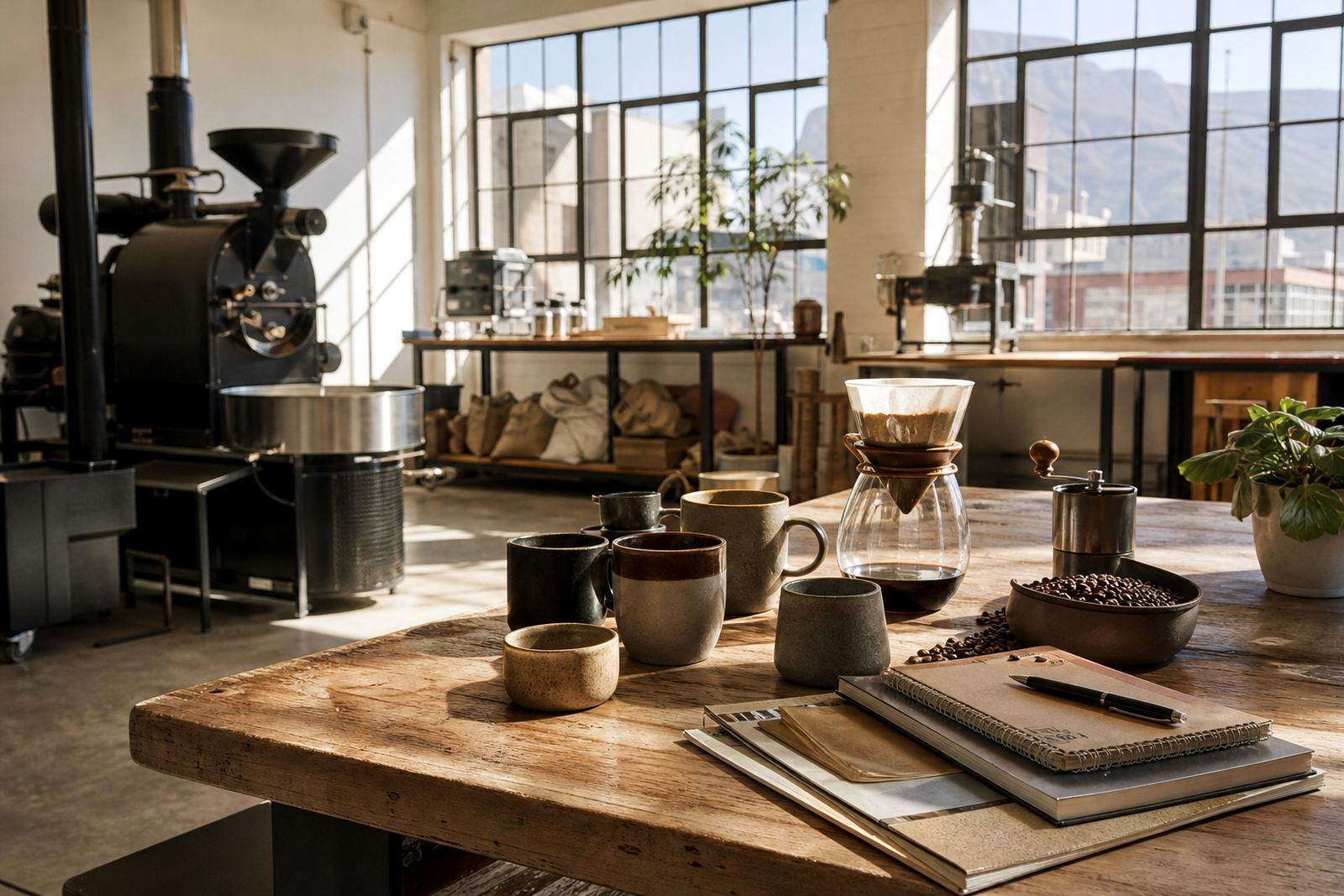
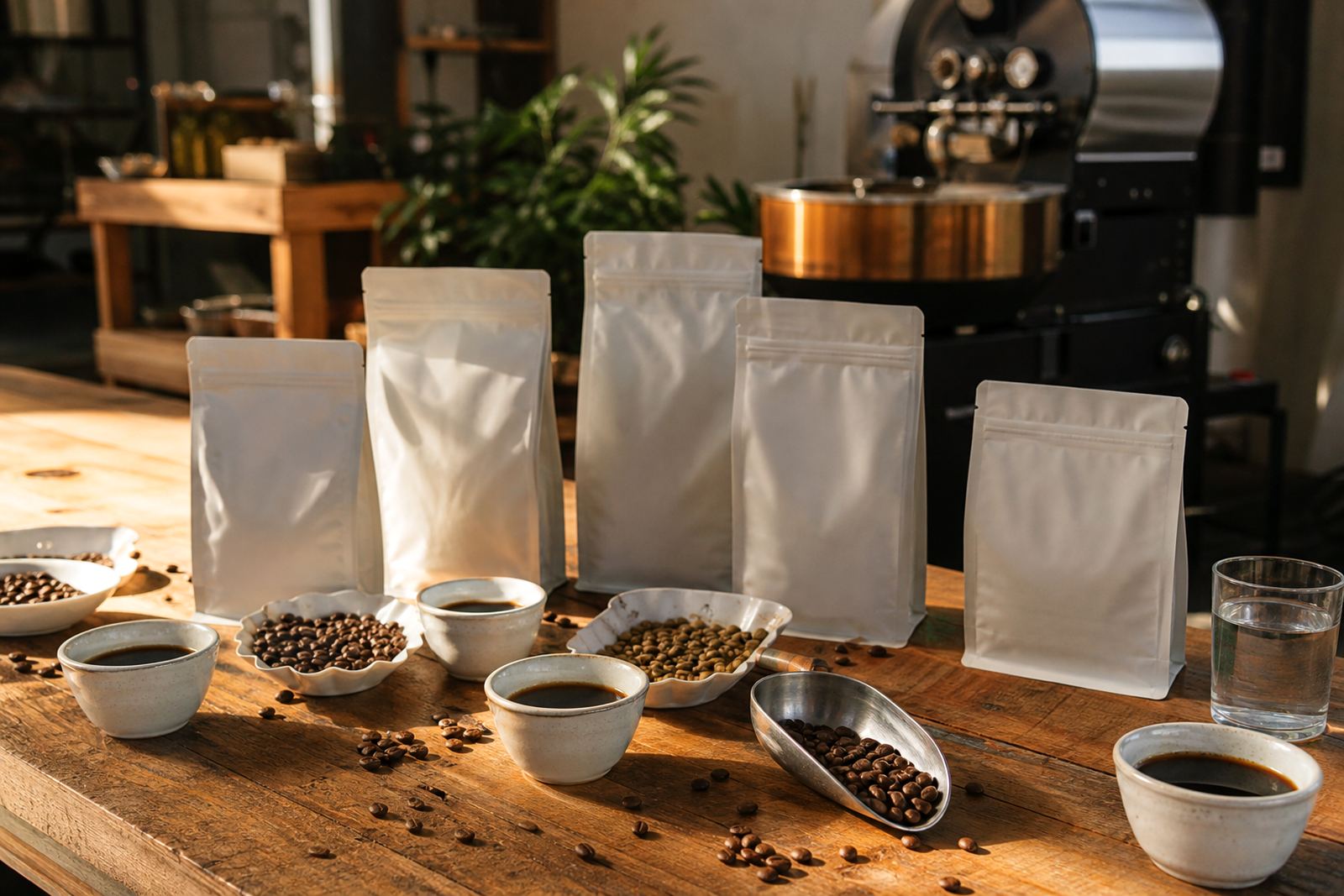
We supplied single-origin coffee for a regular boardroom service, with a rotation that kept flavour bright and clean rather than bitter or tired. The office asked for a practical setup, so we worked with medium roast profiles that handled both espresso and filter style brewing. Each delivery was portioned for easy storage and quick restocking, which mattered because the office did not want open bags sitting around for days in air-conditioned rooms.
We also handled grind calibration for the brewing equipment in use on site. That step made a clear difference because small changes in extraction had been affecting taste from one week to the next. Once the brew was calibrated, the team could produce a more consistent cup from the first meeting of the day to the last one in the afternoon.
- Bean format: whole bean and pre-ground where needed
- Roast style: medium roast single-origin selection
- Delivery cadence: scheduled stock drops to suit office use
- Support: grind adjustment and brew guidance for office staff
Constraints we had to work around
The biggest constraint was consistency under pressure. Boardroom coffee needs to be ready quickly, especially when meetings overrun and visitors arrive early. The office also had limited prep space, so everything had to fit neatly and stay easy to access. In a high-rise setting in Sandton, loading bay windows and lift timing can affect deliveries, so we planned stock drops around those time slots rather than forcing a fixed routine that would cause delays.
Another factor was load-shedding risk. While the office did have backup power for key systems, coffee prep still needed to remain practical during outages. We kept the menu simple, chose a brew method that works well with minimal equipment and made sure the team knew how to manage stock so they would not run short if a delivery got shifted by traffic on the M1 or a meeting ran over. That kind of planning saves a lot of stress later.
- Limited storage in the boardroom support area
- Delivery timing tied to lift access and office security
- Load-shedding planning for prep and serving
- Need for low-maintenance daily coffee service
The rollout over three weeks
The project ran over three weeks. In week one we assessed usage, counted cups per day and mapped the likely stock turnover. In week two we delivered the first rotation of beans, calibrated the grind and tested the brewing method with the office team. Week three was used to fine tune quantities, confirm delivery timing and settle the subscription rhythm so the boardroom would not run dry before the next drop.
That short rollout was enough to get the space onto a reliable cycle. The client did not need a complicated hospitality programme, just a tidy system that matched the pace of a busy office. By the end of the third week, the team had a clear routine for brewing, storing and ordering, with far less last minute scrambling.
- Week 1: usage review and stock planning
- Week 2: first delivery, calibration and testing
- Week 3: quantity adjustment and delivery schedule lock-in
The result in the room
The boardroom moved from average office coffee to a fresher, more reliable service that suited the tone of the space. Meetings started with better coffee, and the staff no longer had to rush out for emergency supplies. Because the coffee was arriving on schedule, the office could forecast usage with much more confidence and avoid waste from over-ordering. The taste also held up better across the week, which mattered when different people were making coffee at different times.
From a service point of view, the change was simple but useful. The room felt more prepared for clients and the internal team had fewer interruptions during meetings. It was not about making coffee complicated, just about making it work properly day after day.
- Fresher coffee in the boardroom every week
- Fewer urgent top-ups from staff
- Better consistency between brews
- Cleaner stock control and less waste
What we would repeat on the next office project
We would use the same approach again for another Sandton office: start with a usage check, keep the coffee range focused and build the delivery plan around the building rules rather than fighting them. That keeps the service practical for reception teams, facilities managers and executive assistants who already have enough on their plates.
For corporate spaces, the small details matter. Accurate forecasts, neat storage, proper grind calibration and a clear restock rhythm make a bigger difference than most people expect. If the room is used for client meetings or board decisions, the coffee should support that setting without becoming another admin task. That was the outcome here, and it is the way we would handle the next one too.
- Start with actual cup count, not guesswork
- Plan deliveries around building access and meeting times
- Keep the menu focused for easier service
- Review stock use after the first two weeks
Key facts
| Project type | Corporate boardroom coffee supply and service |
|---|---|
| Town | Sandton, Johannesburg |
| Timeline | 3 weeks from review to settled delivery cycle |
| Coffee style | Single-origin medium roast for office brewing |
| Main services | Coffee Supply, Grind Calibration, Subscription Management, Stock Forecasting |
| Service areas | Johannesburg, Pretoria, Cape Town, Durban and Gqeberha |